
From the Zambezi Queen’s floating boutique luxury to Lake Kariba’s tiger-fishing houseboats, cruising the Chobe and Zambezi rivers offers Africa’s wildlife at unforgettably close range.
Watching Africa’s wildlife from the deck of a boat rather than the seat of a Land Cruiser changes the pace of things entirely. There’s no dust, no grinding over uneven tracks, just water sliding past and, every so often, an elephant trumpeting somewhere along the bank. It’s this stillness that has quietly turned houseboat safaris on the Chobe River, and further afield on the Zambezi system at Lake Kariba, into one of Southern Africa’s most rewarding ways to see the region’s wildlife.
Unlike a river cruise in the European sense, a houseboat safari is built around a single, fixed stretch of water. The vessel typically moors in one place, or cruises a short, well-known route, while smaller tender boats ferry guests out for game drives on the water itself. It’s an unusually social, unhurried format, and one particularly suited to travellers who want serious wildlife access without the early starts and long drives that define a conventional safari.
Why Choose a Houseboat Safari
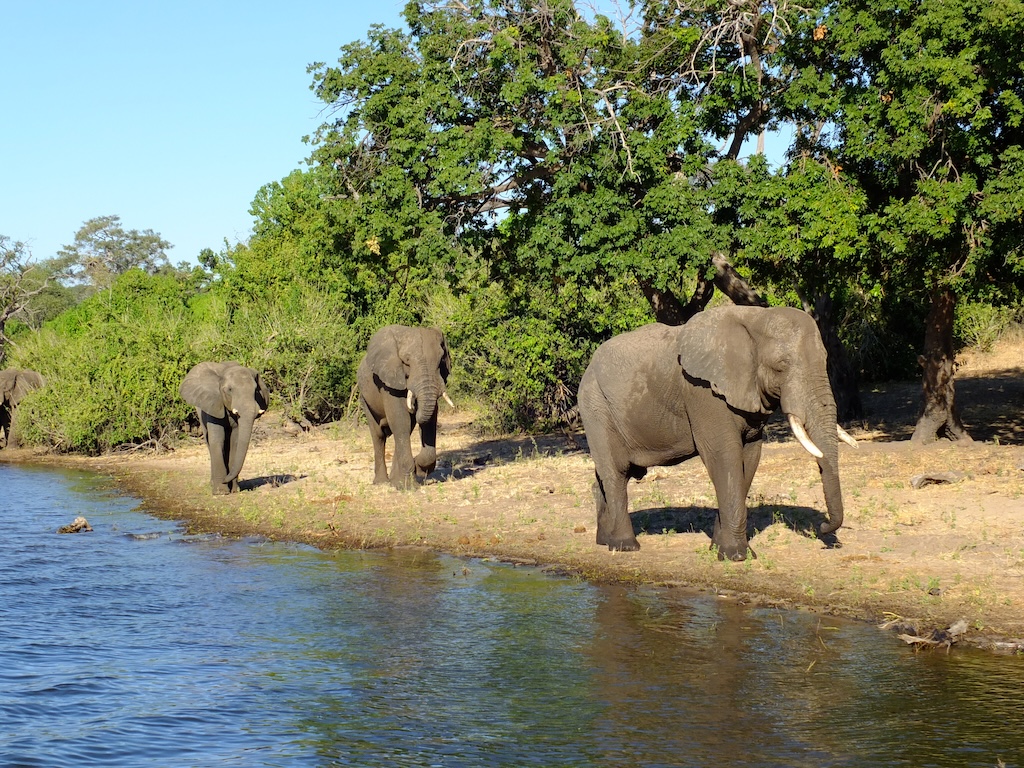
The Chobe River, which forms the northern boundary of Botswana’s Chobe National Park before meeting the Zambezi at Kazungula, holds one of the highest concentrations of elephants anywhere on the continent, along with resident hippo pods, Nile crocodiles, buffalo herds and exceptional birdlife. Because the water itself is the vantage point, sightings tend to happen at extremely close range, often just metres from the boat, without the animals showing any sign of disturbance.
Further downstream, Lake Kariba, formed by the damming of the Zambezi between Zambia and Zimbabwe, offers a different but equally compelling houseboat experience: a vast, still inland sea ringed by Matusadona and Kariba wilderness areas, renowned for game drives, birding and tiger fishing.
Both settings share the same basic appeal: comfortable, often genuinely luxurious accommodation, all-inclusive dining and drinks, and a safari rhythm dictated by water rather than roads.
The Best Operators & Ships on the Chobe River
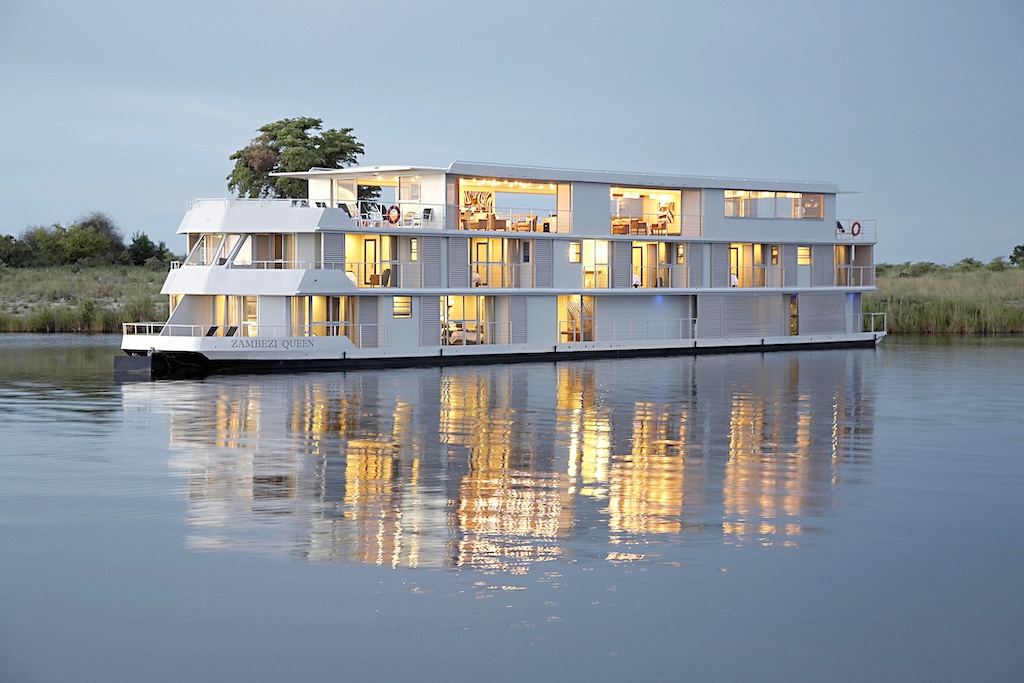
A safari on the water: we round up the standout operators running boat cruises and river safaris along the Chobe, where elephants, hippos and birdlife gather at the banks.
Zambezi Queen
The best-known name on the Chobe (and only the Chobe, despite her name) is the Zambezi Queen, a 42-metre luxury floating boutique hotel operated by the Zambezi Queen Collection, part of the Mantis Collection. Rather than a conventional cruise ship, think of it as a five-star hotel that explores the river by day and returns to the same mooring each evening.
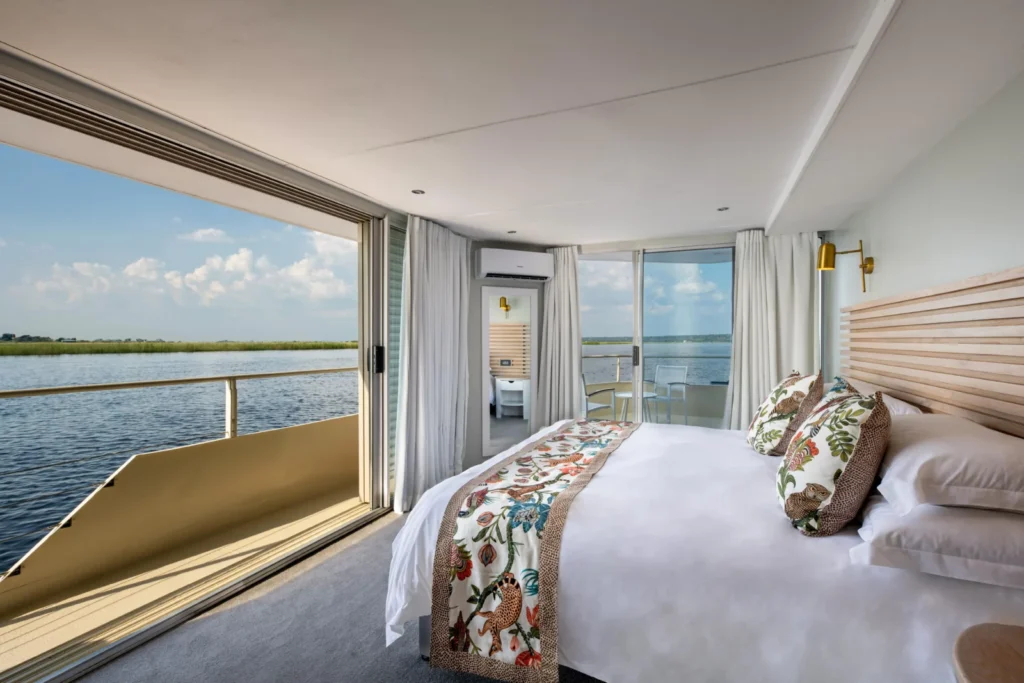
The Zambezi Queen (which is also chartered by AmaWaterways for its Africa itineraries) carries a maximum of 28 guests across 14 suites, with ten Suites and four larger Luxury Suites at the bow, the latter featuring private balconies. Every room has air conditioning, an en-suite bathroom and a king or twin bed configuration, with two of the standard suites able to sleep a third guest. The guest-to-crew ratio runs at roughly 3:2, which shows in the level of personal service throughout.
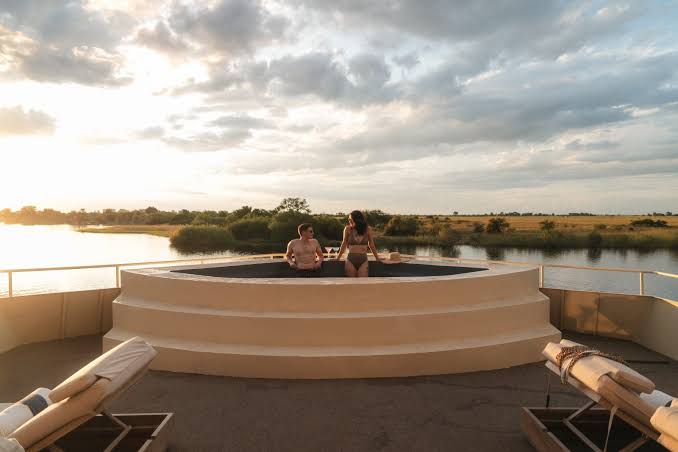
Shared spaces are spread across three decks: an upper lounge with floor-to-ceiling glass overlooking the river, a dining room serving three meals a day (continental or cooked breakfast, buffet lunch, and a four-course plated dinner), a bar for sundowners, a spa, and a pool deck with a plunge pool for cooling off between excursions.
Game viewing, fishing, birding, photography-focused outings and cultural tours are all offered from tender boats, with two- and three-night scheduled sailings running year-round. Rates start from US$1,100 per person, per night.
Chobe Princess
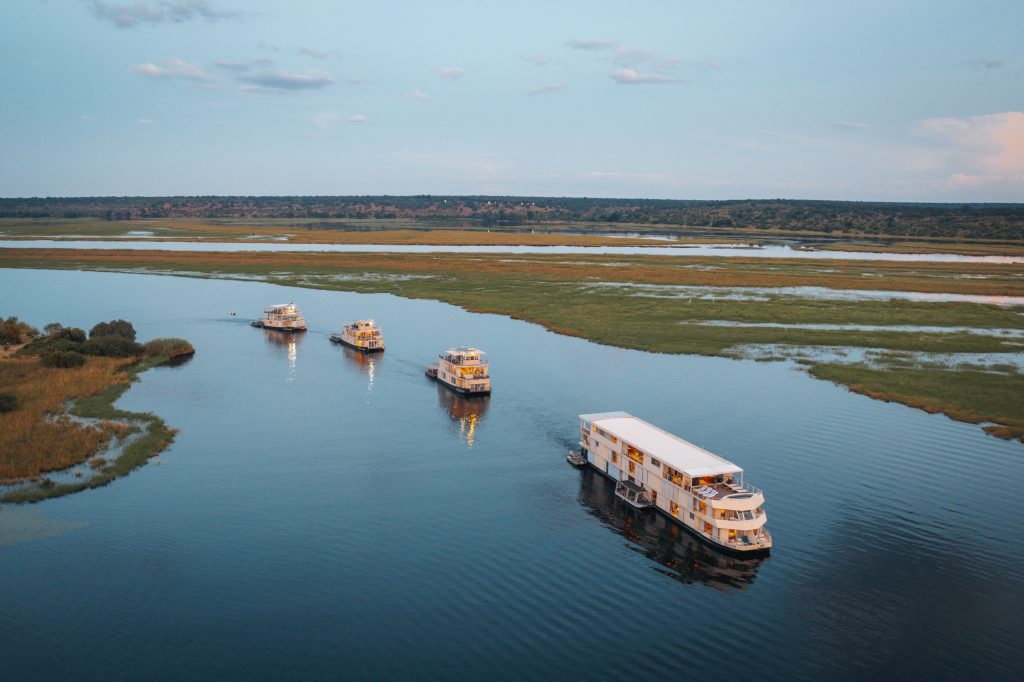
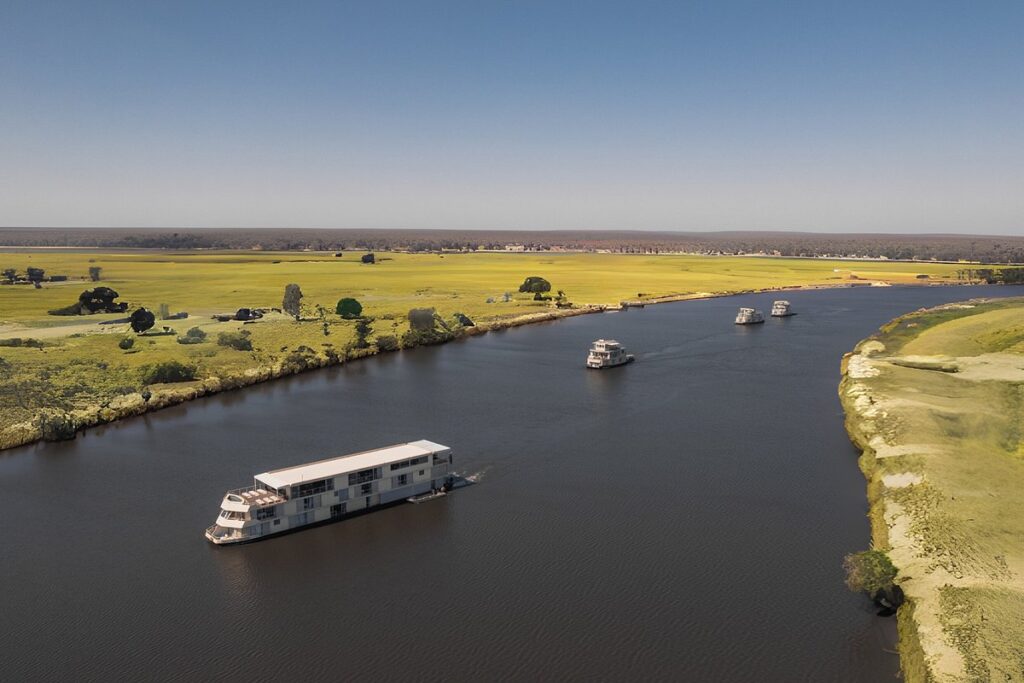
For a more intimate experience within the same Zambezi Queen collection, the three Chobe Princess houseboats (above) offer a smaller-scale version of the Zambezi Queen‘s format. Recently upgraded, each Chobe Princess can be booked as a private charter or joined as part of a smaller group sailing, with a guest-to-staff ratio of around 2:1. Game viewing happens from multiple vantage points on board, and the smaller scale suits families, honeymooners or groups wanting a more exclusive slice of the river. Rates range from US$650-900 per person, per night.
Pangolin Voyager
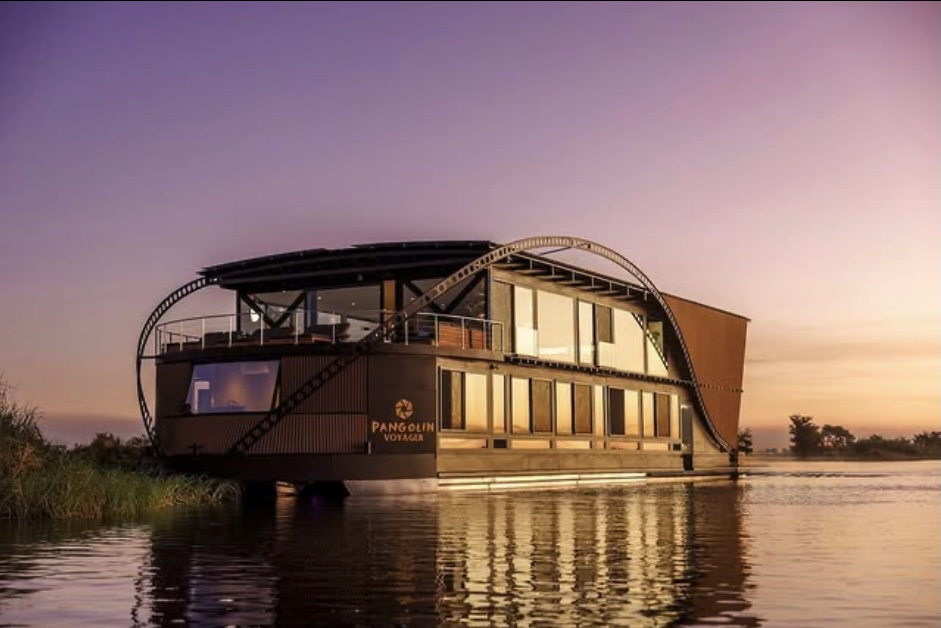
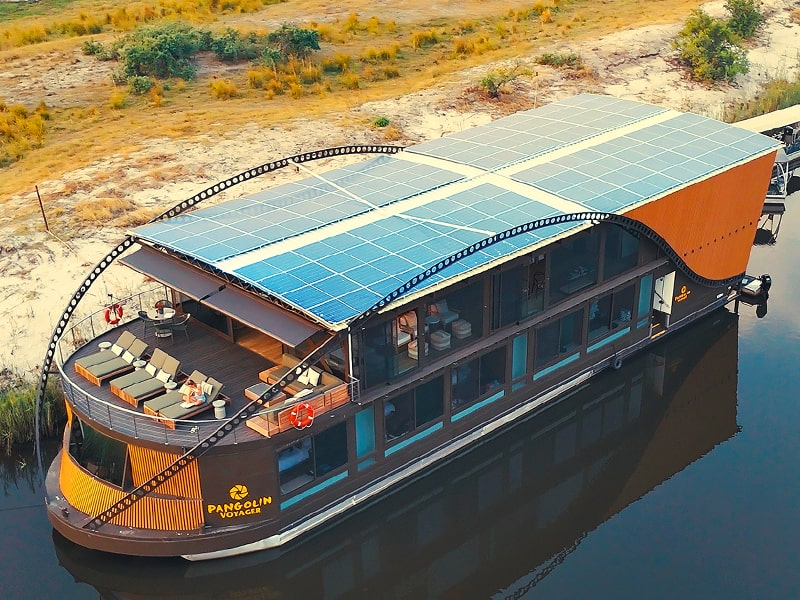
Moored on the Namibian bank of the Chobe and easily reached from Kasane, the Pangolin Voyager takes a different approach, offering exclusive-use chartering for up to eight guests across five en-suite cabins, each with near floor-to-ceiling windows onto the river. Recently redesigned to be fully solar-powered, it’s one of the more sustainability-focused options on the water.
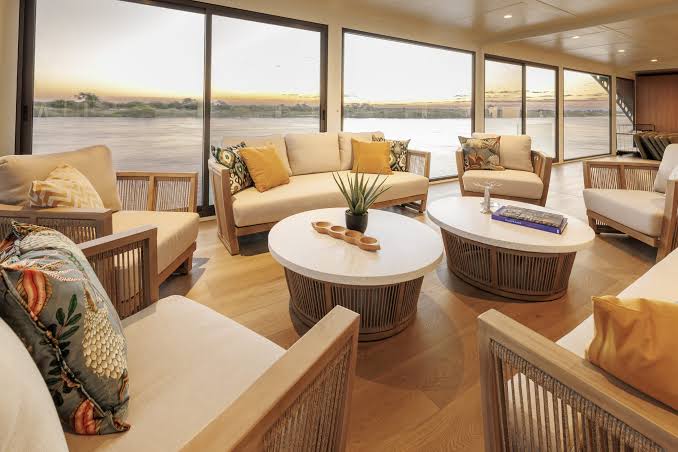
Days follow a relaxed rhythm of morning and afternoon tender-boat excursions for game viewing and fishing, with a big focus on wildlife photography, bookended by meals served at a communal table on the top deck.
The Voyager’s standout feature is a dedicated onboard editing suite, reflecting Pangolin’s roots as a specialist wildlife photography operator. In addition, a professional Photo Host (be sure to request founder Gerhard “Guts” Swanepoel; I cruised South Georgia with him, and he’s a true pro) and camera equipment can be arranged in advance. Rates run from around US$5,445 per night for exclusive use of the boat, based on a minimum three-night stay, all-inclusive of drinks and activities.
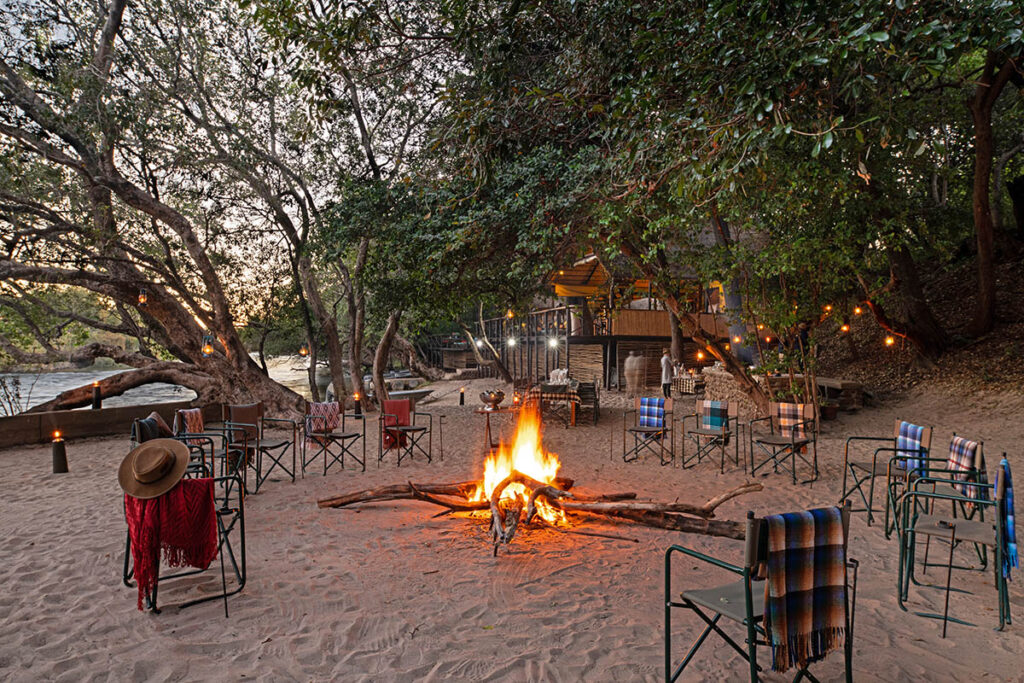
Ichingo Chobe River Lodge
Also part of the Zambezi Queen Collection but land-based rather than a houseboat, Ichingo Chobe River Lodge sits in Meru-style tents on Impalila Island, near the point where the Chobe, Zambezi and Kwando rivers converge. It pairs well with a Zambezi Queen or Chobe Princess sailing for travellers wanting to combine both formats, and is particularly geared towards families and keen anglers. Check out our guide to the best luxury game lodges of the Chobe.
The Best Operators on Lake Kariba and the Zambezi
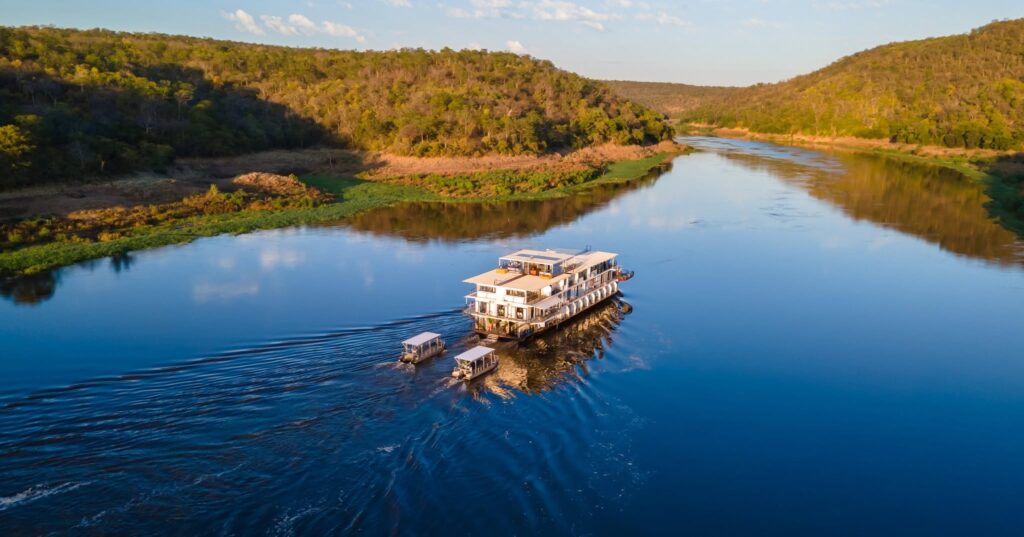
Downstream of the Chobe confluence, the Zambezi’s character changes entirely at Lake Kariba, one of the largest man-made lakes on earth and Zimbabwe and Zambia‘s premier houseboat destination.
Zambezi Cruise & Safaris
This boutique line operates the largest fleet on Lake Kariba, with five vessels, including the nine-cabin Umbozha, the 10-cabin Sovereign, the more intimate five-cabin Karabezi, and the company’s flagship, the 29-cabin Zambezi Trader, the largest houseboat on Kariba at 160 feet long.
The Zambezi Trader is the newest and largest vessel on this stretch of water, a 66-passenger ship that has genuinely shifted the scale of what’s possible on Lake Kariba. It sails two- to four-night itineraries between Msuna Island (a short hop from Victoria Falls by road or air) and the open waters of Kariba itself.
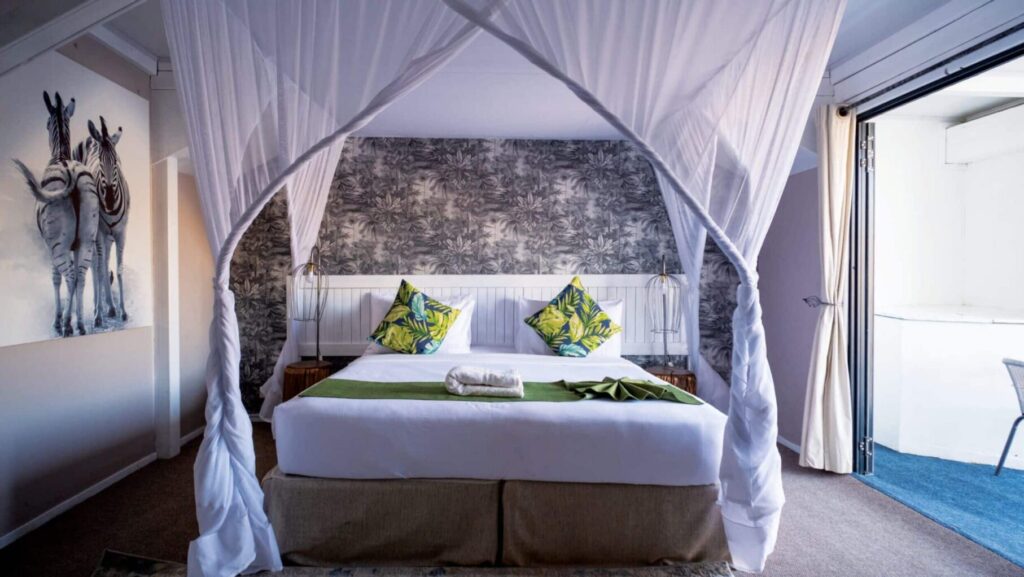
The 29 en-suite cabins run from 16 fixed twins to five family suites sleeping up to four, up to eight king-bedded luxury suites (below) with private balconies and air conditioning. Onboard, there’s a well-stocked bar, lounge areas and generous open decks built for sundowners as the light changes over the lake.
By day, smaller tender boats peel off from the main ship to explore tributaries and hidden bays, with game-viewing, birdwatching, tiger fishing and sunset cruises rounding out an itinerary built around slow, immersive time on the water. Cruises range from US$595 to $1,295 per person, depending on vessel and season.
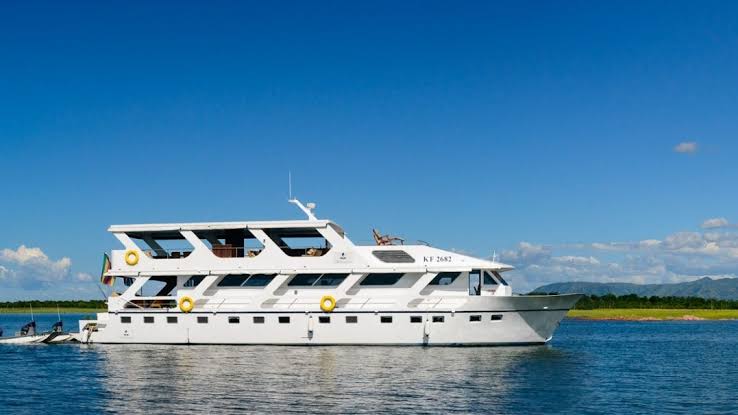
MV Matusadona
Anchored near Zimbabwe’s Matusadona National Park, the Matusadona (above) is a three-decked luxury houseboat with three wood-panelled cabins situated on the waterline, each with an en-suite bathroom, shower and ceiling fan.
Onboard experiences lean heavily into classic Kariba pursuits: tiger fishing, sunset cruises, birdwatching and wildlife viewing from the water, paired with land-based game drives and safari walks.
A cruise on the Matusadona is easily combined with a Victoria Falls stay or a broader Zambezi itinerary, and is accessed via Kariba International Airport or nearby airstrips at Bumi Hills. Rates start at US$950 per night.
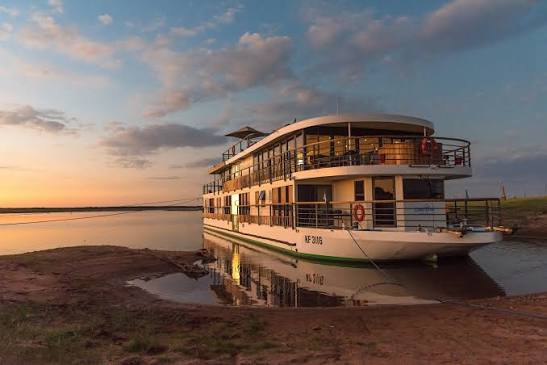
CroisiEurope
European cruise company CroisiEurope operates two nearly identical 16-passenger vessels on the Zambezi, the African Dream and the Zimbabwean Dream, each carrying just eight outward-facing suites — six standard and two with private balconies — plus a shared observation deck for wildlife spotting between stops.
Days unfold at an unhurried pace: mornings on small private boats exploring the Zambezi’s channels and the wetlands feeding into Matusadona National Park, afternoons on water-based safaris through Chobe National Park, where elephant herds and hippo pods gather at the banks.
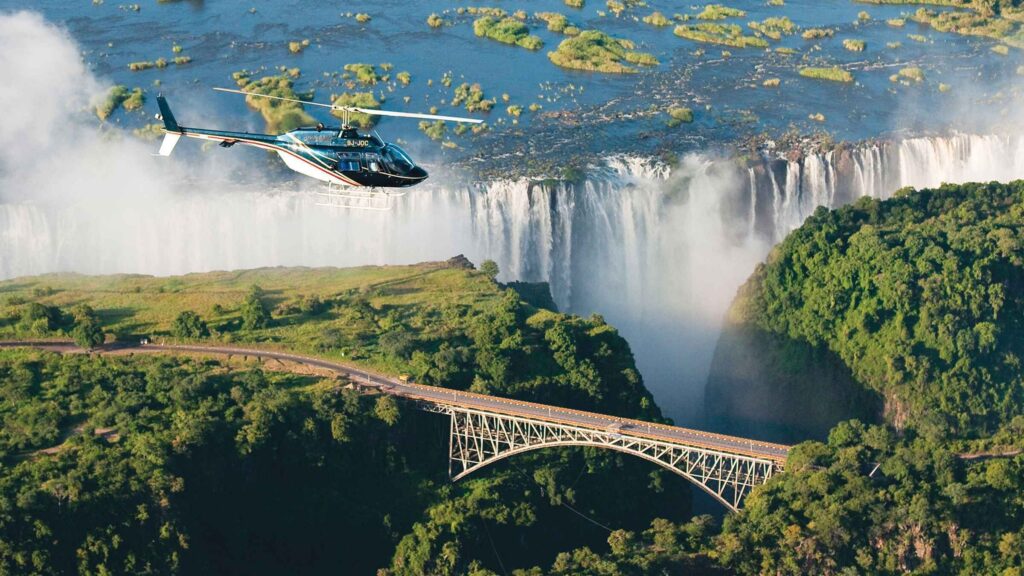
Onshore, naturalist guides lead jeep safaris deeper into Chobe, tracking lion, buffalo and antelope. The cruise builds toward Victoria Falls, visited on foot along the rainforest trails or, for those who upgrade, by helicopter for an aerial view of the falls and the gorge below, a fitting finale to a route that mixes river time with proper bush safari.
Dining Aboard
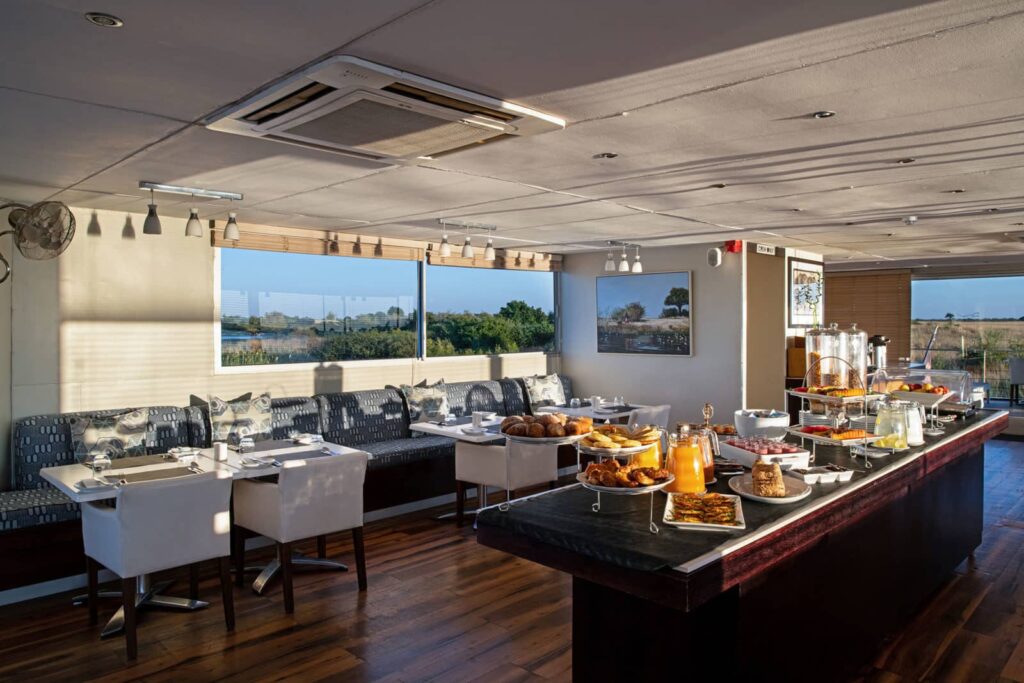
Across almost every operator, dining is all-inclusive and built around three meals a day: a cooked or continental breakfast, a buffet or plated lunch, and a more formal multi-course dinner, typically accompanied by South African wines, local beers, spirits and soft drinks included in the rate.
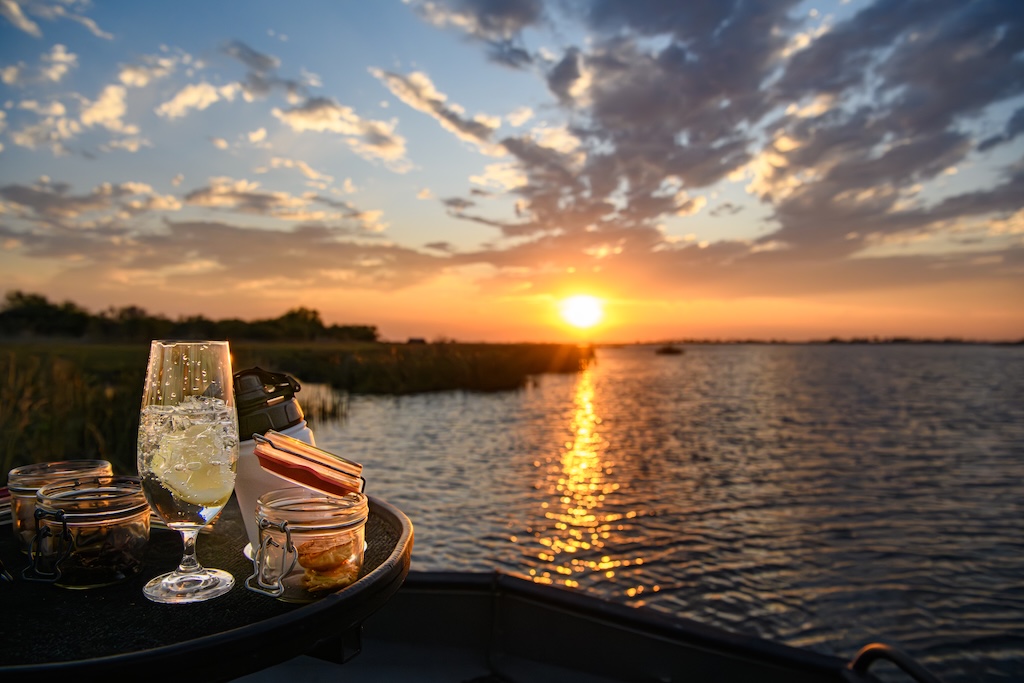
Meals lean towards fresh, seasonal ingredients, with sundowner drinks and canapés served on deck as the sun drops, an evening ritual that’s arguably as central to the houseboat experience as the wildlife itself.
Smaller, exclusive-charter vessels like the Pangolin Voyager tend to serve meals communally at a single table, reinforcing the intimate, small-group feel of the format.
Activities On and Off the Water
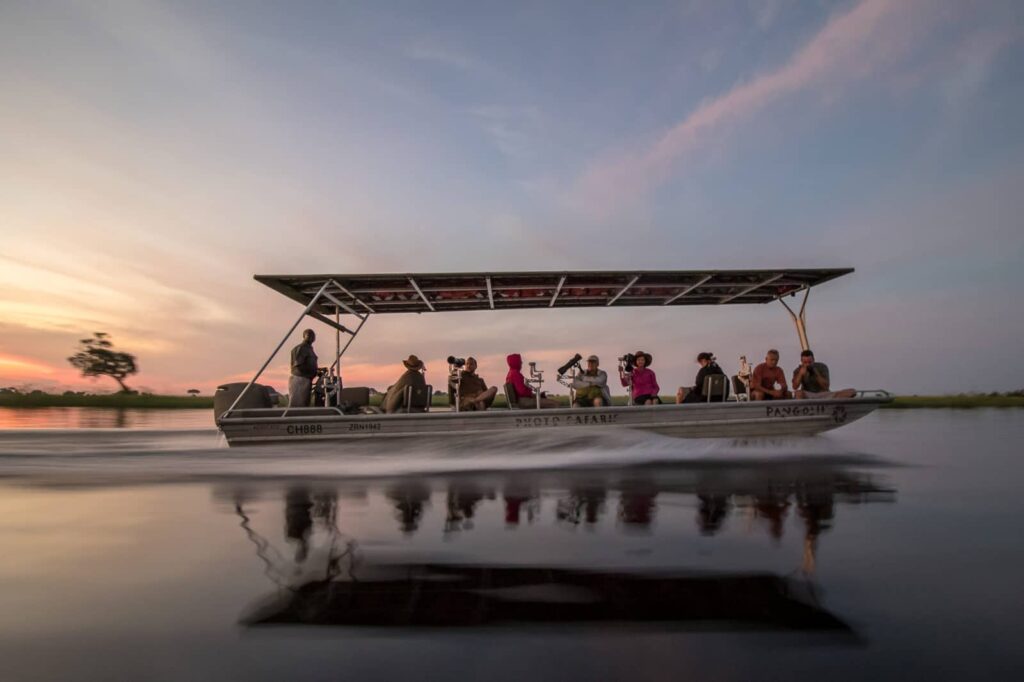
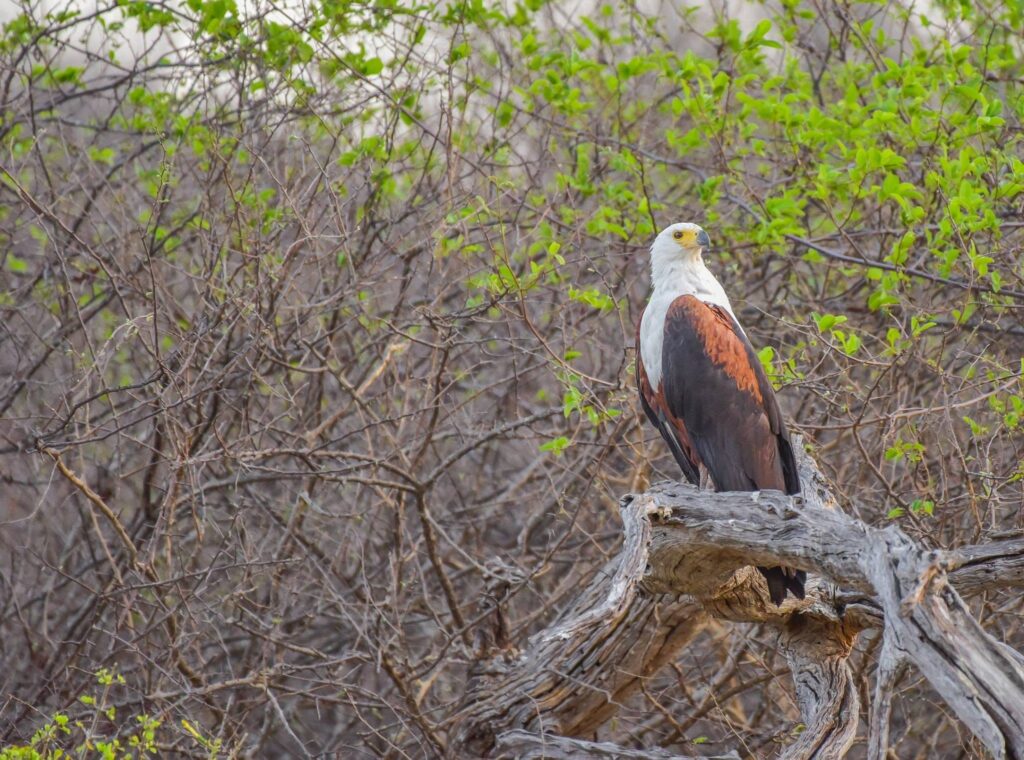
The tender boat, or “game boat,” is the workhorse of any houseboat safari, ferrying guests out from the main vessel for close-range wildlife viewing along the banks and shallows. Expect regular sightings of elephant, buffalo, hippo and crocodile, alongside prolific birdlife, ranging from African fish eagles to carmine bee-eaters in season.
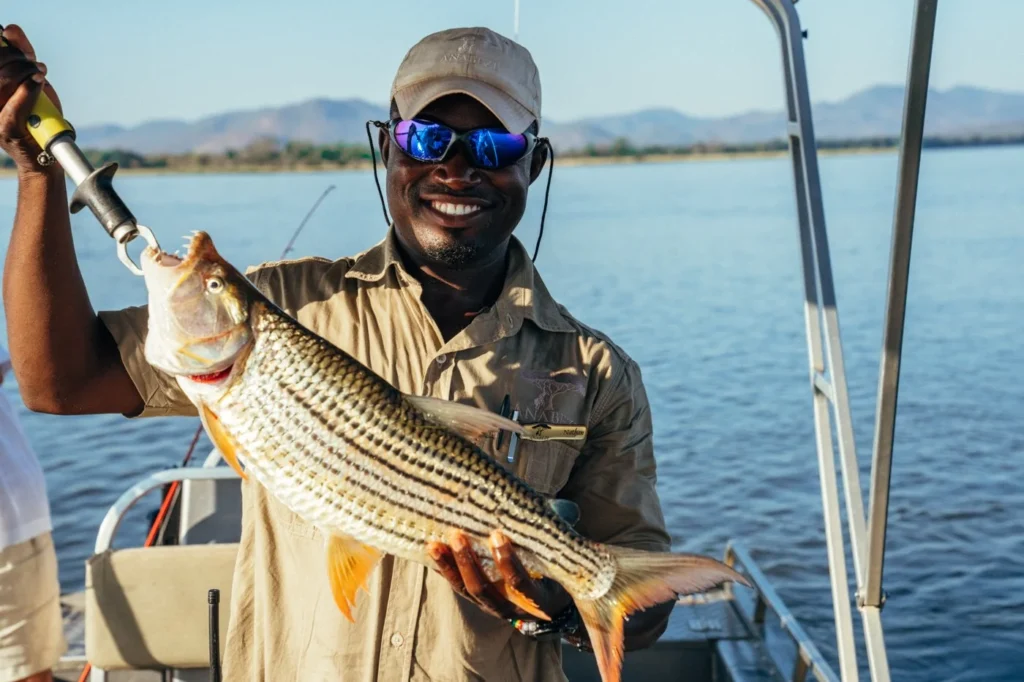
Tiger fishing is a major draw on both the Chobe and Lake Kariba, particularly from June through to early autumn, when conditions favour this notoriously hard-fighting freshwater species; it’s typically offered on a catch-and-release basis.
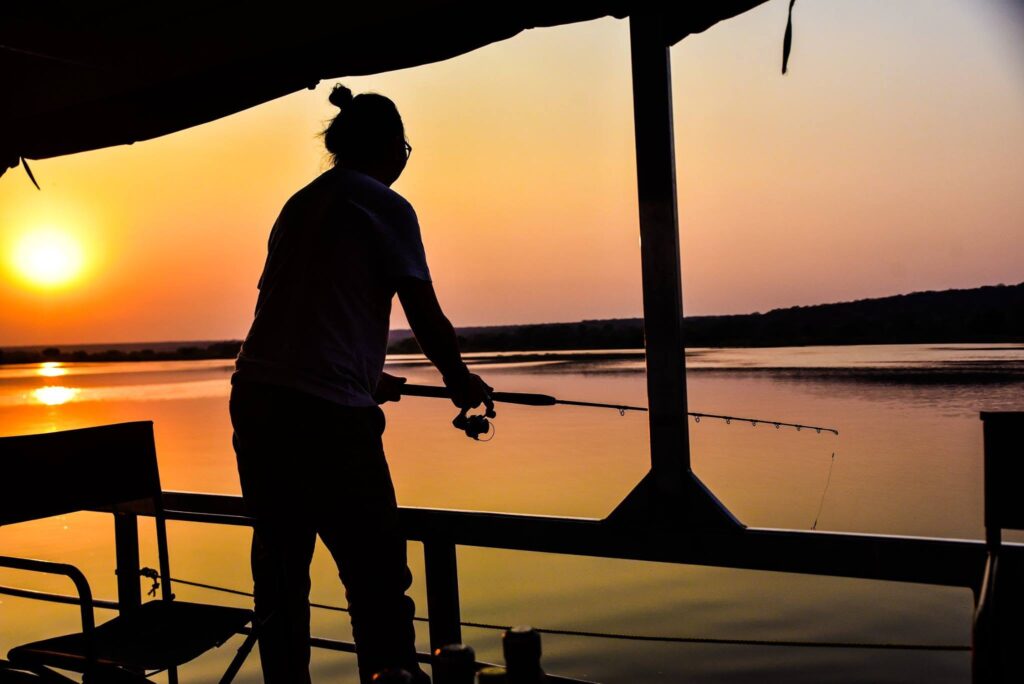
Photography-focused excursions, sunset cruises, birding outings and, at select properties, village visits or game drives on adjacent land concessions round out the activity list. Days are generally unstructured by safari standards: guests can pack in back-to-back outings or spend an entire afternoon on a sun lounger watching the riverbank drift by.
Best Time to Cruise
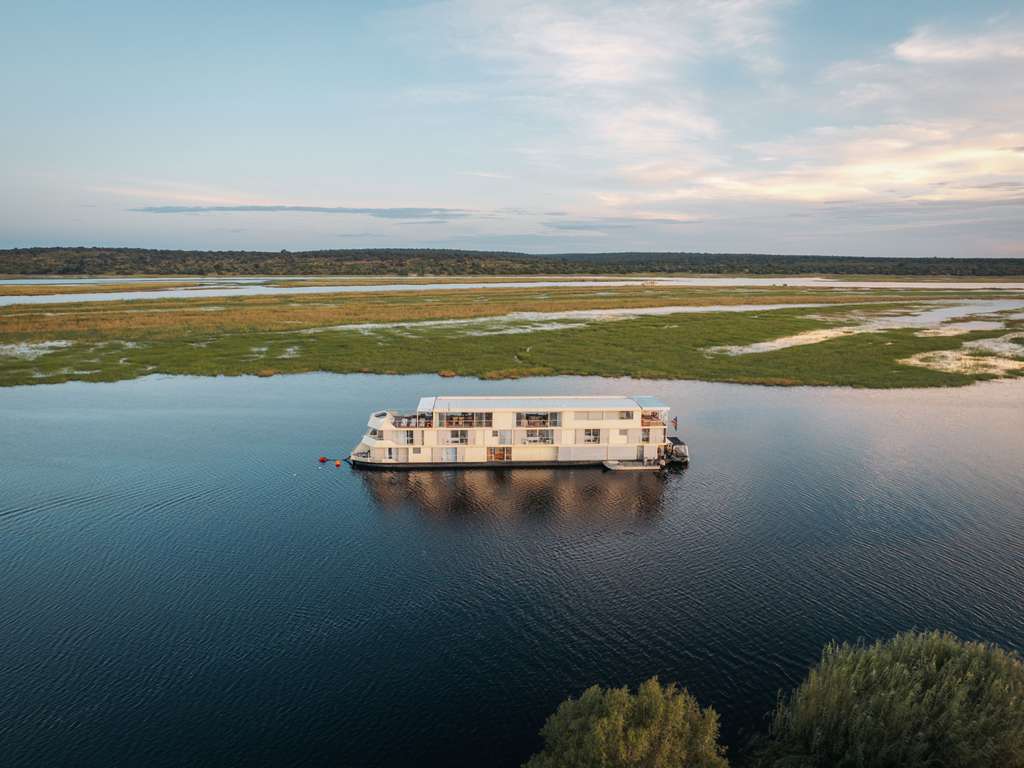
The dry season, roughly May to October, is peak season on both the Chobe and Lake Kariba, when receding water levels concentrate wildlife around the remaining permanent water sources, producing some of the most reliable game viewing of the year.
July through October is particularly prized for elephant sightings on the Chobe. The wetter months from November to April bring lush scenery, dramatic skies and excellent birdlife, along with fewer crowds, though wildlife disperses more widely away from the water’s edge.
Frequently Asked Questions: Cruising the Zambezi and Houseboat Safaris
Still deciding between a river cruise and a houseboat safari? We answer the most common questions on cruising the Zambezi and Lake Kariba, from best seasons to wildlife.
What is a houseboat safari?
A houseboat safari is a wildlife-viewing holiday based aboard a moored or slow-cruising vessel, typically on the Chobe River or Lake Kariba, with game viewing conducted via smaller tender boats launched from the main houseboat. Accommodation, meals and activities are usually all-inclusive.
Is a Chobe houseboat the same as a Zambezi River cruise?
Not quite, though the two are closely linked. The Chobe River flows into the Zambezi at Kazungula, near where Botswana, Namibia, Zambia and Zimbabwe meet, so Chobe houseboats sit at the very edge of the wider Zambezi system. Further downstream, the Zambezi itself is dammed to form Lake Kariba, home to a separate and equally established houseboat scene in Zimbabwe and Zambia.
How many days should I spend on a houseboat safari?
Most operators offer two- or three-night sailings on the Chobe, which is generally sufficient given the concentrated wildlife viewing available in a relatively compact stretch of river. On Lake Kariba, stays of three to five nights are more typical, reflecting the larger area and longer transfer times involved.
Is a houseboat safari suitable for families or first-time safari travellers?
Yes, on both counts. The relaxed pace, all-inclusive format and lack of early-morning game drives make houseboats an easier introduction to African wildlife than a conventional lodge-based safari, and several operators, including Ichingo Chobe River Lodge and select Zambezi Cruise & Safaris vessels, cater specifically to families.
What wildlife can I expect to see from a houseboat?
Expect frequent sightings of elephant, hippo, buffalo, crocodile and a wide range of waterbirds, along with occasional lion, leopard or wild dog sightings on adjacent land excursions. The Chobe is particularly renowned for its elephant population, among the largest concentrations found anywhere in Africa.
Can I go fishing on a houseboat safari?
Tiger fishing is available on both the Chobe and Lake Kariba, generally on a catch-and-release basis, with most operators providing rods and tackle. The best conditions typically run from June through the dry season.
How do I get to a Chobe or Lake Kariba houseboat?
Chobe houseboats are usually accessed via Kasane, Botswana, which has an international airport with regional connections. Lake Kariba houseboats are reached via Kariba International Airport in Zimbabwe or nearby charter airstrips such as Bumi Hills, with road transfers available from Lusaka for some Zambian-side operators.
Are houseboat safaris good value compared to land-based safari lodges?
Rates vary considerably by vessel and season, from exclusive-charter options running into the thousands of dollars per night to more accessible shared-departure sailings. In general, the all-inclusive nature of houseboat pricing, covering accommodation, meals, drinks and activities, makes it comparable to a mid- to upper-range safari lodge, with the added appeal of a genuinely different way to experience the same wildlife-rich landscapes.
If you’re contemplating a luxury safari, be sure to check out guides to safari travel in Africa, the best luxury safari lodges and camps in the Okavango Delta, the Masai Mara, the Serengeti, Chobe and Rwanda, and read about what a luxury safari in Botswana is really like.