
An Amazon River luxury cruise blends raw rainforest adventure with boutique-hotel comfort. Here’s how to choose your route, ship and season wisely.
There’s something profoundly special about cruising the Amazon. This isn’t just another river journey; it’s an immersion into the world’s largest rainforest, a place of astonishing biodiversity, remote riverside communities and landscapes that feel almost prehistoric. Having cruised this mighty river myself, I guarantee it’s one of the most memorable experiences you’ll ever have.
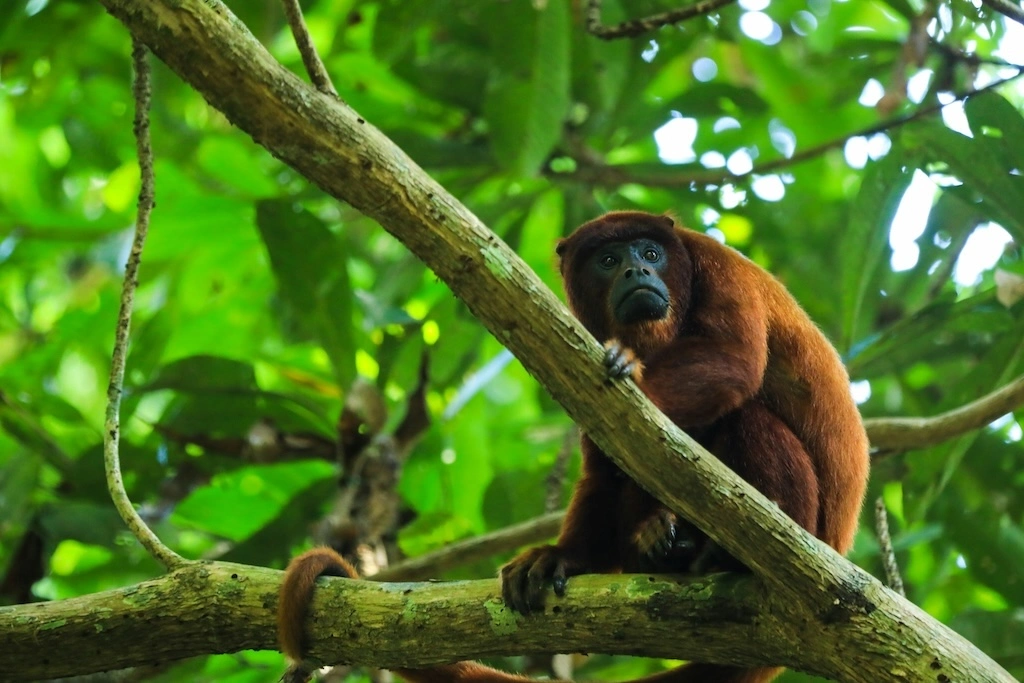
For many travellers, a luxury Amazon River cruise represents the ultimate escape. You spend your days gliding through narrow tributaries, spotting pink river dolphins at dawn and venturing into the jungle with expert naturalist guides, most of whom come from the very communities that cling to the waterway. Each evening you return to air-conditioned comfort and excellent food.
Unlike the grand European rivers with their castles and vineyards, the Amazon is raw, wild and unpredictable. It rewards those who embrace its rhythms rather than expecting polished perfection. If you’re considering your first Amazon cruise, here’s what the experience is really like, from the main routes and onboard life to the ships to know, and whether it’s the right adventure for you.
Where Amazon River Cruises Take Place
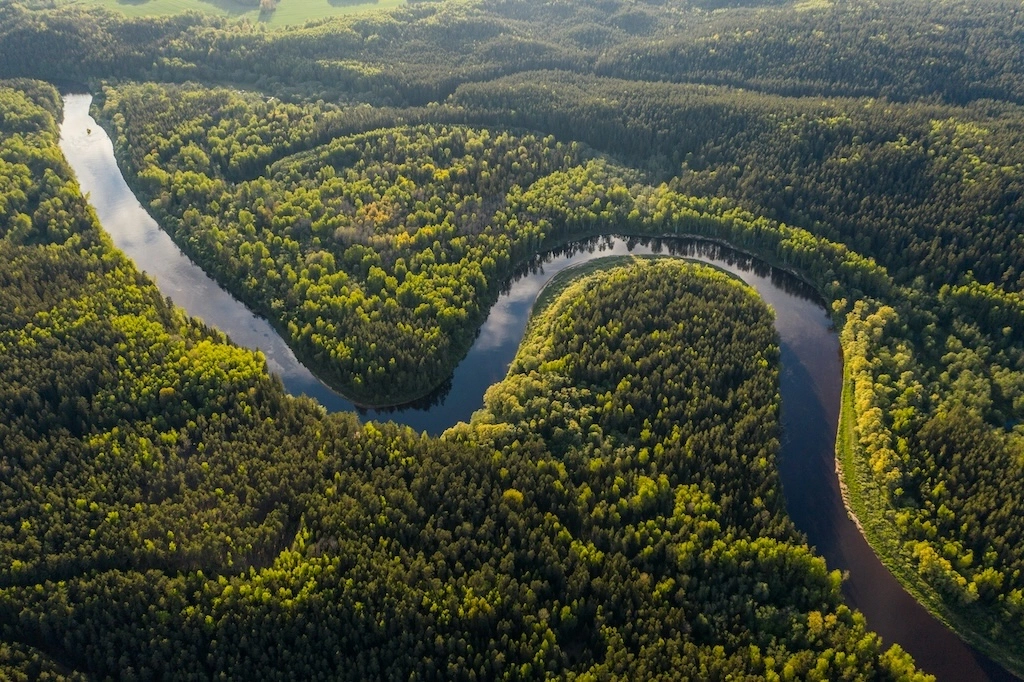
The Amazon River system is enormous, but luxury cruises focus on two main regions that offer the best balance of accessibility, wildlife and comfort.
The Peruvian Amazon
The Peruvian Amazon is the heart of the luxury market. Most high-end vessels are based around Iquitos, the largest city in the world that can’t be reached by road. Guests fly into Iquitos and either depart from its port, or transfer about two hours by road to the river port of Nauta, where most ships embark.
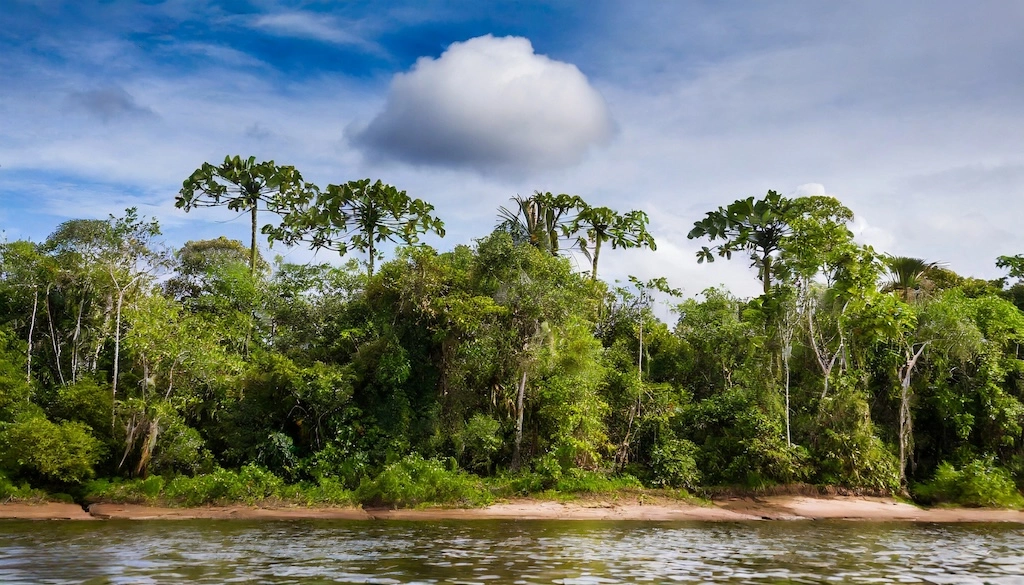
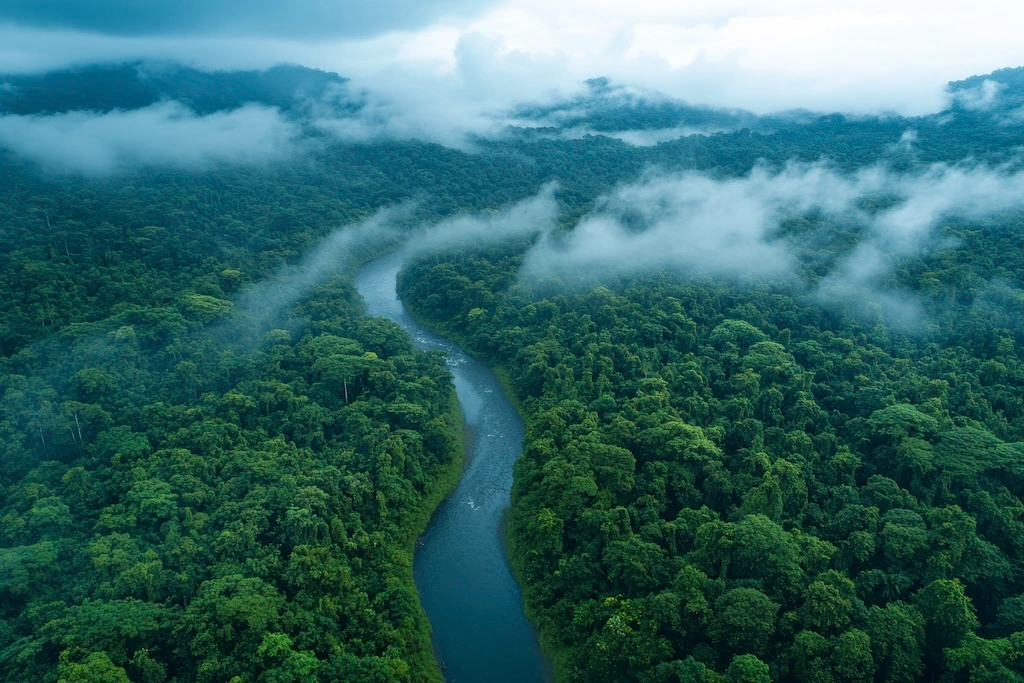
These itineraries explore the Upper Amazon and its tributaries, particularly the Pacaya-Samiria National Reserve. Covering more than two million hectares between the Marañón and Ucayali rivers, it’s Peru’s largest protected area and one of the most biodiverse places on Earth. Cruises here typically last three to seven nights and focus on blackwater and whitewater rivers, flooded forests and small tributaries where wildlife is easier to spot.
The Brazilian Amazon
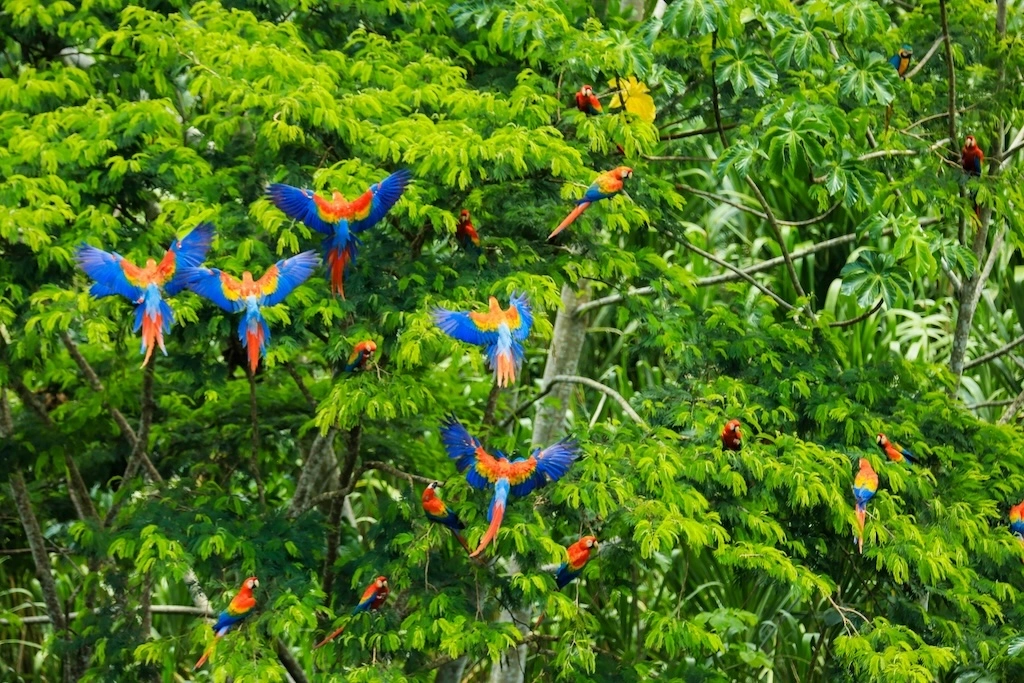
Cruises departing from Manaus explore the Rio Negro and its tributaries, including the famous Meeting of the Waters, where the dark Rio Negro runs alongside the muddy Solimões for kilometres before the two mix. These trips often feel more expansive. In addition to visiting riverside communities, these itineraries explore the Anavilhanas Archipelago, one of the world’s largest freshwater archipelagos, a region known for its caimans, monkeys and birdlife.
Small-ship options here tend to be more expedition-style than in Peru, and several luxury ocean lines also sail upriver to Manaus as part of longer South American voyages.
Ecuador and Beyond
Smaller options exist on Ecuador’s Napo River, along with longer expedition-style voyages that venture deeper. The Peruvian and Brazilian routes dominate the luxury market because they balance remoteness with reliable service and modern vessels.
Getting There from Asia
There are currently no non-stop flights from Asia to South America, so the Amazon is best tackled as part of a longer journey. Most travellers reach Lima via a North American hub such as Los Angeles (Cathay Pacific) or Atlanta (Delta); via Europe (KLM, British Airways, Air France); or via Australia with onward connections to Santiago (Qantas or LATAM). From Lima, it’s a domestic flight of under two hours to Iquitos. The major Middle East carriers (Emirates and Qatar Airways) also offer seamless connections from Asia to South America.
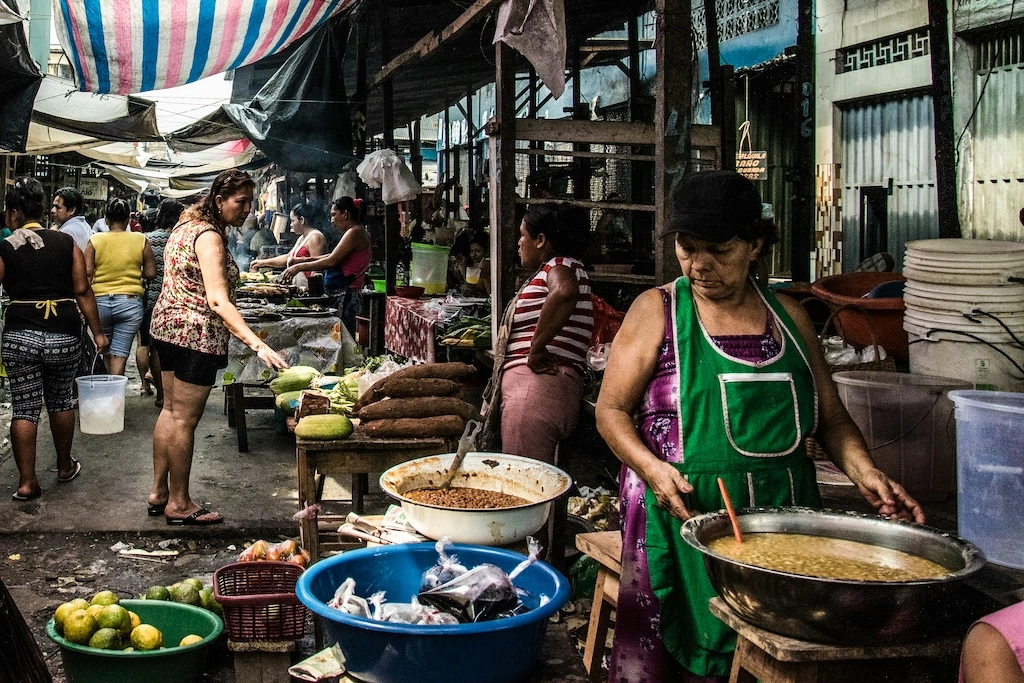
For the Brazilian Amazon, fly into São Paulo and connect to Manaus. Allow at least one night in Lima or São Paulo on the way in to recover from the long-haul flights. Lima, one of South America’s great food capitals, makes a delicious stopover.
When to Go: High Water vs Low Water
The Amazon has two distinct seasons, and each offers a different experience.
High-Water Season (December to May)
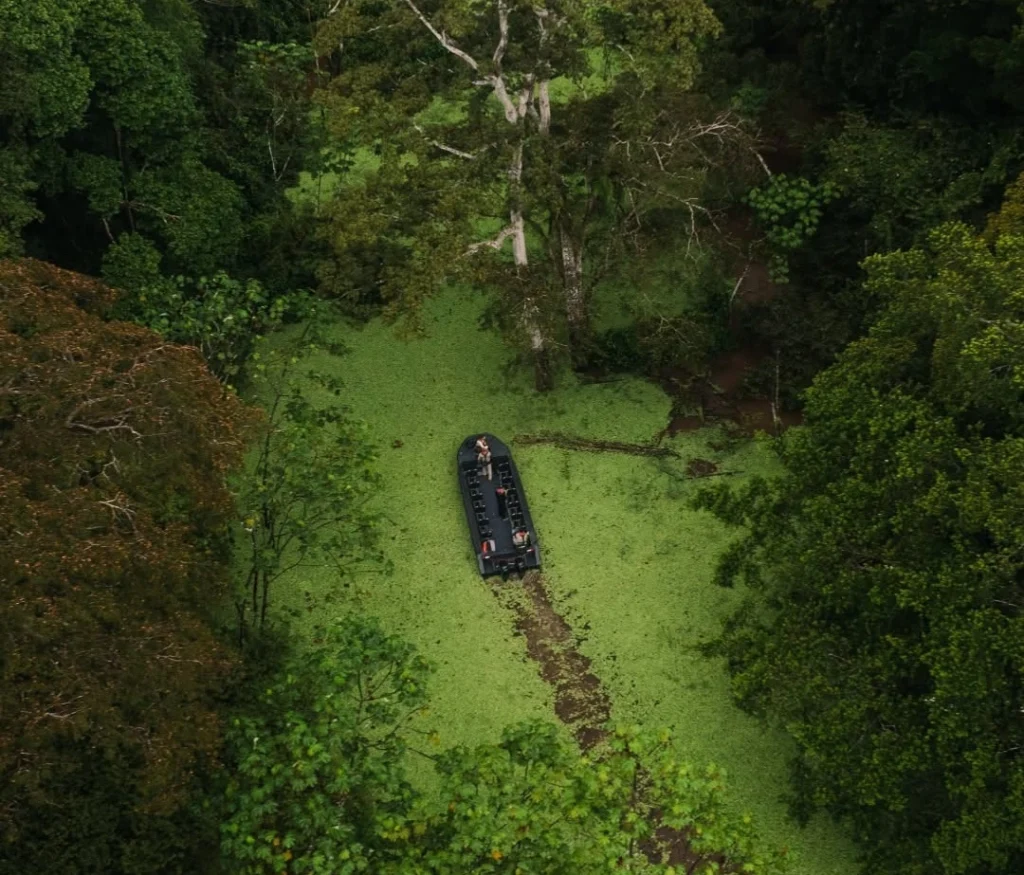
During the wet season, rivers in the Peruvian Amazon can rise around seven metres. Skiffs glide deep into flooded forests and narrow channels that are inaccessible at other times of year, bringing you closer to monkeys, sloths, turtles and caimans in the canopy. Humidity is high (man oh man is it high!), and you can expect daily downpours.
Low-Water Season (June to November)
As the waters recede, jungle trails reappear, and forest walks become a bigger part of the itinerary. It’s slightly warmer, there are generally fewer mosquitoes, and migratory birds arrive in good numbers. Some smaller channels become too shallow for skiffs.
Wildlife sightings are rewarding year-round, so choose the season that best matches whether you’d rather explore by boat or on foot.
Onboard Experience: Intimate Luxury in the Jungle
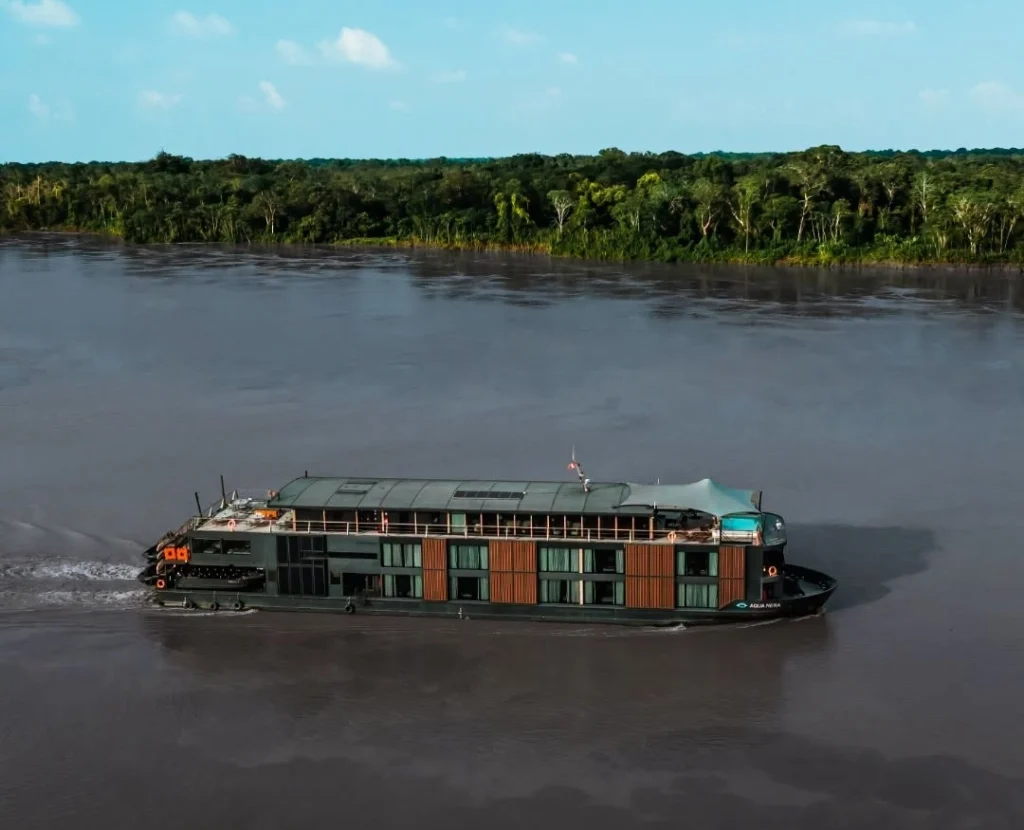
Amazon river ships are deliberately small, usually carrying between eight and around 40 guests, which creates an intimate, expedition-like atmosphere. Don’t expect casinos, theatres or large pools, even from the newest ships. Instead, the focus is on bringing the jungle close while providing civilised comfort.
Accommodation
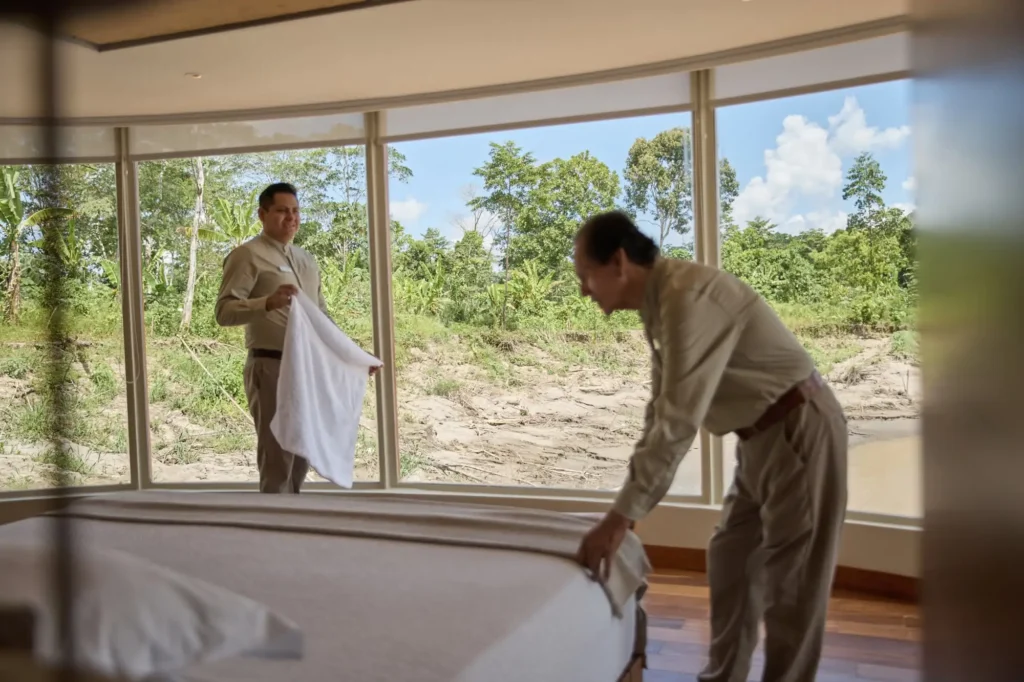
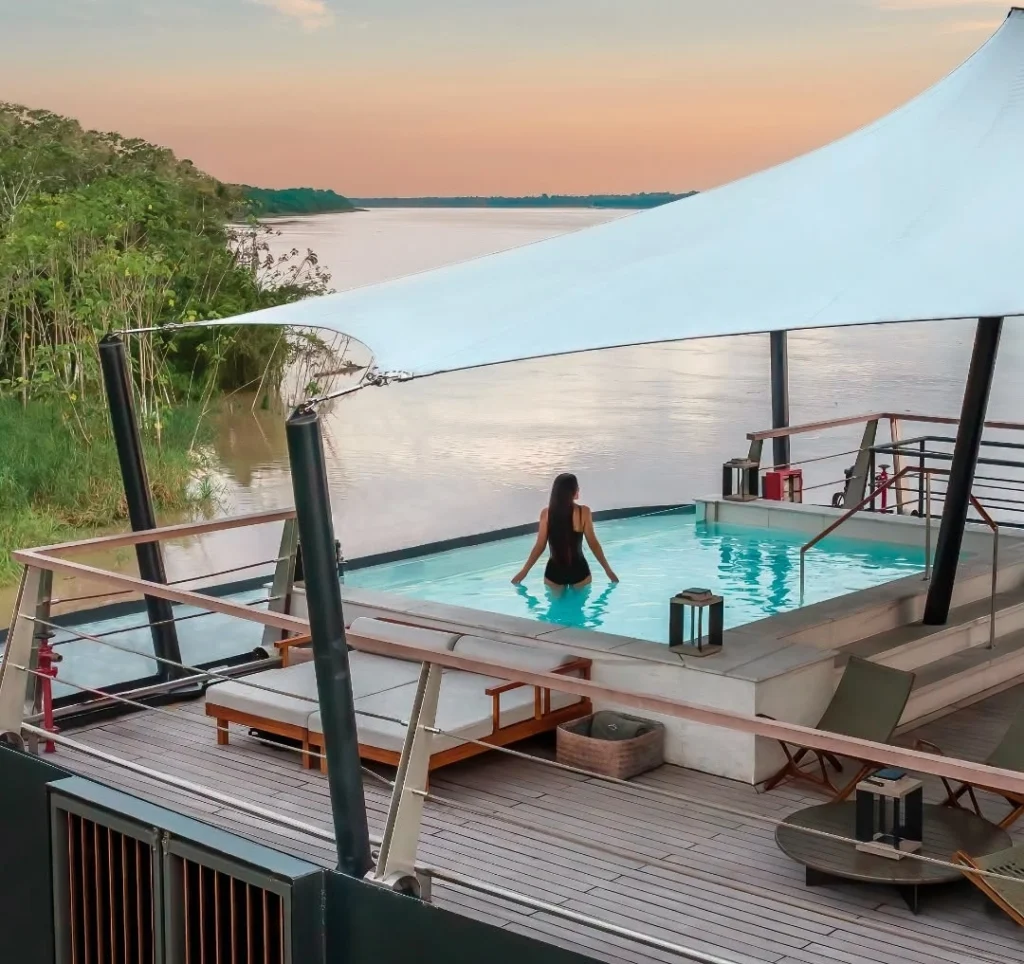
Amazon cruising is a luxurious affair (at least when you’re on board) and cabins are surprisingly spacious for river vessels. Expect floor-to-ceiling windows or private balconies that let you watch the forest from your bed. The top suites on ships such as Aria Amazon, andBeyond Amazon Explorer and Delfin I feel like floating boutique hotels, with king beds and elegant bathrooms. On Delfin I, two of the four suites even have private Jacuzzis.
Even standard cabins offer excellent bedding, air conditioning and ample storage. The newest ships blend contemporary design with local materials and craftsmanship, creating a sense of place without sacrificing comfort.
Dining
Meals are a highlight. Chefs use fresh local ingredients, from river fish and exotic fruits to Amazonian herbs, and prepare them with contemporary flair. Acclaimed Peruvian chef Pedro Miguel Schiaffino, a pioneer of modern Amazonian cuisine, curates Aqua Expeditions’ menus and the resulting cuisine is world-class.
You’ll enjoy multi-course dinners with dishes such as Amazonian ceviche, grilled paiche (the giant river fish known in Brazil as pirarucu) and passionfruit desserts, paired with good South American wines. Seating is open and the atmosphere relaxed and social. Dietary requirements are handled well if you share them in advance.
Daily Rhythm and Activities
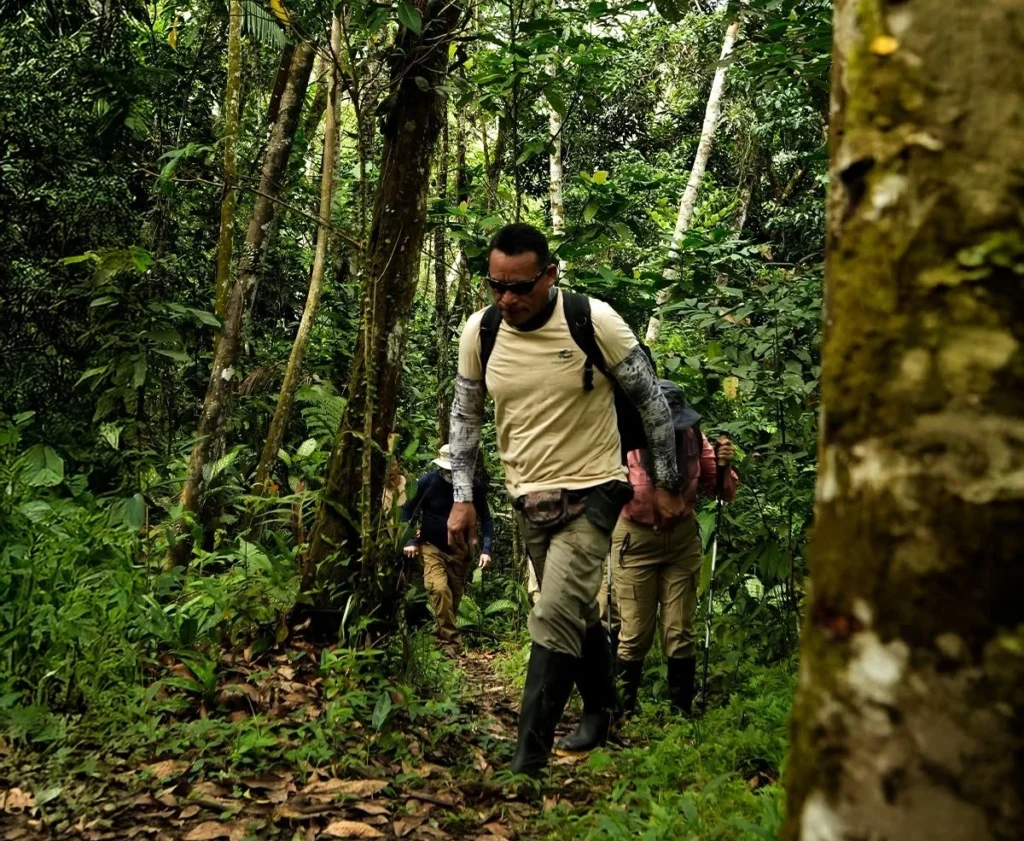
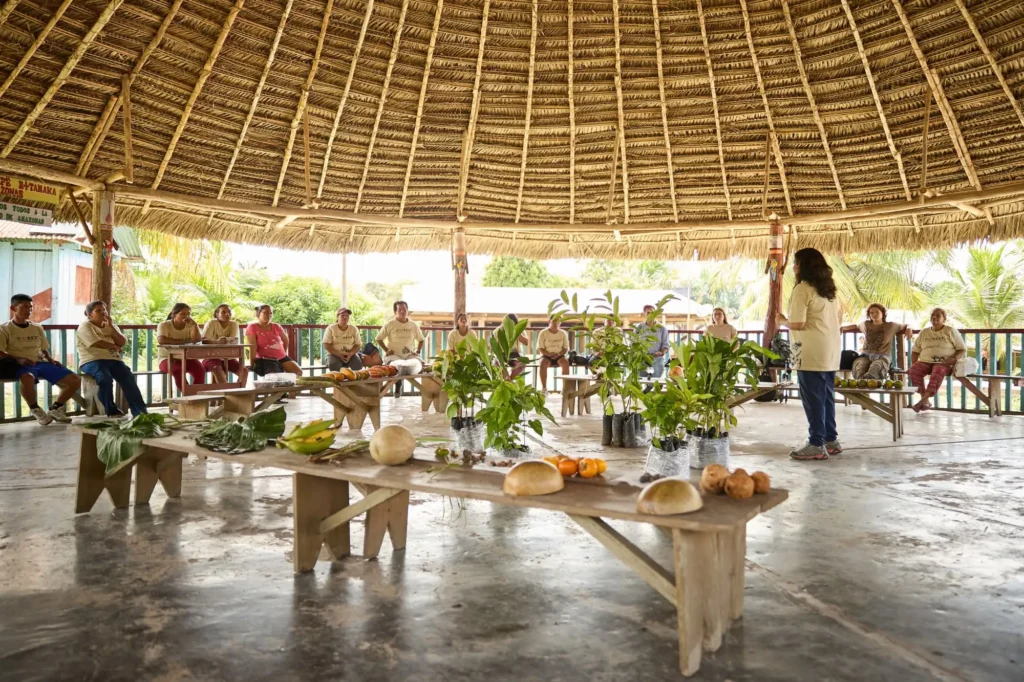
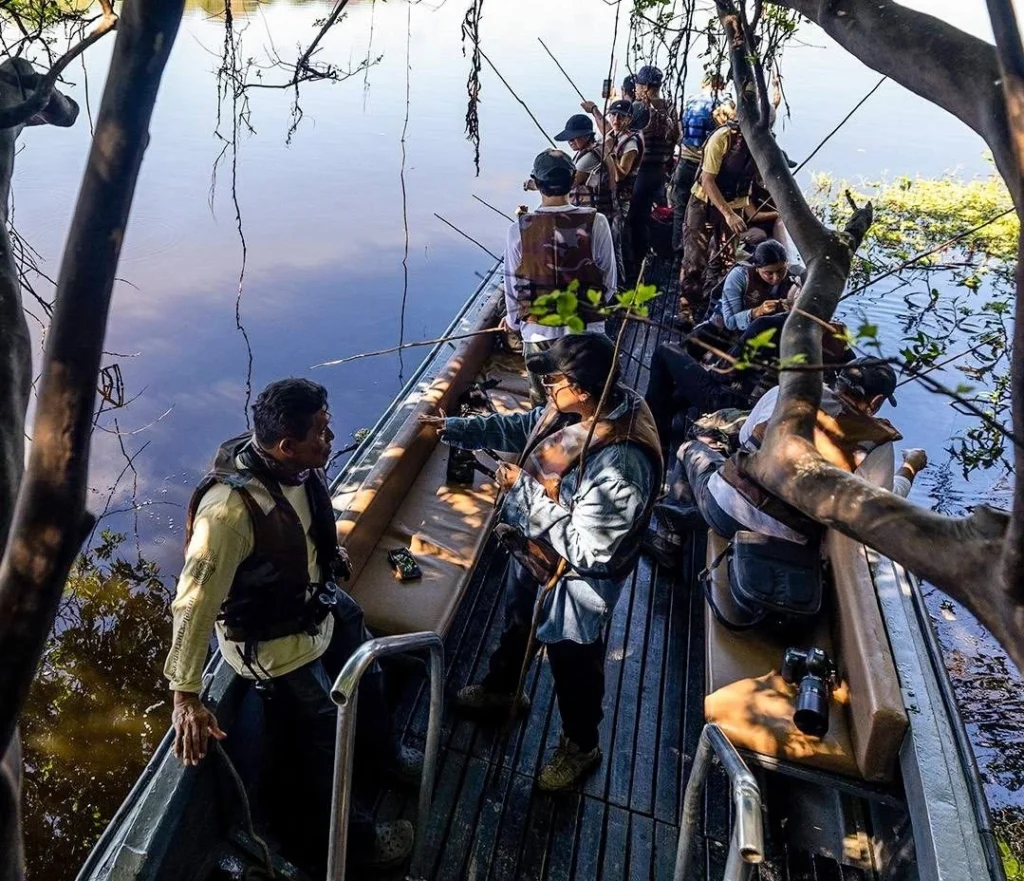
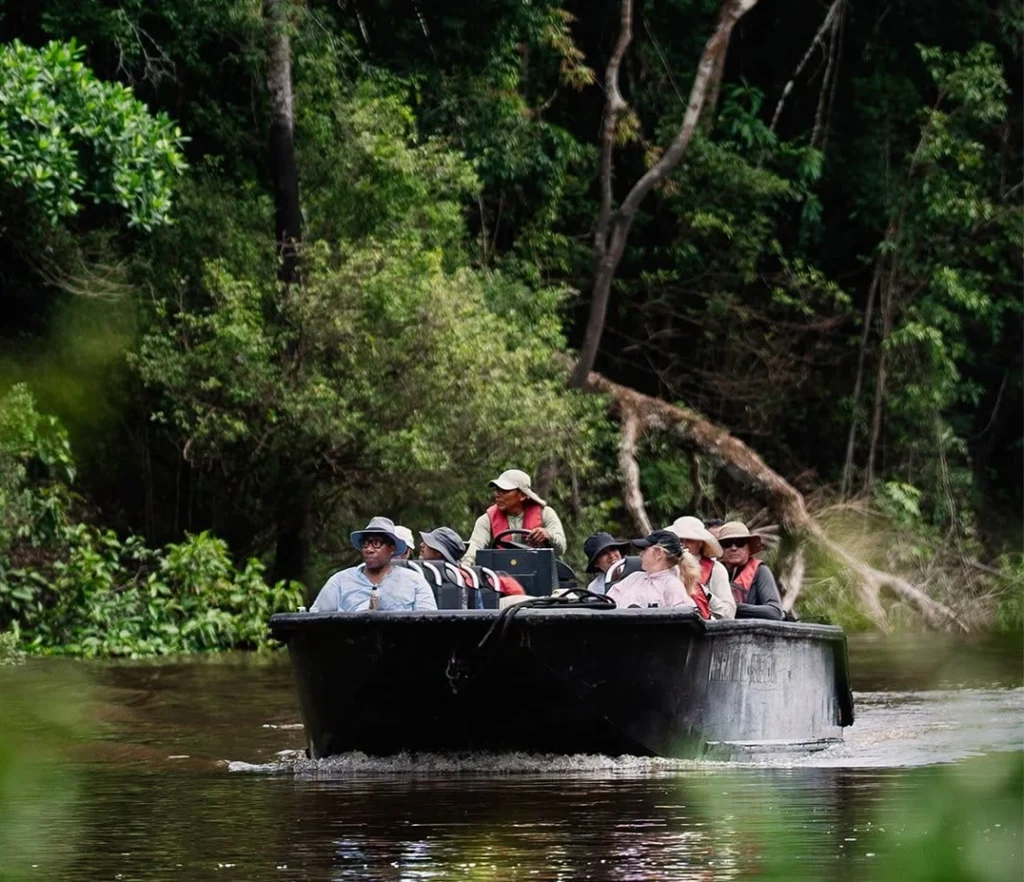
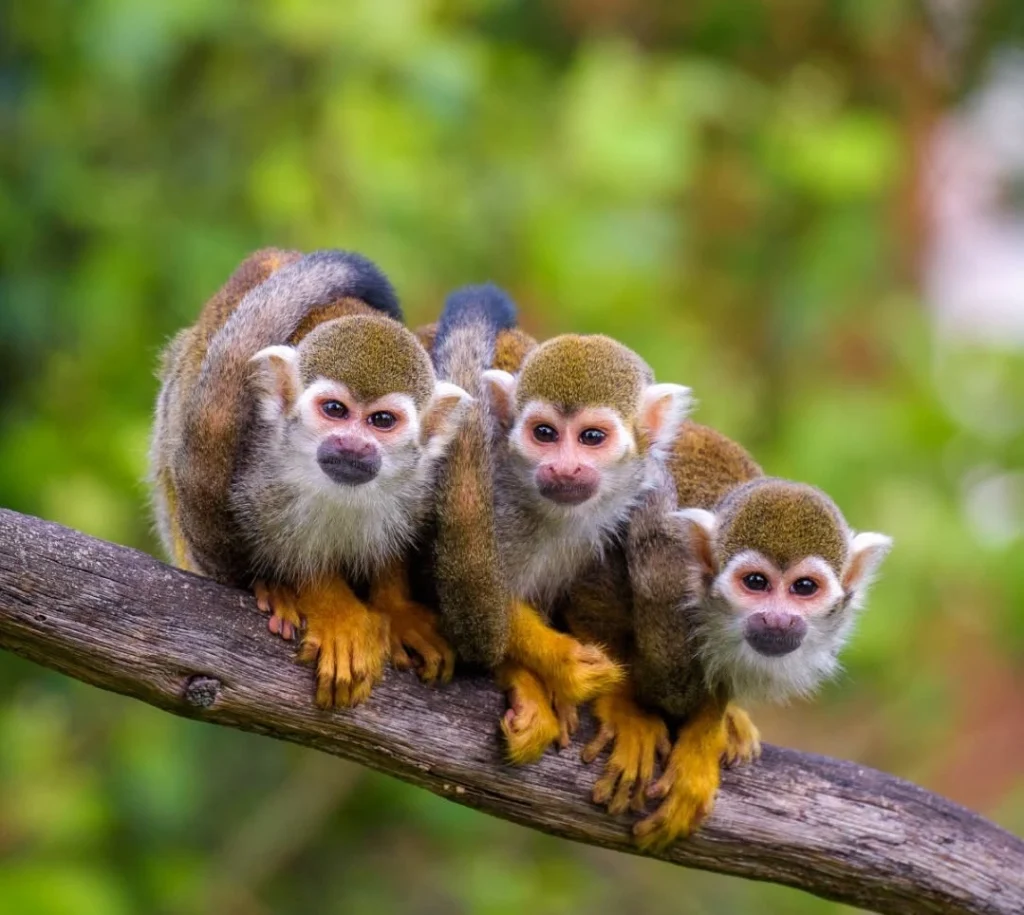
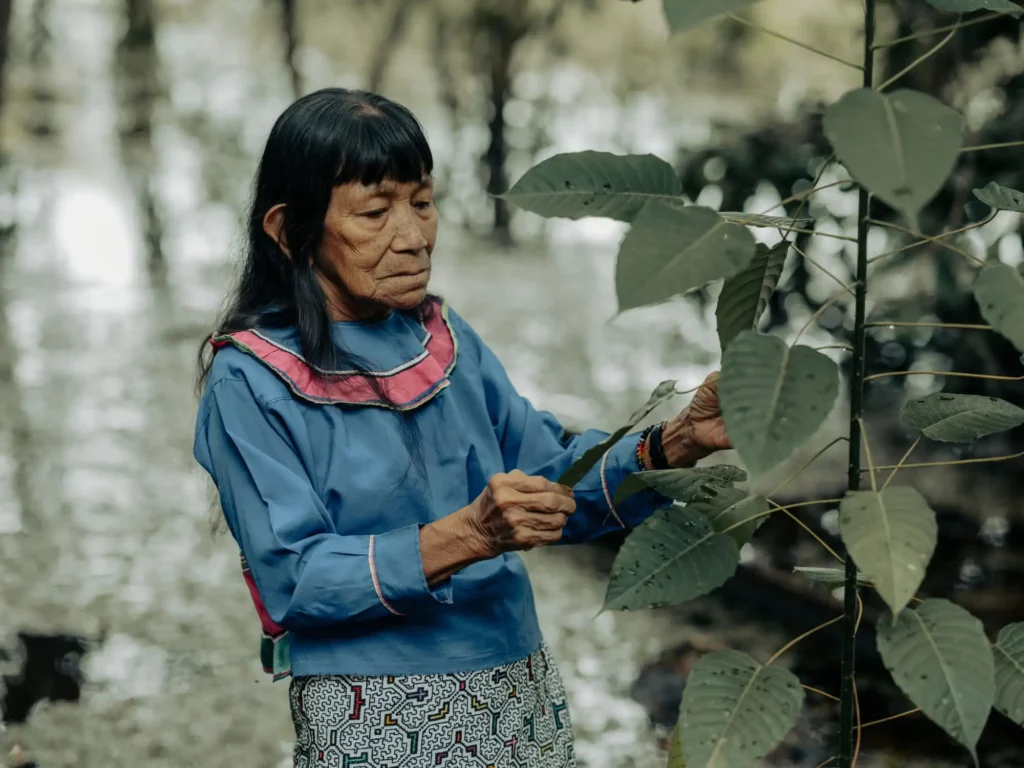
The real magic happens off the ship. Days typically include two excursions, one in the morning and one in the late afternoon or evening. You might take a skiff through narrow channels to spot sloths, howler monkeys, macaws and caimans. Naturalist guides lead jungle walks, explaining medicinal plants and how the ecosystem works. Other days bring respectful visits to riverside communities, piranha fishing, or a swim in a safe blackwater tributary.
Night excursions are especially thrilling, whether you’re spotlighting for caimans or listening to the jungle orchestra after dark. Onboard, you might attend short lectures on Amazon ecology or simply relax on the upper deck with a cocktail as the sun sets over the canopy.
The pace is active but not exhausting. Most ships provide rubber boots and ponchos for wet landings, and guides tailor activities to different fitness levels.
The Best Luxury Ships on Amazon
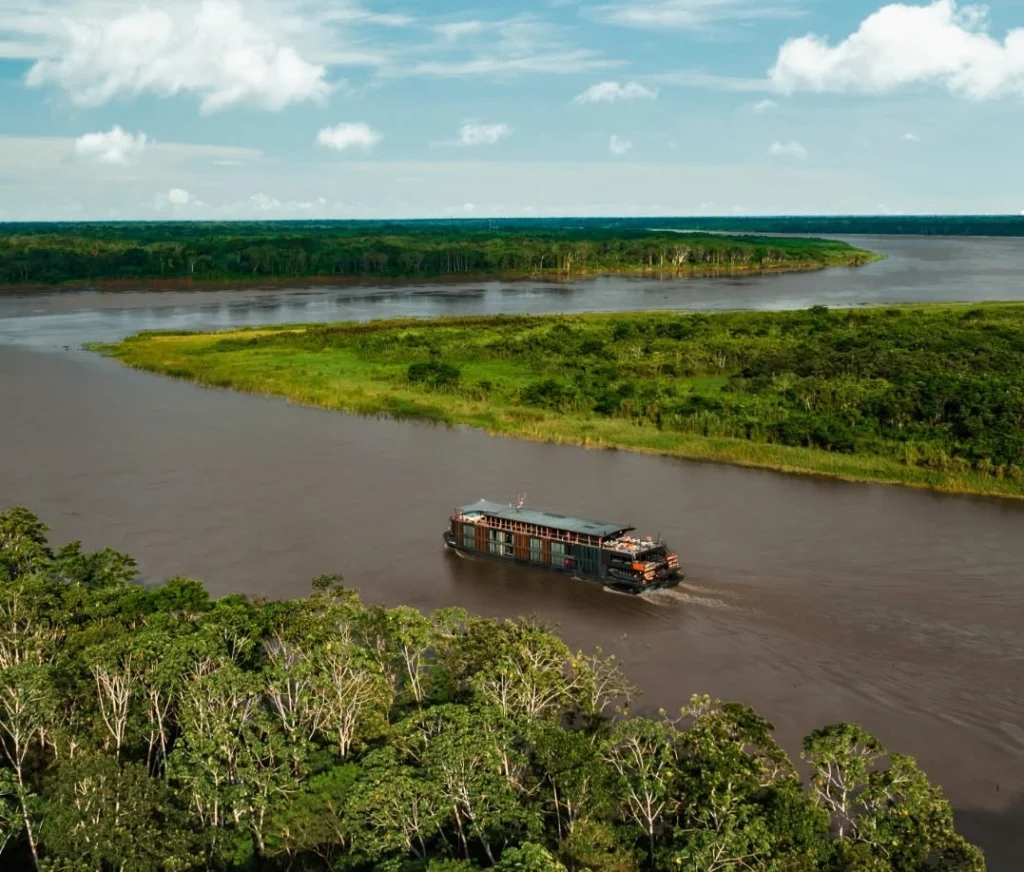
New vessels have joined river mainstays to offer intrepid travellers even more choice on both the Upper and Lower Amazon.
Aqua Nera
Aqua Expeditions’ flagship on the Amazon, Aqua Nera has 20 suites for up to 40 guests, including interconnecting suites that are ideal for families. It sets the standard for contemporary design on the river, and its menus come from Chef Schiaffino.
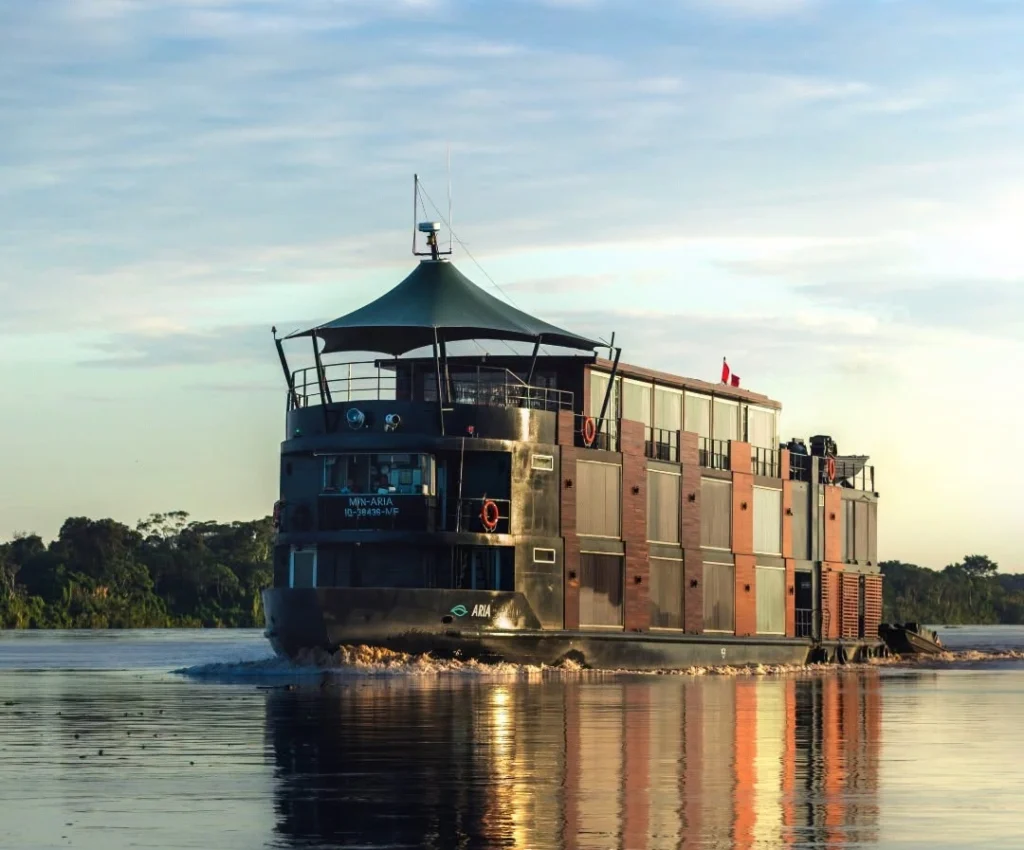
Aria Amazon
Aqua Expeditions’ original Amazon vessel (and my favourite), Aria Amazon launched in 2011 with 16 river-facing suites for up to 32 guests. With its floor-to-ceiling windows, contemporary decor and intimate scale, it has a loyal following with repeat Amazon travellers.
The Delfin Fleet
Delfin Amazon Cruises operates three vessels in Pacaya-Samiria. Delfin I is a private-yacht-style ship with just four suites, two of them with private Jacuzzis, while Delfin II has 14 suites. The newest, Delfin III, has 22 suites, including a 600-square-foot Owner’s Suite with 180-degree windows. Delfin’s fares include house wines and domestic beers.
Zafiro
Jungle Experiences’ Zafiro, built in 2015, carries up to 38 guests, and its top suite has a 180-degree window and a Jacuzzi. Its four-, five- and eight-day itineraries explore Pacaya-Samiria via the Ucayali or Marañón rivers.
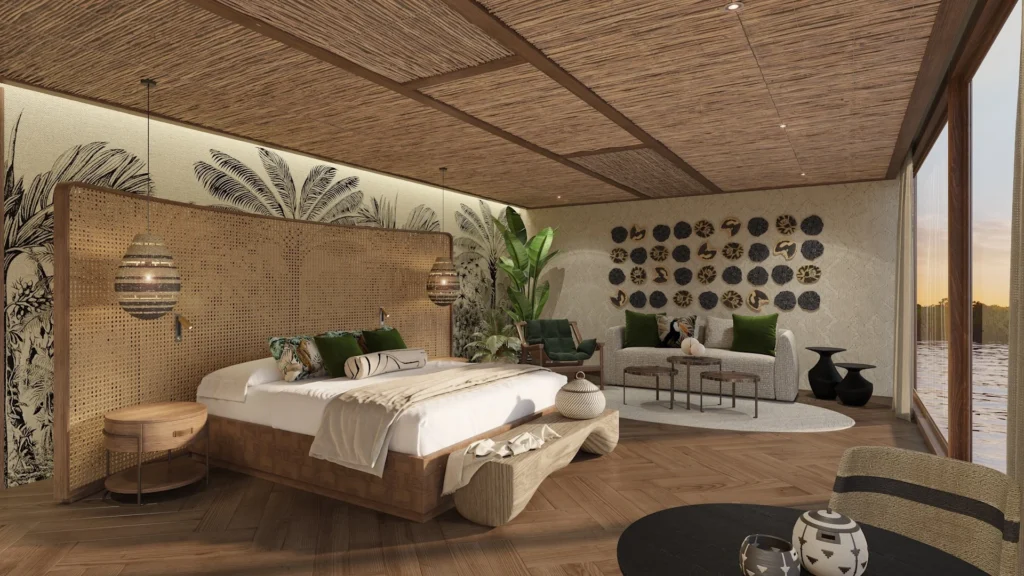
andBeyond Amazon Explorer
The newest luxury cruise vessel on the river, andBeyond’s Amazon Explorer is a river expedition yacht that launched in September 2026. It has 12 suites for up to 32 guests, each decorated with Shipibo-Conibo Kené art. There’s a pool deck, spa, gym and Explorer Centre, plus three-, four- and seven-night sailings into Pacaya-Samiria.
Zaltana
A boutique luxury riverboat with 10 suites and features elegant, art-inspired interiors, a high crew-to-guest ratio, gourmet Amazonian cuisine, and expert-guided excursions into Brazillian Amazon areas like the Anavilhanas Archipelago and Jaú National Park.
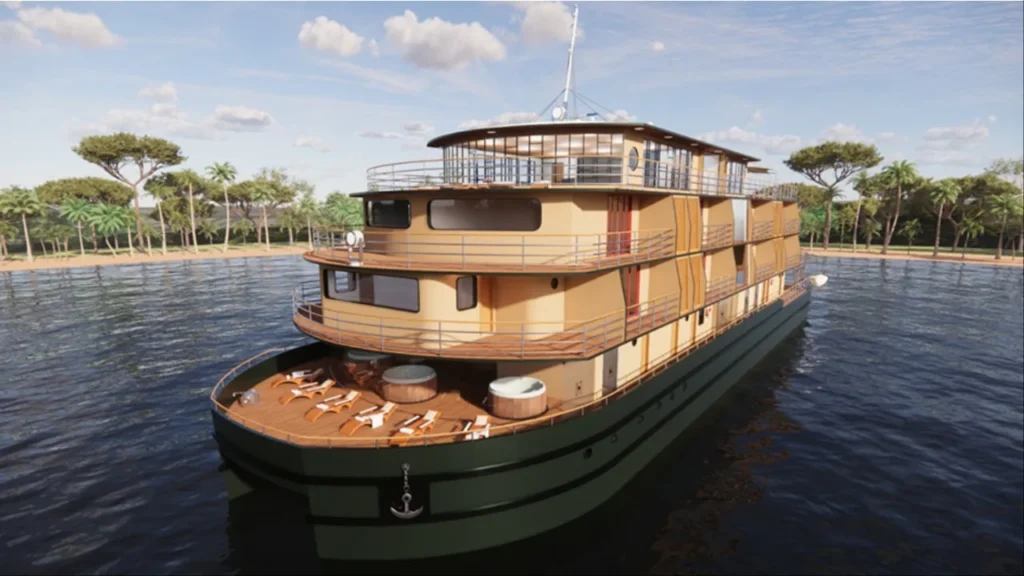
Untamed Amazon
A sustainable luxury vessel with 8 cabins, Untamed Amazon emphasizes eco-friendly design and offers exclusive private charters with high-end service and immersive rainforest exploration.
Brasilian Dream
One to look out for, Brasilian Dream (above) is new 32-guest luxury catamaran-style river ship launching in 2027. It will feature 16 suites (many with balconies), a spa, fitness facilities, and eco-innovations, sailing itineraries on the Brazilian Amazon, Rio Negro, Solimões, Tapajós, and toward the Colombian border from Manaus.
The Pros of an Amazon River Luxury Cruise
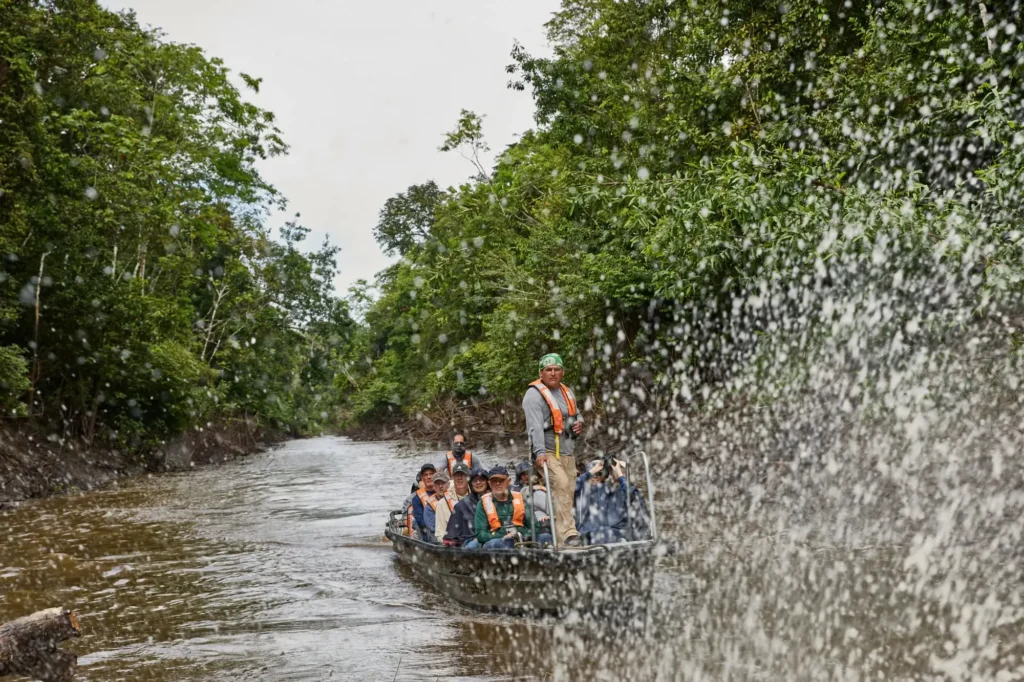
A regular destination on travellers’ bucket lists, the Amazon is a wild and fascinating place that will captivate your imagination. Here are some of the major drawcards.
Unparalleled Wildlife Access: Few other ways let you get this deep into the rainforest with such comfort and expert guidance.
Intimate Scale: Small groups mean personalised service and a genuine sense of exploration rather than mass tourism.
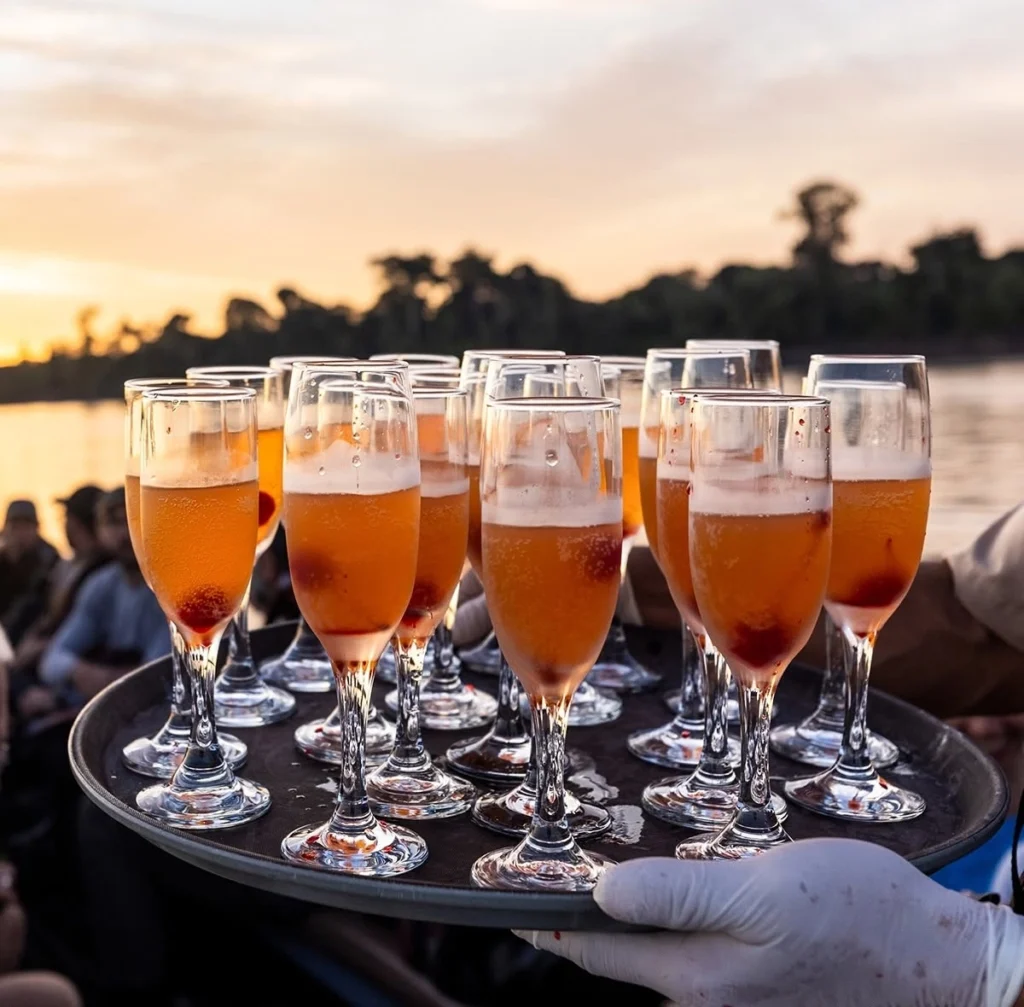
Inclusive Convenience: Most luxury operators include meals, excursions, park fees and airport transfers on recommended flights, so you can focus on the experience. Drinks packages vary, with some lines including house wine and beer, while others offer only non-alcoholic drinks. It’s always wise to check before you book.
Educational Depth: Knowledgeable naturalists turn every outing into a fascinating lesson about one of the planet’s most important ecosystems.
Memorable Contrast: The blend of raw wilderness by day and refined comfort by night creates a unique and lasting impression.
Cons and Realistic Considerations
As with all wild environments, reaching and navigating the Amazon has its challenges, even on a luxury cruise. Here are some things to keep in mind.
Heat and Humidity: The Amazon is hot and steamy year-round, with the highest humidity during the wet, high-water months from December to May. Even living in the tropics, I found the humidity – especially during daytime jungle treks – to be formidable.
Insects and Health: Mosquitoes and other bugs are part of the experience. Good operators provide repellent and screened areas, but you’ll still need long sleeves and trousers for some excursions.
Health preparation matters too. The US CDC recommends the yellow fever vaccine for travellers to lowland Loreto, the region that includes Iquitos. Malaria is also present there, so see a travel clinic about antimalarials well before you go.
Limited Flexibility: Itineraries are set, and river conditions can occasionally affect routes, though reputable companies adapt smoothly.
Physical Demands: While not as extreme as some expedition cruise destinations, an Amazon cruise involves getting in and out of skiffs, walking on uneven jungle trails and coping with humidity. Reasonable mobility is important.
Cost: True luxury Amazon cruises are a significant investment, often comparable to high-end safari experiences. As a guide, four-day sailings aboard Zafiro start from around US$3,856 per person. The most exclusive suites and longer voyages cost considerably more.
Is an Amazon River Cruise Right for You?
An Amazon cruise is ideal if you’re like me and are fascinated by nature, wildlife and indigenous cultures, and you appreciate comfort without sacrificing authenticity. It suits couples seeking a romantic adventure, solo travellers who enjoy small-group dynamics, and anyone who wants a profound rainforest experience without the discomfort of a basic jungle lodge.
It may not suit those who dislike heat and bugs, need constant high-energy entertainment, or prefer the grand scale and facilities of an ocean cruise.
For most first-timers, a three- to seven-night luxury cruise in the Peruvian Amazon offers the best introduction. Aqua Nera, Aria Amazon, Zafiro, andBeyond Amazon Explorer and the Delfin fleet are all intimate, well-run and packed with unforgettable moments.
The Amazon doesn’t reveal itself easily, but from the deck of a well-appointed river ship, with expert guides leading the way, it opens up in ways that few other travel experiences can match. If you’re ready for one of the planet’s last great wildernesses, experienced in comfort and style, an Amazon River luxury cruise might just become the journey you’ll talk about for the rest of your life.
Ready to go deeper into the rainforest? The vessels are waiting, and the jungle is calling.
Amazon River Luxury Cruise: Your Questions Answered
Considering your first Amazon River luxury cruise? Here are concise answers to the questions travellers ask most often about routes, seasons, health, costs and choosing a ship.
Is Peru or Brazil better for an Amazon River cruise?
For luxury, Peru. Most high-end ships sail from Nauta, near Iquitos, into the Pacaya-Samiria National Reserve. Brazil’s Manaus routes on the Rio Negro feel more expansive, but the ships there are more expedition-style.
What is the best time to cruise the Amazon?
Both seasons are rewarding. High water (December to May) lets skiffs explore flooded forests, while low water (June to November) opens jungle trails and brings fewer mosquitoes.
How long should an Amazon cruise be?
Three to seven nights suits most first-timers. Four nights balances wildlife time with the long journey from Asia.
Do I need vaccinations for an Amazon cruise?
The CDC recommends the yellow fever vaccine for lowland Loreto, which includes Iquitos, and malaria is present in the region. See a travel clinic at least six weeks before departure.
How do I get to the Amazon from Asia?
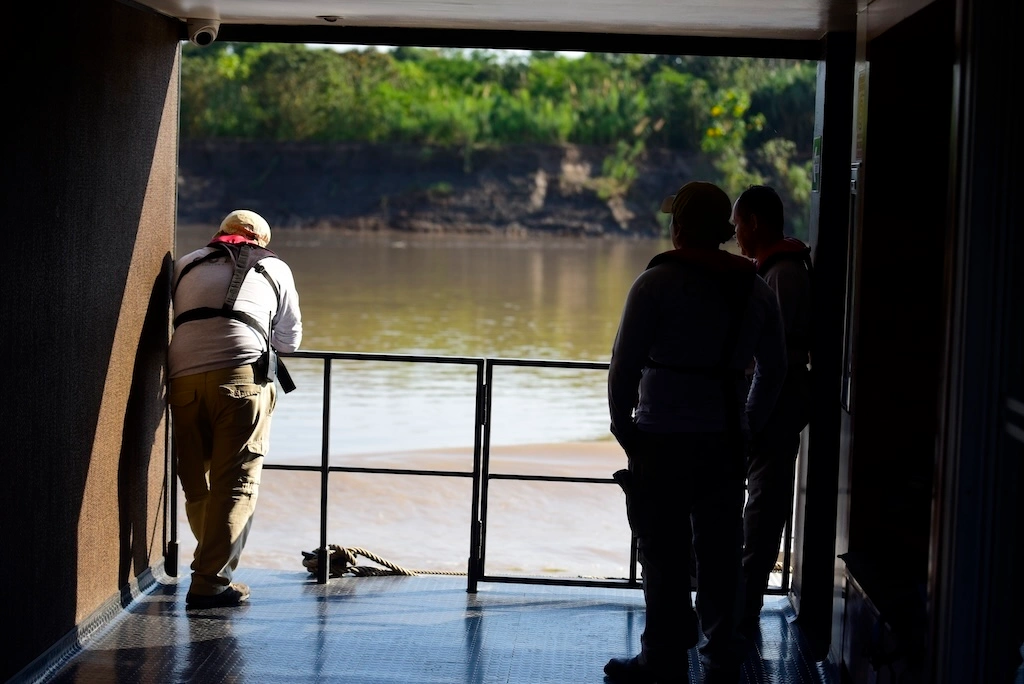
Fly to Lima via North America, Europe or Australasia, then take a domestic flight of under two hours to Iquitos. For Brazil, connect to Manaus via São Paulo.
Is an Amazon cruise suitable for older travellers?
Yes, if you have reasonable mobility. You’ll step in and out of skiffs and walk on uneven trails, but guides tailor activities to different fitness levels.
Planning an Amazon River cruise? Explore our guides to the best expedition operators, photography tips on the Amazon, and what to pack on an Amazon cruise, and read about our adventures with Aqua Expeditions on the Upper Amazon.