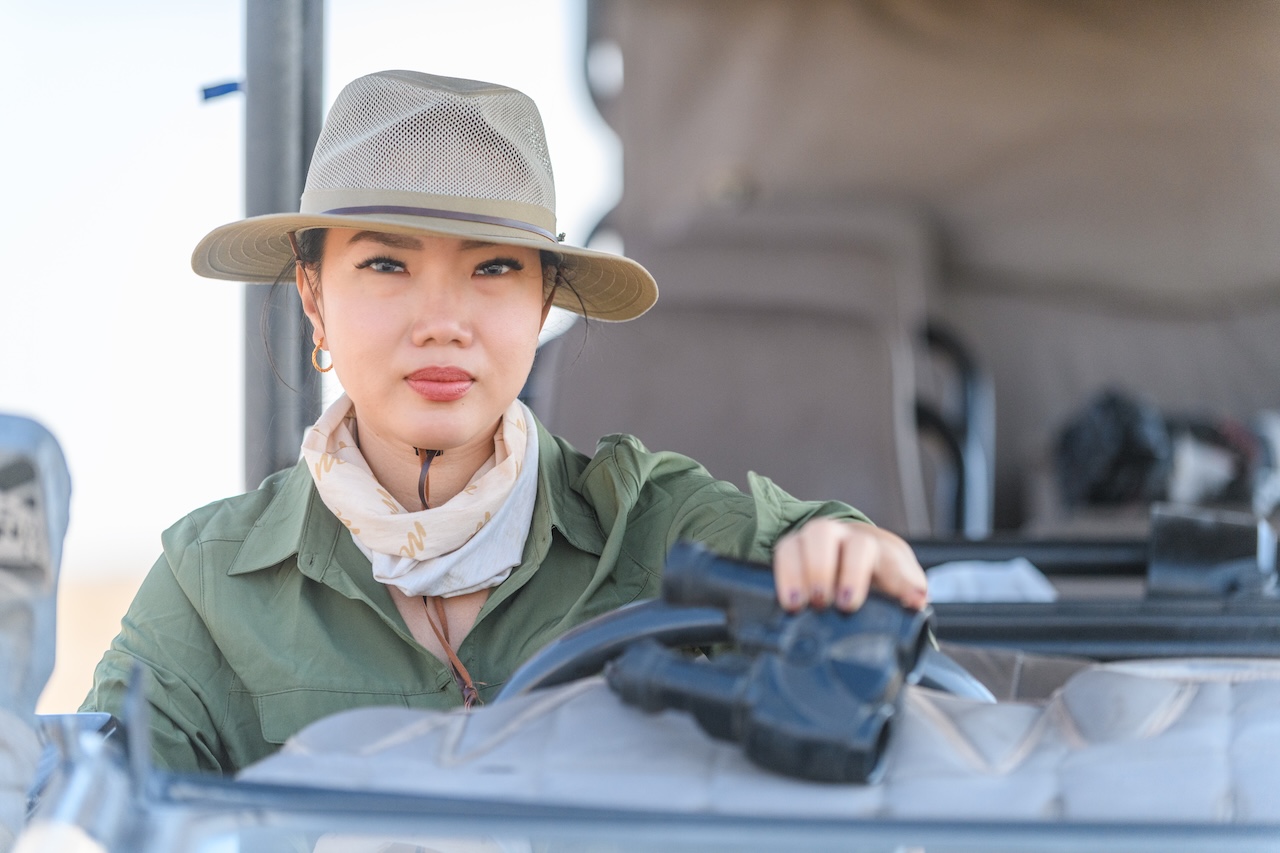

Africa rewards the well-prepared. Whether you’re heading to the Kruger, the Okavango Delta or the Luangwa Valley, what you pack will shape how fully you experience it.
Packing for a luxury safari is an exercise in considered restraint. You’re heading to some of the most extraordinary landscapes on earth — the Serengeti at dawn, the Okavango Delta at dusk, the Maasai Mara during the Great Migration, or the wildest corners of South Africa — and what you bring with you will determine, in ways that aren’t always obvious until you’re out there, how fully you experience it. Too much, and you’ll spend the trip wrestling with overstuffed bags and weighing restrictions on light-aircraft transfers. Too little, and a cold early-morning drive or an unexpected downpour will take the edge off what should be the journey of a lifetime.
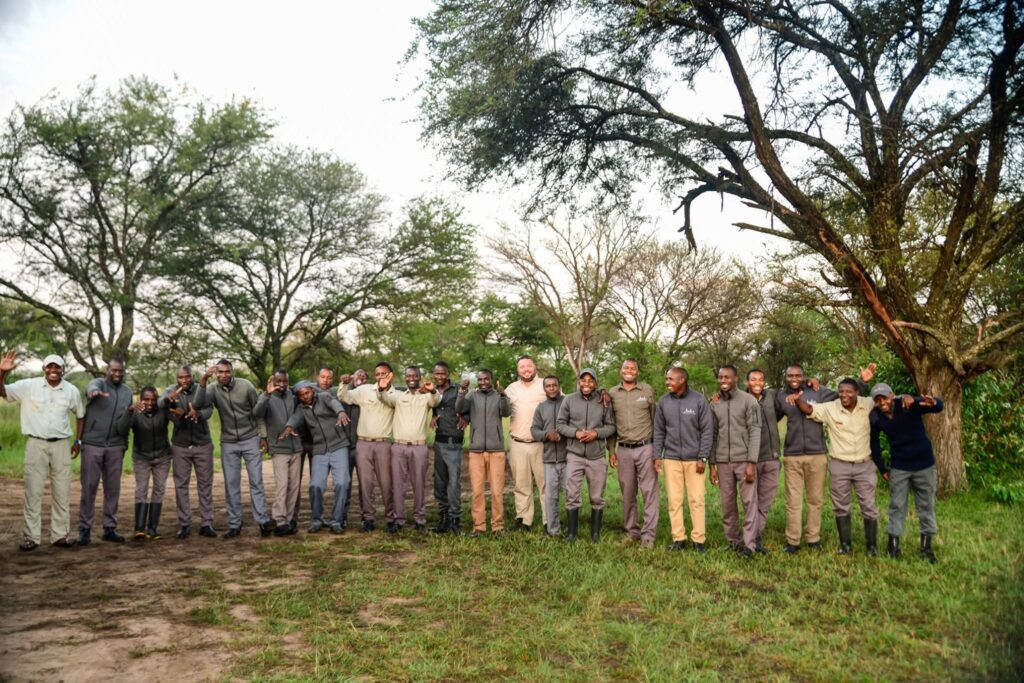
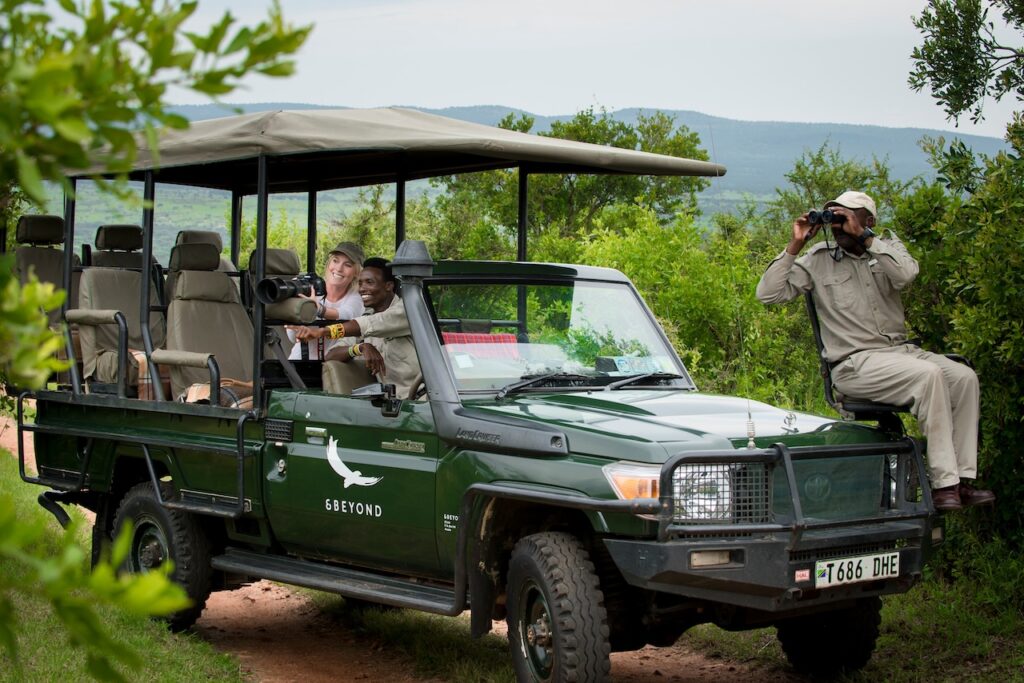
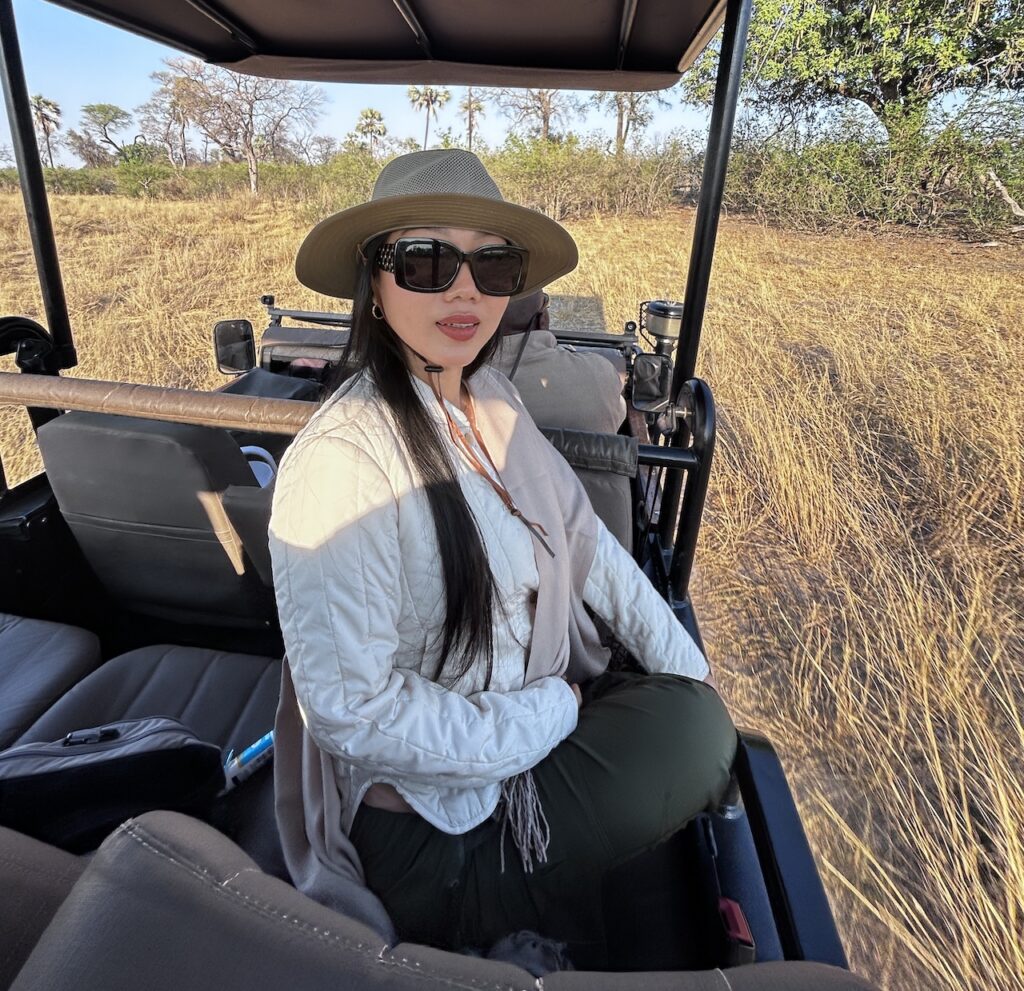
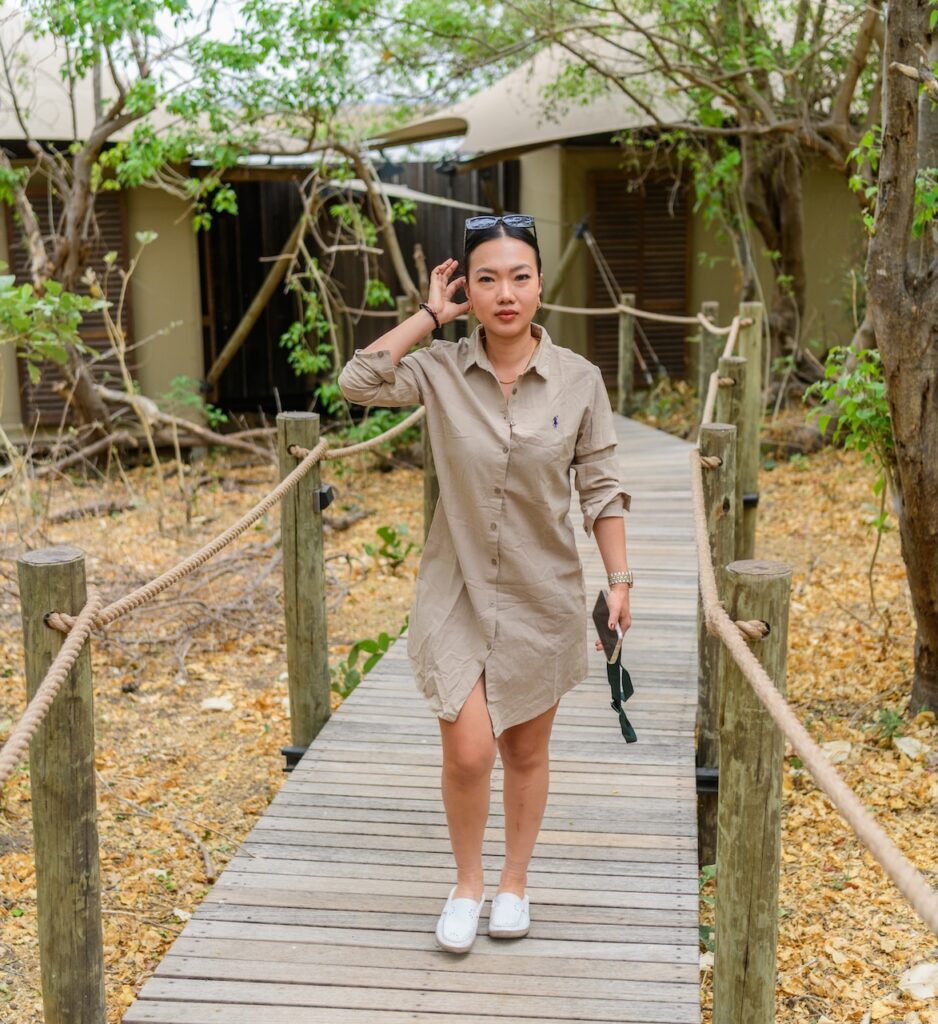
The good news is that luxury safari camps have refined the art of looking after their guests, with many providing laundry services, amenity kits and even a small shop for forgotten essentials. However, there are certain things no camp can supply, and the nuances of dressing right for the bush, the light aircraft, the game drive and the dinner table under the stars require some advance thought. This guide, based on my own experiences (above), covers everything you need, category by category.
Luggage: Soft Bags Only
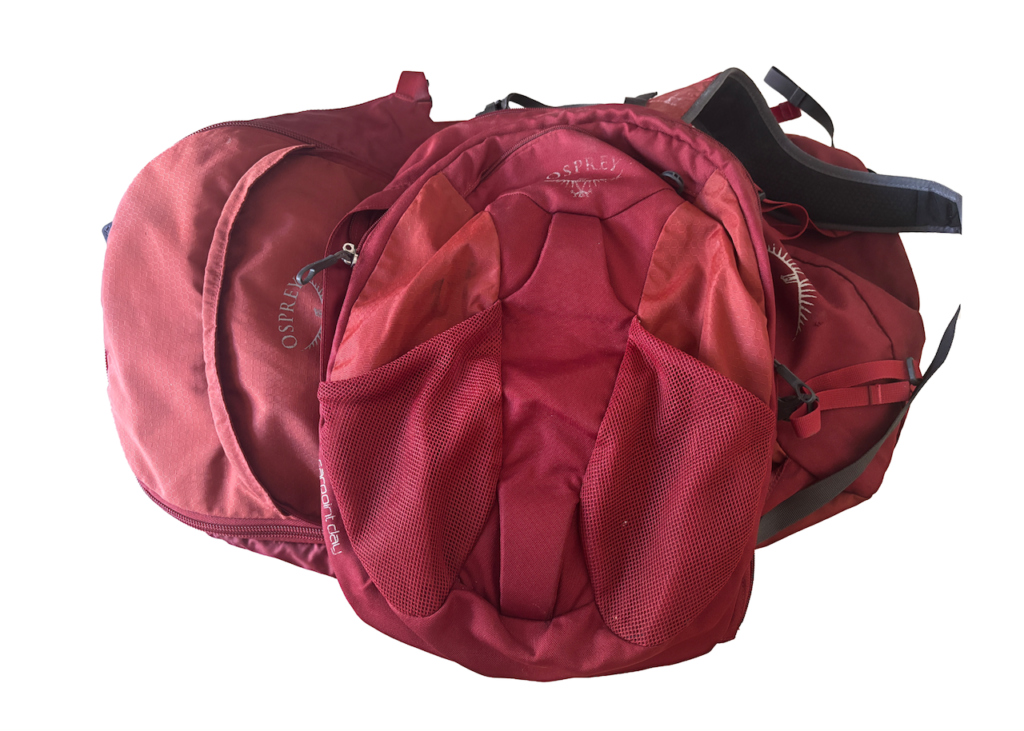
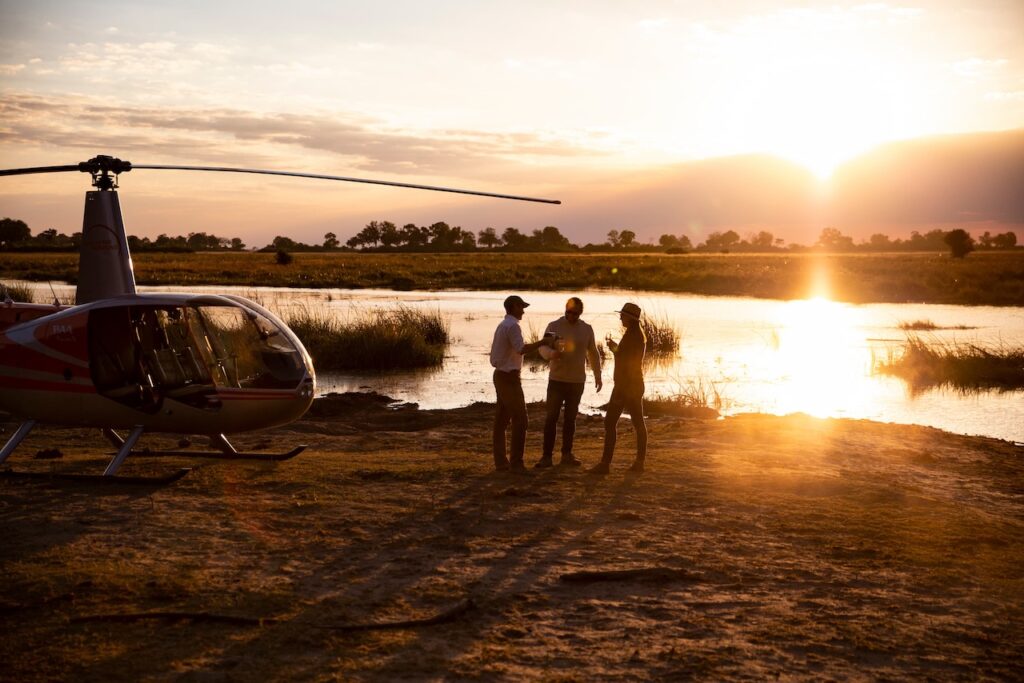
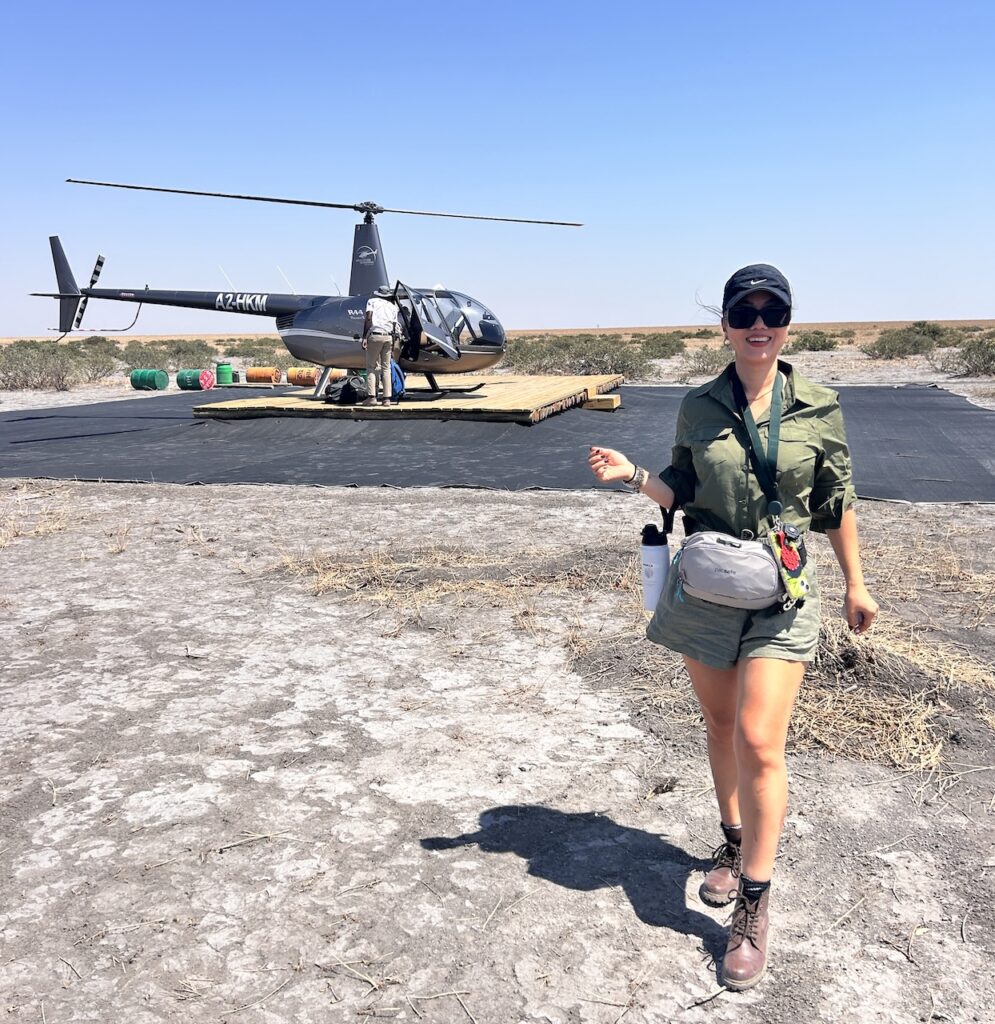
The single most important thing to know before you start packing is this: hard-shell suitcases are largely incompatible with the luxury safari circuit. Light aircraft, including the Grand Caravans and Twin Otters (and in the Okavango Delta often helicopters) that connect remote camps across the Serengeti, the Okavango Delta, Chobe or Kruger, have strict baggage allowances, typically 15kg per person, including (gulp!) hand luggage, and require soft-sided bags that can be compressed into small, oddly shaped cargo holds (I use my trusty Osprey duffel with its attached daypack). Many camps specify a maximum bag size of 25cm x 30cm x 62cm.
I’d suggest that if adventure is on the horizon for you, you invest in a high-quality soft duffel and complement it with a small daypack or tote for in-vehicle use. The daypack is your game-drive companion: it holds your camera, binoculars, water bottle, sunscreen, an extra layer (because it can get chilly) and your field guide, and it lives on the seat beside you rather than in the boot.
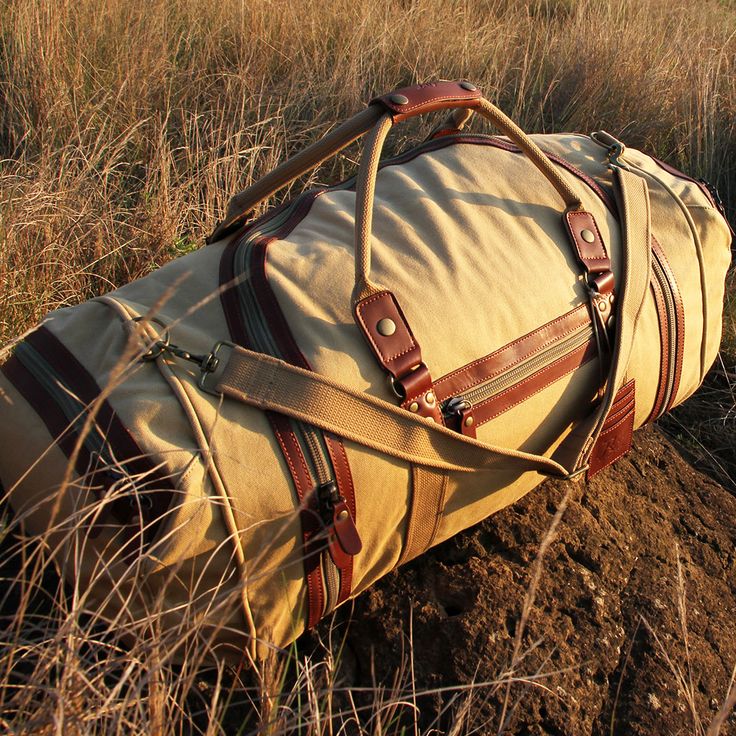
If you’re doing a multi-destination itinerary with a city stay at either end, say Nairobi, Cape Town or Johannesburg, a smarter solution is to travel long-haul with a hard-shell case, repack your essentials into a soft duffel for the bush legs, and store the hard case at your city hotel or the gateway airport. Most good city hotels near safari hubs are accustomed to this arrangement.
Game Drive Clothing: The Logic of Layers
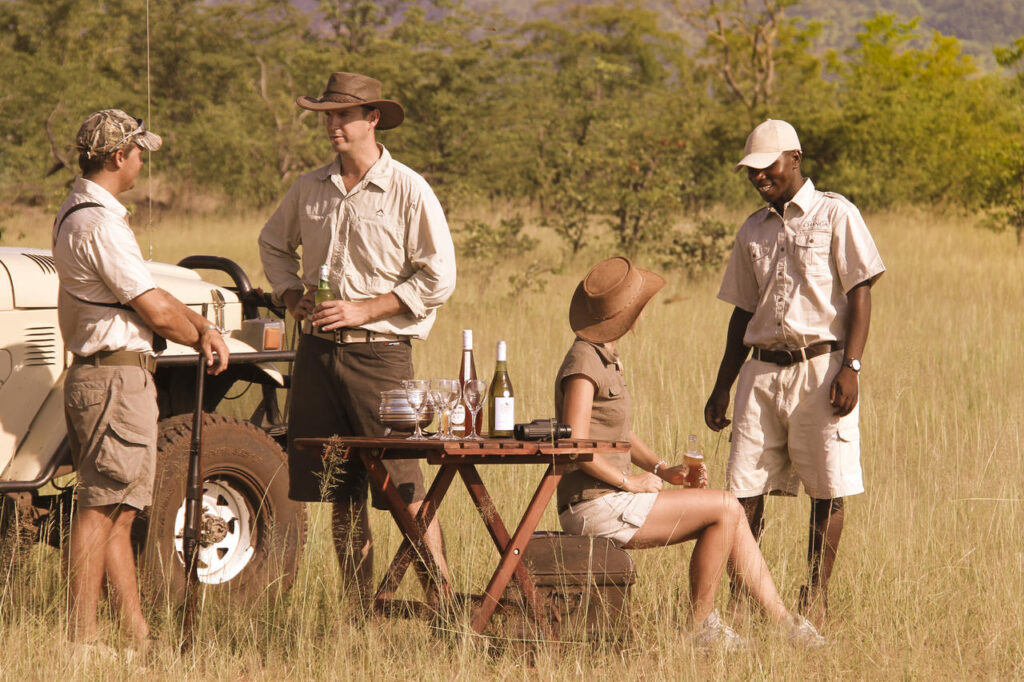
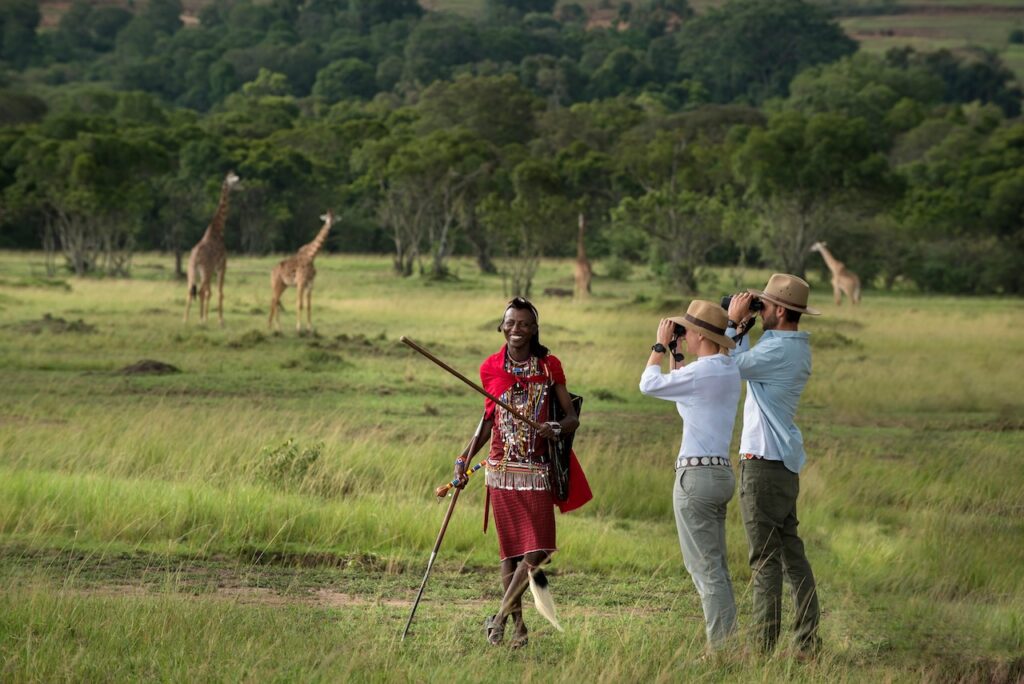
The game drive wardrobe has a governing principle that seems counterintuitive until you experience it firsthand. In the bush, the temperature differential between a 5.30 am departure and a 10 am return can be as much as 20°C. You will leave camp shivering in the dark and return in sunshine that makes a short-sleeved shirt feel like the obvious choice. The answer to this conundrum is layers that can be added and shed without ceremony in an open vehicle.
Colour matters more than most people realise. Neutral tones — khaki, olive, sand, buff, stone — are the conventional safari palette for good reason: they don’t spook wildlife, and they don’t read as alien in the landscape. White is impractical (dust), while black absorbs heat (especially on walking safaris), and blue is said to attract tsetse flies in parts of East and Central Africa. Beyond practicality, there is something to be said for dressing in harmony with the environment.
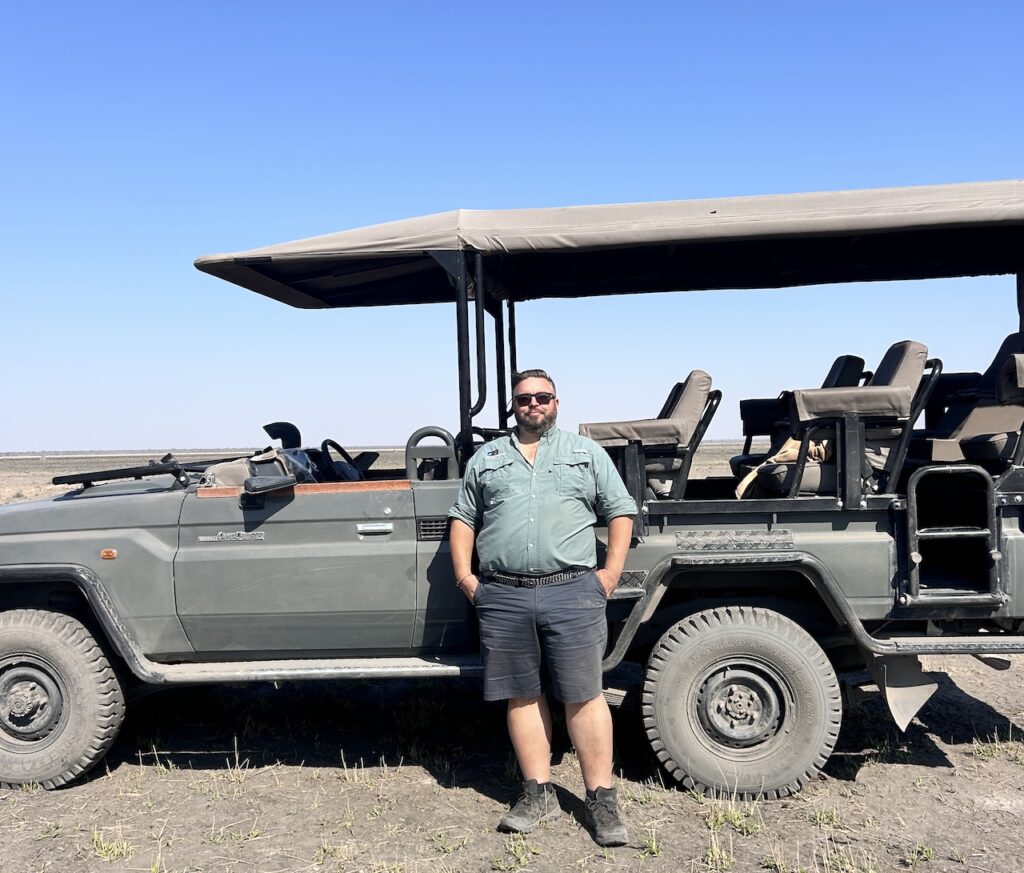
The essential game drive wardrobe:
- A lightweight merino wool or technical fleece mid-layer for early mornings — merino is ideal because it regulates temperature in both directions, resists odour and packs small.
- A windproof softshell or light down jacket for cold-season or high-altitude destinations (Laikipia, the Ngorongoro Highlands, the Waterberg).
- Long-sleeved lightweight shirts in neutral tones — two or three is sufficient if your camp does daily laundry. UPF 50+ fabric is a worthwhile investment.
- Convertible trousers (zip-off legs) in khaki or olive — they double as both full-length trousers and shorts and eliminate a packing decision.
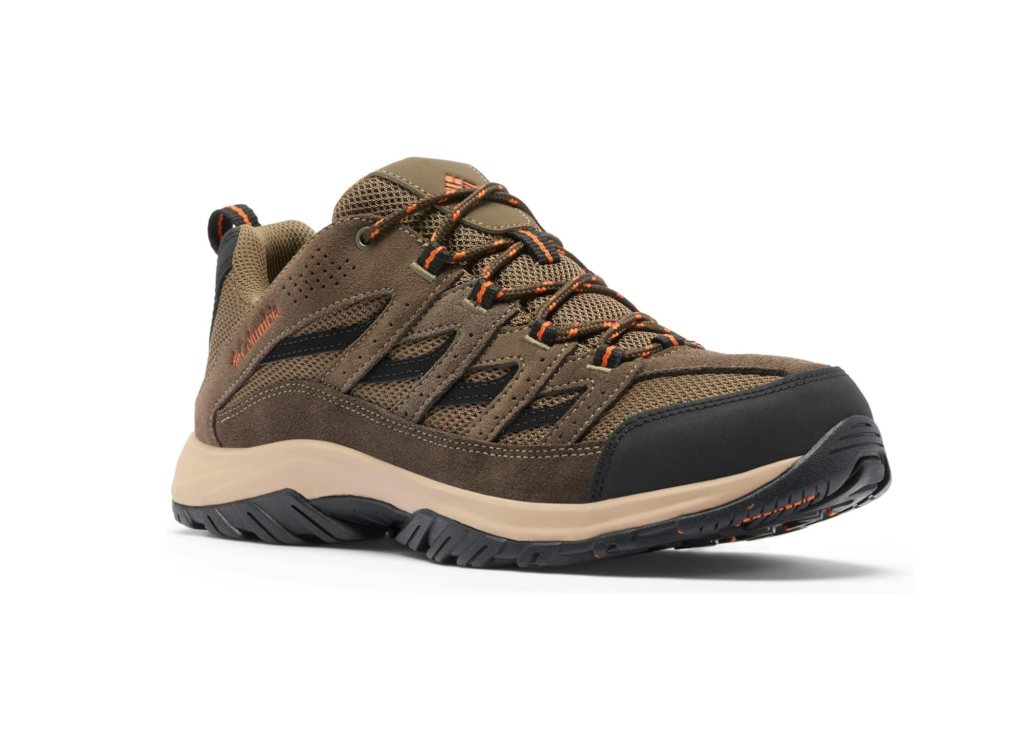
- Sturdy, comfortable closed-toe footwear. Ankle boots or low hiking shoes with a modest tread are ideal. Flip-flops are for camp only.
- A wide-brimmed hat and a buff or neck gaiter for sun and dust.
- Lightweight gloves for cold-season morning drives — a thin pair of liner gloves is all you need and takes up almost no space.
Camp Life: Evenings, Dining and Downtime
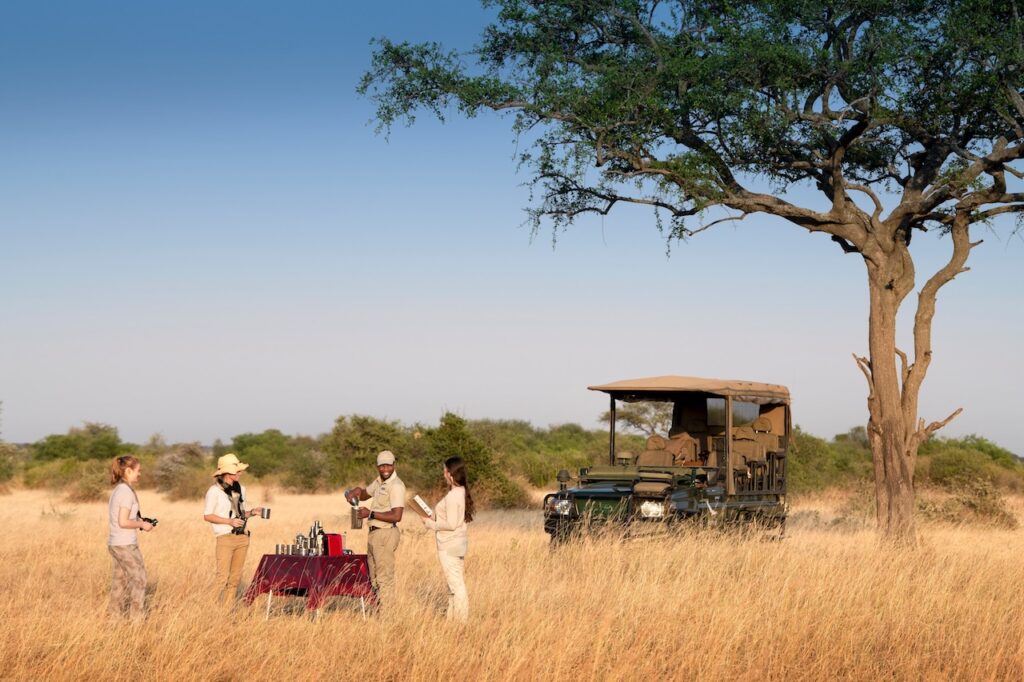
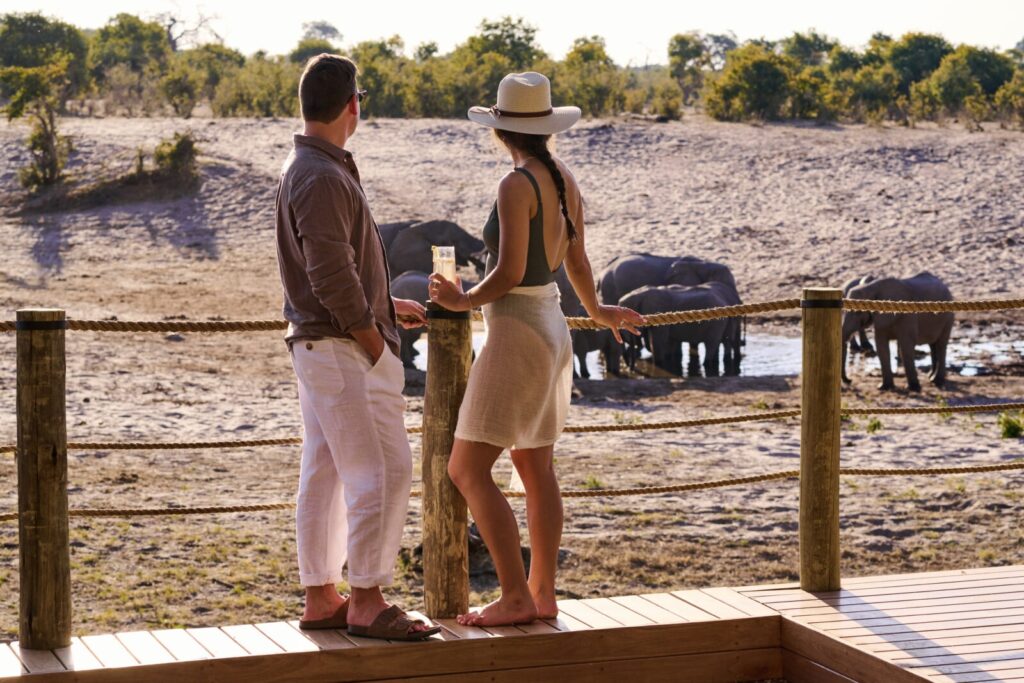
Luxury safari camps occupy a fascinating sartorial middle ground: they are, by any measure, some of the most stylish places on earth, with candlelit dinners under acacia trees and sundowners at the edge of watering holes. But they’re also in the bush, and the safari dress code reflects this. Smart-casual is the operative phrase, with the emphasis on the casual. No one wears a suit or a cocktail dress to dinner at Singita Grumeti or &Beyond Bateleur. What they do wear is considered, comfortable and slightly more polished than the morning’s game-drive clothing.
Pack one or two light linen or cotton shirts or blouses in a colour that isn’t khaki, a pair of lightweight trousers or a midi skirt, and a light cashmere or merino cardigan for evenings. A simple linen shirtdress or an elegant cotton maxi does double duty beautifully, while sandals or light loafers seamlessly replace the game-drive boots.
The aim is to feel effortlessly pulled together with items that fold to almost nothing — this is not the occasion for structured blazers or dry-clean-only fabric.
With the balmy weather, swimwear is a handy addition at any camp with a pool, which is most of them at the luxury end. A sarong doubles as a pool cover-up, beach layer and impromptu picnic blanket and takes up virtually no space.
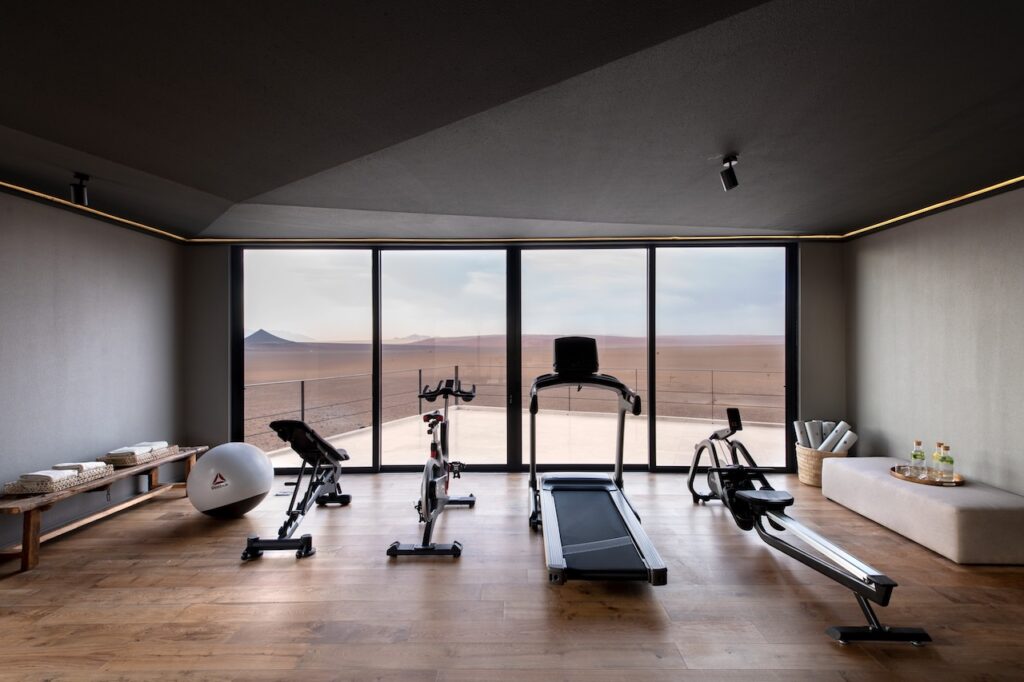
And as wellness has become synonymous with travel, don’t forget to pack the sweats if you like to hit the gym (plenty of permanent camps have one) or the yoga pants for those early-morning sessions.
Transit: Light Aircraft, Long-Haul Flights and Border Crossings
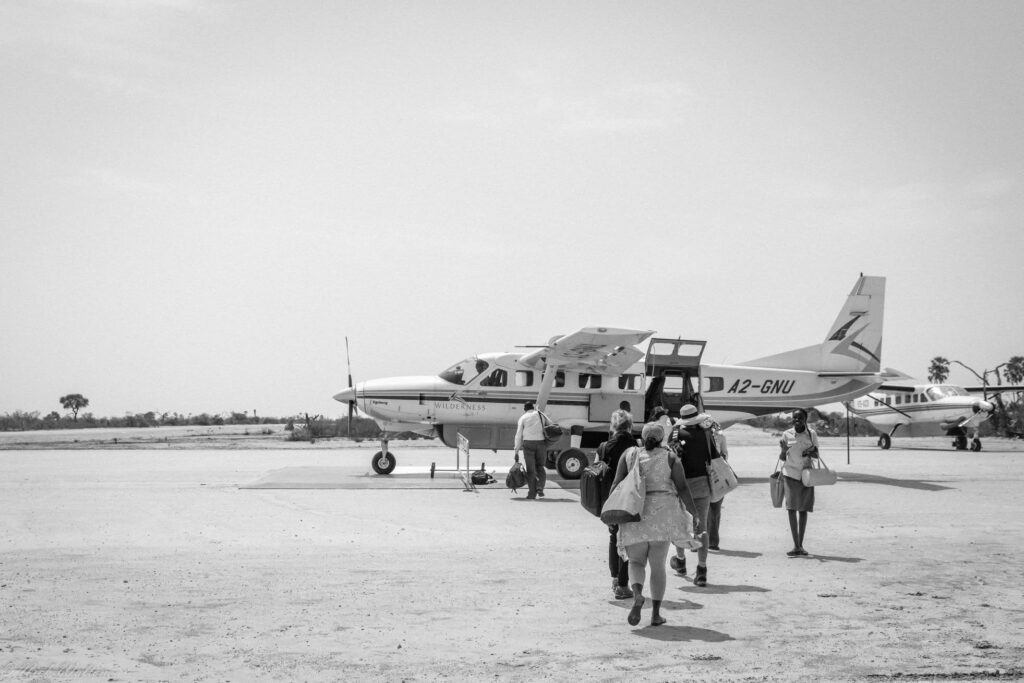
Comfort in transit on a safari itinerary means something different at 35,000 feet than it does at 3,500 feet in a Cessna over the Serengeti. For the long-haul international legs, a noise-cancelling headset (I’ve used my Bose QC45s for years), an eye mask, compression socks and a cashmere travel blanket (or dedicated flight socks and layers that can be shed at the airport) will serve you well. For many travellers this is standard long-haul advice that nonetheless bears repeating.
For light aircraft transfers, wear layers you can comfortably sit in for 45 to 90 minutes in a small, warm cabin. Keep your camera and anything you can’t afford to lose in your daypack in the cabin with you. Ear defenders or foam earplugs are worth having as small props are loud, and a long transfer without ear protection is unpleasant.
If your itinerary crosses multiple countries — Tanzania and Kenya, for example, or Botswana and Zimbabwe — ensure your passport has adequate blank pages for visas and entry stamps. Some countries require a yellow fever vaccination certificate; others require proof of onward travel. Check requirements at least six weeks before departure. A waterproof, RFID-blocking travel wallet that keeps documents, cards and cash accessible but secure is a small investment that prevents considerable anxiety.
Insects & Sun: Protection That Actually Works
Malaria prophylaxis, prescribed by your travel health clinic well before departure, is not a packing item but a medical requirement in most East and Central African safari destinations. Take it seriously, follow the dosage instructions and continue for the full duration after your return. Alongside your prescription, the physical barriers to mosquito exposure are your best protection.
DEET-based repellents (30–50% concentration) remain the most effective option for mosquito deterrence in high-risk areas. Apply to all exposed skin at dusk and dawn, when biting insects are most active, and reapply after swimming or heavy perspiration. Picaridin-based alternatives are less oily, odourless and equally effective for most species. Permethrin-treated clothing offers a supplementary layer of protection for game drives.
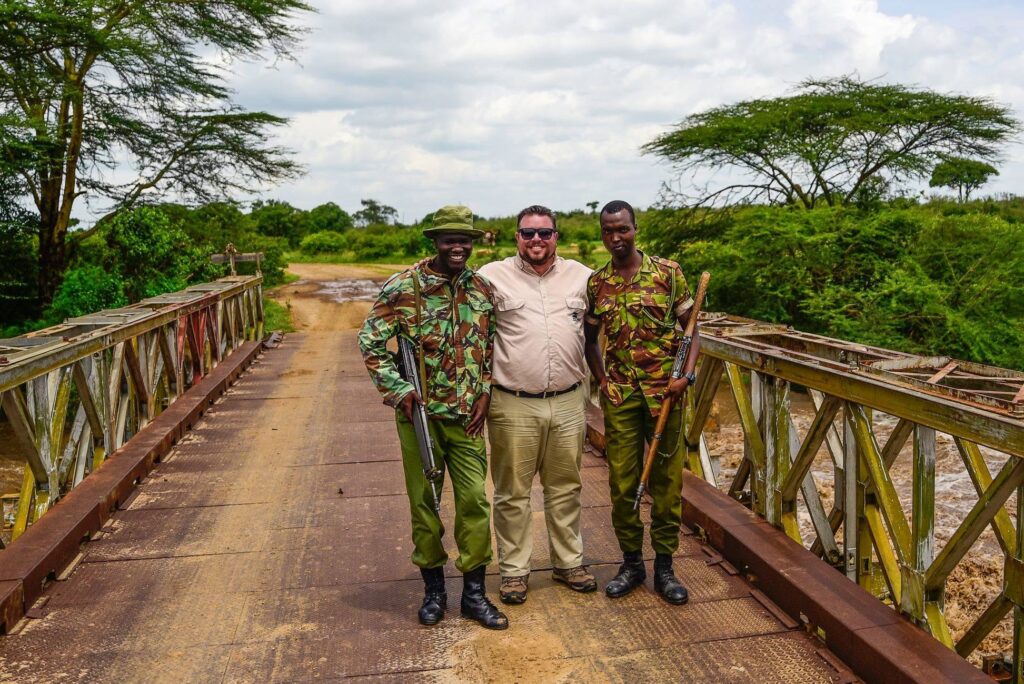
As someone who developed many of his favourite ‘character lines’ on safari, I would say sun protection deserves equal attention. The equatorial and near-equatorial latitudes of most safari destinations mean UV exposure is intense year-round. A broad-spectrum SPF 50 sunscreen applied before every drive, a UV-protective lip balm, quality UV400 sunglasses with wraparound coverage, and a wide-brimmed hat are non-negotiable. Reef-safe formulations are increasingly expected at camps near sensitive ecosystems; Bondi Sands, Ultrasun and Soleil Toujours all offer non-toxic mineral options that won’t harm the waterways.
Long sleeves and trousers at dawn and dusk provide additional protection that no product can fully replicate. The game drive wardrobe outlined above, worn consistently at the right times, is itself your most effective insect barrier.
Temperature and Climate: Packing for the Range
Safari destinations span an enormous climatic range, and the season in which you travel will determine your packing as much as the destination itself. A July visit to the Maasai Mara during the dry season is cold at dawn (as low as 8°C on the vehicle at speed), warm by midday (25°C) and cool again by evening. A November visit to Botswana at the start of the green season will be warm and humid throughout, with afternoon thunderstorms that are spectacular to watch from camp (and to photograph) but might necessitate a lightweight waterproof jacket.
As a general rule: the dry season (typically May to October in East Africa, April to October in Southern Africa) requires a heavier cold-weather layer for early mornings; the wet or green season (November to March/April) requires a lightweight packable rain jacket but is also ideal for lighter daytime clothing. Southern Africa’s winter (June to August) can be genuinely cold at altitude and in the evenings, warranting a proper insulated down jacket unless you want to be the only miserable one at the stargazing sessions.
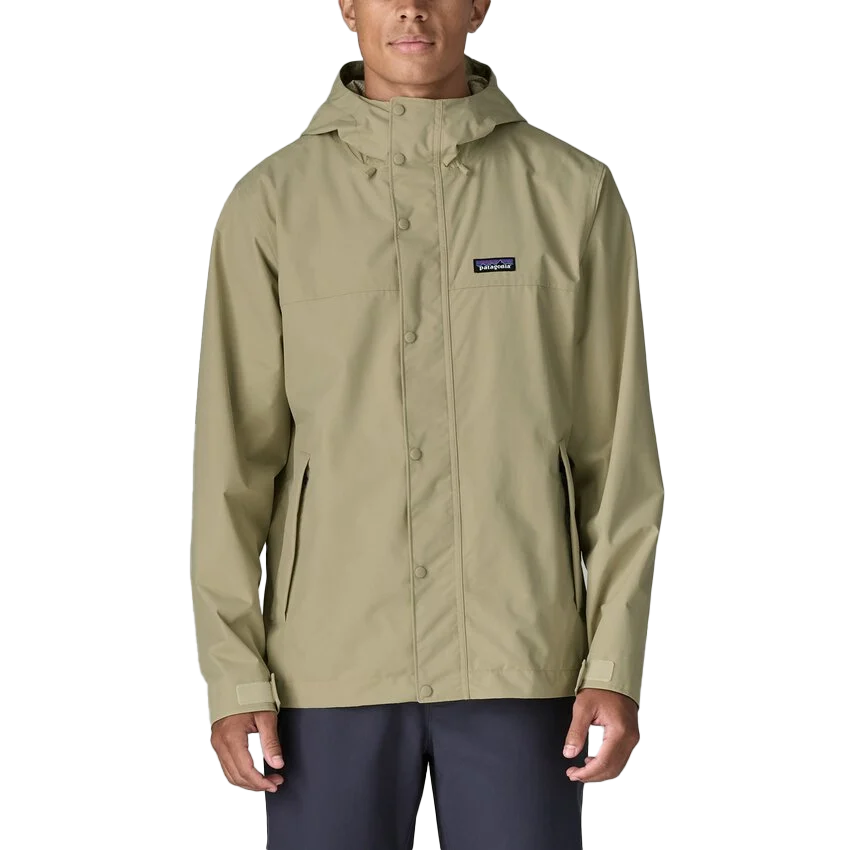
A lightweight packable rain jacket or windbreaker takes up almost no space and earns its place in almost any season. A Patagonia Houdini, Arc’teryx Atom or similar compressible technical layer weighs under 300g, packs into its own pocket and provides a meaningful buffer against wind chill on open vehicles and during unexpected showers.
Photography Essentials: Just the Basics Here
A full safari photography guide is available separately on this site, and I’d direct the serious photographer there for more depth on cameras, lenses and technique. However, a few practical packing notes belong in any safari kit list.
Sensor-clean your camera before departure, and bring more memory cards and batteries than you think you’ll need. A safari drive can generate 800 images in a single morning, and power outlets in a game-drive vehicle are not guaranteed. A power bank with universal outputs is among the most useful items in your bag. A bespoke bean bag or vehicle-mount camera support is more useful than a tripod, which cannot be used in a moving vehicle and takes up significant bag space.
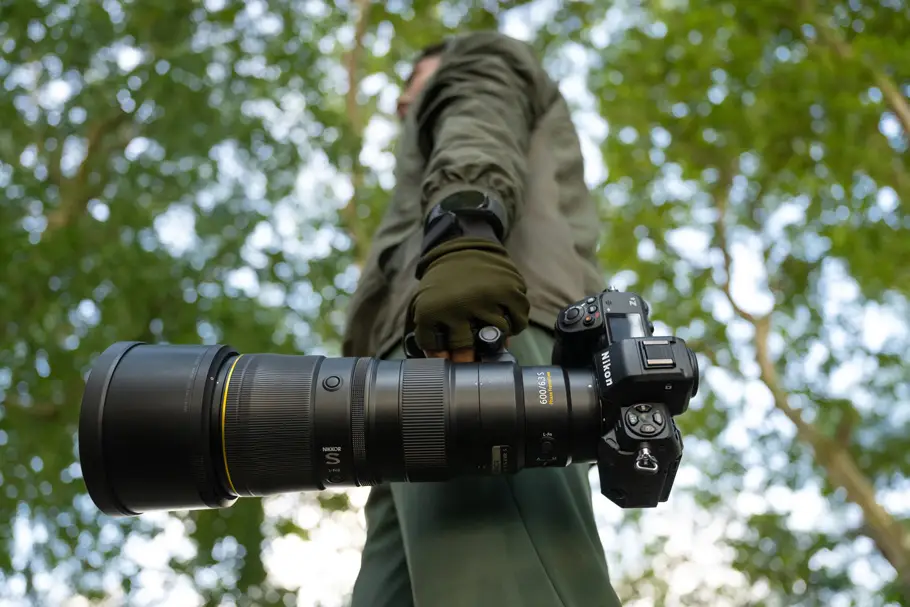
Protect your gear from dust — which is pervasive on dry-season drives — with a purpose-built camera bag or, at minimum, a sealed dry bag inside your daypack. A lens cloth and a blower brush, both easily overlooked, will earn their weight many times over in the bush, and mean you won’t have to spend forever removing dust spots from your images.
A Final Word on What to Leave Behind
The most experienced safari travellers pack light, and they arrive looking and feeling better for it. Luxury camps do laundry daily — often twice — so three or four changes of game-drive clothing is genuinely sufficient for a ten-night trip. The temptation to overpack is natural when facing an unfamiliar environment, but experienced operators will tell you that the guests who most enjoy a safari are invariably those who travel lightest: they’re not managing bags, they’re watching a lion with a kill across the Mara River.
Leave behind the heels, the hard-shell suitcase, the formal dresses and the bulky items that won’t fit in a Cessna hold. Instead, bring a few sturdy pieces, a good camera, the right layers, and the confidence that the camp will handle the rest. The bush demands very little of you, and gives everything in return.
Frequently Asked Questions
The questions below reflect what people search for most when planning a luxury safari packing list. We’ve answered each one directly.
Do I really need to wear khaki on safari?
No, you don’t (and many, especially in more touristy parks, don’t), but there are good reasons why most experienced safari-goers do. Neutral tones (khaki, olive, stone, buff) work because they don’t alarm wildlife, don’t show dust the way dark colours do, and have a practical visual logic in the bush. That said, you’re not obliged to buy a dedicated safari wardrobe from a specialist outfitter. Lightweight trousers and shirts in any muted, earthy tone that you already own will serve perfectly well.
What to genuinely avoid: white (accumulates dust visibly within the first hour), black (absorbs heat and is uncomfortably warm by mid-morning (it’s also a favourite of tsetse flies), and bright colours or patterns (jarring in the landscape and potentially startling to animals at close range). Blue is also worth avoiding in tsetse-fly country — parts of Tanzania, Zambia and Zimbabwe — as the flies are specifically attracted to it and have a painful bite.
How many clothes do I need for a 10-day safari?
Far fewer than you think. Virtually all luxury safari camps offer a same-day or next-morning laundry service, and most do it twice daily. Given this, three to four sets of game drive clothing (shirts, trousers, a mid-layer) will carry you comfortably through ten nights. Two or three sets of smart casual evening wear, a swimsuit, sufficient underwear and socks, and one pair of closed-toe shoes for drives plus sandals for camp rounds out a complete wardrobe that can still fit inside a 15kg soft duffel.
One important caveat: most camps will launder clothing but will not launder underwear as a matter of policy. Bring enough for the full trip, or plan to hand-wash. Merino wool underwear dries quickly overnight and is worth the investment.
What is the weight limit for luggage on safari flights?
The standard allowance on light aircraft transfers, including the Cessna Caravans, Pilatus Porters and similar prop planes used across East and Southern Africa, is usually 15kg (33lbs) per person total, including hand luggage. Some operators allow up to 20kg; a small number are stricter. The bag itself must be soft-sided, with no rigid frame, and must conform to maximum dimensions typically around 25cm x 30cm x 62cm so it can be compressed into cargo holds that are awkwardly shaped.
Exceeding the limit on a light aircraft is not a negotiable situation in the way it might be at a commercial airport check-in desk. Excess luggage is either left behind or requires purchasing an additional seat. Confirm the specific allowance with your operator before departure, and treat it as a firm constraint rather than a guideline.
Is it cold on safari? What temperature should I pack for?
It depends entirely on destination and season — but early-morning game drives are almost always colder than first-time safari guests expect, regardless of where or when they go. In an open vehicle travelling at speed before sunrise, the wind chill at even 15°C is significant. During Southern Africa’s dry-season winter (June to August), pre-dawn temperatures in the Okavango Delta, the Masai Mara and the South African bushveld can drop to between 4°C and 8°C (especially in the Ngorongoro Crater. The Maasai Mara and Serengeti in July and August can be similarly cold at altitude before the sun rises.
The green or wet season (November to March/April across most of Africa) is warmer overall, with daytime temperatures in the high 20s to low 30s Celsius, but afternoon thunderstorms require a light packable rain layer. Whatever the season, the layering system outlined in the main article — a merino base, a fleece or down mid-layer, a windproof outer — handles the full range.
Do luxury safari camps provide toiletries and amenities?
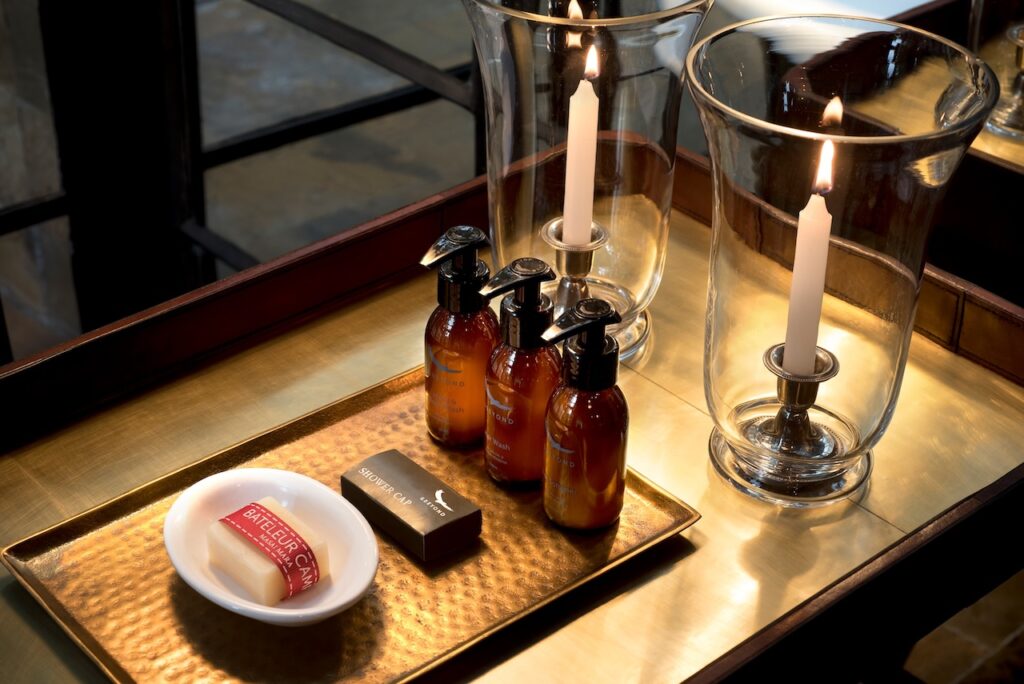
Yes — the best camps provide high-quality toiletries, including shampoo, conditioner, body wash and moisturiser, often from premium or locally produced brands. Many now use eco-conscious formulations suited to their water systems and septic infrastructure. You do not need to bring full-size toiletries from home; decanting into travel-size containers or simply leaving them behind is perfectly reasonable.
What camps typically do not provide: your specific prescription medications (always carry these in hand luggage, in original packaging), strong DEET insect repellent (some camps stock it, but bring your own to be safe), your preferred sunscreen formulation, and any specialist skincare you rely on. A small kit of these personal items takes up very little space and avoids reliance on camp shops, whose stock varies.
Should I bring binoculars on safari?
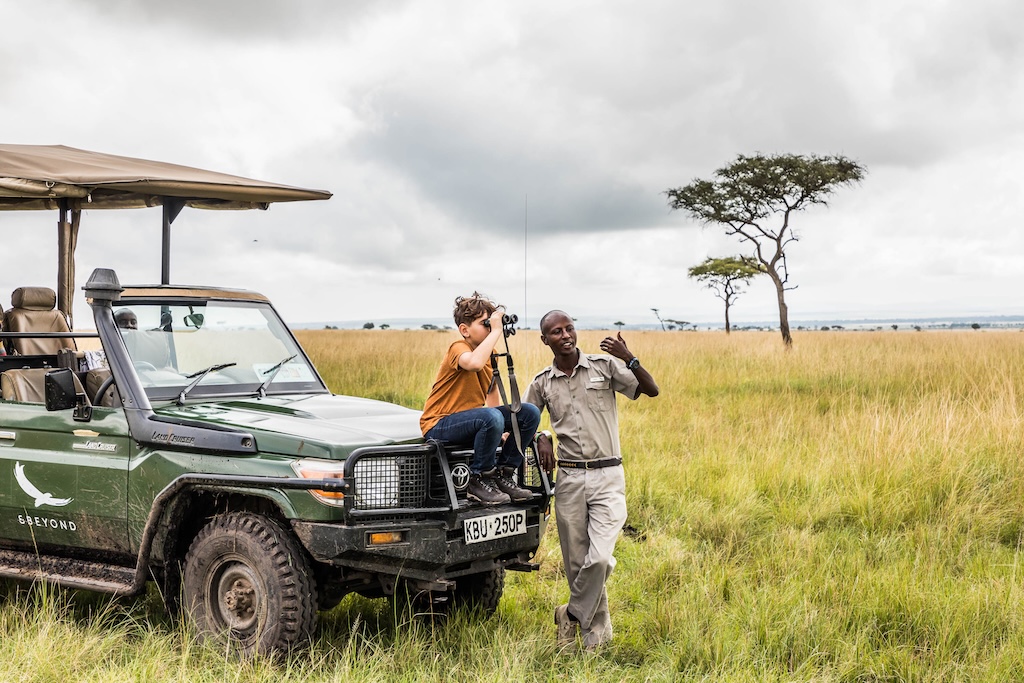
Yes, without question — and this is one of the most commonly underestimated items on any safari kit list. Many significant sightings happen at distance: a leopard in a tree 200 metres away, a pride of lions on a distant hillside, a bird of prey on a high thermal. The naked eye misses the detail that makes the encounter memorable. Your guide will point things out that you simply cannot resolve without magnification.
Some camps provide binoculars for use on game drives; many do not, or supply only a limited number to share between guests. Bring your own. An 8×42 or 10×42 roof-prism binocular is the standard recommendation as the 42mm objective lens gathers enough light for dawn and dusk viewing, and the 8x or 10x magnification covers the range of most game-drive sightings without the shake associated with higher magnification. Swarovski, Zeiss and Leica are the benchmark; Viking Optics and Vortex offer excellent alternatives at a more accessible price.
Do I need cash on a luxury safari?
The safari itself — accommodation, meals, drives, park fees — is almost always covered by the all-inclusive rate and settled by card before or at departure. But cash matters for two things: tipping and any incidental purchases at small airstrips or local markets.
Tipping guides and camp staff is standard practice and genuinely appreciated — budget approximately US$15–25 per guest per day for your guide and US$10–15 per day for camp staff collectively, distributed at departure. US dollars are the most universally accepted currency across East and Southern Africa; in South Africa, ZAR is preferred. A critical detail for East Africa: US dollar bills must be 2013 series or newer. Older notes are routinely refused due to historic counterfeiting issues, and this catches first-time visitors off-guard. Bring crisp, recent bills in denominations of US$20 and US$50.
What shoes should I pack for safari?
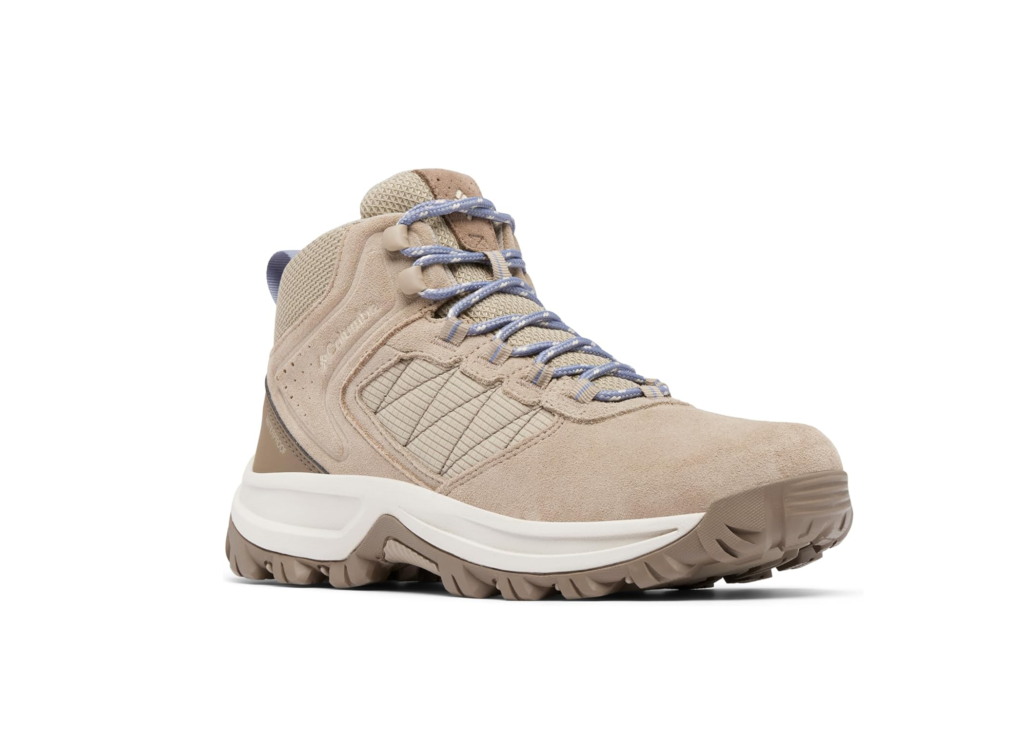
Based on my own experience, three pairs of shoes will easily cover everything: a pair of closed-toe, ankle-supporting shoes or low hiking boots for game drives and walking safaris; a pair of sandals or slip-ons for camp (moving between your tent, the dining area and the pool); and one pair of smarter flat shoes or loafers for evening wear (and if you had to sacrifice one pair, this would be the one). Heels are impractical on bush paths and unnecessary at any camp dinner table.
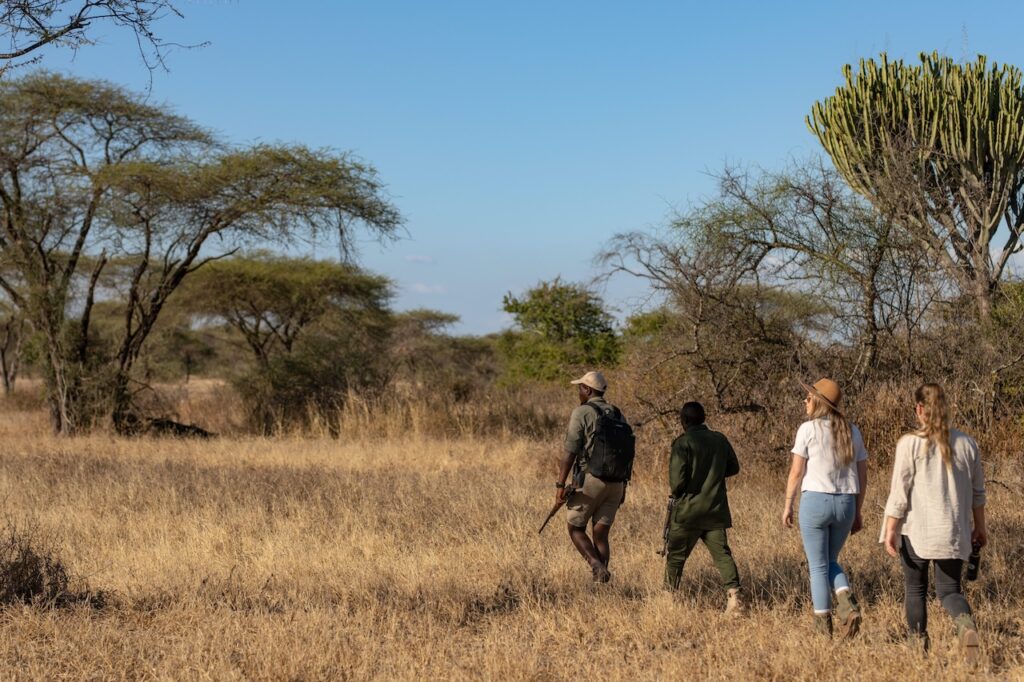
For game-drive shoes, prioritise comfort over aesthetics as you may be sitting in them for four to six hours. A well-worn trail runner or a low-cut hiking shoe works better than a new, stiff boot. If your itinerary includes a walking safari (and if they do, I’d recommend it; the bush on foot is a fundamentally different, and arguably more profound, experience than from a vehicle), ankle support becomes more important; a light trail boot with good grip is preferable.
What medications should I bring on safari?
Consult your travel health clinic or GP at least six to eight weeks before departure — this allows time for vaccines to take effect and for you to start any malaria prophylaxis that requires a loading period. The essentials your clinic will likely discuss: malaria prevention (Malarone, Doxycycline or Lariam, depending on destination and personal health history), yellow fever vaccination (required for entry into several safari countries and recommended for most), and a hepatitis A and typhoid booster if not current. Fortunately, malaria medication has improved a lot over the years and no longer leaves you feeling queasy for the duration of your safari.
Beyond prescriptions, a personal travel medical kit should include: broad-spectrum antihistamines (for insect reactions), ibuprofen and paracetamol, rehydration salts (heat and long drives are dehydrating), a broad-spectrum antibiotic if your doctor agrees (for traveller’s diarrhoea), blister plasters, and any personal medication in sufficient supply to cover the trip plus several days’ contingency.
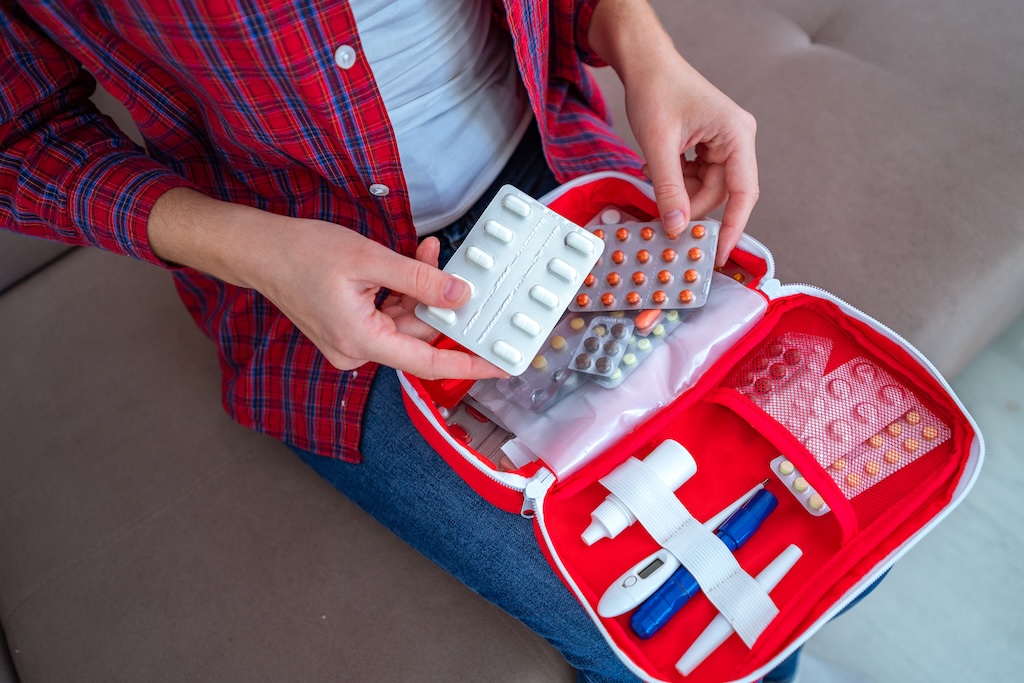
Carry all medications in your hand luggage, in original packaging where possible, with prescriptions or a doctor’s letter for controlled substances. Remote bush camps do have medical kits and emergency evacuation plans, but the coverage gap between a medical event and evacuation is something you should not rely on as a substitute for your own preparation.
If you’re contemplating a luxury safari, be sure to check our guides to the best luxury safari lodges and camps in the Okavango Delta, the Masai Mara, the Serengeti, and Rwanda, read about what a luxury safari in Botswana is like, know what to bring with our safari travel packing guide, and prepare to dazzle with our guide to safari photography.


