
Jet lag isn’t just tiredness; it’s your body clock arguing with the sun. Here’s what causes it, and how to actually beat it.
We all travel a lot (some more than others), and most of us have experienced that familiar delirium that suddenly hits when you’re in a new time zone, when your body is absolutely convinced it’s 4 am and demanding a nap in the middle of the day. That, my friend, is the dreaded jet lag, the tax we pay for outrunning the sun, and while you can’t avoid it entirely, you can absolutely negotiate a better deal.
What Jet Lag Actually Is
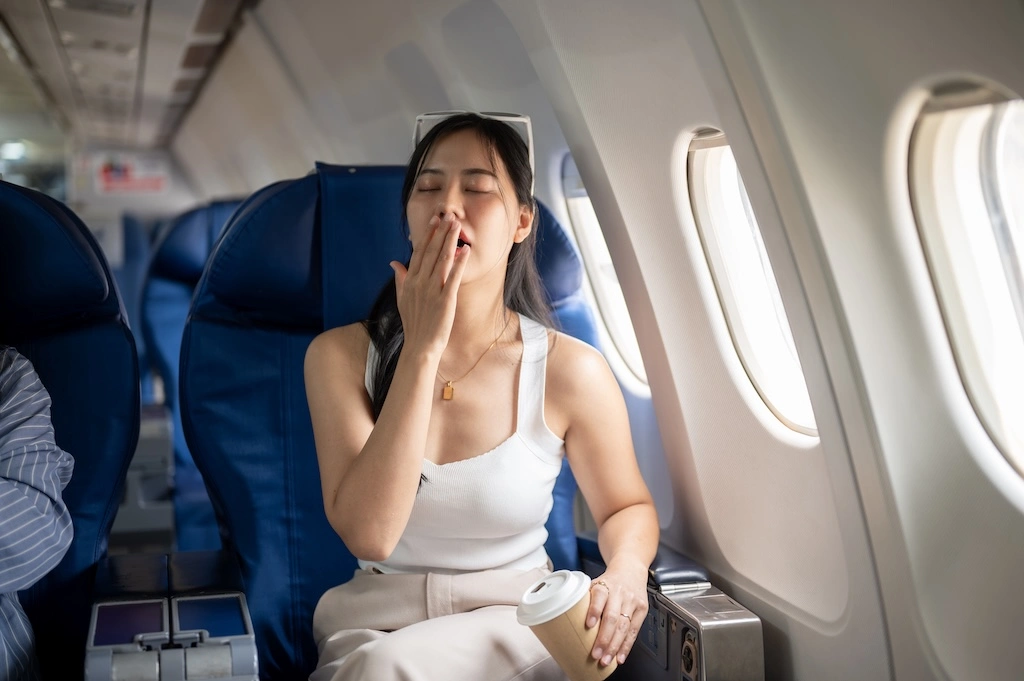
Jet lag is what happens when you cross time zones faster than your body’s internal clock can keep up. That clock — technically your circadian rhythm — lives in a cluster of cells in your brain and runs on roughly a 24-hour cycle, taking its main cues from light. It governs when you feel sleepy, when you’re hungry, when your digestion works best and when your body temperature naturally rises and falls. Fly from London to Tokyo, and your circadian rhythm is still politely running on London time, telling you to sleep when it’s lunchtime in Shibuya and to eat breakfast at midnight.
As a rough rule, it takes about one day per time zone crossed for your body clock to fully realign, though light exposure and sleep timing can speed that up considerably. Crucially, direction matters: flying east, where you’re effectively losing hours and asking your body to sleep earlier than it wants to, tends to hit harder than flying west, where you’re gaining hours and staying up later, something your body finds a little easier to negotiate.
How It Actually Affects You

Beyond the obvious fog and fatigue, jet lag can bring on insomnia at exactly the moment you need to sleep, disrupted digestion (hello, airport-lounge bloat), irritability, headaches, difficulty concentrating and a general sense that your body and your brain have gone to different time zones without telling each other.
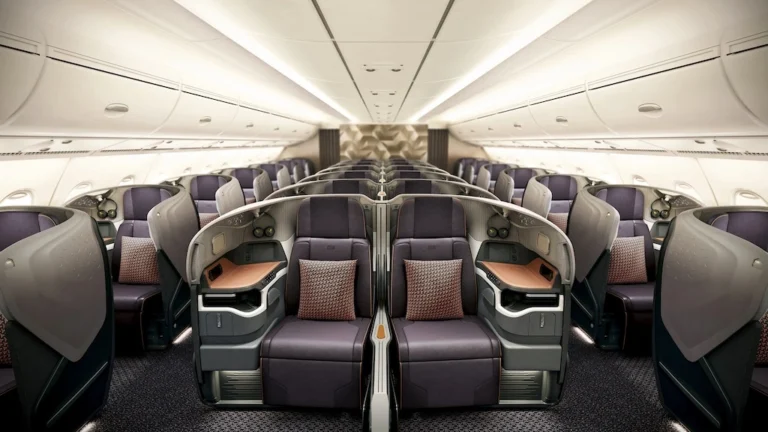
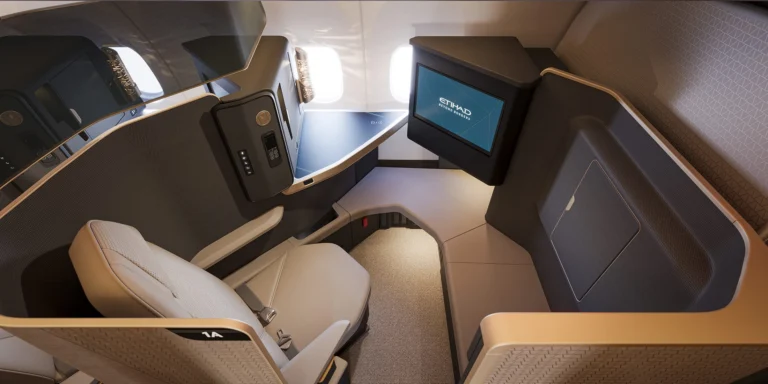
Busy athletes and executives take it seriously enough to build entire travel schedules around it, and for good reason. Research shows cognitive performance, reaction time and mood all take a measurable hit while your circadian rhythm is out of sync with local time, and that’s why so many companies fork out for business class, so that their staff are fully functional when they arrive.
Before You Fly
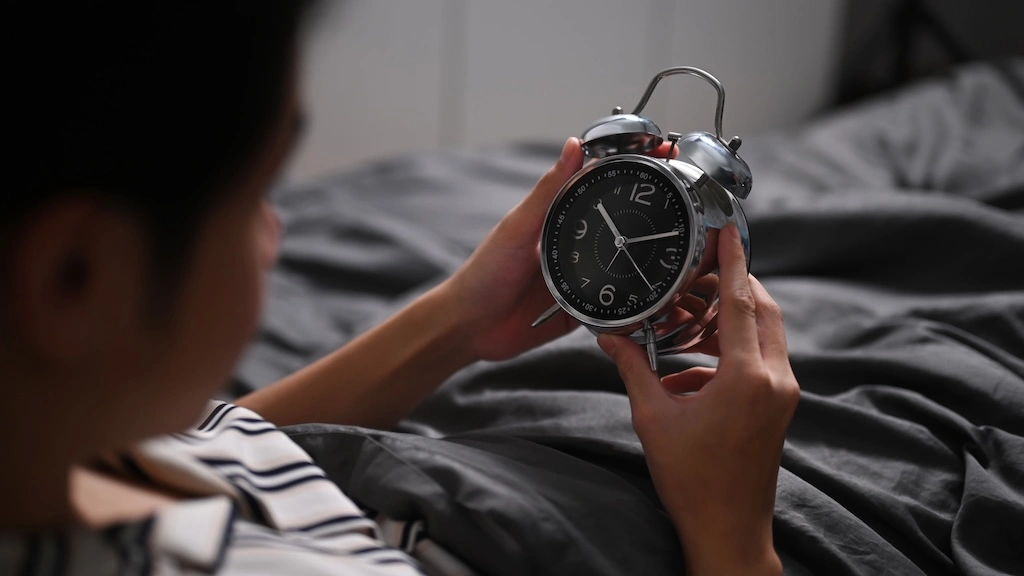
The best jet lag strategy starts on the ground, not in the air. In the days before a long-haul flight, start nudging your sleep and meal times in the direction of your destination. You might be surprised that even a shift of 20 to 30 minutes a day can make a difference. If you’re heading east, go to bed and wake up earlier than usual; heading west, push both later.
Light exposure is your most powerful tool here, more effective than any supplement. Get morning sunlight if you’re shifting your clock earlier, and evening light if you’re shifting it later. Book a flight that lands in the early evening where possible, so you can go straight to bed rather than fighting through a full day on no sleep, and skip the pre-flight alcohol; it might help you doze off, but it wrecks the quality of the sleep you actually need.
During the Flight

The single best thing you can do on board is set your watch to your destination’s time zone the moment you take your seat, and start behaving accordingly. That means eating, sleeping and staying awake (if you can!) based on the new clock rather than the one you left behind.
Hydration matters more than most people realise; cabin air is drier than the Sahara, and dehydration makes every jet lag symptom worse. Steer clear of alcohol (I know, it’s tempting) and go easy on caffeine, both of which disrupt the deeper, restorative stages of sleep you’re trying to bank.

If it’s nighttime at your destination, use an eye mask, noise-cancelling headphones and a neck pillow to actually sleep rather than just resting your eyes. If it’s daytime where you’re headed, resist the urge to sleep and instead use the movie library, a book or the in-flight wifi to power through.
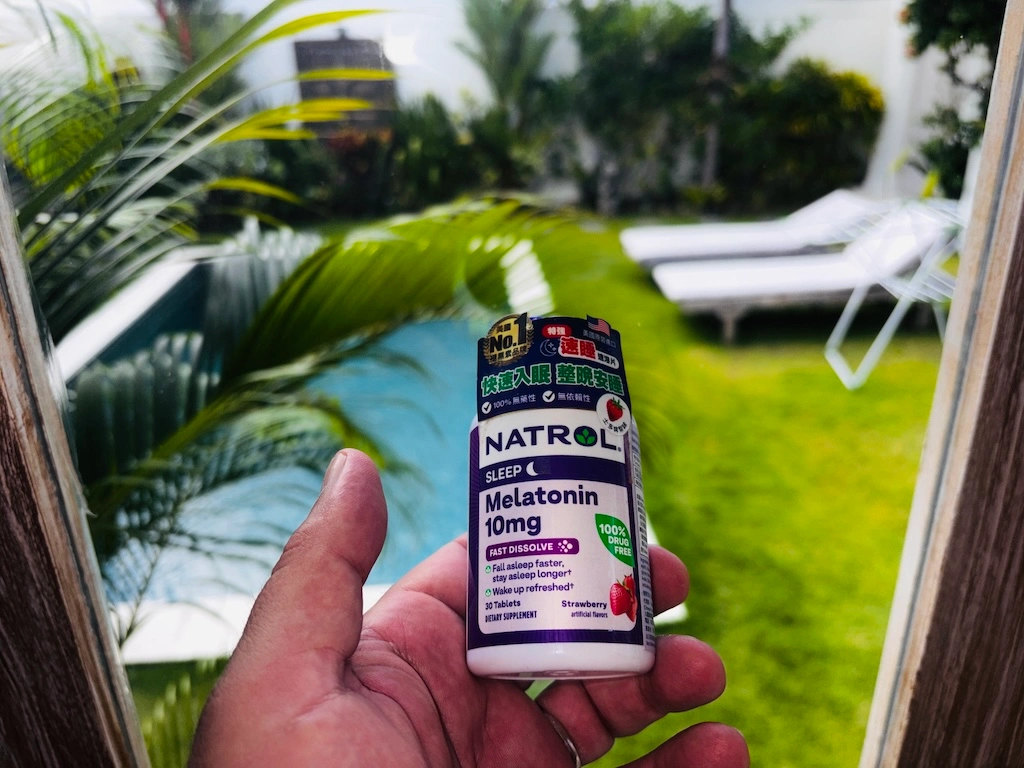
Melatonin can help cue your body that it’s time to sleep, particularly on eastbound flights, but timing is everything — taken at the wrong moment, it can make jet lag worse rather than better, so it’s worth planning the timing in advance based on your specific itinerary rather than winging it.
After You Land

Resist the nap. It’s the hardest advice in this entire article and also the most important. A two-hour “quick nap” on arrival has a habit of becoming a six-hour coma that leaves you wide awake at 3 am. If you must nap, cap it at 20 minutes.
Instead, get outside. Natural light is the fastest way to reset your circadian rhythm, so a walk in daylight on arrival does more for your recovery than almost anything else on this list. Eat meals on local time, even if you’re not hungry, since meal timing is another strong cue for your body clock, and try to get some light exercise, which helps signal to your body that the day has genuinely begun and it’s time to explore that exciting new destination.

Give yourself grace for the first 24 to 48 hours as full realignment takes time, but with the right light exposure and sleep timing, most people adjust well within a few days rather than the full week the “one day per time zone” rule might suggest.
Frequently Asked Questions
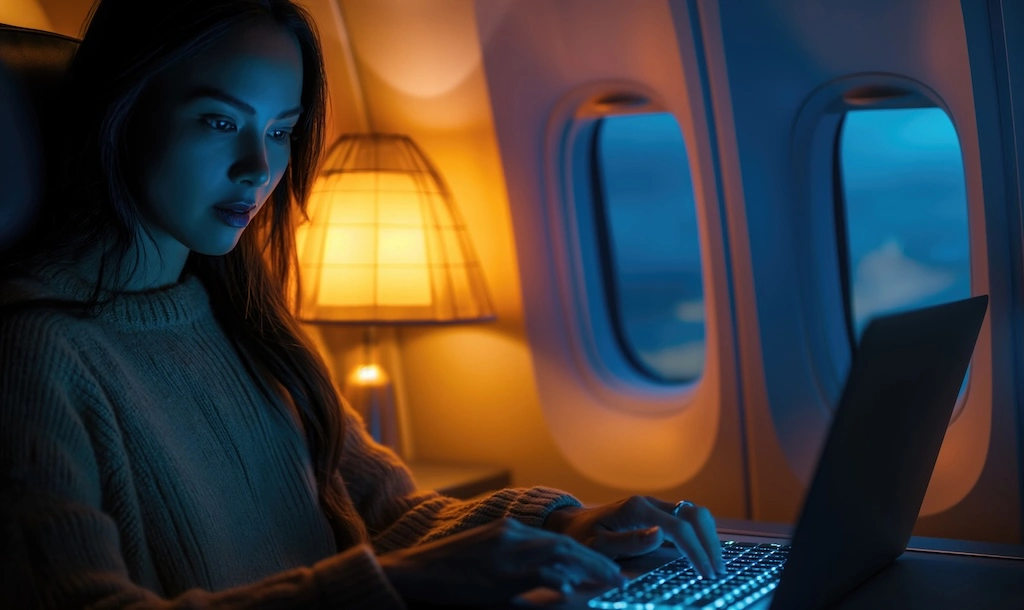
Still curious what’s actually causing that groggy, off-kilter feeling after a long flight? Here’s what jet lag really is, why it happens, and the most effective ways to minimise it on your next trip.
How long does jet lag actually last?
As a rough guide, allow about one day of recovery per time zone crossed, though smart light exposure and sleep timing can meaningfully shorten that. Most people feel largely normal within three to five days after a significant time zone change.
Is jet lag worse flying east or west?
Generally, yes, eastbound travel is harder because it asks your body to fall asleep earlier than it naturally wants to, while westbound travel lets you stay up later, which most circadian rhythms tolerate more easily.
Does melatonin actually work for jet lag?
Yes, when timed correctly. Melatonin can help shift your body clock, particularly on eastbound trips, but taking it at the wrong time of day can backfire and worsen symptoms. It works best as part of a planned light-and-sleep schedule rather than a one-off pill.
Should I sleep on the plane?
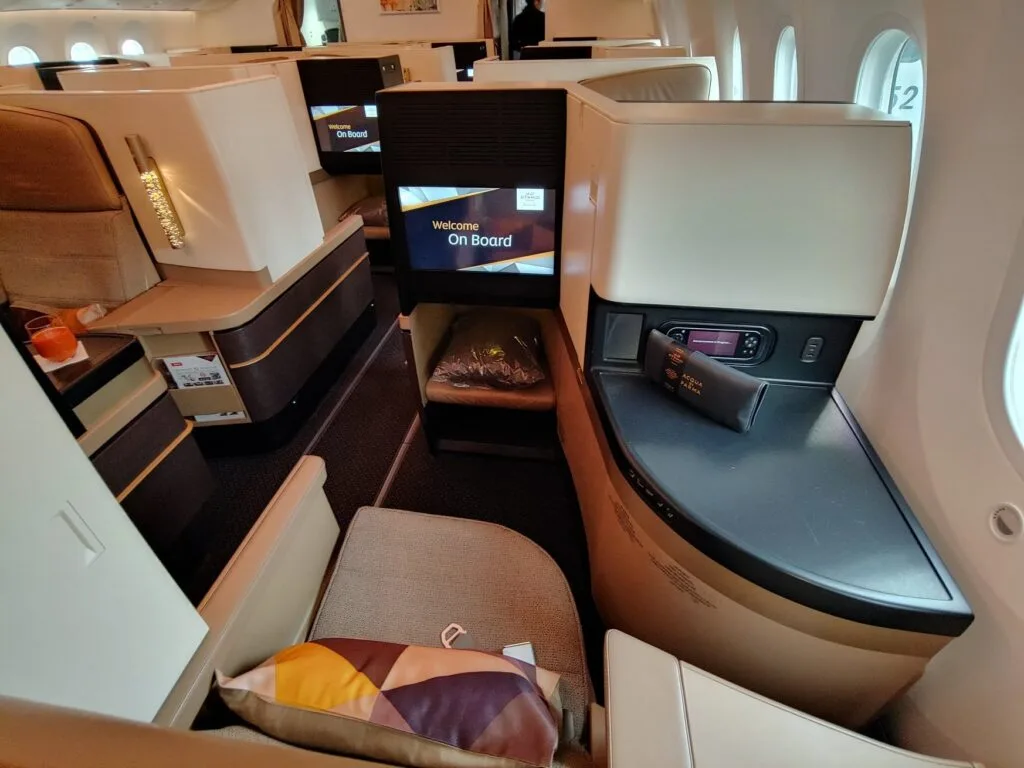
Only if it’s nighttime at your destination. Sleeping during a flight that lands in the local afternoon can make jet lag worse by further confusing your body clock. At the same time, sleeping in sync with your destination can help curb the effects of jet lag before you arrive and opting business class for a seat with a little more room can really make a difference.
Does drinking water really help with jet lag?
It won’t cure it, but dehydration amplifies almost every jet lag symptom, from headaches to fatigue, so staying well hydrated before and during the flight is one of the simplest, most effective things you can do. I always pack hydration salts in my carry-on, just to fend off that dry cabin air.
Are jet lag apps worth trying?
For frequent long-haul travellers, yes. Apps that build a personalised light-exposure (I use Timeshifter) and sleep schedule based on your specific flight and chronotype can meaningfully reduce recovery time compared with guessing at timing yourself.