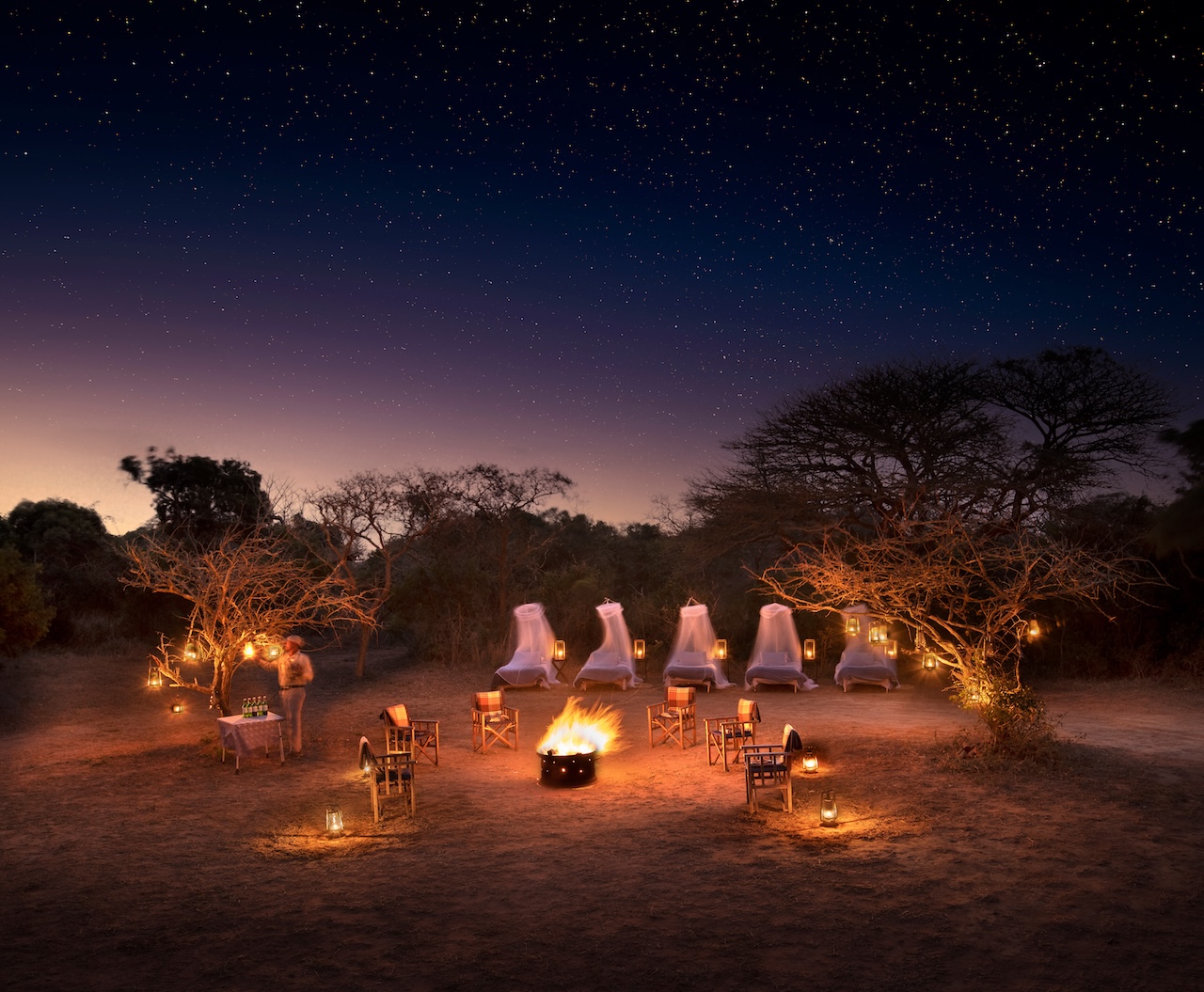

South Africa has no equal when it comes to safari. Spectacular wildlife, world-class lodges, and landscapes of staggering variety — all delivered with an ease and accessibility that no other African destination can match.
No continent does wildlife quite like Africa, and no country does Africa quite like South Africa. Whether you’re a seasoned safari veteran or planning your first game drive, South Africa makes a compelling, almost unanswerable case for itself.
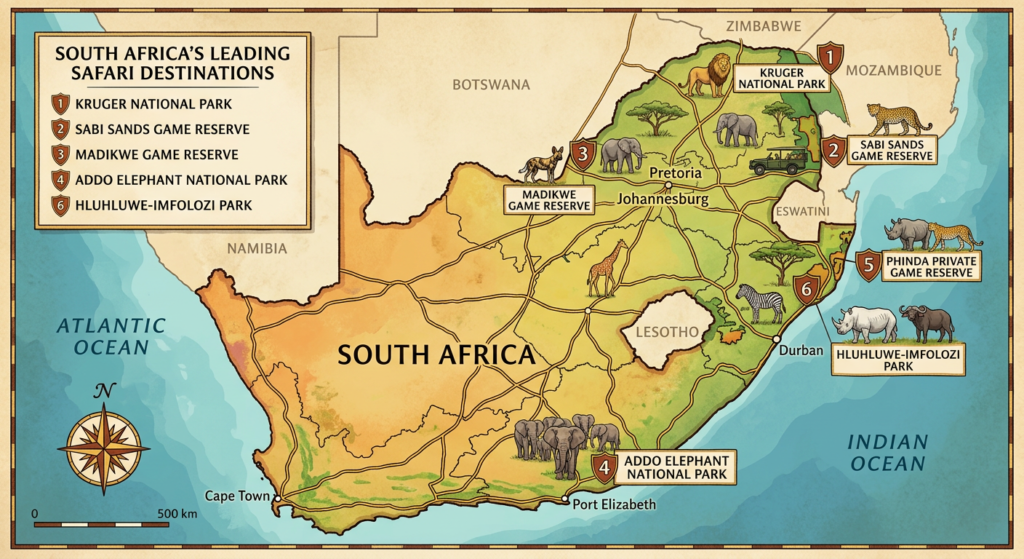
South Africa is the safari destination that spoils you for choice without overwhelming you with complexity. In a single trip you can track the Big Five across the vast bushveld of Kruger, watch leopards hunt at dusk in the private reserves of Sabi Sands, encounter black rhino in the sand forests of KwaZulu-Natal, and stand among a thousand elephants in the Eastern Cape — all connected by reliable flights, excellent roads, and world-class lodges.
For first-time safari-goers, it is the obvious starting point: safe, accessible, English-speaking, and equipped with an infrastructure that lets you focus entirely on the wildlife. Africa begins here.
The Kruger
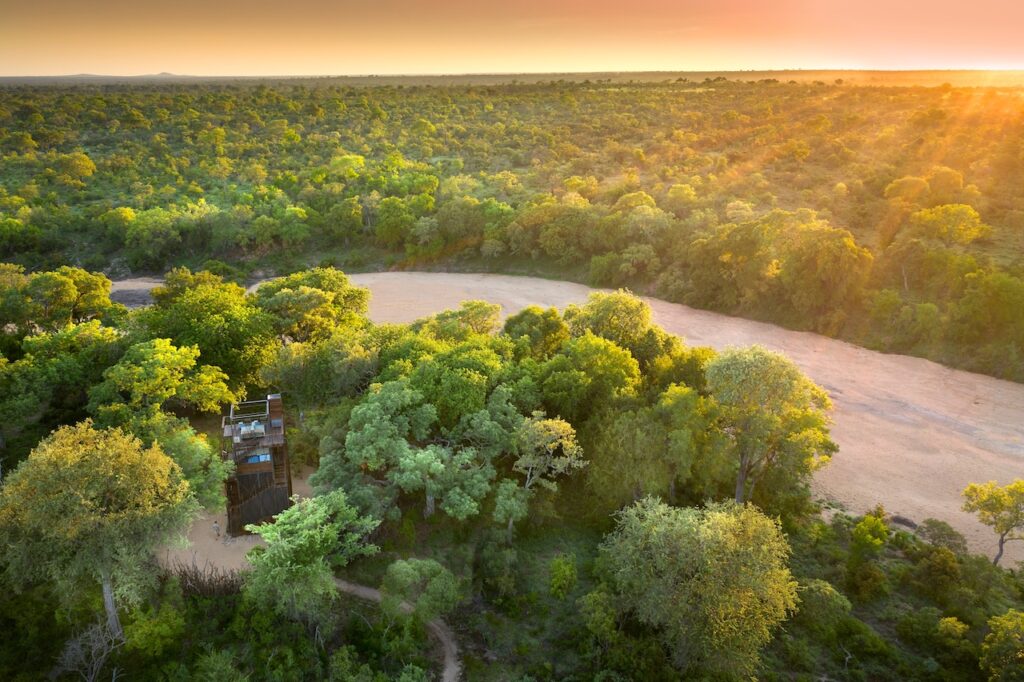
Kruger National Park — often simply called “the Kruger” — is the quintessential South African safari destination. With over a century of history and more than 7,500 square miles (19,400 square kilometres) of wilderness, it is the perfect place to spot the Big Five and countless other animals. It stretches across the northeastern corner of South Africa, from the Limpopo River in the north down to the Crocodile River in the south, bordering Mozambique to the east.
For the ultimate Big Five safari, nothing beats Kruger — widely considered the best place in Africa to see leopard, the most elusive of all the big cats. Accommodation options range from five-star to star-lit, and include family lodges, honeymoon hideaways, and grand tented camps. For those wanting to avoid the busier public camps, staying at one of the private reserves that adjoin the national park, or one of the exclusive concessions located within it, promises crowd-free environments where the game viewing ranks among the best in Africa.
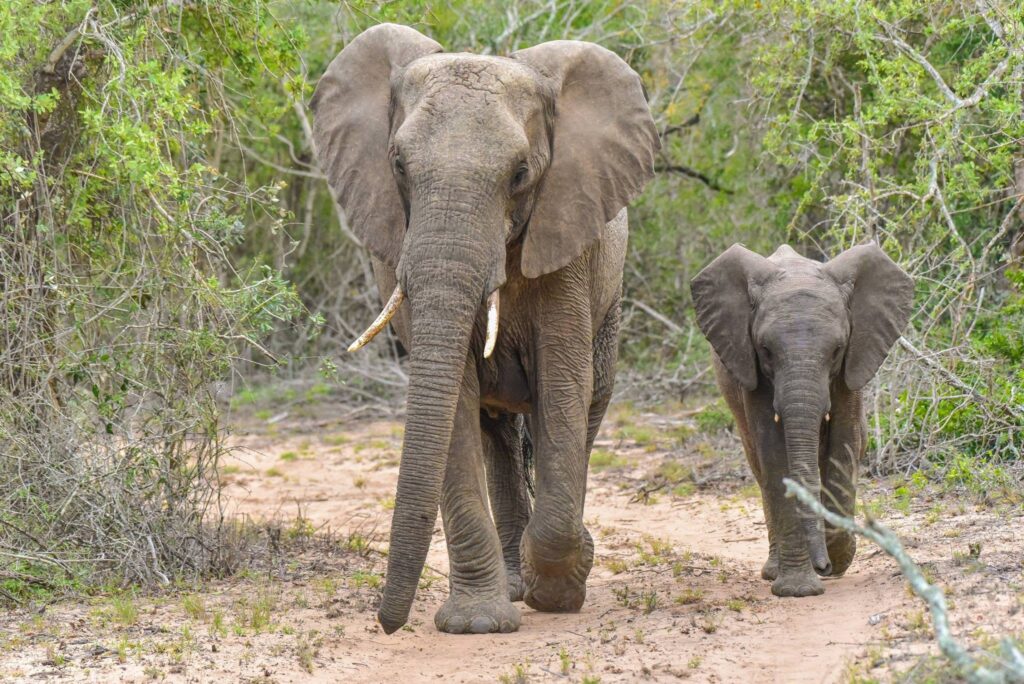
Beyond the iconic Big Five, Kruger is home to wild dogs, cheetah, hippo, crocodile, and more than 500 bird species. The dry winter months from May to September offer prime wildlife viewing conditions, when animals concentrate around water sources and thinned vegetation makes them easier to spot. Kruger suits almost everyone — first-time safari-goers, budget travellers using the public rest camps, and luxury seekers alike. It’s arguably the most accessible major game park on the continent.
Sabi Sands Game Reserve
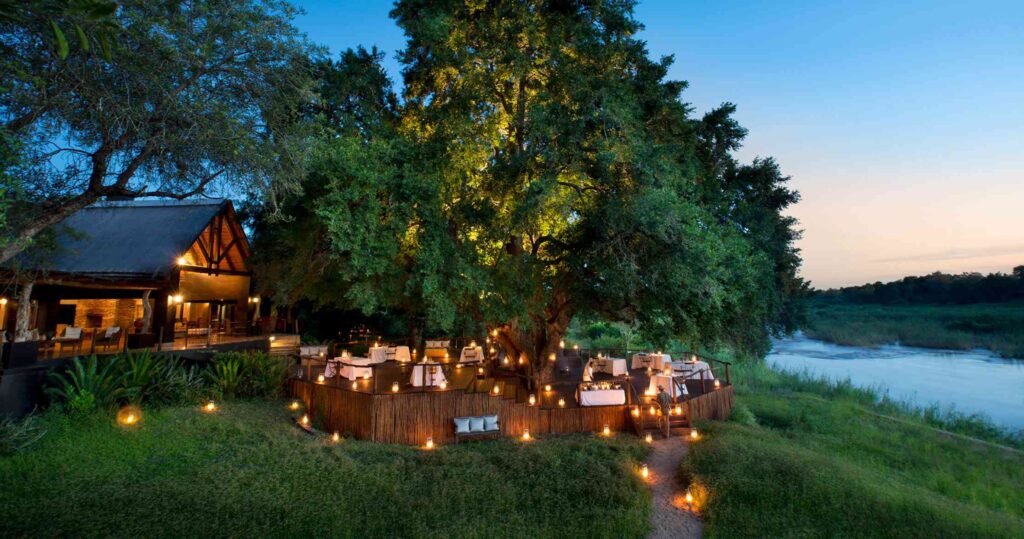
Adjacent to Kruger’s western border lies Sabi Sands, South Africa’s most prestigious private reserve and arguably the finest leopard-watching destination on Earth. Proclaimed in 1965, Sabi Sands shares an unfenced 31-mile border with Kruger National Park. At 160,000 acres, it’s home to an extraordinary density of Big Five wildlife and the continent’s most prolific leopard sightings. With off-road driving privileges, world-class Shangaan trackers, and no more than three vehicles at any sighting, Sabi Sands delivers intimate wildlife encounters unmatched anywhere in Africa.
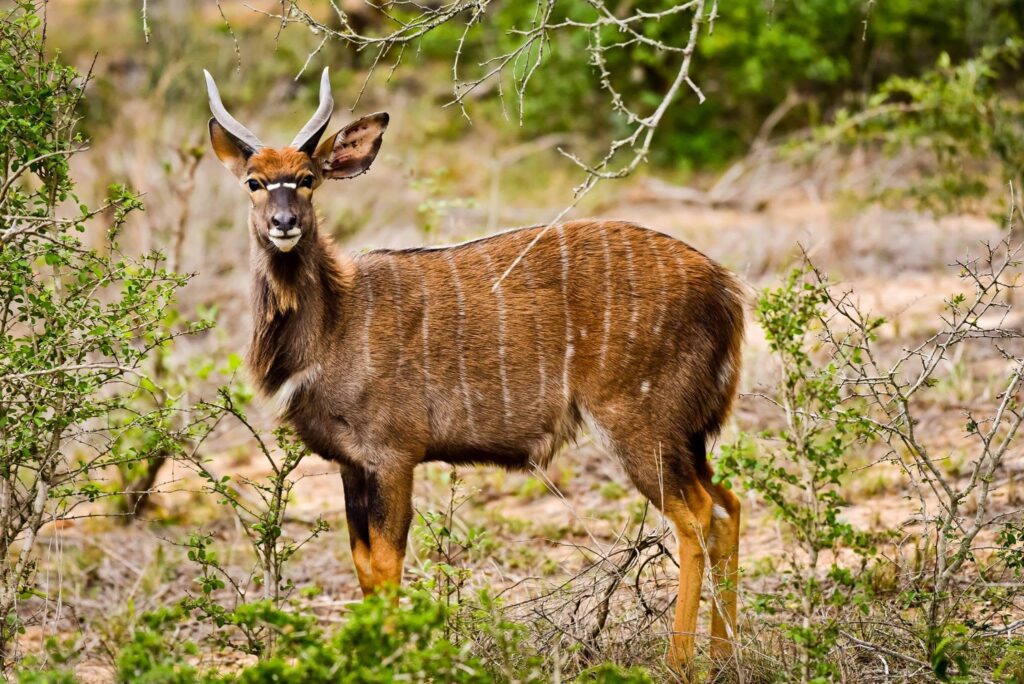
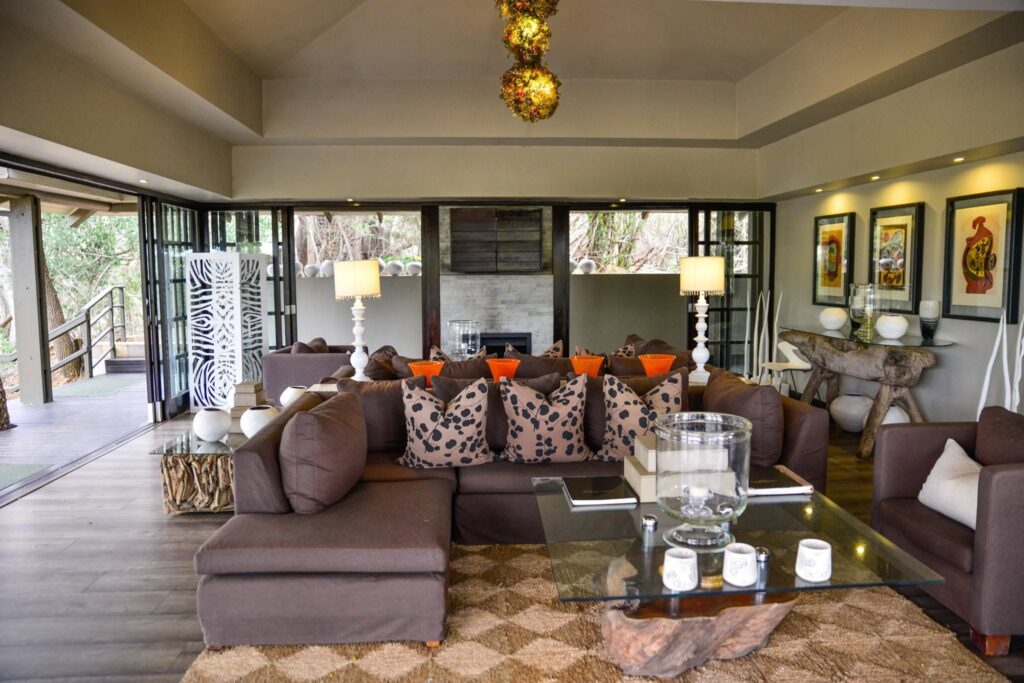
Leopards are frequently observed hunting, stalking prey along riverbeds, and resting in the shade of ancient trees. The reserve is also exceptional for lion, elephant, and buffalo sightings. Leading lodges here include Londolozi, Singita Boulders, MalaMala, and Leopard Hills, an exclusive lodge featuring just eight suites, each with a private plunge pool and sweeping views over the landscape, along with a spa, traditional boma, and a fully stocked wine cellar. For something more accessible in price, Elephant Plains Lodge offers comfortable style with a warm, personal atmosphere, sleeping a maximum of 24 guests.
Sabi Sands is best suited to luxury and honeymoon travellers, serious wildlife photographers, and anyone for whom the intimacy of a private reserve justifies the premium price tag.
Madikwe Game Reserve
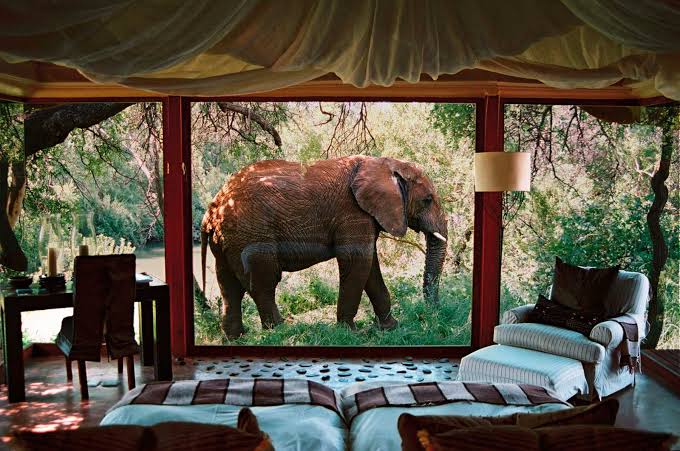
About 90 kilometres north of the town of Zeerust, Madikwe Game Reserve is situated against the Botswana border, close to the Kalahari Desert. It is one of South Africa’s largest private reserves and, crucially, entirely malaria-free — a significant draw for families and those who prefer not to take prophylactics.
Madikwe is known for its wildlife, including the Big Five, and its conservation efforts — the reserve has helped bring back rhinos and lions. It is also one of the best places in the country to see the endangered African wild dog, with several packs calling the reserve home. Whilst both Madikwe and Sabi Sands offer the Big Five, Madikwe is particularly known for the endangered African wild dog.
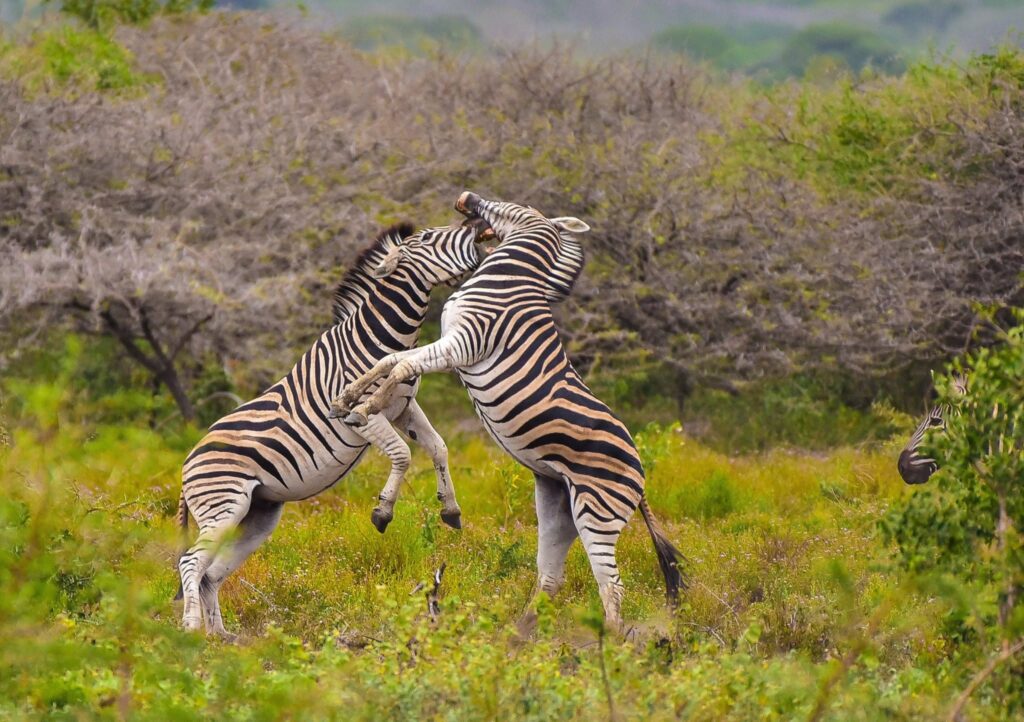
Accommodation ranges from the centrally located Madikwe Hills Private Game Lodge to Tuningi Safari Lodge and Jaci’s Tree Lodge, which is built into a riverine forest and beloved by families. A favourite safari begins with three nights in the 75,000-hectare, malaria-free reserve, with lodges offering guests an advantage over properties on the border. Madikwe is ideal for families with children, travellers who are health-conscious about malaria, and those who want a less commercialised feel than the more famous reserves without sacrificing wildlife quality.
Addo Elephant National Park
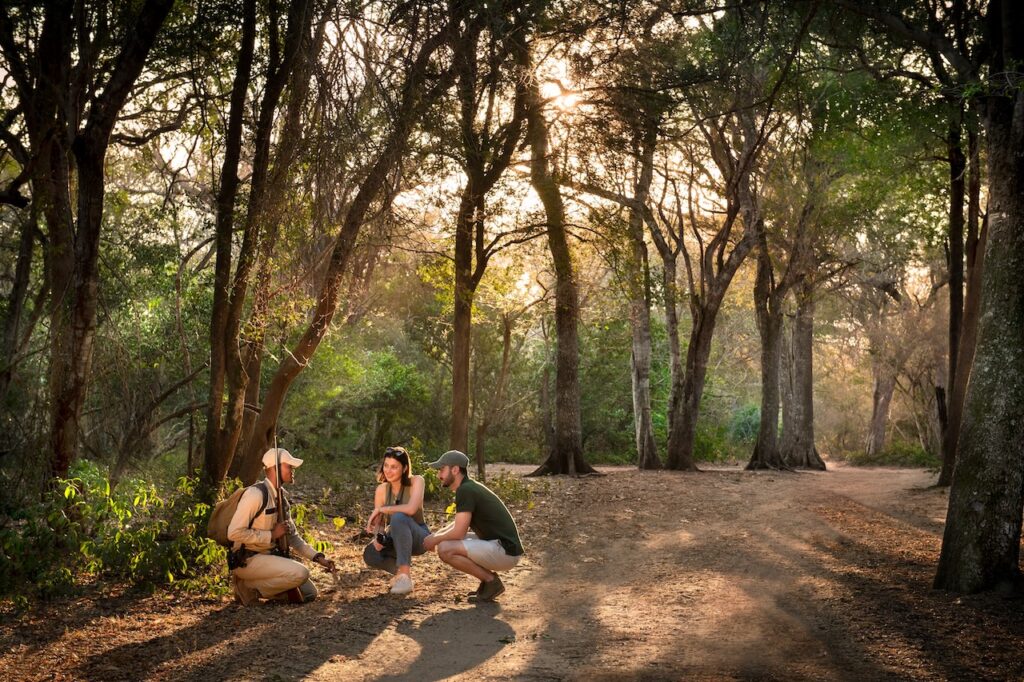
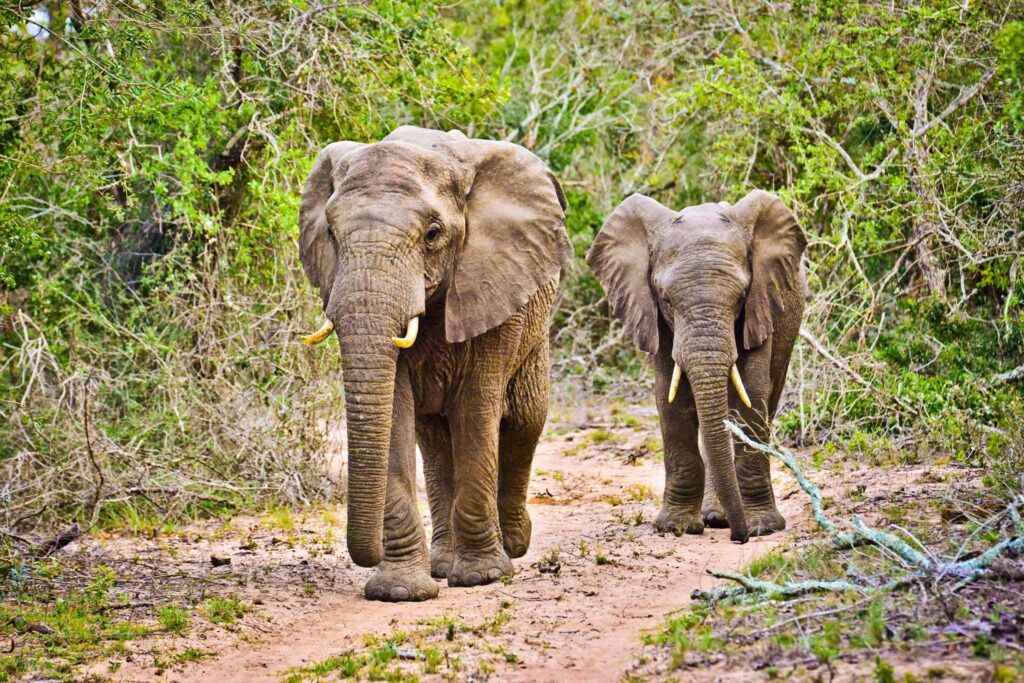
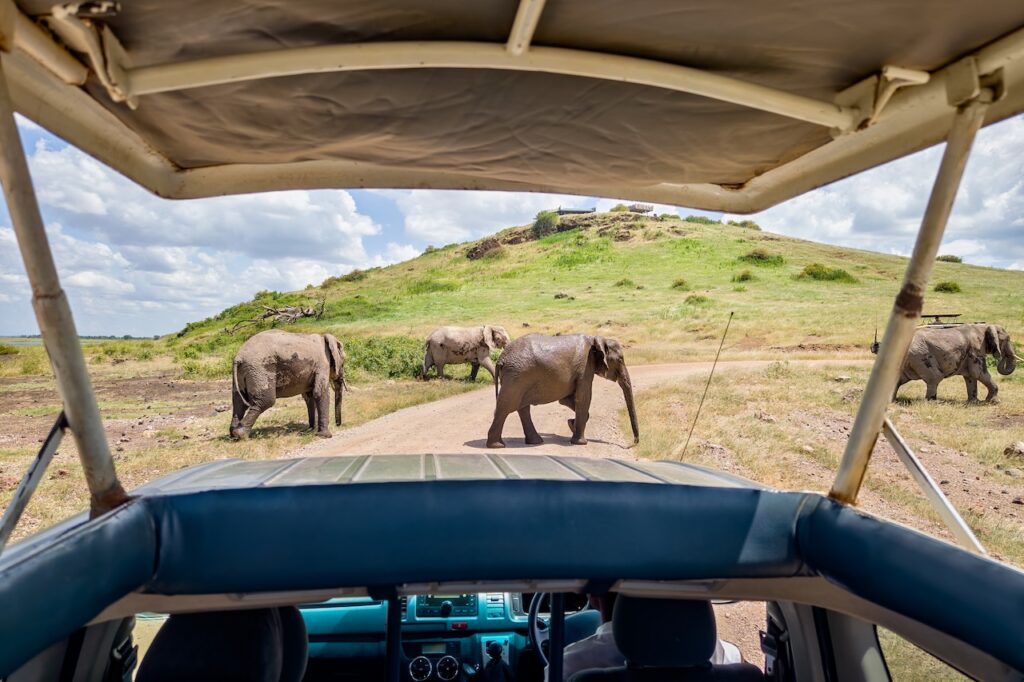
In the Eastern Cape, around 72 kilometres from the city of Gqeberha (formerly Port Elizabeth), lies Addo Elephant National Park — South Africa’s third-largest national park and one of its most distinctive. The park thrives with elephants and is perhaps South Africa’s best safari destination to encounter these stunning creatures, with one of the densest African elephant populations on Earth, with over 600 of them roaming throughout the park.
What makes Addo especially remarkable is its scope. The reserve contains five of South Africa’s plant biomes, making it a botanist’s paradise, while the bird count at Addo is a staggering 450 species. The marine section of the park also makes it one of the few reserves in the world offering the so-called “Big Seven” — adding great white sharks and southern right whales to the traditional Big Five.
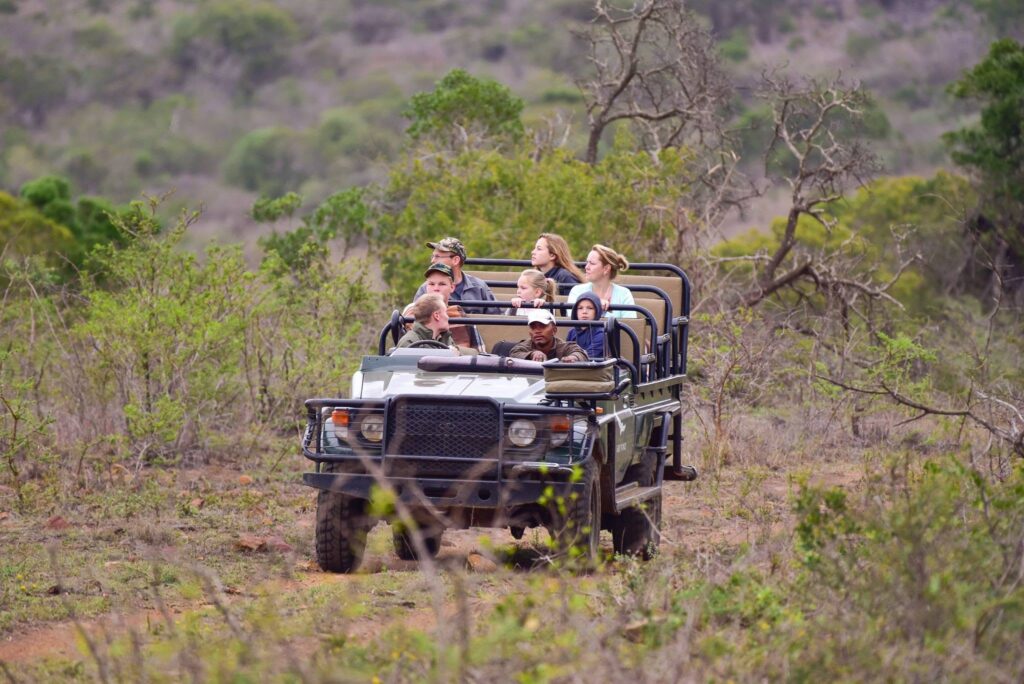
Being malaria-free, Addo is the ideal game reserve for families with small children. The Main Rest Camp offers a range of accommodation options, from affordable tent sites and forest cabins to cozy cottages and pricier guest houses. For those wanting a more upscale stay, Eagles Crag Lodge is a celebrated luxury option perched on the hillside above the park. Addo suits budget travellers, families, Garden Route visitors who want to tack on a wildlife experience, and anyone with a particular love of elephants.
Hluhluwe-iMfolozi Park
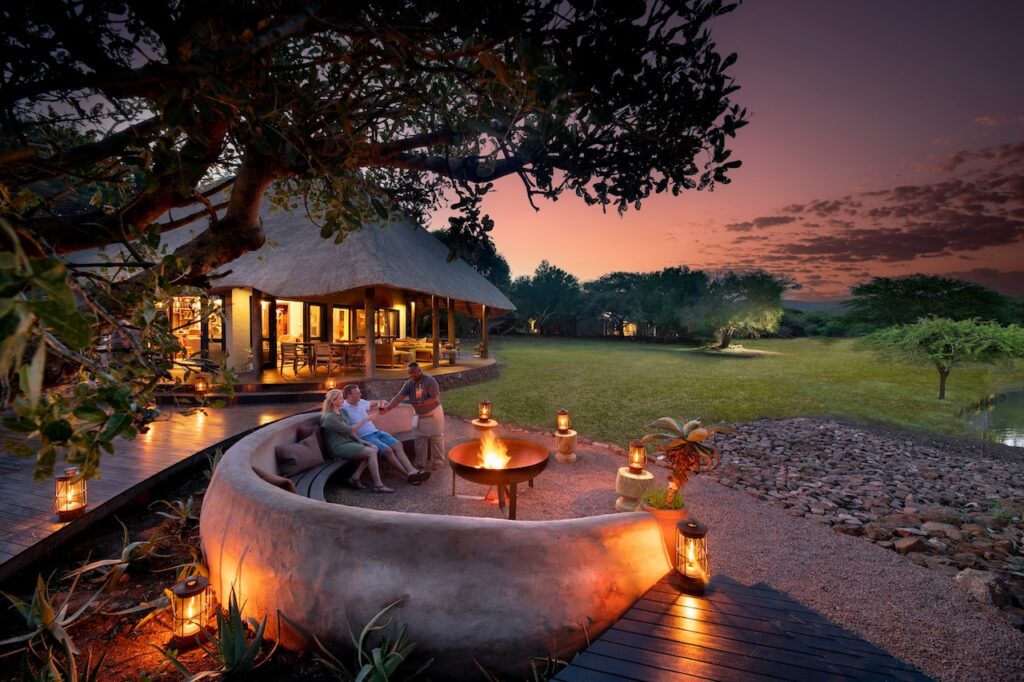
In KwaZulu-Natal, roughly three hours north of Durban, Hluhluwe-iMfolozi is Africa’s oldest proclaimed game reserve and one of its most historically significant. It is the park most credited with saving the white rhino from extinction, and today it remains one of the best places on the continent to see both white and black rhino in the wild. The landscape is dramatically varied — rolling thornbush, dense forest, and open savannah — and the wildlife is prolific, with lion, leopard, elephant, buffalo, cheetah, and wild dog all present.
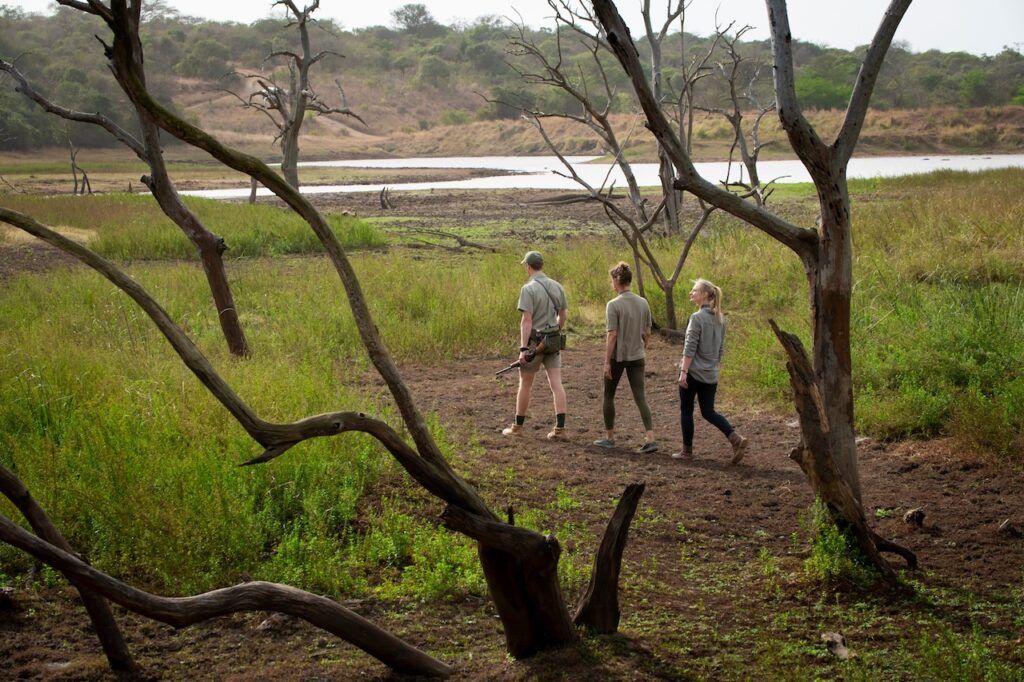
The dry winter months are the best time for a safari in South Africa, but the summer months are a good option for those who want to save money and enjoy baby animals and birdwatching. Accommodation at Hluhluwe-iMfolozi includes Hilltop Camp, the park’s flagship rest camp with sweeping views over the valley, and the more exclusive Rhino Ridge, which offer multi-day walking safaris led by armed rangers — one of the most immersive bush experiences in Southern Africa. For private luxury, Thanda Safari Lodge and Zulu Nyala Heritage Safari Lodge are nearby options.
Hluhluwe-iMfolozi is particularly well suited to conservation-minded travellers, those fascinated by rhinos, walking safari enthusiasts, and visitors already spending time on the KwaZulu-Natal coast or at iSimangaliso Wetland Park. Its relative affordability compared to the Kruger private reserves also makes it a strong choice for independent travellers on a careful budget.
Phinda Private Game Reserve
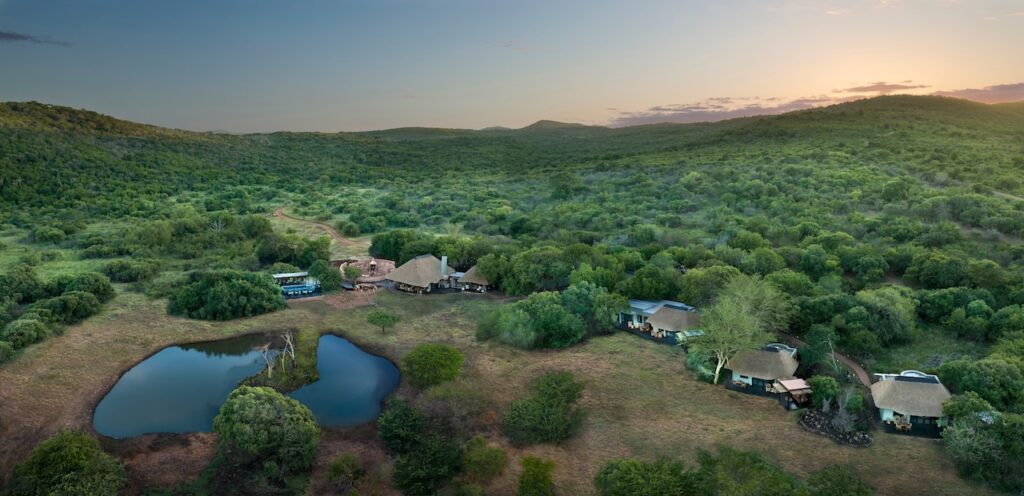
Also in KwaZulu-Natal, Phinda Private Game Reserve was once a patchwork of farmland and is now a thriving wilderness. Positioned between the Mkuze Game Reserve and the Greater St Lucia Wetland Park — a World Heritage Site — and within easy reach of the Indian Ocean coastline, Phinda spans seven distinct habitats, from open savannah and palm-fringed wetlands to one of the rarest sand forests in the world.
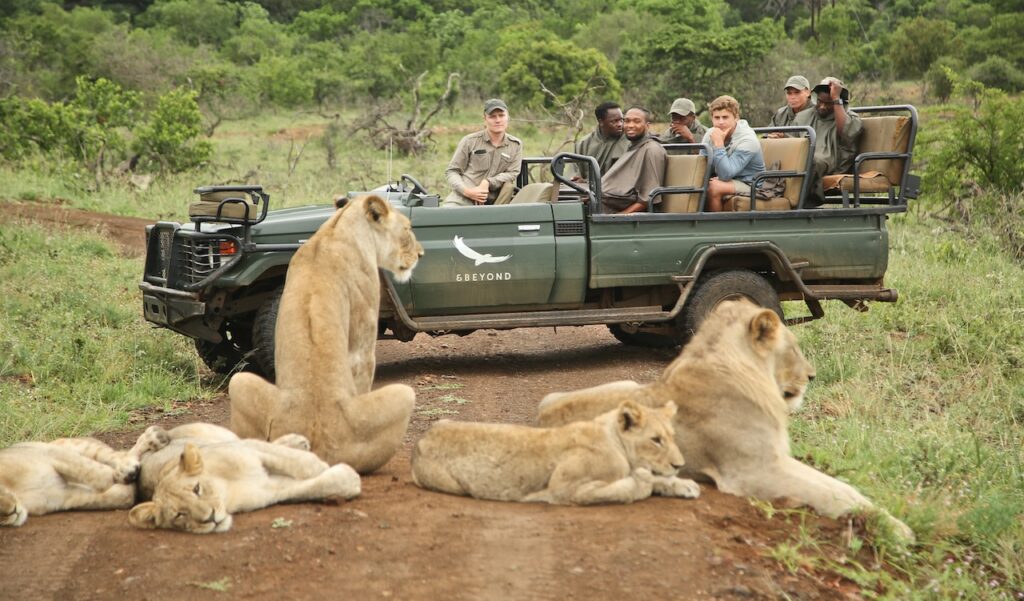
Here, you can see lions and elephants in the morning and go diving with whale sharks in the afternoon. The reserve is home to six exceptional lodges, including &Beyond Phinda Forest Lodge (one of my favourites), &Beyond Phinda Rock Lodge, and &Beyond Phinda Mountain Lodge.
Taken together, these five destinations cover almost every type of safari traveller South Africa attracts — from the first-timer wanting to tick off the Big Five in Kruger, to the honeymooner after leopard sightings over sundowners in Sabi Sands, to the family seeking a relaxed, malaria-free experience in Madikwe or Addo. The variety and accessibility of South African safari destinations is genuinely unmatched on the continent.
Your South Africa Safari Questions Answers
Got questions about planning a South Africa safari? From the best time to visit and which reserves to choose, to costs, malaria, and how long to go for — here are the answers.
What is the best time of year to go on safari in South Africa?
The dry winter months from May to September offer prime wildlife viewing conditions, when animals concentrate around water sources and thinned vegetation makes them easier to spot. June to August is widely considered the sweet spot — cool, dry, and with excellent game visibility. The summer months (November to February) bring lush green landscapes, newborn animals, and exceptional birdwatching, and rates at many lodges are considerably lower. Check out our luxury safari packing guide so you’ll know what to bring for every season.
What is the best safari park in South Africa?
For sheer scale and variety, Kruger National Park is hard to beat — it is the country’s flagship reserve and one of the finest wildlife destinations in the world. For luxury and leopard sightings, Sabi Sands is the gold standard. Families often prefer the malaria-free reserves of Madikwe or Addo, while Phinda in KwaZulu-Natal offers the most ecological diversity of any private reserve in the country. The honest answer is that the best park depends entirely on what you’re looking for.
Is South Africa a good safari destination for first-timers?
It is arguably the best in Africa for first-timers. The country is English-speaking, easy to navigate, and served by excellent infrastructure. Most major reserves are a short flight from Johannesburg or Cape Town, accommodation standards are world-class, and the variety of price points means there is a genuine option for every budget. The Big Five are reliably present across multiple reserves, and guides are among the most knowledgeable and highly trained on the continent.
Which South Africa safari reserves are malaria-free?
Malaria-free safari destinations in South Africa include Madikwe Game Reserve, Pilanesberg National Park, Lalibela Game Reserve, Samara Private Game Reserve, Addo Elephant National Park, and the Waterberg region in Limpopo, as well as the Western Cape’s Garden Route. These are particularly popular with families travelling with young children and anyone who prefers to avoid antimalarial medication.
How much does a South Africa safari cost?
The range is enormous. Self-drive safaris in Kruger’s public rest camps can cost as little as US$50–80 per person per night, while all-inclusive stays at top private lodges in Sabi Sands or Phinda typically run US$1,000–$2,000 per person per night. Most mid-range private lodge safaris, inclusive of accommodation, meals, and twice-daily game drives, fall between US$400 and US$800 per person per night. As a general rule, the more exclusive and remote the reserve, the higher the price — and the more intimate the experience.
How many days do you need for a South Africa safari?
Most travellers need four to five days to experience South Africa’s key safari destinations properly. A minimum of three nights in any single reserve is recommended to give yourself the best chance of varied and rewarding wildlife sightings. Many visitors combine two reserves — Kruger or Sabi Sands with a coastal destination, or Madikwe with a few days in Cape Town — on a seven to ten day itinerary.
Is it safe to go on safari in South Africa?
Safari itself is extremely safe when conducted with a qualified guide and reputable operator. Although animals can be approached in safari vehicles, they are wild and will react to a threat — listening to your guide and following safety briefings ensures that encounters stay memorable for the right reasons. In terms of general travel safety, the private reserves and national parks are well managed and largely removed from the urban security concerns that affect some South African cities.
If you’re contemplating a luxury safari, be sure to check our guides to the best luxury safari lodges and camps in the Okavango Delta, the Masai Mara, the Serengeti, and Rwanda, read about what a luxury safari in Botswana is like, know what to bring with our safari travel packing guide, and prepare to dazzle with our guide to safari photography.


