
The African bush has a way of stripping life back to its essentials — light, silence, and the particular electricity of being watched by something wild. But is a luxury safari the right way to experience it? We explore who thrives in the bush, what to expect, and how to know whether this is the journey of a lifetime — or simply not your kind of adventure.
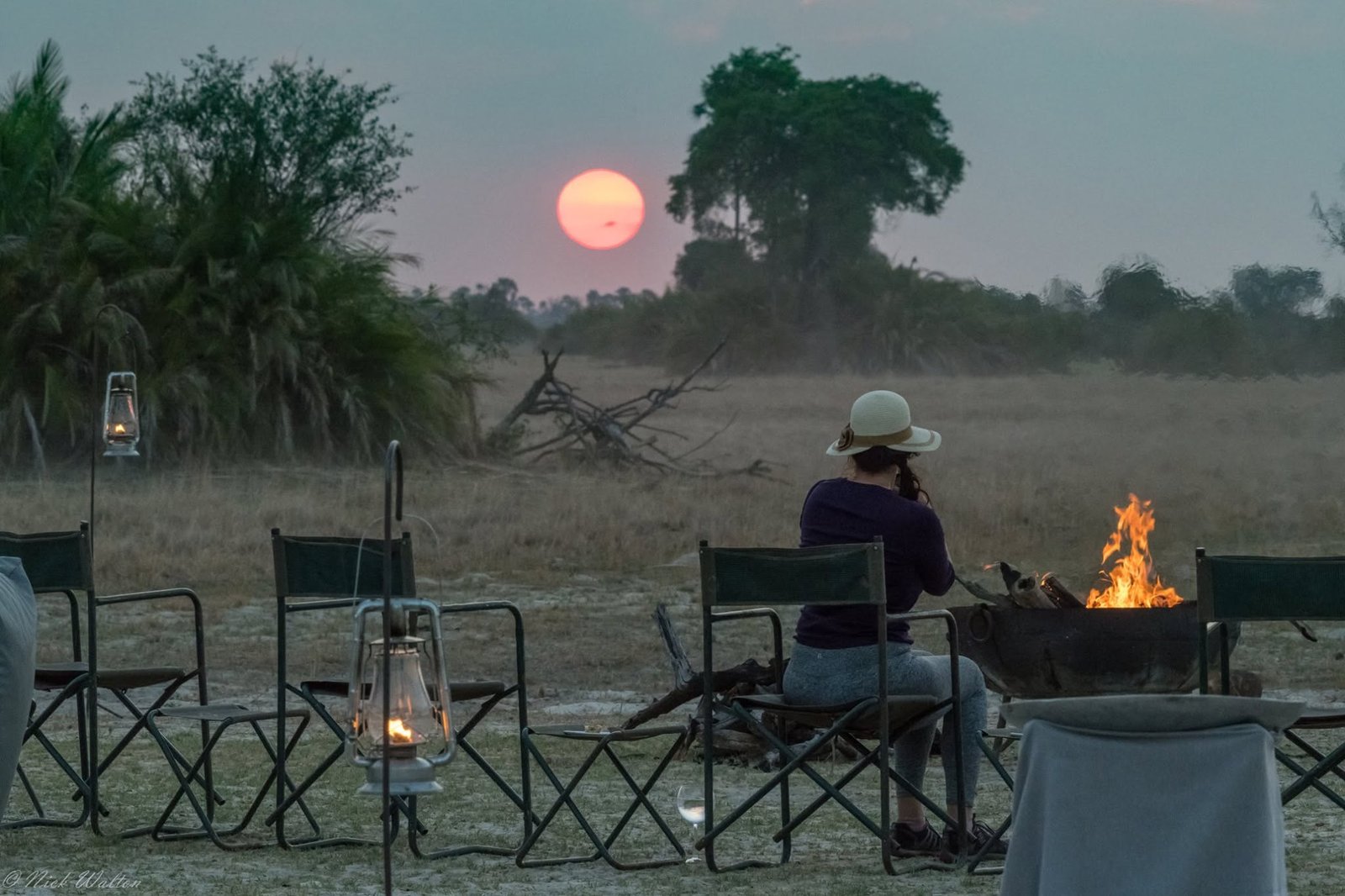
There is a moment on safari — one that every seasoned traveller speaks of — when the Land Cruiser cuts the engine and the silence rushes in. No city hum, no phone signal, no polite conversation required. Just the low rasp of a lion exhaling somewhere close, the flick of a tail in the long grass, and the sudden, vertiginous realisation that you are very small, and this world is very large, and it has been getting on perfectly well without you.
For those whom this paragraph fills with anticipatory wonder, the question is not whether to go on a luxury safari. It is only a matter of when. But travel is deeply personal, and the bush — magnificent as it is — is not for everyone. Before you begin browsing private game reserves in the Okavango Delta or weighing up lodges in the Serengeti or the Masai Mara, it’s worth asking yourself some honest questions.
What follows is a frank, thorough guide to whether a luxury safari belongs on your itinerary — and why, for most discerning travellers, the answer is an unequivocal yes.
What Exactly Is a Luxury Safari?
The word “safari” comes from the Swahili and Arabic for journey, and today it encompasses an enormous range of experiences — from budget camping in shared dormitories to private-jet expeditions across five countries with a personal naturalist in tow. A luxury safari sits firmly at the upper end of this spectrum, but the definition has evolved considerably.
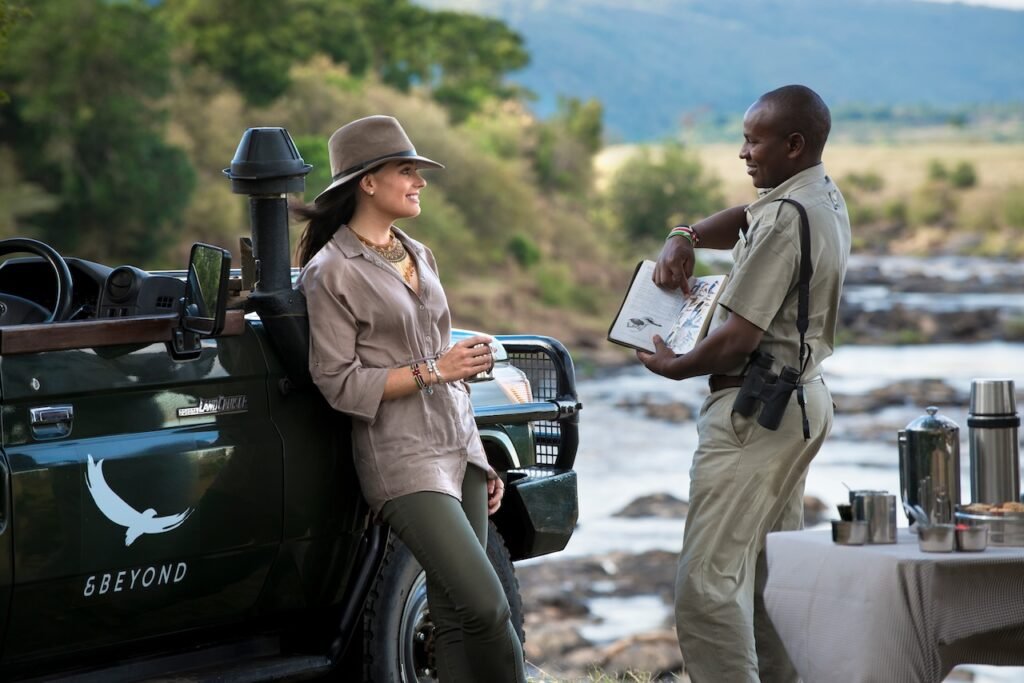
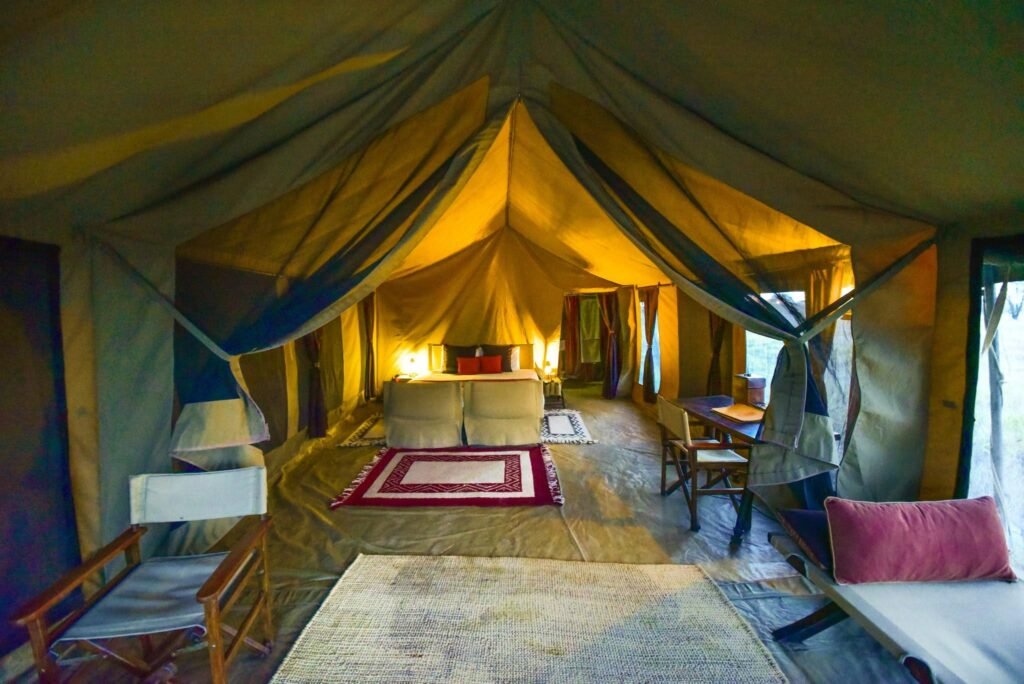
Modern luxury in the bush is not about white tablecloths for their own sake. It is about depth of access, expertise of guiding, and the thoughtful elimination of friction. A luxury safari lodge — whether a tented camp deep in Botswana’s Moremi Game Reserve, a clifftop retreat above Kenya’s Rift Valley, or a design-forward hideaway in South Africa’s Sabi Sand — typically offers a high guide-to-guest ratio, exclusive traversing rights over vast private land, and the kind of behind-the-scenes wildlife knowledge that transforms a sighting into a story.
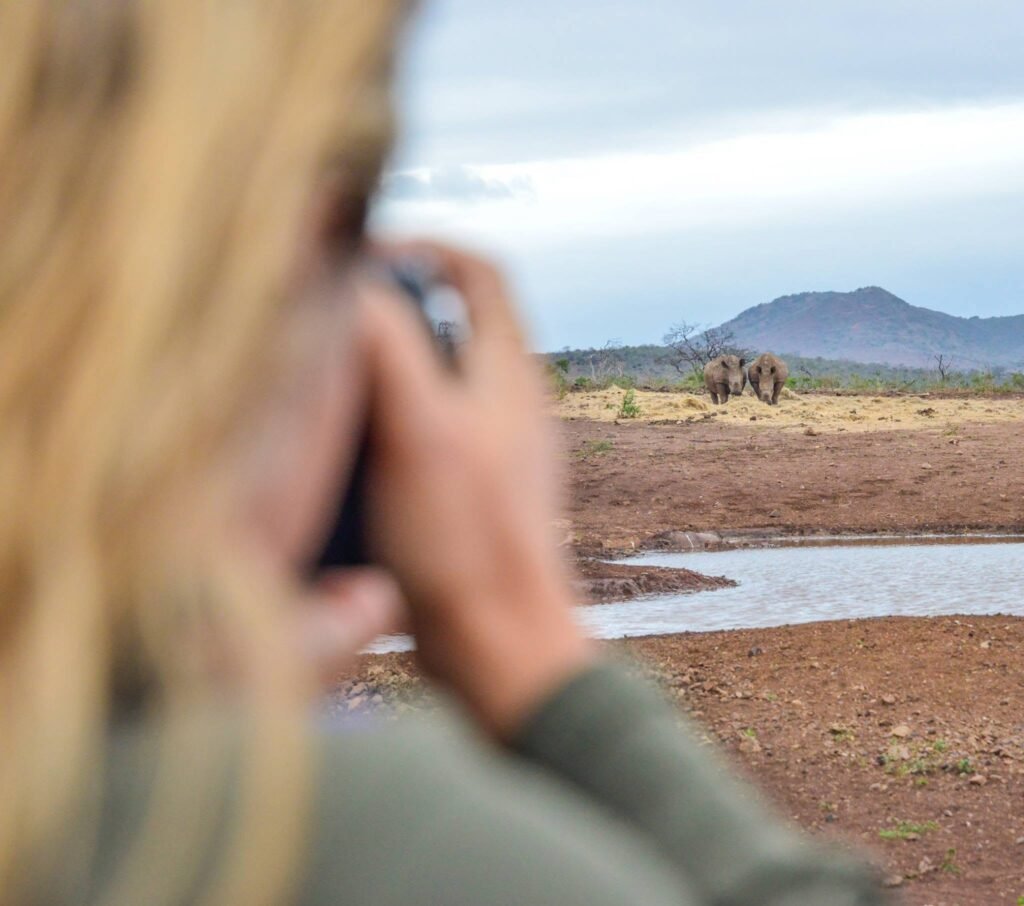
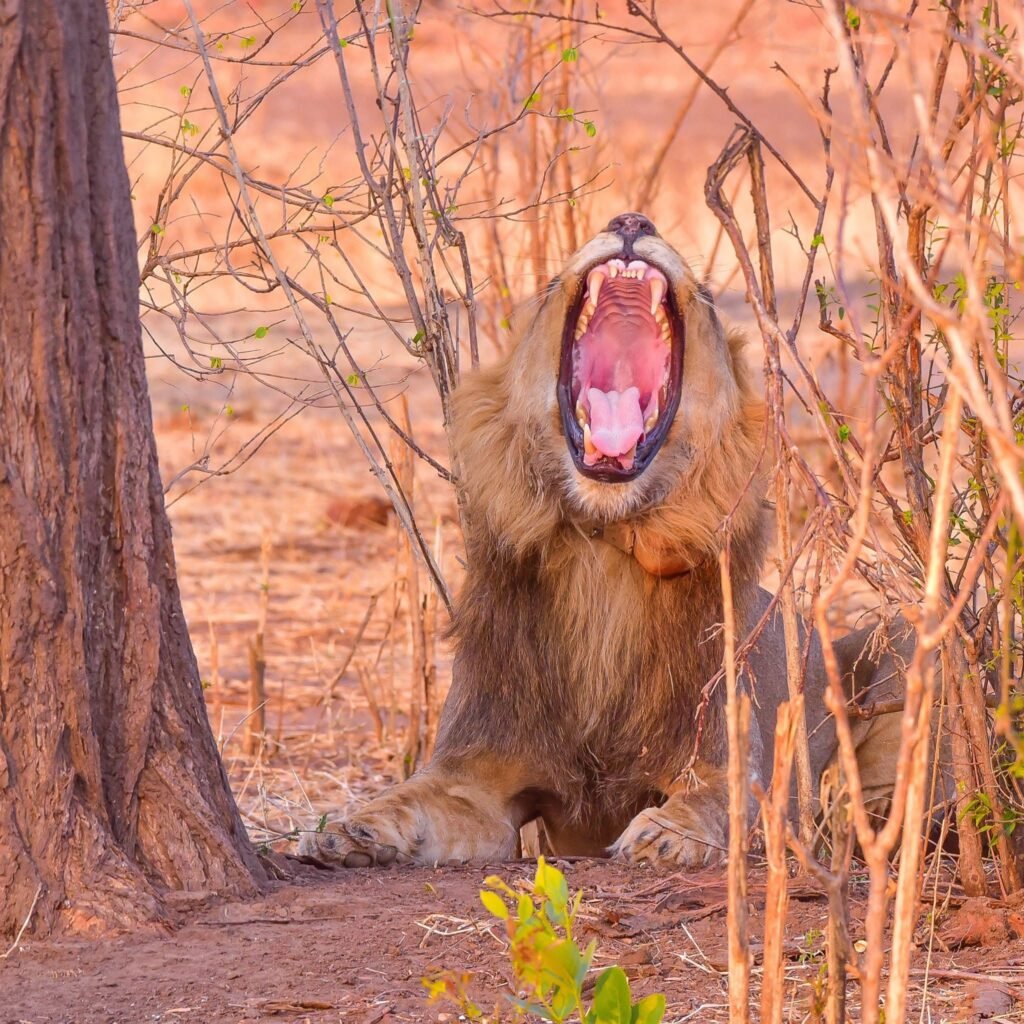
It means private game drives at dusk when the light turns golden and the big cats begin to move. It means bush dinners under skies so dense with stars they appear almost excessive. It means waking at five to the sound of elephants moving through camp, and a ranger who has been tracking that particular herd for fifteen years and can tell you which matriarch is leading and why she chose this route.
This is luxury as revelation — not comfort for its own sake, but comfort in service of an experience that would be impossible to access any other way.
The Case For: Why a Luxury Safari Could Be Your Best-Ever Trip
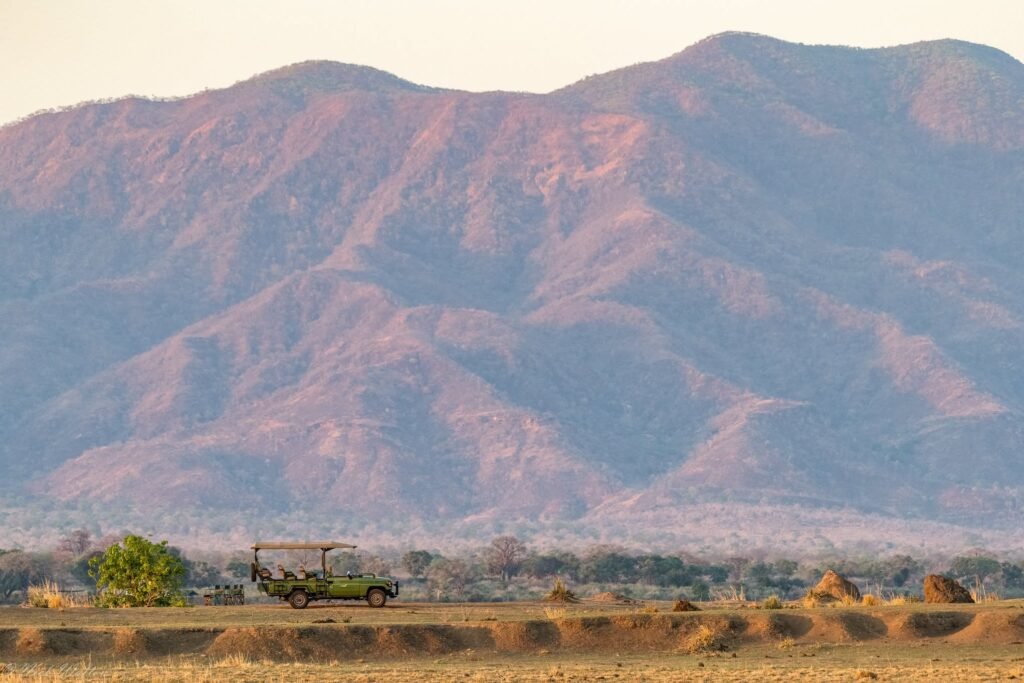
Because no other travel format combines such sustained intimacy with wild nature. The bush strips away distraction, sharpens the senses, and delivers encounters — a lioness at dawn, an elephant at the waterhole at dusk — that are genuinely unrepeatable. You leave different from how you arrived.
You Value Experiences Over Things
There is a well-documented shift among high-net-worth travellers away from the accumulation of objects and towards the accumulation of memories. A luxury safari is, in many respects, the apotheosis of this philosophy. There is nothing to buy in the bush. There is only what you see, what you feel, and what you carry home inside you.
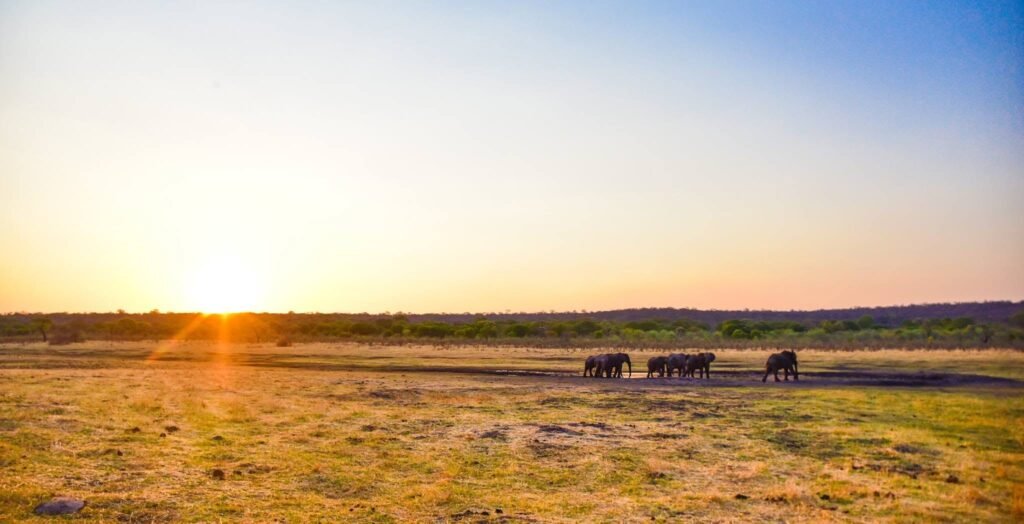
Research consistently finds that experiential spending produces longer-lasting satisfaction than material purchases. Few experiences are as viscerally memorable as watching a leopard drag its kill into an acacia tree at golden hour, or sitting beside a watering hole as a hundred elephants arrive at dusk. These are not moments you forget. They become part of your internal landscape permanently.
You’re Ready to Slow Down
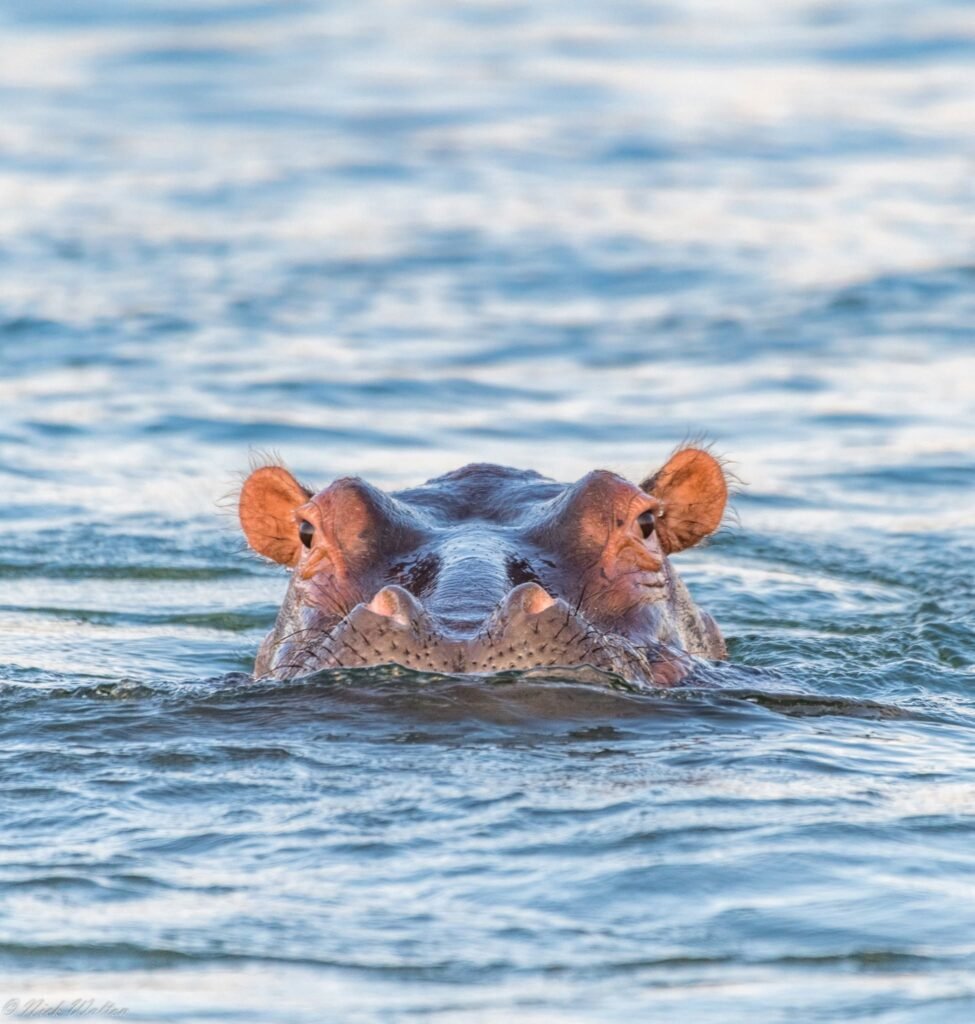
Luxury safari travel operates on a rhythm quite unlike a European city break or a resort holiday. The days are structured around the animals, not the guests — early morning drives when predators are active, a midday return to camp for rest, and a late-afternoon departure timed to catch the sunset. This pace is intentional and, for the right traveller, deeply restorative.
If you have been craving a genuine disconnection from the relentless pace of modern life — from the inbox, the news cycle, the pressure to optimise every hour — the bush offers something increasingly rare: enforced presence. Your phone may not work. The Wi-Fi, if it exists at all, is deliberately limited. There is nothing to do but be here, now, watching the world in a way most of us have entirely forgotten how.
You’re Curious About the Natural World
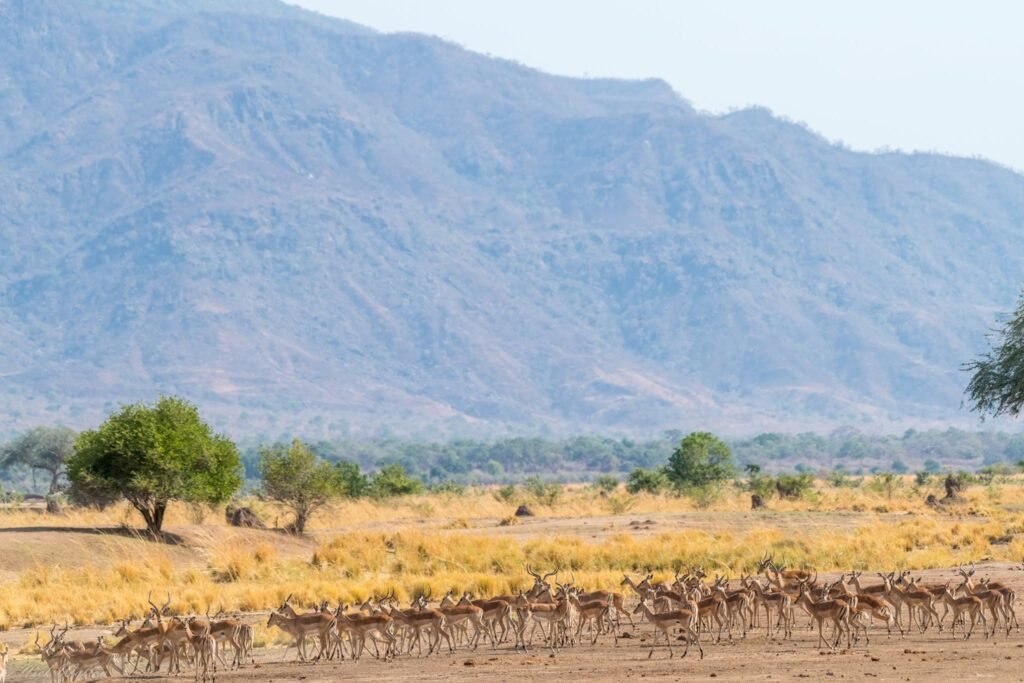
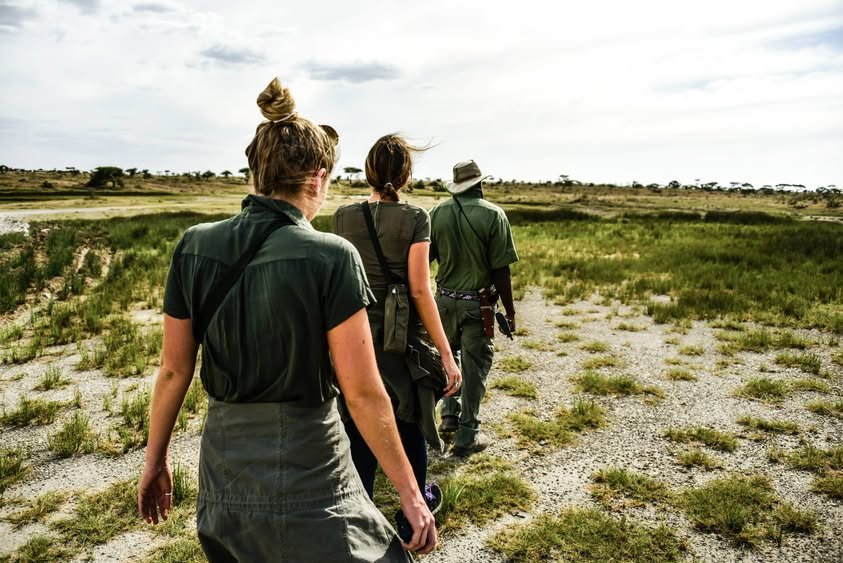
A luxury safari rewards intellectual curiosity more lavishly than almost any other form of travel. The best guides hold degrees in ecology, zoology, or environmental science and have spent decades in the field. They read the bush like a text — a broken branch, a change in bird calls, a pawprint in the sand — and turn every game drive into a masterclass.
You do not need to arrive with existing knowledge. You need only arrive with genuine interest. By the end of a week, you will understand the dynamics of a lion pride, the extraordinary engineering of a termite mound, the delicate interdependency of predator and prey. This is travel that makes you measurably more interesting at dinner parties for years to come.
You Want to Travel Responsibly
The best luxury safari operators are at the forefront of conservation. Many lodges are built on land that was previously degraded farmland or poaching territory, returned to wilderness precisely because a luxury tourism model makes it economically viable to do so. The fees guests pay support anti-poaching units, community schools, ranger salaries, and wildlife corridors that would otherwise not exist.
When you book with a reputable operator — one affiliated with bodies such as the African Travel & Tourism Association or certified by Travelife or Rainforest Alliance — your holiday becomes an act of environmental and social investment. The elephant you photograph at dawn is alive in part because you were willing to pay to see it. That is a powerful thing to be able to say.
The Honest Questions: Is the Bush Actually for You?
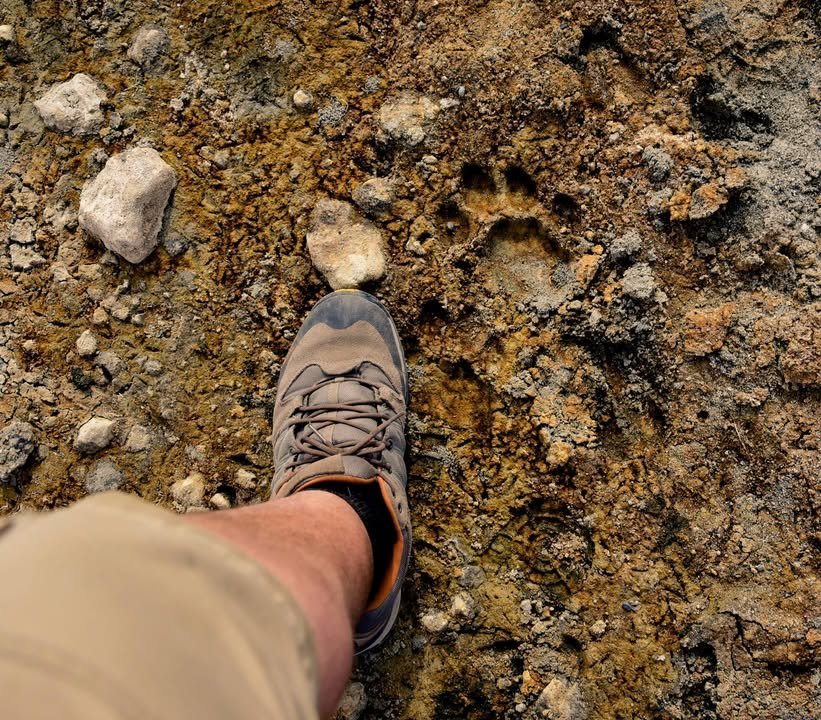
The short answer is probably yes — but it helps to know what you’re walking into. The bush is extraordinary, but it is not a resort with wildlife outside the window. It is early starts, open vehicles, unpredictable weather, and long silences broken by something unforgettable. Here’s what to know before you go.
How Do You Feel About Early Mornings?
The most honest caveat about safari life is this: the animals do not adjust their schedules to accommodate late sleepers. Game drives typically depart between 5.30 and 6.30am, capitalising on the cool of the morning and the activity of predators before they rest in the midday heat. The reward is invariably worth the alarm, but if you are constitutionally opposed to rising before sunrise, this is worth acknowledging in advance.
That said, the finest lodges are extraordinarily skilled at making a pre-dawn wake-up feel indulgent rather than punishing. Coffee arrives at your tent, warm and perfect, before you have fully opened your eyes. The cold of the early bush morning — rugs provided — gives way to extraordinary light within the hour.
Are You Comfortable with the Unexpected?
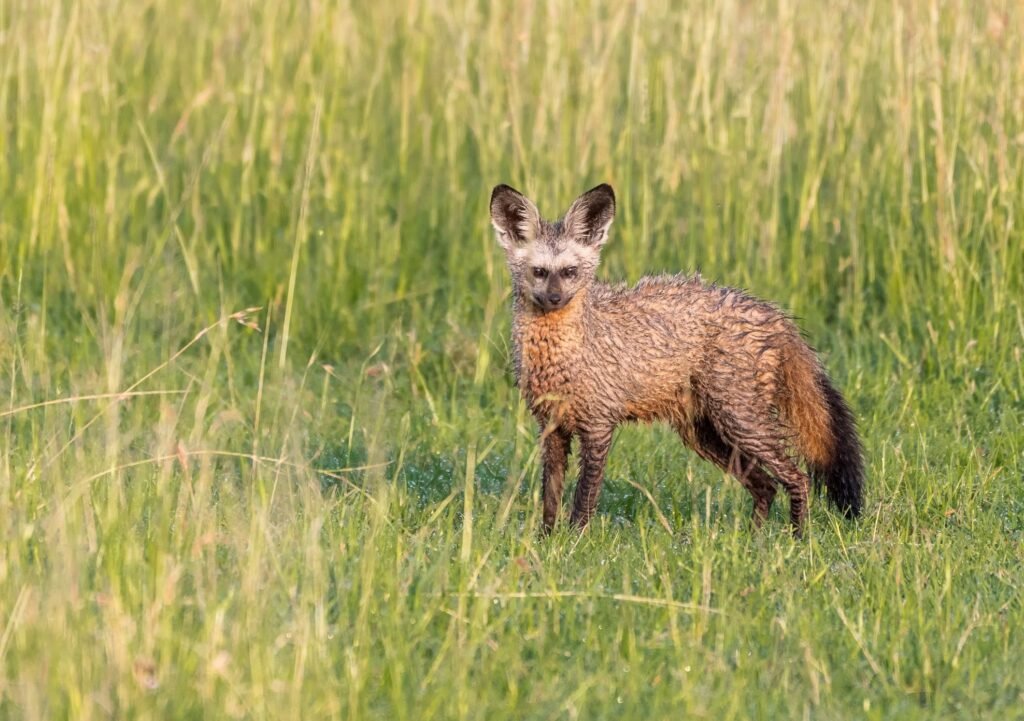
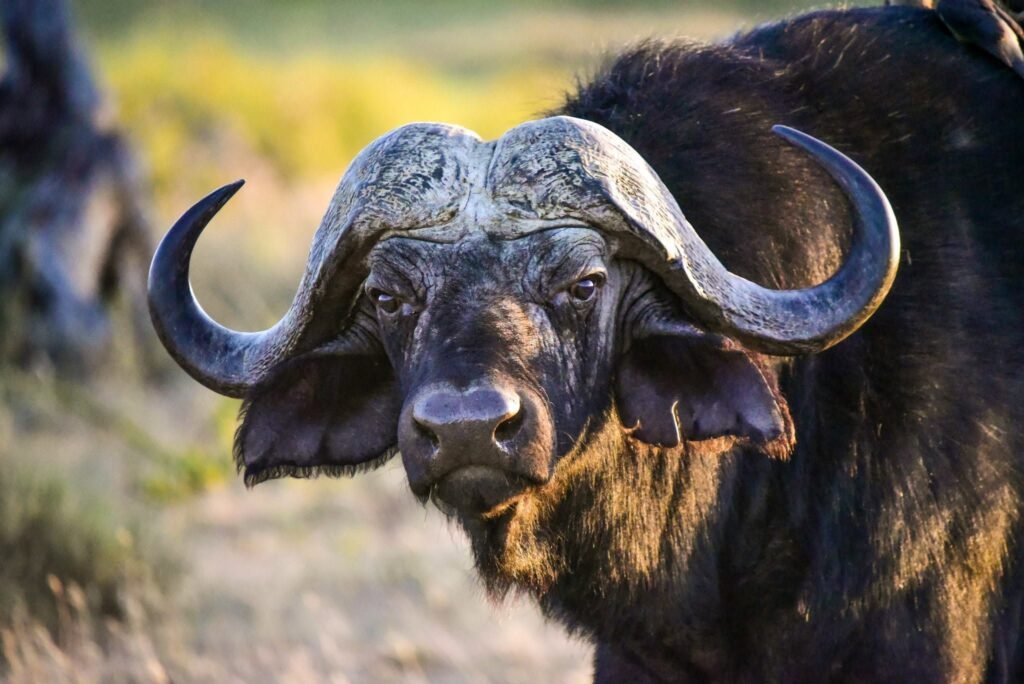
Wildlife does not perform on cue. There will be mornings when the game drive yields a dazzling procession of sightings — lion, leopard, buffalo, elephant, all before breakfast. There will be others where the bush is quiet and still, and the reward is subtler: a secretary bird crossing the road with improbable elegance, or the guide crouching to explain the lifecycle of a particular beetle. Both are valid. Both are safari.
Travellers who need guaranteed, quantifiable returns on their time may find this aspect challenging. Those with a capacity for wonder — who can be delighted by a chameleon as readily as a cheetah — will discover that the bush never disappoints, even when it withholds its headline acts.
How Do You Feel About Being Outdoors in Warm Climates?
Much of the most extraordinary game-viewing in Africa occurs in semi-arid or savannah environments where daytime temperatures can exceed 30°C. Morning and evening drives in an open vehicle can, conversely, be remarkably cold. The physical experience of safari is varied and, at times, genuinely wild — dusty tracks, unexpected downpours, the particular closeness of insects at dusk.
If your ideal holiday is spent largely indoors, in climate-controlled environments, a luxury safari — for all its extraordinary amenities — may not satisfy. But if you are someone who genuinely loves the physical sensation of being outside, immersed in landscape, then the discomforts are trivial beside the rewards.
Are You Travelling with Children?
Many of Africa’s finest private reserves welcome children, and a family safari — done well — ranks among the most transformative experiences a young person can have. There are, however, caveats. Minimum age requirements at some lodges begin at twelve or sixteen, particularly where shared vehicles are used. Younger children may struggle with the early starts and periods of patient waiting.
The most family-friendly operators design specific children’s programmes: junior ranger experiences, tracking and bush skills lessons, campfire stories led by guides who are as gifted at engaging ten-year-olds as they are at lecturing wildlife biologists. Do your research, and the investment in a family safari will pay developmental dividends for years.
Where to Begin: Matching Destination to Temperament
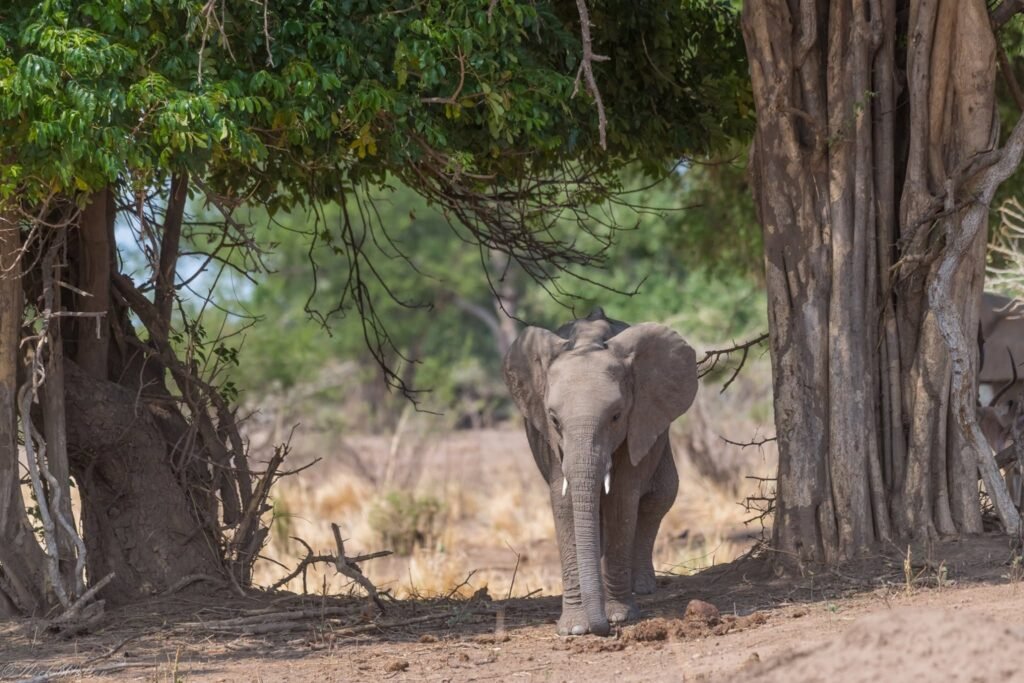
Not all safari destinations offer the same experience, and matching your personality to the right country and ecosystem is half the work of planning.
Botswana is the connoisseur’s choice — low-volume, high-cost, and extraordinarily pristine. The Okavango Delta, a UNESCO World Heritage Site and one of the world’s last great wilderness areas, offers game viewing of almost unparalleled quality. It rewards travellers who want genuine remoteness and are unbothered by the fact that the journey there involves small aircraft and considerable distance.
Kenya and Tanzania provide the classic East African safari — enormous skies, acacia-studded plains, and the annual miracle of the Great Migration, in which some 1.5 million wildebeest move across the Serengeti-Mara ecosystem in search of grass. These destinations offer a broader range of price points and are well-suited to first-time safari travellers who want a reliable, exceptional introduction to the bush.
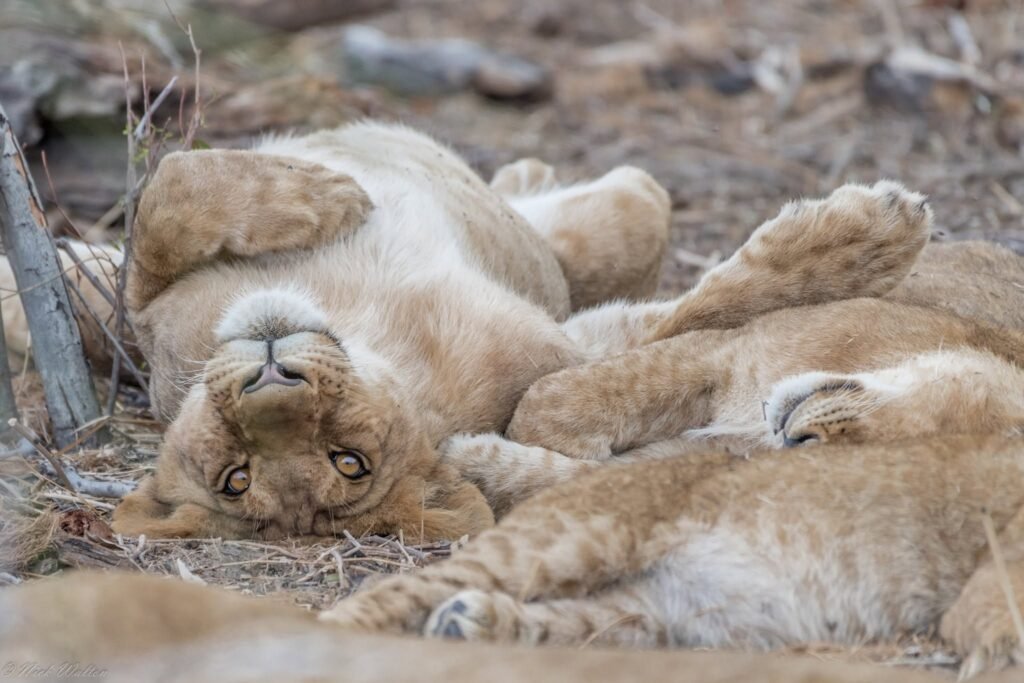
South Africa’s private reserves — particularly those adjoining Kruger National Park, such as the Sabi Sand and Timbavati — offer remarkable leopard sightings and are the most accessible luxury safari destination for travellers from Europe. Excellent international connections, no antimalarial medication required in many areas, and an extraordinarily high standard of lodge design make this the natural starting point.
Rwanda and Uganda offer something altogether different: the profound, humbling experience of sitting with a mountain gorilla family in their natural habitat. This is not the wide-open plains of classic safari but close-canopy rainforest, and the experience of making eye contact with a silverback gorilla — one of fewer than 1,100 remaining in the world — is among the most moving things travel can offer.
The Investment: What Does a Luxury Safari Actually Cost?
A luxury safari is not an inexpensive undertaking, and honesty serves everyone better than euphemism. Expect to pay, broadly, between US$1,000 and US$3,500 per person per night at the very best lodges, with most experiences fully inclusive of meals, drinks, activities, and laundry. When measured against what is included — the expertise, the exclusivity, the conservation contribution — the value proposition is often considerably stronger than it first appears.
The key is to prioritise quality over quantity. A week at one exceptional lodge will almost invariably be more rewarding than two weeks spread across a roster of adequate ones. Work with a specialist safari travel consultant who knows the reserves intimately and can match you to the right camp for your particular interests, dates, and budget. The best operators in this space are worth every penny of their advice.
The Verdict
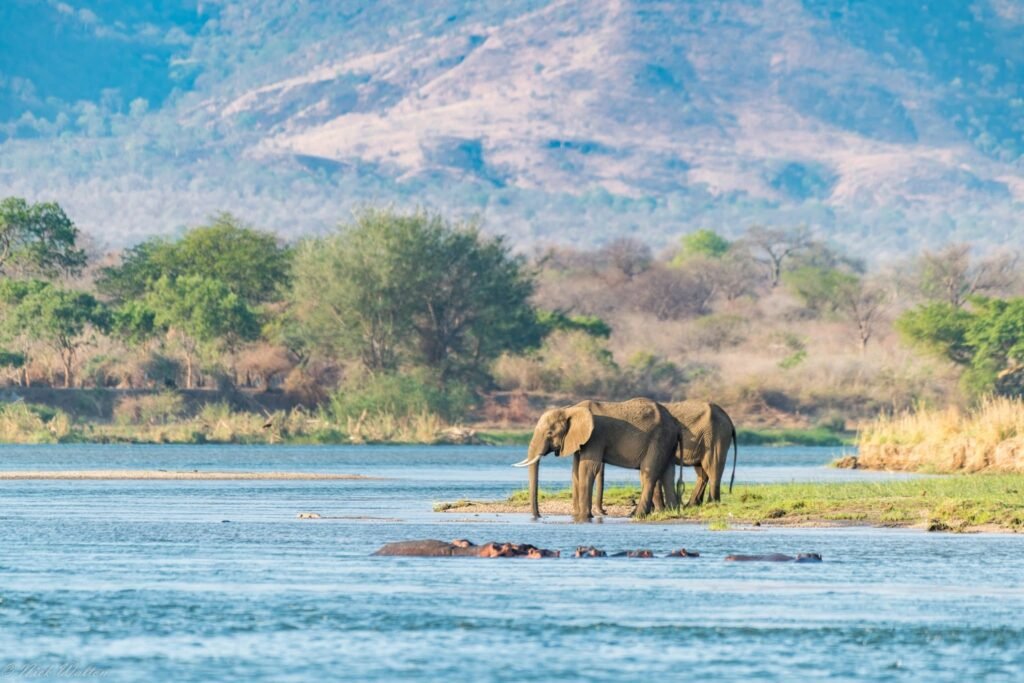
A luxury safari is not the right trip for everyone. It demands a degree of flexibility, a tolerance for early mornings, and a willingness to let the natural world set the agenda. It is not a passive, resort-style holiday. It asks something of you — your attention, your patience, your presence.
But for those willing to meet it on its own terms, it delivers something that almost no other form of travel can: the experience of feeling genuinely, profoundly alive in a world that existed long before you arrived and will persist long after you leave. The silence of the African bush at dawn, the weight of a pair of binoculars in your hands, the guide’s low voice saying look — just there, in the grass — these are moments that lodge themselves permanently in the self.
If that sounds like the kind of journey you have been waiting for, then the only question left is which camp, which season, and how soon you can get there.
If you’re contemplating a luxury safari, be sure to check out guides to the best luxury safari lodges and camps in South Africa, the Okavango Delta, the Masai Mara, the Serengeti, and Rwanda, read about what a luxury safari in Botswana is like, and prepare to dazzle with our guide to safari photography.


