
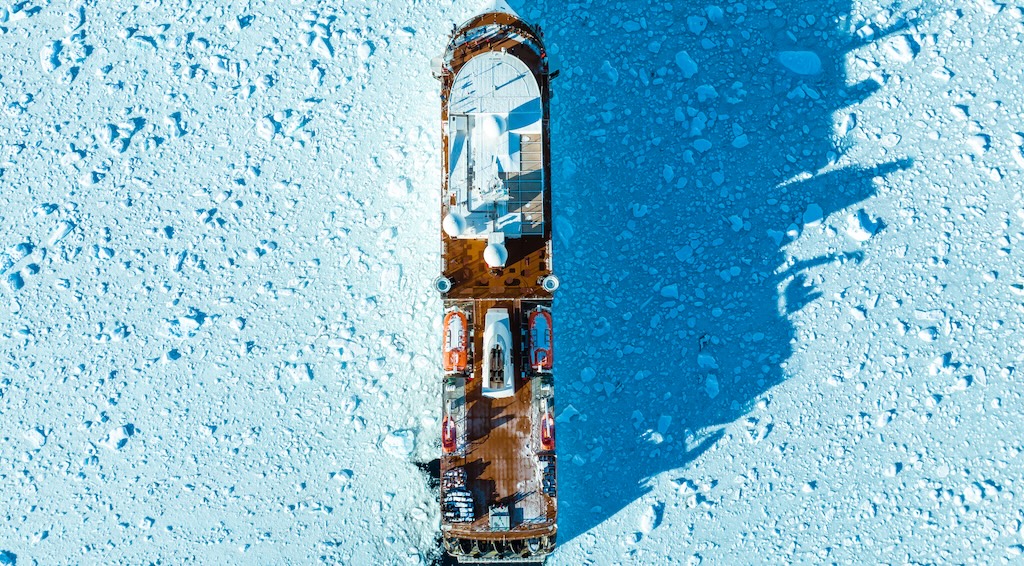

Master polar expedition videography with expert tips on gear, lighting, and technique — your essential guide to capturing breathtaking Arctic and Antarctic footage in 2026.
Shooting video in the polar regions is one of the most rewarding — and technically demanding — challenges in expedition travel. Having visited both poles several times, I can tell you that the light can be magical, the landscapes otherworldly, and the wildlife encounters incredibly intimate. But freezing temperatures, salt spray, strong winds, rapidly changing conditions, and moving Zodiacs all test your gear and your skills.
Whether you’re cruising Greenland, Antarctica or the Northwest Passage, or filming with a smartphone, a mirrorless camera, or a dedicated cinema rig, these practical, field-tested videography tips will help you return from your 2026 Arctic or Antarctic expedition with high-quality, emotionally powerful footage.
1. Gear Preparation for Extreme Polar Conditions
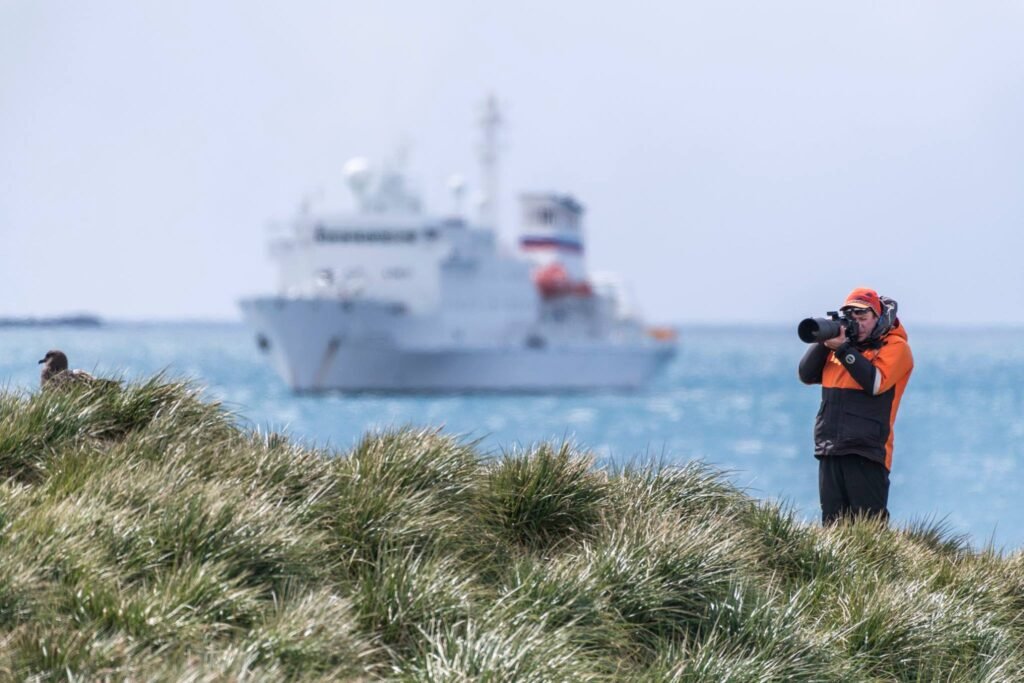
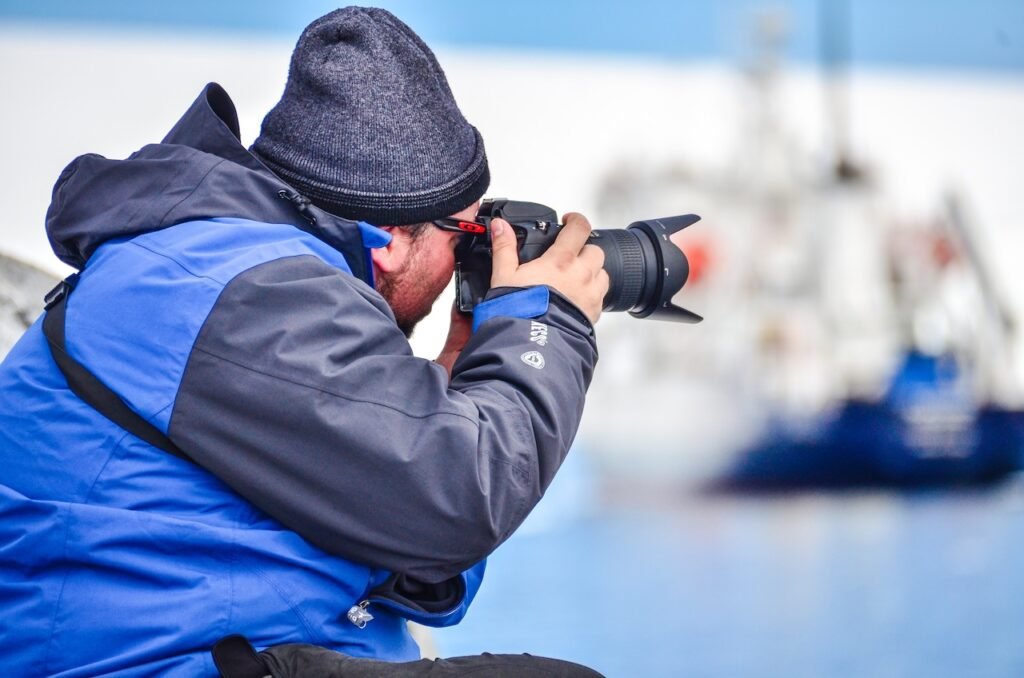
Cold is the biggest enemy of video equipment. Batteries drain quickly, condensation can fog lenses and sensors, and mechanical parts can seize up.
Recommended setup for most travellers
– Camera: A weather-sealed mirrorless camera (Sony A7 series, Canon R-series, or Nikon Z-series) or a compact cinema camera. Bring at least two bodies if possible.
– Lenses: A versatile zoom (100–400mm or 70–200mm) for wildlife, plus a wide-angle zoom (16–35mm or 24–70mm) for landscapes and environmental shots. A fast prime (24mm or 35mm f/1.4) is excellent for low-light and intimate scenes.
– Stabilisation: In-body stabilisation or a gimbal (DJI Ronin-SC or similar lightweight model) is extremely useful on moving Zodiacs and during hikes.
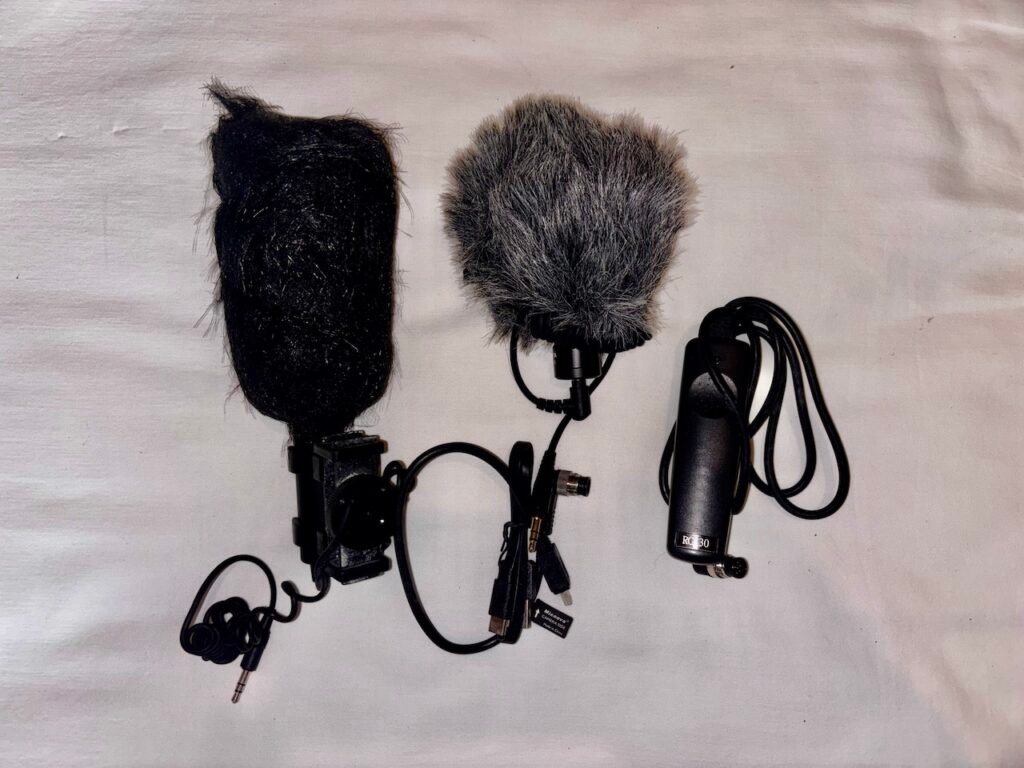
– Audio: An external microphone is essential — the built-in camera mic will pick up wind noise. A small shotgun mic or wireless lavalier (with wind protection) works well for narration or ambient sound.
– Accessories: Extra batteries (keep them warm in inner pockets), fast memory cards, a waterproof housing or rain cover, lens cleaning cloths, and a small tripod or monopod for static shots. And don’t forget those mics!
Cold-weather Hacks
– Batteries drain very quickly in cold tempretures so keep those spare batteries inside your jacket, close to your body.
– Place the camera in a sealed plastic bag when moving from a warm cabin to freezing air to prevent condensation. This helps reduce wear and tear and also ensures you don’t go running outside and have to wait for the lens to clear!
– Use chemical hand warmers inside gloves or taped to the camera body in extreme cold.
2. Camera Settings for Polar Conditions
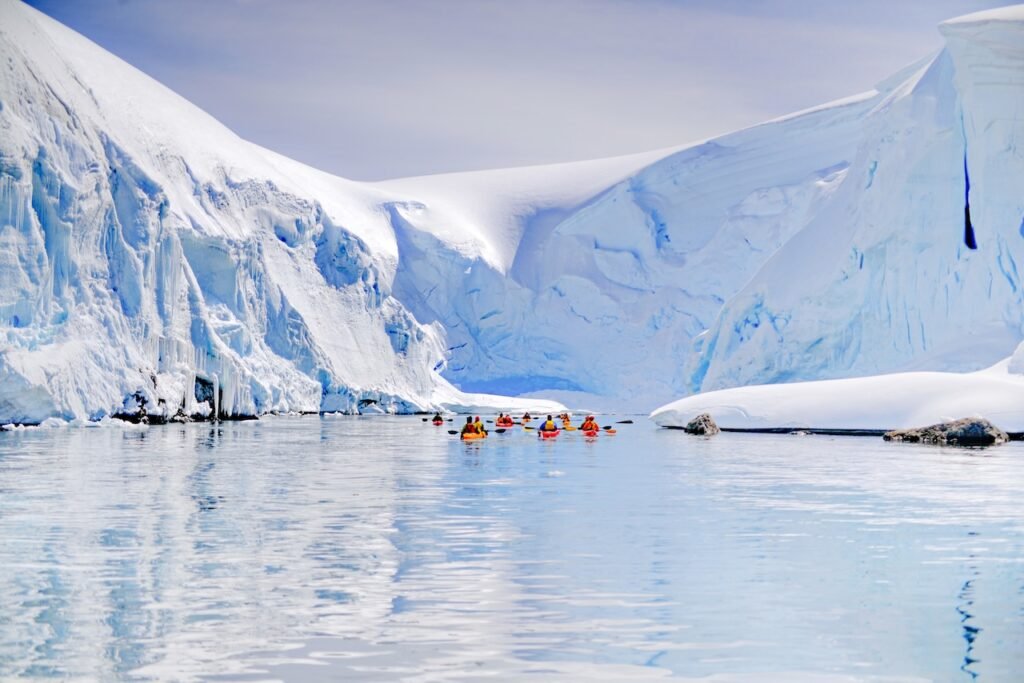
Polar light changes rapidly, so mastering your camera’s manual controls is important.
– Shutter speed: Use 1/50 or 1/60 sec for cinematic motion (180-degree shutter rule) when possible. Increase to 1/120 or faster for wildlife action.
– Aperture: f/5.6–f/8 gives good depth of field for most wildlife and landscape shots while maintaining sharpness.
– ISO: Keep it as low as possible in bright conditions. Modern cameras handle ISO 800–3200 cleanly for early morning or overcast scenes.
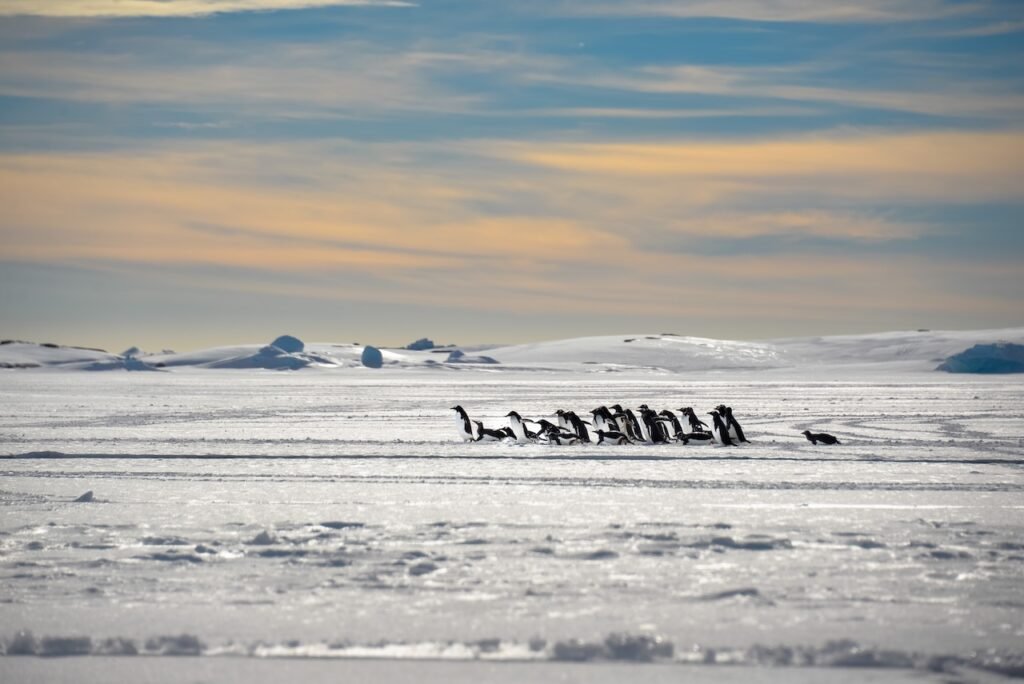
– White balance: Use Auto or custom kelvin settings. Snow and ice can fool auto white balance, so check and adjust frequently.
– Log profile: If your camera supports it (S-Log, C-Log, etc.), shoot in log for maximum dynamic range and flexibility in post-production. This is especially useful for high-contrast ice and snow scenes.
– Frame rate: 24fps or 25fps for cinematic footage. Use 50/60fps or higher for slow-motion wildlife action (diving penguins, breaching whales).
Shoot in the highest resolution and bit depth your camera allows (4K or 6K) to give yourself flexibility in editing.
3. Composition and Storytelling Techniques
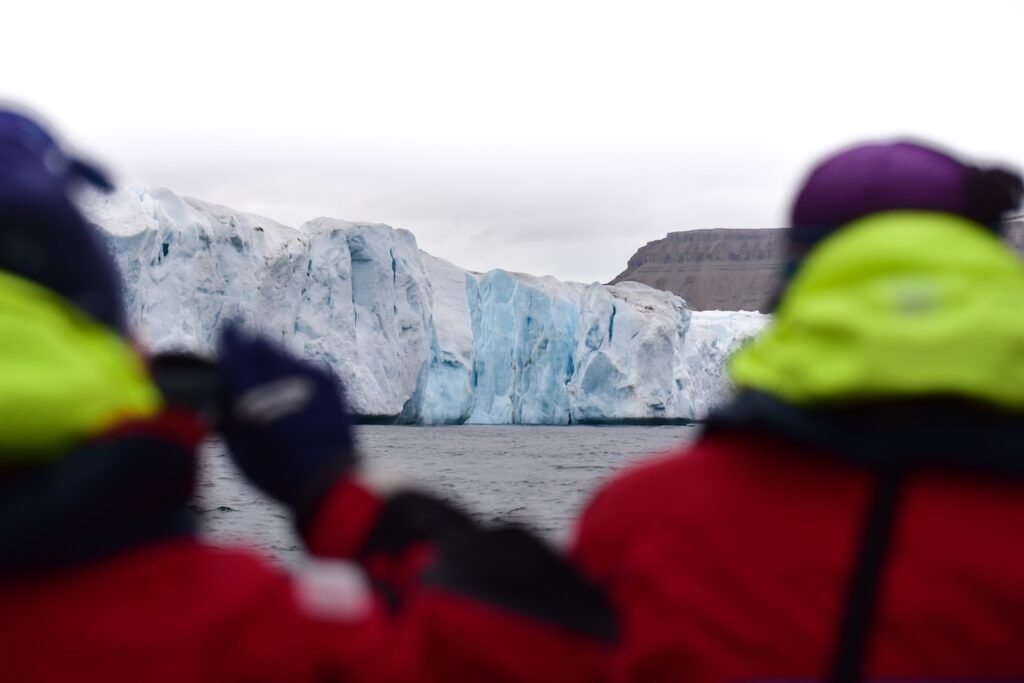
The best polar videos tell a story rather than just showing pretty pictures.
– Vary your shots: Mix wide establishing shots of the landscape, medium environmental portraits, and tight close-ups of wildlife behaviour.
– Use movement: Slow, smooth pans across icebergs or glaciers work beautifully. Handheld movement from a Zodiac can add energy when stabilised properly.
– Include scale: Show a person, Zodiac, or small animal against massive ice formations to convey the immense scale of the polar environment.
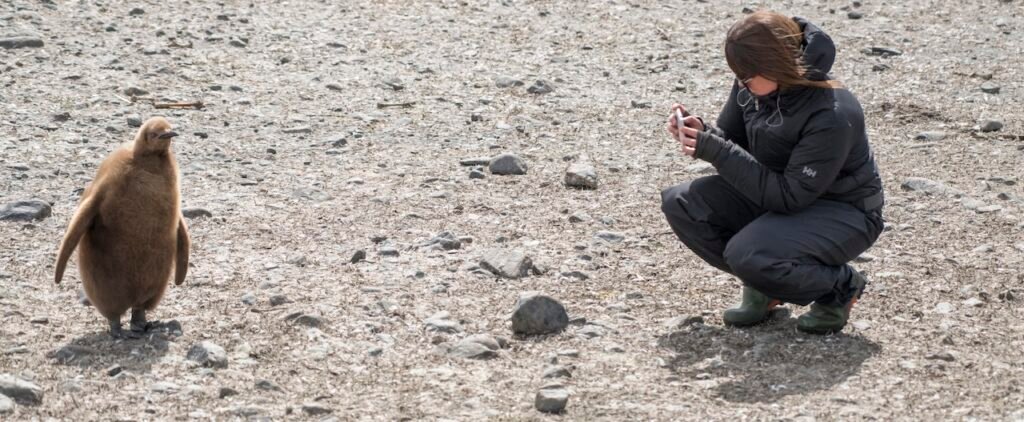
– Capture behaviour: Look for moments — a penguin feeding its chick, a polar bear stalking seals, or albatross landing gracefully. These behavioural shots are far more compelling than static portraits.
– Audio is storytelling: Record clean ambient sound — the crack of ice, the calls of penguins, the wind across the ice. Good audio makes your footage feel immersive.
Get low whenever possible. Eye-level or ground-level shots create stronger emotional connection with penguins, seals, and other animals.
4. Handling Movement on Zodiacs and Landings
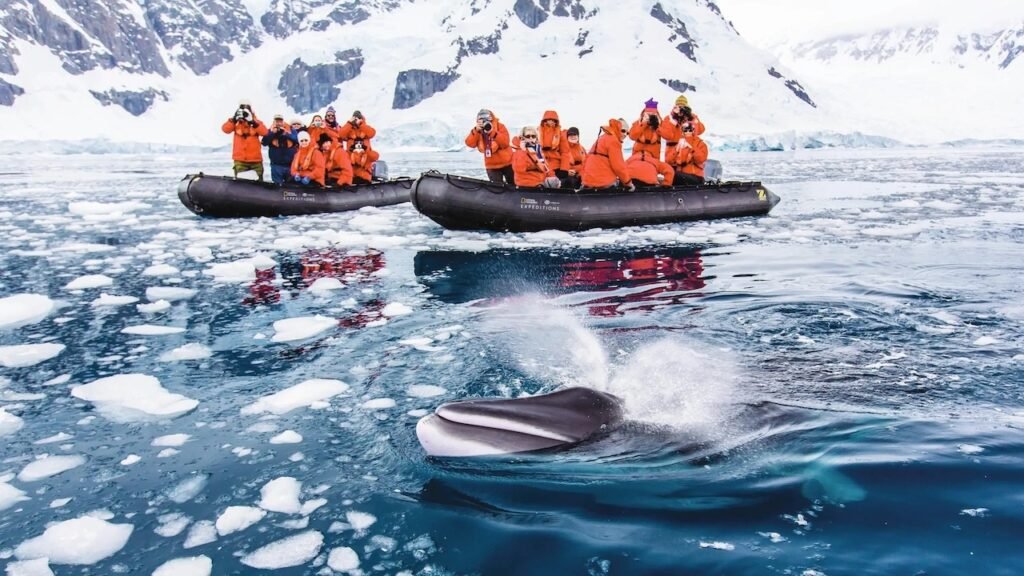
Most of your shooting time will be from moving Zodiacs or during short landings.
– Brace yourself or use a gimbal for smoother footage.
– Shoot in short bursts rather than long continuous takes to avoid shaky footage.
– Use a polarising filter on bright days to reduce glare on water and ice.
– Keep the horizon level — it’s easy to get disoriented when the boat is rocking.
– Protect the camera from salt spray — a simple rain cover or plastic bag can save your gear.
For drone footage (where permitted), check strict regulations in advance. Many Antarctic sites prohibit drones entirely, while Arctic areas have varying rules.
5. Wildlife Videography Tips
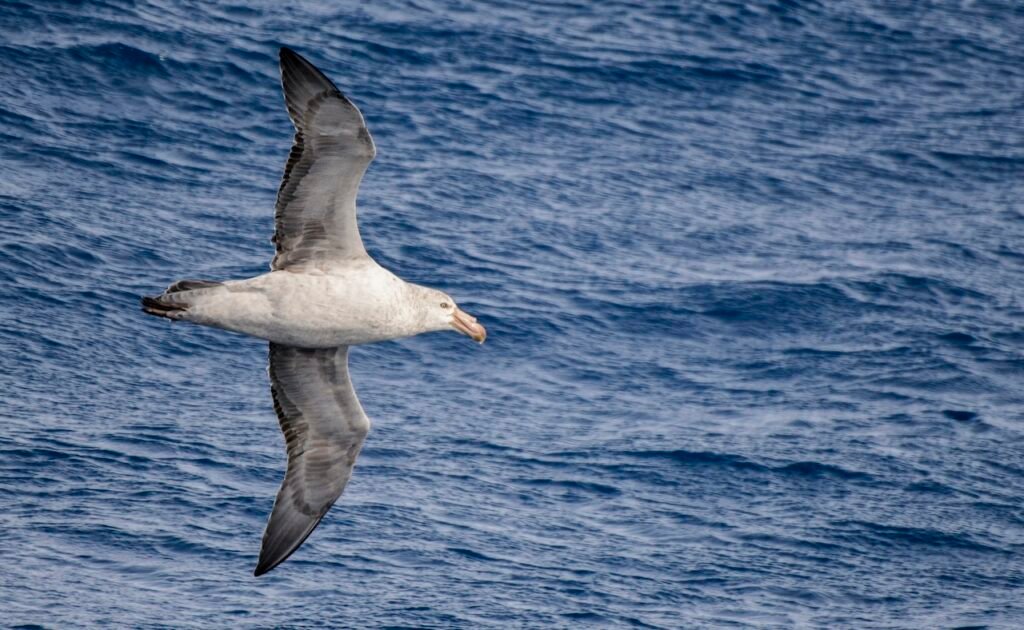
– Be patient: The best moments often happen when you stop filming and simply observe. Animals will frequently come closer if you remain still and quiet.
– Anticipate action: Watch for cues — a whale about to breach, a penguin preparing to dive, or two seals about to spar.
– Frame for behaviour: Leave space in the frame for movement. If filming a diving penguin, start with extra headroom above.
– Respect distance: Always follow the two-metre (or greater) guideline in Antarctica and similar rules in the Arctic. Good footage comes from patience, not proximity.
6. Post-Production Considerations
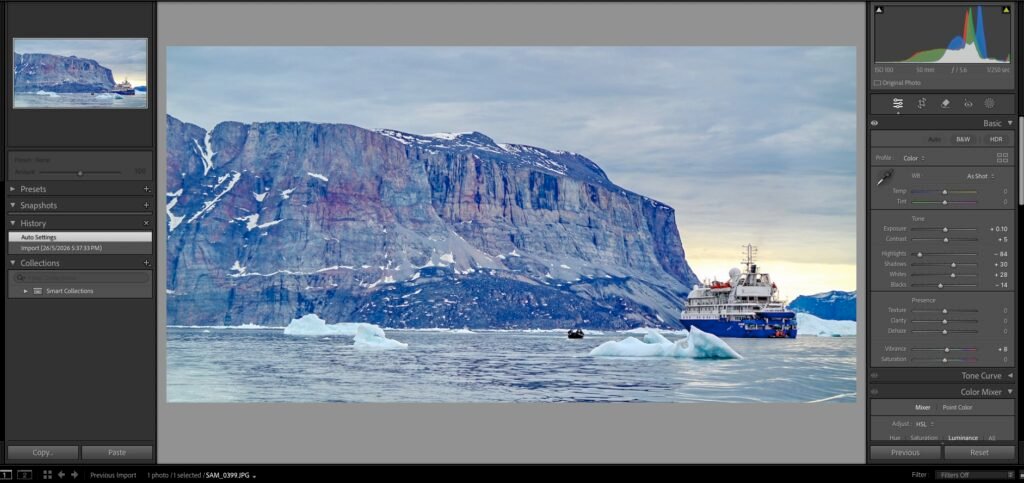
Polar footage often benefits from careful colour grading in software like Adobe Premier Pro or Adobe Rush:
– Bring out subtle blues and whites in ice without making it look artificial.
– Enhance contrast carefully — snow and ice can easily clip highlights.
– Use sound design to add depth: layer ambient recordings of wind, ice, and wildlife calls.
– Keep edits relatively slow and contemplative to match the pace and scale of the polar environment.
7. Practical Field Tips from Experienced Polar Videographers
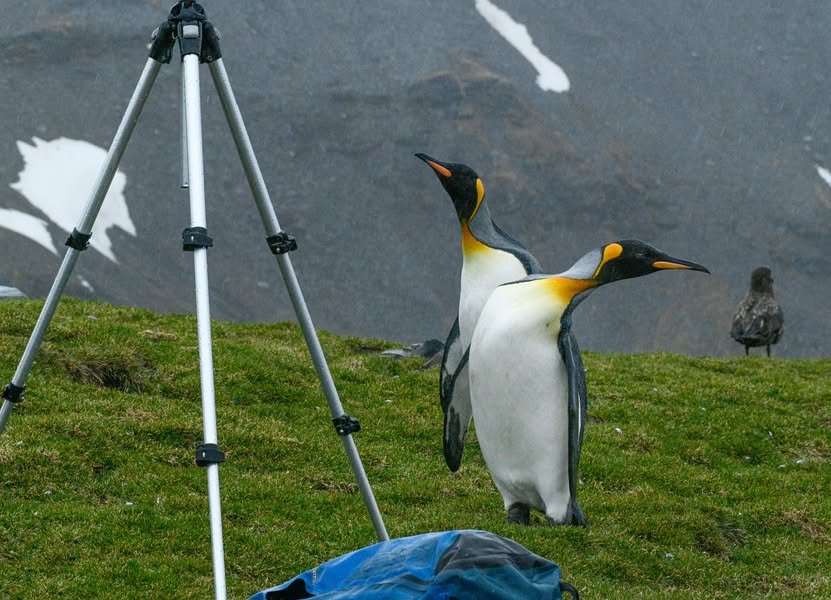
– Test all your gear thoroughly before departure, including batteries in cold conditions.
– Bring multiple batteries and keep them warm. Cold is the number one killer of shooting time.
– Back up footage every evening if possible — SD cards can fail in extreme conditions, as can external hard drives.
– Dress in layers so you can shoot comfortably for long periods without overheating or freezing.
– Protect your hands: thin liner gloves under insulated mittens allow you to operate controls without removing outer layers.
– Stay aware of your surroundings — it’s easy to get lost in the viewfinder and forget you’re in polar bear country (Arctic) or near unpredictable ice (Antarctica).
Final Advice
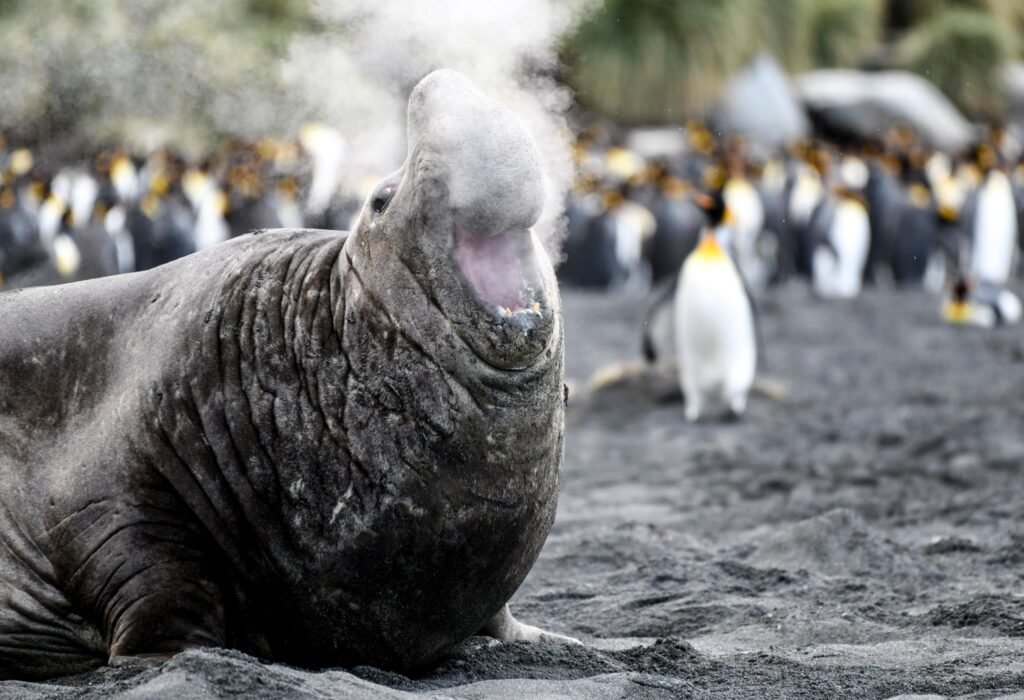
The most powerful polar videos are not just technically excellent — they capture emotion, scale, and a sense of wonder. The best shots often happen when you put the camera down for a moment, take in the scene with your own eyes, and then pick it up again with renewed appreciation.
Pack light but smart. Prioritise protection from cold and moisture. Most importantly, stay present. The footage you capture will be wonderful, but the memories of standing on the ice with penguins marching past or watching a polar bear walk along a distant ridge will stay with you even longer.
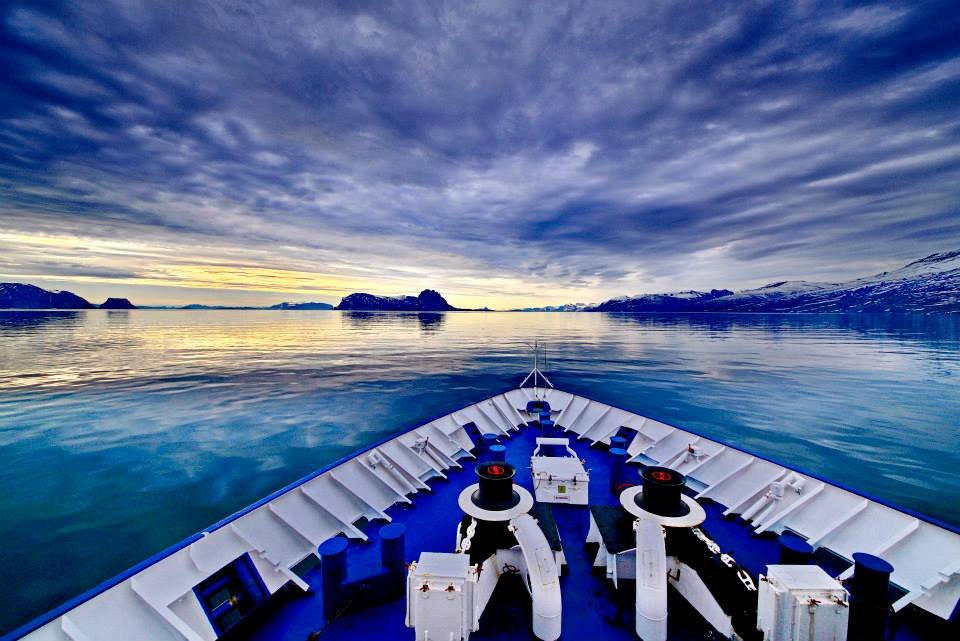
Whether you’re shooting with a smartphone, a mirrorless camera, or a professional cinema rig, the polar regions reward patience, respect for the environment, and a genuine sense of curiosity. Prepare well, shoot ethically, and let the ice and wildlife work their magic.
Your polar expedition footage has the potential to be some of the most beautiful and meaningful work you’ll ever create. Safe travels, and may your footage do justice to one of the most remarkable places on Earth.
If you’re contemplating a polar cruise, check out our guides to Arctic expedition cruises, Antarctic expedition cruises, and the best expedition cruise destinations and cruise lines, as well as a few that have strong green credentials. Also, don’t forget to brush up on your polar photography and polar videography skills, and to pack the polar essentials with our in-depth guides.


