
Antarctica is at the top of many bucket lists. However, it’s a significant investment in time and money. Here’s everything you need to consider before booking your Antarctica adventure.
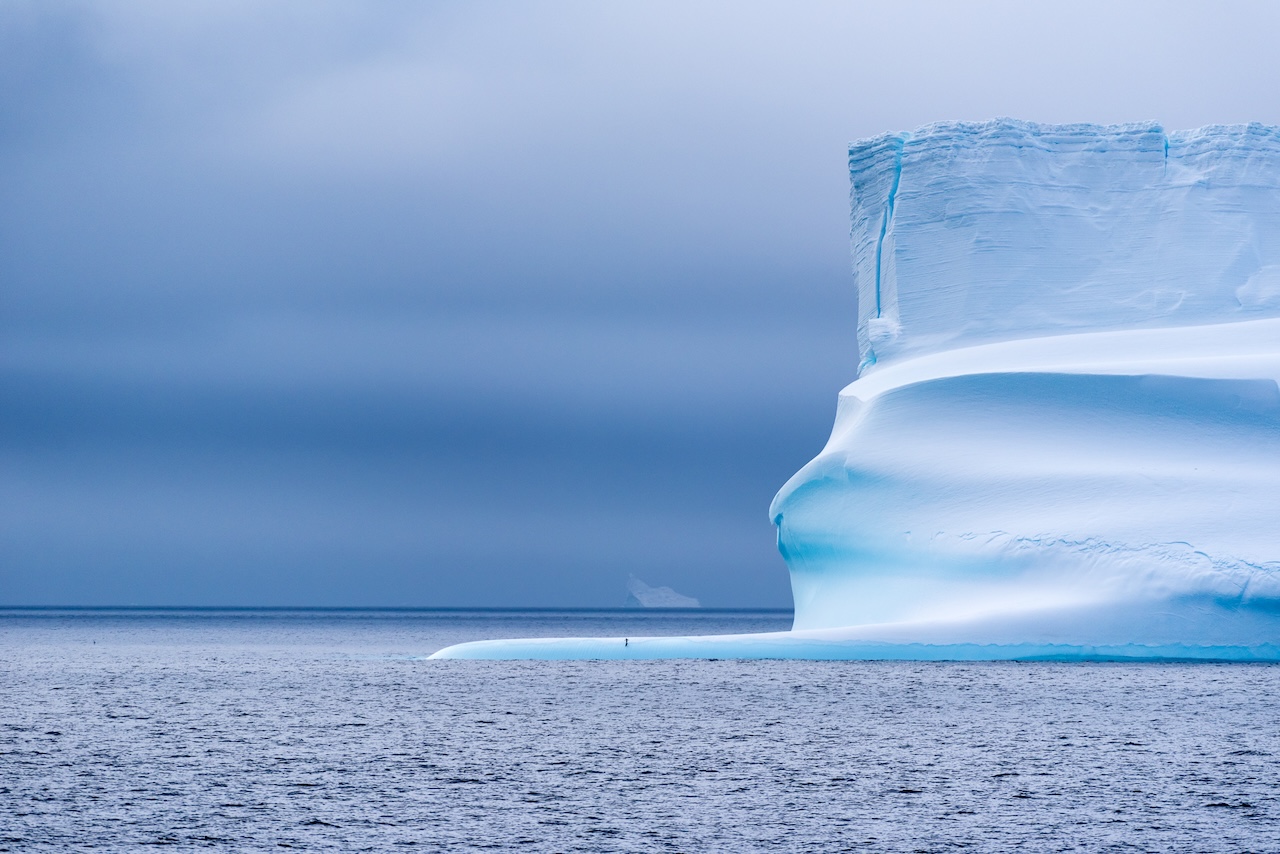
There is a moment that nearly every Antarctic expedition guest tries, and largely fails, to describe adequately when they return home. The ship cuts through water so still, and so impossibly blue it looks artificial. A humpback whale surfaces twenty metres off the bow, exhales a plume of vapour into the polar air, and slips silently back beneath the surface. A tabular iceberg the size of a city block drifts past, its flanks glowing electric turquoise in the low-angled southern light. And somewhere on the observation deck, surrounded by strangers who have become something closer to fellow witnesses, you find yourself entirely without words.

Antarctica, a place I’ve been fortunate enough to visit multiple times, is not like other destinations. It does not offer architecture or cuisine or culture in any conventional sense. It offers something rarer and harder to articulate: an encounter with the planet in its most elemental state — unmodified, un-human-scaled, ancient beyond comprehension, and strikingly, almost unbearably, beautiful. It’s the only place on earth where you can stand in silence so complete that you hear your own heartbeat, surrounded by a landscape that has never belonged to anyone.
An expedition cruise is the only way to get there. And whether it is the right experience for you is a question worth answering honestly before you commit to the journey of a lifetime.
What an Antarctic Expedition Cruise Actually Is
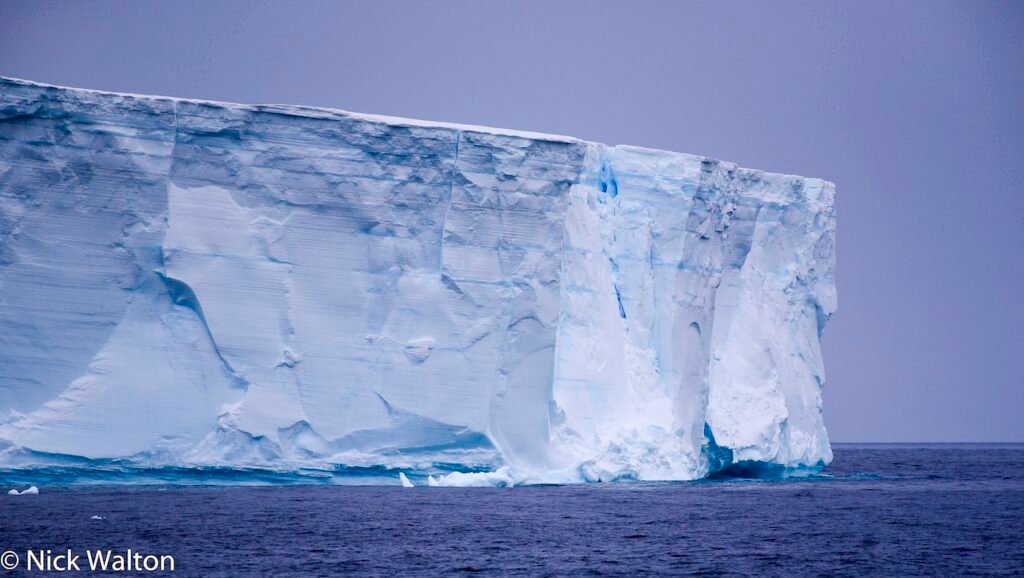
Antarctica has no hotels, only one airport serving tourists (and that’s also a Chilean air base), no roads, and no permanent civilian population. Every traveller who reaches the continent does so either by ship, departing from the southern tip of South America — most commonly Ushuaia in Argentina or Punta Arenas in Chile — or from Hobart in Australia or Dunedin in New Zealand for voyages to East Antarctica and the Ross Sea, or increasingly via charter flights from Chile to King George Island, where guests board their ship directly and avoid the Drake entirely.
For those who do sail, the crossing to the Antarctic Peninsula from South America takes approximately two days across the Drake Passage, one of the most notorious stretches of open ocean in the world, where the Atlantic and Pacific meet with the wind behind them and nothing to slow them for thousands of kilometres.
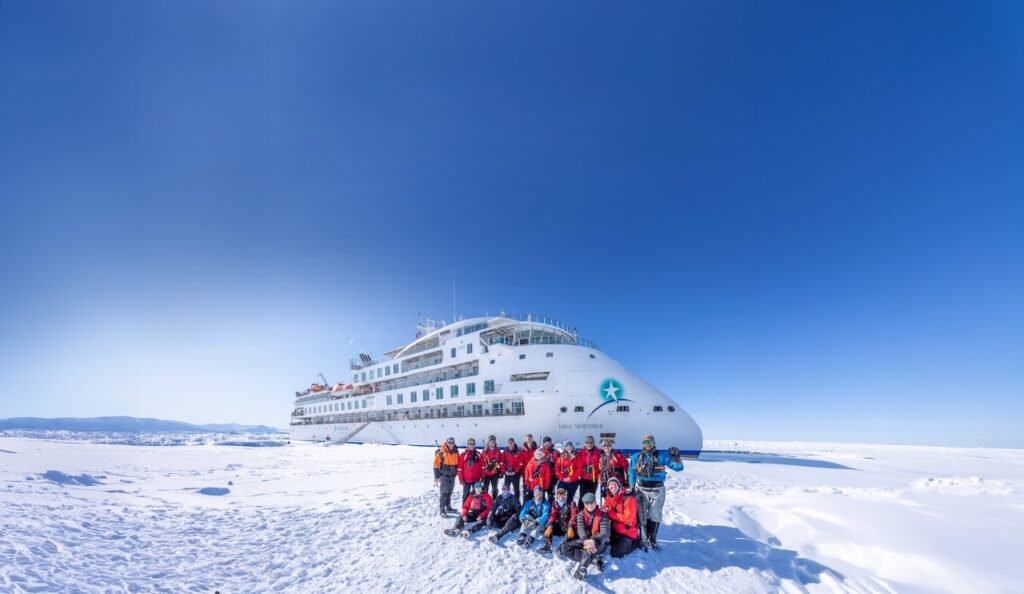
Once in Antarctic waters, the rhythm of the expedition takes hold. Days are organised around Zodiac landings and cruises — two, three, sometimes four per day, weather permitting — at sites selected by the captain and expedition team based on conditions, wildlife activity, and ice. Every landing is different: one afternoon a beach crowded with tens of thousands of penguins; the next morning a silent, glacier-calving bay where the only sounds are the deep percussion of falling ice and the distant calls of petrels.
Evenings bring expert-led lectures in the ship’s theatre or lounge — on glaciology, penguin ecology, the history of polar exploration, the geopolitics of Antarctic sovereignty — that transform what you have seen that day into something you genuinely understand.

Most Antarctic Peninsula cruises run between ten and fourteen days including the crossing. Longer voyages — 15-24 days — extend the journey to include South Georgia and the Falkland Islands, widely considered by experienced Antarctic travellers to be the most wildlife-rich additions possible. The Ross Sea, East Antarctica, and the Weddell Sea represent the frontier of expedition cruising: rarely visited, more demanding, and available only to the most specialised vessels and the most committed travellers.
The season runs from November to March, the southern hemisphere’s summer, when the polar ice retreats enough to allow access and the wildlife is at its most abundant. Each month within the season has a distinct character: November brings pristine, undisturbed snow and the first penguin arrivals while December and January offer the peak of wildlife activity, including penguin chicks and seal pups.
February sees the first penguin fledglings and excellent whale-watching as humpbacks and minkes become more numerous in warming waters, while March is quieter and more contemplative, with the season drawing to a close and the light beginning to soften.
The Traveller Who Will Love Every Moment
There is a particular kind of traveller (and I’ll admit I’m one of them) for whom Antarctica represents not merely a destination but a calling. If you recognise yourself in the following, you should probably already be looking at departure seasons.
You’re Drawn to Wilderness at its Most Absolute
Antarctica is the largest wilderness on earth, covering approximately fourteen million square kilometres — nearly double the size of Australia — and almost entirely uninhabited. There is no sign of human civilisation in most of what you see. No buildings (save for a few heritage sites and a few research stations), no lights, no noise, no roads. For those who find in wilderness a particular kind of freedom and clarity unavailable anywhere else, Antarctica delivers this in an intensity that no other destination approaches.
You Find Wildlife Encounters Genuinely Moving
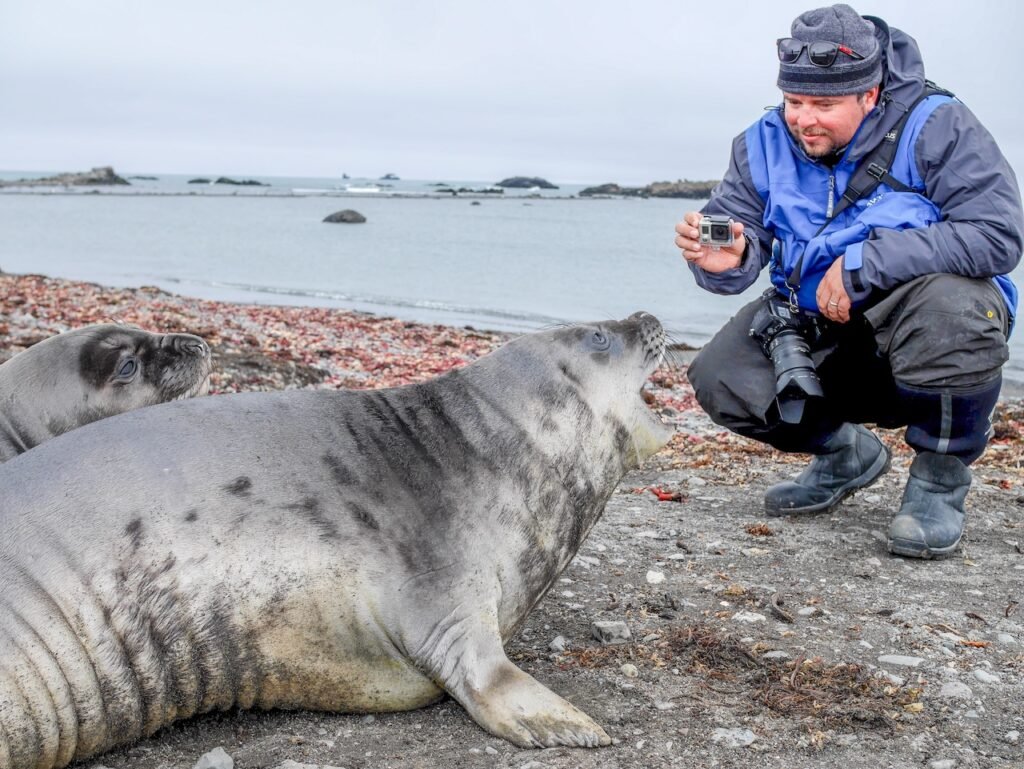
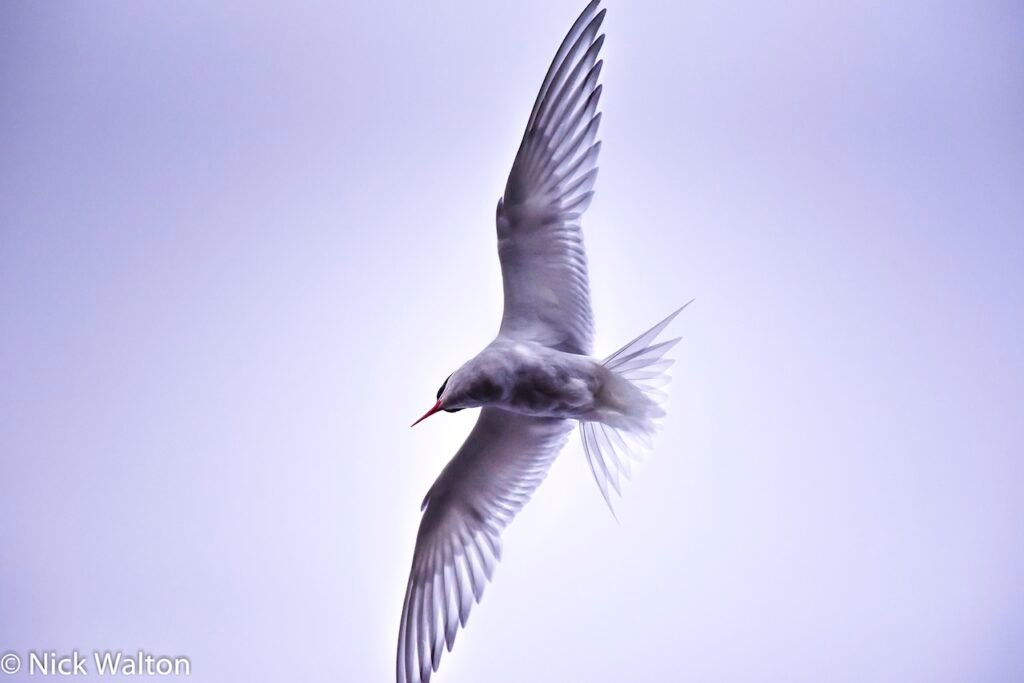
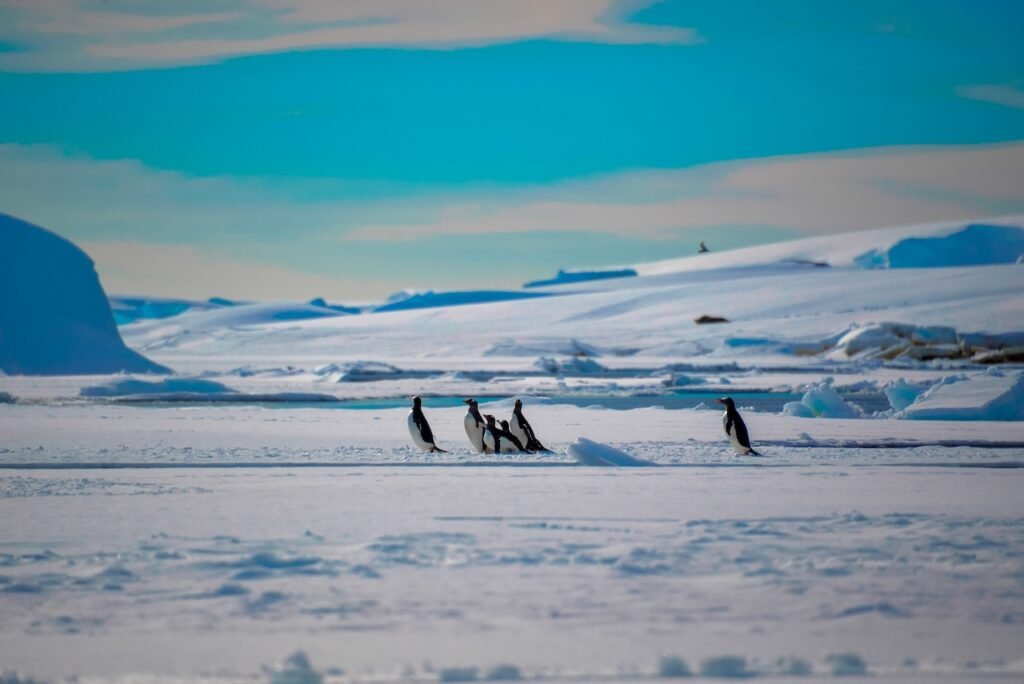
The wildlife of Antarctica is extraordinary in its abundance and its fearlessness. Penguins — four, five, six species depending on your itinerary — have never learned to fear humans and will walk directly up to you on a beach, peer curiously at your boots, and go about their business entirely unconcerned by your presence. Leopard seals loll on ice floes within metres of your Zodiac. Humpback whales lunge-feed in the bays through which you pass. Wandering albatrosses, with wingspans exceeding three metres, glide alongside the ship for hours.
If genuine, close-proximity wildlife encounters in a natural setting are among the most meaningful travel experiences you can imagine, Antarctica may render everywhere else insufficient.
You are Intellectually Curious About the Natural World and its History
The expedition team aboard a quality Antarctic cruise — typically comprising marine biologists, glaciologists, ornithologists, polar historians, and veteran guides — transforms the experience from remarkable sightseeing into genuine learning. You’ll understand, by the end of your voyage, how glaciers move and why they calve. You’ll know the difference between an Adélie and a chinstrap penguin and understand why their ranges differ. You’ll have sat in a lecture about Shackleton’s extraordinary 1914 survival story and then stood, the following morning, on the very ice through which Endurance was crushed.
This combination of intellectual engagement and physical immersion is rare in travel, and irresistible to the right kind of mind.
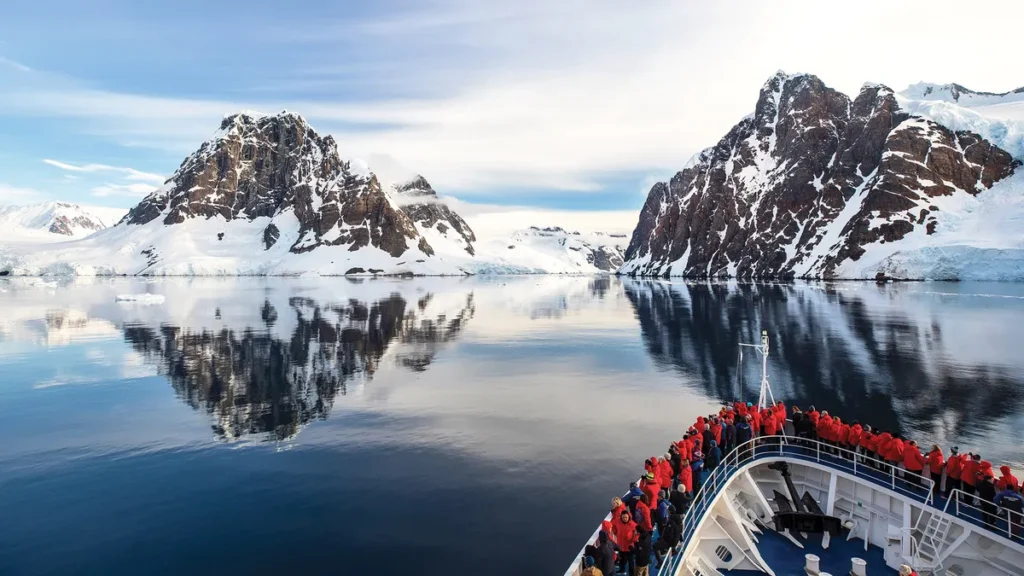
You Appreciate How Exclusivity is Defined by Access Rather than Amenity
Antarctica receives fewer than 80,000 visitors per year — a fraction of the number who visit a single European city in a single weekend. Its rules, enforced by the International Association of Antarctica Tour Operators (IAATO), are strict: no more than 100 people ashore at any site at one time, no approaching wildlife within five metres, no removing anything from the environment.
These restrictions exist to protect the continent, and they create a kind of travel that feels genuinely privileged — not in the sense of expensive, although it is, but in the older sense: a rare opportunity extended to a small number of people, with the responsibility that entails.
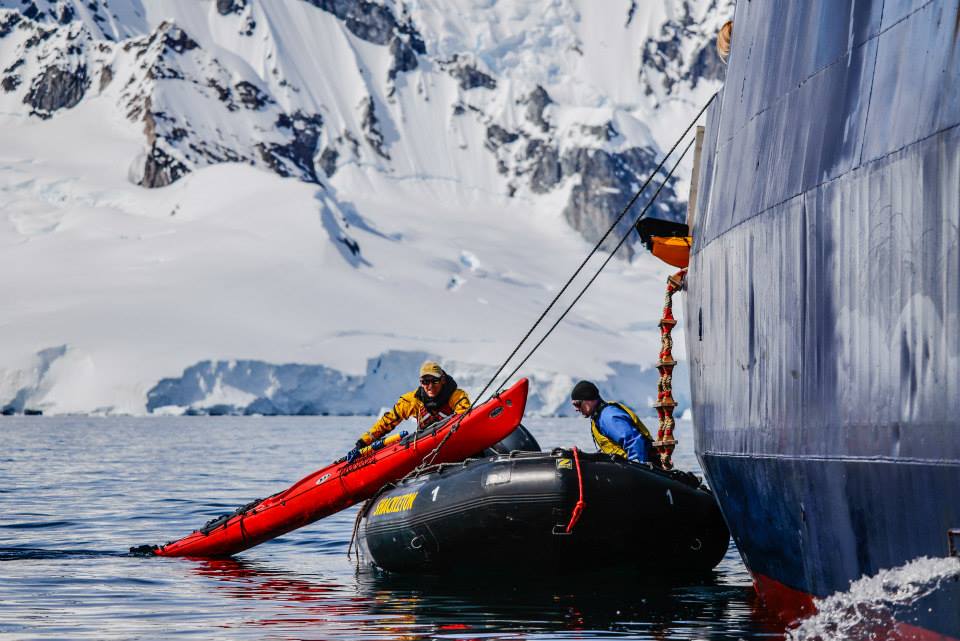
You’re Ready to be Humbled
For me, this is, perhaps, the quality that most reliably predicts a profound Antarctic experience. The travellers who describe the voyage as life-changing are almost always those who arrived with genuine openness, to discomfort, to uncertainty, to being made small by something incomprehensibly large. Antarctica does not reward the traveller who wants to consume it. It rewards the one who is willing to be consumed by it.
The Honest Reservations — And How to Think About Them
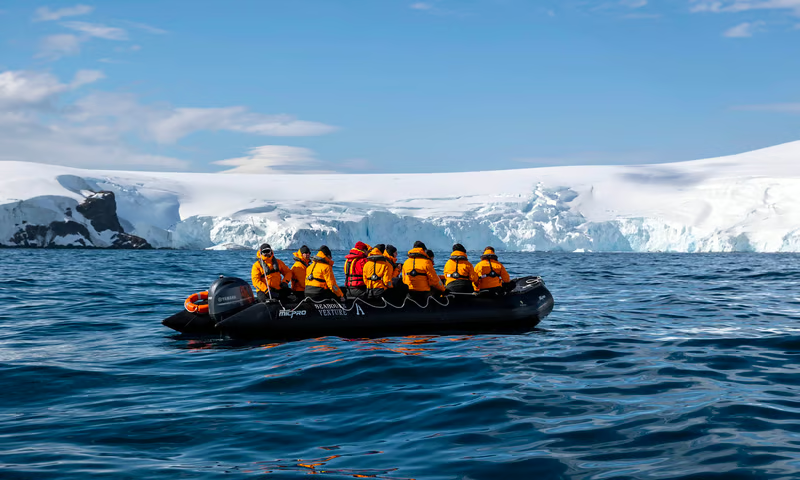
An Antarctica cruise is an unforgettable experience, but it’s not for everyone. For most travellers, the journey begins far from the ice, and can get a little rough along the way. Here are some of the considerations before you book.
“I’m worried about the Drake Passage crossing.”
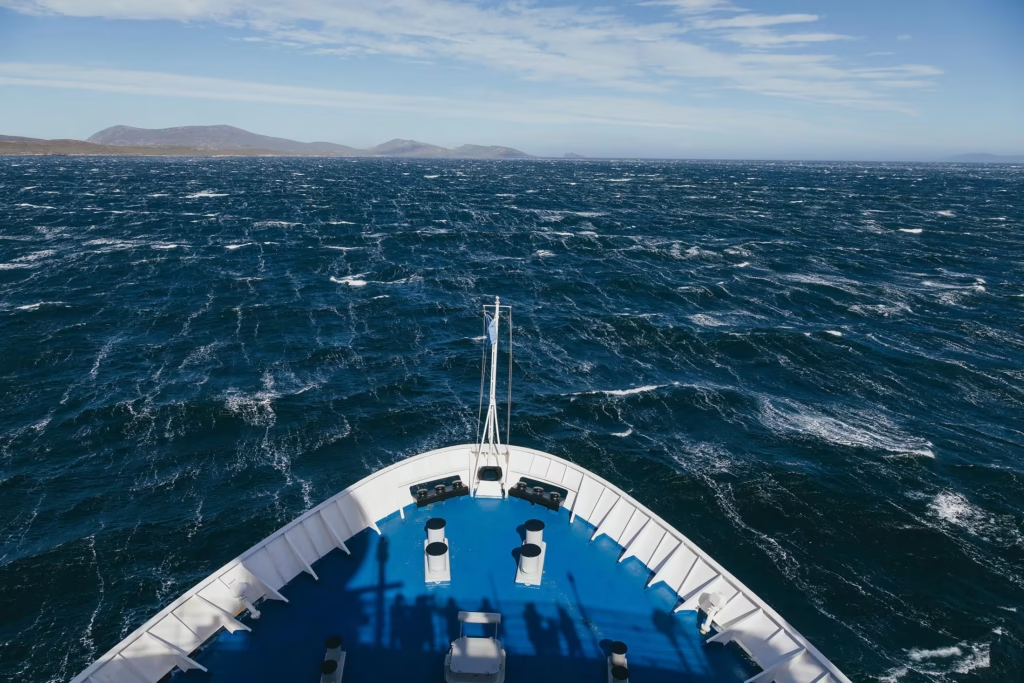
You should take this seriously, because the Drake Passage is genuinely formidable (like seatbelt yourself into bed serious) and affects most travellers to some degree. Seas of four to six metres are common; ten-metre swells are not unknown. Modern expedition vessels — particularly the newer purpose-built ships like Scenic Eclipse, Seabourn Venture, and Silversea’s Silver Endeavour — are equipped with stabilisers, and ice-class hulls that manage the crossing considerably better than older vessels.
However, most travellers find that they adapt to the motion within 24 hours, and the crossing itself carries a romance and significance that many retrospectively describe as part of the experience.
If you have a history of severe seasickness, the prospect of rough water fills you with genuine dread rather than mild apprehension, or you’re tight for time, the fly-cruise option is worth serious consideration. It sacrifices the Drake but delivers you directly to the continent, and the experience there is in every way equivalent.
“Is it physically demanding?”
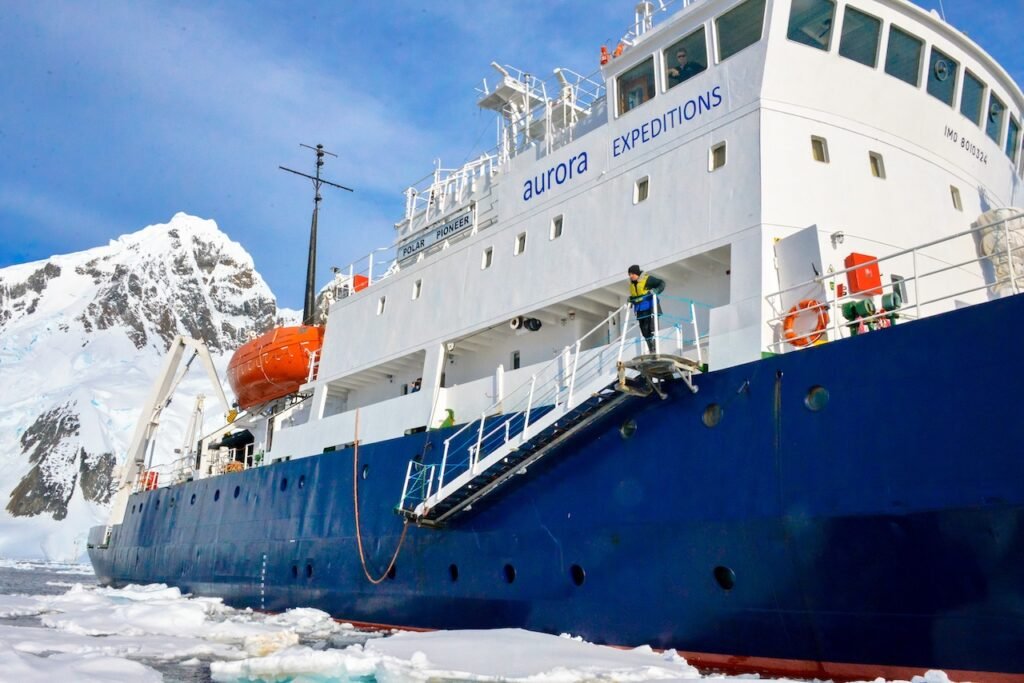
I would say more so than a conventional cruise, less so than anything that would be described as adventure travel. Zodiac boarding requires stepping into a moving inflatable boat, sometimes in swell, always while wearing rubber boots and a life jacket. Landings involve stepping onto uneven, sometimes slippery terrain, from a penguin beach or rocky outcropping to a snowfield.
Optional activities such as kayaking, snowshoeing, and polar camping involve greater physical commitment. None of it requires unusual fitness (you don’t need to train like an Ironman), but it does require a degree of physical confidence and mobility. Most operators have a minimum mobility requirement and are open about what each activity involves; discuss your specific situation with them honestly before booking.
“Will the weather ruin my plans?”
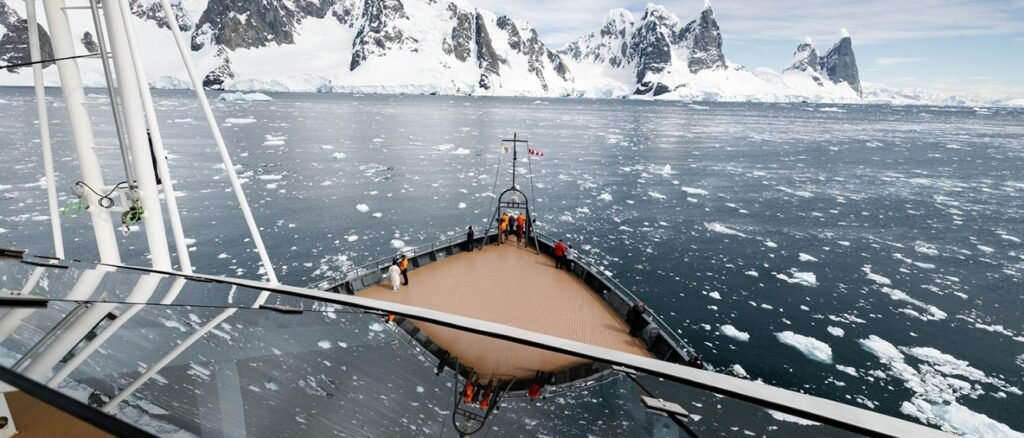
Weather is the governing force in Antarctica, and you will need to make peace with this before you go. No itinerary is guaranteed. A landing that was planned for the morning may be cancelled due to wind; a site that appeared on no schedule may become accessible unexpectedly when conditions shift.
Experienced Antarctic travellers almost universally describe this uncertainty as part of what makes the continent feel genuinely wild rather than managed — the element of the unknown is inseparable from the experience of a place where nature, not tourism, is in charge.
What you can be confident of is that your expedition team will maximise every possible opportunity and that the overall quality of the experience is rarely diminished by weather-related changes. Flexibility, both logistical and psychological, is the most useful thing you can bring aboard.
“How do I choose between operators?”
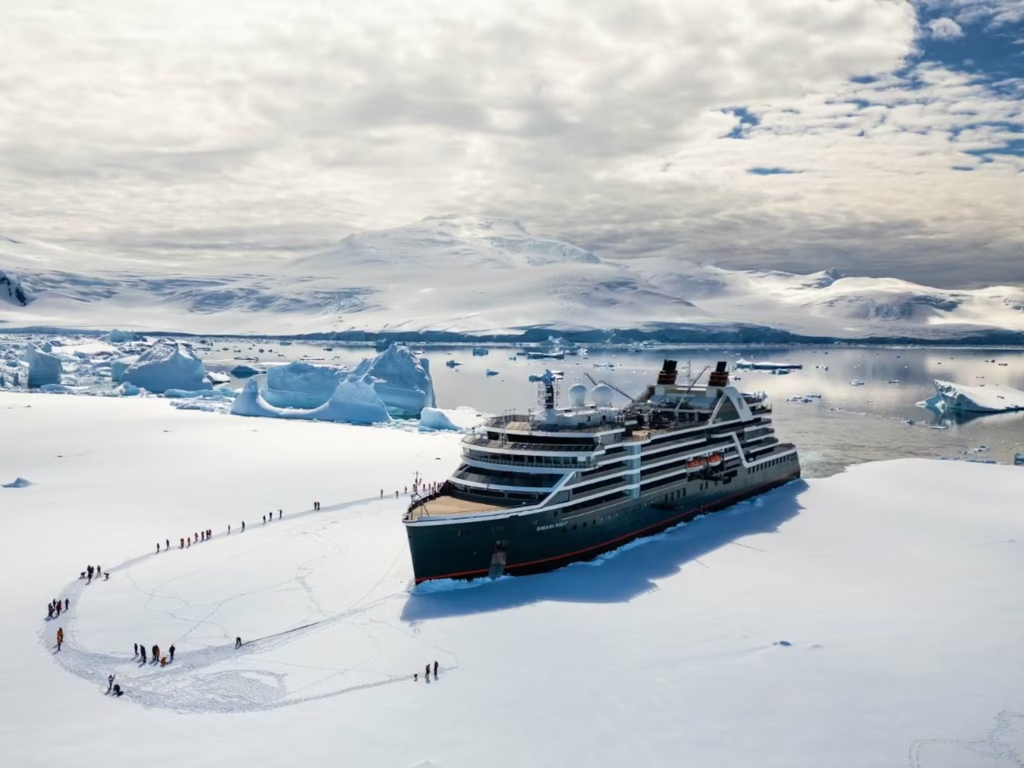
The range is significant. At the ultra-luxury end, Silversea‘s Silver Endeavour — which from 2026 departs from the new Cormorant at 55 South hotel in Puerto Williams — offers all-suite accommodation, four restaurants, and a near one-to-one crew-to-guest ratio. Scenic’s Scenic Eclipse carries just 200 guests and offers up to ten dining venues, two onboard helicopters, and a submersible for underwater exploration. Seabourn‘s Seabourn Venture and Seabourn Pursuit (above) deliver the line’s signature yacht-like luxury with exceptional cultural programming and an included expedition parka. Ponant‘s Le Commandant Charcot is the world’s only luxury polar icebreaker, capable of reaching the Weddell Sea and multi-year ice that no other passenger vessel can access.
For those prioritising expedition depth over resort-level amenity, Aurora Expeditions, Quark Expeditions, and National Geographic-Lindblad Expeditions have decades of polar expertise and naturalist programmes widely considered the finest in the industry.
The right vessel depends on what you value most: the scale of onboard amenity, the depth of the expedition programme, the remoteness of the itinerary, or the size and intimacy of the group. A specialist polar travel advisor is genuinely invaluable here — these are complex, high-stakes bookings that reward expert guidance.
“Is it worth the cost?”
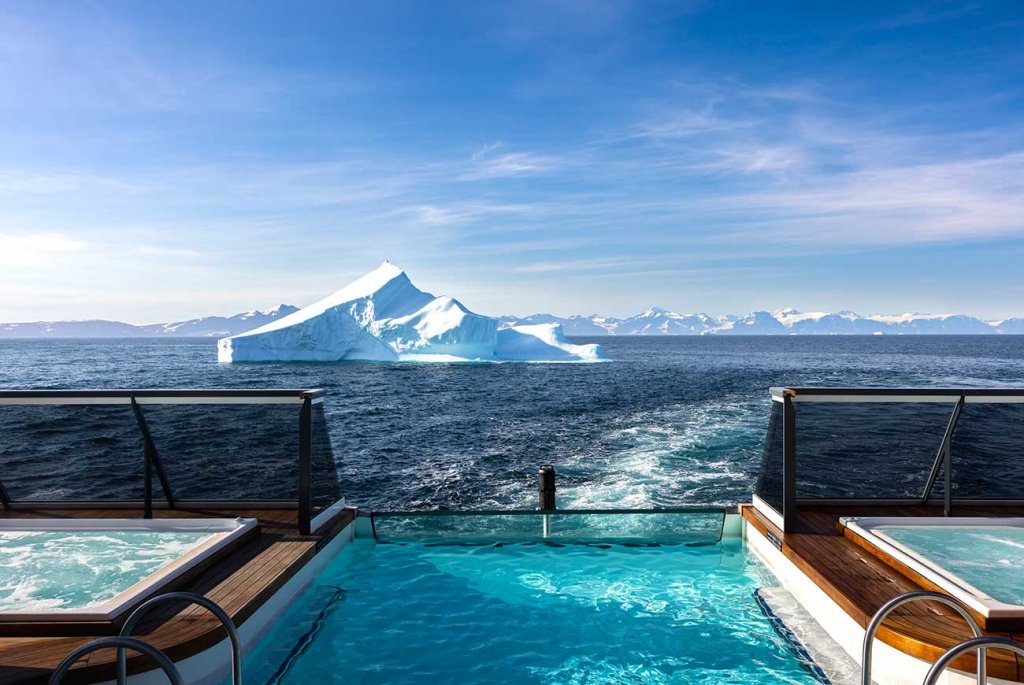
This is a major consideration, even for luxury travellers, An Antarctic expedition cruise is one of the more significant investments available in travel. Prices at the luxury end begin at approximately US$13,000–$15,000 per person for a standard Antarctic Peninsula voyage, rising to US$25,000 and beyond for premium suites, longer itineraries, and the most exclusive operators. On an all-inclusive fare, this includes excursions, equipment, lectures, all meals and beverages, and in many cases pre- and post-cruise accommodation.
The more relevant question, for most travellers seriously considering this journey, is not whether it is worth the money but whether they’re ready. Those who go unprepared — who have not researched the experience, who arrive without genuine curiosity or openness — occasionally find it less transformative than they expected. Those who arrive ready almost universally describe it as the most significant travel experience of their lives. The investment, for them, is not the issue. The timing is.
Practical Things Worth Knowing
When to Book
Book 12-18 months in advance as the best suites on the most sought-after Antarctic departures — particularly holiday sailings over Christmas and New Year, and any voyage to South Georgia — sell out a year or more before departure. If Antarctica is on your list for the 2026–27 season, the time to act is now.
Fly or Cruise the Drake?
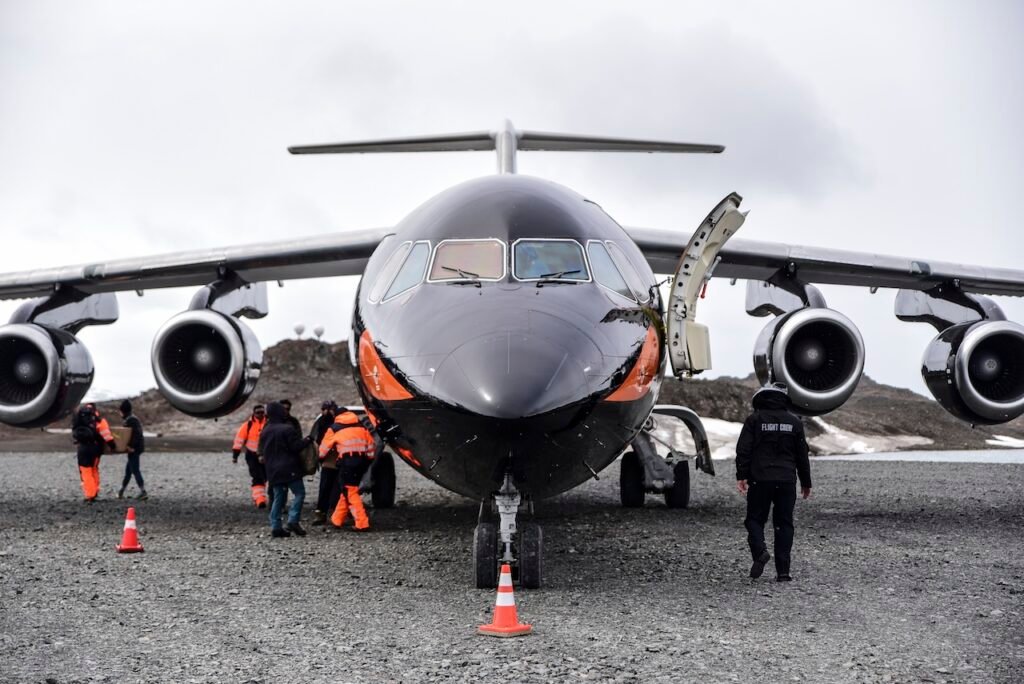
Decide early: Drake crossing or fly-cruise. This is the first and most significant planning decision. The Drake crossing adds approximately four days to the voyage (two each way) and the attendant sea conditions. The fly-cruise eliminates this entirely, beginning your expedition immediately on arrival at King George Island. Each approach has passionate advocates. The right choice depends on your relationship with open-ocean sailing.
Make the Most of It
Extend to South Georgia if you can. South Georgia (one of my most memorable destinations) is, by near-universal agreement among Antarctic veterans, the most extraordinary wildlife destination on the planet — an island of vertiginous mountains and glaciers hosting millions of penguins, tens of thousands of elephant seals, and vast colonies of wandering albatrosses.
Adding South Georgia to an Antarctic Peninsula voyage typically adds five to seven days and considerable cost. Those who have done it describe it, consistently, as the highlight of the entire trip.
Combine Destinations

Arrive in your departure city a day or two early. Ushuaia, Punta Arenas, and other southern departure ports are at the operational mercy of weather, and delayed arrivals due to missed connections or disrupted flights can result in missing your ship.
Building in buffer time is not optional; it is basic insurance for a voyage of this significance. However, it’s also a chance to explore a different culture before you depart.
What to Pack

Pack correctly, and take the briefings seriously. Your operator will provide detailed packing guidance, and following it matters. Layering is everything in Antarctica — temperatures can shift dramatically within a single day. Most luxury operators provide a high-quality expedition parka (I still have my first one, above); you will need to supply the rest.
The pre-departure biosecurity briefing — in which every piece of clothing and gear is checked and cleaned to ensure you carry no foreign seeds, insects, or pathogens onto the continent — is a legal requirement and a serious responsibility.
Antarctica’s ecosystem is extraordinarily fragile; the protocols that protect it are not bureaucratic inconveniences but genuine conservation measures.
The Question Beneath the Question
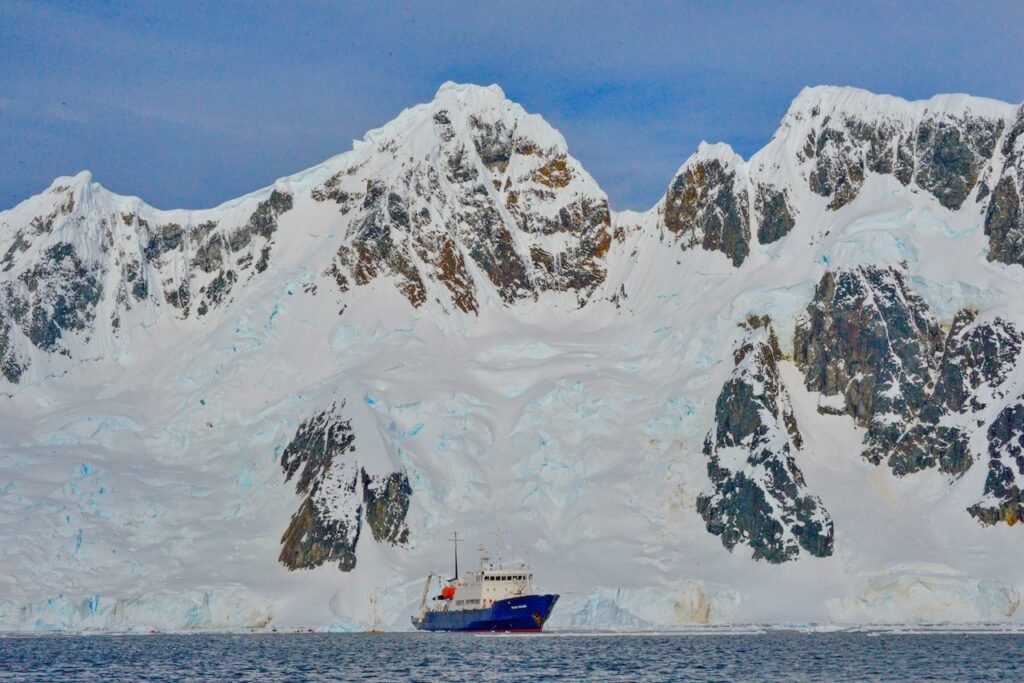
There is a reason that almost every traveller who has been to Antarctica speaks about it differently from the way they speak about anywhere else. It is not simply that it is beautiful, though it is, almost beyond the capacity of photography to convey. It is not simply that it is remote, though it is more remote than almost anywhere a civilian can reach. It is something more particular, and harder to name.
Antarctica is the only place on earth that belongs, genuinely and legally, to no one. It has no government, no permanent residents, no economy, no history of human habitation. It has been protected from exploitation by international treaty since 1959. It is, in the most literal sense, a common inheritance, something the entire species holds in trust, and to which each of us has an equal and abstract claim. To visit it is to become, briefly, a steward rather than a consumer of the world; to see something that has not been shaped by human ambition or altered by human use.
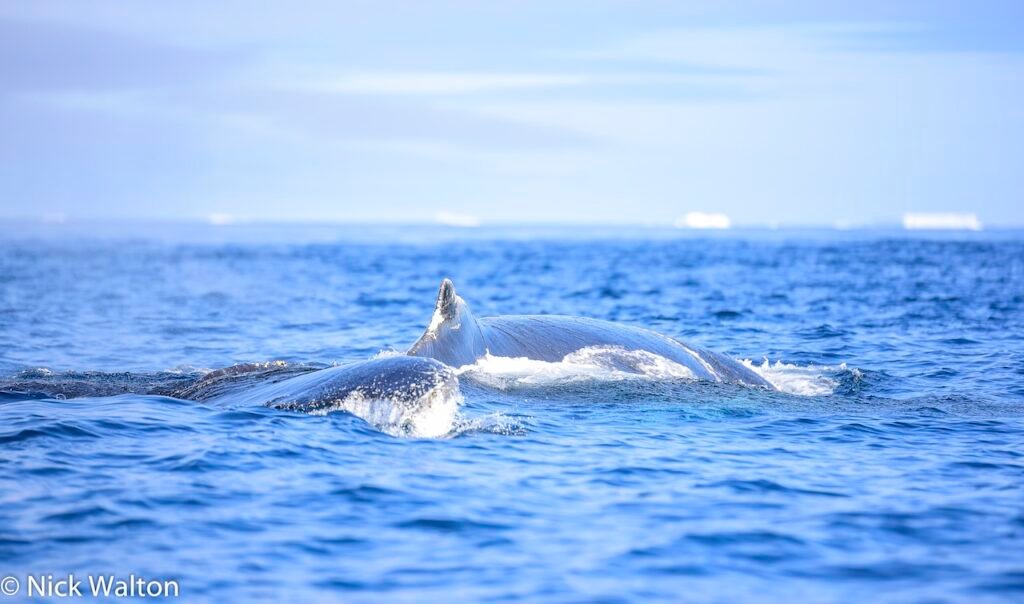
That experience does something to people. It’s difficult to stand in Antarctic silence, watching a glacier calve into water that has never been polluted, and return home unchanged. Travellers come back with a different sense of scale — of their own lives, of the planet’s fragility, of the extraordinary privilege and responsibility of existing on earth at this moment, when such places still exist and can still be reached.
Is an Antarctic expedition cruise for you? Only you can answer that. But if the idea of standing at the edge of the seventh continent, smaller than you have ever felt and more alive than you have felt in years, calls to something in you — that is probably your answer.
If you’re contemplating a polar cruise, check out our guides to Arctic expedition cruises, Antarctic expedition cruises, and the best expedition cruise destinations and cruise lines, as well as a few that have strong green credentials. Also, don’t forget to brush up on your polar photography and polar videography skills, and to pack the polar essentials with our in-depth guides.