
Spain is a fantastic destination, and one of colour, culture, history and diversity. Explore the nation’s ever-changing landscapes with this guide to Spain’s best travel regions.
Spain is not really one country but seventeen. Formally structured as seventeen autonomous communities (comunidades autónomas), the nation encompasses landscapes, languages, cuisines and cultures so distinct from one another that moving between regions can feel like crossing international borders.
The green, rain-washed Atlantic coast of Galicia and the sun-bleached desert terraces of Almería are both Spain, separated by the length of the peninsula. So are the Baroque grandeur of Seville and the futuristic titanium curves of the Guggenheim Bilbao, the Roman aqueduct of Segovia and the volcanic moonscape of Lanzarote, the pintxos bars of San Sebastián and the rice fields of Valencia’s Albufera wetlands.
This variety is Spain’s greatest gift to travellers, and its greatest navigational challenge. Understanding what each region offers, and where it sits in relation to the others, is the essential first step in planning any trip.
This guide covers all seventeen autonomous communities, grouped by geography and character, as a practical framework for deciding where to go and — just as importantly — why.
Andalucía
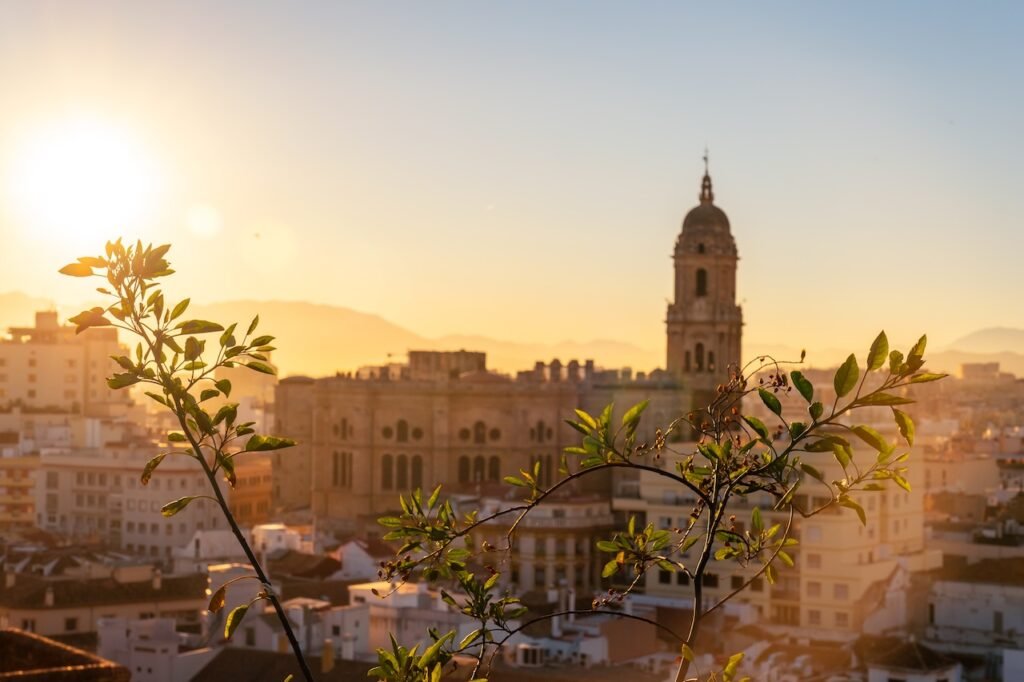
Andalucía embodies the passionate soul of southern Spain. From the majestic Alhambra and sun-bleached white villages to fiery flamenco, world-class sherry, and golden Mediterranean coastlines, this region delivers timeless beauty, rich history, and effortless style in abundance.
Location: Andalucía is located in the south of Spain, and stretches from the Portuguese border in the west to the Mediterranean coast in the east, with the Sierra Nevada mountains rising behind the coast and the Guadalquivir river valley at its heart.
Andalucía is the Spain of the collective imagination: flamenco, sherry, Moorish palaces, white hilltop villages, flaming orange sunsets over the Atlantic. The largest of Spain’s regions by area, it encompasses eight provinces and an extraordinary range of landscapes and cities, each with a distinct personality. It is also the region most shaped by its Moorish past — for nearly eight centuries, much of Andalucía was under Islamic rule, and the legacy of that era is written into the architecture, the food culture, the very street plans of its greatest cities.
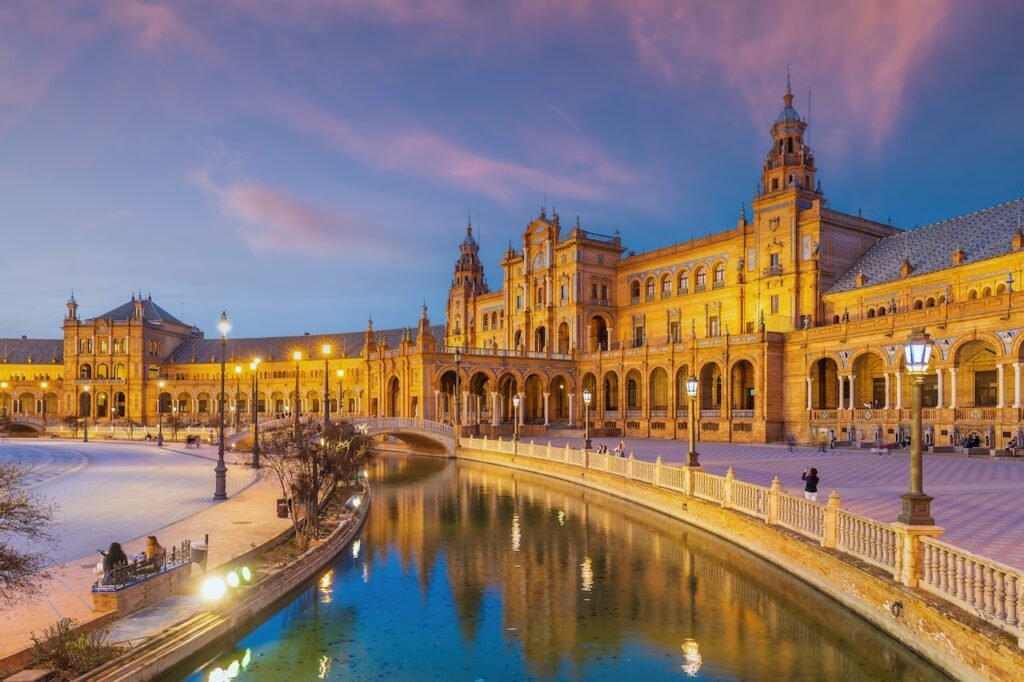
Seville (above), the regional capital, is one of the most beautiful cities in Europe: its Gothic cathedral (the largest in the world) houses Columbus’s tomb; the adjacent Giralda tower began as a 12th-century minaret; the royal Alcázar palace is a dizzying layering of Moorish, Mudéjar and Renaissance decoration that took centuries to build.
The city hosts Semana Santa (Holy Week) — arguably the most extraordinary public religious event in Europe, with elaborate processions through narrow streets for an entire week — and the Feria de Abril (below), a week-long festival of flamenco dresses, horses, sherry and dancing that is unmissable if your dates align.

Granada holds the Alhambra: the most visited monument in Spain and, on its best days, the most beautiful building in Europe. The Nasrid Palaces, with their honeycomb plasterwork, carved cedar ceilings and reflecting pools, are the summit of Moorish architectural achievement and should be booked months in advance.
Below the Alhambra, the Albaicín neighbourhood — a labyrinth of Moorish streets tumbling down the hillside — is a UNESCO World Heritage Site in its own right, best appreciated at dusk from the viewpoint of the Mirador de San Nicolás as the Alhambra turns amber across the valley.
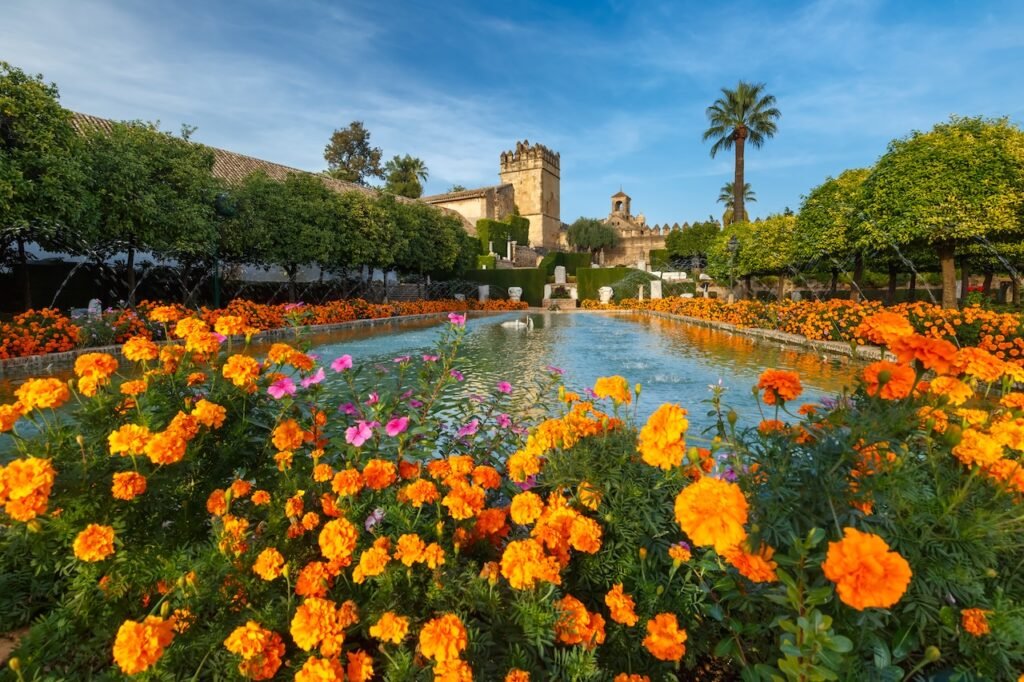
Córdoba‘s Mezquita — a great mosque converted into a cathedral, its forest of red-and-white striped horseshoe arches one of the most hypnotic interior spaces in the world — is the third jewel of Andalucían art. The surrounding old city, with its flower-filled patios (the annual Patio Festival in May is a highlight) and narrow whitewashed streets, is among the most photogenic in Spain.
Beyond the three great cities, Andalucía rewards exploration. The Sierra Nevada offers skiing in winter and hiking to Spain’s highest peak (Mulhacén, 3,479 m) in summer. The Costa de la Luz on the Atlantic coast — from Tarifa to Huelva, past the white town of Zahara de los Atunes and the dune landscapes of Doñana National Park — is the most dramatic and least developed coastline in southern Spain. The Sherry Triangle (Jerez, Sanlúcar de Barrameda, El Puerto de Santa María) is a particular favourite of mine and is one of the world’s great wine destinations.
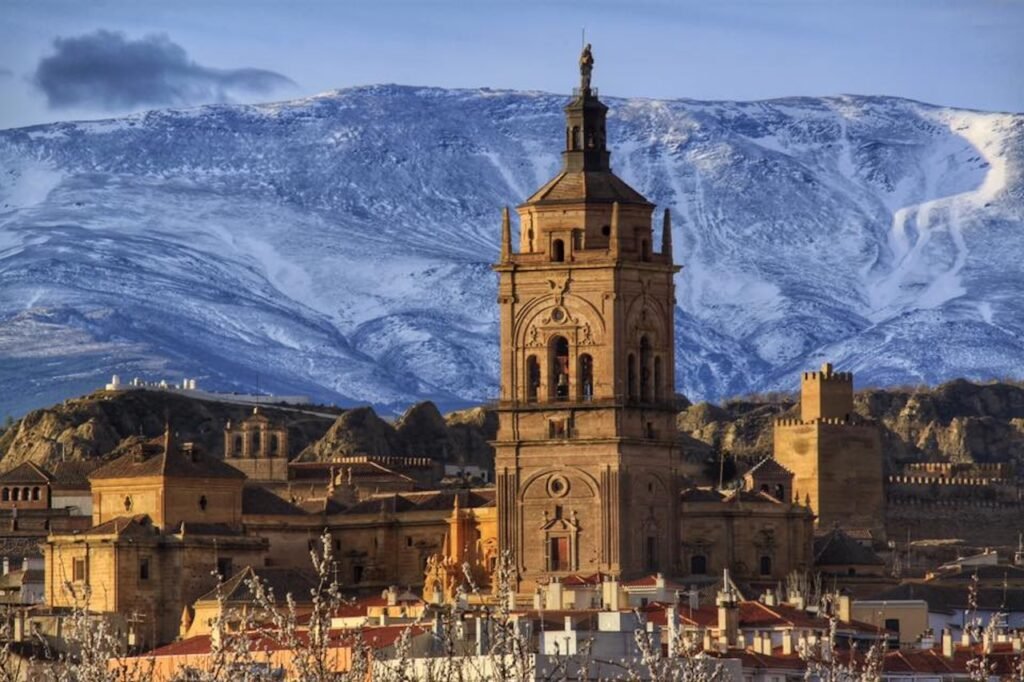
Don’t miss: The Alhambra (I’d suggest booking months ahead); Seville’s Semana Santa or Feria de Abril; the Mezquita in Córdoba; the white village (pueblo blanco) of Ronda; and sunset from the Mirador de San Nicolás in Granada – oh, and definately a glass of manzanillain Sanlúcar along the way.
Catalonia (Catalunya)
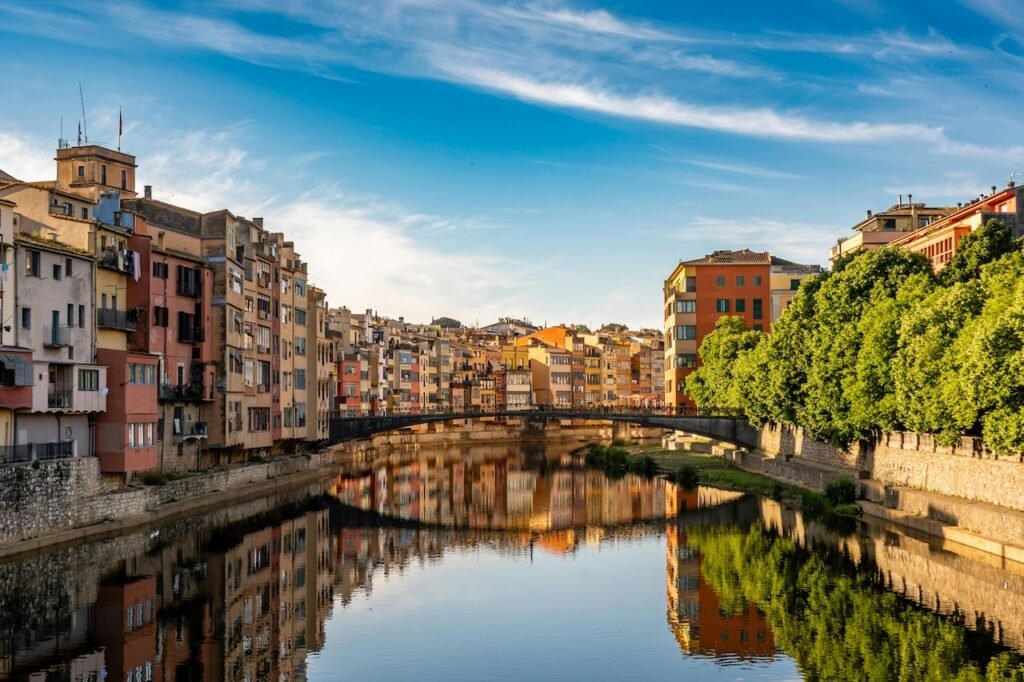
Catalonia delivers Spain’s most refined blend of culture and style. From Gaudí’s architectural masterpieces in Barcelona (one of my favourite foodie cities) to the dramatic Costa Brava coastline, world-class wines, and proud Catalan identity, it offers sophisticated travellers a perfect mix of creativity, gastronomy, and Mediterranean beauty.
Location: Catalonia is located in Northeastern Spain, bordering France and Andorra to the north and the Mediterranean to the east, with Barcelona at its centre.
Catalonia is Spain’s most economically powerful region and arguably its most culturally assertive, a place with its own language (català), its own distinct artistic tradition, its own food culture and a long-running political identity that sets it apart from the rest of the country.
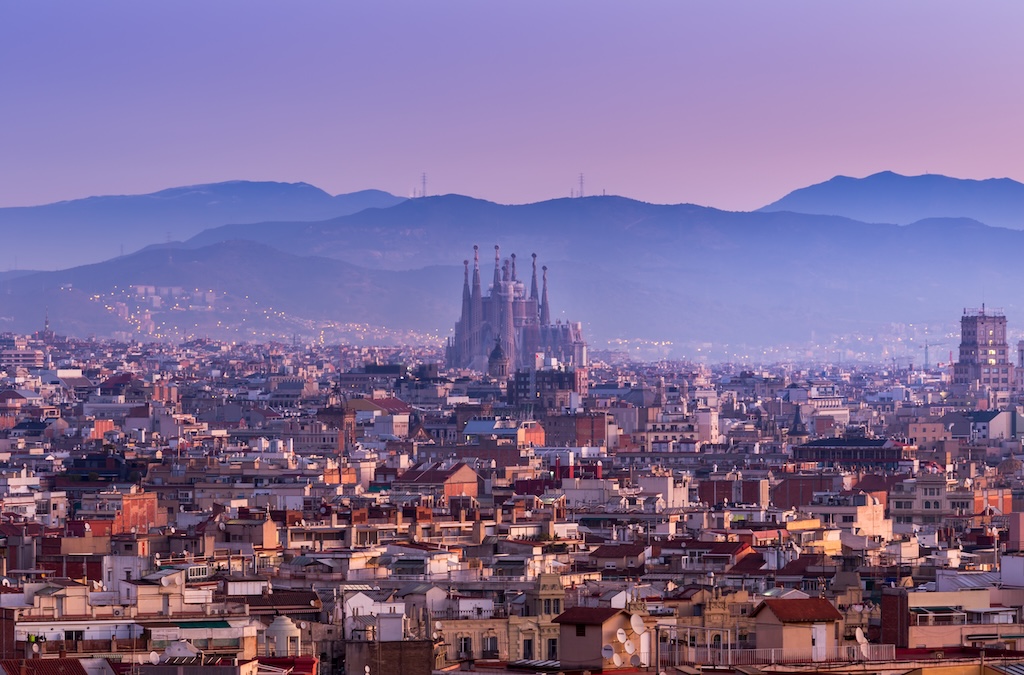
For travellers, it offers one of the richest concentrations of experiences in Europe: a world-class city in Barcelona, one of the great modernist architectural legacies anywhere, extraordinary Pyrenean scenery and a long, varied coastline stretching from the rugged Cap de Creus to the deltaic wetlands of the Ebro.
Barcelona is the entry point for most visitors and a city of inexhaustible interest. Antoni Gaudí’s Sagrada Família — the extraordinary basilica still under construction after nearly 150 years (althoguh they did recently finish the tallest spire) — is the most visited building in Spain and one of the most remarkable pieces of architecture in the world: its towers, its stained glass, its organic stone facades all deserve unhurried attention.
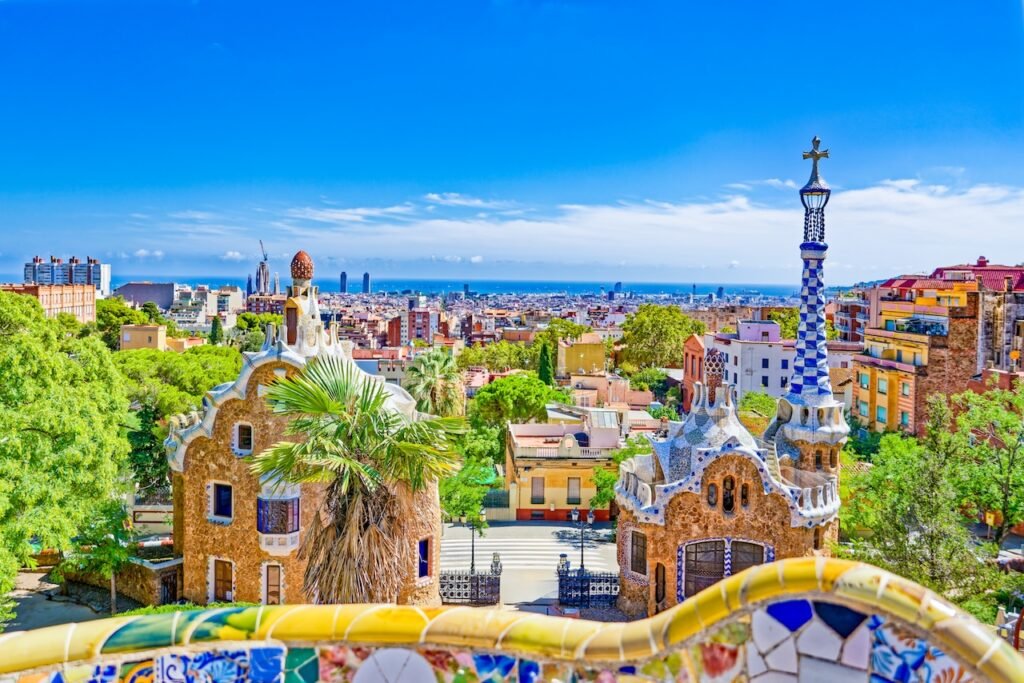
The rest of Gaudí’s legacy in Barcelona — Casa Batlló, Casa Milà (La Pedrera), Park Güell, Palau Güell — makes the city the world’s greatest open-air museum of Art Nouveau architecture. Beyond Gaudí, Barcelona offers the medieval Gothic Quarter, the Picasso Museum, the Fundació Joan Miró, the Boqueria food market, Las Ramblas, and a beach and waterfront culture that makes it unique among major European capitals.
Beyond Barcelona, Catalonia repays exploration. The Costa Brava — the rugged northern coastline between Blanes and the French border (below) — is one of the most beautiful Mediterranean coasts in Spain, its rocky coves, hidden inlets and fishing villages (Cadaqués, Calella de Palafrugell, Llafranc) far more atmospheric than the resort coasts further south.
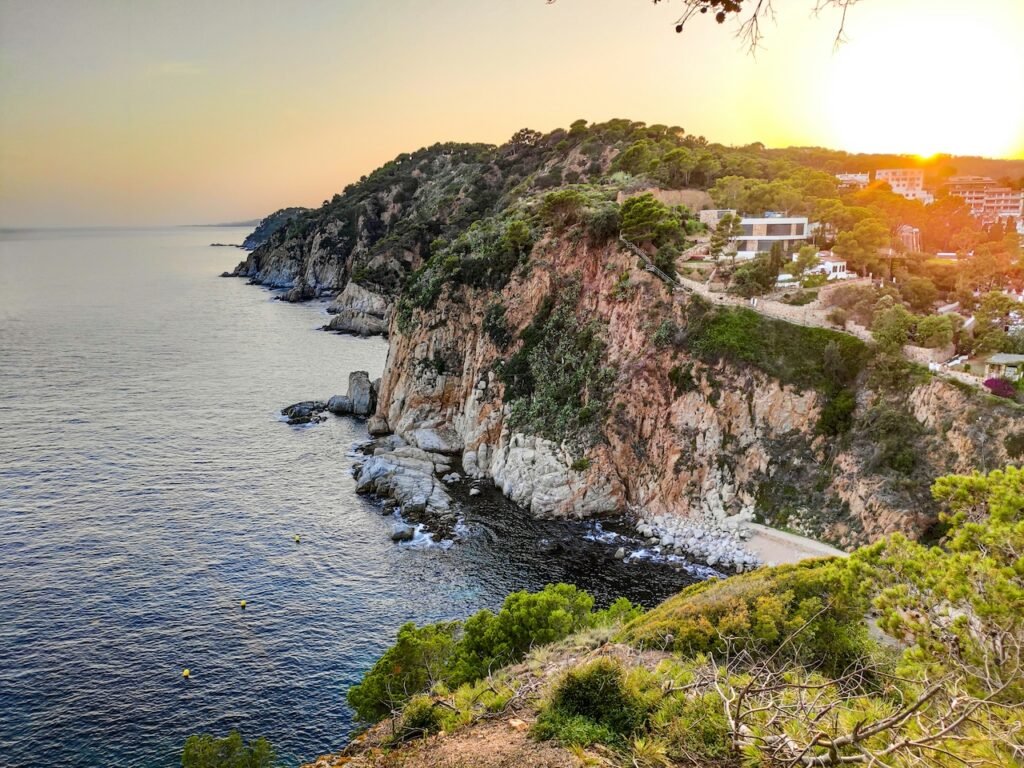
The Dalí Triangle — the Dalí Theatre-Museum in Figueres, his house in Cadaqués and the Gala Dalí Castle in Púbol — forms one of the most imaginative and personal museum circuits in Europe. The Pyrenees of Catalonia, particularly around the Vall d’Aran and the Aigüestortes i Estany de Sant Maurici national park, offer magnificent mountain landscapes.
Don’t miss: Sagrada Família (the main structure of which was finally finished in early 2026) and Gaudí’s other Barcelona works; a walk through the Gothic Quarter; the Picasso Museum; the Costa Brava fishing villages; the Dalí Theatre-Museum in Figueres; and a day trip through the Pyrenean valley of Vall d’Aran.
The Basque Country (Euskadi)
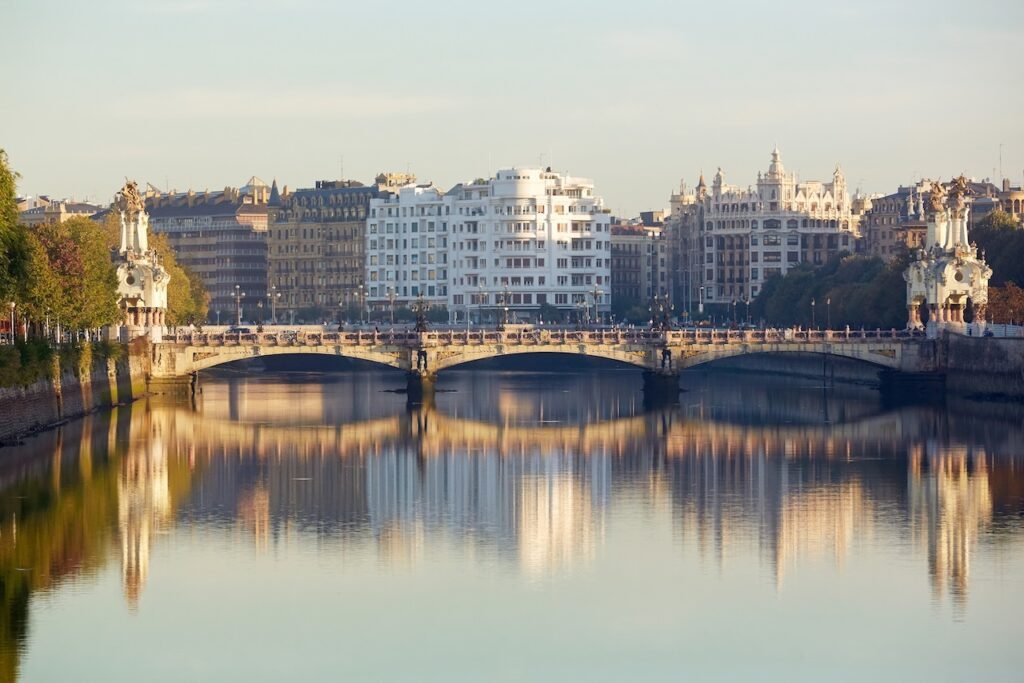
The Basque Country entices as one of the most dynamic Spanish destinations, where Bilbao’s Guggenheim, San Sebastián’s Michelin-starred gastronomy and dramatic Atlantic coastline deliver culturally rich, unforgettable experiences for discerning travellers.
Location: The Basque Country is located in Northern Spain, on the Bay of Biscay coast, bordering France and Navarra. The three Basque provinces are Vizcaya (capital Bilbao), Gipuzkoa (capital San Sebastián) and Álava (capital Vitoria-Gasteiz).
The Basque Country is the smallest and, per capita, the wealthiest region in Spain, and arguably the one that packs the most extraordinary concentration of experiences into the least space. In a region no larger than a small English county, you find what many food critics consider the best eating destination in the world (San Sebastián has more Michelin stars per capita than anywhere else on earth), one of the most celebrated art museums of the 20th century (the Guggenheim Bilbao, below) and a wild, dramatic coastline of surfing beaches and ancient fishing villages.
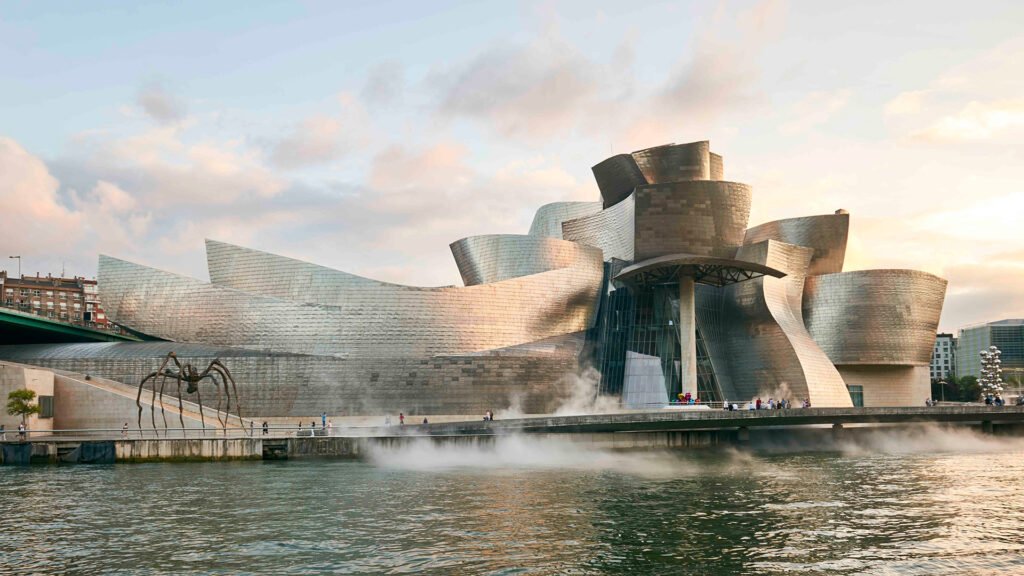
In addition, I find the Basque people to be among the most culturally fascinating in Europe; their language, Euskara, predates all known linguistic groups and has no established relatives anywhere in the world.
San Sebastián (Donostia in Basque) is a city of arresting physical beauty, its Belle Époque promenade curves along the Playa de la Concha, widely described as the most beautiful urban beach in Europe. The Parte Vieja (old town), with its extraordinary density of pintxos bars (the Basque Country’s answer to tapas — small, intricate bites assembled on slices of bread and displayed like works of art along every bar counter — is the most pleasurable food neighbourhood in Spain.
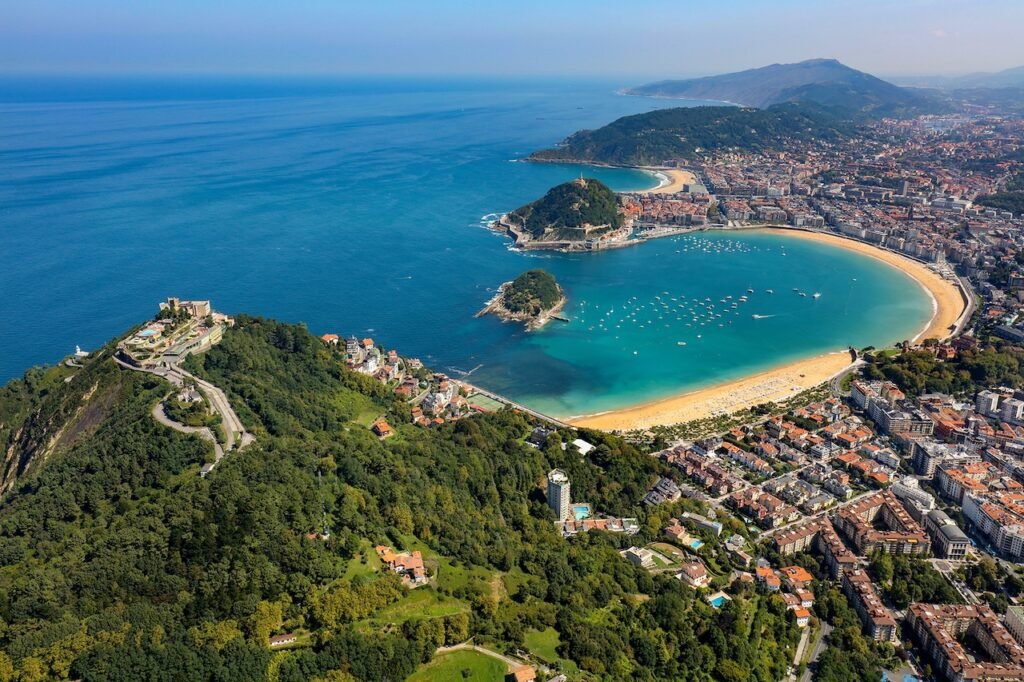
The Monte Igueldo funicular offers one of the finest views on the coast. Beyond the bar scene, San Sebastián has a cluster of Michelin-starred restaurants — including Arzak and Mugaritz — that attract serious food pilgrims from around the world.
Bilbao, once a gritty industrial port, transformed itself around the 1997 opening of Frank Gehry’s Guggenheim Museum — an event so culturally seismic that the “Bilbao Effect” entered urban planning vocabulary. The museum’s titanium-clad curves beside the Nervión River remain as thrilling today as when they were unveiled; inside, Richard Serra’s enormous The Matter of Time — eight monumental Cor-ten steel sculptures in a dedicated hall — is the most extraordinary work of art installed in any contemporary museum in Europe.
The restored Casco Viejo (old town) and the pintxos bars of the Siete Calles (seven streets) make Bilbao a destination in its own right.
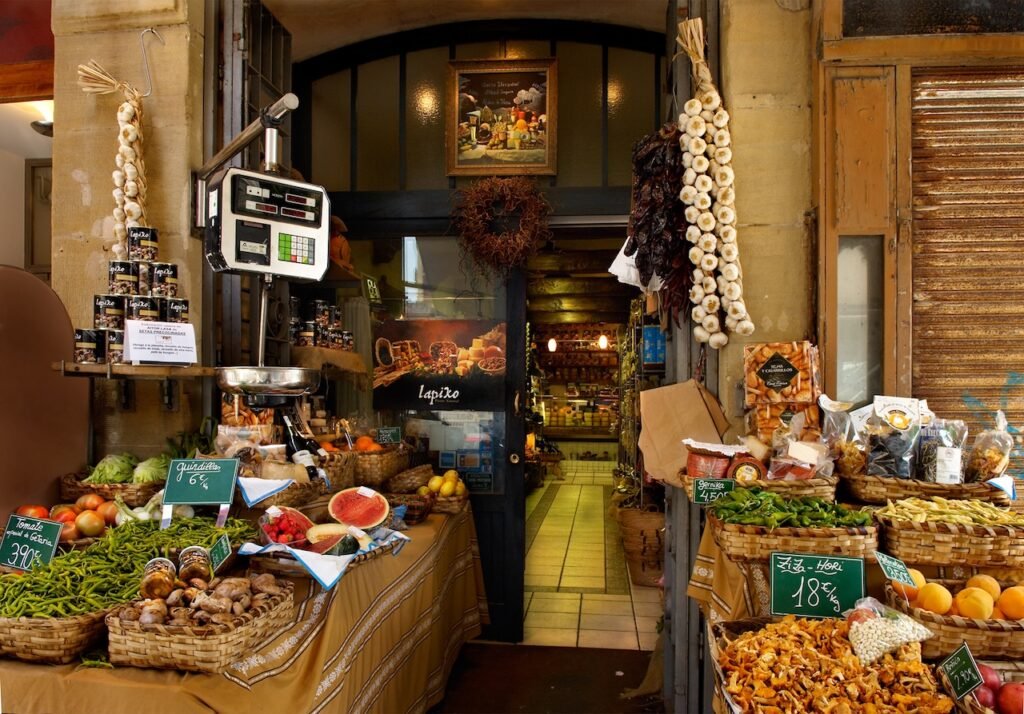
The Basque coastline between the two cities — a succession of dramatic cliffs, fishing villages and world-class surf breaks — is largely unexplored by visitors who travel directly between the two cities on the motorway, and rewards those who take the slower coastal route through Getaria, Zumaia and Ondarroa.
Don’t miss: Pintxos in San Sebastián’s Parte Vieja; the Guggenheim Bilbao; Playa de la Concha; the Casco Viejo of Bilbao; the coastal villages between the two cities; txakoli white wine and local cider.
Navarra
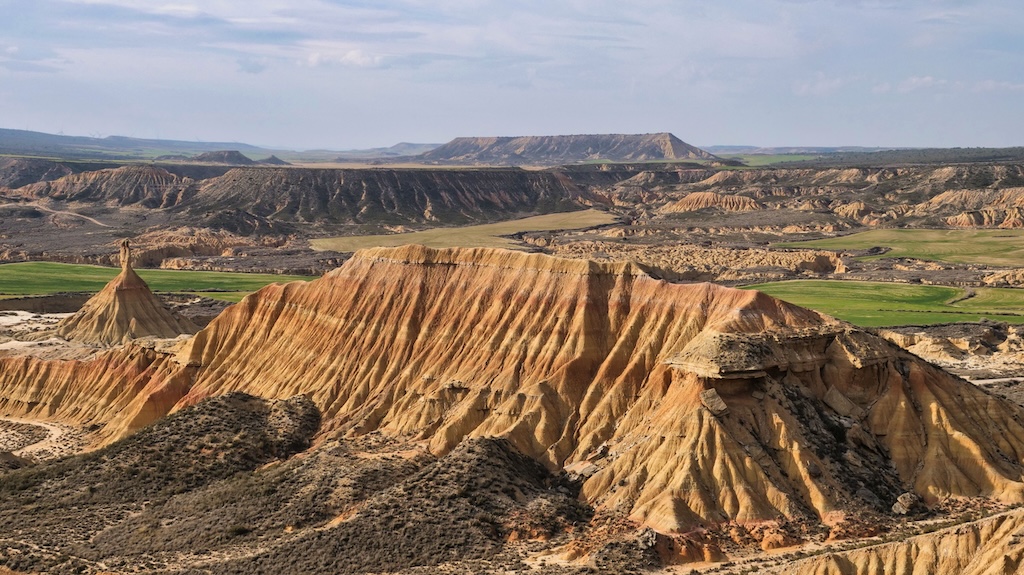
Navarra invites as a captivating Spanish destination, where Pamplona’s iconic festivals, world-class vineyards and dramatic Pyrenean landscapes blend history, gastronomy and outdoor adventure for discerning travellers.
Location: Located in Northern Spain, immediately east of the Basque Country and south of the Pyrenees, Navarra shares borders with La Rioja, Aragón and France.
Navarra is a region of remarkable geographical variety packed into a relatively compact territory: the Pyrenean peaks of the north give way to the wine valleys of the Navarran middle zone, and the south opens into the semi-desert bardenas reales, a lunar landscape of eroded clay pinnacles and flat-topped mesas that feels entirely unlike anywhere else in Spain.
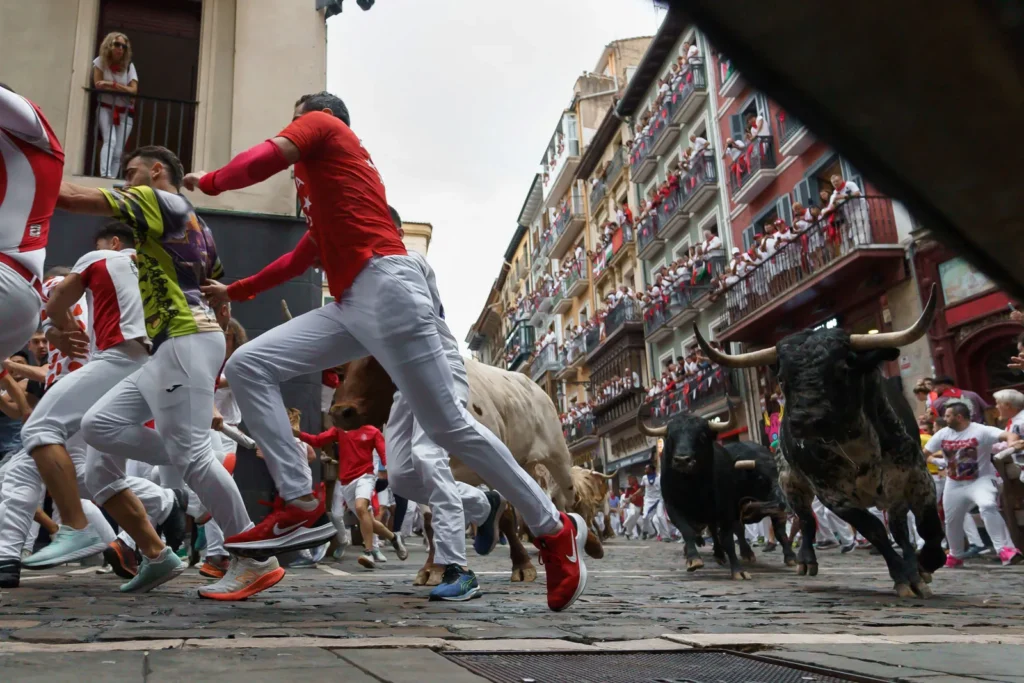
The region is most famous internationally for one week in July, when the city of Pamplona hosts the Festival of San Fermín (above) and its Encierro (Running of the Bulls), an event so embedded in global consciousness through Hemingway’s The Sun Also Rises that it has come to define the region for many travellers who have never been.
Pamplona is worth visiting even outside of San Fermín: a handsome, well-preserved medieval city with a complete ring of Renaissance-era fortifications, a Gothic cathedral and a civic culture that takes justified pride in its food and wine. The city’s old town, particularly the streets around the Plaza del Castillo, has an unhurried elegance that is entirely pleasant when not overrun by festival crowds.
Navarra is also one of the great stages of the Camino de Santiago — the pilgrim route enters Spain from France at Roncesvalles and crosses the entire region, through the medieval town of Puente la Reina and the wine villages of the Navarran Rioja, before entering the Basque Country.
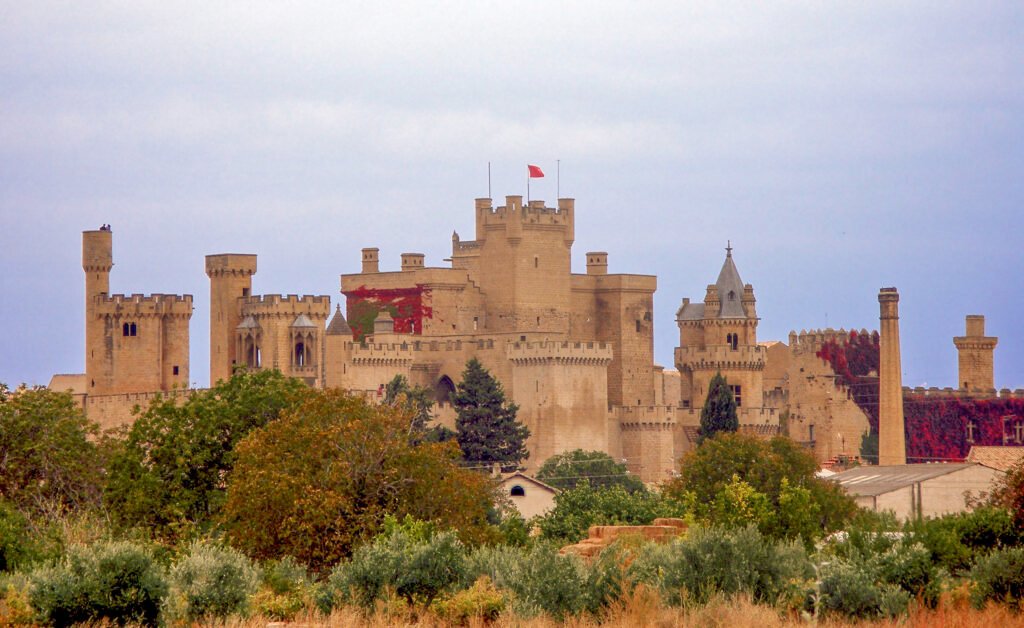
The Bardenas Reales, a protected biosphere reserve in the south of the region, is one of Spain’s most extraordinary and undervisited landscapes. Meanwehile, the medieval village of Olite, with its extravagant Gothic castle, is among the most romantic in northern Spain.
Don’t miss: You’ll love Pamplona’s old town and, if you’re feeling energetic, hiking the Camino de Santiago through Roncesvalles and Puente la Reina. Also don’t miss the Bardenas Reales desert landscape; the castle of Olite; and tastings of Navarran wines (particularly the reds of the Ribera Navarra appellation).
La Rioja
La Rioja entices as a world-renowned Spanish destination, where rolling vineyards, exceptional Rioja wines and historic monasteries offer immersive gastronomic and cultural journeys for discerning travellers.
Location: This pint-sized region in northern Spain is immediately south of the Basque Country, in the valley of the Ebro River.
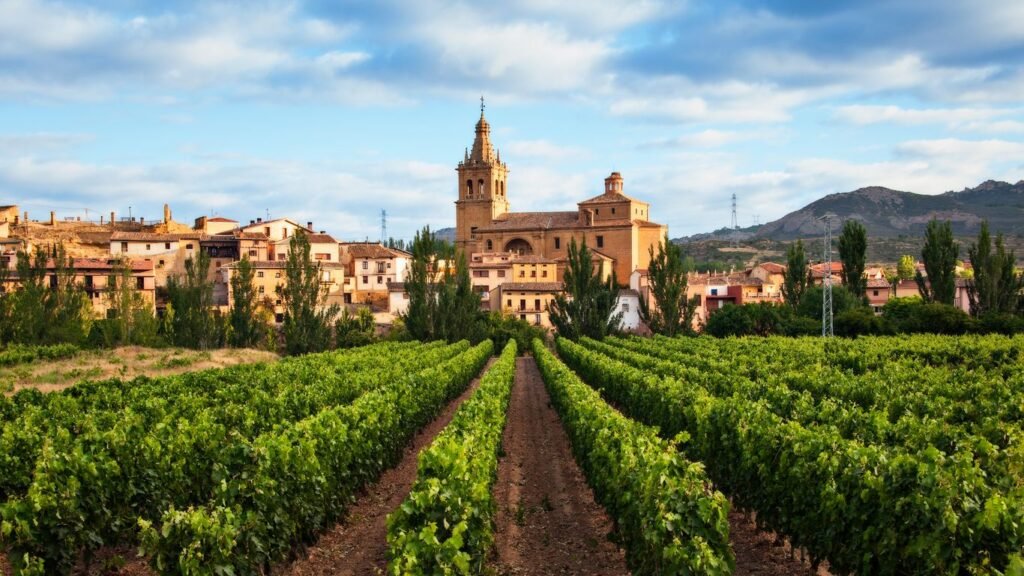
La Rioja is one of the smallest of Spain’s regions and, for travellers who love wine, one of the most important in the world. The Rioja wine appellation — covering most of the region and parts of Navarra and the Basque province of Álava — produces Spain’s most internationally celebrated red wines, based on the Tempranillo grape, with a tradition of barrel-ageing that gives its best wines an extraordinary complexity.
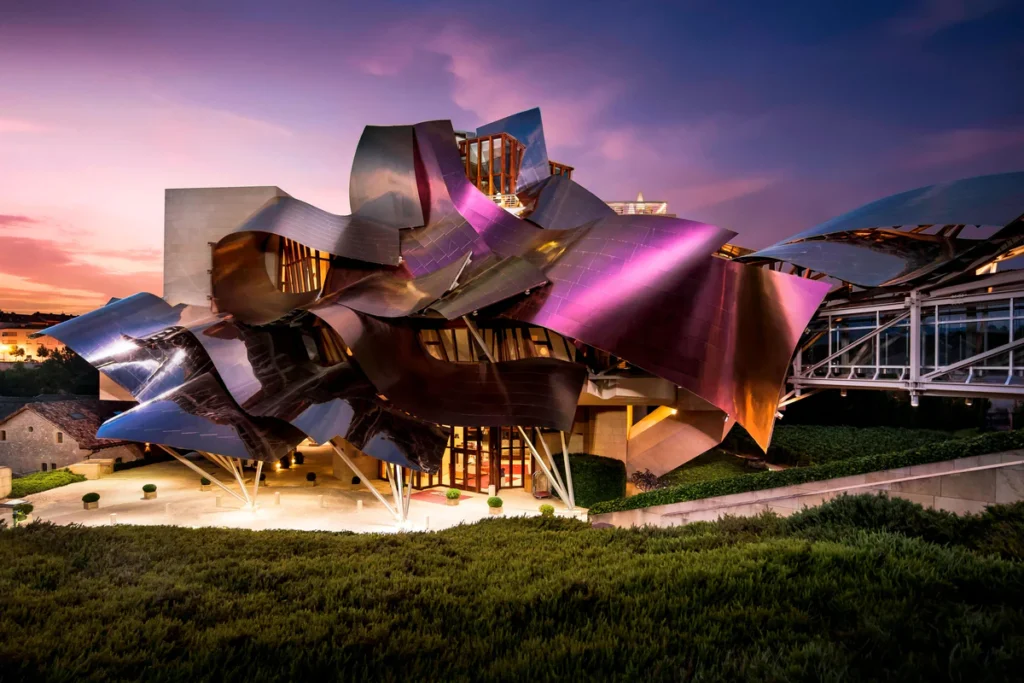
The landscape of rolling vineyard-covered hills, punctuated by small towns of golden stone and the occasional dramatic bodega by a star architect (Frank Gehry designed the Marqués de Riscal bodega in Elciego; Santiago Calatrava the Bodegas Ysios nearby), is one of the most quietly beautiful in Spain.
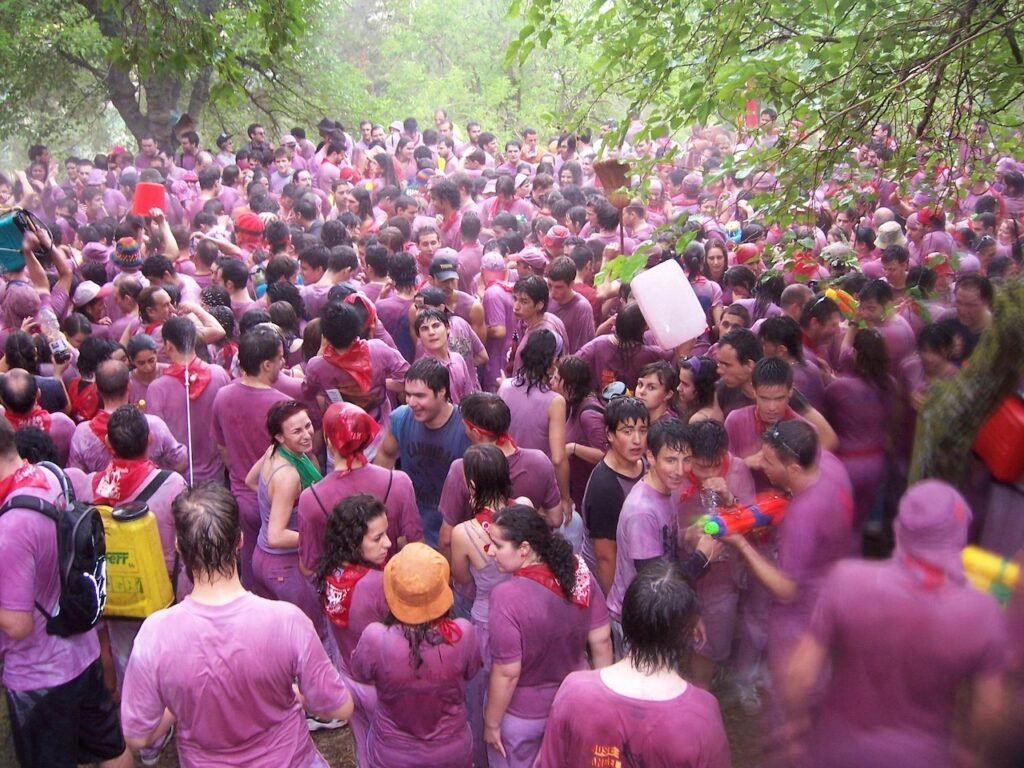
Logroño, the regional capital, is an underrated city whose Calle del Laurel — a short street lined on both sides with pintxos and tapas bars — is one of the great eating streets in Spain, less famous than San Sebastián’s Parte Vieja but comparable in quality and considerably more affordable. Meanwhile, the town of Haro, in the heart of the Rioja Alta wine zone, is the region’s wine capital (and home to the unforgettable Haro Wine Fight) with a concentration of historic bodegas (López de Heredia, CVNE, La Rioja Alta) that can be visited by appointment.
The San Millán de Cogolla Monasteries — the twin monasteries of Suso and Yuso, where the earliest written examples of the Castilian and Basque languages were found — are a UNESCO World Heritage Site of unusual literary significance.
Don’t miss: A bodega visit and tasting in the Rioja Alta; dinner on Calle del Laurel in Logroño; the Frank Gehry Marqués de Riscal hotel and winery (above); the monasteries of San Millán; and the serene medieval village of Laguardia.
Aragón
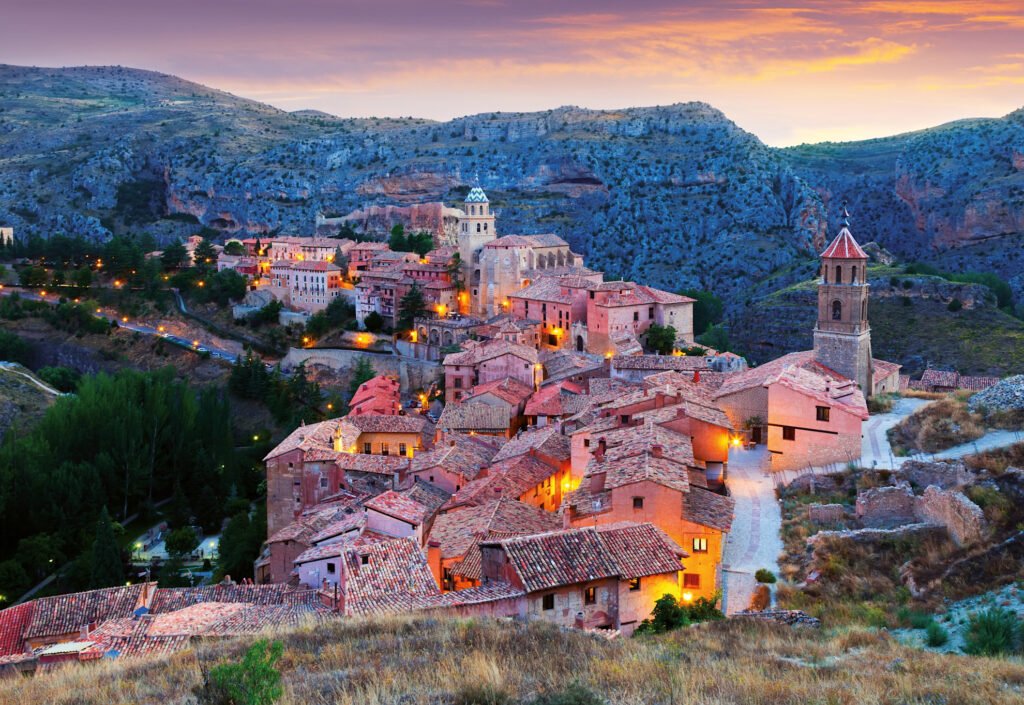
Aragón entices as a rugged Spanish destination, where dramatic Pyrenean landscapes, Zaragoza’s Mudéjar heritage and historic castles deliver inspiring adventures for discerning travellers.
Location: Aragón is located in Northeaster Spain, between Catalonia to the east and Navarra to the west, with the central Pyrenees to the north and the Ebro valley at its heart.
Aragón is the Spain that most travellers drive through on the way to somewhere else, a large, sparsely populated inland region whose character has been shaped by its position as a crossroads between the Mediterranean, the Atlantic and the Meseta.
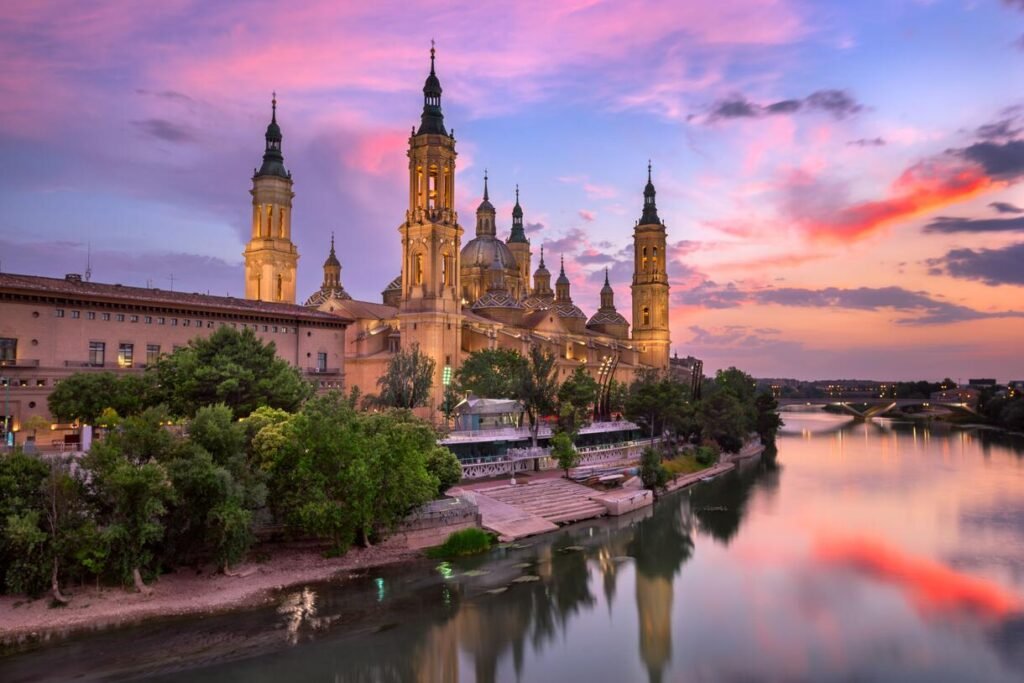
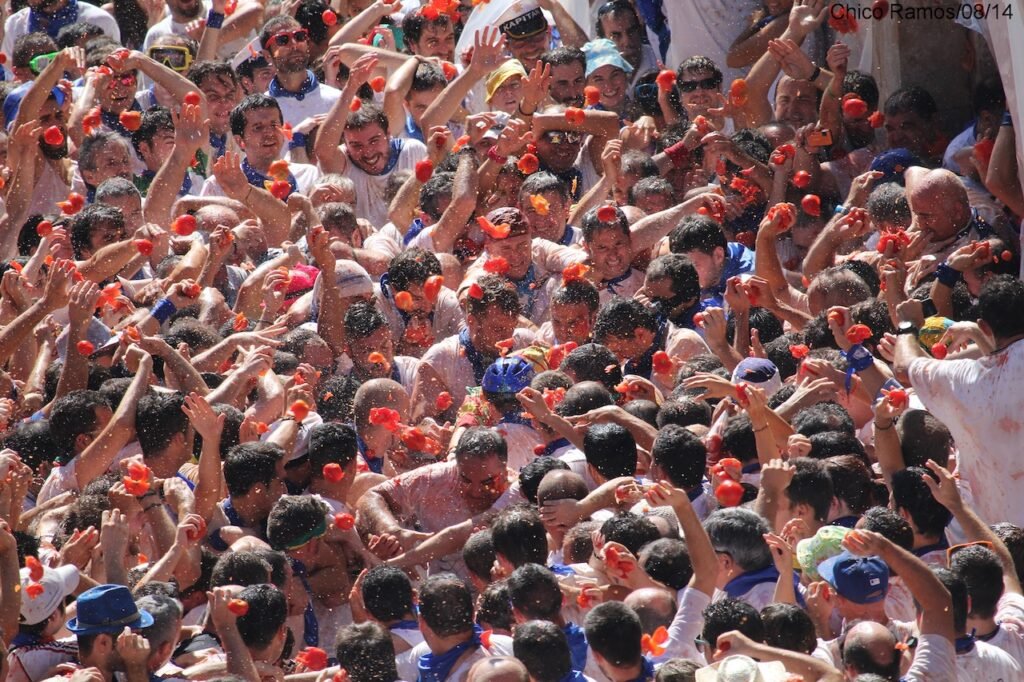
This is a mistake: Aragón has an exceptional medieval architectural heritage (Mudéjar towers and church facades, unique to the Ebro valley, are a UNESCO World Heritage Site), extraordinary Pyrenean landscapes and a capital city, Zaragoza (above), that is more interesting and less visited than almost any comparable city in Spain (it’s also home to the famed tomato fight of the annual Cipotegato festival, below).
Zaragoza’s Basílica del Pilar — a vast, domed 17th-century church built above the spot where, by tradition, the Virgin Mary appeared to St James in 40 AD — is one of the great pilgrimage sites of the Catholic world and a genuinely spectacular building, its interior decorated with ceiling frescoes by Goya (who was born in the nearby town of Fuendetodos).
Meanwhile, the Aljafería Palace, a fortified 11th-century Moorish palace later adapted by the Catholic Monarchs, is one of the finest surviving examples of Moorish architecture outside Andalucía.
The Pyrenean valleys of Aragón — particularly Hecho, Ansó, Benasque and the area around the Ordesa y Monte Perdido National Park — offer some of the most dramatic mountain scenery in Spain, and the ski resorts of Formigal and Cerler are among the best in the country.
Don’t miss: The Basílica del Pilar and the Aljafería in Zaragoza; the Ordesa y Monte Perdido National Park; the Mudéjar architecture of Teruel; the Pyrenean valleys of Hecho and Ansó; Goya’s birthplace in Fuendetodos.
Galicia
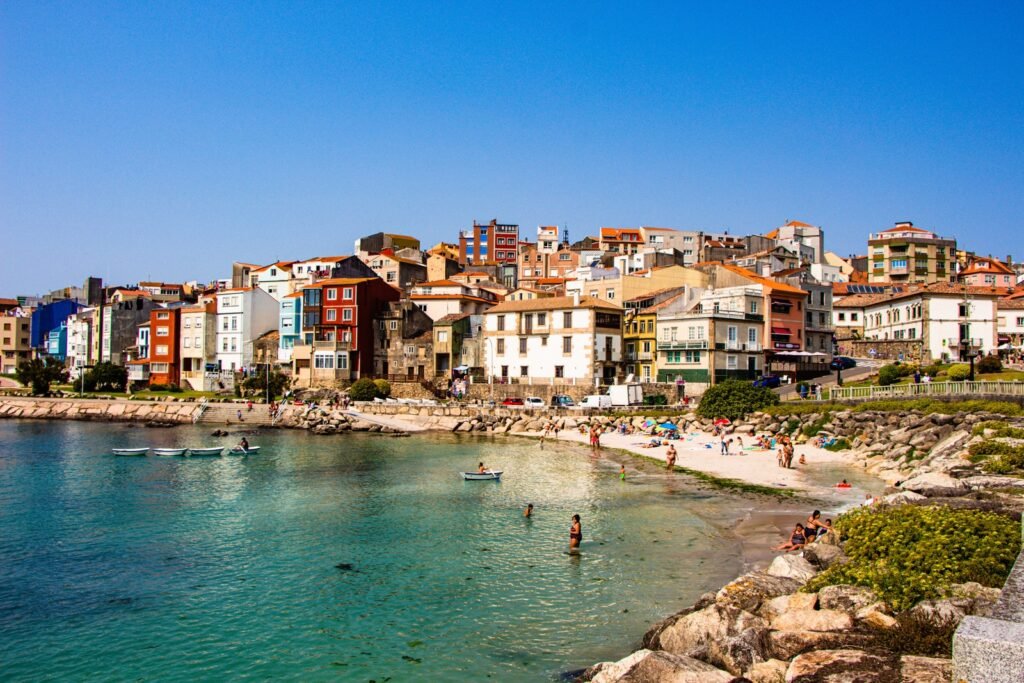
Galicia seduces travellers as one of Spain’s most lush destinations, one where Santiago de Compostela’s sacred pilgrimage, exceptional Atlantic seafood and dramatic green coastline deliver authentic cultural and gastronomic journeys for discerning travellers.
Location: Also located in Northwestern Spain, in the Atlantic corner of the Iberian Peninsula, Galicia borders Portugal to the south and Asturias to the east.
Galicia is the Spain that surprises travellers who arrive expecting Mediterranean sun and terracotta. This is Atlantic Spain, green, misty, and Celtic in temperament, with a coastline of dramatic rías (deep-cut inlets resembling Norwegian fjords), ancient granite cities and a cuisine built on the finest seafood in Europe.
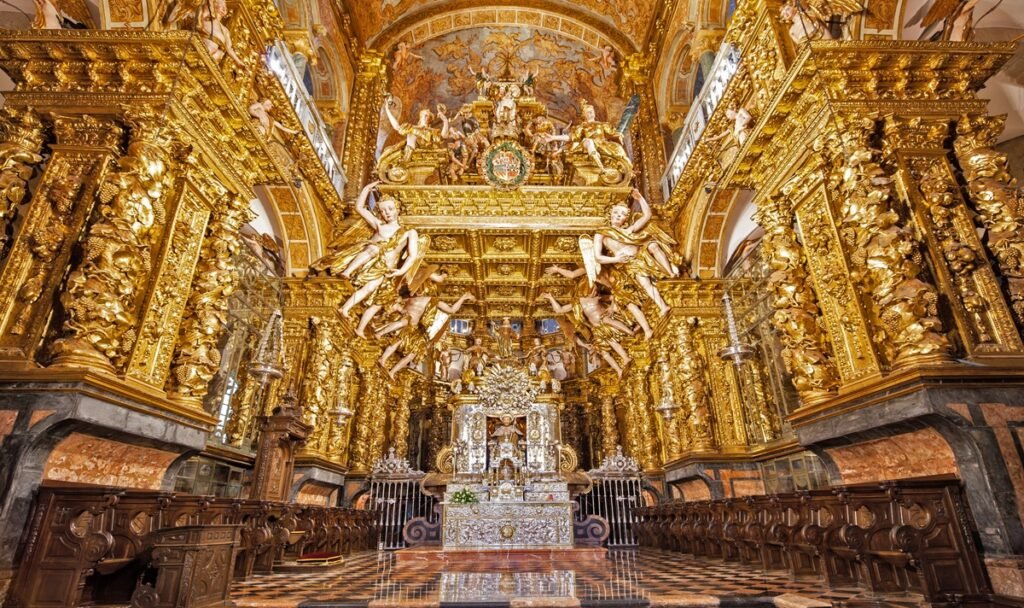
The region’s capital, Santiago de Compostela, is simultaneously one of the most beautiful Baroque cities on the continent and the endpoint of the Camino de Santiago — the ancient pilgrimage route that draws over 400,000 walkers a year from across the world, all converging on the cathedral’s ornate Plaza del Obradoiro (above) to touch the statue of St James and complete their journey. The sight of a group of exhausted, elated pilgrims arriving in the cathedral square after weeks of walking is one of the most moving things in Spain.
Beyond Santiago, Galicia rewards extended exploration. The Costa da Morte (Coast of Death) — named for the ships that foundered on its granite headlands — is one of the wildest and most dramatically beautiful coastlines in Europe, its lighthouses, deserted beaches and fishing villages largely undiscovered by international visitors.
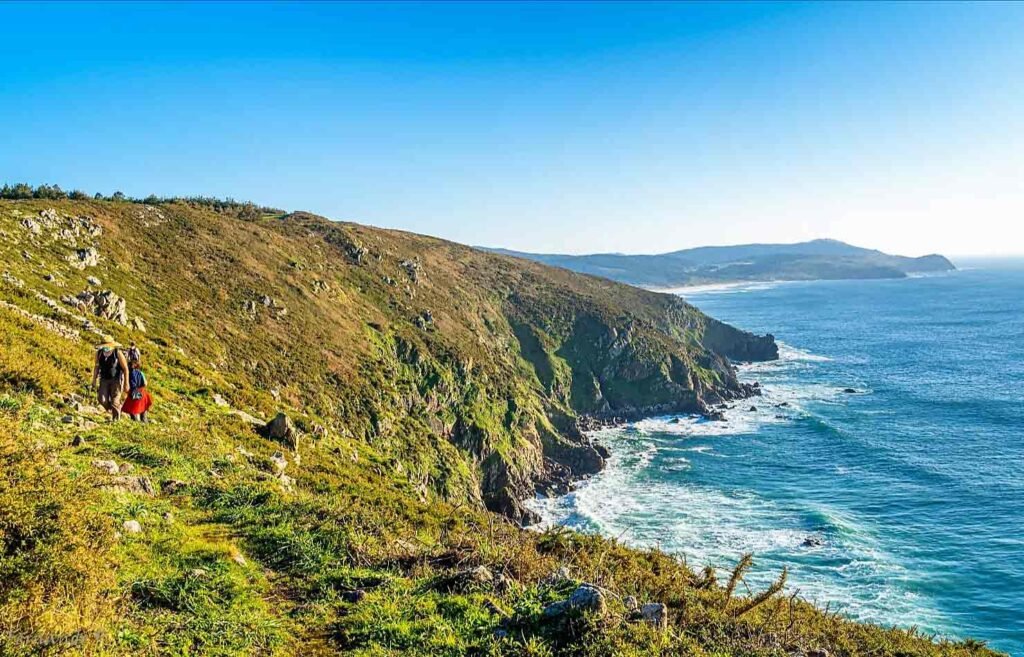
The Rías Baixas, the series of inlets south of Santiago, produce the finest Albariño white wine in Spain in a landscape of vineyards trained on stone pergolas above the water. The city of A Coruña has one of the best preserved Roman lighthouses in the world (the Tower of Hercules, a UNESCO World Heritage Site still in active use after 1,900 years) and a waterfront of glazed galerías that capture the Atlantic light in a uniquely Galician way.
I’m also a fan of UNESCO-listed Lugo, which is encircled by the best-preserved Roman walls in the world, and its old town within the walls is one of the most atmospheric in the region.
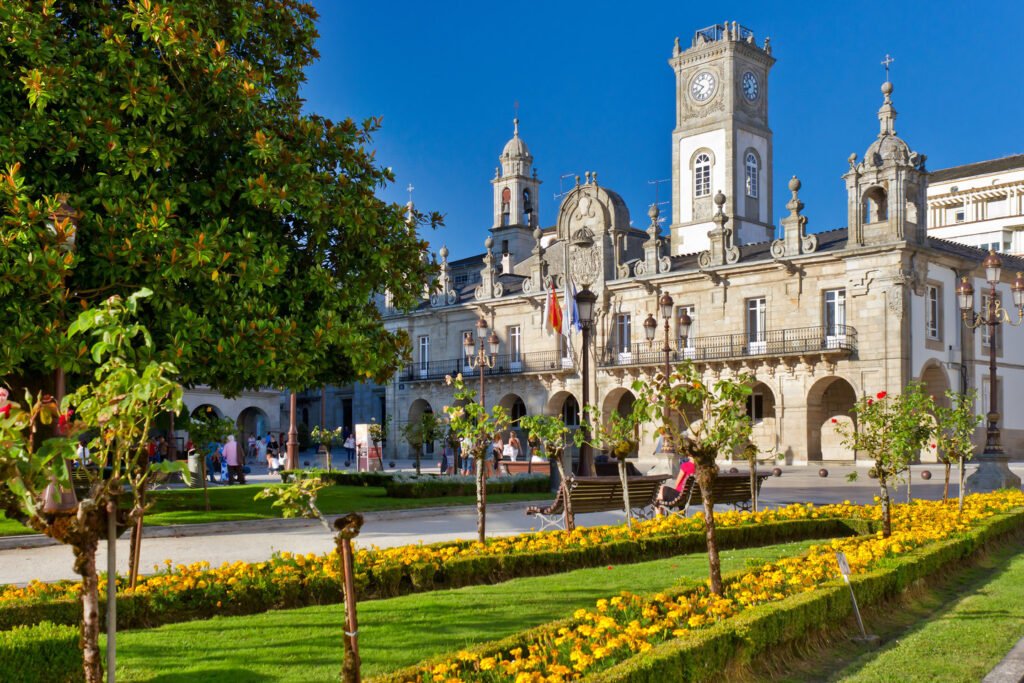
Don’t miss: The spectacular cathedral of Santiago de Compostela and the Plaza del Obradoiro; the dramatic Costa da Morte; sipping Albariño wine in the Rías Baixas; the Roman walls of Lugo; and the Tower of Hercules in A Coruña; and be sure to try pulpo a la gallega (Galician octopus), which is available pretty much everywhere.
Asturias
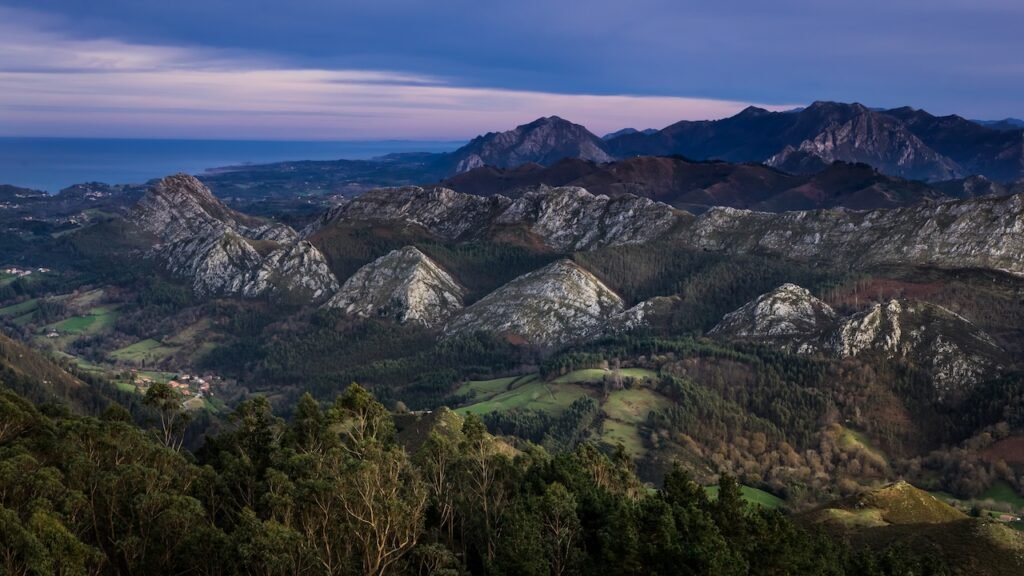
Famed for its emerald landscapes, towering Picos de Europa mountains and lively cider heritage along a wild Atlantic coast, Asturias offers a refreshing Spanish escape.
Location: Another Northern Spain beauty, Asturias is set between Galicia to the west, Cantabria to the east and the Cantabrian mountains (including the Picos de Europa) to the south.
Asturias is known as the Paraíso Natural (Natural Paradise) and the name is not overstated. The Principality of Asturias — one of only two Spanish regions with a princely title, the other being Catalonia’s related tradition — is a land of extraordinary beauty: lush green valleys, dramatic cliffs, hidden beaches, and the Picos de Europa national park (above), whose dramatic limestone massif rises from the coast to peaks of over 2,600 metres in a matter of kilometres. The combination of mountains, coast and deep rural culture makes Asturias the most rewarding of the three “Green Spain” regions for outdoor travellers.
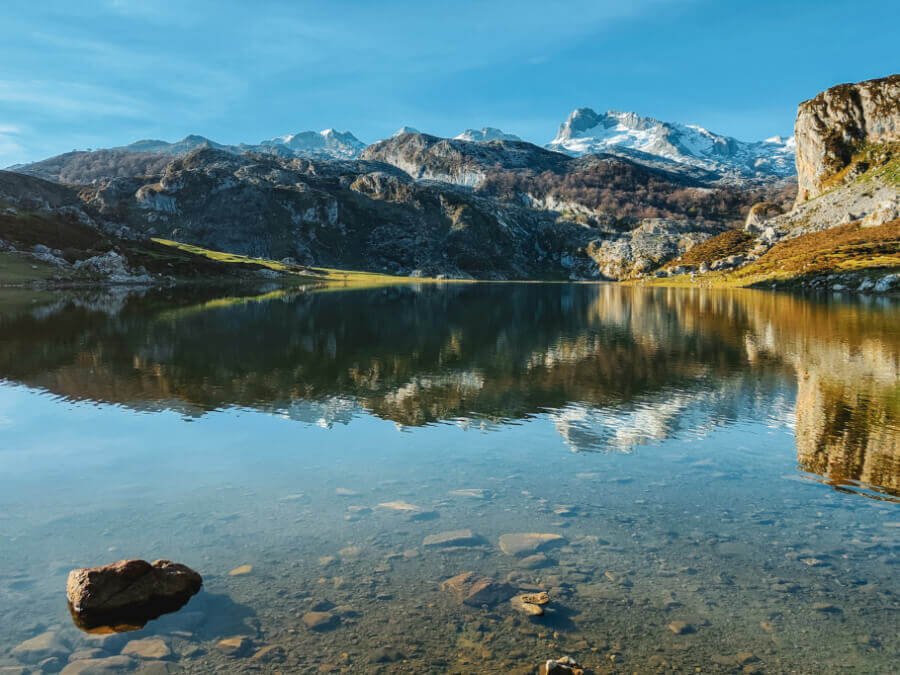
The region is also historically significant as the birthplace of the Reconquista — the Christian reconquest of the Iberian Peninsula began here in the 8th century, when a Visigothic noble called Pelayo defeated a Moorish force at Covadonga. The Covadonga Lakes (above) in the Picos de Europa, reached by a winding mountain road above the famous sanctuary, are among the most beautiful lake landscapes in Spain.
For active travellers, the Picos de Europa offers world-class hiking and climbing; the Cares Gorge walk, cutting through a 1,000-metre-deep limestone canyon for 12 kilometres, is one of the finest mountain walks in Europe.
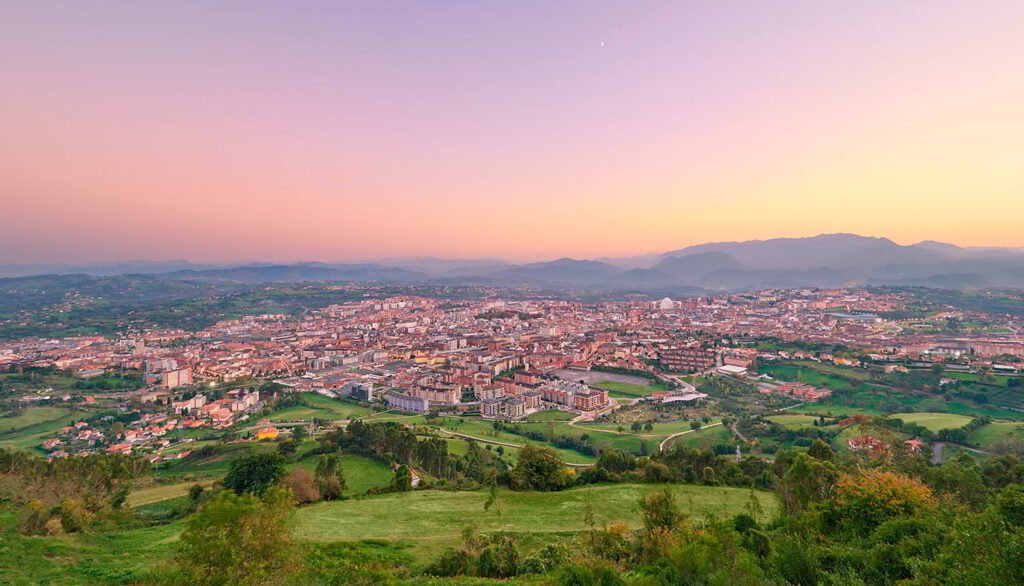
Oviedo, the regional capital (above), is an elegant, relatively undiscovered city with a magnificent Gothic cathedral, extraordinary pre-Romanesque churches on the surrounding hills (the Santa María del Naranco and San Miguel de Lillo are UNESCO World Heritage Sites) and a renowned pintxos and cider bar scene along the Calle Gascona (known as the Boulevard of Cider). Asturian sidra — a sharp, natural cider poured from height in a single-handed stream to aerate it — is the regional drink and a cultural institution.
Don’t miss: The Cares Gorge walk in the Picos de Europa; the Covadonga Lakes; Oviedo’s pre-Romanesque churches; a glass of sidra poured in the traditional way in Oviedo’s Calle Gascona; the prehistoric cave art of Tito Bustillo near Ribadesella; and, when the weather is just right, the beaches of Playa de Silencio and Playa de Gulpiyuri.
Cantabria
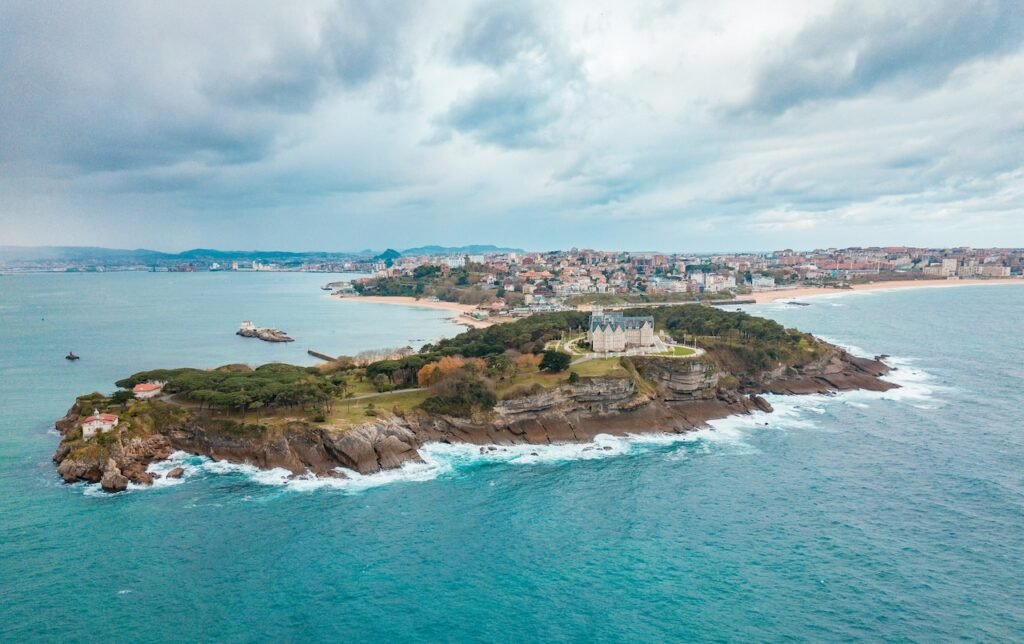
Cantabria offers a serene Spanish escape, renowned for its golden beaches, prehistoric Altamira caves and majestic Picos de Europa landscapes along the Cantabrian coast.
Location: Forming a narrow coastal strip in northern Spain, between Asturias to the west and the Basque Country to the east, Cantabria is framed by the Cantabrian mountains to the south.
Cantabria is the smallest of the northern coastal regions and the one most often overlooked in favour of its neighbours, which makes it one of northern Spain’s most rewarding surprises. Its coastline alternates between wide, empty beaches backed by sand dunes and dramatic rocky cliffs; its interior valleys are characterised by meadows, ancient farmhouses and medieval towns of genuine charm.
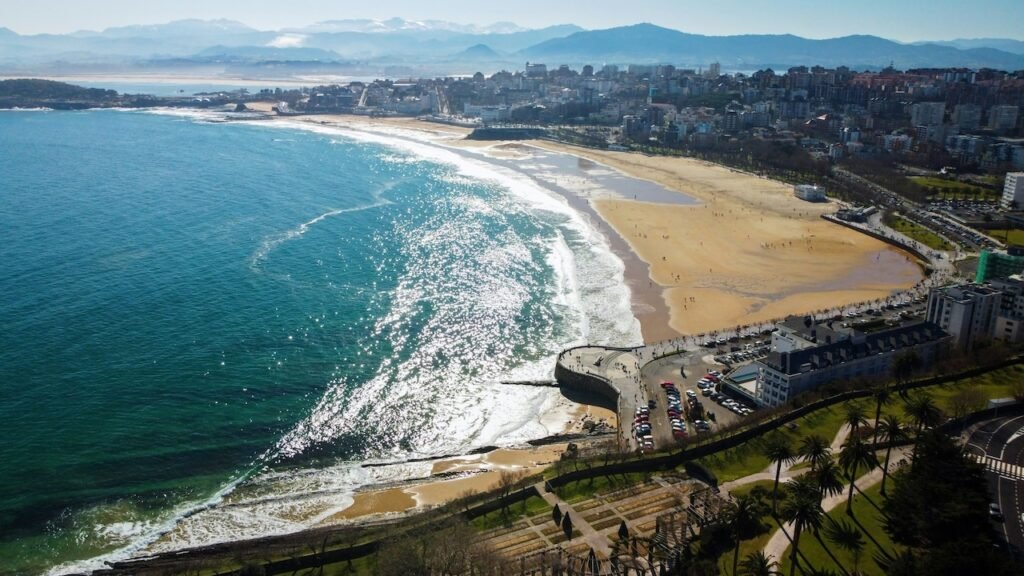
The regional capital, Santander, is a handsome port city with a long beach (above), a significant summer culture (the summer palace of the Spanish royal family is here) and a food and nightlife scene that punches above its weight.
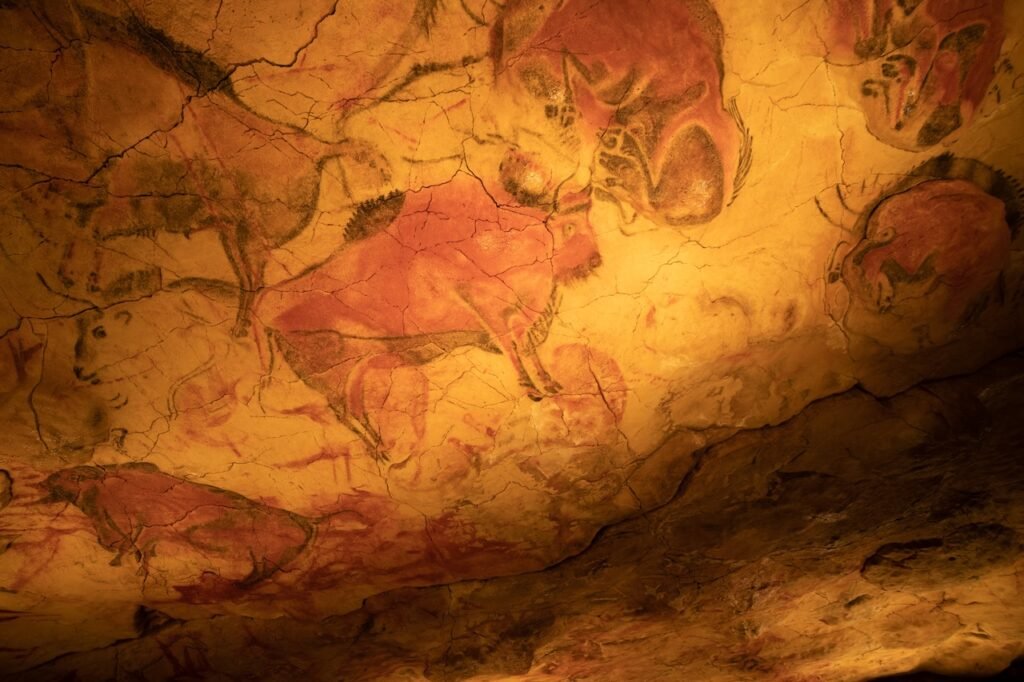
Cantabria’s greatest cultural treasure is the Altamira Cave (below), a UNESCO World Heritage Site containing 15,000-year-old Palaeolithic paintings of bison, horses and deer of extraordinary naturalism and beauty, described by Pablo Picasso (rather fancifully) as proof that art has not advanced since. The original cave is closed to protect the paintings, but the adjacent museum and its meticulously reproduced facsimile cave are genuinely impressive. The medieval town of Santillana del Mar — a perfectly preserved village of golden sandstone palaces and heraldic crests, where cars are banned from the historic centre — is one of the most beautiful small towns in Spain and sits two kilometres from Altamira.
The Picos de Europa extend into Cantabria (the Liébana valley and the monastery of Santo Toribio de Liébana are significant pilgrimage destinations), and the Valles Pasiegos — the deeply rural valleys of the Cantabrian interior — are one of the most genuinely untouched rural landscapes in northern Spain.
Don’t miss: Santillana del Mar; the Altamira cave museum; the beaches of the Costa Cantábrica (my favourite is Playa de Oyambre); the Liébana valley and its monastery; the Pasiegos valleys; Santander’s waterfront and Magdalena Palace.
Castilla y León
Castilla y León offers a majestic Spanish escape, renowned for its imposing medieval castles, UNESCO-listed cathedrals and historic university cities across sweeping golden plains.
Location: The largest of Spain’s regions, Castilla y León occupies most of the northern Meseta (high central plateau) — a vast elevated tableland stretching across nine provinces from the Portuguese border in the west to Aragón and La Rioja in the east.
Castilla y León is the historical heart of Spain, the region from which the Crown of Castile expanded its power across the peninsula and, eventually, across the world. Its landscape is the archetypal Spanish interior: an immense, high, open plateau of golden wheat fields, ancient stone villages and monumental medieval cities rising from the plain. The light here is exceptional, with the long flat horizons and thin high-altitude air giving the region a luminous clarity that made it beloved of Spanish realist painters.
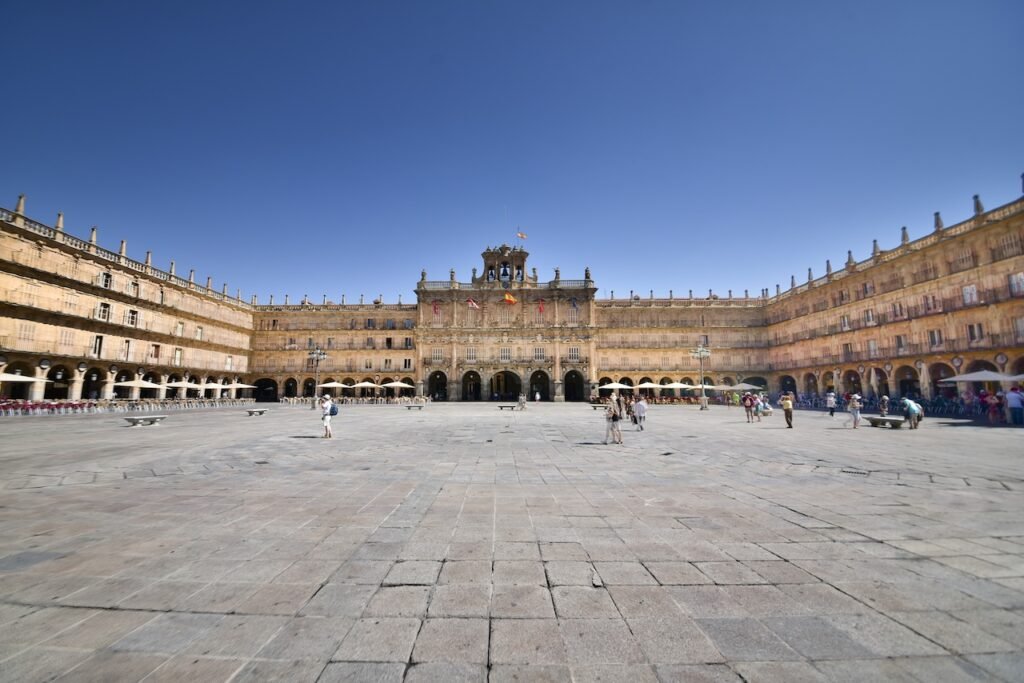
The region contains more UNESCO World Heritage Sites than any other in Spain. Salamanca (above) is perhaps the most beautiful city in the country: its Plaza Mayor — a perfect Churrigueresque square of golden sandstone arcades, considered the finest urban space in Spain — is matched by a university founded in 1218 (one of the oldest in Europe) and an old city of extraordinary architectural coherence.
Burgos has the finest Gothic cathedral in Spain (begun 1221, its twin spires visible from miles across the Meseta), a long history as the capital of the medieval kingdom of Castile and the tomb of El Cid. Meanwhile, León has one of the most extraordinary Gothic cathedrals in Europe, whose stained glass — 1,765 square metres of it, the finest medieval glass collection in the world outside France — transforms the interior into a chamber of coloured light.
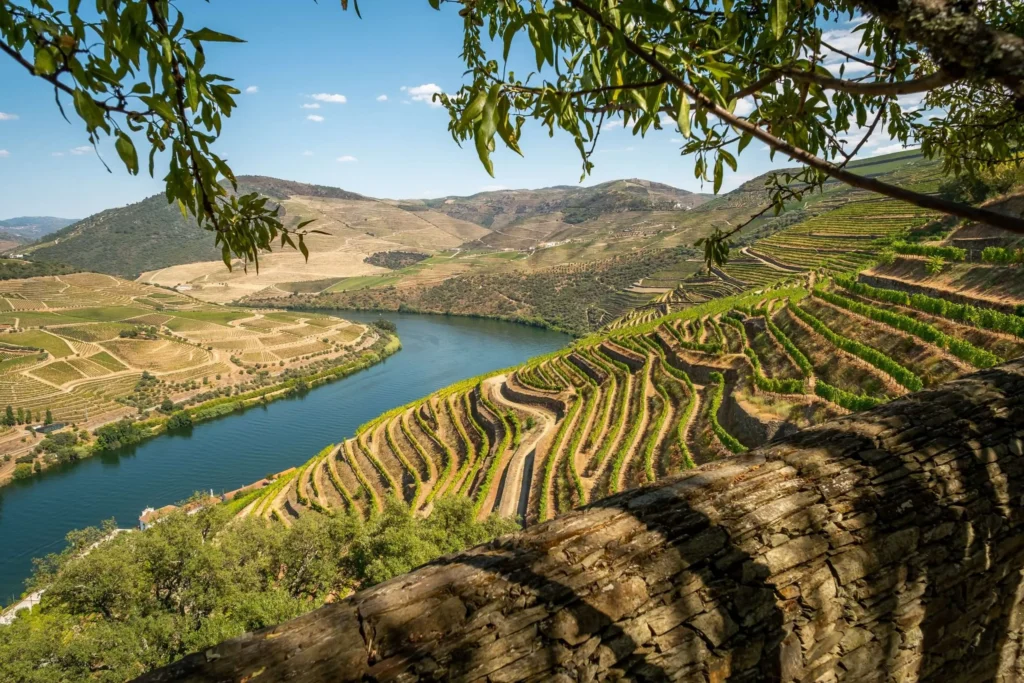
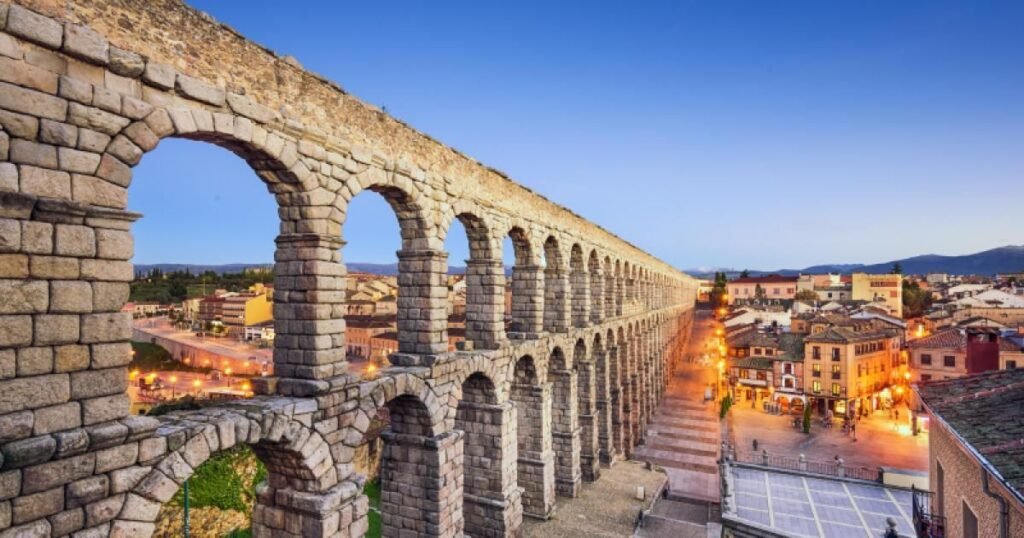
Ávila, whose perfectly preserved medieval walls are the best in Spain (see our Day Trips from Madrid feature), is the birthplace of Saint Teresa of Ávila. Segovia has its Roman aqueduct, its fairy-tale Alcázar and its magnificent Gothic cathedral. Valladolid was once the capital of the Spanish Empire.
The wine regions of Ribera del Duero (red Tempranillo of international renown) and Rueda (crisp, aromatic whites) both lie within the region. The Sierra de Francia in the southwest, with its ancient villages of black slate and chestnut forests, is one of the most authentically rural and least visited landscapes in Spain.
Don’t miss: Salamanca’s Plaza Mayor and University; the Gothic cathedral of Burgos; the stained glass of León Cathedral; the walled city of Ávila; Segovia’s aqueduct and Alcázar; a Ribera del Duero wine tasting (above); the medieval village of Covarrubias.
Castilla-La Mancha
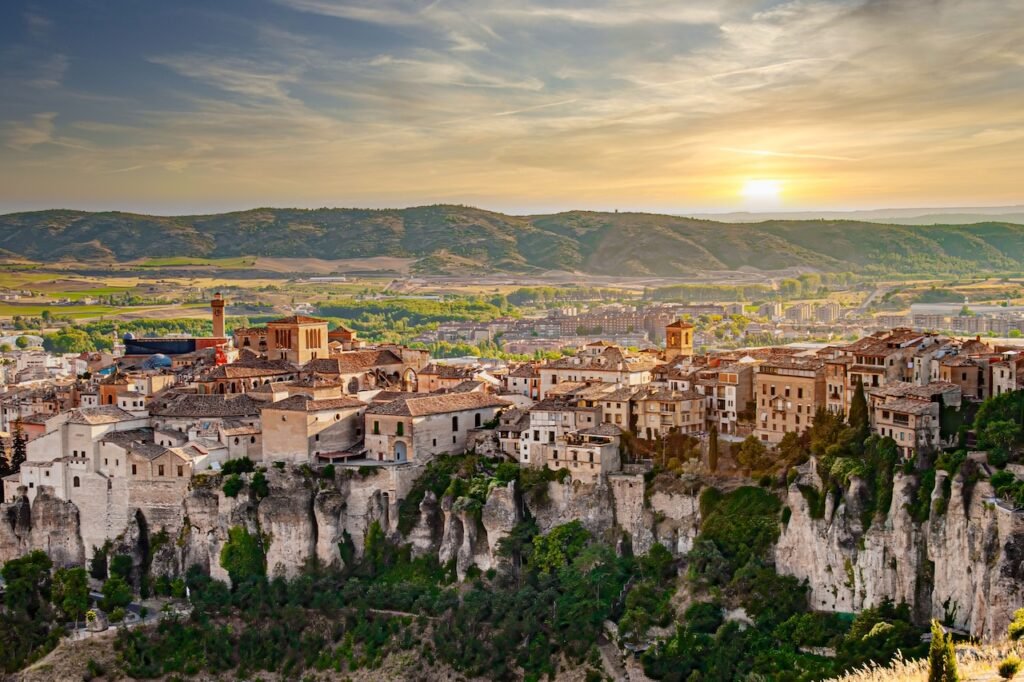
Castilla-La Mancha offers a timeless Spanish escape, renowned for Don Quixote’s iconic windmills, medieval Toledo and sweeping golden plains dotted with ancient castles.
Location: Positoned in Central Spain, Castilla-La Mancha is immediately south of the Community of Madrid, stretching east to Valencia and west to Extremadura.
Castilla-La Mancha is Don Quixote country, a vast, elemental landscape of flat plains, windmills, medieval castles and hilltop towns that Cervantes used as the setting for his great novel and that has barely changed in the centuries since. It is one of the least-visited regions of Spain and, for that reason, one of the most rewarding for independent travellers who want to encounter the Spanish interior without the complications of fame.
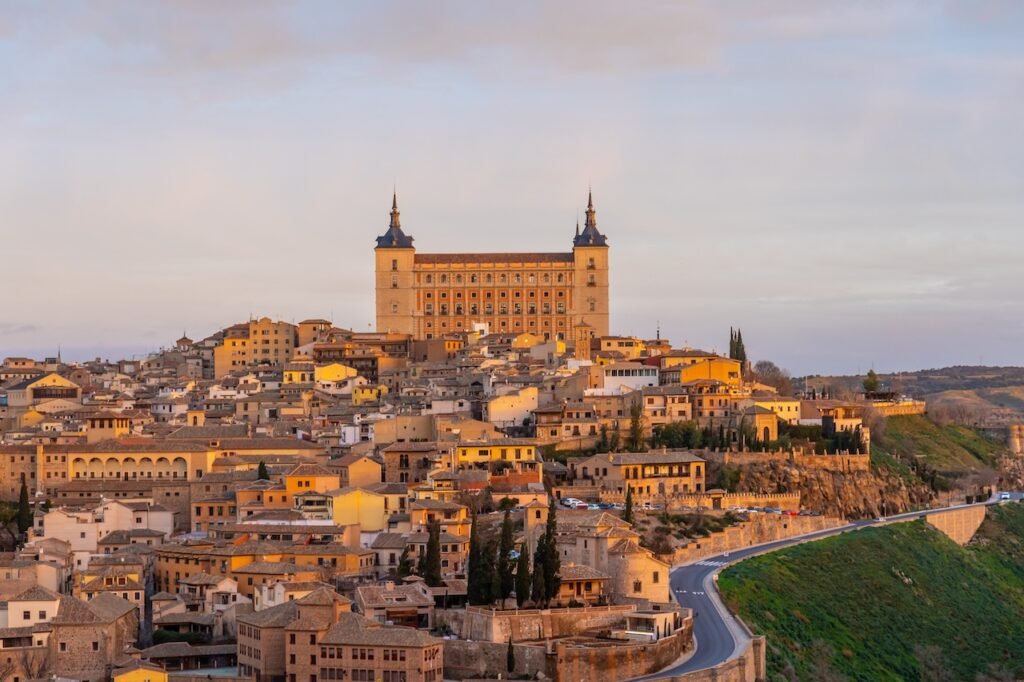
The landscape here can be harsh and spare — the southern Meseta is one of Europe’s most continental interiors, with extremes of heat and cold — but it has a stark, spacious beauty that accumulates powerfully on the traveller who gives it time.
The medieval city of Toledo (see our Day Trips from Madrid feature) stands at the region’s northern edge. Cuenca (also covered in the day trips guide) — with its hanging houses above a limestone gorge — is the region’s other UNESCO World Heritage City. Almagro, in the province of Ciudad Real, is a perfectly preserved Renaissance town with the finest 17th-century corral de comedias (outdoor theatre) still in use in Spain.
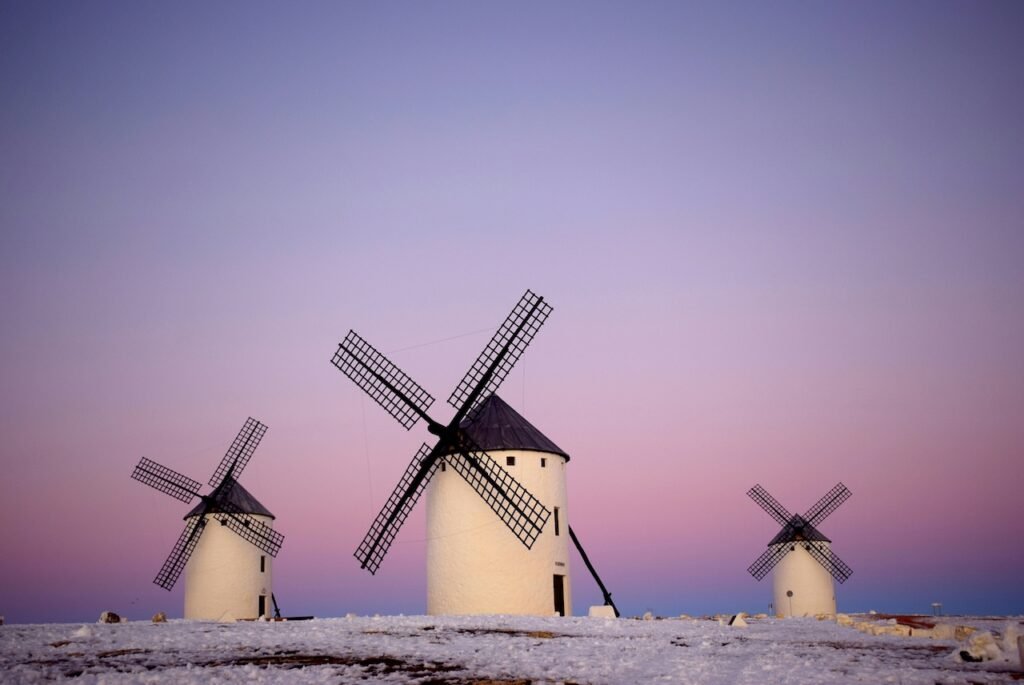
Meanwhile, the Campo de Criptana windmills, on a ridge above the La Mancha plain, are the most photographed and most atmospheric of the surviving windmills associated with Quixote’s adventures. La Mancha’s saffron (some of the finest in the world) and its Manchego cheeseare two of the great Spanish food products, both made in the region’s traditional farms.
Don’t miss: historic Toledo; Cuenca’s otherworldly hanging houses and abstract art museum; the windmills of Campo de Criptana; the Plaza Mayor of Almagro and its corral de comedias; La Mancha’s saffron and Manchego cheese.
Madrid (Community of Madrid)
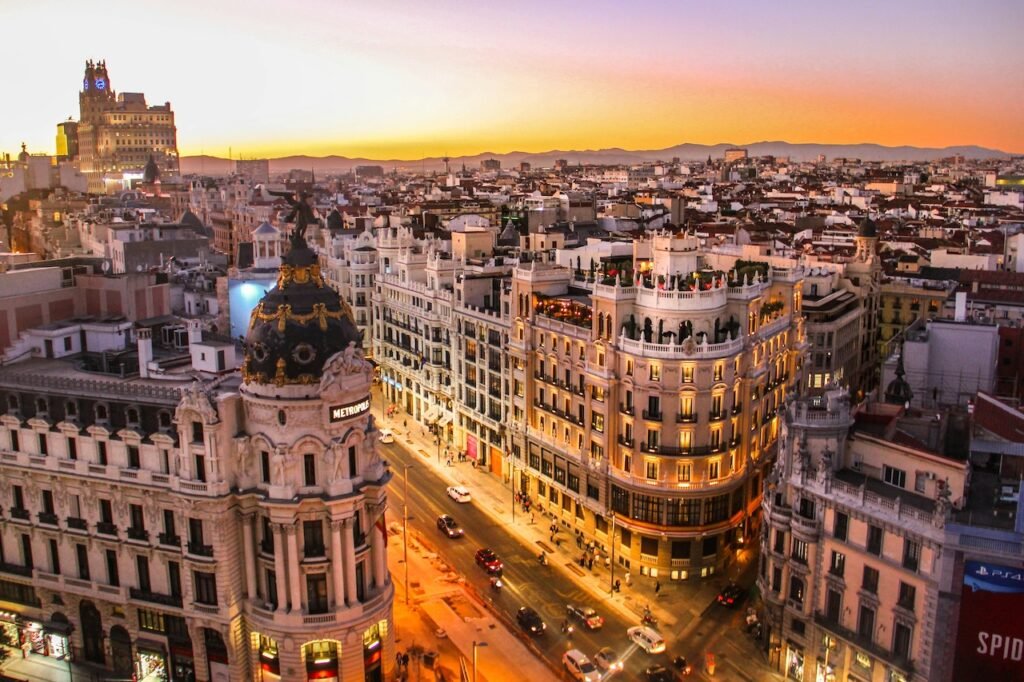
Madrid offers a dynamic Spanish escape, renowned for its world-class museums like the Prado, opulent Royal Palace and vibrant tapas culture in historic yet cosmopolitan streets.
Location: Crowning the geographical centre of the Iberian Peninsula, the Community of Madrid is surrounded by Castilla y León to the north, west and east, and Castilla-La Mancha to the south.
The Community of Madrid encompasses Spain’s capital city and a ring of smaller towns and villages spread across the southern slopes of the Guadarrama mountains. For travellers, the region means above all the city — one of the great European capitals for art, food, nightlife and sheer urban energy (covered in depth throughout this series) — but the surrounding landscape offers rewarding day trips to El Escorial, Aranjuez, Alcalá de Henares and the Sierra de Guadarrama.
Don’t miss: The full Madrid city experience is covered throughout this series; for the region beyond, see our Day Trips from Madrid feature.
Extremadura
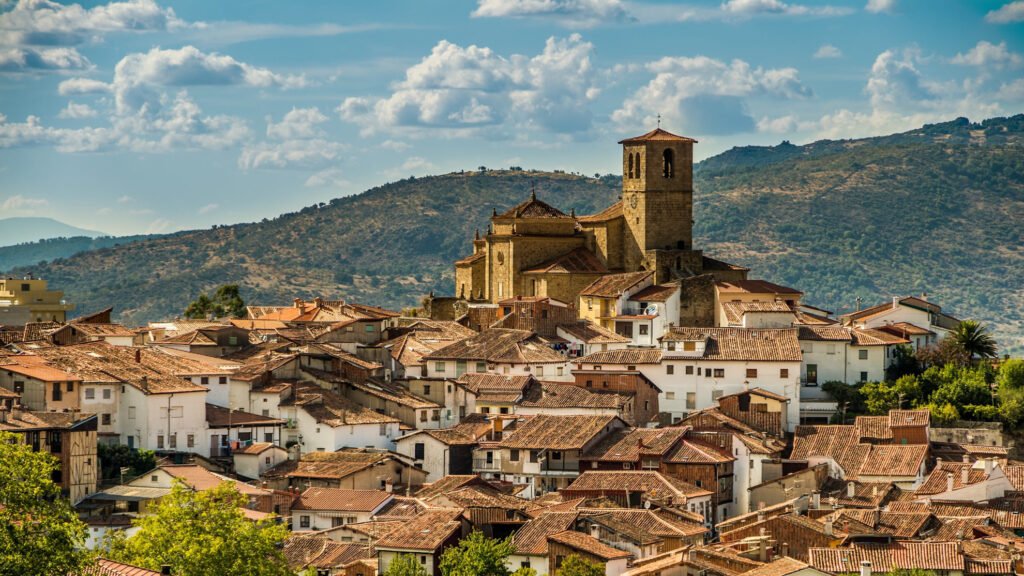
Extremadura offers an undiscovered Spanish escape, renowned for its UNESCO medieval towns like Cáceres, ancient Roman ruins in Mérida (below) and vast dehesa landscapes yielding exceptional Iberian ham.
Location: Extremadura is located in Western Spain, bordering Portugal, between Castilla-La Mancha to the east and Castilla y León to the north, Andalucía to the south.
Extremadura is one of Spain’s most undervisited and underappreciated regions, a vast, thinly populated land of ancient cities, oak forests, wild rivers and a history of extraordinary ambition. This was the region that produced the conquistadores: Hernán Cortés (Medellín), Francisco Pizarro (Trujillo), Hernando de Soto and many others who sailed to the Americas and changed the world. The wealth they sent back built the magnificent Renaissance cities of Cáceres (above) and Trujillo, two of the best-preserved Renaissance townscapes in the world, with golden stone palaces, towers and churches of extraordinary quality.
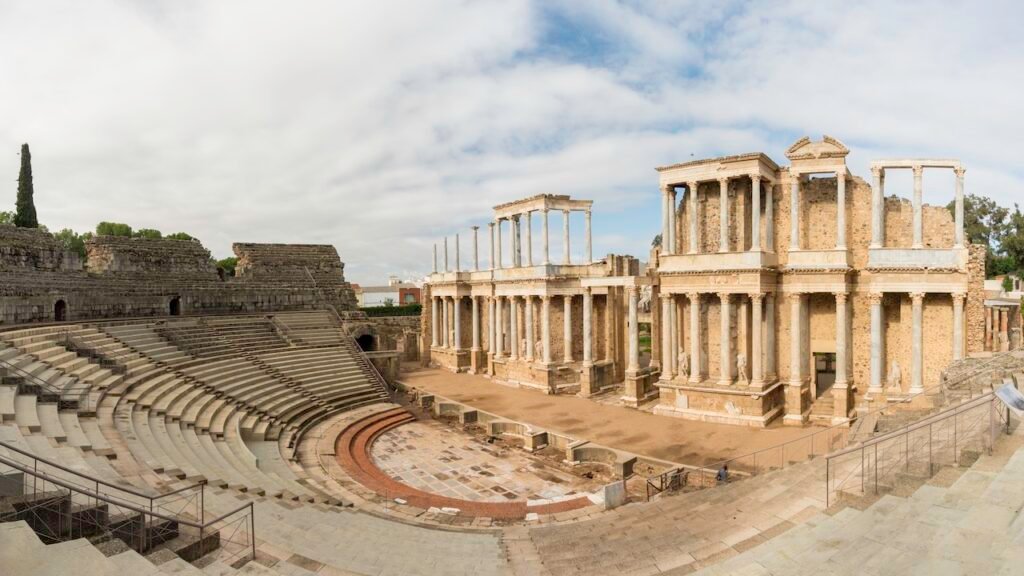
Cáceres — its old city a UNESCO World Heritage Site and one of the most atmospheric medieval and Renaissance urban spaces in Spain — is the unmissable highlight, while Mérida, the former capital of the Roman province of Lusitania, contains the most extensive and best-preserved Roman remains in Spain, including an amphitheatre, a theatre, a circus, a bridge, temples, an arch — all in a single working city.
The Jerte Valley in spring, when the valley’s cherry orchards erupt into blossom, is one of the most beautiful natural spectacles in the country. The Monfragüe National Park (below), where the Tagus and Tietar rivers cut dramatic gorges through the dehesa (cork oak woodland), is the finest raptor-watching destination in Europe.
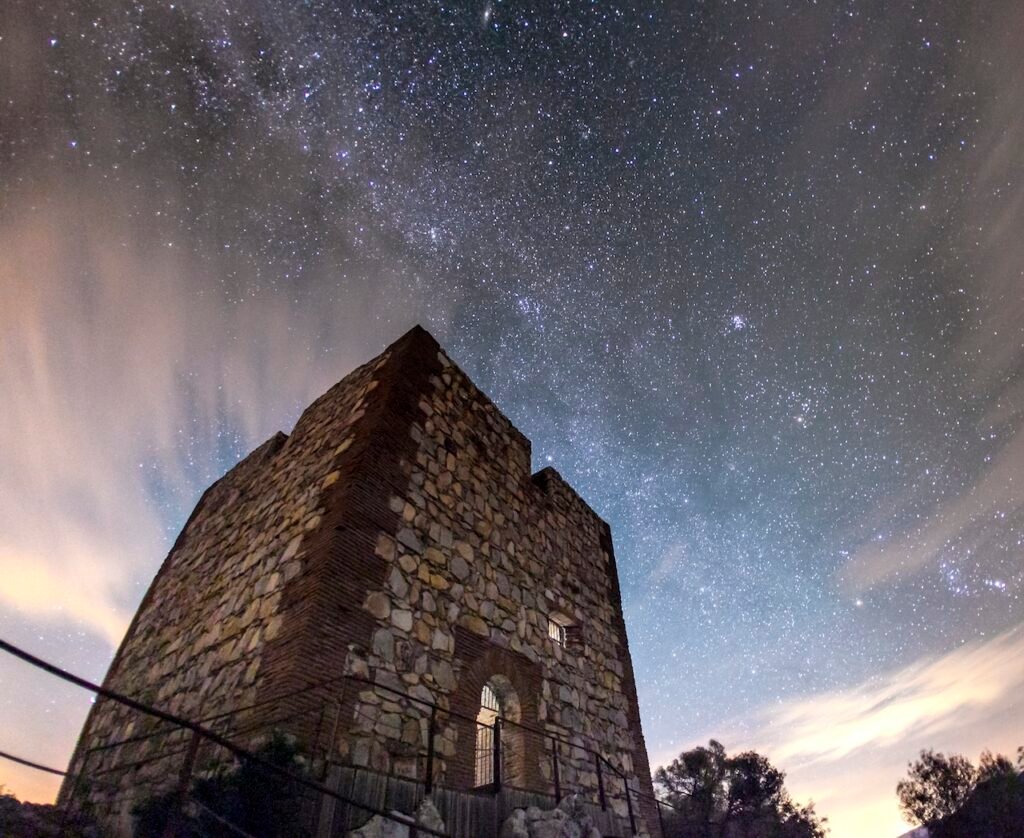
Don’t miss: The old city of Cáceres; the Roman monuments of Mérida; the cherry blossom of the Jerte Valley (late March); Trujillo’s Plaza Mayor; Monfragüe for raptors and stargazing; and Extremaduran jamón ibérico de bellota (considered the finest in Spain).
Valencia (Valencian Community)
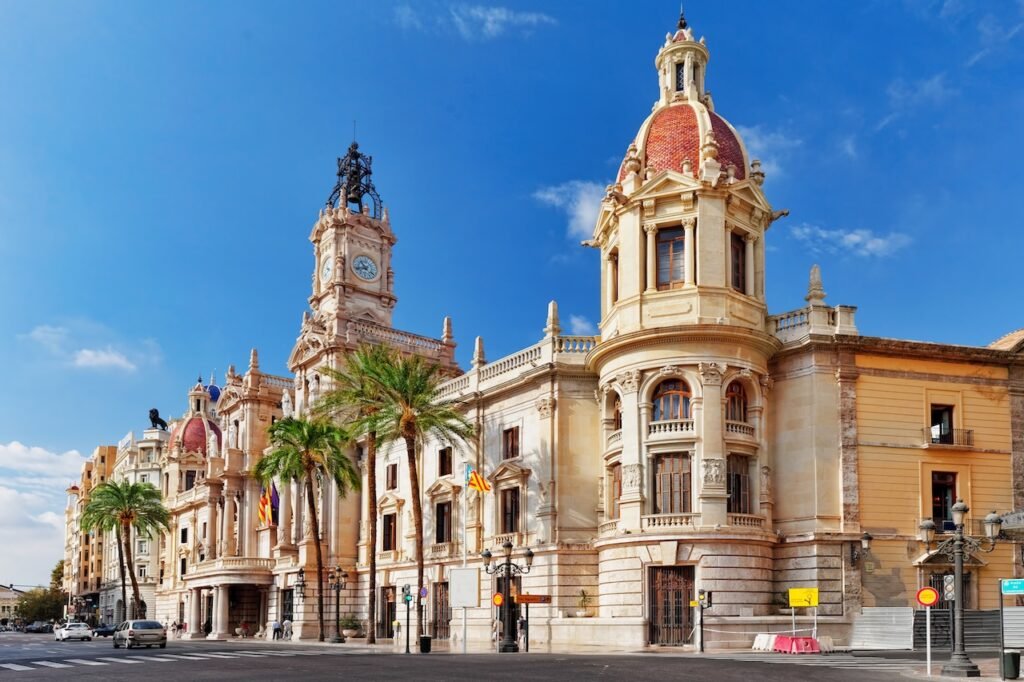
Valencia offers a vibrant Spanish escape, renowned for its futuristic City of Arts and Sciences, historic Silk Exchange and world-famous paella along the Mediterranean coast.
Location: Set on the eastern Mediterranean coast of Spain, stretching from Castellón in the north to Alicante in the south, the Community is centred on Valencia city.
Valencia is a region of exceptional variety: a great, vibrant city combining medieval splendour with futuristic architecture; a long Mediterranean coastline of golden beaches and low-key resorts; fertile agricultural plains producing Europe’s finest citrus, rice and vegetables; and a culture of extraordinary festive energy.
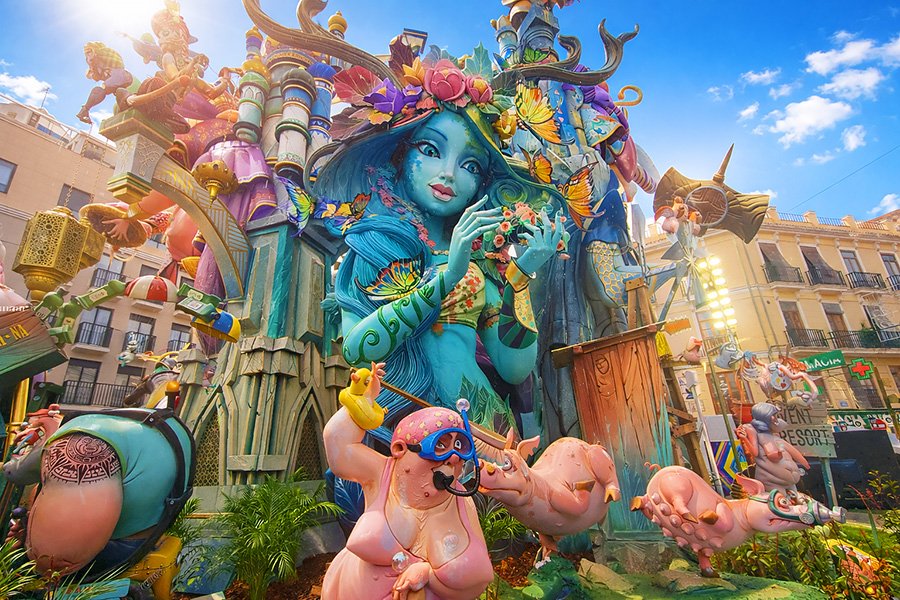
The Valencians are famous for eating — paella was born here, in the rice-growing villages around the Albufera lagoon south of the city — and for celebrating; Las Fallas (the festival of fire, every March, above) sees the city fill with enormous satirical sculptures that are ceremonially burned to the ground on the night of 19 March in a spectacle of extraordinary pyrotechnic abandon.
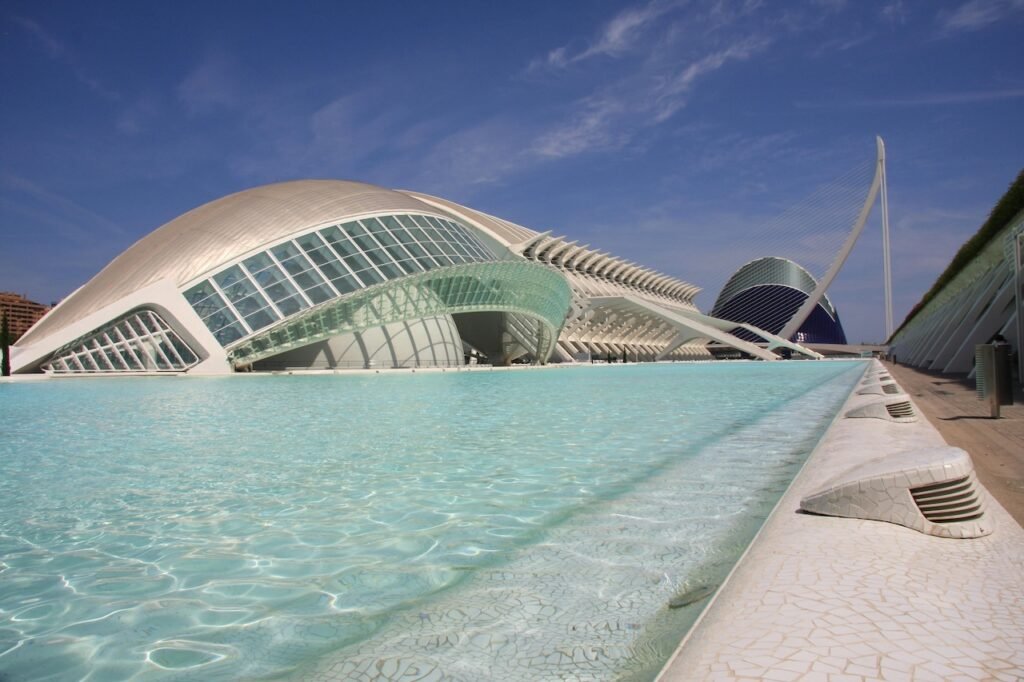
Valencia city rewards more time than most visitors give it. The City of Arts and Sciences (Ciudad de las Artes y las Ciencias, below), Santiago Calatrava’s swooping white complex of museums, opera house, aquarium and planetarium beside the former Turia riverbed, is the most spectacular piece of contemporary architecture in Spain. The Mercado Central is the finest covered food market in Europe, while the Cathedral contains what is claimed to be the Holy Grail. The old city’s streets, particularly in the Barrio del Carmen, are lively, atmospheric and full of good restaurants and bars.
The Albufera Natural Park, a freshwater lagoon south of the city fringed by rice paddies, is the birthplace of paella and a significant wetland for migratory birds. The Costa Blanca (around Alicante and Dénia) and the Benidorm resort coast offer sun and beach culture at scale. The inland areas of the region — the wine villages of the Requena plateau, the mountain roads of the Maestrazgo — are largely unvisited and offer a very different face of Valencia from the coast.
Don’t miss: the vibrant Las Fallas festival (March); the spectacular City of Arts and Sciences; the Mercado Central; paella at its source in the Albufera villages; the medieval quarter of Valencia; and the Lonja de la Seda (Silk Exchange, UNESCO World Heritage Site).
Murcia
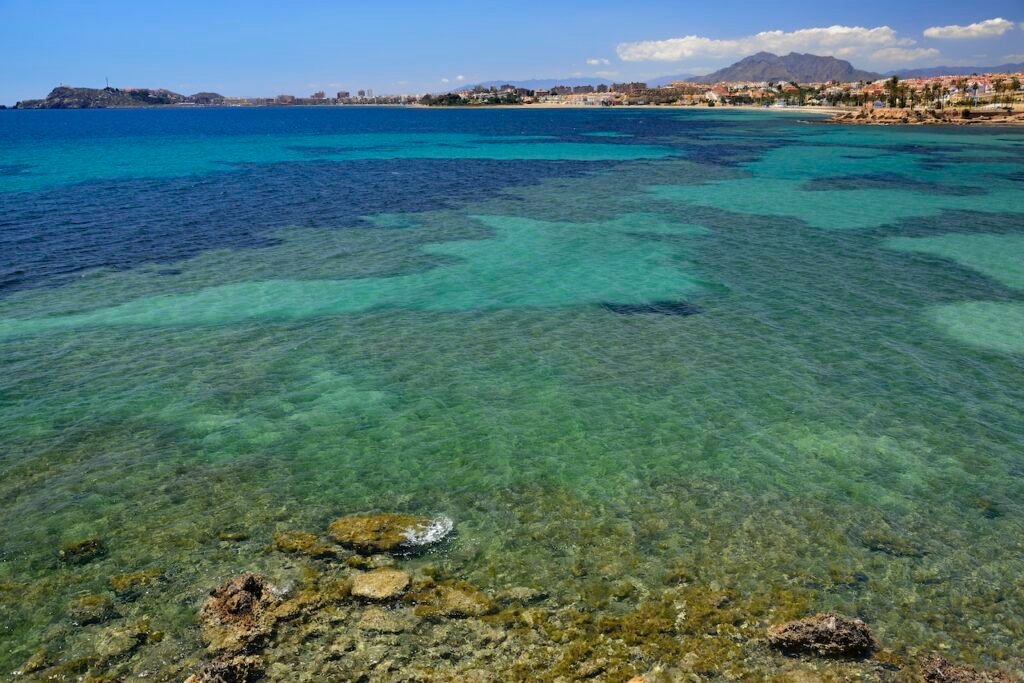
Murcia offers a sun-drenched Spanish escape, renowned for its golden Mediterranean beaches, ornate Baroque cathedral and lush orchards yielding exceptional citrus and fine wines.
Location: Set in Southeastern Spain, between Valencia to the north and Andalucía to the west, Murcia is a hotspot on the Mediterranean coast.
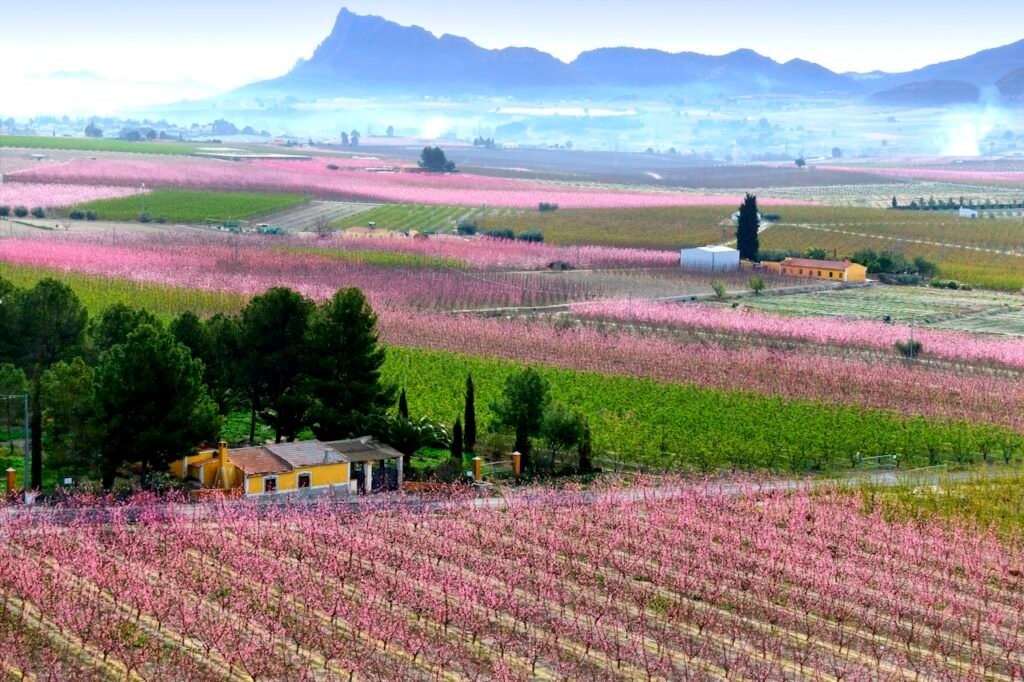
Murcia, a small, warm, dry region that most travellers skip between Valencia and Alicante without stopping, is consistently underrated. This is a mistake.
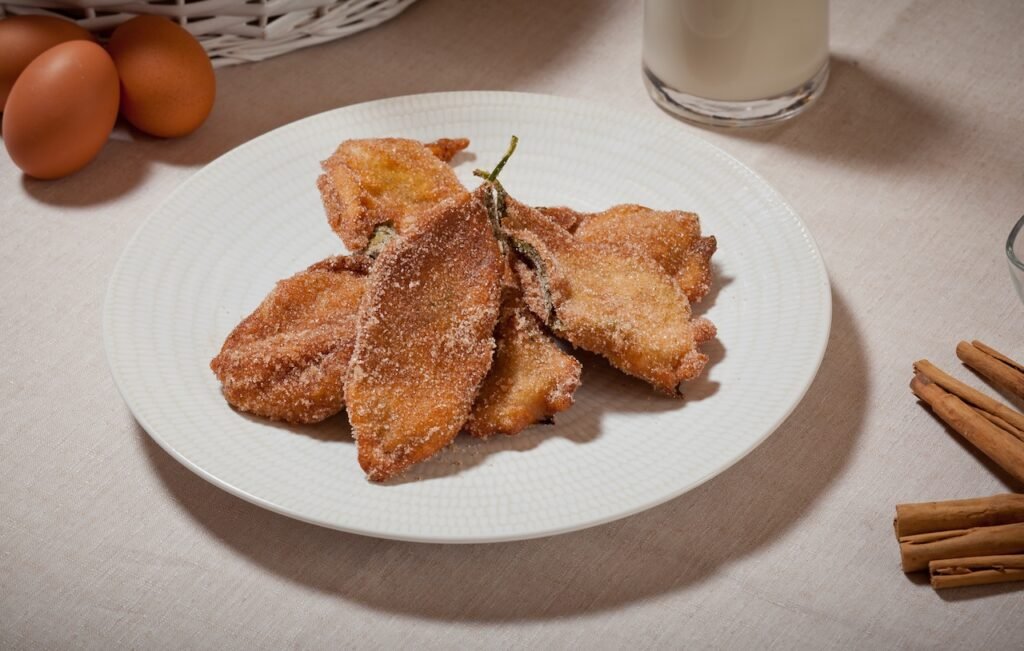
The regional capital, Murcia city, has one of the finest Baroque cathedrals in Spain (its west façade, in a rich, animated Churrigueresque style, is among the most flamboyant in the country) and a food culture centred on extraordinary produce, with the market gardens of the Murcia huerta, irrigated since Moorish times, produce some of the finest vegetables in Spain, and the regional cuisine reflects this with a simplicity and quality that rewards attention.
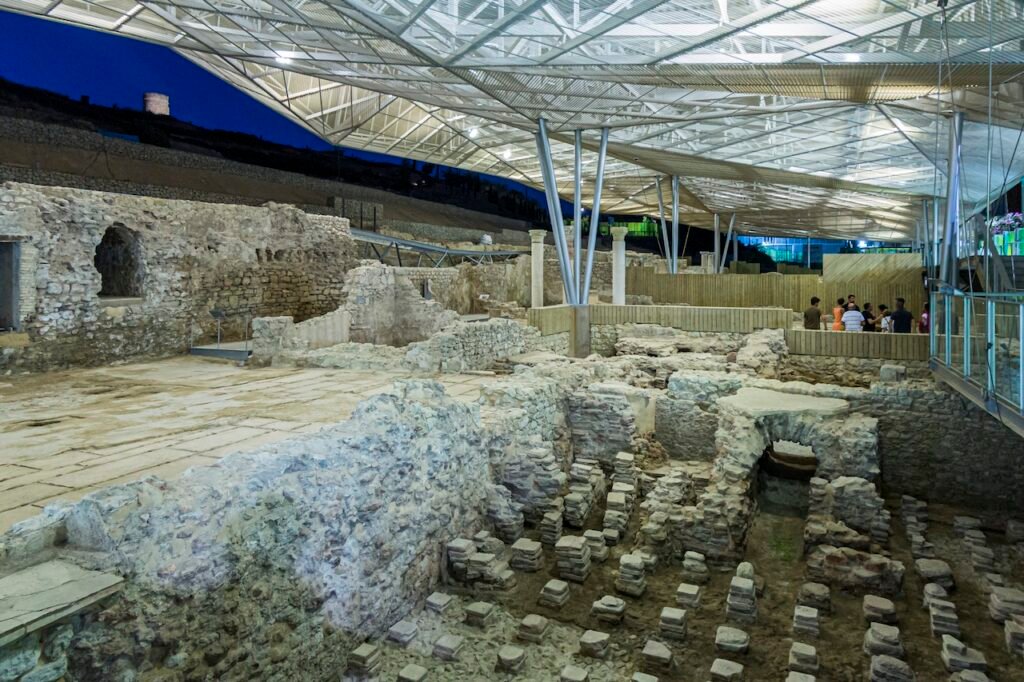
The Mar Menor — a large, shallow saltwater lagoon separated from the Mediterranean by a sandy strip — is a unique and calm swimming environment. The coastal town of Cartagena has remarkable Roman remains (above) and one of the finest natural harbours in the western Mediterranean.
Don’t miss: Murcia’s Baroque cathedral; the Roman theatre of Cartagena; the Mar Menor; the Carnaval de Cartagena (one of the largest in Spain); and the awesome produce markets of the Murcia huerta.
The Balearic Islands (Illes Balears)
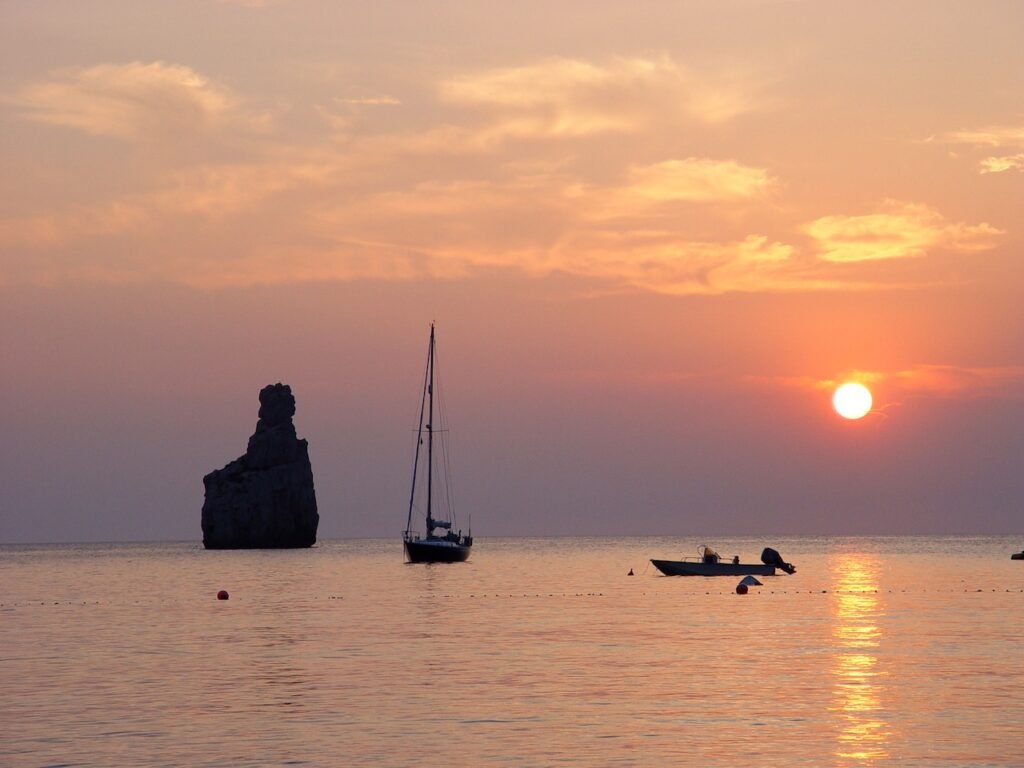
The Balearic Islands offer an idyllic Mediterranean Spanish escape, renowned for their turquoise coves, Ibiza’s world-famous nightlife, Mallorca’s rugged beauty and Menorca’s peaceful heritage.
Location: Scattered in the Mediterranean Sea, east of the Spanish coast, the Balearic Islands comprise four main islands: Mallorca, Menorca, Ibiza and Formentera.
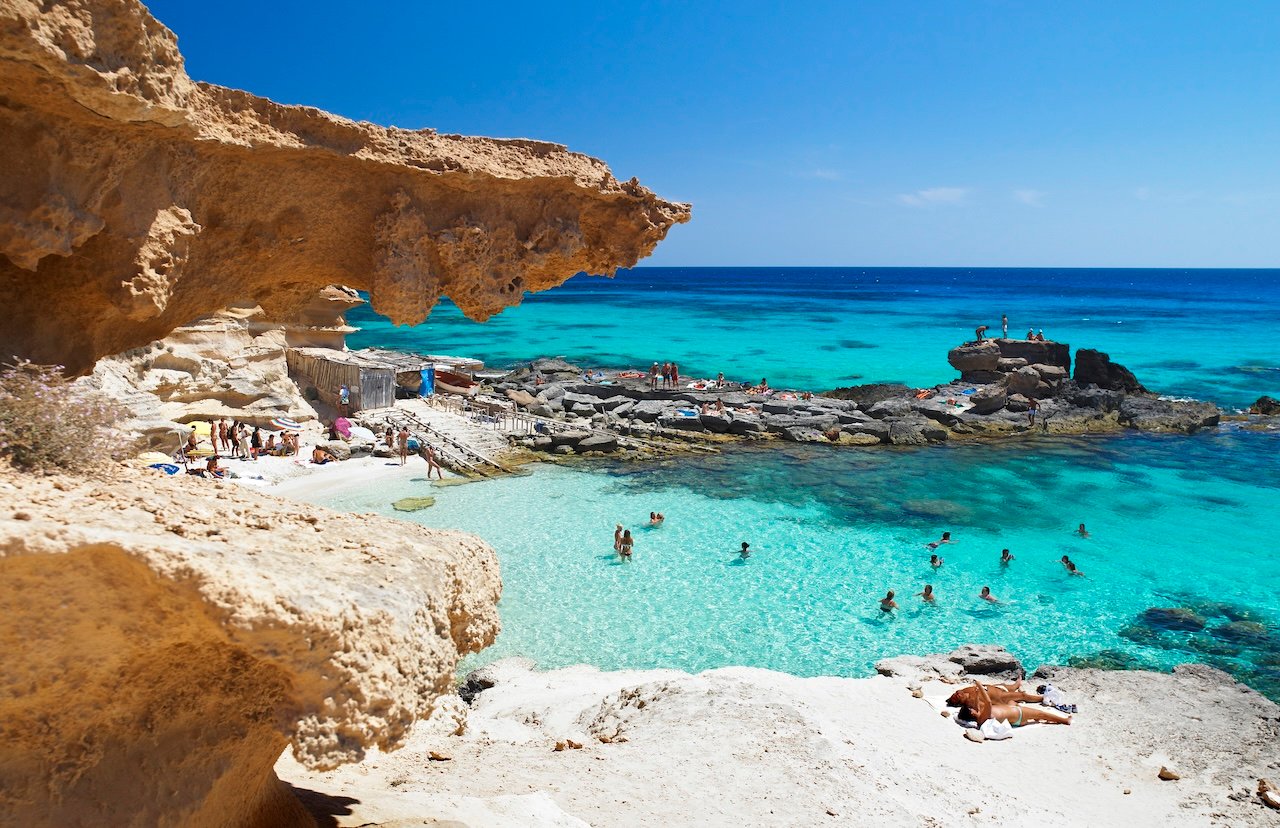
The Balearic Islands are one of the Mediterranean’s most diverse archipelagos, a group of islands that encompass everything from Ibiza’s global clubbing culture to the limestone gorges and ancient farmhouses of Menorca’s rural interior, from the five-star resort hotels of Mallorca’s Playa de Palma to the perfect, car-free beaches of Formentera (below).
They share a common language (mallorquí, a dialect of Catalan), a common Moorish and Roman heritage visible in the architecture and street plans of their old towns, and a common quality of Mediterranean light that has been drawing artists and writers for more than a century.
Mallorca, the largest (above), is the most varied: Palma is a genuine European city of the first rank, with a Gothic cathedral of great drama rising directly from the sea wall, a superb Arab baths, a thriving restaurant scene and the finest collection of contemporary art galleries outside Barcelona.
The Tramuntana mountains along the northwest coast — a UNESCO World Heritage Site — are among the most beautiful cycling and walking landscapes in Europe, with ancient stone terraces, deep gorges and views over the Mediterranean from 1,000-metre peaks. The road from Sóller to Deià is one of the most beautiful drives in Spain.
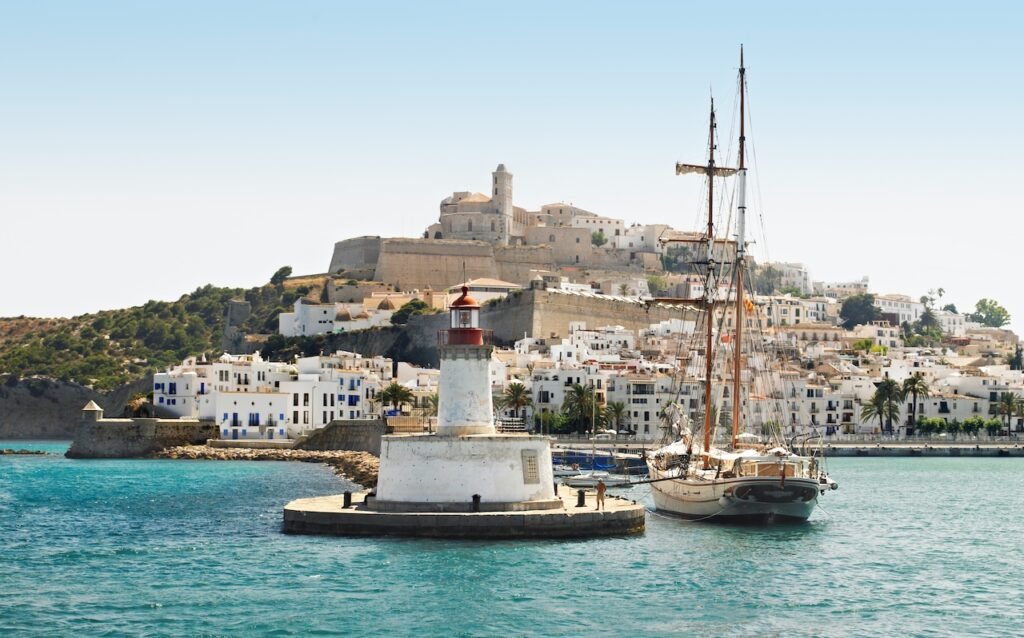
Ibiza (above), despite its reputation, offers extraordinary beauty beyond the clubs: the UNESCO-listed Dalt Vila (old walled city) of Ibiza Town is one of the best-preserved Renaissance fortifications in the western Mediterranean, and the northern and eastern coasts of the island have quiet coves, organic farms and a lingering hippie culture from the 1960s.
Menorca is the quietest and most genuinely rural of the main islands, its prehistoric talaiots (megalithic monuments) dotting a countryside of dry stone walls and white farmhouses. Formentera — a 40-minute ferry from Ibiza — has the clearest, most turquoise water in the western Mediterranean.
Don’t miss: Palma’s Gothic cathedral and the historic Arab baths; cycling or walking in the Tramuntana mountains; the old town of Ibiza (Dalt Vila); Menorca’s prehistoric talaiots and hidden coves; and Formentera’s breathtaking beaches.
The Canary Islands (Canarias)
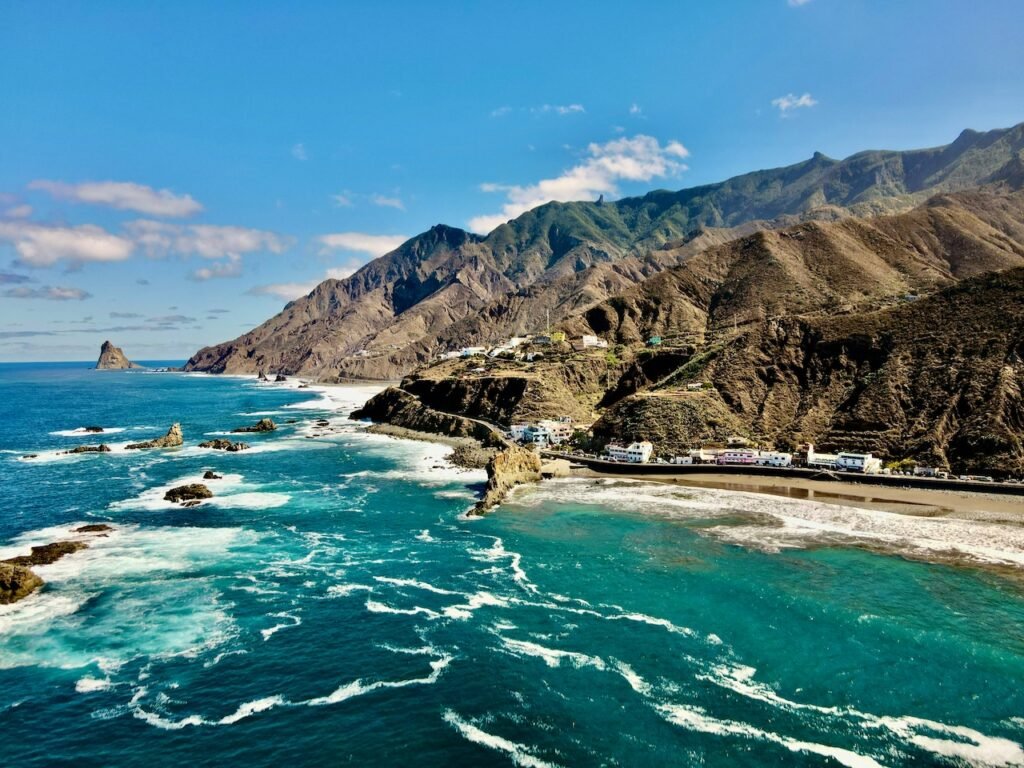
The Canary Islands offer a volcanic Spanish escape, renowned for Mount Teide’s towering peak, dramatic lava landscapes, black sand beaches and year-round subtropical climate.
Location: An Atlantic Ocean hotspot, The Canary Islands are located approximately 100 kilometres west of the coast of southern Morocco, making them geographically closer to Africa than to Spain.
The Canary Islands are Spain’s most geographically improbable possession: a volcanic archipelago in the subtropical Atlantic whose climate (the clima eterno — eternal spring — of the tourist brochures) is genuinely unique among European destinations. The seven main islands are each markedly different in character, landscape and atmosphere: together they form one of the world’s most diverse island groups.
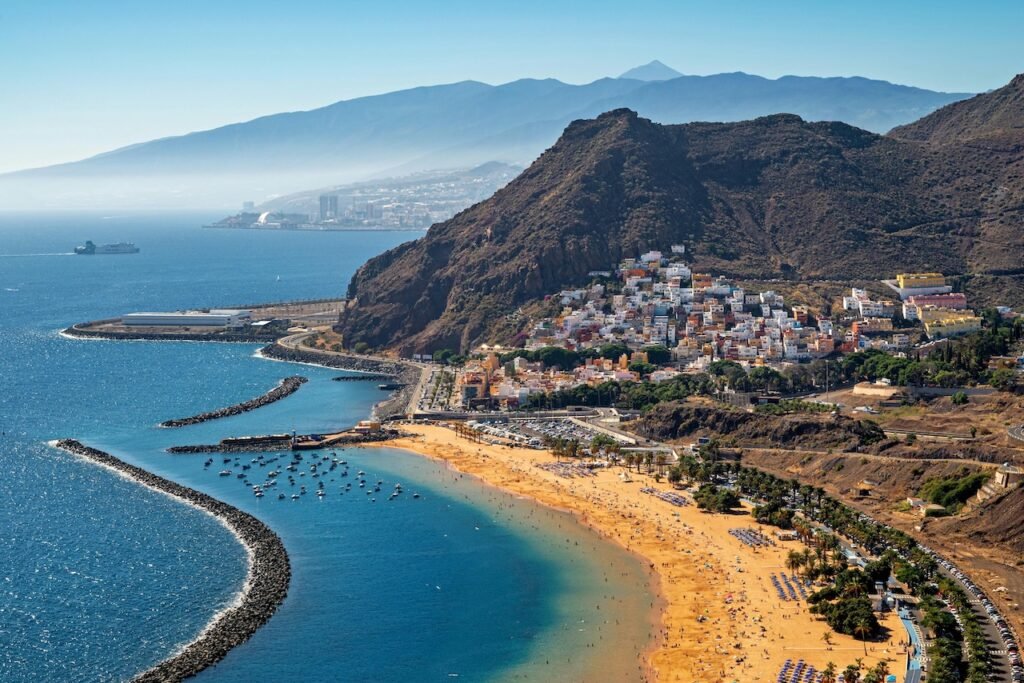
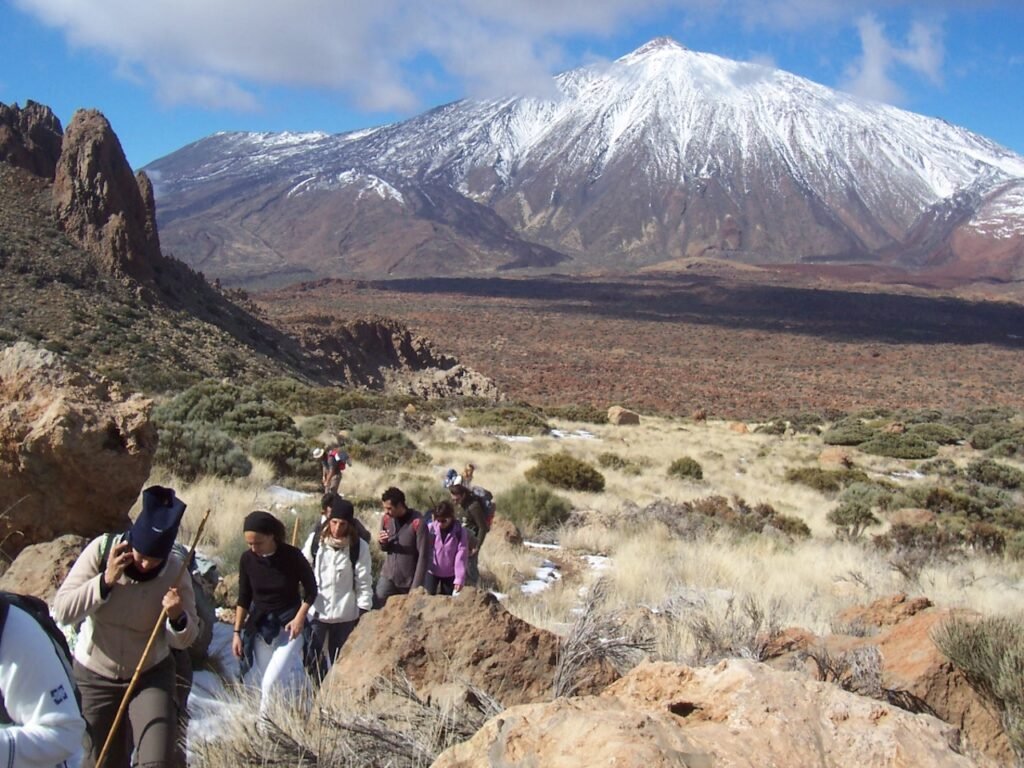
Tenerife (above) is the largest and most visited, its southern resorts (Playa de las Américas, Los Cristianos) among the most popular beach destinations in Europe, its north coast quiet and lush, its centre dominated by Mount Teide, Spain’s highest mountain and, at its base, the largest volcano in the Atlantic. The road to the Teide national park, through forests of Canarian pine and across high lava fields, is one of the most extraordinary drives in Spain.
Gran Canaria has the sand dunes of Maspalomas in the south and the historic capital Las Palmas in the north. Lanzarote — where the artist and architect César Manrique left an indelible aesthetic mark on the island’s architecture and landscape — is the most distinctive of the islands, its black volcanic terrain, white villages and brilliant blue sea creating a visual palette unlike anywhere else in Europe; the UNESCO Biosphere Reserve status covers the whole island.
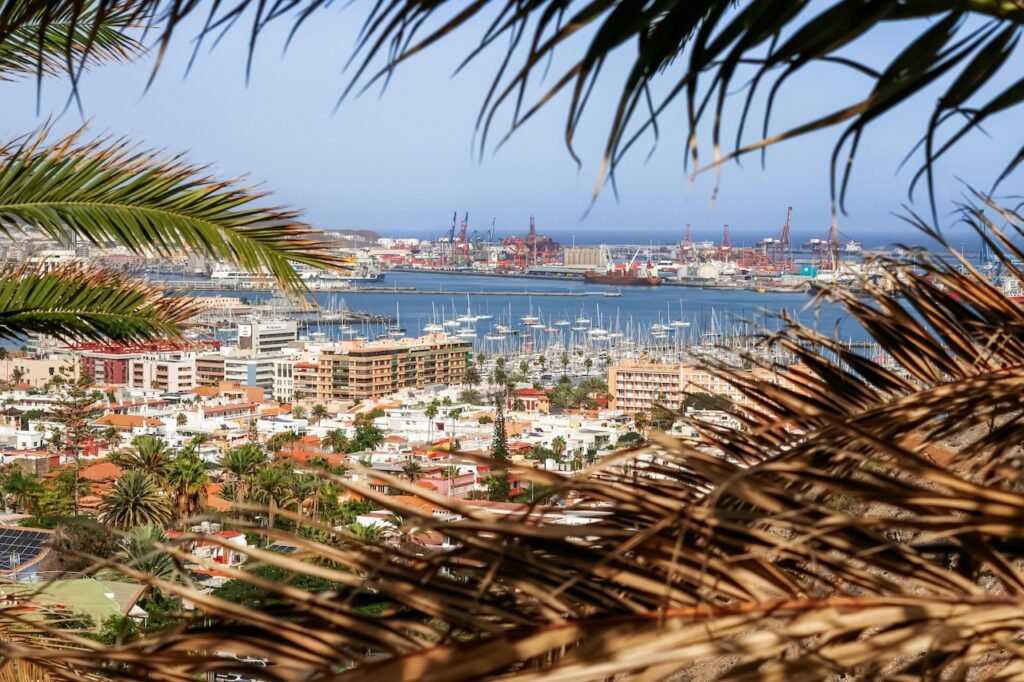
La Palma (above) is the greenest and most peaceful of the larger islands, its forests and astronomical observatories attracting those seeking nature over nightlife. La Gomera, famous as the last landfall of Columbus before his Atlantic crossing, is a dramatically terraced island of laurel forest (also a UNESCO World Heritage Site).
Don’t miss: Teide National Park on Tenerife; Lanzarote’s volcanic landscape and César Manrique’s works; the sand dunes of Maspalomas on Gran Canaria; the laurel forests of La Gomera (Garajonay National Park); and stargazing on La Palma.
Aragón, La Rioja and Navarra: A Note on Combining Regions
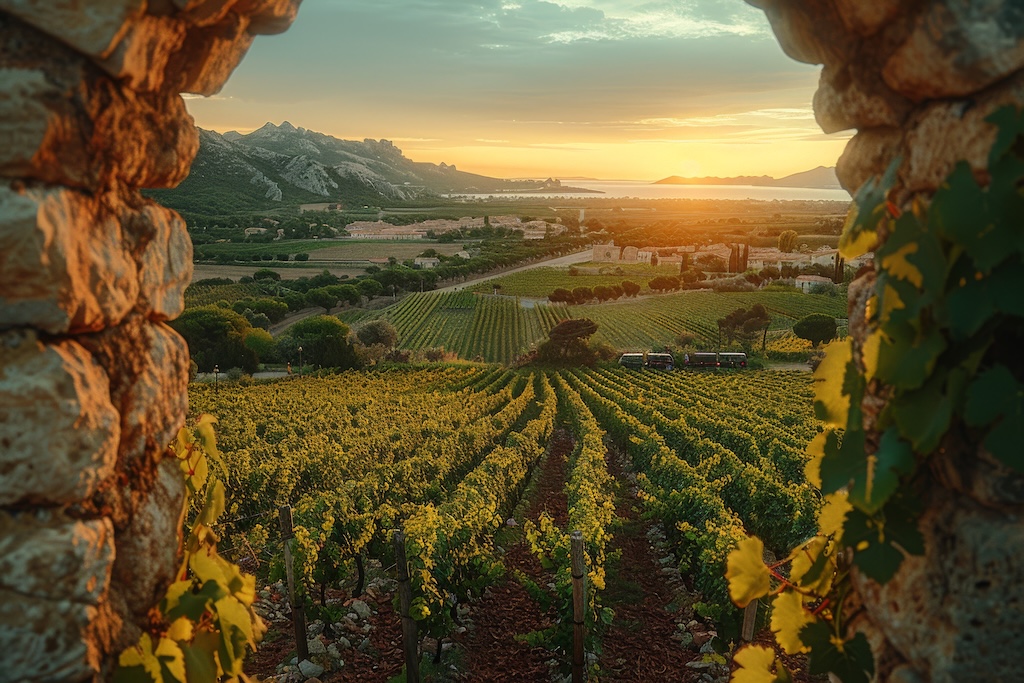
Several of Spain’s smaller northern regions — La Rioja, Navarra and parts of Aragón — are most naturally visited in combination, either as a driving circuit or as extensions of a Basque Country trip.
La Rioja and the Navarran wine country flow naturally into each other along the Ebro valley; Pamplona is an hour from Logroño and less than two from San Sebastián and Bilbao. A week based in this cluster of regions — combining the Guggenheim and pintxos of the Basque cities, the wine bodegas and medieval villages of La Rioja and the landscapes and festival culture of Navarra — is one of the most compelling and underexplored travel itineraries in Spain.
Choosing Your Regions: A Quick Framework
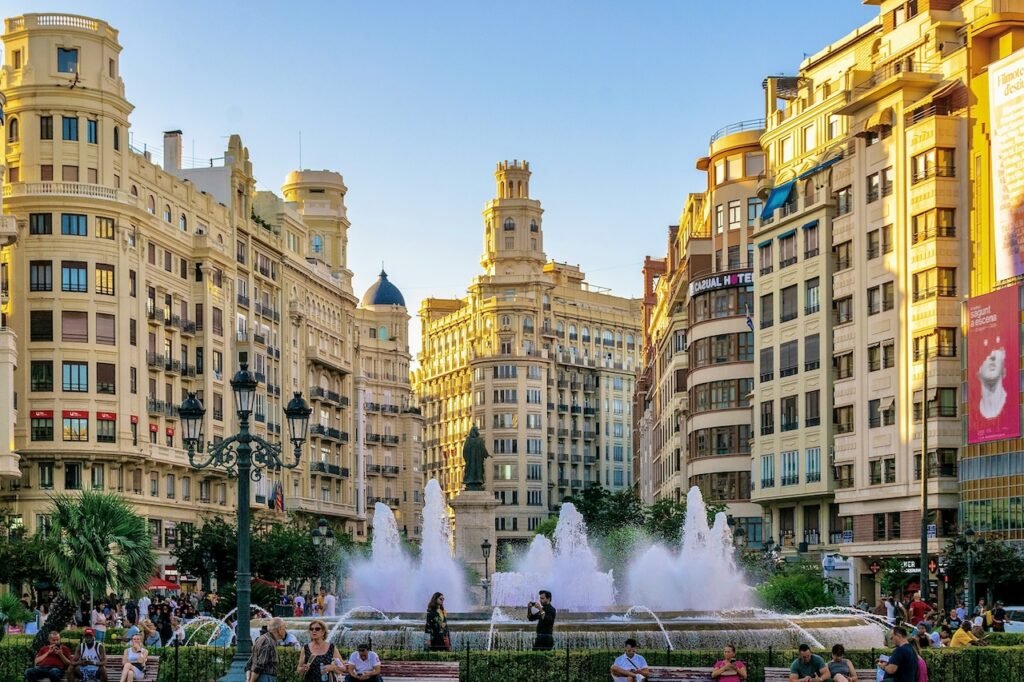
If you want history and culture — Andalucía (Moorish), Castilla y León (medieval and Renaissance), Extremadura (Roman and conquistador), Catalonia (Modernista), Castilla-La Mancha (Cervantes and the Reconquista)
If you want food and wine — Basque Country and Navarra (pintxos, Michelin stars), La Rioja (wine), Valencia (paella and produce), Galicia (seafood), Andalucía (sherry, tapas)
If you want nature and outdoor activities — Asturias and Cantabria (Picos de Europa, wild beaches), Galicia (Atlantic coast and Camino), Aragón and Navarra (Pyrenees), Extremadura (Monfragüe, dehesa), Canary Islands (volcanic landscapes)
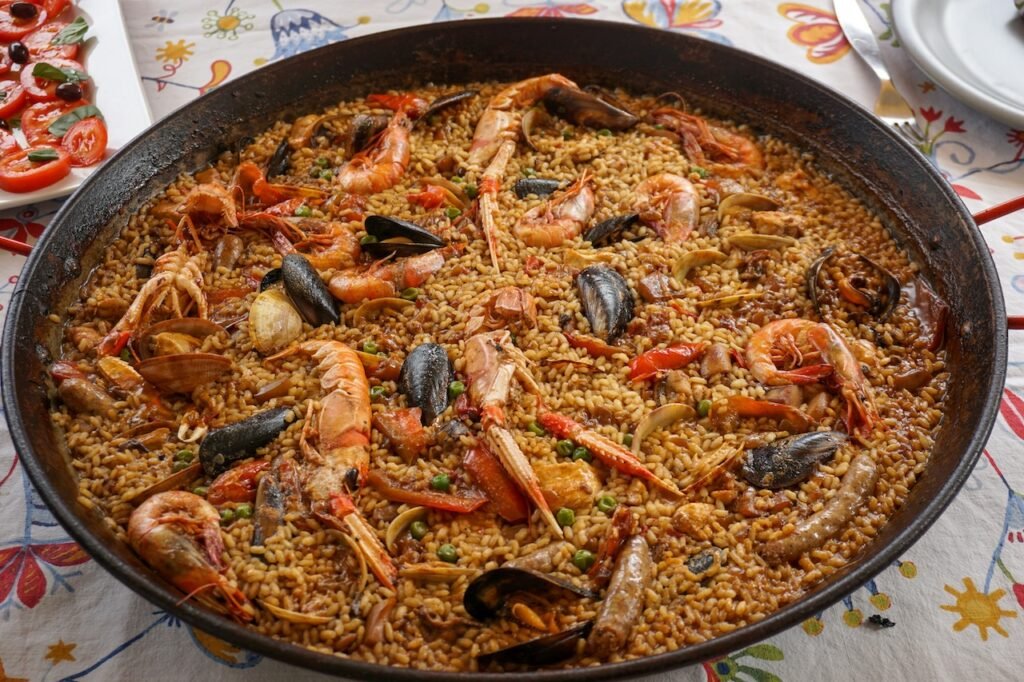
If you want beaches — Balearic Islands (Mediterranean), Canary Islands (year-round), Andalucía (Costa de la Luz, Costa de Almería), Valencia (Costa Blanca)
If you want city culture — Madrid, Barcelona, Seville, Bilbao, San Sebastián, Valencia, Granada
If you want to get off the beaten track — Extremadura, Murcia, Aragón, the interior of Galicia, the Navarran Pyrenees, La Rioja’s medieval villages
If you’re headed to beautiful Spain, be sure to check out our guide to the best rooftop bars, the finest markets and luxury hotels in Madrid, as well as our guides to sipping vermouth and feasting on tapas like a local, the capital’s Golden Triangle of Art, and great day trips from Madrid.


