
One of the world’s most biodiverse ecosystems meets one of its most demanding photographic environments. Here’s how to come home with images worthy of the Amazon.
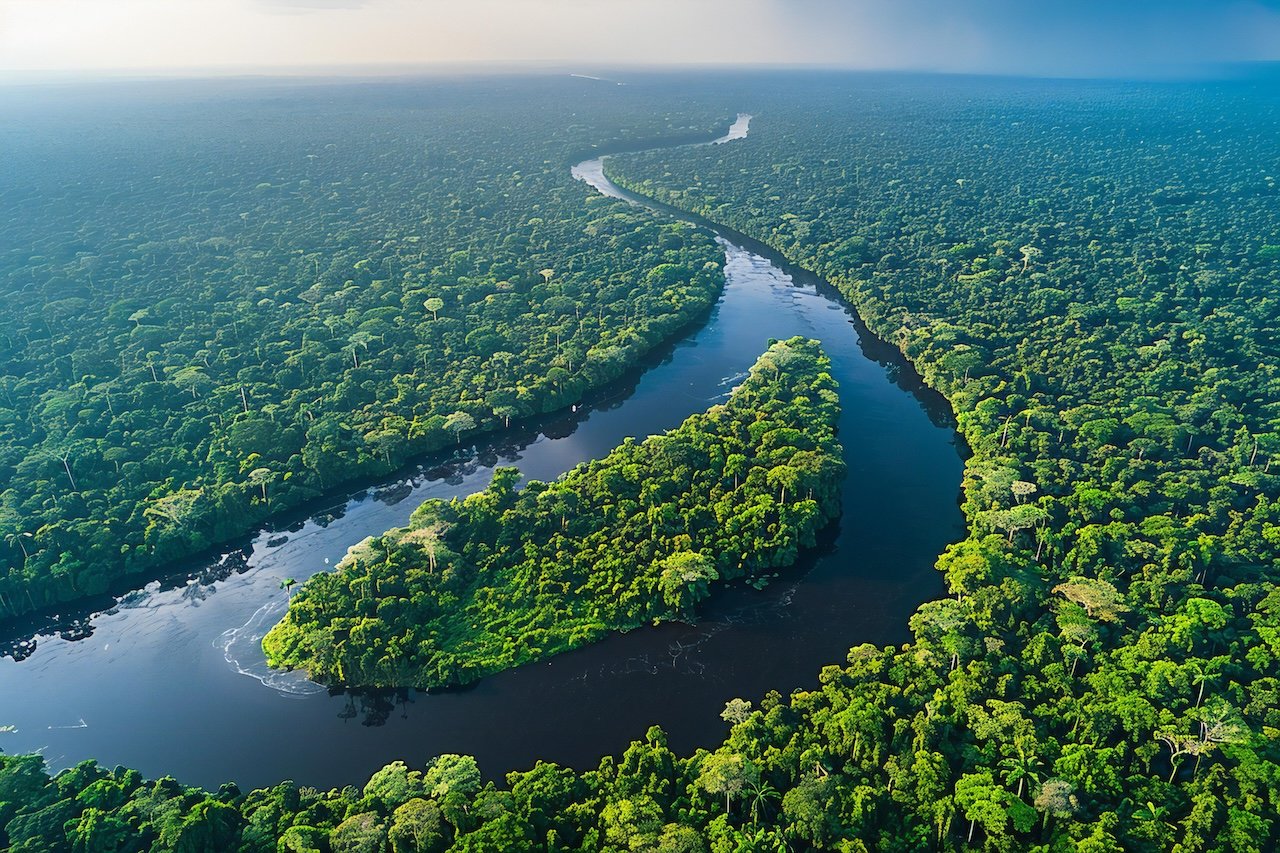
There is a moment, somewhere between the flooded forest and the open river, when the light does something extraordinary. It filters through the canopy in shafts of gold, catches the iridescent wings of a morpho butterfly mid-flight, and turns the surface of a black-water tributary into a mirror of pure sky. Photographers who have experienced this moment — and those who have arrived unprepared and missed it — will both tell you the same thing: the Amazon rewards those who prepare.
An Amazon river cruise places you in one of the most photographically rich environments on earth. Scarlet macaws, giant river otters, pink boto dolphins, black caimans at dusk, indigenous communities along ancient waterways — the subjects are extraordinary. But so are the challenges. Humidity that fogs lenses the moment you step outside. Rain that appears without warning and vanishes just as quickly. Wildlife that waits for no one. Light that shifts from blinding equatorial white to deep jungle shadow within metres.
This guide covers everything you need to know — gear, technique, timing, and the habits of the best expedition photographers — to do justice to one of the world’s great wilderness journeys.
Choosing the Right Camera for the Amazon
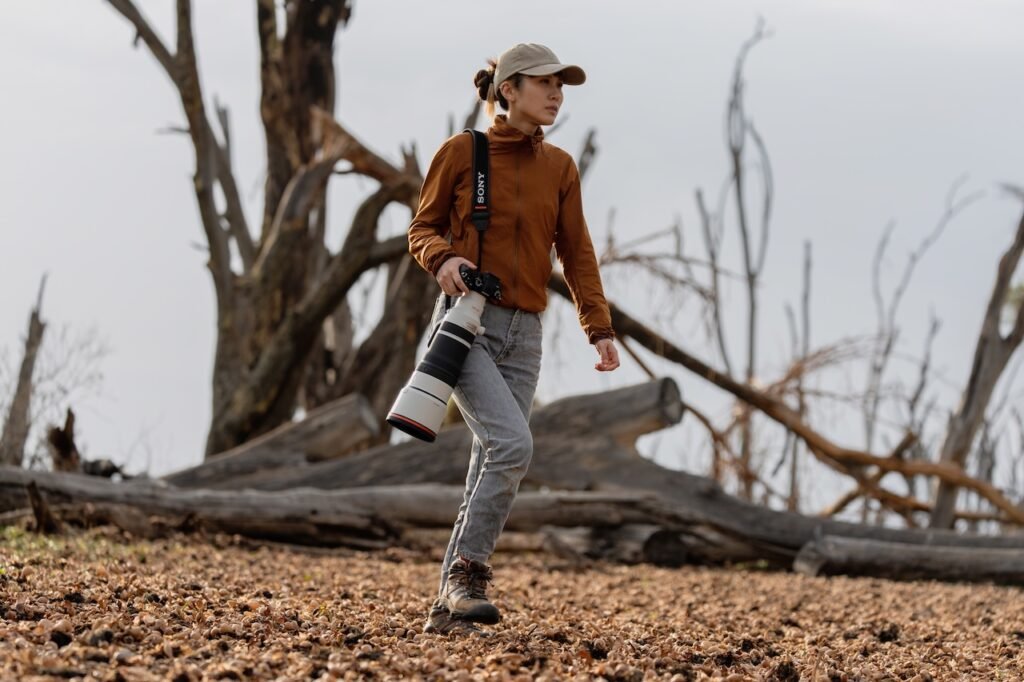
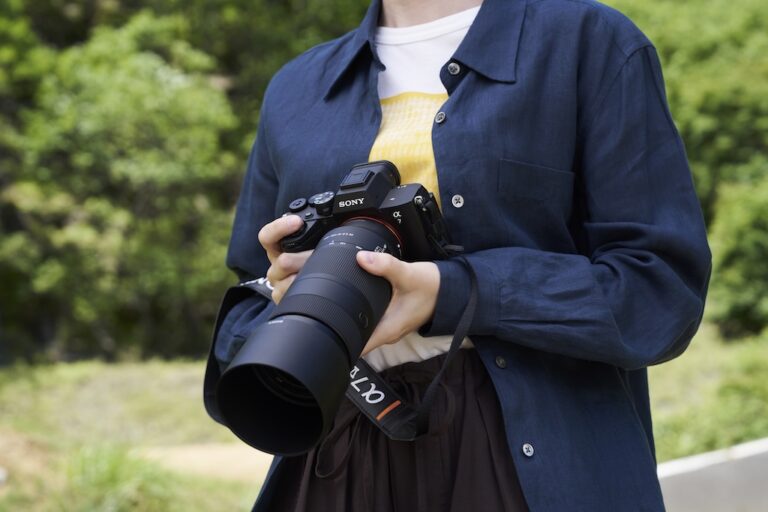
The most important quality in any Amazon camera is weather sealing. Full weather sealing — not merely splash resistance — protects your body from the sustained humidity (and believe me, it can be formidable), unexpected downpours, and the inevitable skiff spray that are simply part of daily life on the river. The Sony A7 series, Nikon Z system, and Canon R system all offer weather-sealed bodies across multiple price points (although I still pack my trusty Nikon D850 warhorse). Among mirrorless options, the Sony A7 IV and the Nikon Z6 III are particularly well regarded for their balance of resolution, autofocus capability, and environmental protection.
For travellers who prefer to travel light without sacrificing image quality, the Sony RX100 VII and the Ricoh GR IIIx are premium compacts that deliver genuinely impressive results and slip into a shirt pocket. The latest iPhone and Samsung Galaxy flagships are also more capable than many photographers give them credit for — in strong light, smartphone images can be extraordinary, and the convenience of a waterproofed device in a dry bag is not to be underestimated.
What to avoid: Entry-level DSLRs or mirrorless bodies without weather sealing. On the Amazon, moisture ingress is a matter of when, not if.
Essential Lenses: The Wildlife Telephoto and the Storytelling Wide
If you take one lens onto every Amazon excursion, make it a telephoto zoom. Wildlife on the river and in the canopy is rarely accommodating — macaws wheel overhead at speed, river dolphins surface briefly before diving, and caimans regard approaching skiffs with understandable wariness.
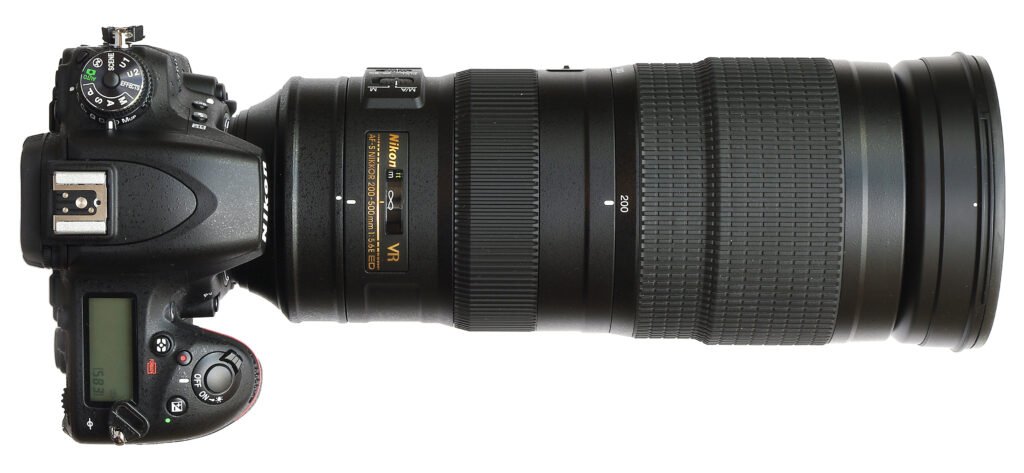
A focal length range of 100–400mm covers the vast majority of Amazon wildlife encounters (I still love my lightweight NIkkor 200-500mm f5.6). The Canon RF 100–500mm, Sony 200–600mm, and Tamron 150–500mm are all outstanding options. For those travelling with a crop-sensor body, a 100–400mm lens delivers the effective reach of 150–600mm — a meaningful advantage.
A standard zoom in the 24–70mm or 24–105mm range handles everything else: landscapes of flooded várzea forest, life aboard the expedition vessel, village encounters, and the intimate environmental portraits that give a photographic story its emotional depth. If weight allows, a 16–35mm wide-angle adds drama to jungle interiors and star-filled night skies above the river while a 70-200mm is great for portraits and doubles as a wildlife back up.
A practical note on zoom versus prime: In the Amazon, versatility beats maximum aperture. The light is often low under the canopy, but zoom flexibility matters more when a giant river otter surfaces unexpectedly fifteen metres to your left. Fast primes have their place on static subjects; zooms earn their keep in the field. This is why my go-to set up is two bodies (D850 and D750) and three lenses – 24-70mm, 70-200mm and 200-500mm.
Protecting Your Gear: Humidity, Rain, and River Water
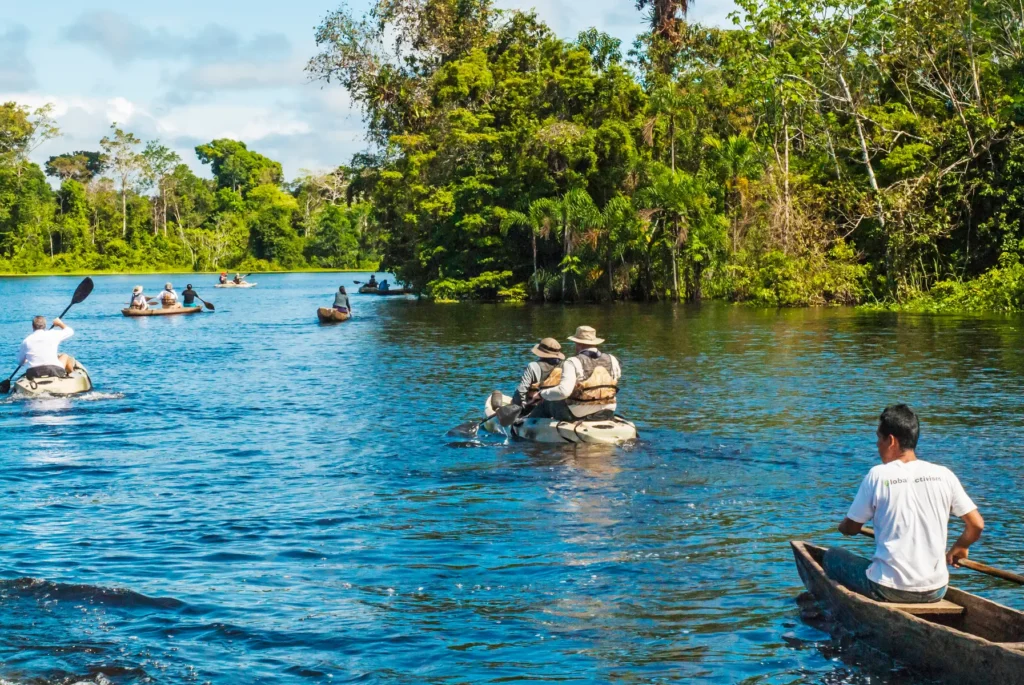
Tropical humidity is the silent enemy of camera equipment. When you move from an air-conditioned cabin into 95% humidity outside, condensation forms instantly on cold glass and metal surfaces. The solution is simple but requires discipline: before leaving your cabin, seal your camera in a dry bag or padded camera bag and allow it to acclimatise for ten to fifteen minutes before opening. Silica gel packets placed inside camera bags absorb residual moisture and should be dried out (in sunlight or an oven) every few days.
A dedicated waterproof camera bag — or at minimum a quality rain cover — is non-negotiable. Lowepro, F-Stop, and Think Tank all produce expedition-grade bags with integrated rain covers. For skiff excursions and jungle walks in heavy rain, a 10–20 litre dry bag with your camera body zipped inside and your lens in a separate dry sack is a reliable failsafe.
Keep a microfibre lens cloth and a small blower brush on your person at all times. Lens fogging, water spots, and fine dust are constant companions; the ability to clean quickly between shots is the difference between a sharp image and a wasted moment.
Mastering Light on the Amazon
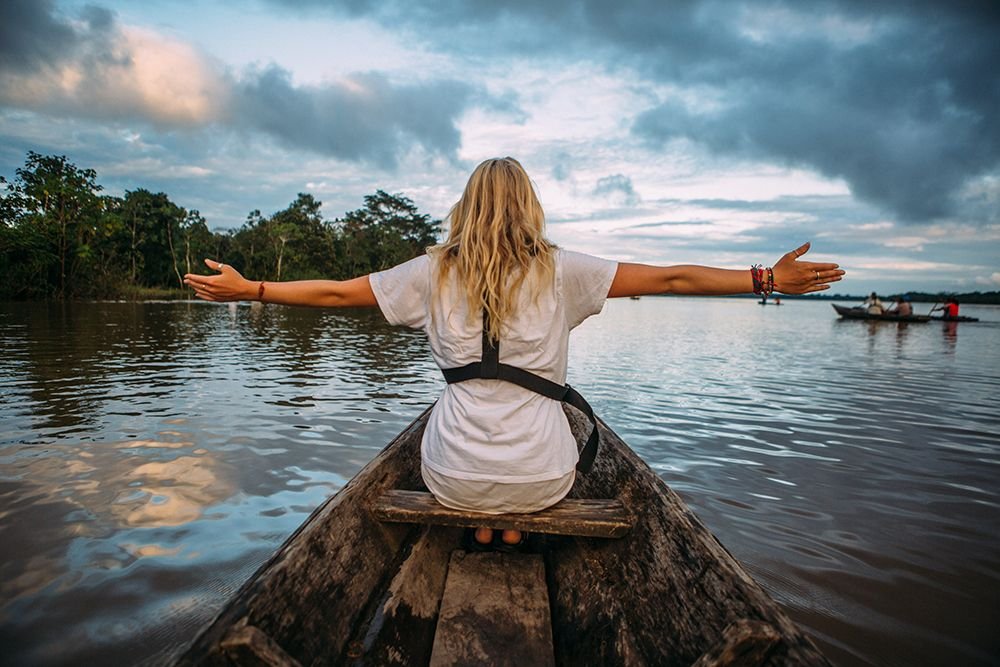
The equatorial light cycle is unforgiving and magnificent in equal measure. The golden hours — the hour after sunrise and the hour before sunset — are as dramatic on the Amazon as anywhere on earth, with low light painting the river in amber and the sky in colours that feel almost theatrical. These windows are short: near the equator, the sun rises and sets fast, and the golden hour is closer to twenty minutes. Be on deck and ready before first light.
Midday light is harsh and largely unflattering for landscapes and wildlife, but it has its uses. Under the jungle canopy, the dappled overhead light creates extraordinary contrast — shafts of illumination cutting through dark forest — that rewards careful composition. High-contrast scenes like these benefit from shooting in RAW format, which preserves highlight and shadow detail that JPEG compression discards.
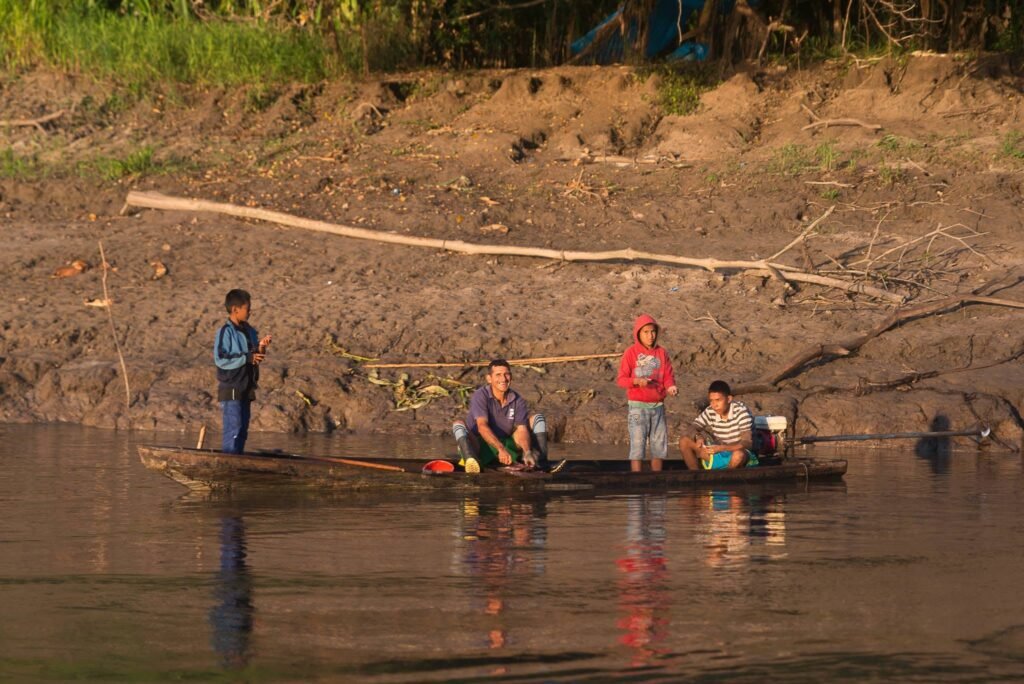
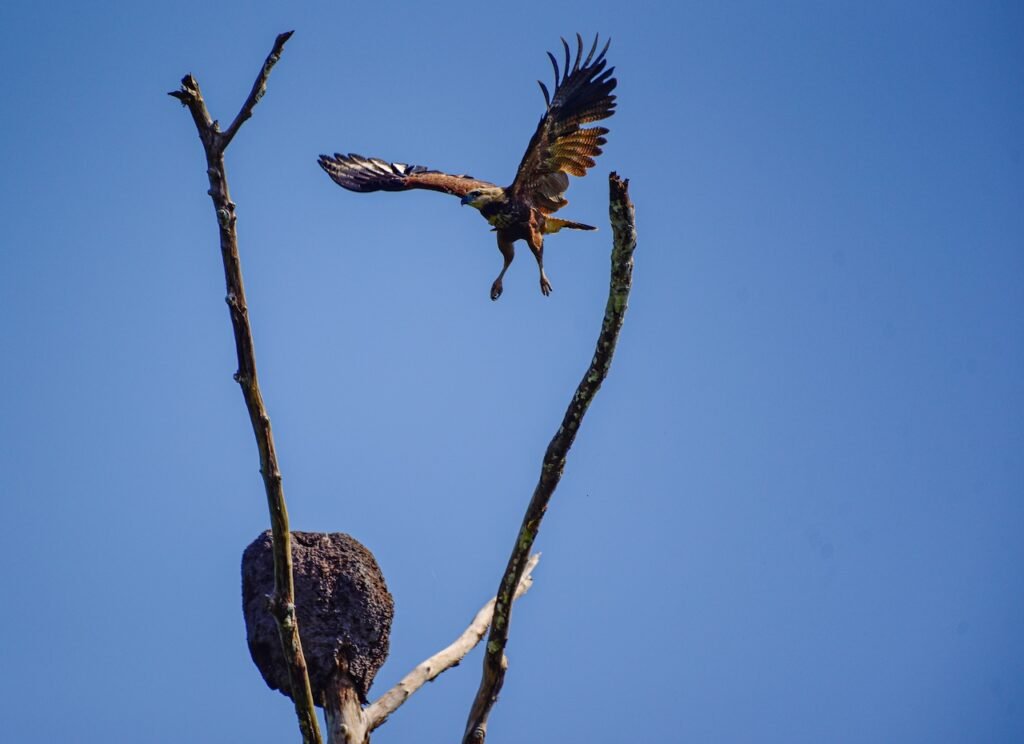
For wildlife in motion — dolphins, birds in flight, fast-moving primates — prioritise shutter speed above all else. A minimum of 1/1000s is required to freeze a leaping boto dolphin; birds in flight demand 1/2000s or faster. Open your aperture wide and push ISO as needed. Modern full-frame sensors handle ISO 3200–6400 with impressive cleanliness; don’t be afraid of the sensitivity.
Camera settings to begin with in the field:
- Aperture Priority mode with exposure compensation dialled to -1/3 to -2/3 stop (to protect highlights in bright river light)
- Continuous autofocus with animal/bird eye-detection enabled where available
- Burst mode set to high-speed for wildlife sequences
- RAW format, always
Shooting Wildlife: Patience, Positioning, and the Ethics of the Frame
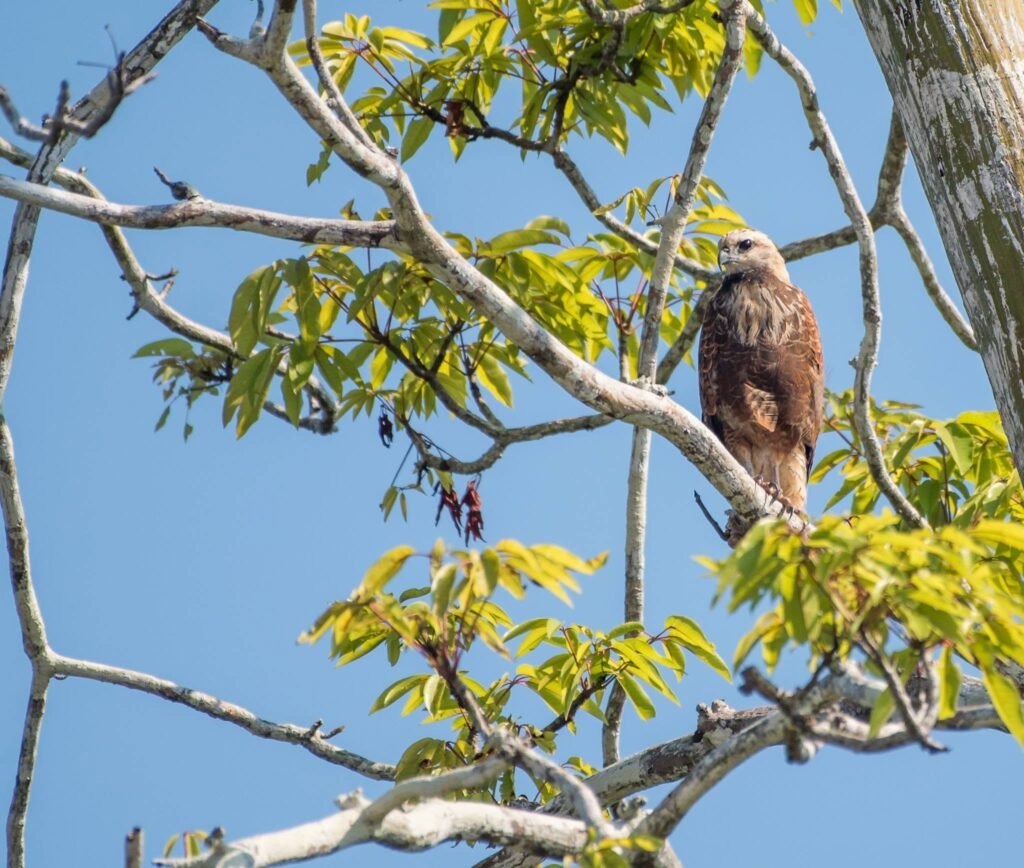
The best Amazon wildlife photographs are made by photographers who stay still and stay quiet. Local naturalist guides — who accompany every legitimate expedition — are your greatest asset. They read the forest and the river in ways that take years to develop; position yourself near them, watch where they look, and be ready before the subject appears rather than scrambling to react.
On skiff excursions, brace against the side of the boat and keep your elbows tucked in to stabilise your telephoto. A beanbag draped over the gunwale makes a surprisingly effective lens rest. Keep your camera at eye level and ready rather than in your lap — the seconds spent raising and focusing are seconds in which the moment disappears.
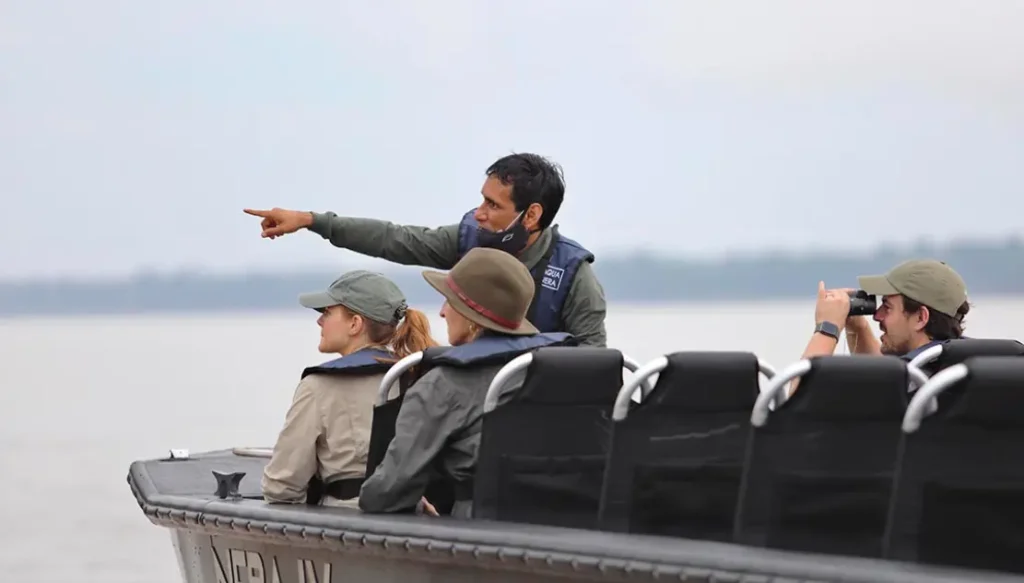
On the ethics of wildlife photography: responsible expedition operators maintain strict distances from sensitive species, particularly nesting birds, giant river otter holts, and manatee feeding areas. Never pressure a guide to move closer for a better shot. The welfare of the subject is not a constraint on great photography — it is the condition for it.
Videography: From Shaky Skiff to Cinematic Footage
Video on an Amazon expedition presents specific challenges — principally, the movement of the boat and the unpredictability of the subject. A smartphone gimbal such as the DJI OM 6 or the Hohem iSteady V3 transforms hand-held footage from unwatchable to elegant. Alternatively a durable action camera on a selfie stick (like I took on my last Amazon expedition above) is a great option. For dedicated video cameras or mirrorless bodies, in-body image stabilisation (IBIS) is invaluable; Sony and Nikon’s current systems are particularly effective.
Shoot in the highest quality your device supports. 4K at 25 or 30 frames per second is a solid baseline; 4K at 60fps gives you the option to slow footage to 24fps in post for a cinematic effect that works beautifully for wildlife movement and river landscapes.
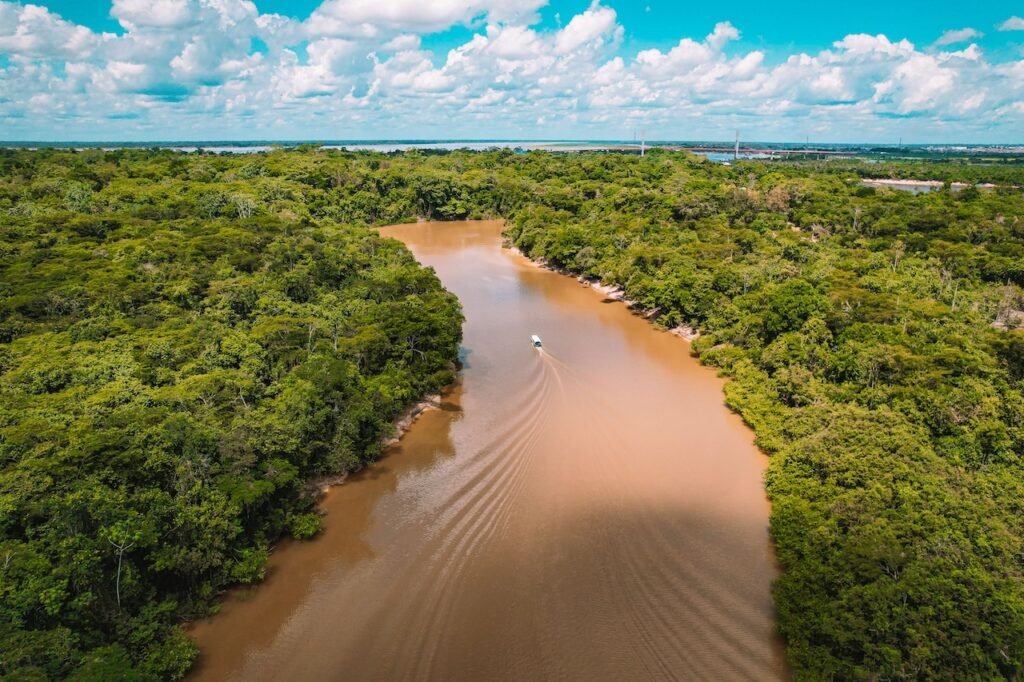
A note on drones: The Amazon spans four countries — Peru, Brazil, Colombia, and Ecuador — each with distinct drone regulations, many of which prohibit flight in protected areas, near indigenous communities, or without prior permits. Research your specific itinerary thoroughly before packing a drone; many operators actively discourage or prohibit their use on environmental and cultural grounds.
Storage, Power, and Backup Strategy
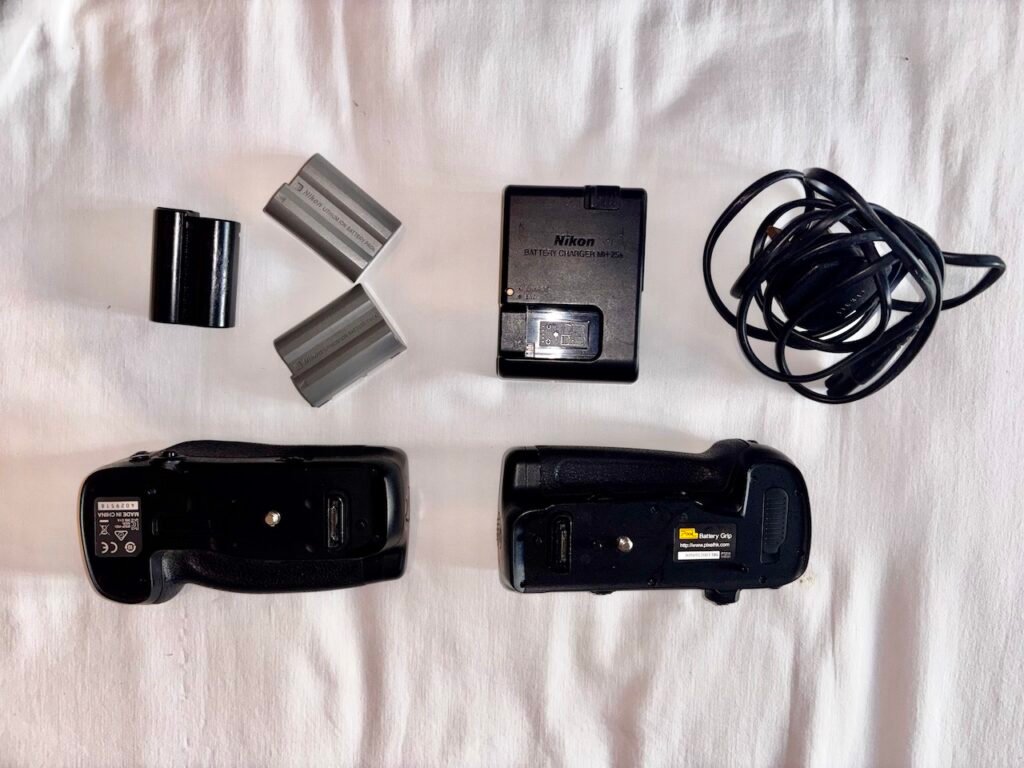
The Amazon will fill memory cards faster than almost any destination on earth. Carry a minimum of four to six high-speed cards (64GB or 128GB), and back up nightly to a portable SSD. The SanDisk Extreme Pro Portable SSD is a compact, durable, and widely trusted option. Many expedition vessels offer limited Wi-Fi; cloud backup is generally impractical given bandwidth, so a physical backup routine is essential.
Spare batteries are not optional. Cold air conditioning drains batteries faster than field use, and charging opportunities mid-excursion do not exist. Carry at least three batteries per camera body, and charge every night without exception. A multi-port USB charging hub handles multiple batteries and devices from a single socket — invaluable in a cabin with limited power points.
The Shot You Didn’t Plan For
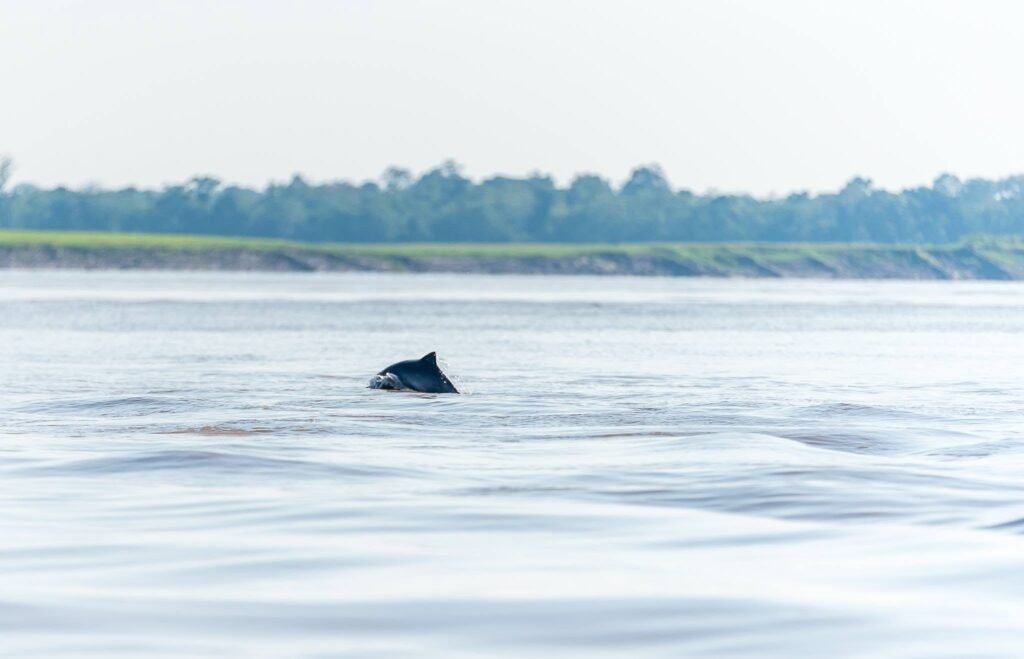
Every photographer who returns from the Amazon will tell you about the image they didn’t plan for — the moment that appeared without warning and demanded nothing more than a camera already in hand and a composition that felt right. The boto dolphin that surfaced at arm’s reach. The harpy eagle that landed in full morning light. The child on the riverbank who looked directly into the lens with an expression of complete serenity.
You cannot manufacture these moments. You can only prepare for them, stay present, and resist the compulsion to review images on your screen when the Amazon is happening all around you. Put the camera down occasionally. Look with your eyes rather than your lens. The best photographers on the river are also the most attentive travellers — and it is that attentiveness, ultimately, that produces the most extraordinary images.
Discover more of our Amazon guides: the best expedition operators for 2027, what to pack for your cruise, our adventures on the Upper Amazon with Aqua Expeditions, and the world’s best river cruise lines.