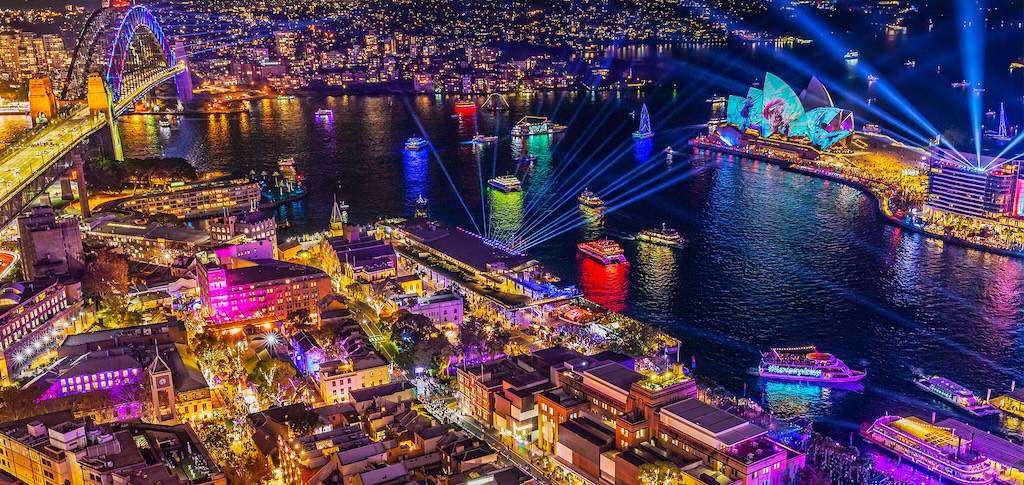

Sydney’s harbour turns to light for 23 nights each year. Here’s what to prioritise at Vivid Sydney 2027, and what first-time visitors ask most.
Twenty-three nights a year, greater Sydney trades its harbour views for something closer to theatre. Ferries slow past Barangaroo so passengers can watch the light shift on the water, and commuters detour home via Circular Quay, if only for ten minutes, to see what colour the Opera House has turned tonight. This is Vivid Sydney, and in 2027 it returns from 28 May to 19 June — later in the calendar than recent years, timed deliberately around the June long weekend. A city that prides itself on being unbothered by spectacle still, somehow, cannot quite look away.
As someone who called Sydney home for many years, I’ve watched Vivid grow from a lighting project into the Asia-Pacific’s largest festival of its kind, a city-wide party centred around four strands — Light, Music, Minds and Food — with events woven along the harbour foreshore and through the city’s older bones. Even better, more than 80% of the events cost nothing to attend.
Over 2.5 million people found their way to recent editions, drawn by word of mouth and an ever-evolving lineup of world-class acts and unforgettable spectacle. None of it asks to be rushed. The following is less a checklist than an itinerary for noticing, built around what tends to matter most to travellers arriving from further afield, many of them for the first time.
There is a version of Vivid that can be done in a single frantic evening, ticked off between dinner reservations. However, there’s another, better version that unfolds slowly over several nights, with room left for the parts no guidebook can schedule. What follows leans toward the second.
The Light Walk, and Why One Night Isn’t Enough
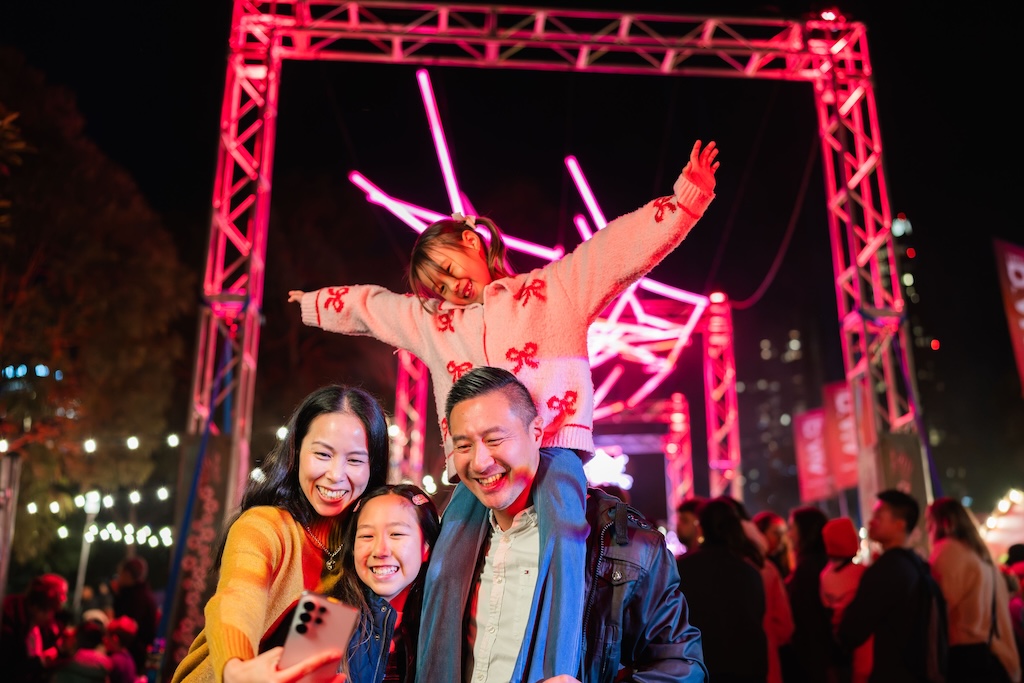
The festival’s spine is the Vivid Light Walk, a free 6.5-kilometre trail linking five of Sydney’s most beautiful precincts, including Circular Quay and The Rocks, Barangaroo, Martin Place and Darling Harbour. Lights come on at 6 pm sharp, every night of the run, and each precinct keeps its own tempo.
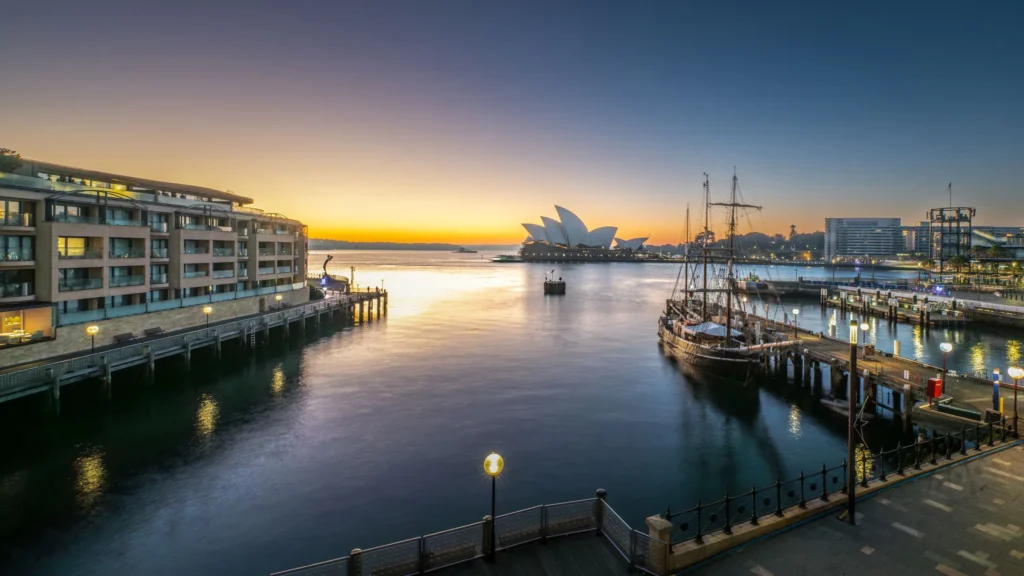
Circular Quay, the city’s bustling ferry and cruise ship hub, is grand and cinematic, and where the Opera House sails are reimagined nightly as a shifting canvas by artists working in projection and 3D mapping. The historic Rocks answers in a quieter register, with laneways and sandstone walls catching colour in a way that rewards slow walking over fast photography. Darling Harbour trades in scale and reflection, its wide water doubling every installation. Also look out for The Goods Line, which threads through what was once rail infrastructure and tends to hold the festival’s more experimental, interactive works.
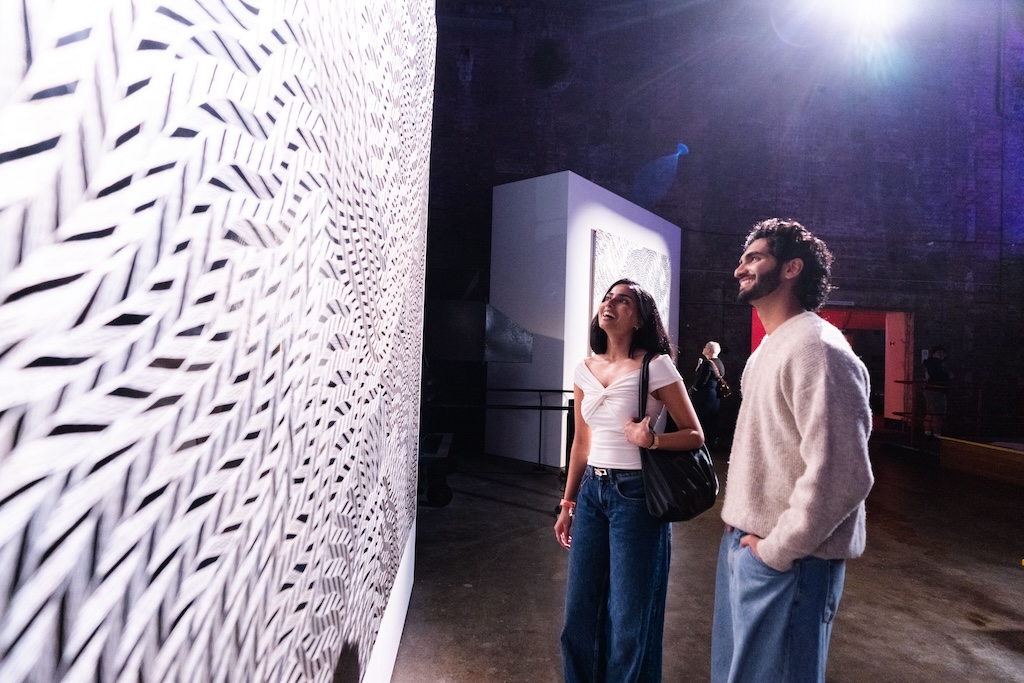
Attempting all five precincts in a single evening is the most common mistake international visitors make, and also the most forgivable one. The instinct to see everything is natural when the destination has taken hours of flying to arrive at. However, I’d suggest resisting that urge if the schedule allows. Vivid rewards return visits more than endurance; a harbourside hotel and two unhurried nights will show you more than one determined march from end to end.
Barangaroo After Dark
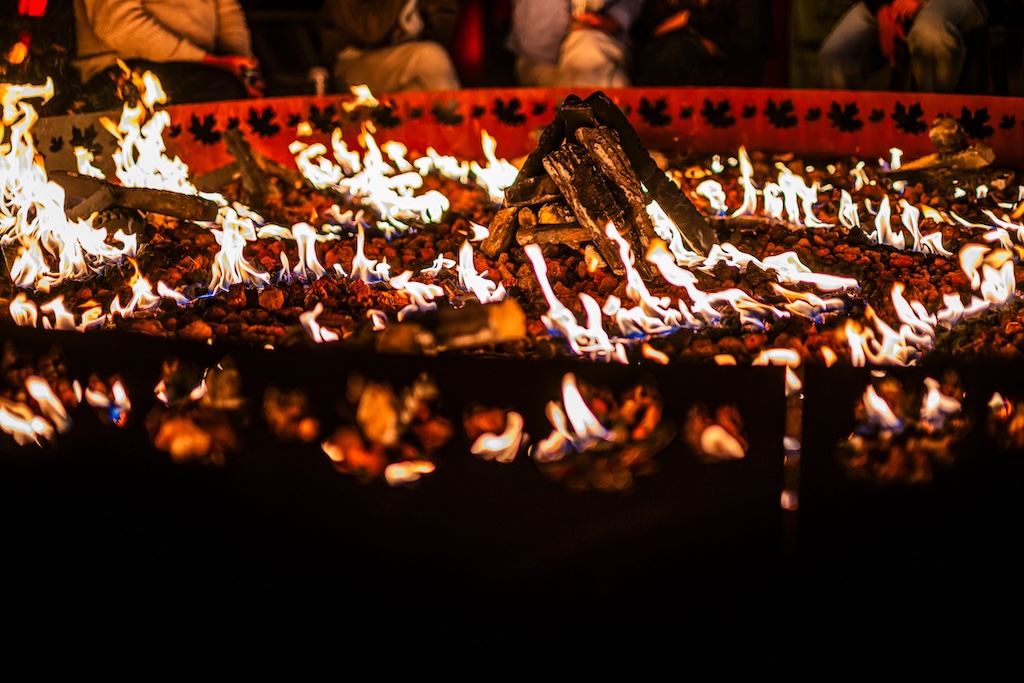
If any single precinct has come to define recent editions of Vivid, it is Barangaroo. The headland reserve, with its restored sandstone and harbour-facing lawns, has hosted some of the festival’s most ambitious large-format works, including towering light sculptures that turn the waterfront into something closer to an open-air gallery than a suburb of the CBD. Arrive before full dark to watch the transition happen in real time as the last of the daylight programming (introduced only in the last two editions) gives way to the first projections, the crowd thickening gently rather than all at once.
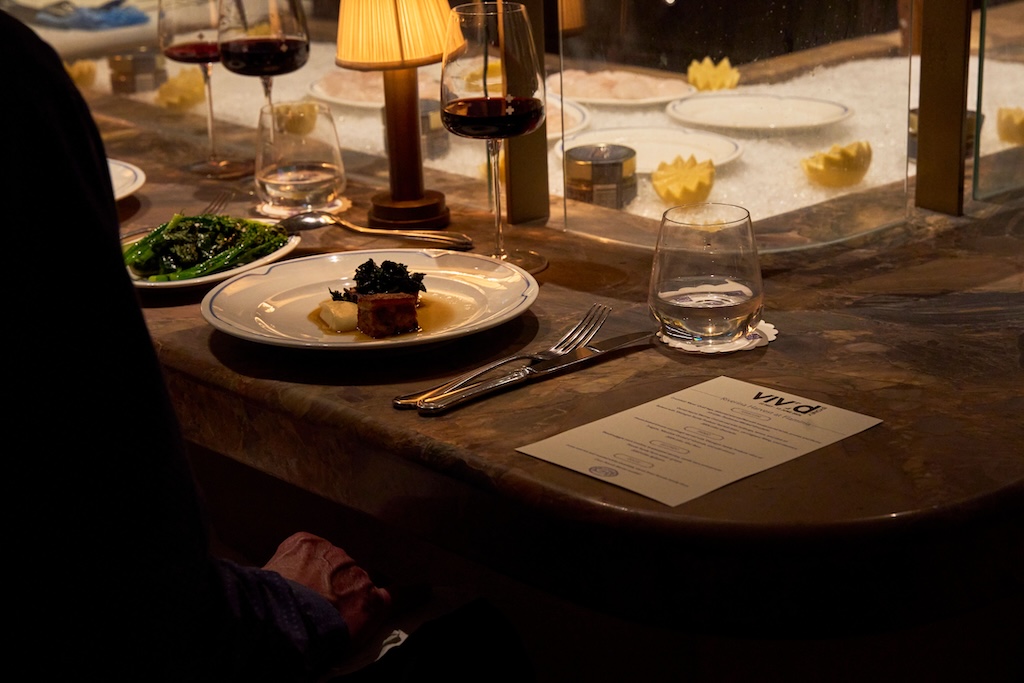
Barangaroo Reserve is also the festival’s culinary centrepiece, an open-fire dining event drawing chefs from across the country to cook outdoors, harbour views included. It’s, by some distance, the best argument for booking a table rather than relying on the free program alone.
Flavour Along the Foreshore
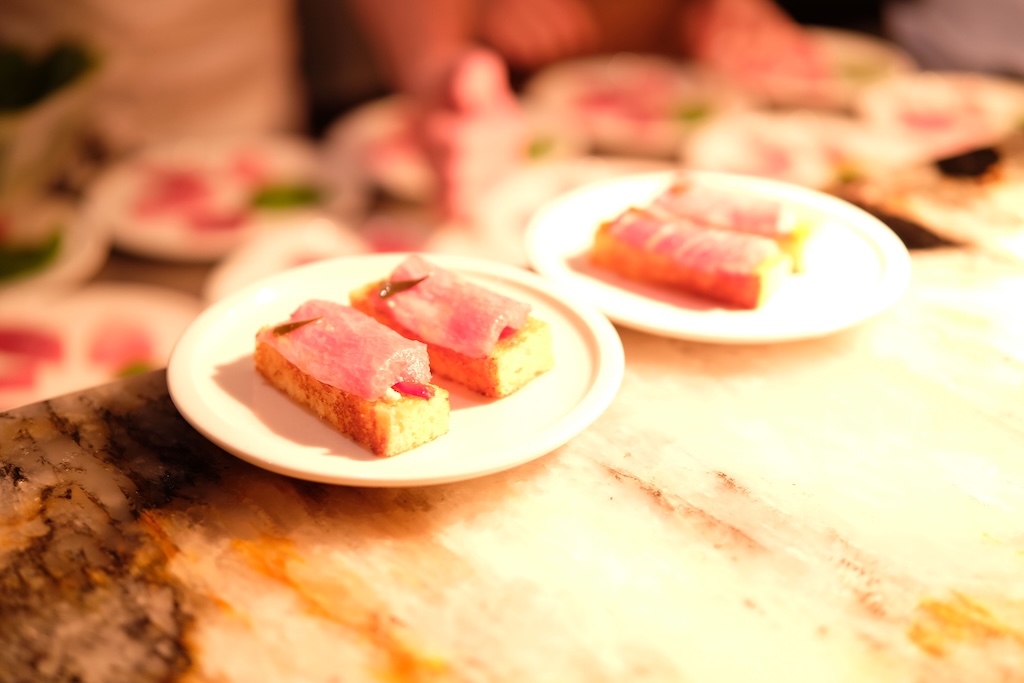
Vivid Food rarely gets the same attention as the lights, which is precisely why foodies who go looking for it will be rewarded. Beyond the open-fire dining at Barangaroo, Sydney’s multi-ethnic culinary spirit spreads quietly through the festival’s edges, from pop-up bars overlooking the water to degustation menus built specifically around the season. Restaurants along Circular Quay and Darling Harbour extend their hours, and their imaginations for the duration of the festival and yet none of it competes with the installations for spectacle. It doesn’t need to.
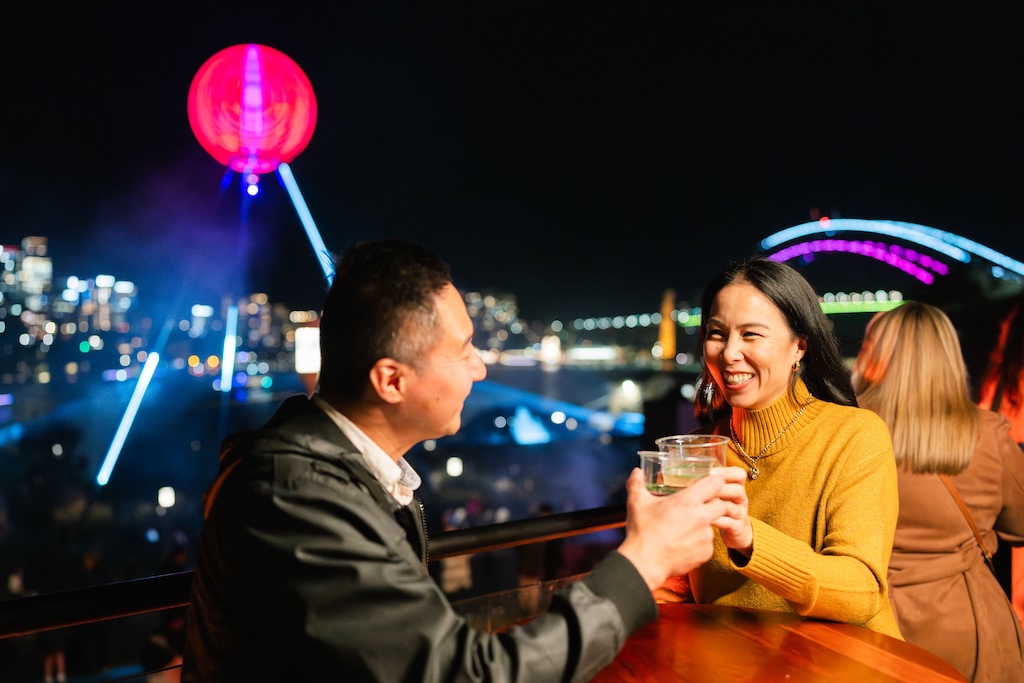
A glass of cool-climate wine on a terrace above Darling Harbour, watching colour move across the water below, tends to stay with a visitor longer than any single projection does. Book ahead where a specific restaurant matters; the best tables along the foreshore fill months out, not weeks.
The Sound That Follows You
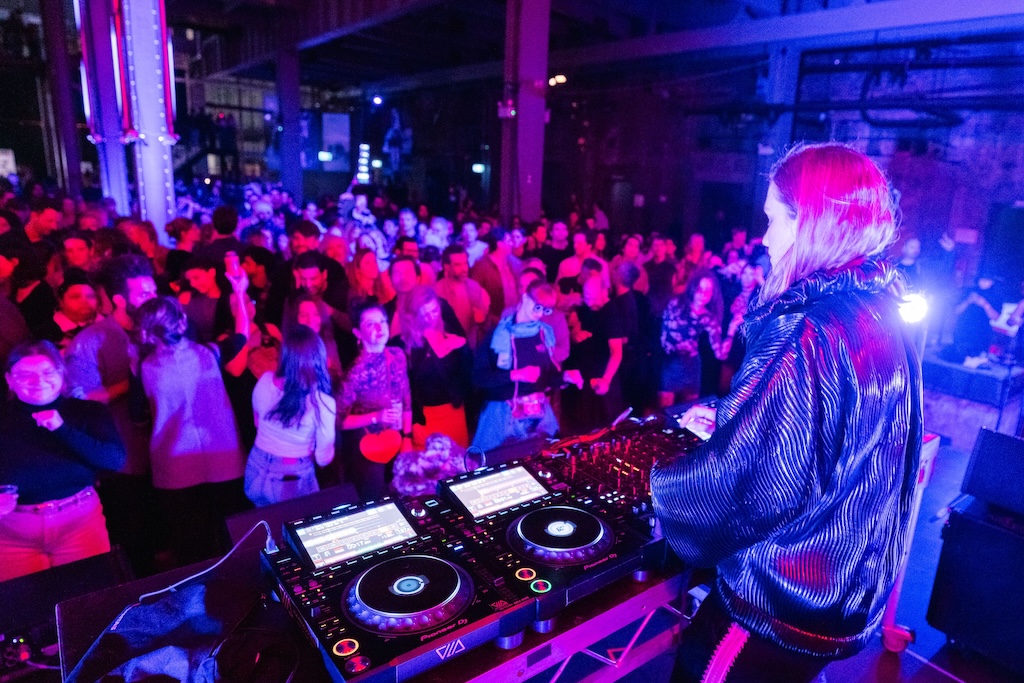
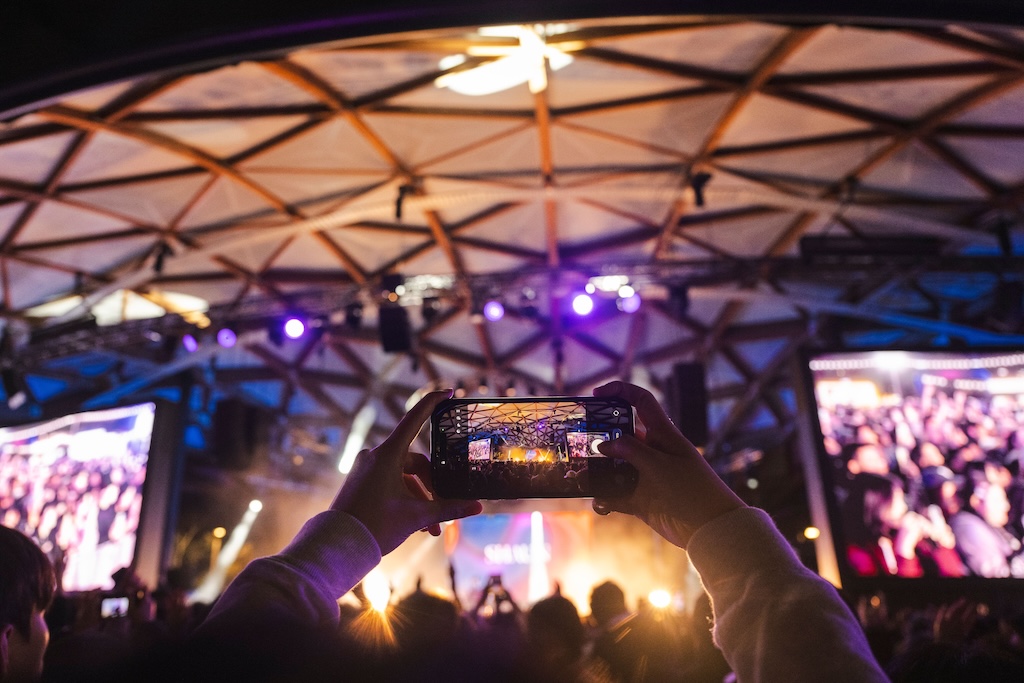
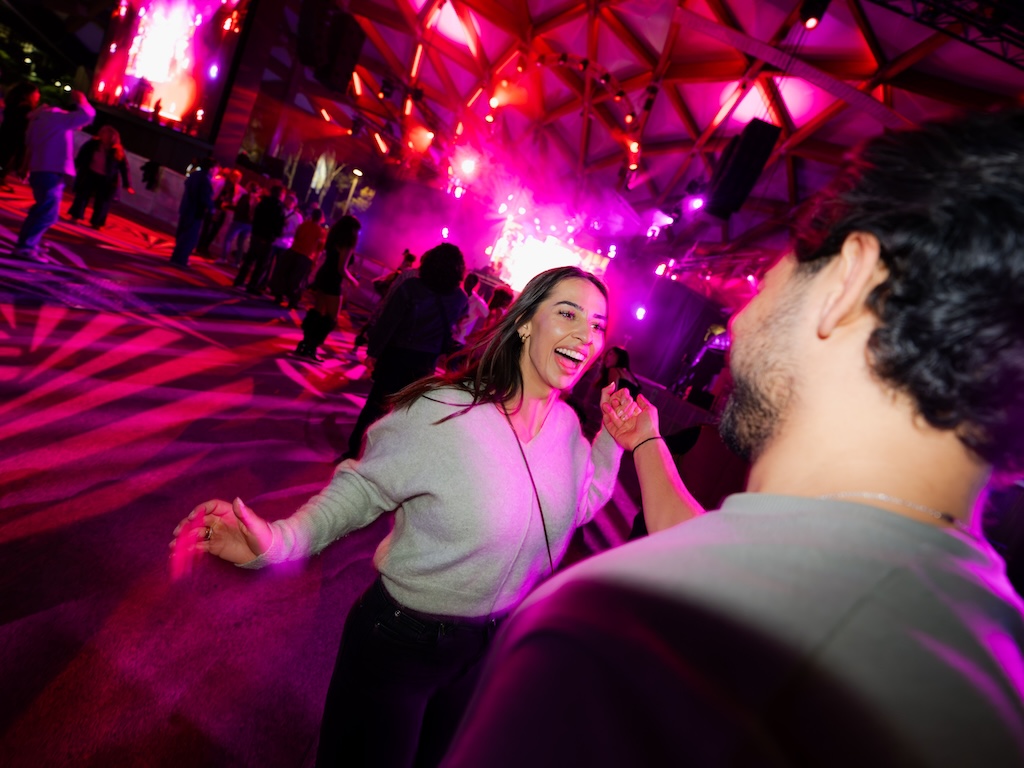
Vivid Music runs parallel to the lights rather than beneath them, filling venues across the city centre, from intimate late-night rooms to the free outdoor stages of Tumbalong Park, where Tumbalong Nights offers a full season of music under the stars at no cost at all.
Expect insightful new sounds rather than headline acts, with local artists sharing bills with touring international names and genres crossing without much ceremony. For a visitor unfamiliar with Sydney’s live-music geography, this is the gentlest possible introduction. Simply wander from the Light Walk into countless side venues, and the festival seamlessly continues in a different key.
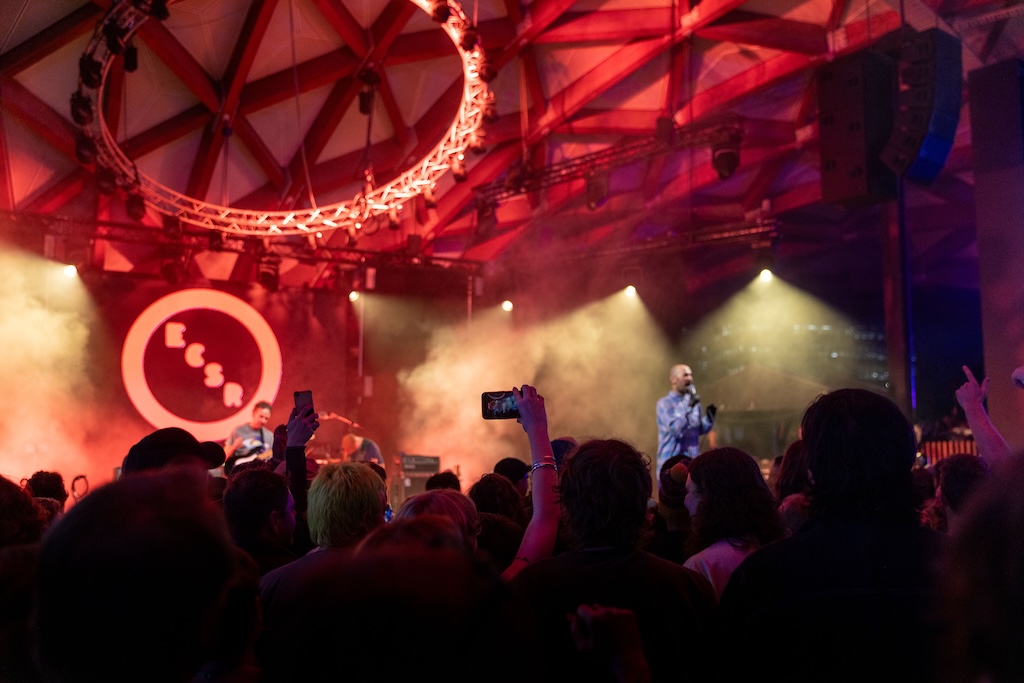
There is no single itinerary that captures Vivid Music at its best, because the lineup of events and acts is built on the pleasure of not quite knowing what’s next. You might seek out a jazz trio in a small club off George Street, be seduced by a DJ set on a chic rooftop with the Harbour Bridge as backdrop; or stumble across a choir, unannounced, filling a laneway for 20 minutes before moving on. The traveller who plans loosely, and lets one performance lead to the next, tends to come away with the better story.
Ideas Worth Crossing Time Zones For
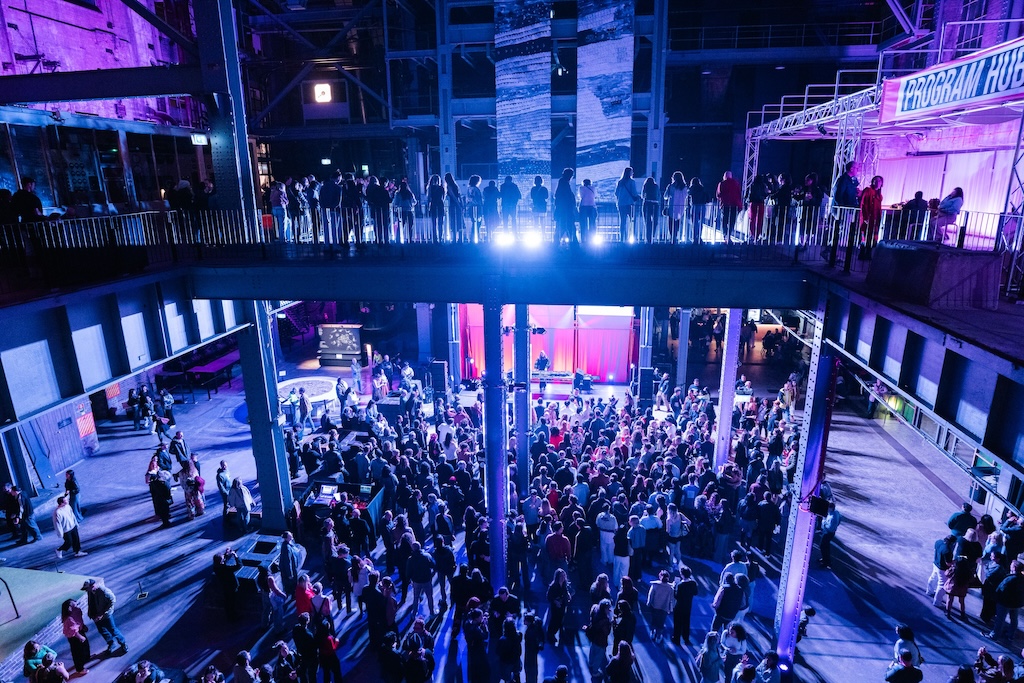
Vivid Minds is the festival component most easily missed by first-time visitors, and the one that regulars return for. Talks, forums and immersive events bring together designers, scientists, architects and artists in conversations that would, in most other cities, require a conference fee and a lanyard.
While most events are intimate, recent editions have also included large-scale performance pieces (including an aerial production staged above the Opera House forecourt that had rather more to do with circus and dance than with panel discussion) that blur the line between talk and spectacle entirely.

Book ahead where tickets apply; these sessions are (typically) smaller by design and are perfect for the traveller who is willing to spend one evening indoors, away from the lights, simply listening.
For a visitor who has come a long way, Vivid Minds is also the strand that offers the deepest sense of place. The conversations lean into what Sydney, and Australia more broadly, are actually grappling with — climate, culture, technology, the future of cities — rather than a generic festival roster imported wholesale. Sit in on one, and the rest of the trip tends to look a little different afterwards.
The Sky Joins In
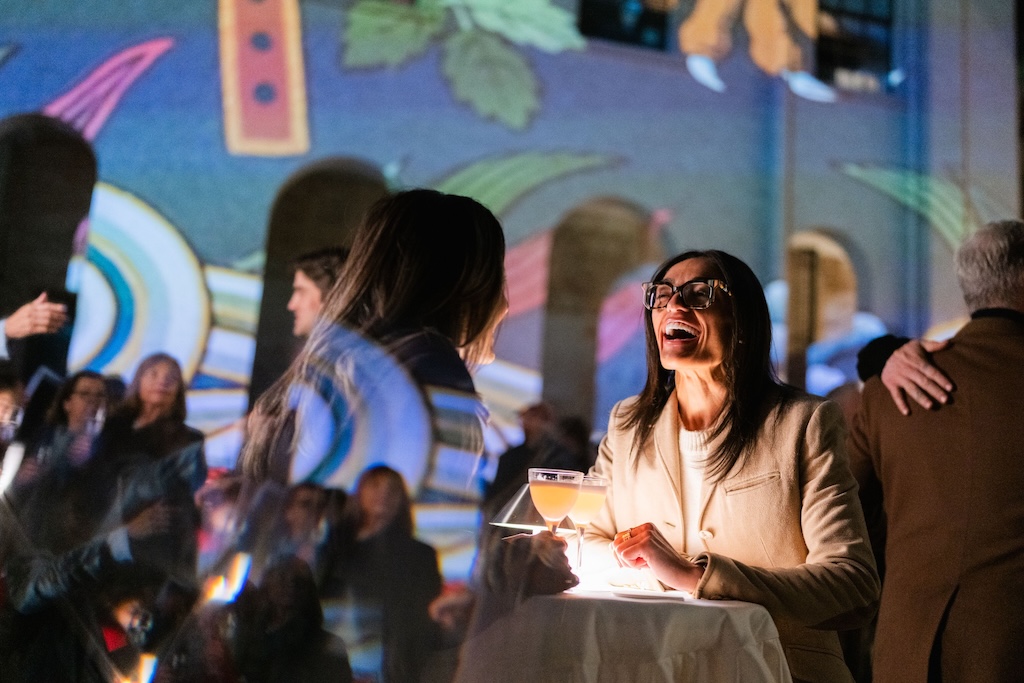
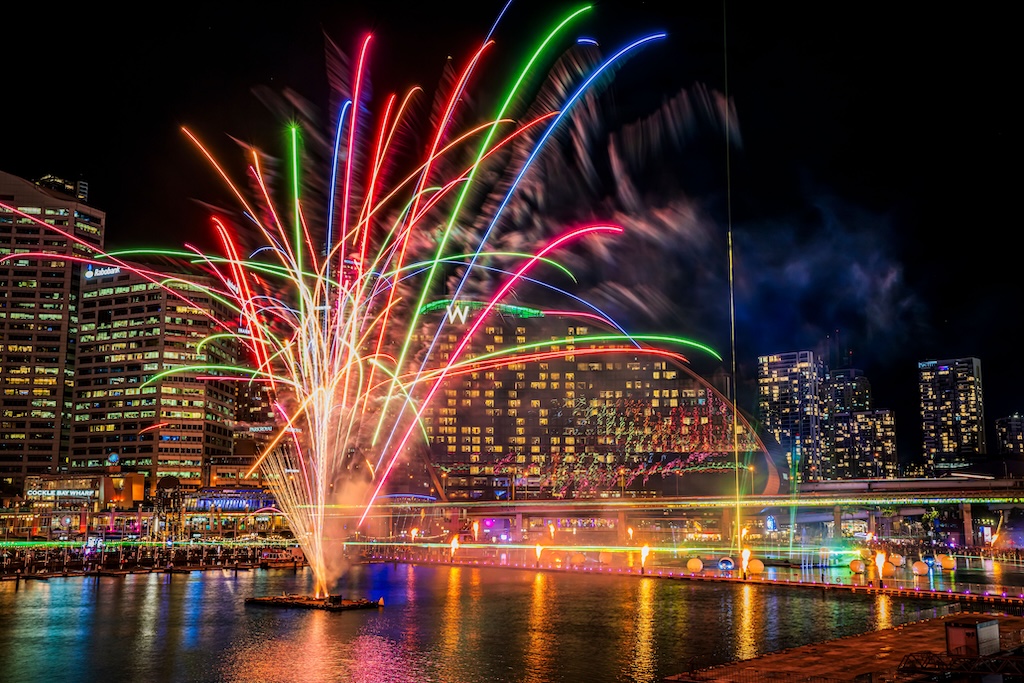
On selected nights — traditionally clustered around Thursdays and Fridays — the harbour itself becomes a stage. Fireworks punctuate the water, and in editions where conditions allow, synchronised drone formations trace stories above the foreshore, visible from almost every vantage point along the walk. Check out next year’s schedule before planning around a specific night, as weather and safety approvals can shift the program at short notice. It matters less than it might seem: even without a single drone in the sky, the ordinary nightly rhythm of Vivid — light, then music, then the murmur of a crowd deciding where to eat — carries its own quiet spectacle.
Since 2026, Vivid has also stretched into daylight for the first time in its history, adding aerial performance, theatre and dance to a program that once belonged entirely to the dark. It’s a small but telling evolution for a festival built on the idea of night now trusting itself to hold an audience’s attention in full sun, too. For visitors juggling jet lag and a packed itinerary, it means Vivid no longer demands the same late-night stamina it once did; there is now a version of the festival to be had before dinner as well as after.
Finding Your Own Pace
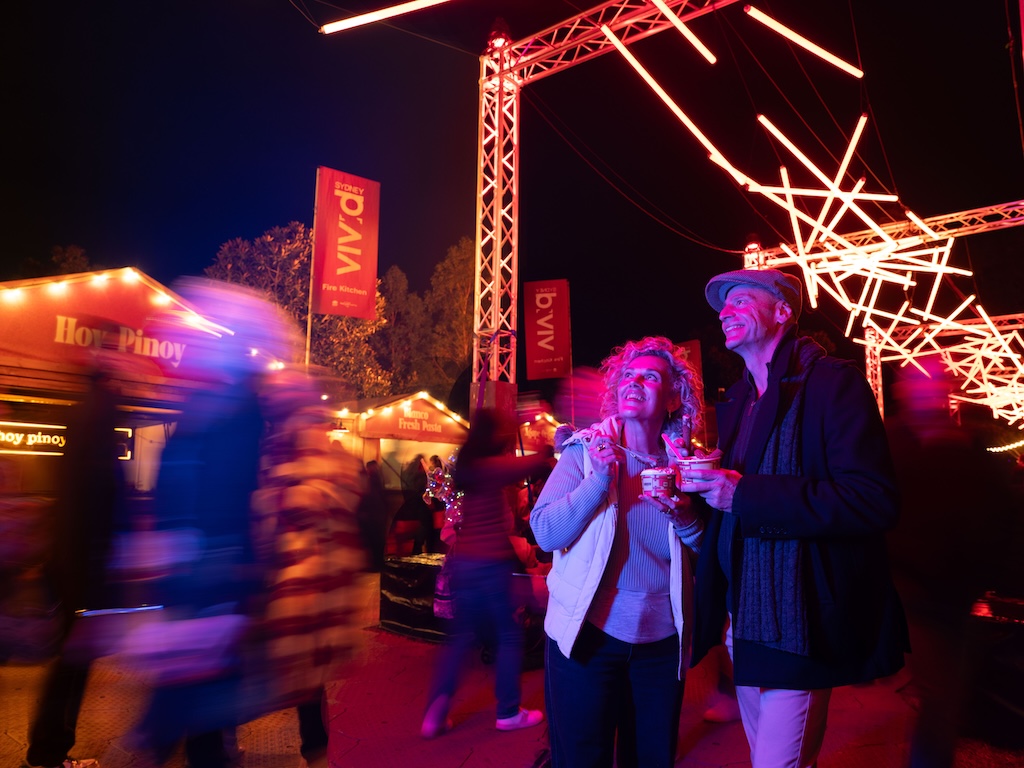
What lingers, after the trip home, is rarely the single most-photographed installation. It’s more often something smaller, like a laneway in The Rocks lit in a colour that made the sandstone look 400 years older than it is; a stranger’s conversation overheard outside a Vivid Minds talk; the particular stillness of Sydney Harbour holding a thousand reflected lights at once. Plan the precincts, book the dinners, check the drone schedule if it matters to you — but leave room, too, for the parts of Vivid that cannot be scheduled. That’s where the festival, and the city holding it, tends to give the most.
Vivid Sydney 2027: Questions International Travellers Ask Most
There’s a lot going on during Vivid Sydney. Here are the answers to some of the most common questions about getting around, what to see and how to prepare.
When does Vivid Sydney 2027 run, and what are the hours?
The festival runs from Friday 28 May to Saturday 19 June 2027, 23 nights in total. Lights on is 6 pm nightly, with most installations and the Light Walk running through to around 11 pm. Exact closing times can vary slightly by precinct and by night of the week.
Is Vivid Sydney actually free?
Yes, for the greater part of it. The Vivid Light Walk and the majority of Vivid Music‘s outdoor program, including Tumbalong Nights, cost nothing to attend. Ticketing applies to select concerts, talks, dinners and premium experiences, some of which sell out well ahead of the festival so it’s worth booking early if there’s a specific event in mind.
Where should I stay if I’m visiting from overseas?
The Rocks, Circular Quay, Barangaroo, Darling Harbour and Pyrmont all sit within or beside the Light Walk itself, meaning less travel after dark and easier access if road closures are in effect (it’s also a great excuse to walk home through one of the world’s most beautiful cities). Accommodation across these areas tends to book out early for the festival period, so securing a base several months ahead is worth the effort.
How do I get around during the festival?
Public transport is the only sensible option. Trains, buses and ferries run extended services on Vivid nights, and a valid Opal card or a contactless debit or credit card will cover fares across the network. Driving is actively discouraged as road closures and clearways come into effect across the city each evening, parking is severely limited, and those towing enforcement officers can be ruthless!
What’s the weather like, and what should I pack?
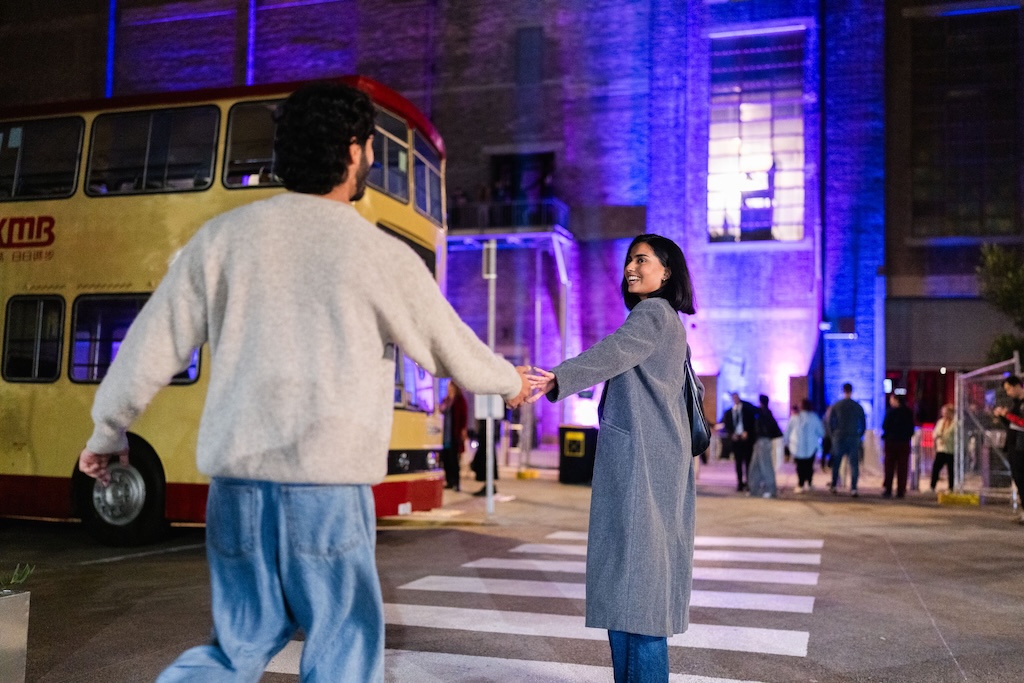
Late May into June is Sydney’s early winter, which means cool, often clear weather with average nights sitting in the low teens Celsius (roughly mid-50s Fahrenheit). Layers work best so pack a coat for standing around outdoor installations, and comfortable shoes for a average 6.5-kilometres of walking that most visitors end up doing on foreshore nights. Rain occasionally affects individual events, which may be postponed or scaled back for safety, so it’s worth checking the festival’s channels on the day.
How busy does it get, and when’s the best time to visit for smaller crowds?
Fridays, Saturdays, Sundays and the June public holiday draw the heaviest crowds, particularly at Circular Quay and Barangaroo. Weeknights, and the earlier part of the festival before word spreads, tend to be noticeably calmer, making them a better fit for families, older travellers, or anyone who prefers to look at the lights rather than the backs of other people’s heads.
Do I need a visa to visit Australia for Vivid?
Most international visitors require a visa or an Electronic Travel Authority before arrival in Australia and entry requirements vary by nationality, so it’s worth checking current entry requirements with the Australian Department of Home Affairs well ahead of booking flights.
Is Vivid Sydney suitable for children and families?
Very much so. Interactive, touch-responsive installations are common along the Light Walk, and Tumbalong Kids offers dedicated family programming during the day. Weeknights are the more comfortable choice for younger children, and information kiosks along the route can provide wristbands for contact details in case of separation in a crowd.
Will there be drone shows or fireworks in 2027?
Fireworks have featured on selected nights in recent editions, typically Thursdays and Fridays, and drone displays have appeared in some years, subject to safety approval from police and transport authorities. Both are worth confirming closer to the date via the official Vivid Sydney channels, as programming can change year to year for operational reasons.
Can I see Vivid from the water?
Yes, a range of independent charter operators run harbour cruises during the festival, offering a different vantage point on the Opera House and foreshore installations. Vivid Sydney itself doesn’t operate these cruises, so it’s worth booking directly with a reputable operator and reading the terms carefully before paying.
If you’re planning a trip Downunder, don’t forget to check out our guide to the best travel destinations across Australia, as well as our guides to the city’s best cocktail bars and historic pubs to visit, the best Sydney day trips, the city’s most luxurious hotels, the most interesting neighbourhoods, and our luxury 48-hour guide to Sydney.
Images courtesy of Destination NSW