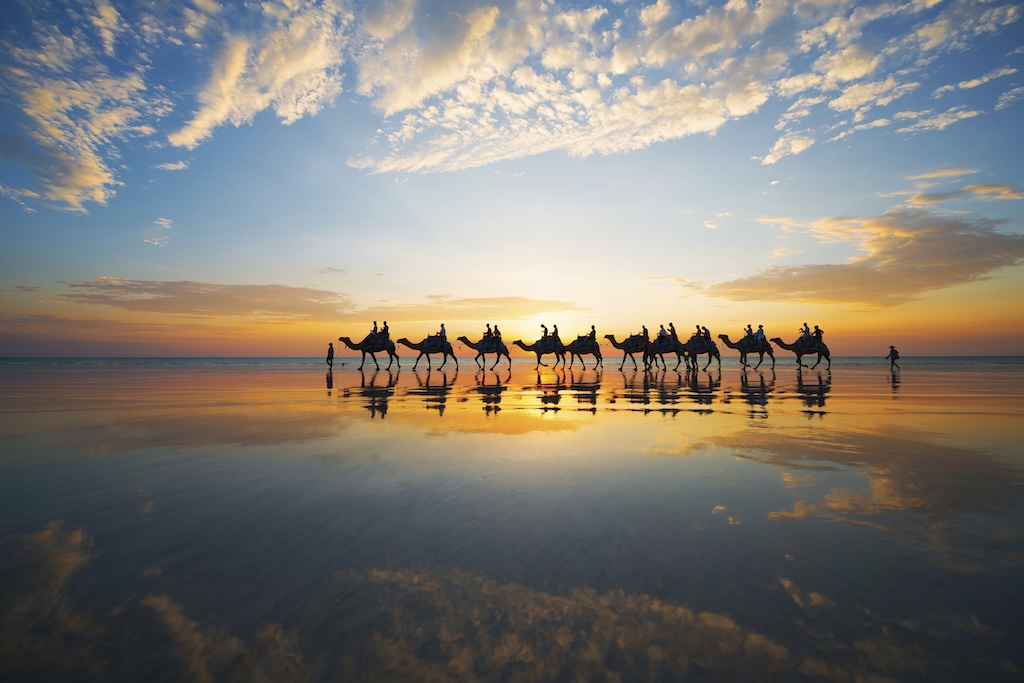

Australia is a continent, not a country in the conventional sense, and one of colour, culture, history and staggering natural diversity. Explore the nation’s ever-changing landscapes with this guide to Australia’s best travel regions.
Australia is not really one destination, but six states and two territories spread across a landmass roughly the size of the contiguous United States. Formally structured as six states and two territories, the country encompasses landscapes, climates and cultures so distinct from one another that flying between them can feel like crossing continents rather than internal borders.

The green, temperate hinterland of Tasmania and the sun-scorched red sands of the Northern Territory’s Red Centre are both Australia, separated by a two-and-a-half-hour flight and a climate shift few countries can rival. So are the glass towers of Sydney Harbour and the ochre gorges of the Kimberley, the vineyards of the Barossa Valley and the coral cities fringing the Great Barrier Reef, the laneway coffee culture of Melbourne and the ancient rock art of Kakadu.
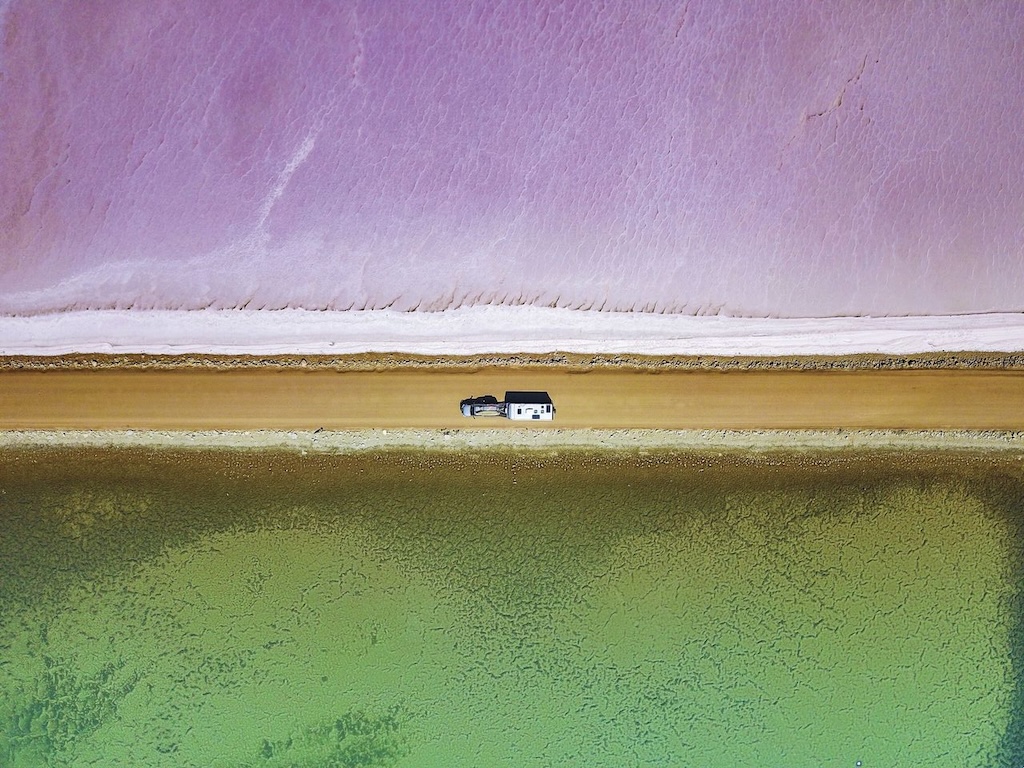
This variety is Australia’s greatest gift to travellers, and its greatest navigational challenge. The distances involved are genuinely vast — Perth and Sydney sit further apart than London and Moscow — so understanding what each region offers, and where it sits in relation to the others, is the essential first step in planning any trip.
This guide covers all six states and two territories, grouped by geography and character, as a practical framework for deciding where to go and — just as importantly — why.
New South Wales
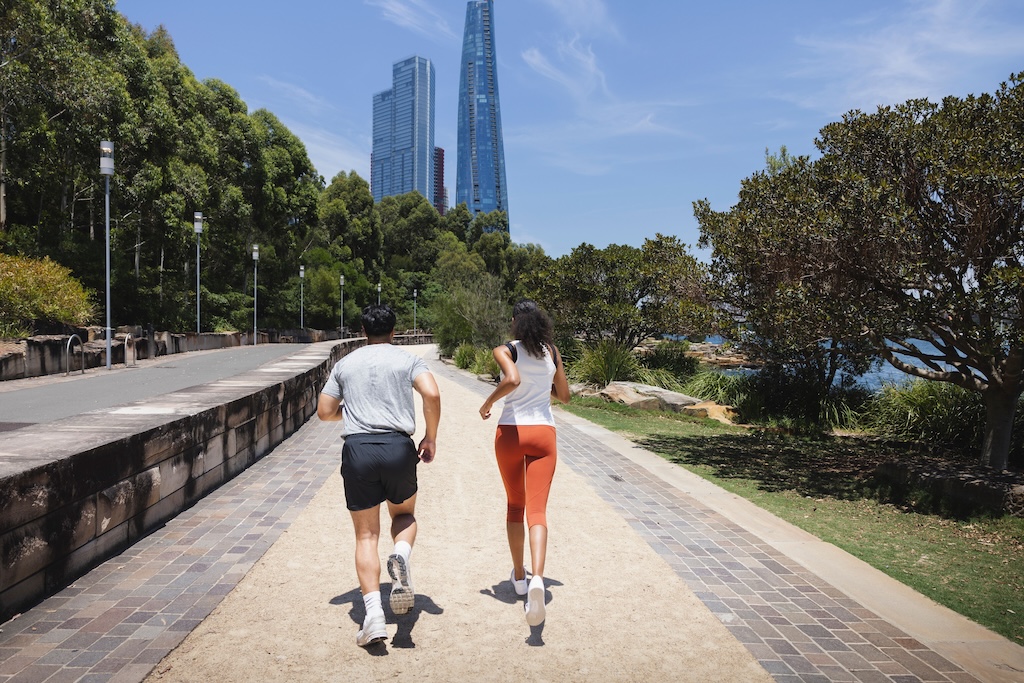
New South Wales offers Australia’s most complete escape, renowned for Sydney’s harbour icons, Blue Mountains wilderness and Hunter Valley wine country, all within easy reach of a dramatic coastline.
Location: New South Wales sits on Australia’s central east coast, bordered by Queensland to the north and Victoria to the south, with the Great Dividing Range separating a narrow, densely populated coastal strip from vast inland plains.
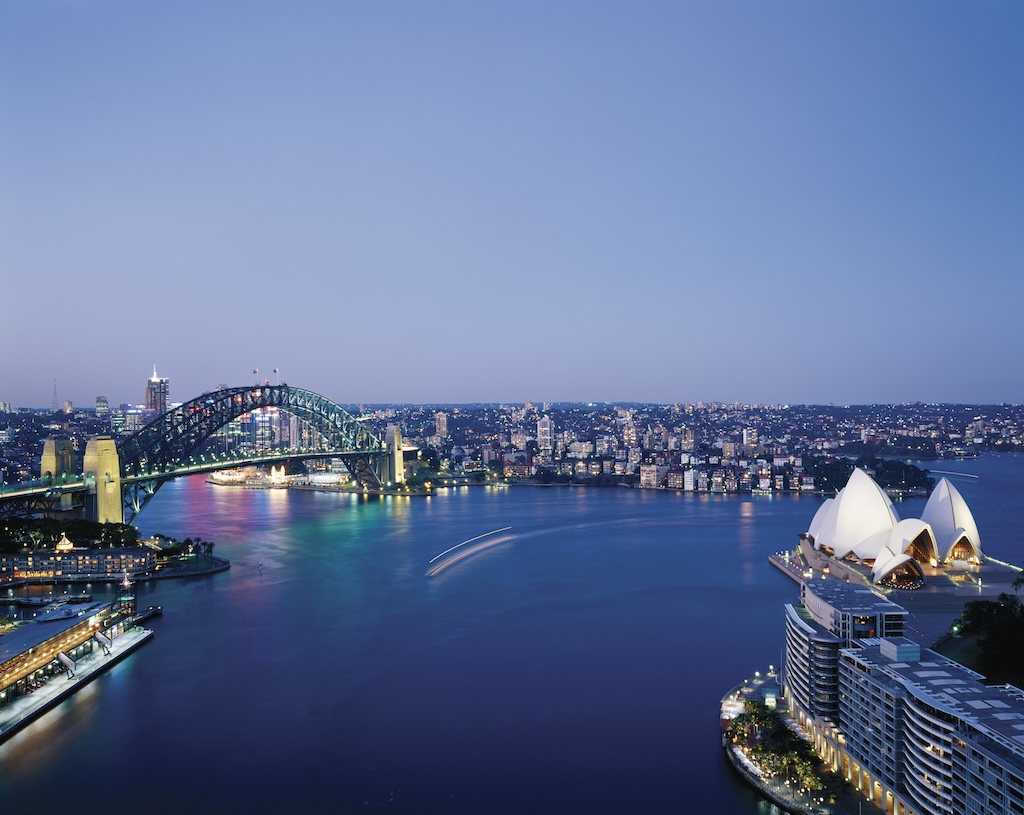
New South Wales is where most international visitors begin their Australian journey, and for good reason: it is the country’s most populous state and home to Sydney, the harbour city whose Opera House sails and steel-arched bridge have become shorthand for Australia itself. Sydney rewards several days on its own — we’ve covered its beaches, dining scene and harbour culture before — but the state’s appeal extends far beyond the city limits.
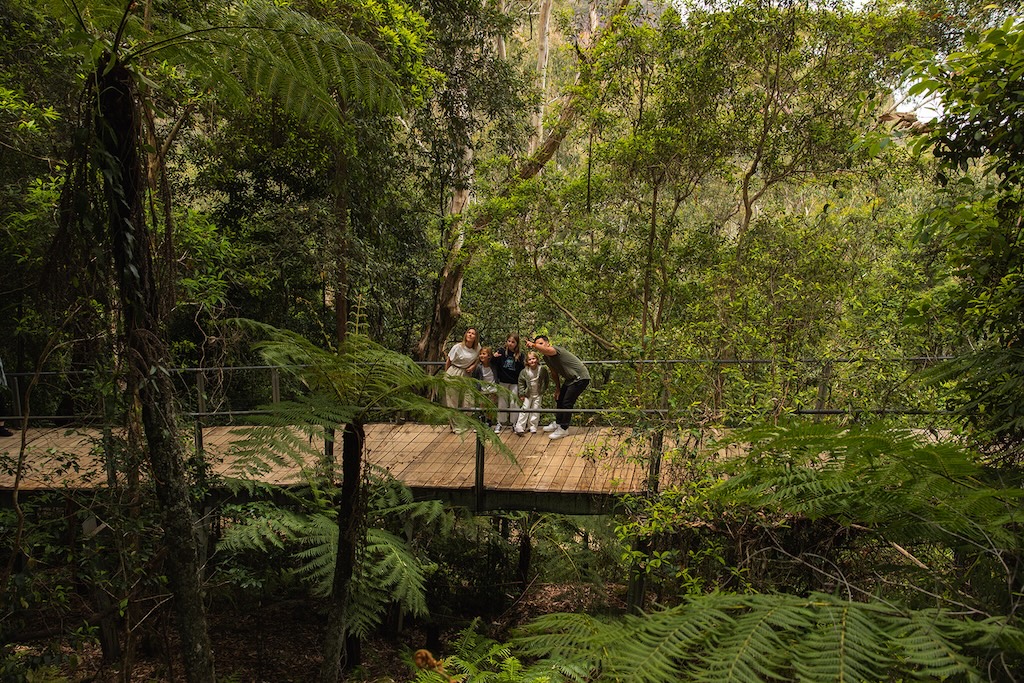
Within two hours of Sydney, the Blue Mountains rise into a UNESCO World Heritage-listed wilderness of sandstone cliffs and eucalypt-filled gorges, its blue haze (the source of the name) visible for miles. The Hunter Valley, Australia’s oldest continuously producing wine region, offers more than 150 cellar doors two hours north, while the Royal National Park, the world’s second-oldest national park, sits barely thirty kilometres south of the city.
Beyond the Sydney basin, Byron Bay, Australia’s most easterly point, combines a laid-back, creative community with some of the country’s most beautiful beaches beneath the Cape Byron lighthouse. The Snowy Mountains, in the state’s south, hold Australia’s highest peak (Mount Kosciuszko, 2,228 metres) and offer genuine snow sports in winter and alpine hiking in summer — a version of Australia few overseas visitors expect.
Don’t miss: The Sydney Opera House and Harbour Bridge; the Three Sisters and Scenic World in the Blue Mountains; a cellar door tasting in the Hunter Valley; Byron Bay’s beaches and lighthouse; and the alpine scenery of the Snowy Mountains around Thredbo and Perisher.
Victoria
Victoria offers Australia’s most refined blend of culture and coastline, renowned for Melbourne’s laneway sophistication, the dramatic Great Ocean Road and some of the country’s finest cool-climate wine regions.
Location: Victoria occupies Australia’s southeastern corner, the smallest mainland state, bordered by New South Wales to the north and separated from Tasmania by the Bass Strait.
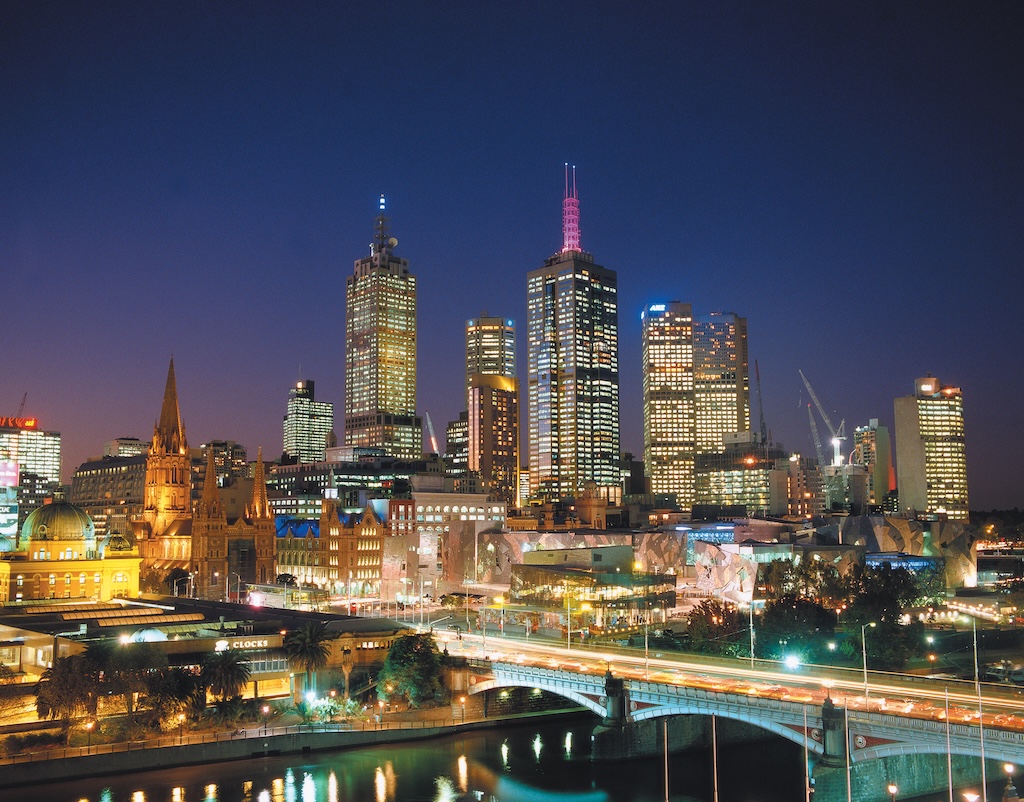
Victoria is widely considered Australia’s cultural capital, its identity built around Melbourne, a city whose laneways hide world-class coffee, street art and hatted restaurants behind unassuming graffiti-covered doors. The city’s sporting culture (the Melbourne Cricket Ground, host to Boxing Day Test cricket and AFL grand finals) and its cultural institutions (the National Gallery of Victoria, Queen Victoria Market) give it a depth that rewards several unhurried days.

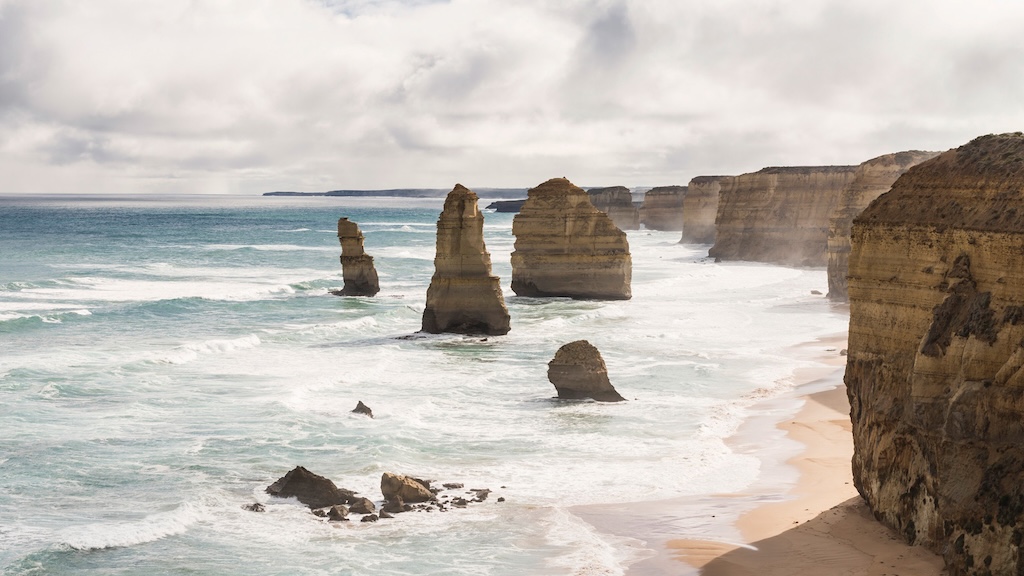
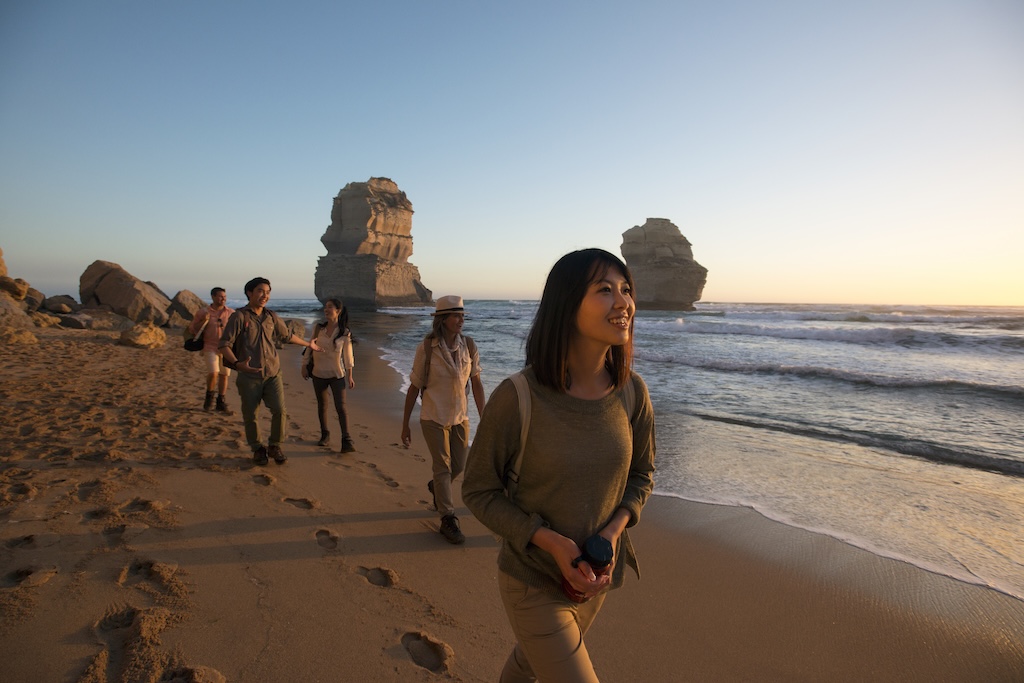
Beyond Melbourne, the Great Ocean Road — a 240-kilometre stretch of coastal highway between Torquay and Allansford — is one of the world’s great scenic drives, its most famous landmarks being the Twelve Apostles, dramatic limestone sea stacks rising from the Southern Ocean (only seven now remain standing, erosion having claimed the rest).
The road also passes rainforest walks, surf towns like Torquay and Lorne, and colonies of little penguins at journey’s end.
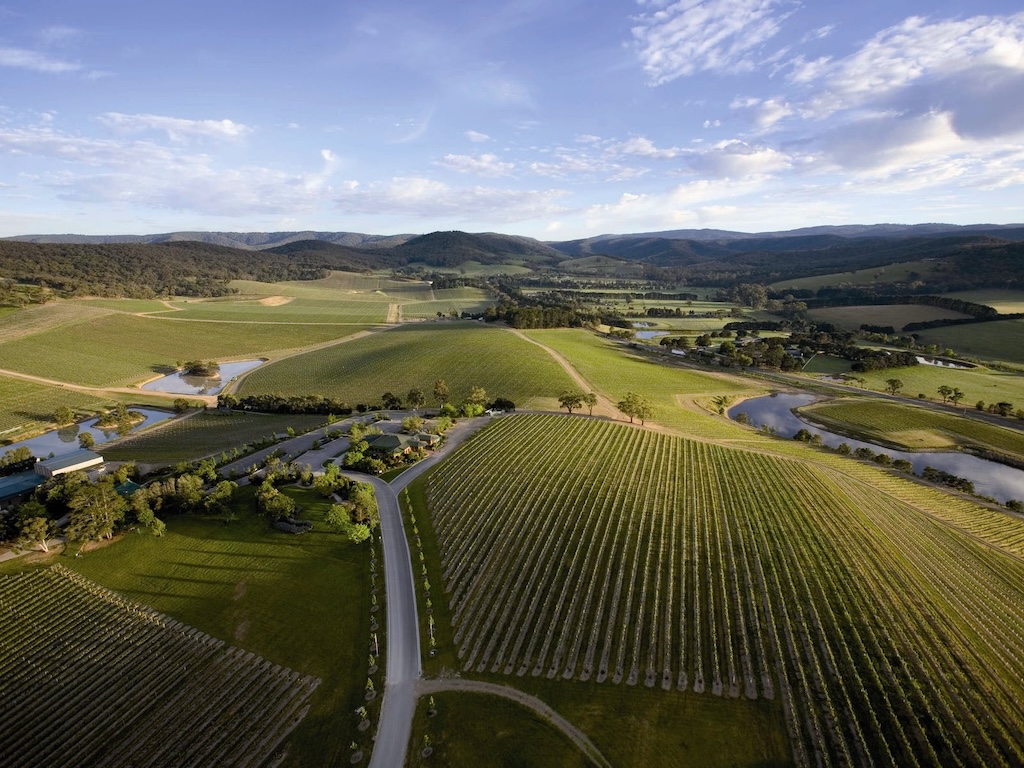
Inland, the Yarra Valley, less than an hour from Melbourne, and the Mornington Peninsula produce some of Australia’s finest cool-climate wines, while the Grampians (Gariwerd) — a rugged sandstone range in the state’s west — offer significant Aboriginal rock art sites alongside serious bushwalking.
Meanwhile, Phillip Island, southeast of Melbourne, hosts a nightly parade of little penguins returning to their burrows at dusk, one of the country’s most charming wildlife spectacles.
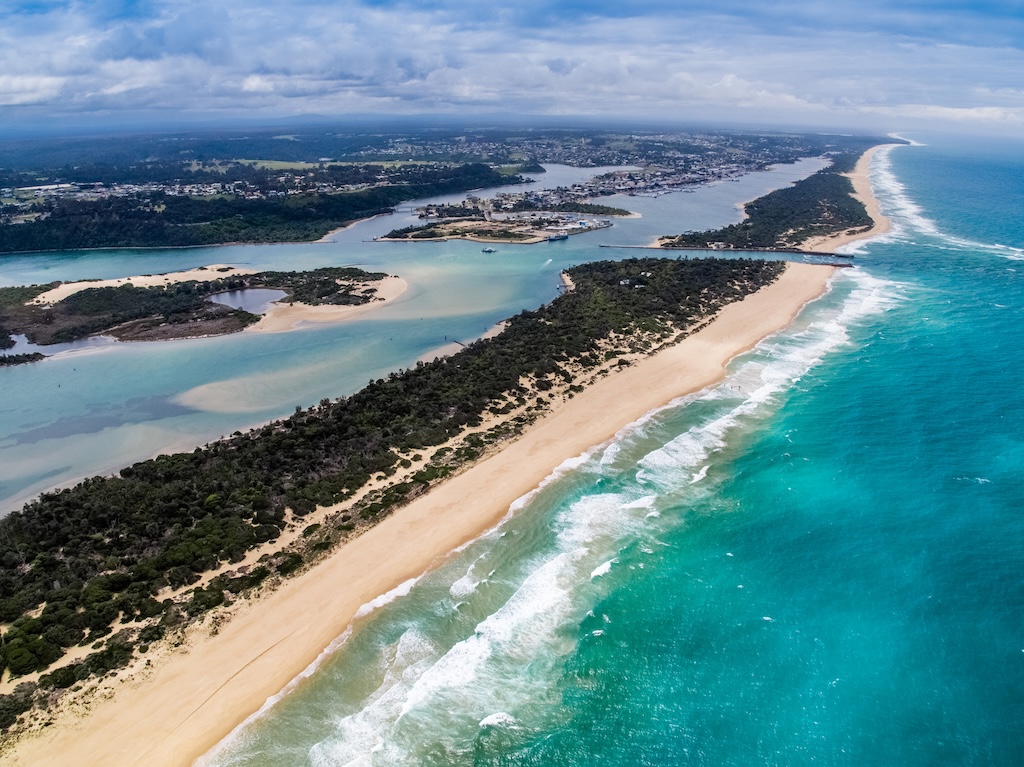
Don’t miss: Melbourne’s laneway culture and NGV; a drive along the Great Ocean Road to the Twelve Apostles; a cellar door lunch in the Yarra Valley; the Grampians’ rock art and hiking trails; and the penguin parade on Phillip Island.
Queensland
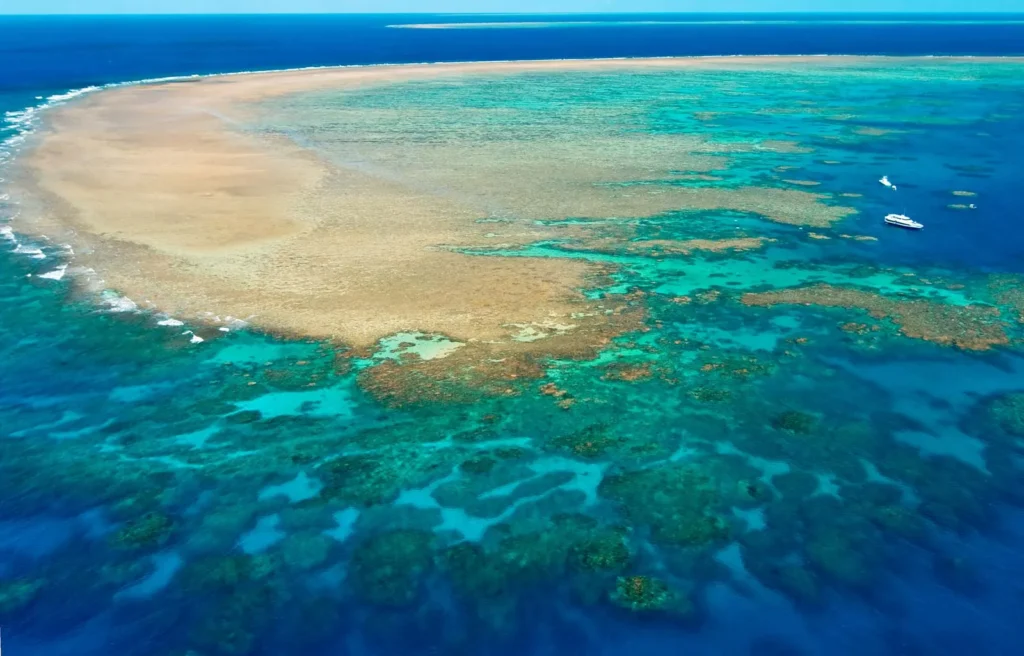
Queensland offers Australia’s most tropical escape, renowned for the Great Barrier Reef, the Whitsundays’ silica-white beaches and ancient rainforest stretching to the edge of the sea.
Location: Queensland occupies Australia’s northeastern quarter, the country’s second-largest state by area, stretching from the New South Wales border in the south to the Torres Strait in the tropical north.
Queensland’s appeal is built on water and warmth. The Great Barrier Reef, the world’s largest coral reef system and a UNESCO World Heritage Site stretching some 2,300 kilometres along the coast, is the state’s headline attraction, with Cairns and Port Douglas serving as the main gateways for day trips, liveaboard dive vessels and scenic flights.
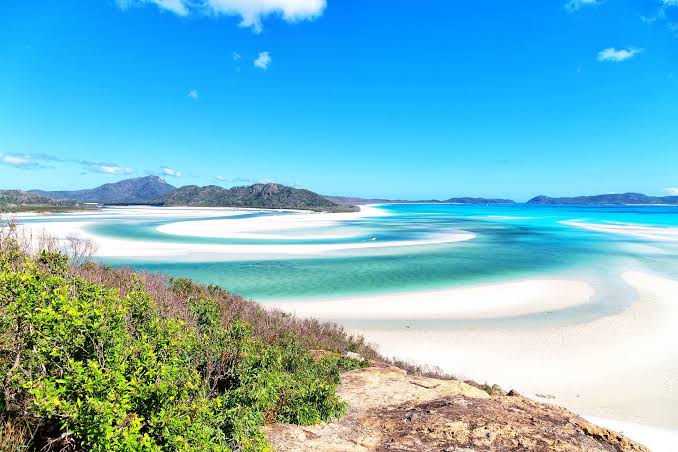
The Whitsundays, a cluster of 74 continental islands midway up the coast, are best known for Whitehaven Beach, whose sand is composed of 98% pure silica, and for Heart Reef, a naturally heart-shaped coral formation visible only from the air. Nearby Hamilton Island serves as the region’s main hub for sailing charters and resort stays.
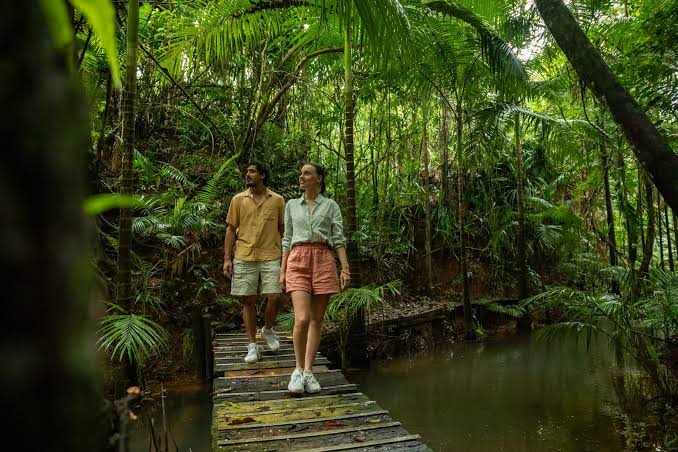
Inland from Port Douglas, the Daintree Rainforest — at some 180 million years old, among the oldest continuously surviving tropical rainforests on Earth — tumbles directly onto the beach at Cape Tribulation, one of the only places on the planet where two World Heritage-listed ecosystems meet.
Further south, K’gari, the world’s largest sand island (renamed from Fraser Island in 2023 to restore its traditional Butchulla name), offers rainforest-fringed lakes and 75 Mile Beach, while Brisbane, the state capital, and the high-rise beach culture of the Gold Coast round out a state built almost entirely around its coastline.
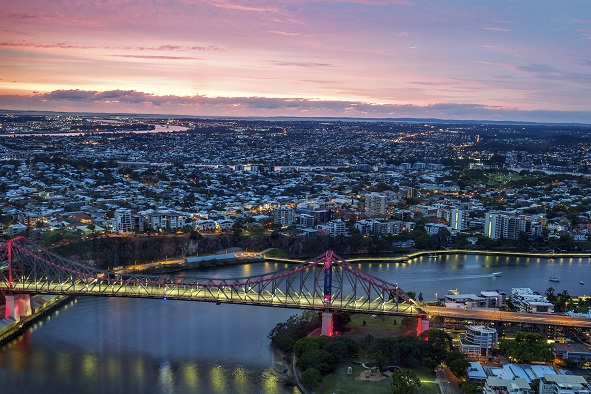
Don’t miss: Snorkelling or diving the Great Barrier Reef from Cairns or Port Douglas; Whitehaven Beach and a Whitsundays sailing trip; the Daintree Rainforest and Cape Tribulation; the freshwater lakes of K’gari; and Brisbane’s riverside culture.
Western Australia
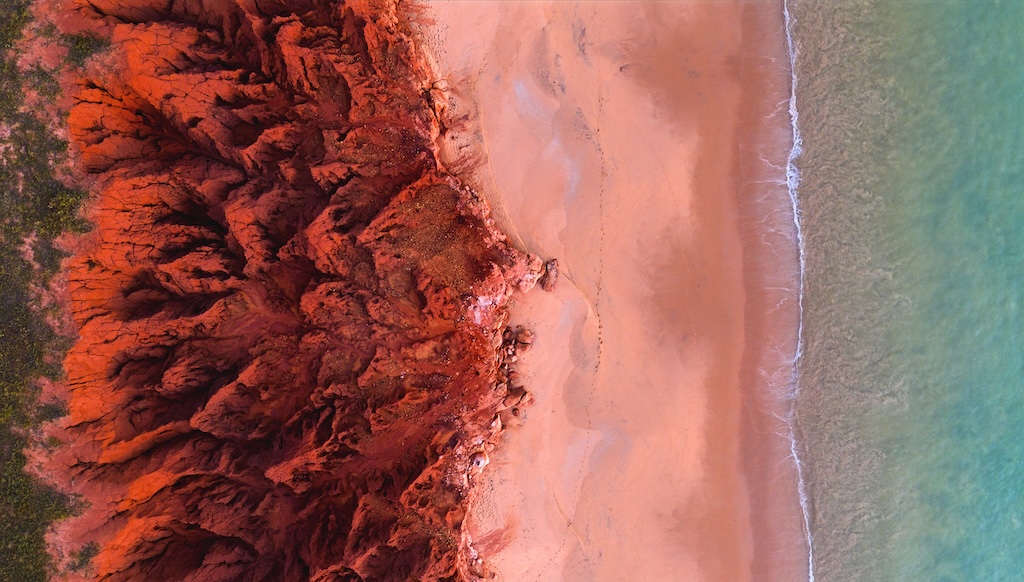
Western Australia offers the country’s most remote and rewarding escape, renowned for Margaret River’s wine and surf, Ningaloo Reef‘s whale sharks and the raw wilderness of the Kimberley.
Location: Western Australia occupies roughly a third of the Australian continent, the country’s largest state, with the capital, Perth, ranking among the most geographically isolated major cities on Earth.
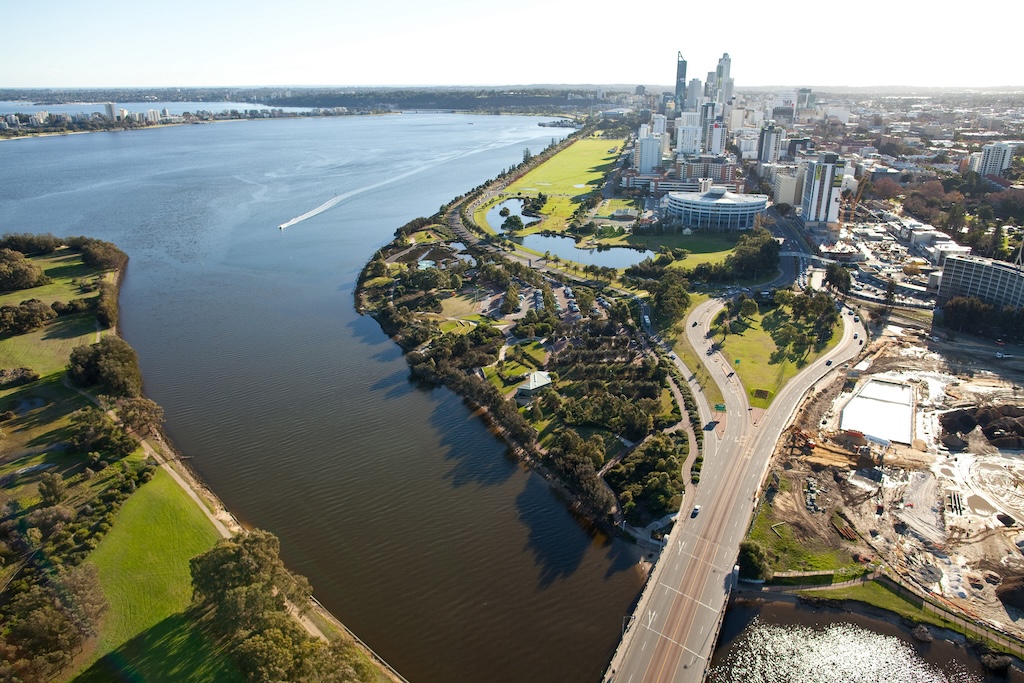
Western Australia’s defining characteristic is scale — the distance from Perth to Broome alone is over 2,200 kilometres — and the rewards for covering that distance are considerable. Perth, a relaxed riverside capital, sits beside the historic port town of Fremantle and gives easy access to Rottnest Island, a car-free island sanctuary best known as the only reliable place on Earth to meet a quokka in the wild.
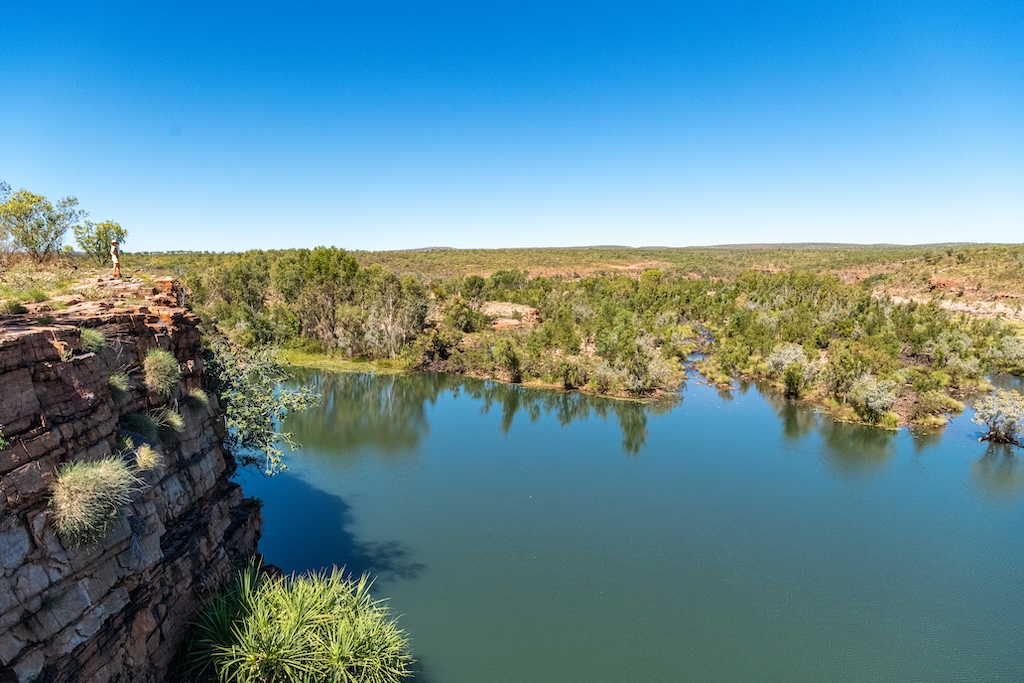
South of Perth, the Margaret River region has grown from a surf destination into one of Australia’s most celebrated wine regions, its cellar doors and old-growth karri forests sitting alongside some of the country’s best-regarded surf breaks. The Pinnacles Desert, within Nambung National Park north of Perth, is a landscape of thousands of eerie limestone spires rising from yellow sand.
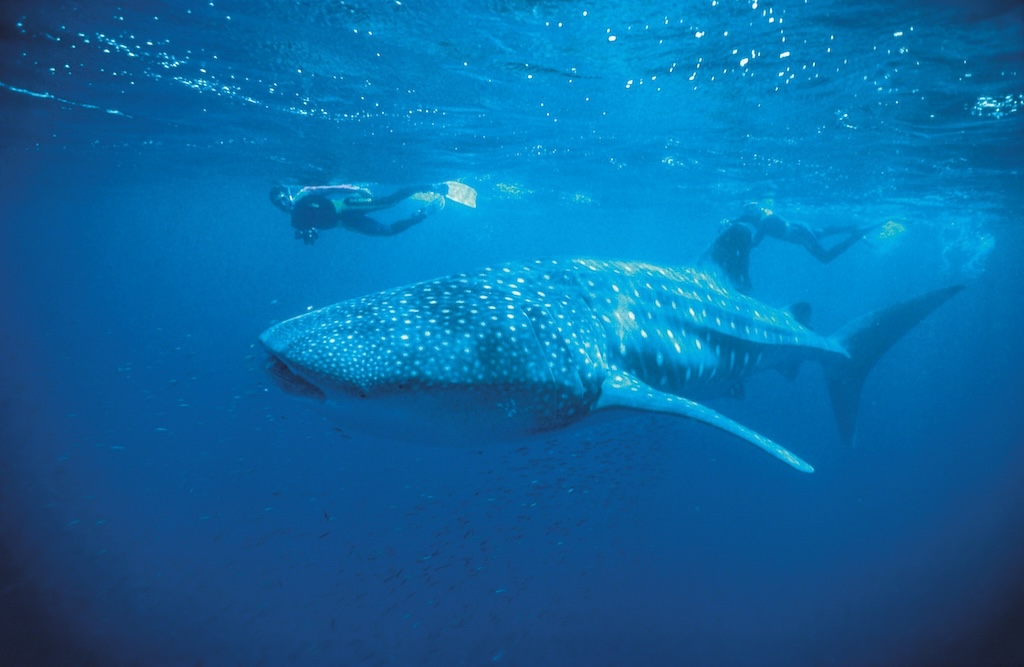
Further north, Ningaloo Reef offers a rare privilege: the chance to swim alongside whale sharks (best from March to July) and, later in the year, migrating humpback whales, all accessible directly from shore rather than requiring a boat trip out to a barrier reef.
The Kimberley, in the state’s remote north, is one of the last great wildernesses on Earth, a landscape of ancient gorges, the beehive-domed Bungle Bungle Range and Aboriginal rock art among the oldest in the world, best explored by 4WD or small expedition ship.
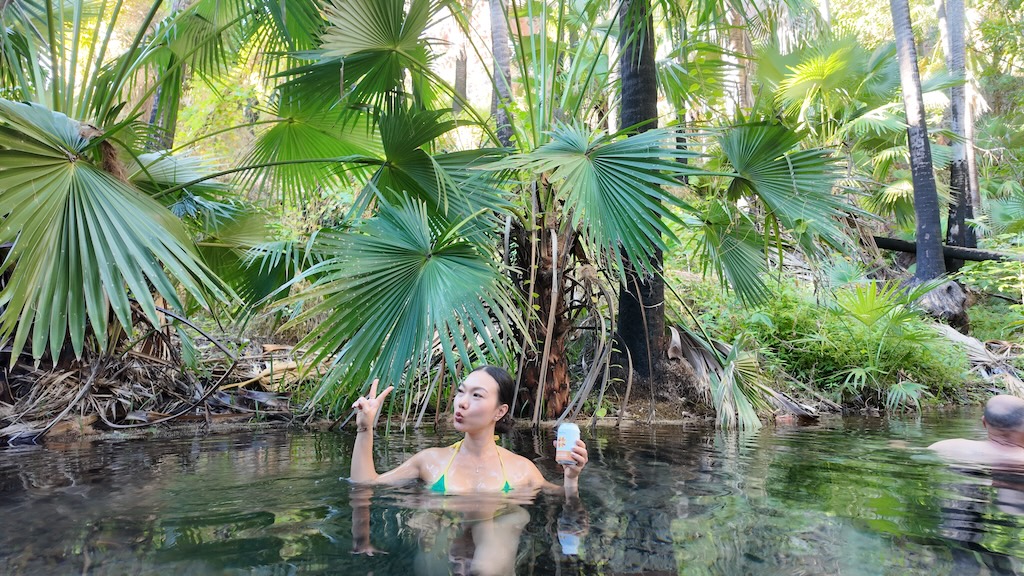
Don’t miss: Quokka selfies on Rottnest Island; a Margaret River wine and surf circuit; the limestone spires of the Pinnacles; swimming with whale sharks at Ningaloo; and the Bungle Bungle Range in the Kimberley.
South Australia
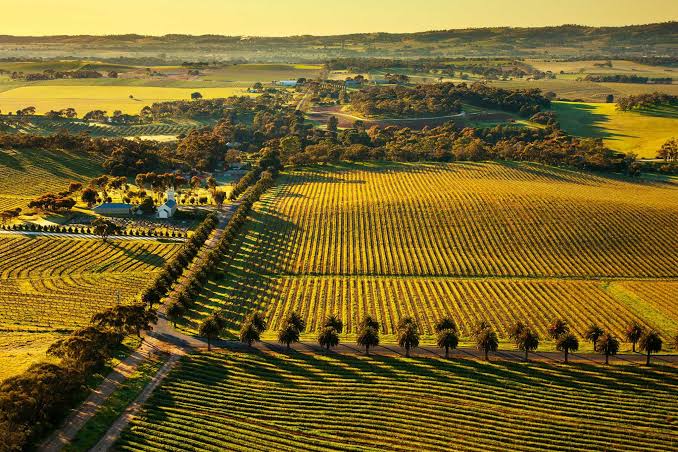
South Australia offers a refined, food-driven escape, renowned for the Barossa Valley’s world-class Shiraz, Kangaroo Island’s unfettered wildlife and the ancient, outback grandeur of the Flinders Ranges.
Location: South Australia sits in the country’s south-central section, Australia’s driest state, bordered by Western Australia, the Northern Territory, Queensland, New South Wales and Victoria — the only state or territory to border all of the mainland others.
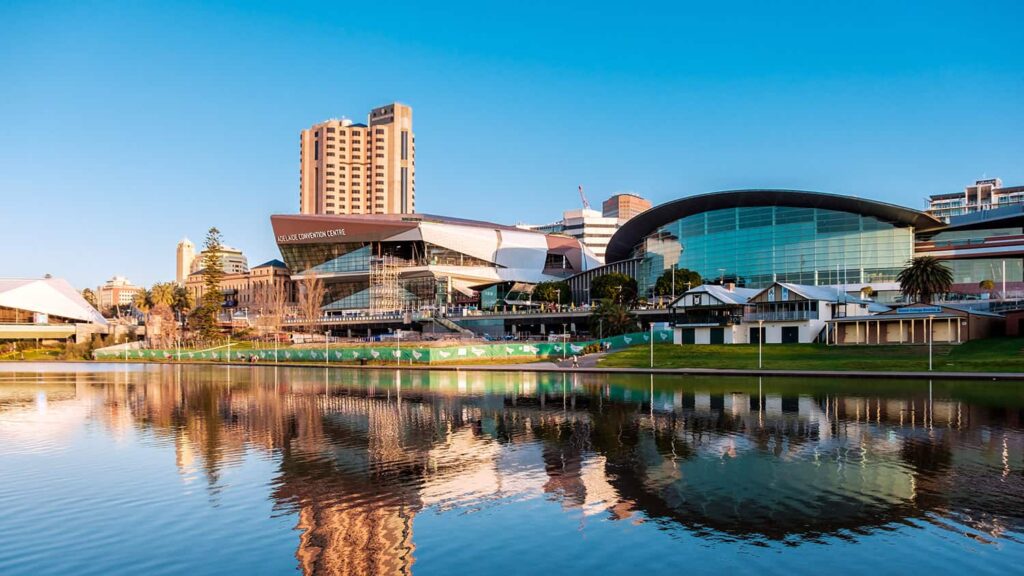
Adelaide (above), the state capital, is consistently underrated: a compact, festival-driven city ringed by parklands, with a produce culture (built around the Adelaide Central Market) and a calendar of major arts and food events that punches well above its size. Its position also makes it one of the easiest Australian capitals from which to reach wine country within the hour.
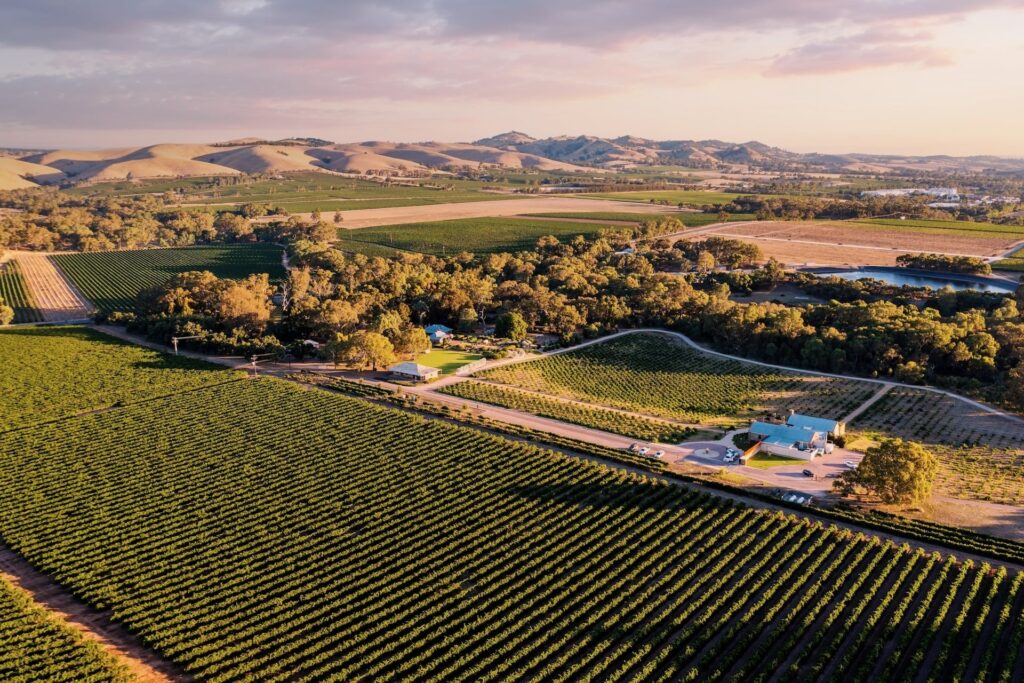
The Barossa Valley, settled by German immigrants in the nineteenth century, is Australia’s most internationally celebrated wine region, its old vines producing some of the finest Shiraz in the world alongside a strong food culture built on German-influenced smallgoods and produce. The nearby McLaren Vale and Clare Valley offer similarly rewarding, less-crowded alternatives.
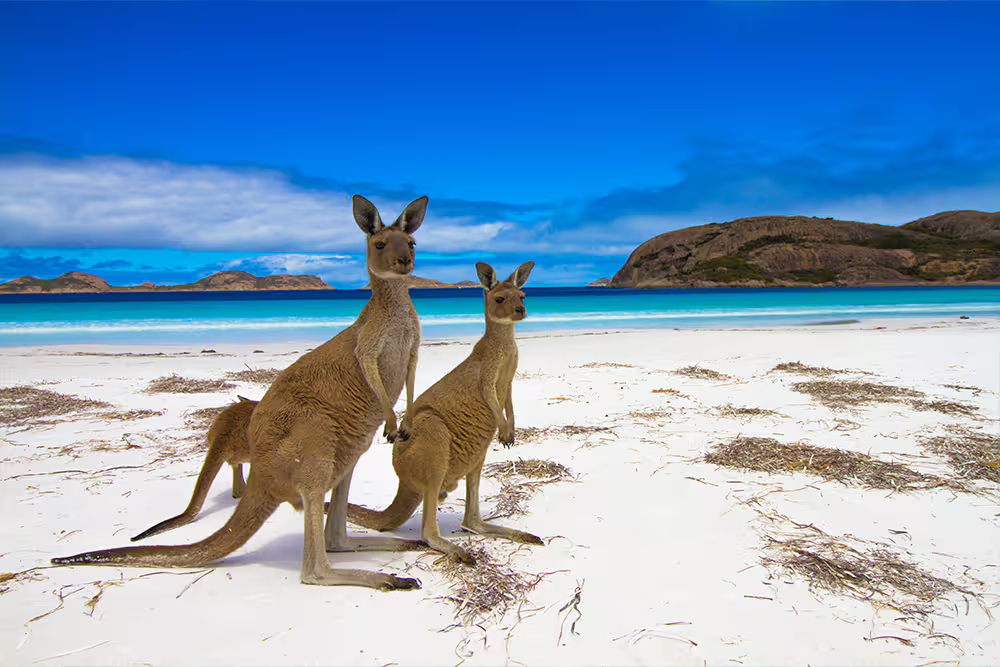
Kangaroo Island, reached by ferry or short flight from Adelaide, delivers Australian wildlife at its most unguarded: kangaroos, koalas and echidnas roam freely, while sea lions bask on the sand at Seal Bay and the wind-sculpted granite boulders of the Remarkable Rocks anchor Flinders Chase National Park.
Further north, the Flinders Ranges, some of the oldest mountains on Earth, offer a genuine outback experience within a few hours’ drive of the capital, its gorges, Aboriginal rock art and star-filled night skies centred on the natural amphitheatre of Wilpena Pound.
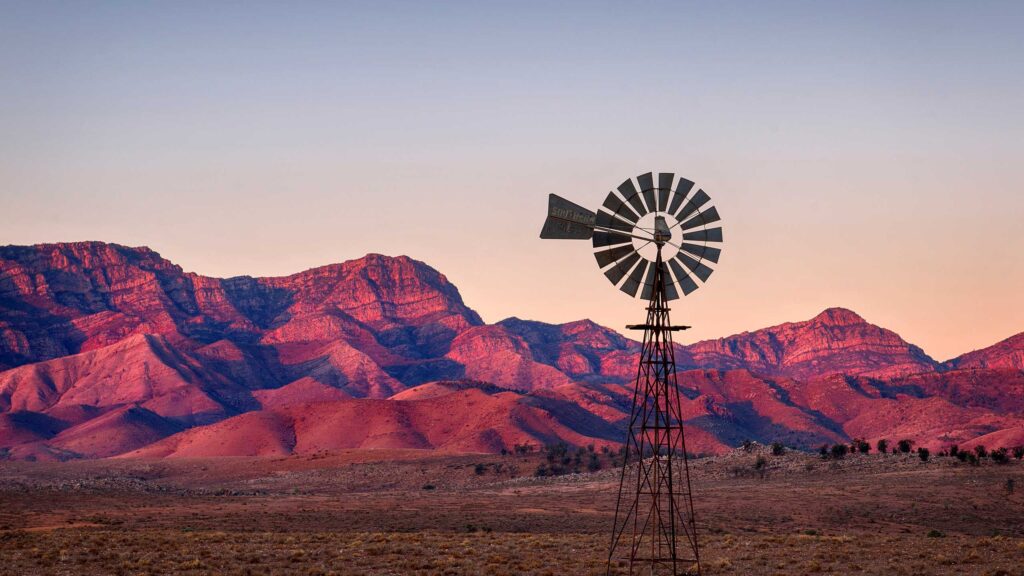
Don’t miss: A Barossa Valley cellar door circuit; Adelaide Central Market; sea lions at Seal Bay and the Remarkable Rocks on Kangaroo Island; the Flinders Ranges and Wilpena Pound; and the Clare Valley’s Riesling trail.
Tasmania
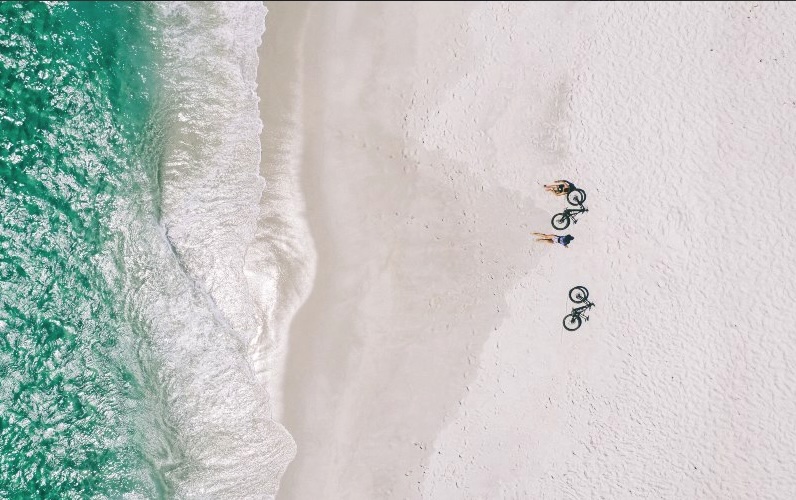
Tasmania offers Australia’s wildest and most contemplative escape, renowned for MONA’s provocative art, ancient wilderness at Cradle Mountain and a convict history preserved at Port Arthur.
Location: Tasmania is Australia’s only island state, separated from the mainland by the Bass Strait, roughly 240 kilometres south of Victoria.
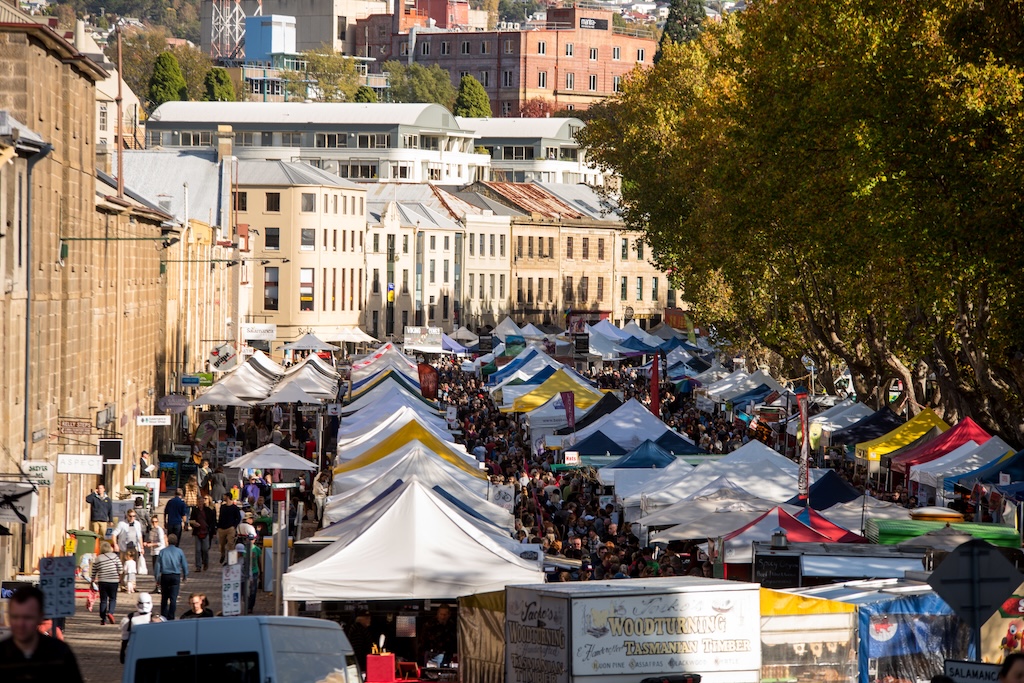
Tasmania rewards travellers who slow down. Hobart, the compact, harbourside capital, has been transformed over the past decade by the Museum of Old and New Art (MONA), reached by a scenic ferry along the Derwent River and housing one of the most provocative and immersive private art collections in the world, built into a cliffside beneath the museum’s founder’s vineyard and home.
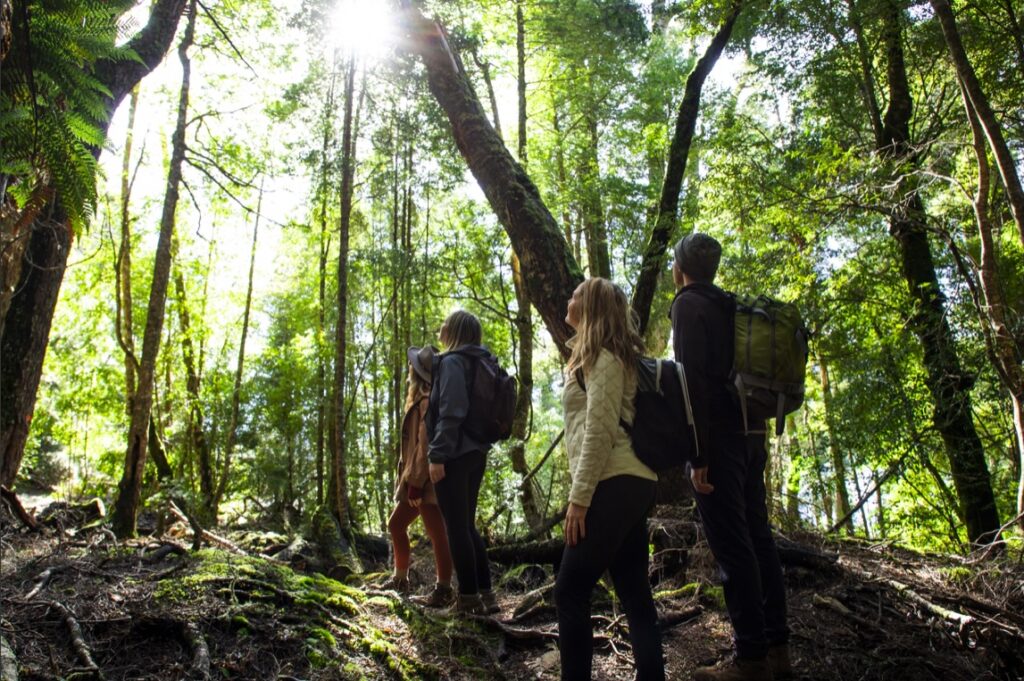
Beyond Hobart, Tasmania’s wilderness is the drawcard. Cradle Mountain-Lake St Clair National Park, anchored by the reflective waters of Dove Lake beneath the jagged mountain, is the start of the multi-day Overland Track and some of the finest alpine walking in the country.
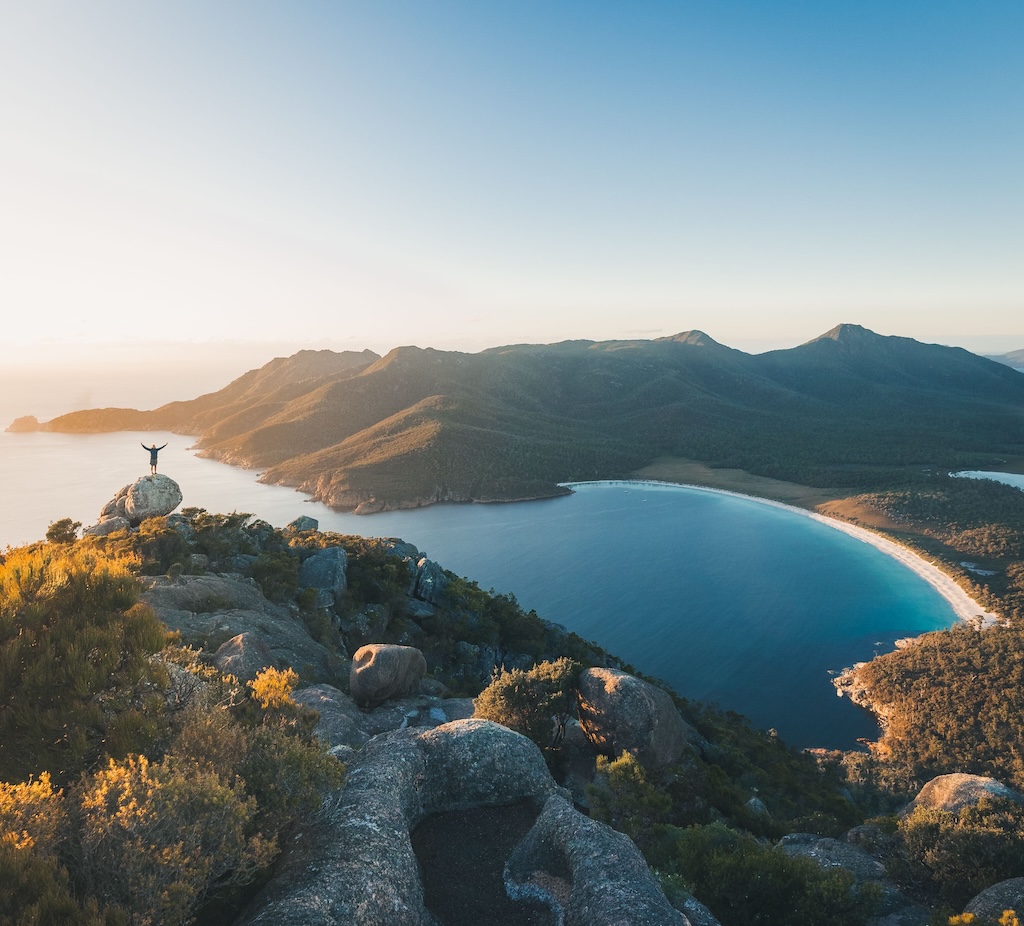
On the east coast, Freycinet National Park, home to the stunning Saffire luxury lodge, holds Wineglass Bay, a perfect curve of white sand and turquoise water framed by pink granite peaks and consistently ranked among the world’s most beautiful beaches.
Bruny Island, a short ferry ride from Hobart, packs dramatic sea cliffs, seal and seabird colonies, and some of the state’s finest oysters, cheese and whisky into a single compact day trip, while Port Arthur, a UNESCO World Heritage-listed former penal settlement on the Tasman Peninsula, offers one of the most complete and moving accounts of Australia’s convict past anywhere in the country.
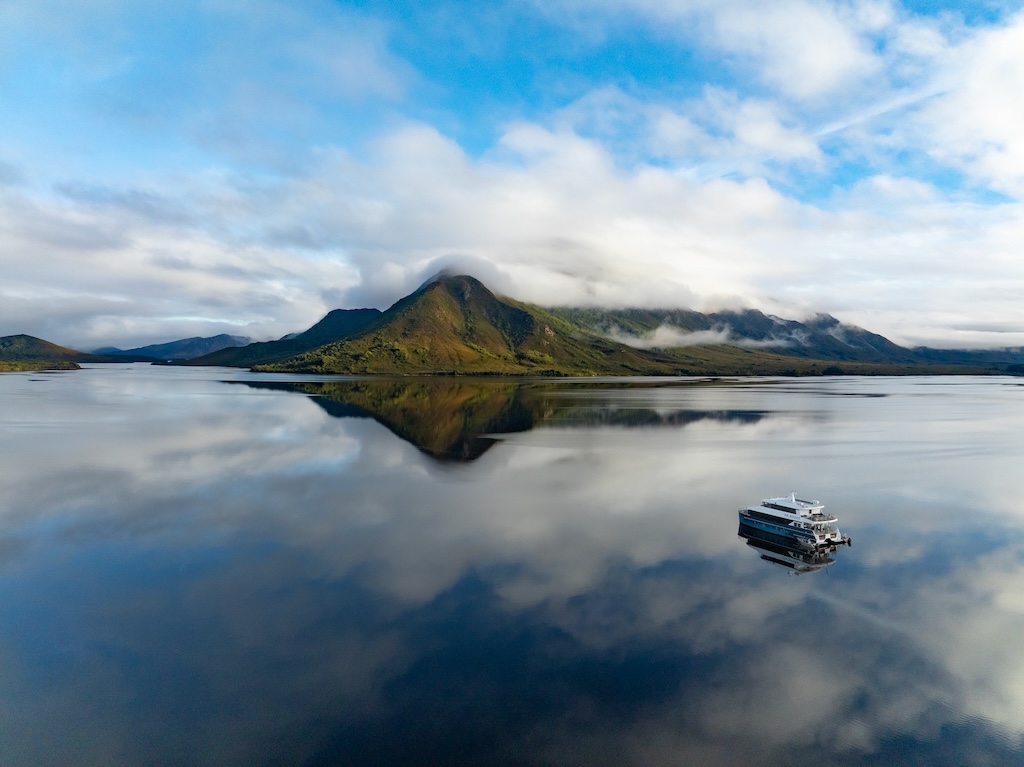
Alternatively, take one of the insightful multi-day cruises from luxury boutique line On-Board, a member of Luxury Lodges of Australia, which offers a truly unforgettable and intimate take on Tasmania.
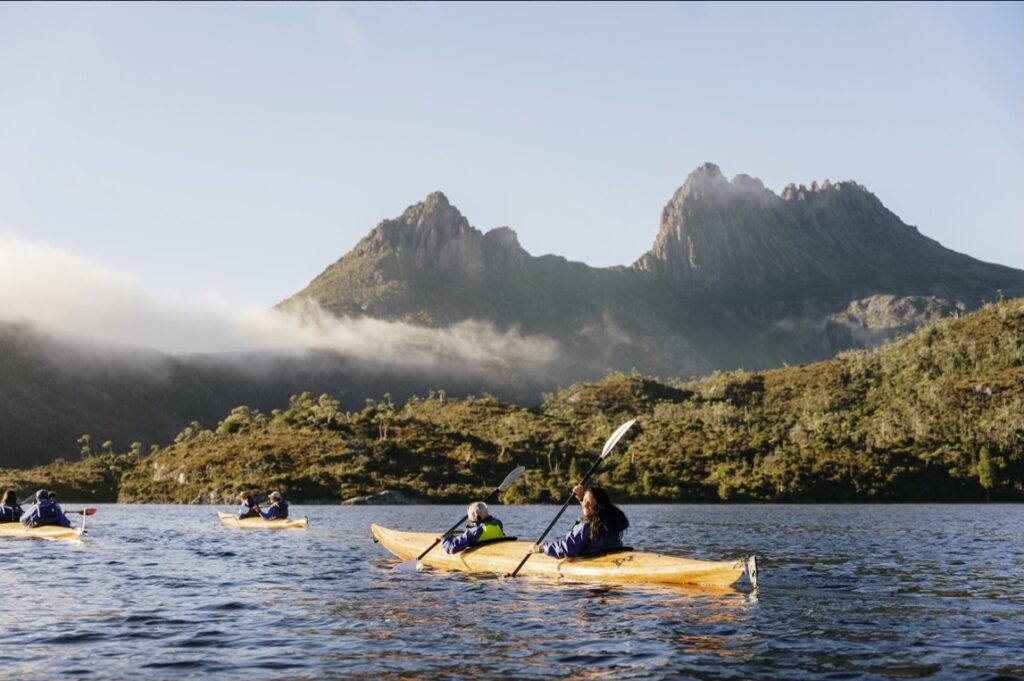
Don’t miss: MONA and the ferry ride to reach it; Dove Lake and the Overland Track at Cradle Mountain; Wineglass Bay in Freycinet National Park; a gourmet day trip to Bruny Island; and the convict history of Port Arthur.
Northern Territory
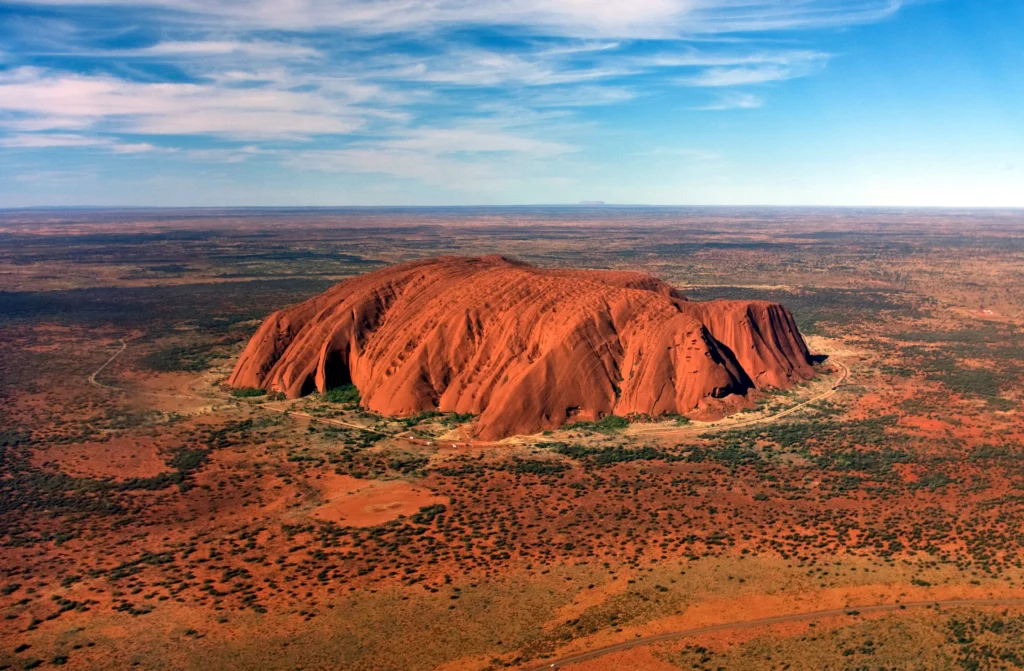
The Northern Territory offers Australia’s most spiritually resonant escape, renowned for the sacred monolith of Uluru, the ancient wetlands of Kakadu and a tropical capital found nowhere else in the country.
Location: The Northern Territory occupies the country’s central-north, spanning from the tropical “Top End” around Darwin to the arid “Red Centre” around Alice Springs and Uluru, some 1,500 kilometres to the south.
The Northern Territory holds Australia’s most recognisable natural landmark: Uluru, a 348-metre sandstone monolith sacred to its Traditional Owners, the Anangu people, who were formally handed back ownership of Uluru-Kata Tjuta National Park in 1985. Climbing the rock was permanently banned in 2019 at the Anangu’s long-standing request, and visitors are now encouraged instead to walk the base or watch its colours shift at sunrise and sunset.
Nearby Kata Tjuta (the Olgas) and Kings Canyon complete the Red Centre’s trio of essential landscapes, all accessible from the town of Alice Springs, itself framed by the East and West MacDonnell Ranges.
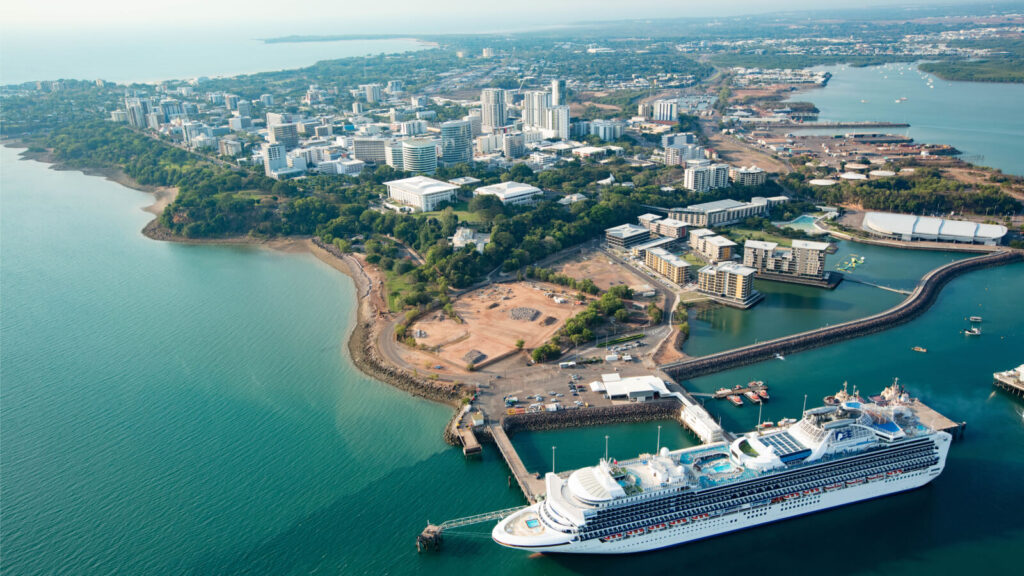
In the tropical north, Darwin wraps around a harbour five times the size of Sydney’s, its multicultural food markets, WWII history and laid-back, open-air lifestyle giving it a character unlike any other Australian capital.
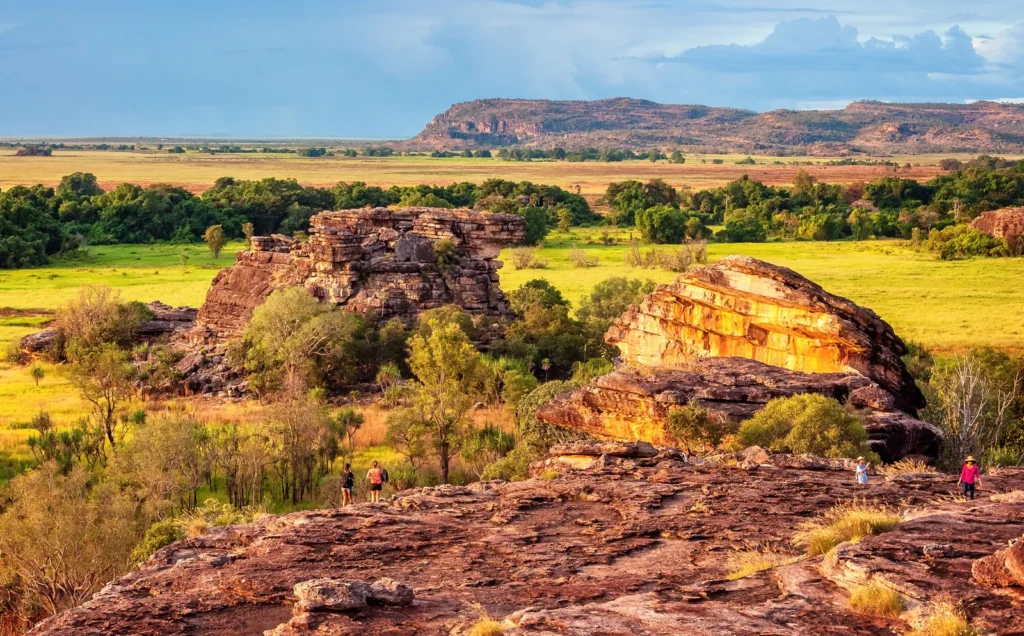
From Darwin, Kakadu National Park (above) — dual World Heritage-listed for both its natural and cultural significance — offers dramatic wetlands, cascading waterfalls and some of the oldest continuously practised Aboriginal rock art on Earth, some of it tens of thousands of years old.
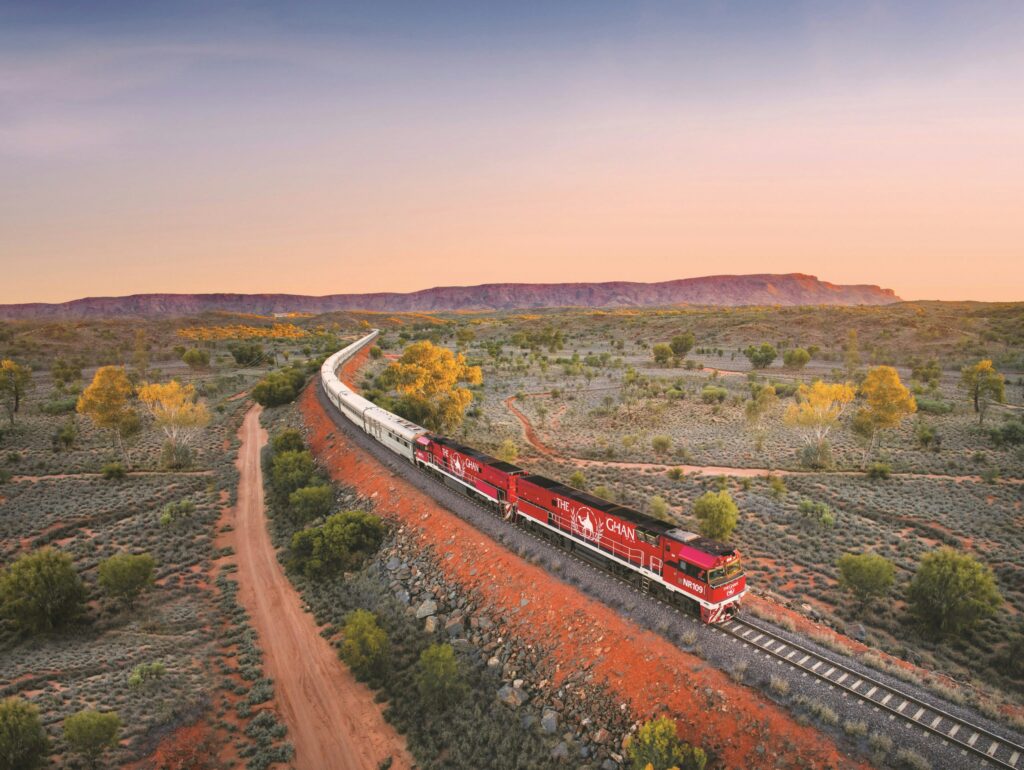
Don’t miss: Sunrise or sunset at Uluru and a walk around its base; Kata Tjuta and Kings Canyon; Darwin’s Mindil Beach Sunset Market; the wetlands and rock art of Kakadu National Park; and the MacDonnell Ranges around Alice Springs. Combine Darwin and the Northern Territories with Adelaide in South Australia by taking The Ghan, one of Australia’s most iconic train journeys.
Australian Capital Territory
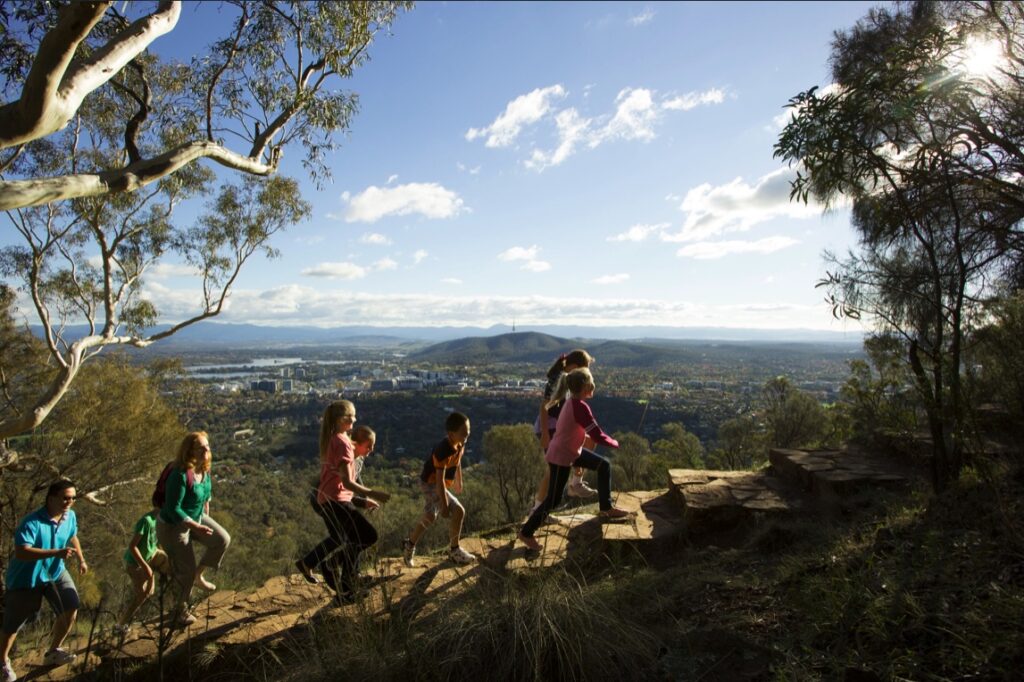
The Australian Capital Territory offers a compact, purpose-built escape, renowned for the Australian War Memorial, the National Gallery‘s Aboriginal art collection and a planned capital wrapped around a man-made lake.
Location: A small enclave carved out of New South Wales roughly three hours southwest of Sydney, the Australian Capital Territory contains Canberra, Australia’s purpose-built national capital.
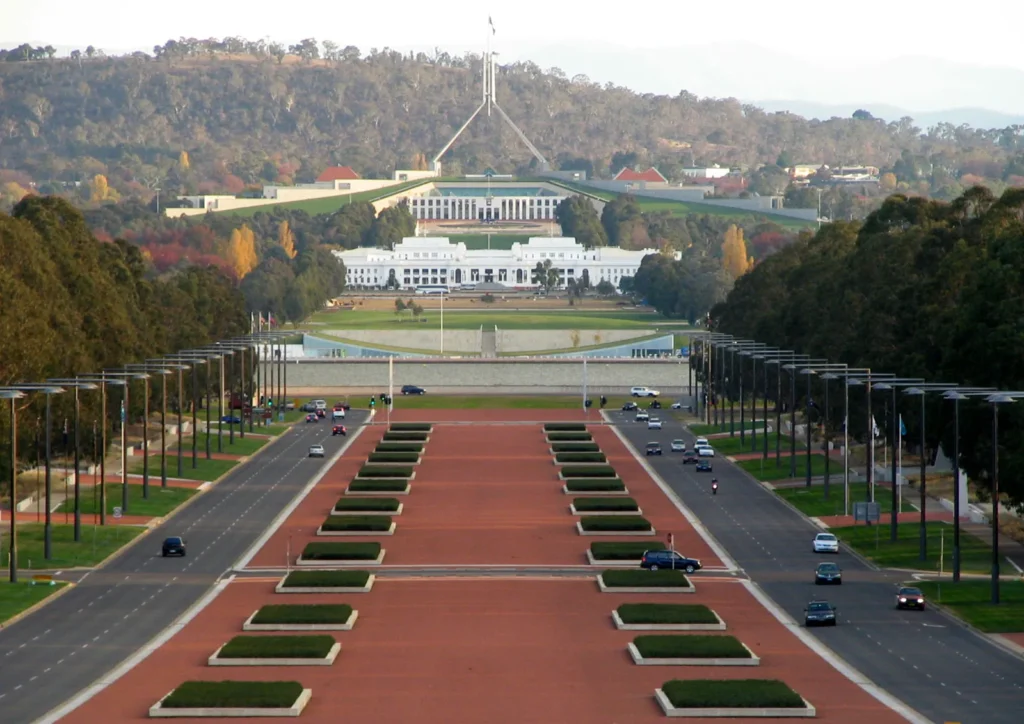
Canberra was masterplanned by American architect Walter Burley Griffin in 1912 and centres on the ceremonial Parliamentary Triangle, with Parliament House crowning Capital Hill at one end and Lake Burley Griffin at its heart.
The Australian War Memorial, an art-deco shrine, museum and archive that opened in 1941, hosts the moving daily Last Post Ceremony at 4:55 pm and is among the most significant war memorials anywhere in the world. The National Gallery of Australia, on the lake’s shore, holds the world’s largest collection of Aboriginal and Torres Strait Islander art alongside major international works.
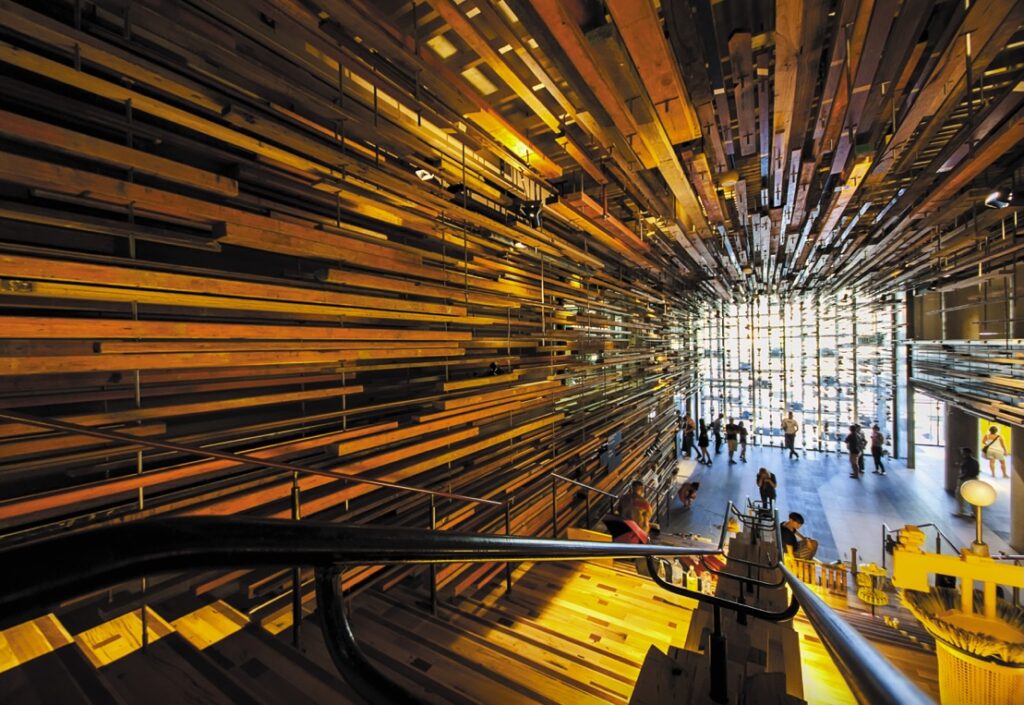
Though a fraction of the size of Australia’s state capitals, Canberra rewards a day or two, particularly for travellers interested in Australian history and politics, and pairs naturally with a wider New South Wales itinerary or the wine country of the nearby Canberra District.
Don’t miss: The Last Post Ceremony at the Australian War Memorial; the National Gallery of Australia’s Aboriginal art collection; Parliament House; and a cruise or cycle around Lake Burley Griffin.
Combining Regions: A Note on Distance
Australia’s regions are not casually combined the way European countries often are — distances are vast, and a single trip rarely covers more than two or three.
The most natural pairings reflect existing travel patterns: Victoria and Tasmania combine easily via a short flight or the overnight Spirit of Tasmania ferry across the Bass Strait; the Northern Territory’s Top End (Darwin, Kakadu) and Red Centre (Uluru, Alice Springs) are traditionally combined into a single “Darwin to Uluru” itinerary despite the 1,500-kilometre gap between them; and New South Wales and the Australian Capital Territory pair naturally as a Sydney-plus-Canberra circuit.
Attempting to combine distant regions — Western Australia with Queensland, for instance — within a single trip is rarely worthwhile given the flight times involved so most experienced travellers choose one or two regions per visit and return another year for the rest.
Choosing Your Regions: A Quick Framework
If you want history and culture — New South Wales (colonial Sydney), Tasmania (convict heritage), the Northern Territory (the world’s oldest continuous living culture), the Australian Capital Territory (national institutions)
If you want food and wine — South Australia (Barossa Valley, McLaren Vale), Victoria (Yarra Valley, Mornington Peninsula), Western Australia (Margaret River), New South Wales (Hunter Valley)
If you want nature and outdoor adventure — the Northern Territory (Red Centre, Kakadu), Tasmania (Cradle Mountain, the Overland Track), Western Australia (the Kimberley, Ningaloo Reef), Victoria (the Great Ocean Road, the Grampians)
If you want beaches and reef — Queensland (the Great Barrier Reef, the Whitsundays), New South Wales (Byron Bay, the South Coast, Sydney), Western Australia (Ningaloo Reef)

If you want city culture — New South Wales (Sydney), Victoria (Melbourne), South Australia (Adelaide), Queensland (Brisbane)
If you want to get off the beaten track — the Kimberley (Western Australia), the Flinders Ranges (South Australia), Tasmania’s west coast, and the Northern Territory beyond Darwin and Uluru
If you’re contemplating a trip Downunder, be sure to check out our Sydney city guides, our picks for the best luxury train journeys in Australia, our adventures in the Kimberley region, our favourite luxury lodges and wildlife camps, and our tips for Vivid Sydney 2027.


