

Of all the expedition cruise destinations on earth, none rivals the Galápagos Islands for sheer, unfiltered wildlife spectacle. Nick Walton joins Lindblad Expeditions–National Geographic aboard the National Geographic Endeavour II to find out why this remote Pacific archipelago remains the gold standard of expedition travel.
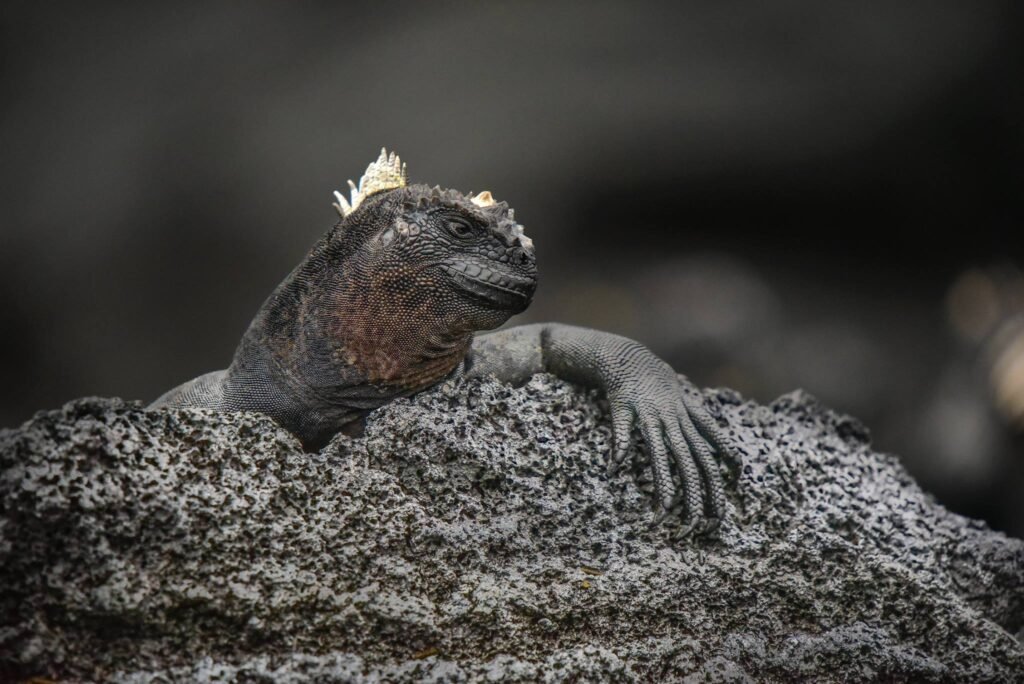
I learned long ago that it pays to connect with the locals when you arrive somewhere new — but I have never faced quite this kind of welcome. There are lizards everywhere I look: ancient, grimacing lizards, literally covering every surface within reach. Ash-hued marine iguanas — some the size of house cats, with Godzilla profiles and long, slender claws — are stacked three deep across the jagged lava coastline, making the climb from our Zodiac a very delicate operation. I finally take the leap and land among them. I am not devoured by tiny mouths. I am simply, completely, ignored.
This is the singular beauty of the Galápagos Islands, barren volcanic peaks jutting from the ocean 1,000 kilometres off the coast of Ecuador. Everywhere you turn, nature abounds. And nowhere does it abide by the usual rules.
Exploring the Galápagos with Lindblad Expeditions–National Geographic
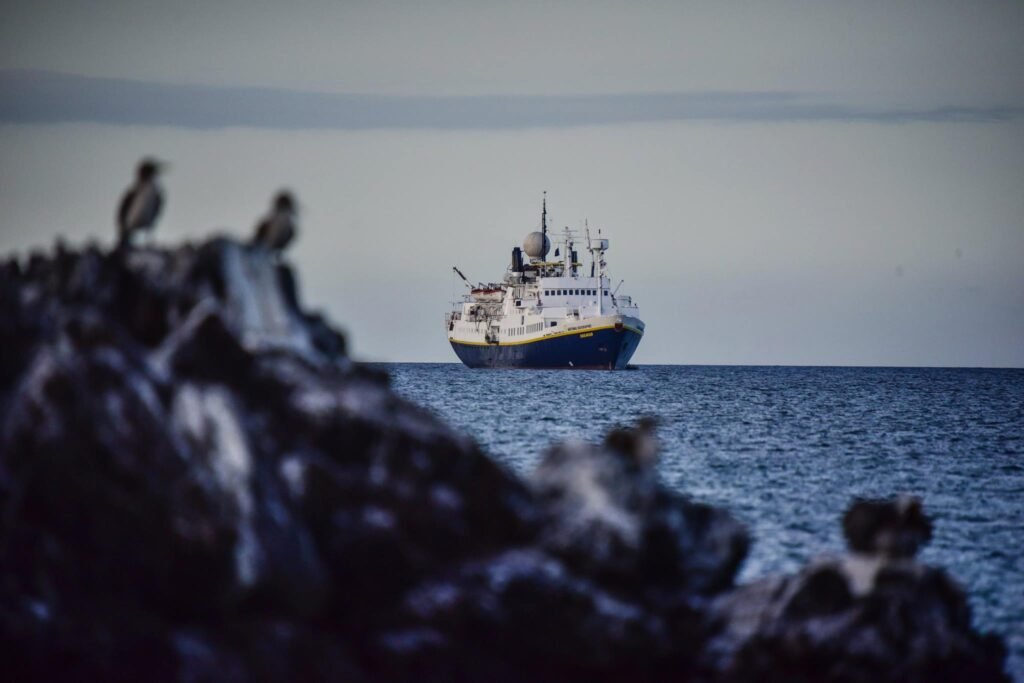
It is our second day aboard the expedition ship National Geographic Endeavour II, exploring this blissfully remote frontier with Lindblad Expeditions–National Geographic: a unique partnership between the world’s oldest expedition cruise company and the celebrated natural sciences magazine. Our PhD-wielding naturalist, Carlos Romero, greets our small band of camera-toting travellers and leads the hike along the coastline of Fernandina — the youngest island in the archipelago, a geological infant by any measure.
Fernandina distils the essence of the Galápagos. At its centre is a towering shield volcano crowned by a cantankerous caldera that last erupted in 2009 and has been in a foul mood ever since. Yet despite the island’s forbidding flanks, its coastline is thriving.
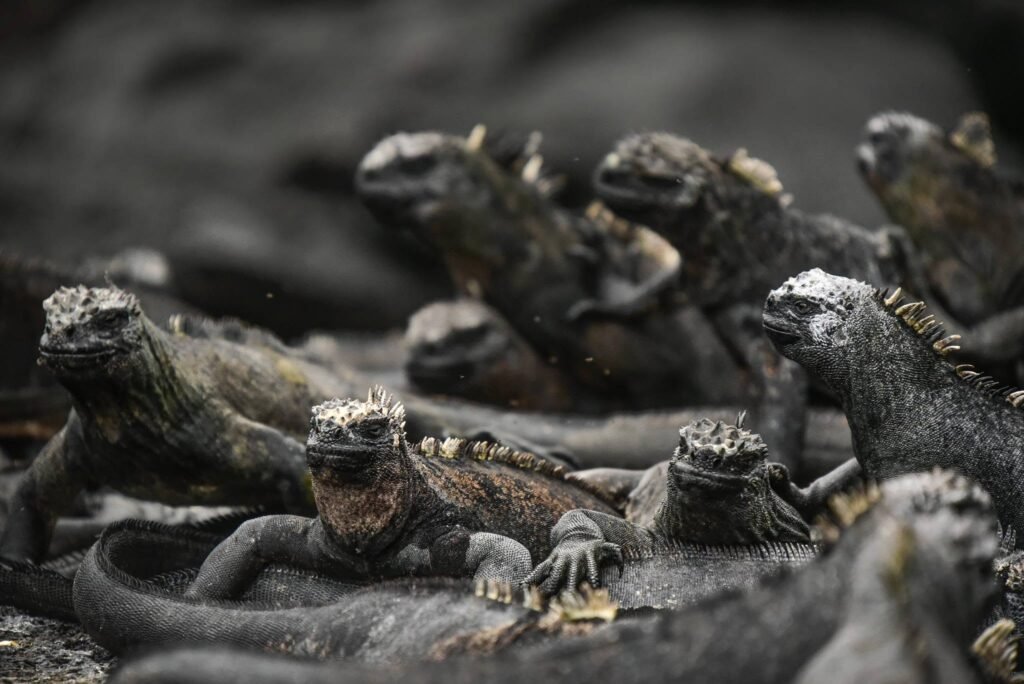
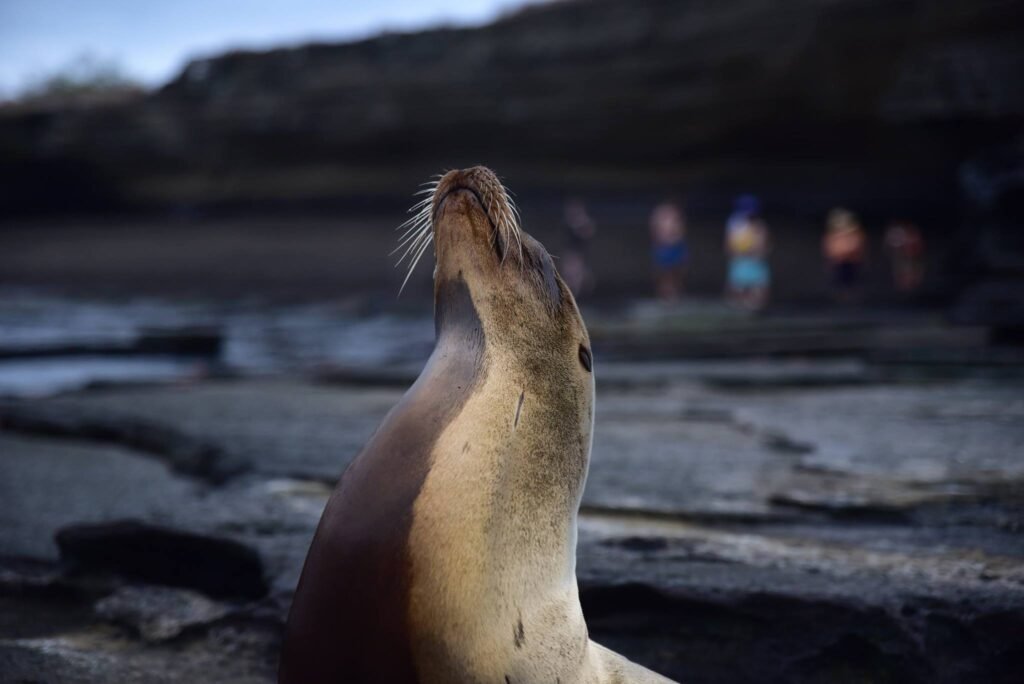
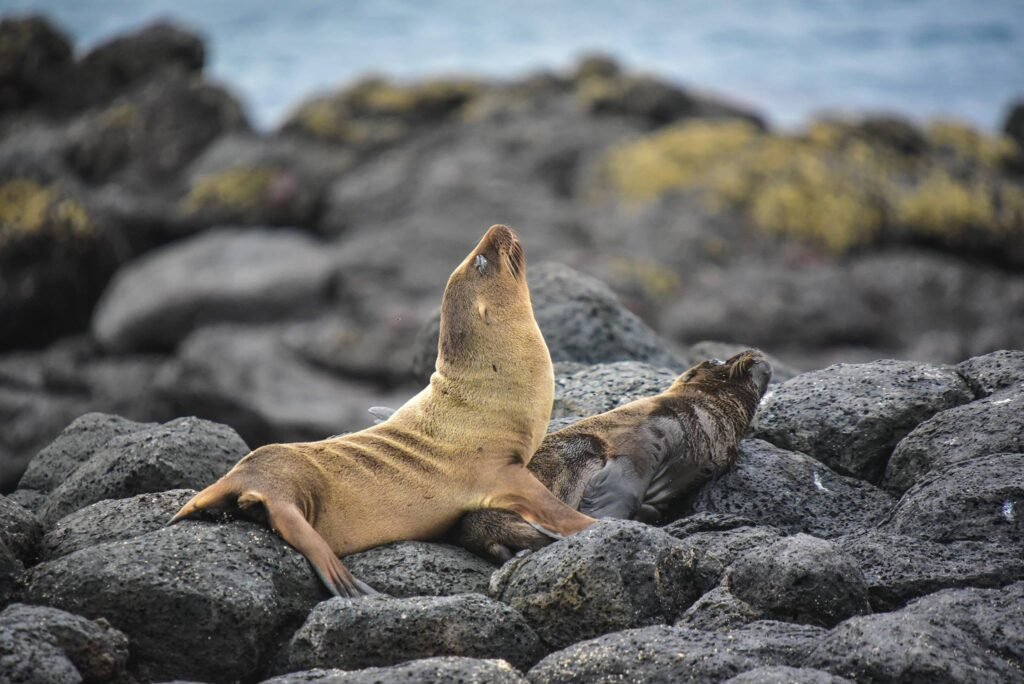
Somnolent marine iguanas crawl into the sea in search of red algae before rushing back to the lava to warm up again. Flightless cormorants — far happier diving deep than soaring above — watch us from a rocky outcrop with vivid blue eyes, saltwater beading off their waterproof feathers. Two sea lion pups play-fight in a rock pool before venturing a tentative sniff of our hiking boots. In a lagoon wreathed by layered ancient rock, a green turtle bobs in the tide, searching unhurriedly for lunch.
Lindblad Expeditions: More Than Half a Century in the Galápagos
Lindblad Expeditions pioneered tourism to these islands in 1967 — long before any other operator recognised the potential of this remote and extraordinary place. Today the company operates four ships permanently based in the archipelago (National Geographic Islander II, National Geographic Endeavour II, National Geographic Gemini and National Geographic Delfina) crewed by experienced naturalists, many of them born in the Galápagos themselves. It is also the largest single private contributor to the Charles Darwin Research Station at Santa Cruz, the bedrock of conservation policy in the islands since 1959.
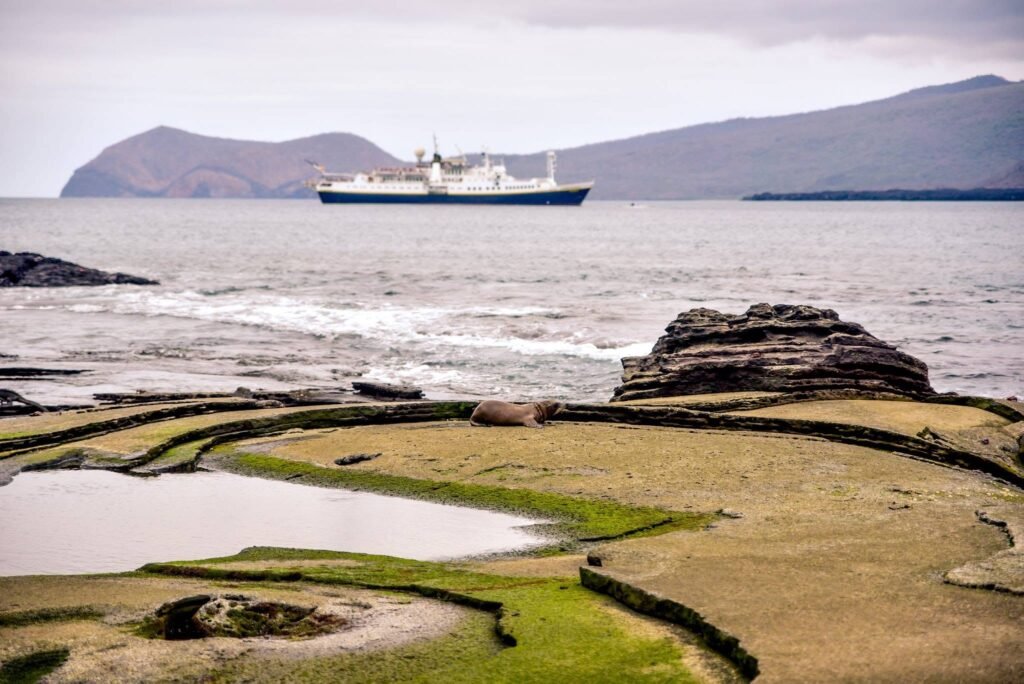
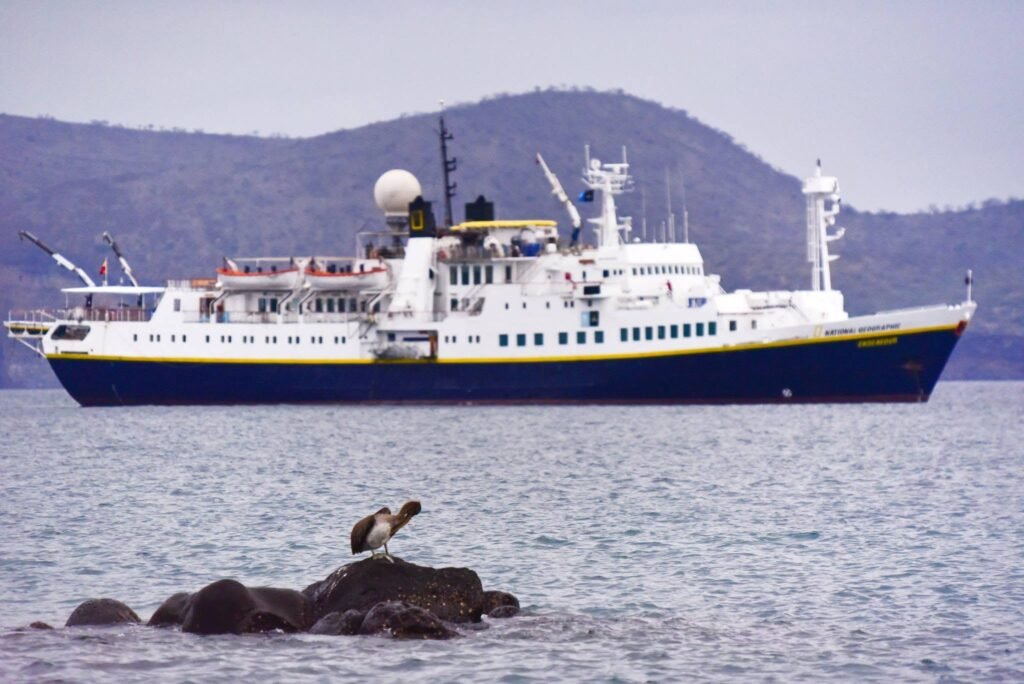
I joined the National Geographic Endeavour — a North Sea trawler converted into a sturdy 96-passenger expedition cruiser — arriving from the Ecuadorian city of Guayaquil. My cabin is spacious, clean and comfortable, with ample storage and a well-appointed bathroom. The ship also boasts a small boutique, a generous lounge where guests gather for daily lectures and evening cocktail briefings, and an intimate dining room where the chefs turn out South American-influenced comfort food that earns more compliments than you might expect from a working expedition vessel.
Conservation at the Heart of Every Galápagos Expedition
The landscapes of the Galápagos are timeless and largely unforgiving, changed little since Darwin made the observations that would reshape our understanding of life on earth. This is no accident. A total of 97 per cent of the archipelago is protected as national park, and habitation in the remaining three per cent is carefully controlled by the Ecuadorean government. Tourist numbers have tripled over the past two decades, making biosecurity and responsible tourism more critical than ever.
Education underpins every conservation effort, and it sits at the heart of the Lindblad experience. Each morning we are briefed on where the ship will sail, what we are likely to encounter and how best to prepare. At some islands — including seahorse-shaped Isabela, formed by the merger of six shield volcanoes — we ride military-grade Zodiacs to a wet landing, stepping into the shallows onto deserted beachheads. At others, like North Seymour, home to the world’s largest frigatebird and blue-footed booby colonies, we make dry landings before rounding off explorations with a swim in the warm equatorial water.
Wildlife Encounters: Iguanas, Sea Lions, Blue-Footed Boobies and More
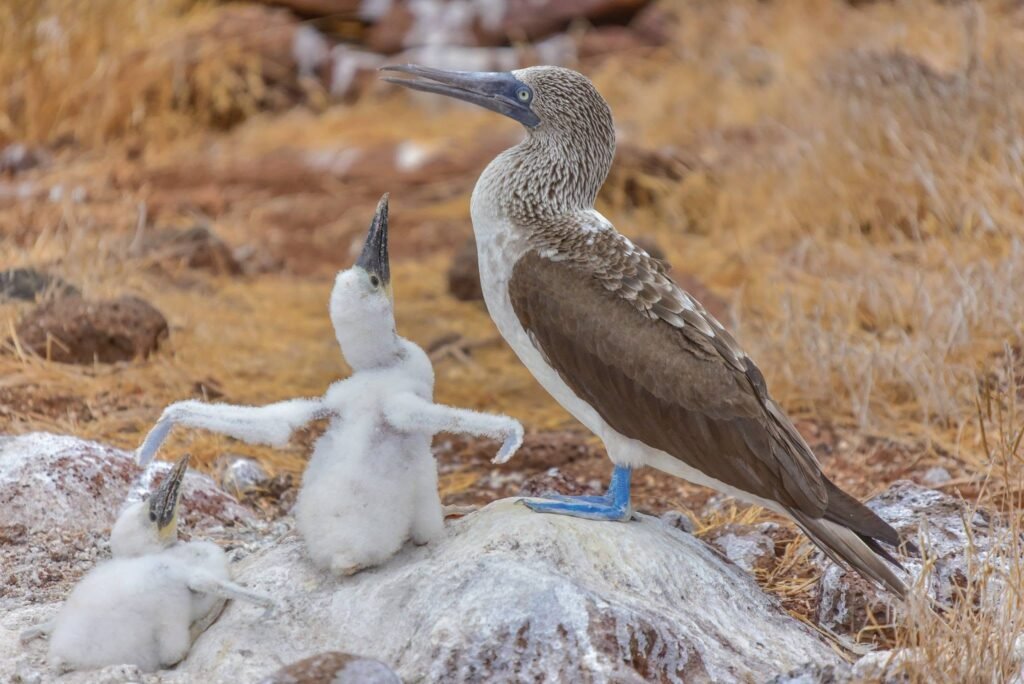
There is always something new to discover, and thanks to our guides, always something more to learn. On North Seymour we trace the rugged coastline in search of male frigatebirds puffing out scarlet gular pouches in elaborate mating displays. Land iguanas in every shade of yellow, orange and red watch us pass with lordly disinterest, while blue-footed boobies feed new hatchlings with the focused tenderness of new parents the world over.
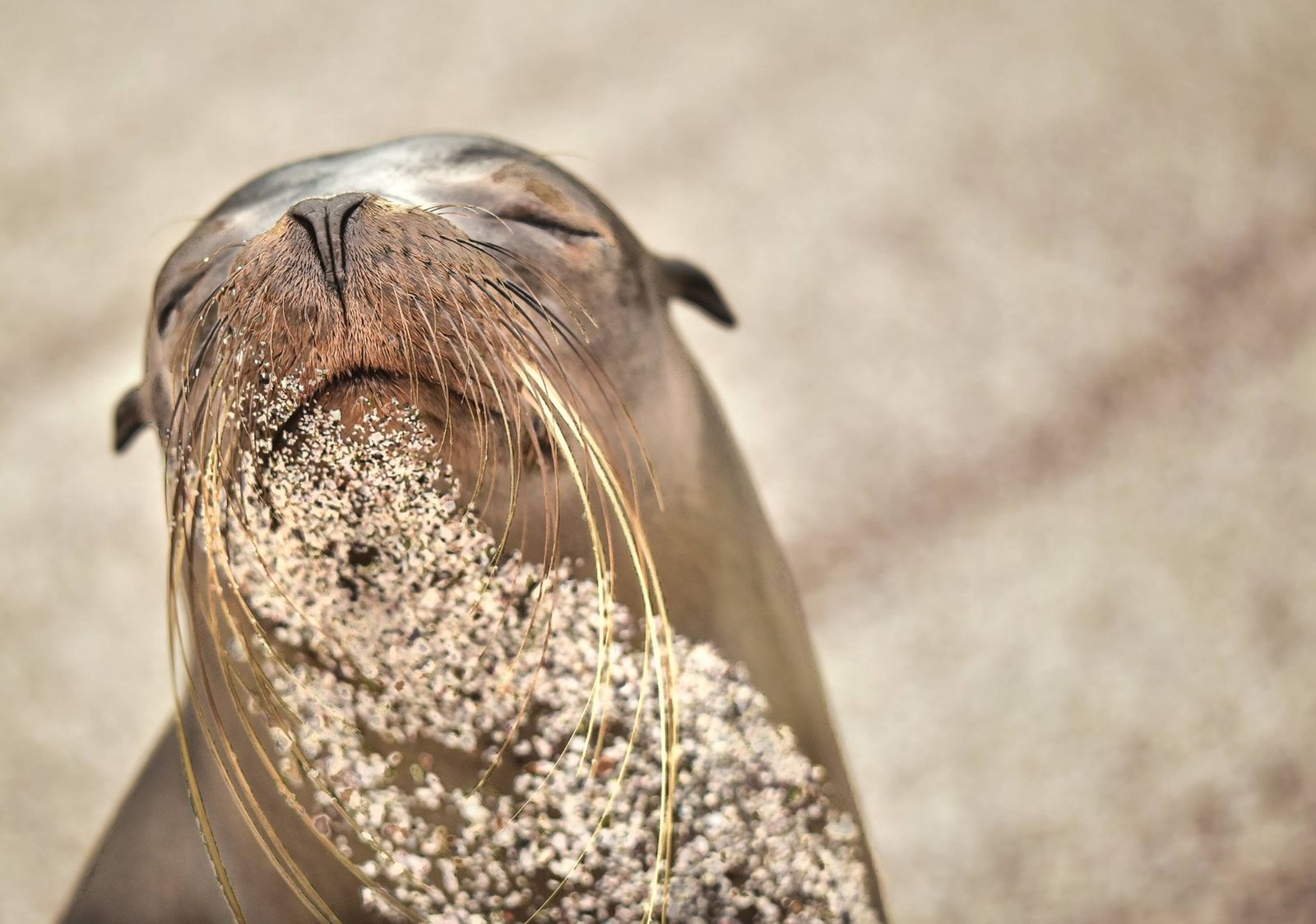
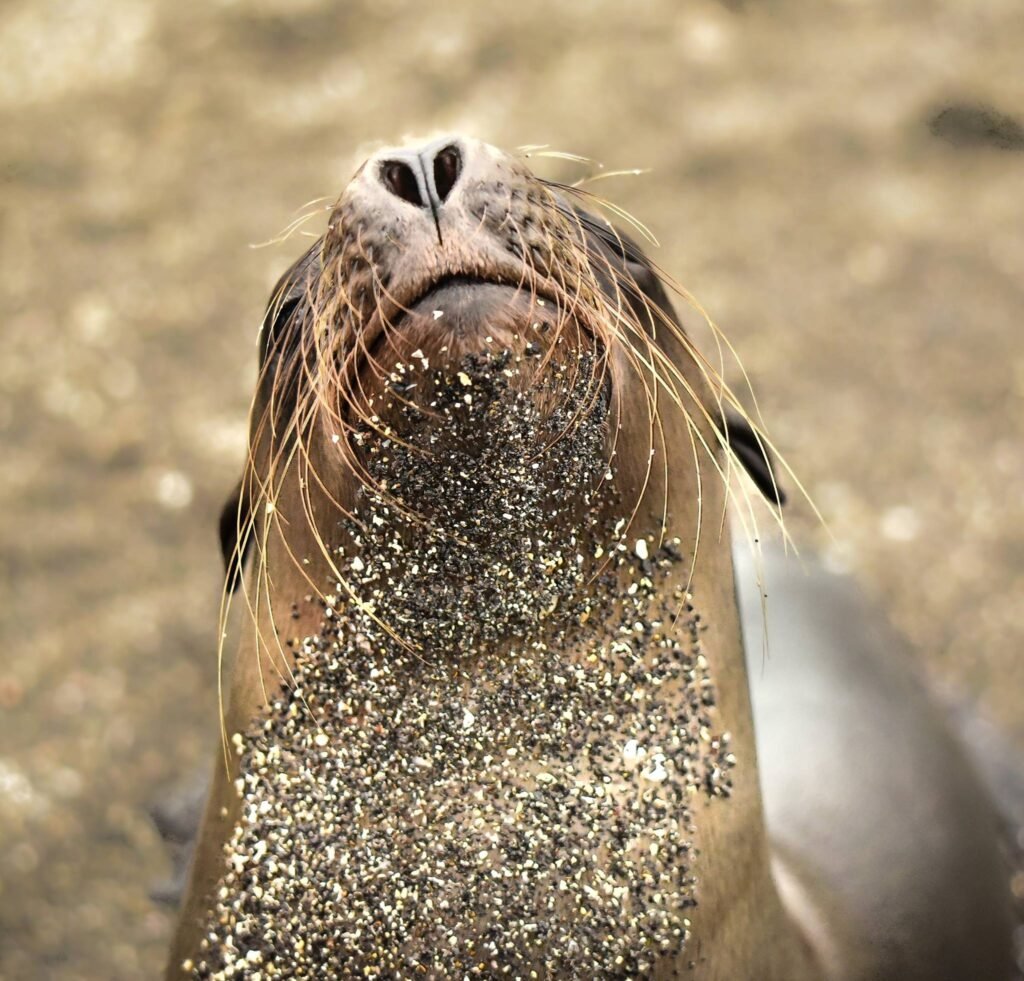
Snorkelling near Isabela Island with naturalist Paul Vergara, we are joined by an inquisitive sea lion whose eyes rarely leave us as he dives, swoops and tumbles through the water column, trailing silver bubbles toward the surface. Beyond him, solitary whitetip sharks and a pair of spotted eagle rays glide past, entirely untroubled by our clumsy splashing above.
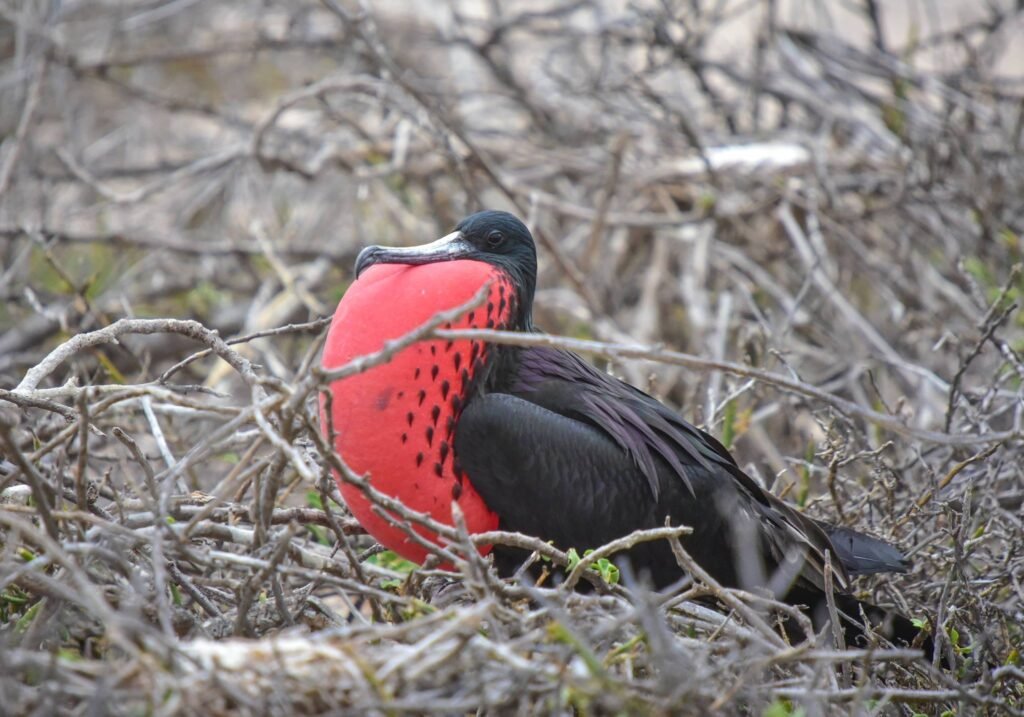
During photographic sessions led by National Geographic-certified photographer Christian Saa, we learn to harness light and ISO to capture the vivid pink of flamingos, the improbable blue feet of boobies, the proud bearing of Galápagos hawks and the endearing waddle of the islands’ own miniature penguin species.
Life aboard ship is equally rich. One afternoon, Jonathan Aguas — the Galápagos’ first Fulbright scholar — leads us through the history of his island home, from Darwin’s revelatory observations through to the bizarre land disputes between eccentric German utopians and a larger-than-life Baroness.
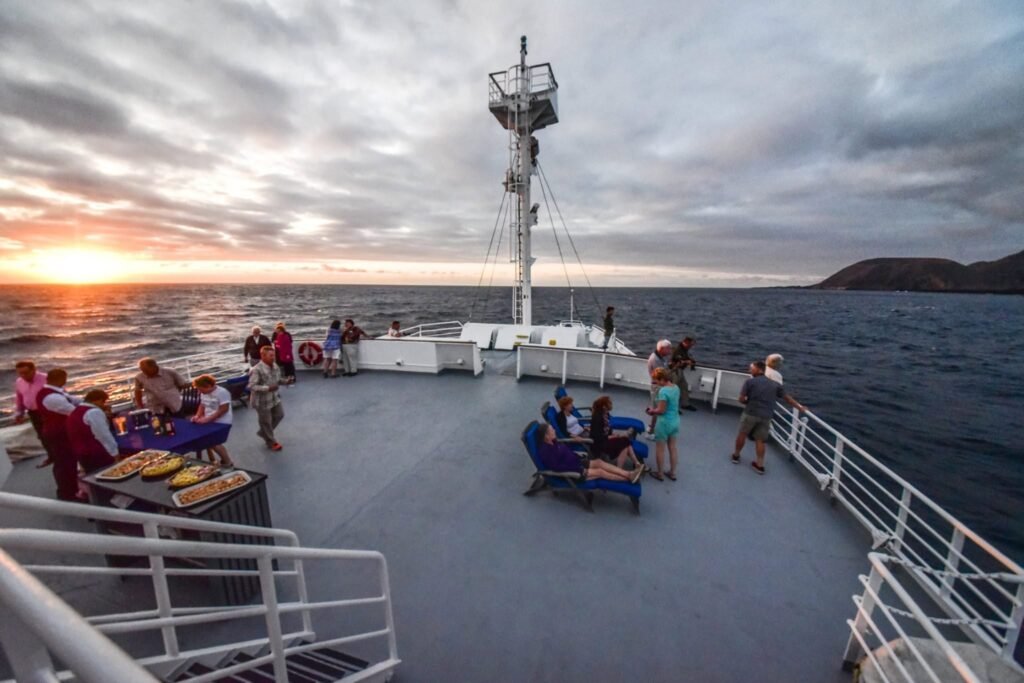
As we cross the equator for the sixth time, guests gather on the bow for a cheese-and-wine sundowner that, in these latitudes, with this view, feels entirely and appropriately surreal.
Santa Cruz: Giant Tortoises and the Future of the Galápagos
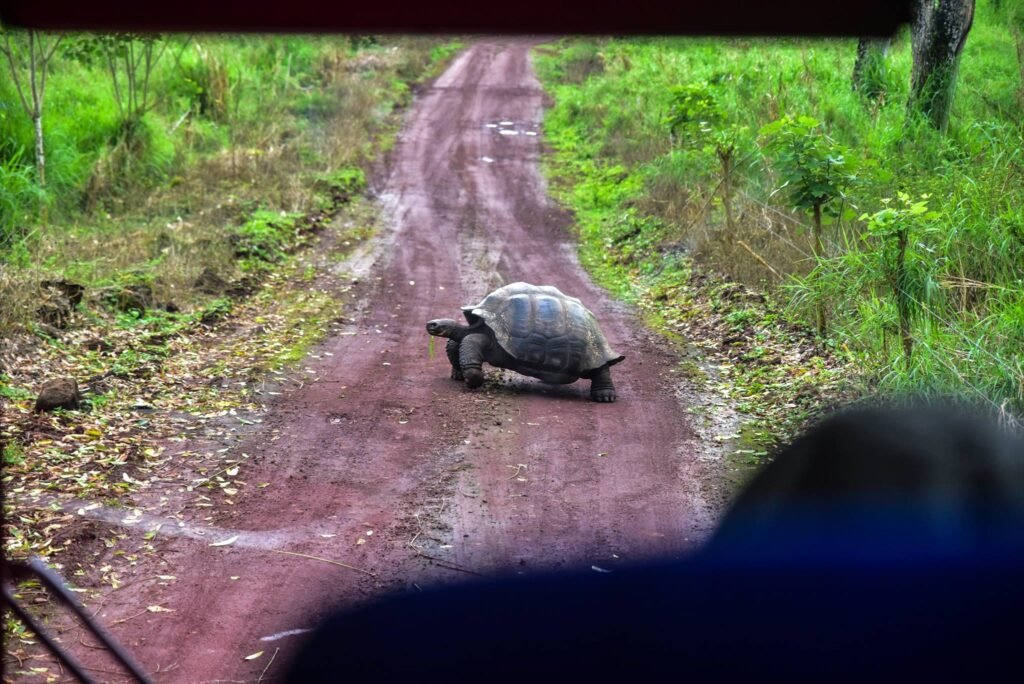
Our exploration concludes in the lush highlands of Santa Cruz, one of the few inhabited islands in the chain. There is time to visit a local primary school that Lindblad Expeditions–National Geographic supports — its classrooms ringed by hand-painted giant tortoises — before we climb in search of the real thing.
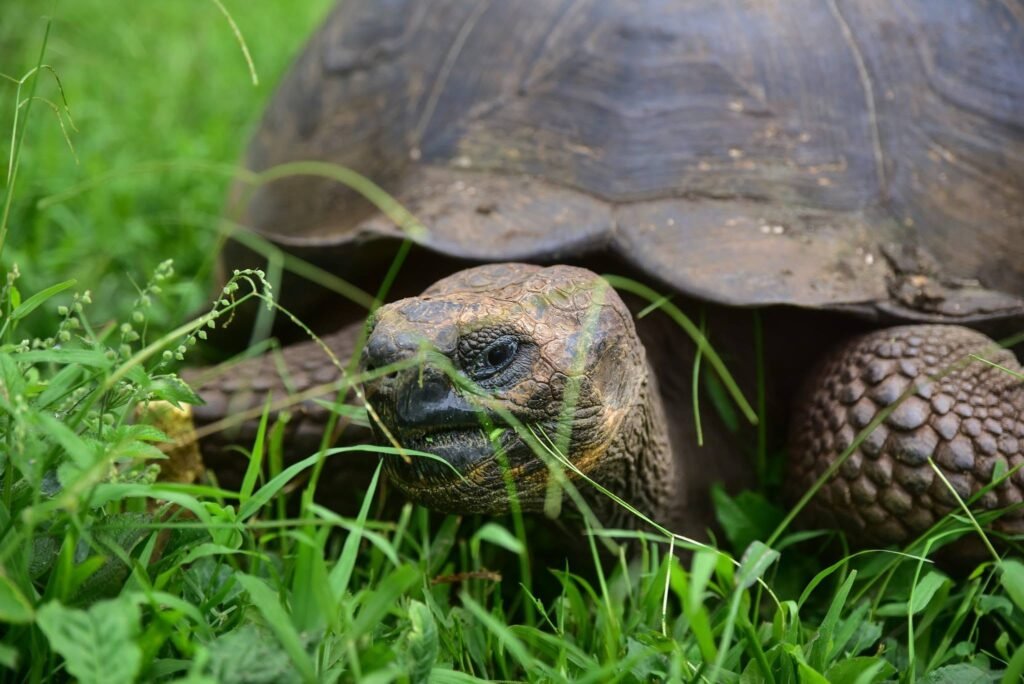
We find them in a swampy paddock during their seasonal migration: the Galápagos giant tortoise, iconic, ancient and, in person, deeply moving. These enormous, unhurried animals share something fundamental with the islands themselves.

On the surface they seem immovable and built to outlast everything. In reality, like the remarkable ecosystems we have explored across the week, they are surprisingly fragile — and will survive only with a sustainable balance of conservation, education and responsible human behaviour.
Companies like Lindblad Expeditions–National Geographic are, in the most literal sense, paving the way — funding research, supporting local schools, limiting their own footprint and demonstrating, voyage by voyage, that the most extraordinary destinations on earth are worth protecting precisely because they remain extraordinary.
Frequently Asked Questions: Galápagos Islands Expedition Cruises
These hardy and remote islands may be unforgettable, but they’re not for every traveller. Here’s what you need to know before you book your expedition cruise.
When is the best time to visit the Galápagos Islands?
The Galápagos is a year-round destination, but the two seasons offer different experiences. The warm season (December to May) brings calmer seas, warmer water temperatures and ideal snorkelling conditions with excellent underwater visibility. The cool season (June to November) brings cooler, nutrient-rich waters that attract greater concentrations of fish, marine mammals and seabirds — making it a favourite for wildlife-focused travellers. Both seasons offer extraordinary wildlife encounters; the best time to visit depends on your priorities.
How long should a Galápagos cruise be?
Most expedition cruises run between seven and fourteen days. A seven-day itinerary covers either the western or northern islands; a longer voyage allows you to explore both circuits and reach the most remote, pristine sites. First-time visitors are generally advised to book a minimum of seven nights to appreciate the full scope of the archipelago.
How much does a Galápagos expedition cruise cost?
Costs vary significantly by operator, ship and cabin category, but budget from around US$5,000 per person for a seven-day small-ship expedition. Premium operators such as Lindblad Expeditions–National Geographic, Silversea and Aqua Expeditions command higher rates — typically US$8,000–15,000 per person — in return for superior vessels, smaller group sizes and expert naturalist teams. Prices generally exclude international flights to Ecuador.
What permits and entrance fees are required?
All visitors must pay a transit control card fee (approximately US$20 per person) at the airport in Guayaquil or Quito, and a Galápagos National Park entrance fee (US$200 per person, payable in cash on arrival). Your cruise operator can often arrange the park fee in advance.
Is a Galápagos cruise suitable for non-swimmers and older travellers?
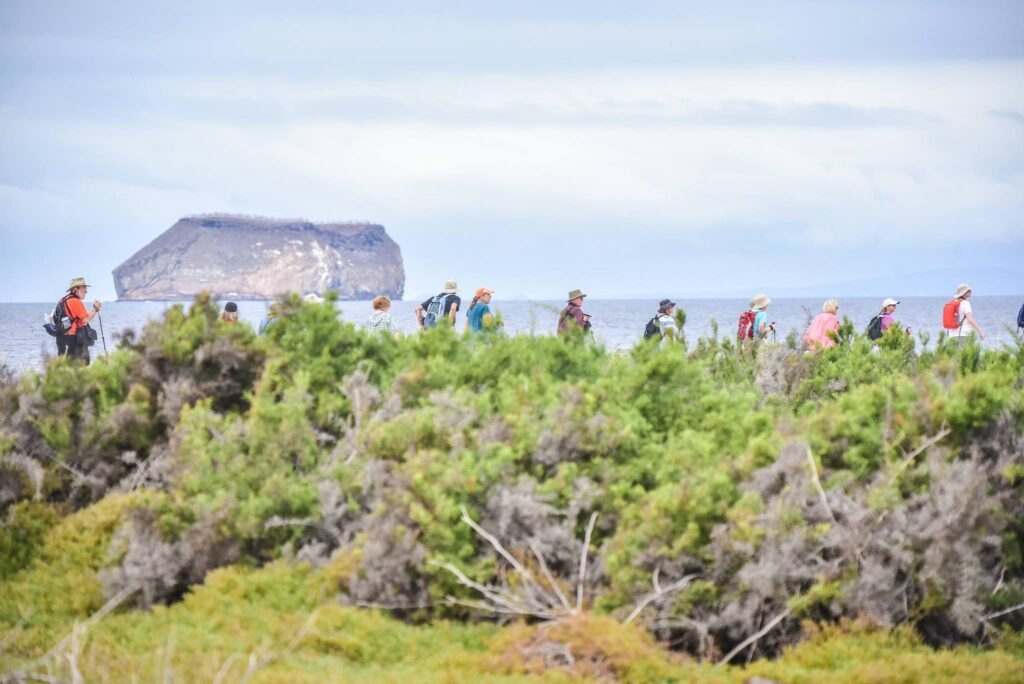
Yes. While snorkelling is one of the highlights, it is entirely optional. Shore excursions are graded by activity level, and most operators offer alternative activities for guests who prefer to remain on dry land or aboard the ship. That said, a reasonable level of fitness is recommended — landings can involve uneven lava terrain, and days are full from morning to evening.
What wildlife can I expect to see on a Galápagos cruise?
The Galápagos is home to an extraordinary range of endemic species. Expect to encounter marine iguanas, Galápagos sea lions, giant tortoises, blue-footed boobies, frigatebirds, flightless cormorants, Galápagos penguins, flamingos, Galápagos hawks and Darwin’s finches on land. In the water, snorkellers regularly swim alongside sea lions, marine turtles, spotted eagle rays, whitetip sharks and a dazzling array of tropical fish. Specific sightings vary by island, season and itinerary.
Will I experience seasickness on a Galápagos cruise?
Seas between islands can be choppy, particularly during the cool season. If you are prone to motion sickness, consider booking a catamaran (more stable than monohull vessels) and consult your doctor about preventive medication before departure. Ginger supplements and acupressure wristbands are popular natural remedies. Many guests find that once they are ashore or snorkelling, any discomfort quickly passes.
How does a Galápagos cruise differ from a land-based stay?
A cruise gives you access to the full breadth of the archipelago, including the remote western islands that are unreachable on day trips from the four inhabited towns. You wake up at a different island each morning, with expert naturalists on hand throughout, and encounter wildlife far from day-tripper crowds. Land-based itineraries offer more flexibility and lower nightly rates but require daily boat transfers and limit the range of islands you can visit.
Which Galápagos cruise operators are considered the best?
Lindblad Expeditions–National Geographic, Silversea Expeditions, Aqua Expeditions, Ecoventura and Celebrity Cruises (Flora) are consistently cited among the finest operators. Lindblad is widely regarded as the pioneer — it has operated in the islands since 1967 and remains the largest private contributor to the Charles Darwin Research Station. The best operator for you will depend on budget, group size, preferred ship size and the level of naturalist expertise you are looking for.
How far in advance should I book a Galápagos cruise?
As far ahead as possible. The most desirable departure dates — particularly Christmas and New Year, and peak wildlife months — book up twelve to eighteen months in advance. For 2026 departures, many prime dates are already sold out. Booking 12–18 months ahead is strongly recommended for peak season; shoulder months (May, September and October) offer better availability and occasionally lower rates.
If you’re contemplating an expedition cruise don’t forget to check out our guide to the best polar cruises, our favourite river cruise operators, the best expedition cruise lines operating globally, and the destinations defining expedition cruising in the years to come.


