
Master the art of Galápagos wildlife photography with these essential techniques — from the right gear and camera settings for fearless iguanas and dancing boobies, to capturing the extraordinary underwater world of Darwin’s living laboratory.
The Galápagos Islands are the greatest wildlife photography destination on earth and one of my favourites. Nowhere else will an adorable blue-footed booby perform its courtship dance three feet from your lens, a marine iguana ignore you entirely as you lie beside it on a lava shoreline, or a Galápagos sea lion swim circles around you underwater with what appears to be genuine curiosity.
The islands’ extraordinary wildlife, evolved in the complete absence of terrestrial predators, has no fear of humans — and that fearlessness transforms even a modest photographer with a consumer camera into someone capable of producing images of rare power and intimacy.
But the Galápagos also presents challenges: equatorial light of ferocious intensity, fast-moving wildlife in complex backgrounds, underwater conditions that demand specific technique, and the strict National Park protocols that govern where and how visitors may move.
These tips will help you make the most of every extraordinary encounter.
Understand the Light — and Work With It
You don’t always need perfect golden light and blue skies for great photos — which is great because the weather in the islands doesn’t always play along.
The Galápagos Light Challenge
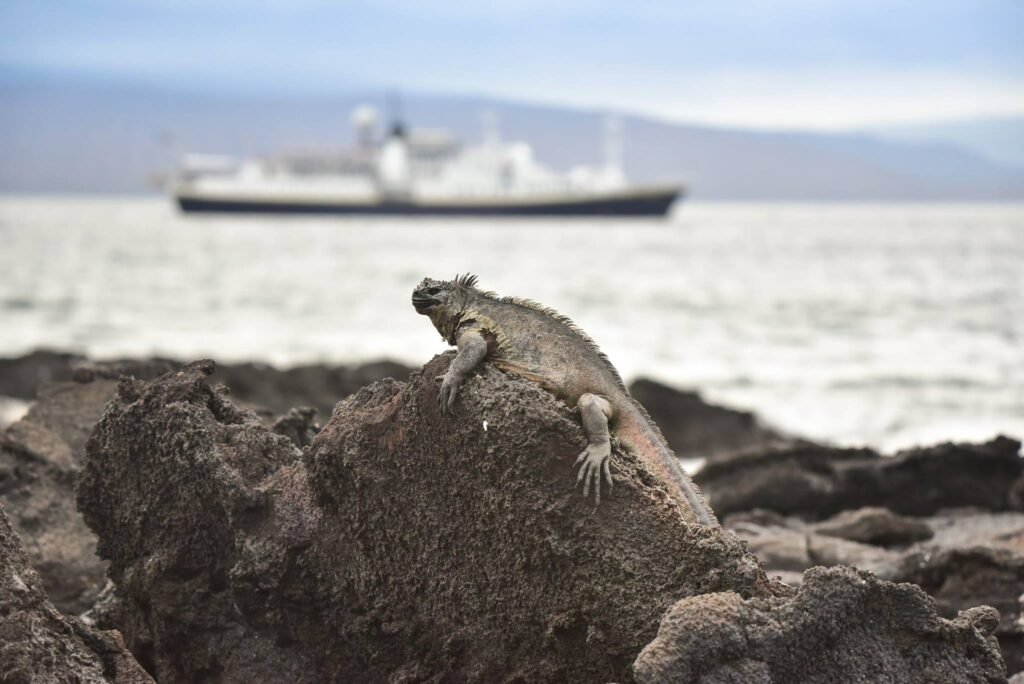
The equatorial sun in the Galápagos is one of the most demanding photographic conditions on earth. From mid-morning until late afternoon, the light is high, harsh, and directly overhead — producing deep shadows under the eye sockets of boobies and finches, bleaching the colour from marine iguana skin, and flattening the three-dimensionality that makes wildlife portraits compelling. The solution, as with all wildlife photography in strong sun, is to work at the extremes of the day. But don’t fear, it’s also something expedition cruise teams know well and plan for.
Shoot at Golden Hour
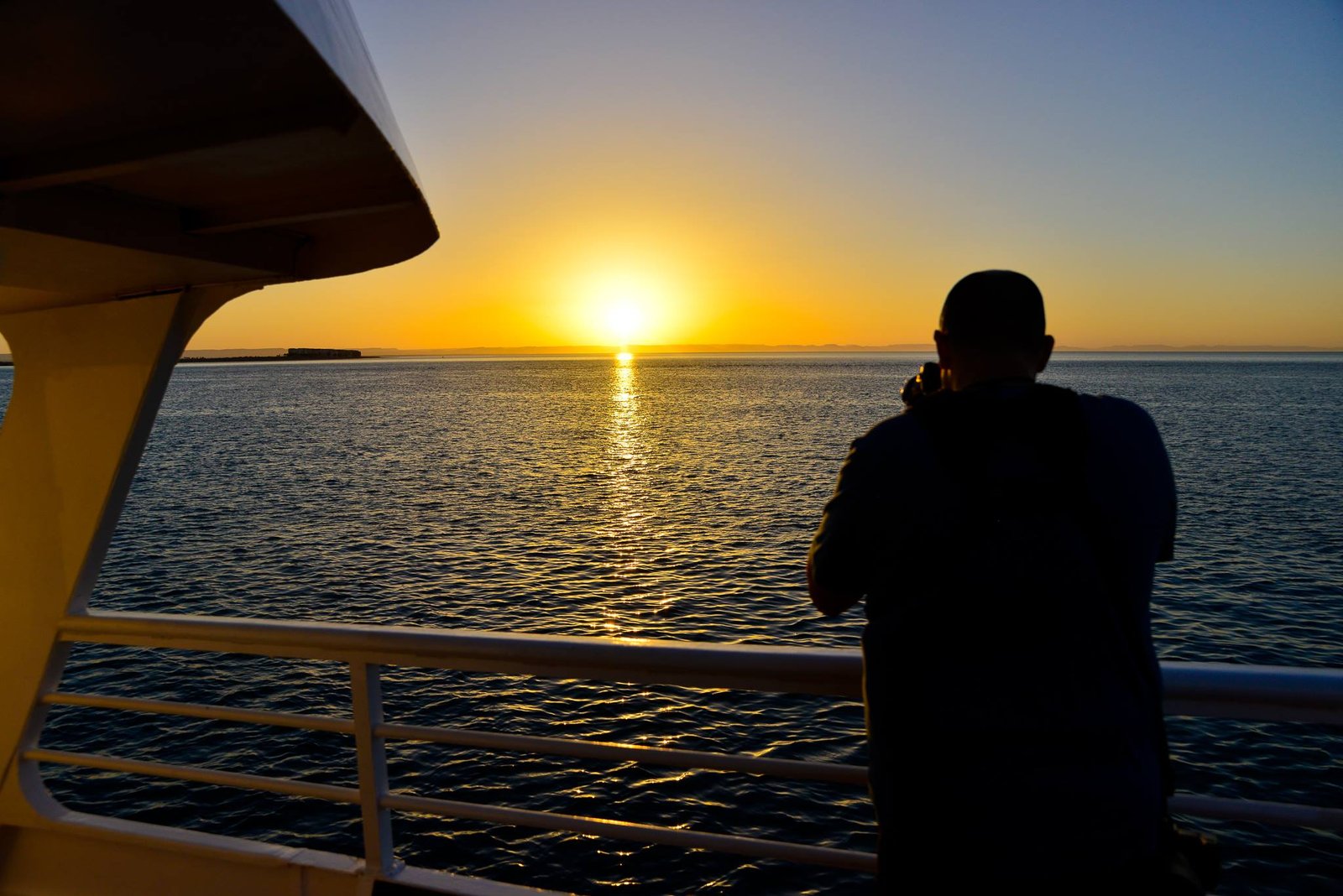
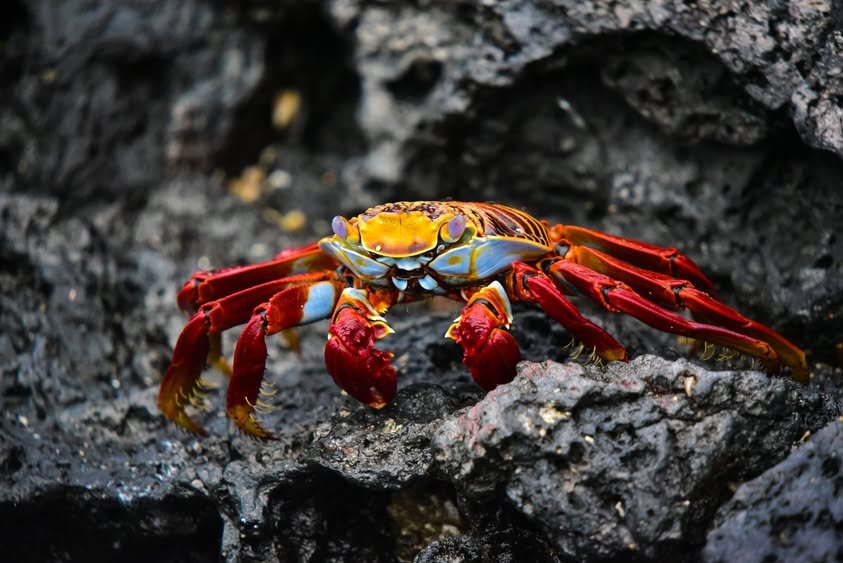
The hour after sunrise and the hour before sunset transform the Galápagos into a photographer’s paradise. The low-angled light from the east or west rakes across the lava shorelines, illuminating the extraordinary textures of iguana skin and the iridescent feet of blue-footed boobies with a warmth and dimensionality unavailable at any other time. Marine iguanas basking on black lava rocks glow amber in the morning light; sally lightfoot crabs on the shoreline become jewels of scarlet and orange.
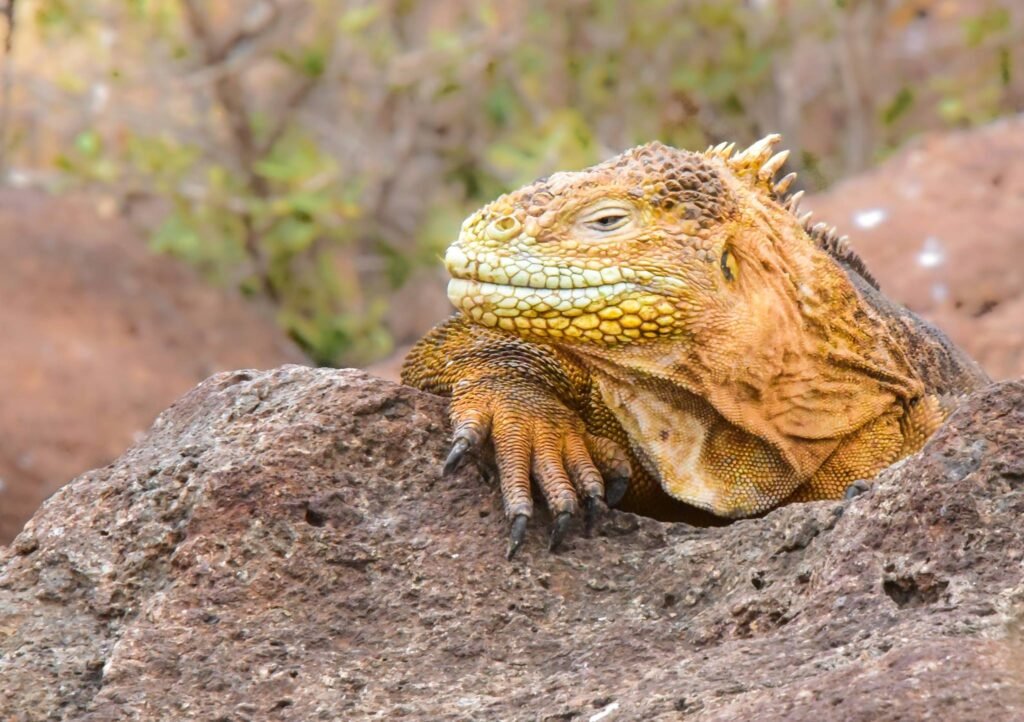
Plan your landing site visits for these periods wherever your itinerary allows — a conversation with your naturalist guide the evening before will establish which sites the ship will be visiting at dawn.
Overcast Days Are Your Friend
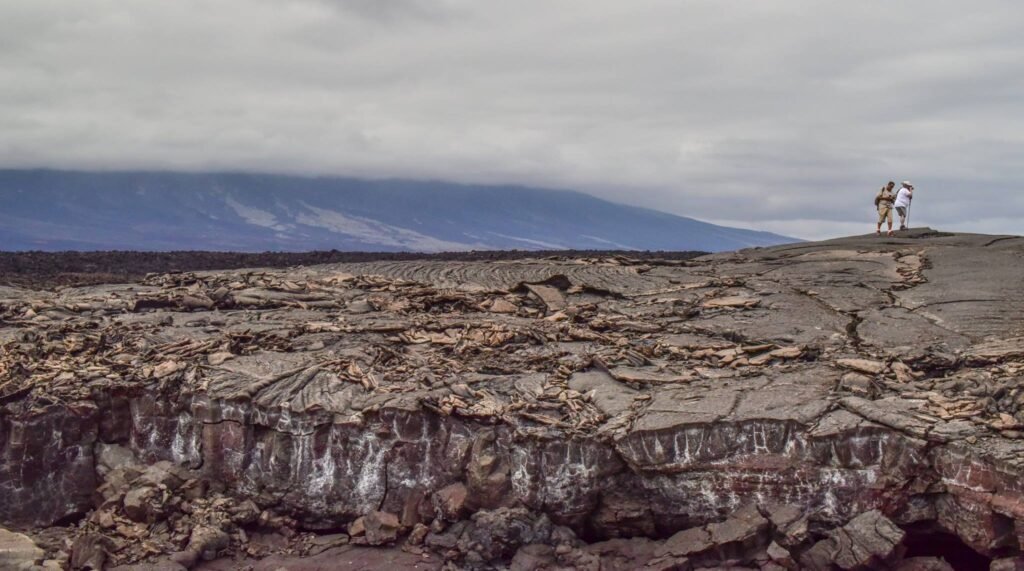
When cloud cover diffuses the direct equatorial sun, the Galápagos light becomes something extraordinary — soft, even, and directional without being harsh. The blue of the ocean deepens, the green of the highland vegetation saturates, and the subtle colour variations in wildlife plumage and skin that direct sun obliterates become suddenly, beautifully visible. Do not retreat to the ship on overcast days — these are often the best photography conditions the islands offer.
Get to Eye Level — Always
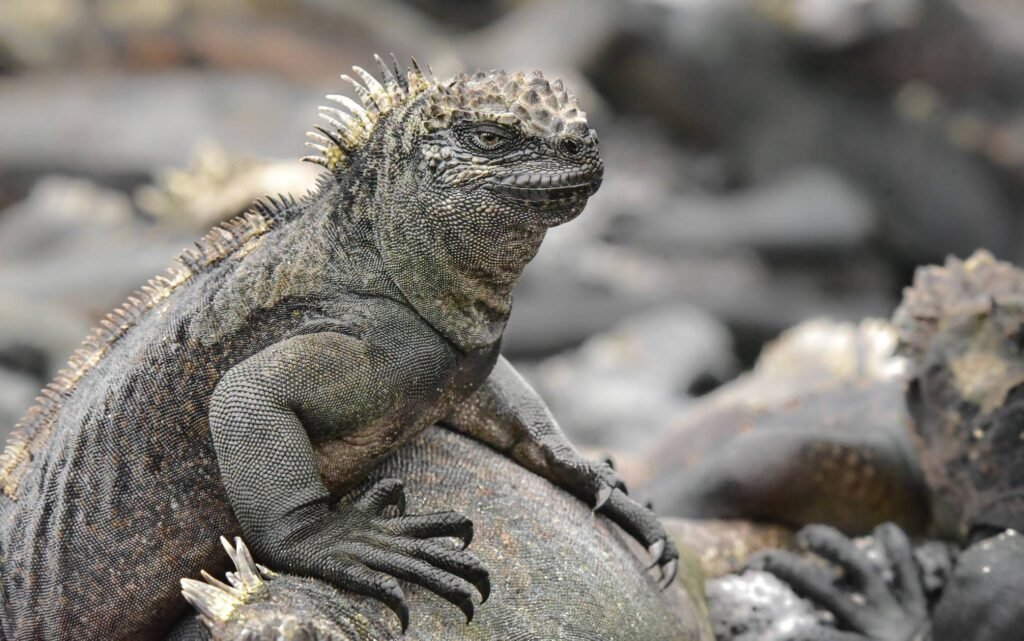
The single most important Galápagos photography technique is the simplest: get low. The fearlessness of the islands’ wildlife means that you can approach to within a metre or two of most species — but if you are standing above them and shooting down, the resulting images will look like tourist snapshots regardless of the wildlife’s rarity or behaviour. Lying flat on the lava beside a basking marine iguana, crouching to meet the gaze of a blue-footed booby, or sitting quietly at the edge of a sea lion colony until the animals come to you — these postures transform wildlife photography from documentation into portraiture.
Eye Contact and Catchlights
When shooting wildlife portraits, aim for a catchlight — the small reflection of sky or ambient light in the subject’s eye that gives a portrait life and connection. In the Galápagos’s strong light, position yourself so the light source is behind you and slightly to one side, ensuring the subject’s eye is illuminated rather than in shadow. A marine iguana portrait with a catchlight in its ancient, amber eye is one of wildlife photography’s most rewarding images — and in the Galápagos, it is routinely achievable.
Camera Settings for Galápagos Wildlife
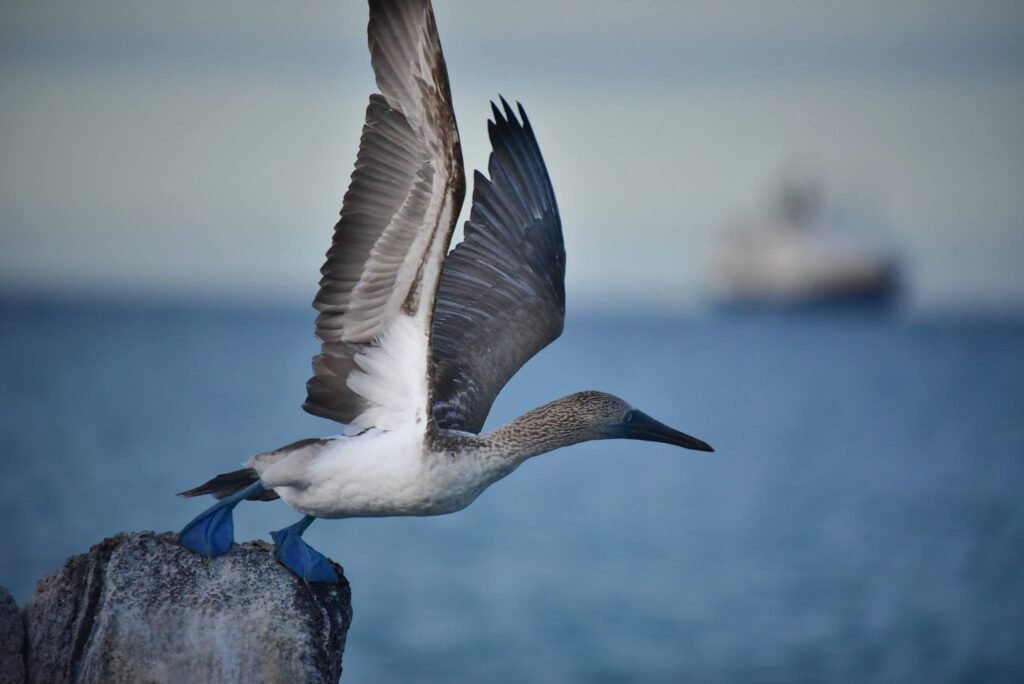
Some move with the grace of a sloth, others are always in a hurry – in the Galápagos Islands you’ll need to be ready for every wildlife encounter.
Shutter Speed for Moving Wildlife
Blue-footed boobies in their courtship dance, Galápagos sea lions leaping through surf, and frigate birds riding the thermal currents above the nesting colonies all require fast shutter speeds to freeze motion and produce sharp images. In bright conditions, aim for 1/1000 second or faster for birds in flight; 1/500 second is generally sufficient for the slower, more deliberate movement of marine iguanas and land tortoises.
Aperture for Isolation
A wide aperture (f/2.8 to f/5.6) produces the shallow depth of field that isolates a subject from its background — placing a waved albatross sharply in focus against a softly blurred ocean horizon, or separating a Darwin’s finch from the tangle of cactus pads behind it. In the Galápagos, where backgrounds can be complex and distracting (lava rocks, other iguanas, tourist feet), background isolation is one of the most valuable compositional tools available.
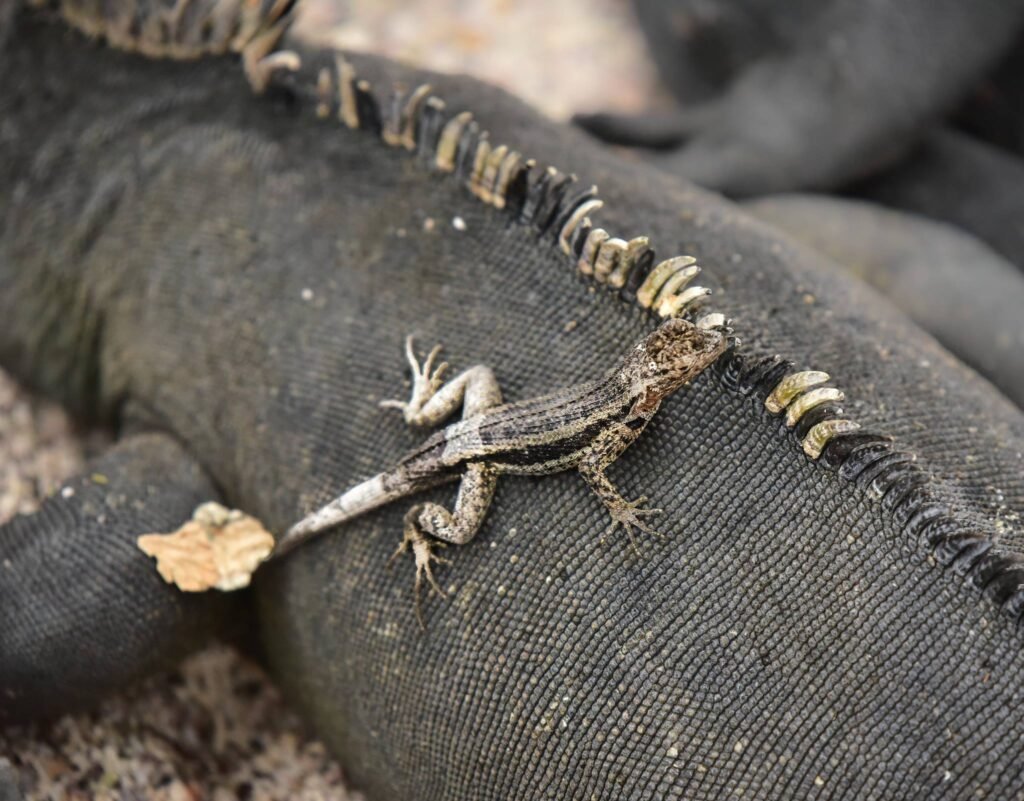
ISO and Noise Management
Modern mirrorless cameras perform extraordinarily well at elevated ISO settings, and in the Galápagos you should not be afraid of ISO 1600 or even 3200 when shooting in dawn light or shade. A slightly noisy image of a marine iguana in beautiful light is far more compelling than a technically perfect image taken at midday. Shoot in RAW format throughout — the flexibility this provides in post-processing is invaluable in a destination with such variable and extreme lighting conditions.
Lens Choices for the Galápagos
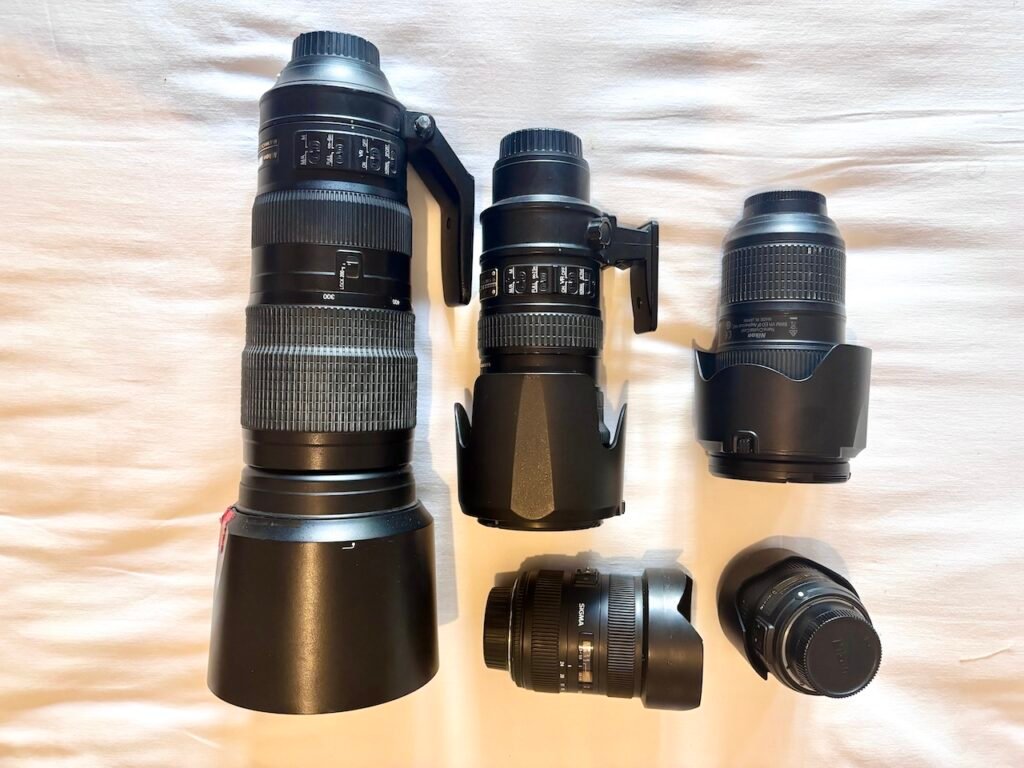
The Galápagos’s approachable wildlife means that you do not need the crazy-long telephoto lenses essential in most African or Arctic wildlife photography.
A versatile zoom covering 100mm to 400mm handles most situations (above, I use a Nikkor 200-500 mm f5.6 for most wildlife assignments and a 70-200 f2.8 if i have the space) — long enough for birds in flight and portraits of wary shorebirds, short enough for the close encounters with iguanas and sea lions that define the Galápagos experience.
A wide-angle lens (16-35mm or equivalent) is valuable for environmental portraits — an iguana in sharp focus with the blue Pacific stretching behind it, or a sea lion colony with a distant volcanic island on the horizon — and for the underwater programme. It’s also handy for bow-horizon shots.
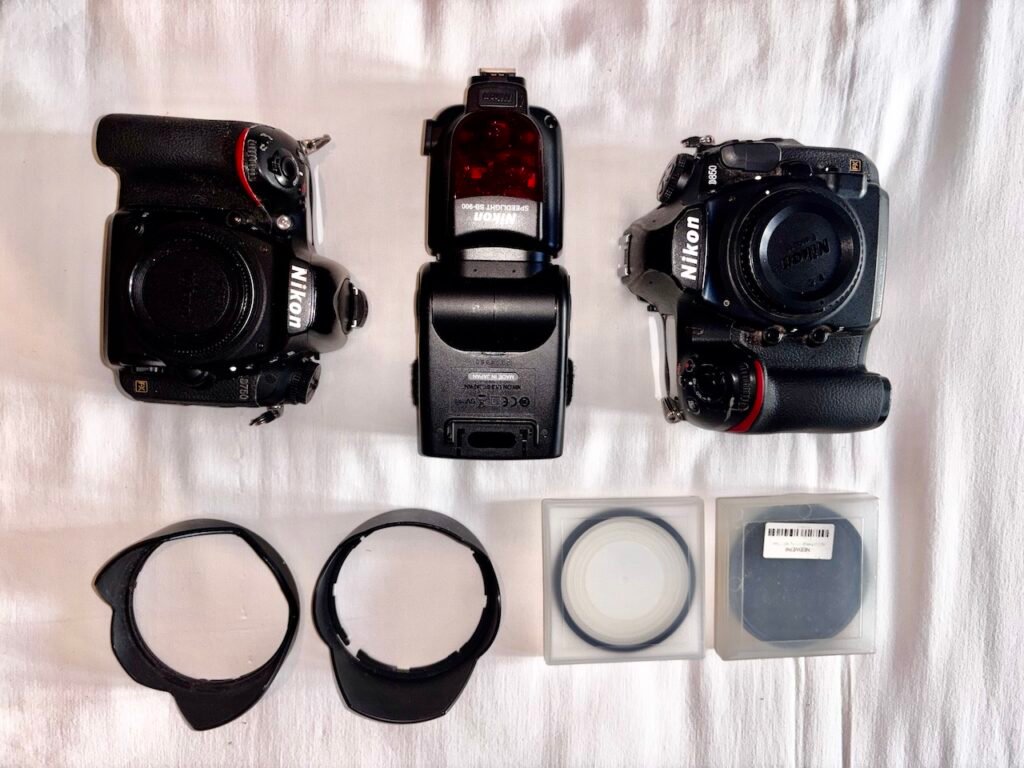
The Case for a Second Body
If your budget and luggage allowance permit, carrying two bodies (I pack a Nikon D850 and a D750 as back up). This means that not only can you equipt one with a telephoto zoom for wildlife, and one with a wide-angle for environmental and close-up work, eliminating the time-consuming lens changes that can cost you the decisive moment in fast-moving wildlife situations, but you’ll also have a back up in case one goes overboard on the Zodiac.
It’s good to be alert. In the Galápagos, where a sea lion may approach within touching distance while a blue-footed booby performs behind you, having both focal lengths immediately available is more useful than almost anywhere else on earth.
Underwater Photography in the Galápagos
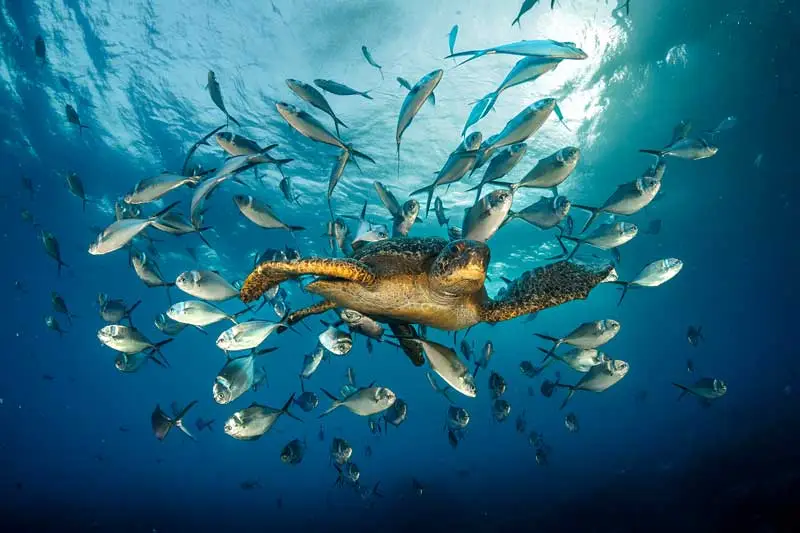
The Galápagos Marine Reserve is one of the world’s great underwater photography environments and snorkelling with a waterproof camera or housing opens up a dimension of the archipelago’s wildlife that land photography cannot touch (as proven by Tobias Friedrich‘s stunning image above)
Marine Iguanas Underwater
The marine iguana is the world’s only seagoing lizard, and watching one descend to graze on algae from the seafloor — in water of extraordinary clarity, against black lava and green weed — is one of the natural world’s most surreal and photogenic spectacles. Use a wide-angle lens or setting, get close (within half a metre if the iguana allows), and shoot upward so the subject is silhouetted against the filtered surface light for the most dramatic results.
Sea Lions and Composition
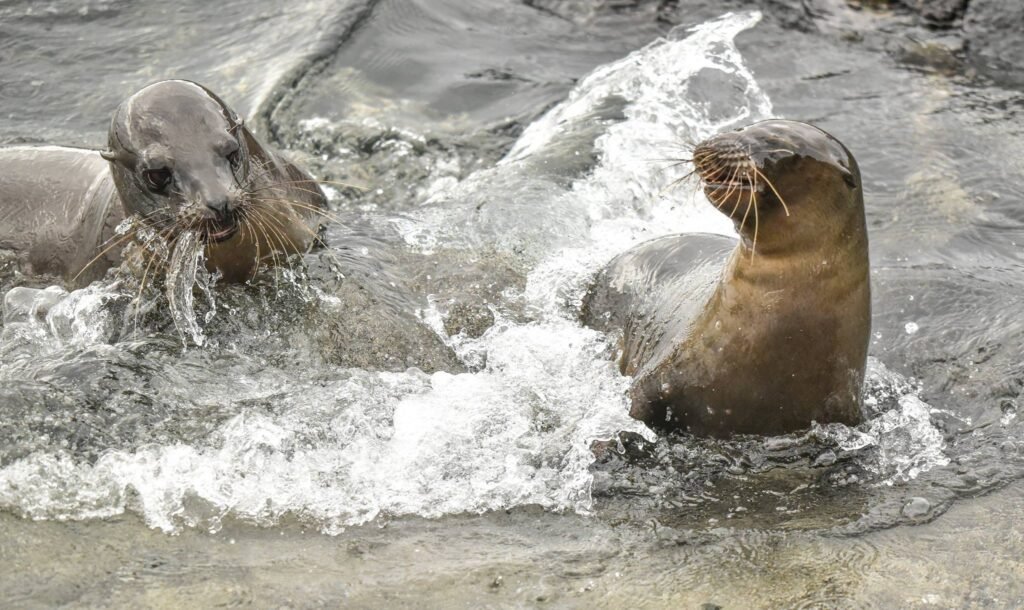
Galápagos sea lions are the most playful and cooperative underwater photographic subjects imaginable — they approach, pirouette, and blow bubbles in front of the lens with an apparent understanding of their own photogenic qualities. The key compositional challenge is background: a sea lion against a blue water column is beautiful, but a sea lion framed against a sunburst at the surface, or against the lava reef wall, is extraordinary. Move constantly to find the most compelling relationship between subject and background. Even in the shallows, they can be great photo subjects but it’s best not to put your main camera at risk in the process.
Housing and Compact Camera Options
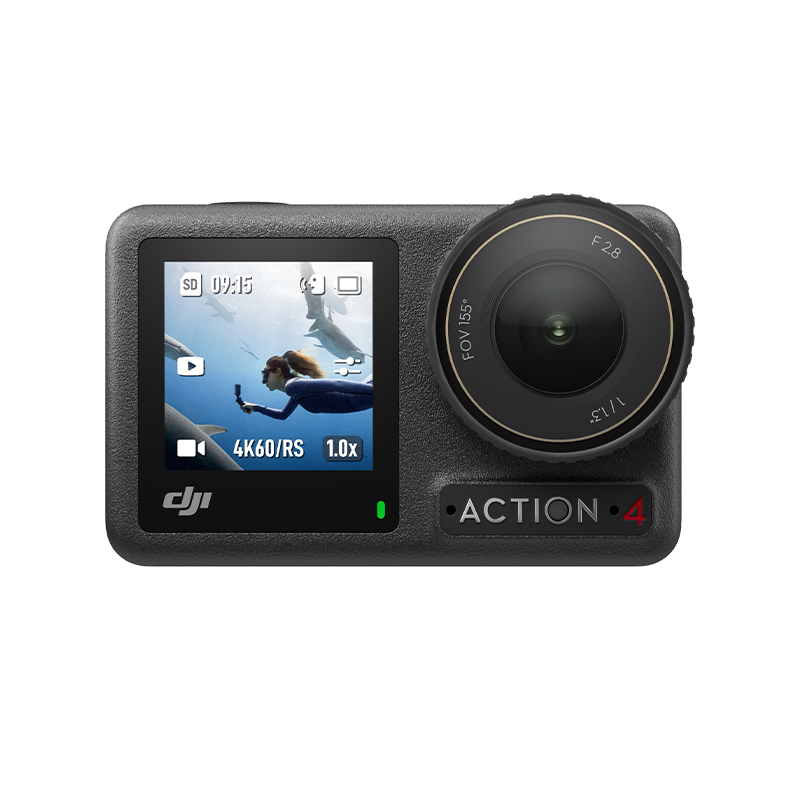
A dedicated underwater housing for a mirrorless or DSLR camera produces the finest underwater results, but modern waterproof compact cameras — the Olympus Tough range, the GoPro Hero 12 and my favourite, the DJI Action are the most popular Galápagos choices in 2027 — deliver images of impressive quality at a fraction of the cost and weight. For most snorkelling visitors, a high-quality waterproof compact provides everything needed to document the Galápagos’s extraordinary underwater world.
Respecting the National Park Rules
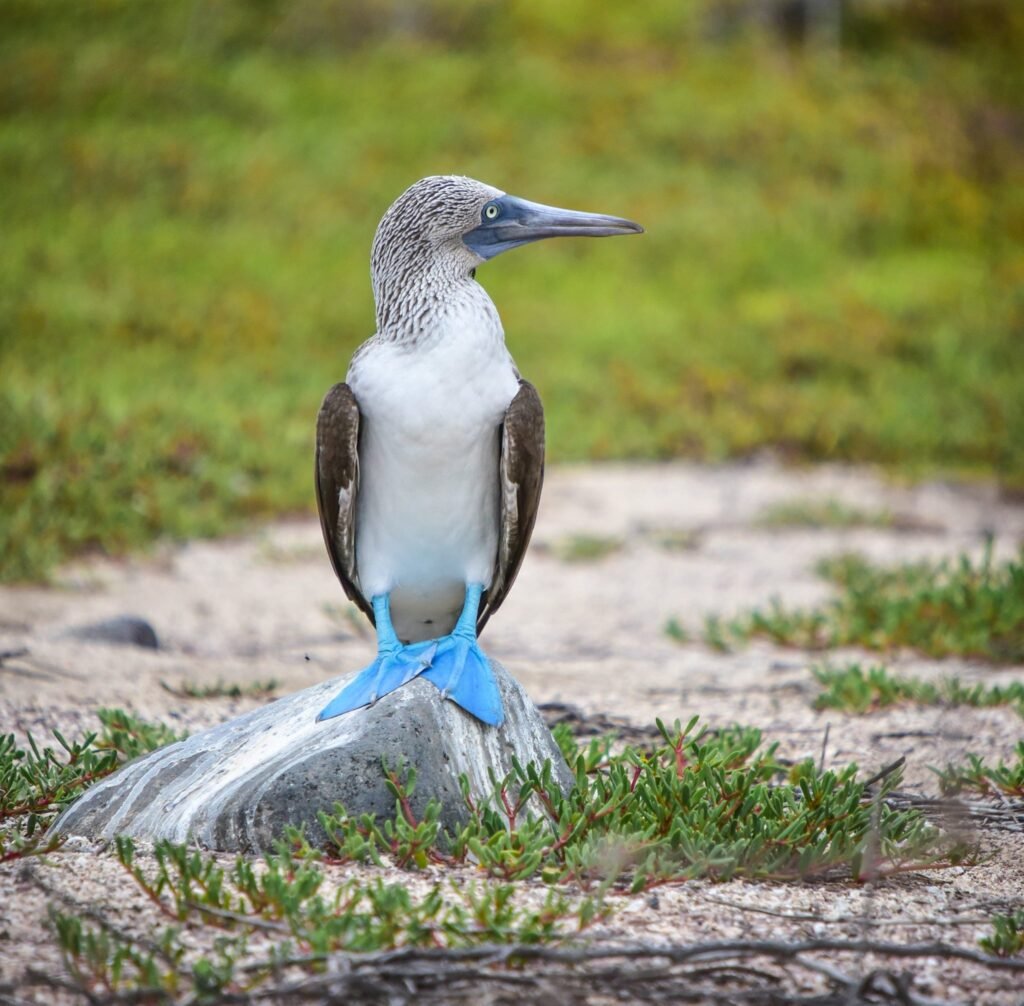
The Galápagos National Park‘s visitor site regulations exist to protect the very wildlife that makes the photography possible. Stay on marked trails, maintain the two-metre minimum approach distance from wildlife (the animals will often close this gap themselves — let them), and never touch, feed, or block the path of any animal. Flash photography is prohibited at night near nesting sites. Always rememeber, your naturalist guide is the authority on what is and is not permitted at each site — their instructions are not suggestions, and following them protects both the wildlife and your fellow travellers’ experience.
Post-Processing for Galápagos Images
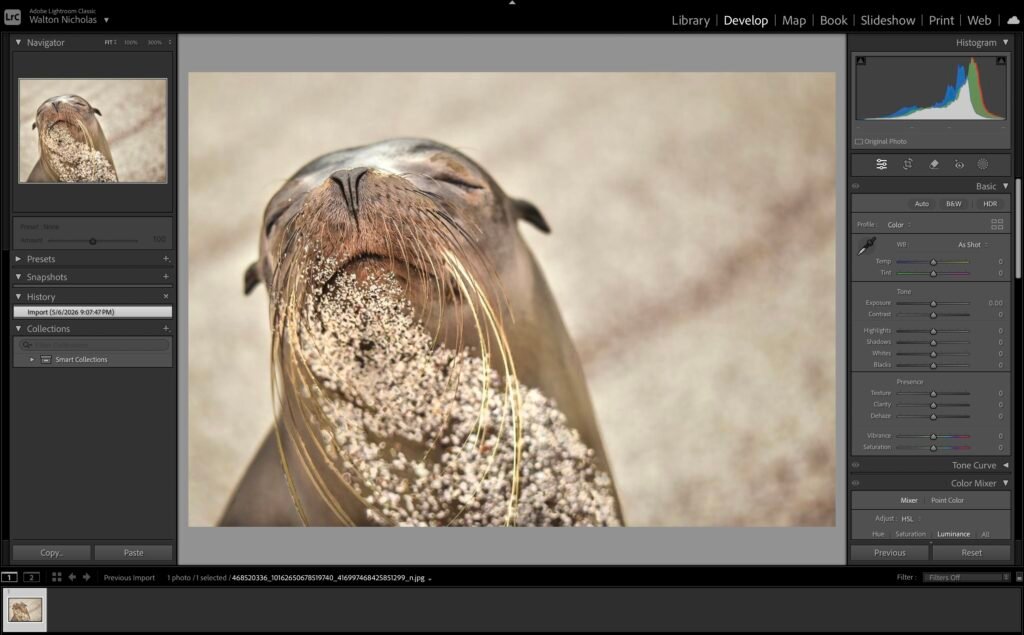
The RAW files from a Galápagos cruise contain extraordinary potential — but the equatorial light’s intensity means that highlights are frequently blown and shadows deeply compressed. In Lightroom or Capture One, bring the highlights down aggressively (often by 60-80 points), lift the shadows to recover detail in the darker tones, and use the HSL panel to saturate the blues and greens of the ocean and vegetation without pushing the warmer tones of iguana skin and booby feet into artificiality. A slight dehaze adjustment almost always improves Galápagos landscapes, cutting through the equatorial haze that flattens distant ocean views.
The Galápagos will make a photographer of you whether you arrived as one or not. Bring whatever camera you have, get low, shoot at dawn, and let the animals come to you — the rest will follow.
If you’re contemplating a cruise through the unforgettable Galápagos Islands, check out my own experience with National Geographic-Lindblad Expeditions and our guide to the best expedition cruise lines and the best players cruising the islands in 2027.


