
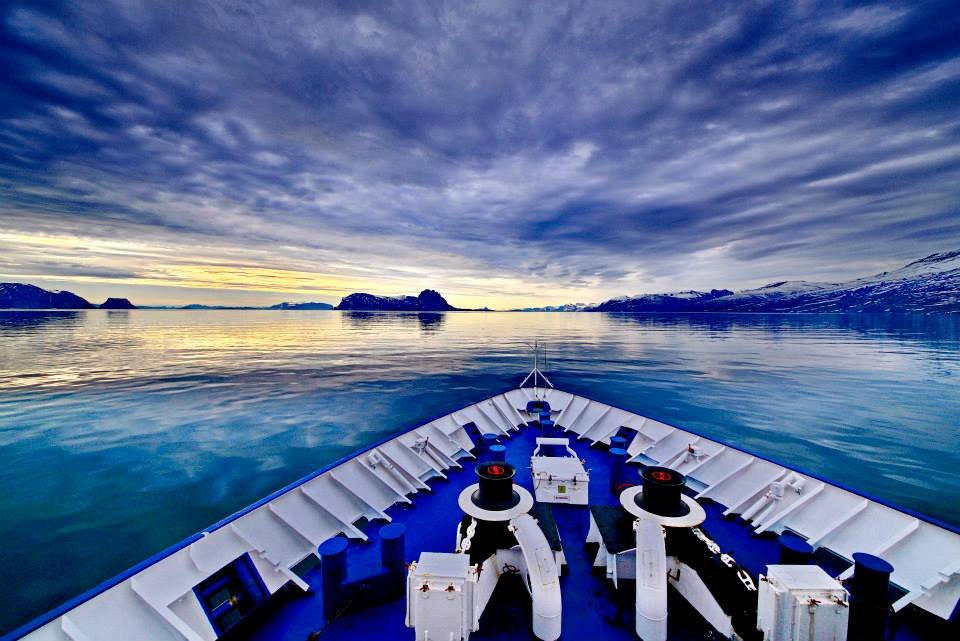

A cruise to the expansive Arctic region is a chance to encounter spectacular wildlife, explore otherworldly landscapes, and trace the rich and often-turbulent history of these northern-most regions.
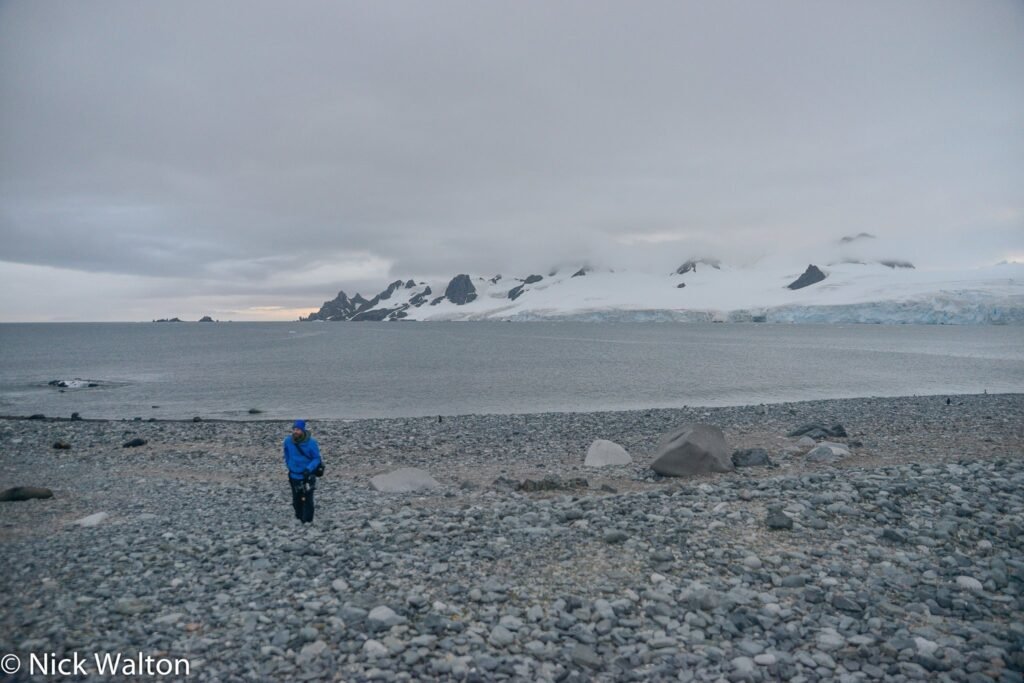
The first polar bear appears without warning. One moment there is nothing but white tundra and the flat grey light of an Arctic afternoon; the next, a vast cream-coloured shape is moving across the ice with an unhurried power that makes everything around it look provisional. The ship’s engines slow to a murmur. Everyone on the observation deck stops speaking at exactly the same moment. And for several minutes — it might be five, it might be twenty — nobody moves, nobody photographs, nobody does anything except watch.
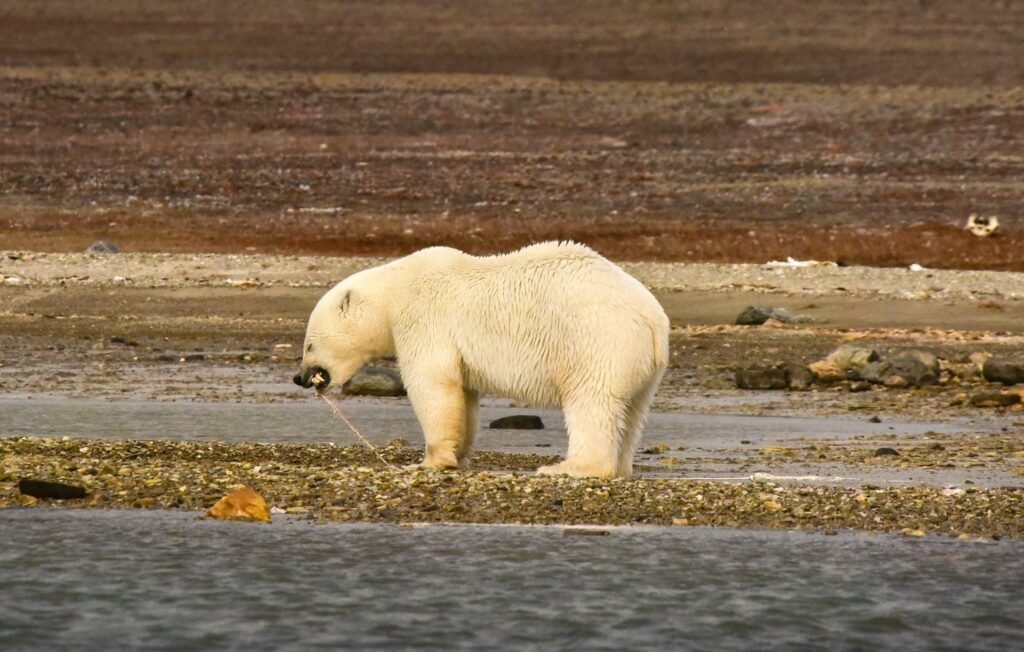
That moment, or something very like it, is what draws people to the Arctic. Not just the bear — though the polar bear, encountered in its actual habitat, is one of the most arresting wildlife sightings on earth — but the quality of attention it requires. The Arctic, a region I’ve been fortunate enough to have visited several times, demands a particular kind of presence. It does not perform for the inattentive. It rewards those who come quietly, with genuine curiosity, willing to wait and to watch and to be surprised.
An Arctic expedition cruise is the definitive way to encounter this landscape. But it is a specific, nuanced, deeply rewarding kind of travel — and it is emphatically not for everyone. Understanding what it actually involves before you commit will make the difference between a journey that changes you and one that merely impresses you.
What an Arctic Expedition Cruise Actually Is
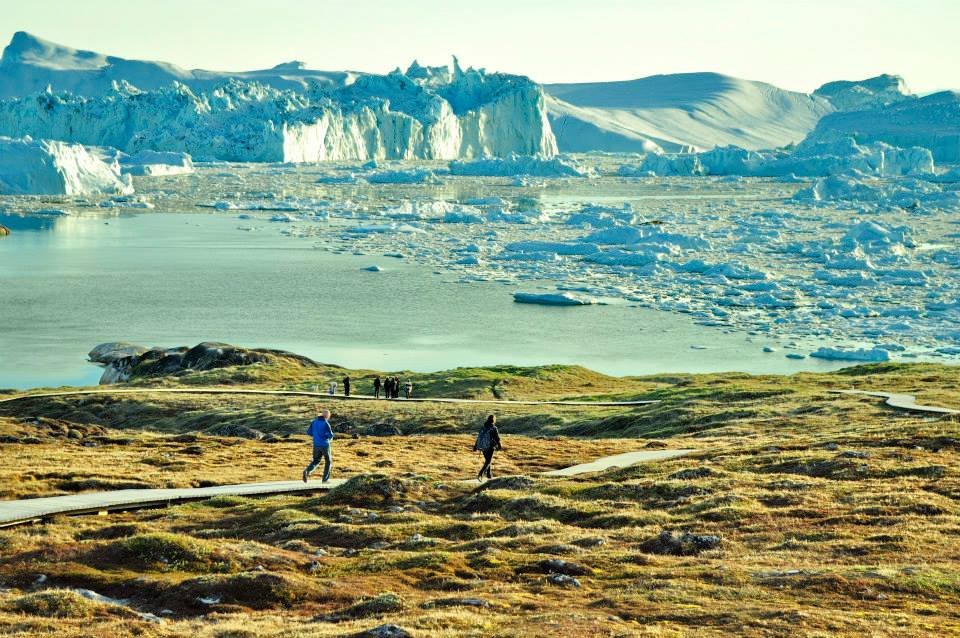
The Arctic is not a single place. It is a vast, diverse region encompassing parts of Norway, Russia, Canada, Greenland, Iceland, and the United States — all lying above the Arctic Circle, and all offering radically different landscapes, wildlife, cultures, and experiences. The choice of destination within the Arctic is consequently the first and most important decision an expedition cruise guest makes, and it shapes everything that follows.
The most accessible and popular destination is Svalbard — the Norwegian archipelago that sits at roughly 78 degrees north, accessible by commercial flight to Longyearbyen, and offering some of the most concentrated polar bear habitat and dramatic glacier scenery in the world. Svalbard voyages typically run eight to fourteen days and are the natural starting point for first-time Arctic travellers.
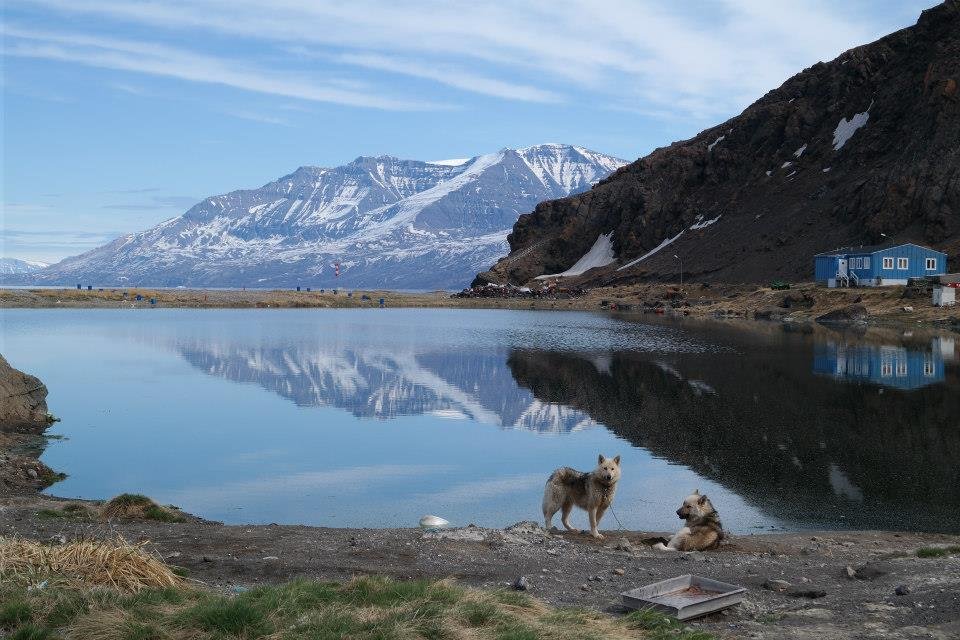
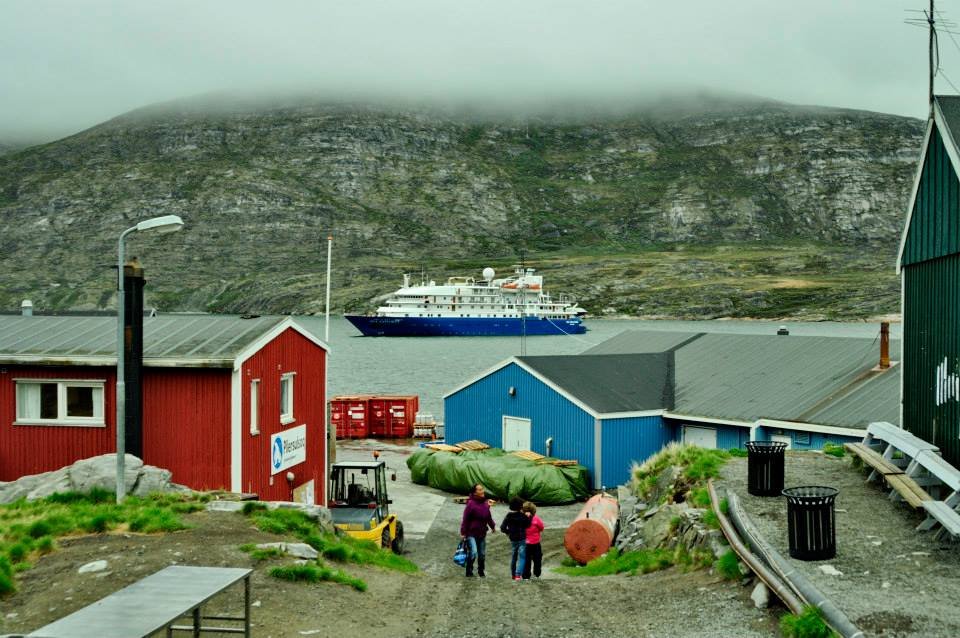
Greenland — the world’s largest island, almost entirely covered by an ice sheet and offering extraordinary combinations of fjord scenery, iceberg-studded waters, and living Inuit culture — provides a richer and more culturally layered experience, often combined with Iceland or Svalbard in multi-destination itineraries.
The Northwest Passage, threading between the Canadian Arctic islands to connect the Atlantic and Pacific oceans, is the historic, legendary route that defeated generations of European explorers before being navigated for the first time in 1906; today it can be sailed in remarkable comfort and takes between sixteen and twenty-six days. And at the very top of the world, accessible only to nuclear-powered or purpose-built icebreakers like Ponant’s extraordinary Le Commandant Charcot, the North Pole itself — 90 degrees north, the literal top of the planet — represents expedition cruising at its most extreme.
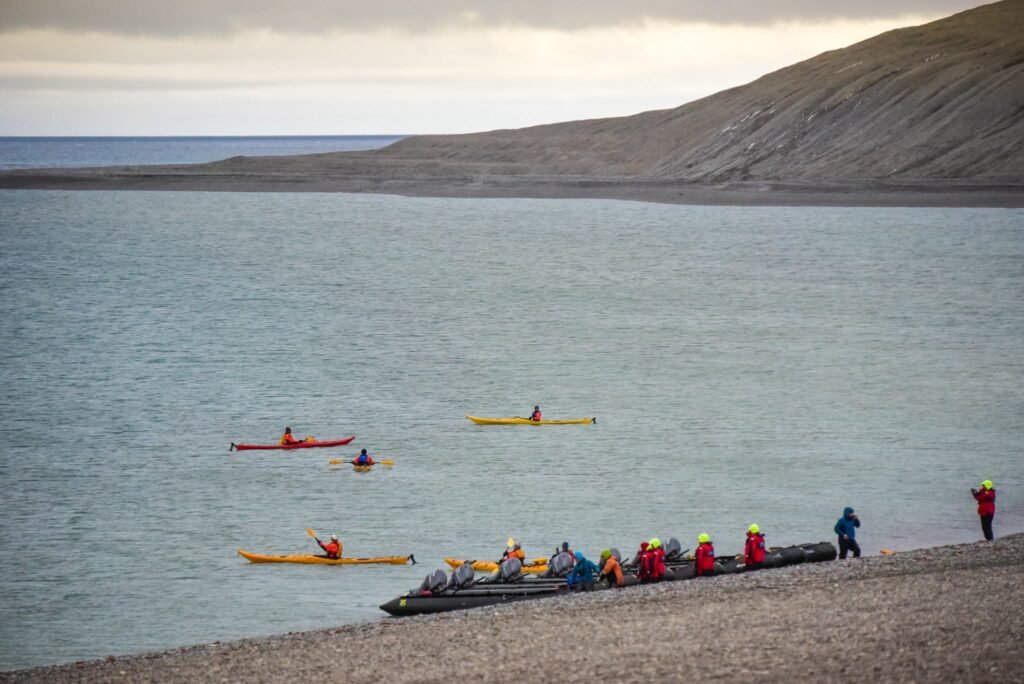
In structure, an Arctic expedition cruise follows the same format as its Antarctic equivalent. A purpose-built, ice-strengthened vessel carries between twelve and several hundred guests, depending on the operator. The days are organised around Zodiac landings, wildlife observation, and shore excursions led by an expert expedition team. Evenings bring lectures and presentations that give scientific and historical context to what you have seen. All meals are included; most serious luxury operators include all beverages, excursions, and equipment.
The season runs from May to September. Each month has a distinct character. May and early June are the months of sea ice and breathtaking light, when polar bears are most reliably found near the ice edge and icebreaker voyages can reach the North Pole while ice conditions permit.
July and August are high season: warmest temperatures, most active wildlife, midnight sun at its most continuous, and the Hinlopen Strait in Svalbard navigable enough for full circumnavigations of Spitsbergen.
September brings the first harbingers of winter — darkening nights, the earliest possibility of the Northern Lights, autumn colours igniting across the tundra, and a quieter, more contemplative quality to the landscape that many experienced Arctic travellers consider the most beautiful of all.
The Traveller Who Will Love Every Moment
The Arctic is not Antarctica’s northern mirror image. It is a fundamentally different kind of expedition, and it attracts — and rewards — a subtly different kind of traveller.
You’re drawn to a wilderness that is also inhabited
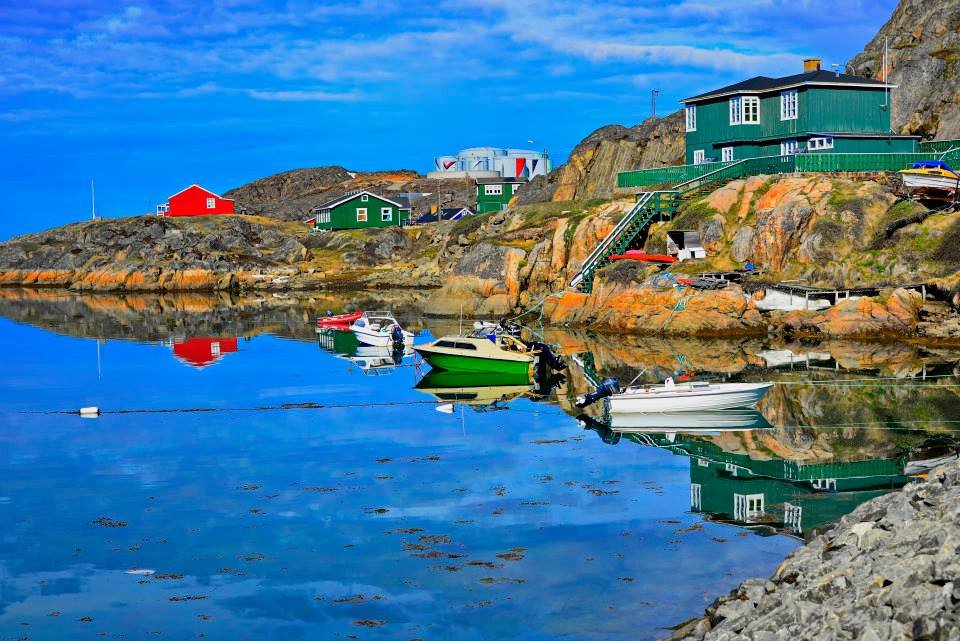
Unlike Antarctica, which belongs to no nation and has never had a permanent human population, the Arctic is home to Indigenous peoples whose cultures have adapted to this extreme environment over thousands of years. The Inuit of Canada and Greenland, the Sámi of northern Scandinavia, the communities of Arctic Norway — their presence gives the Arctic a human dimension that Antarctica lacks entirely.
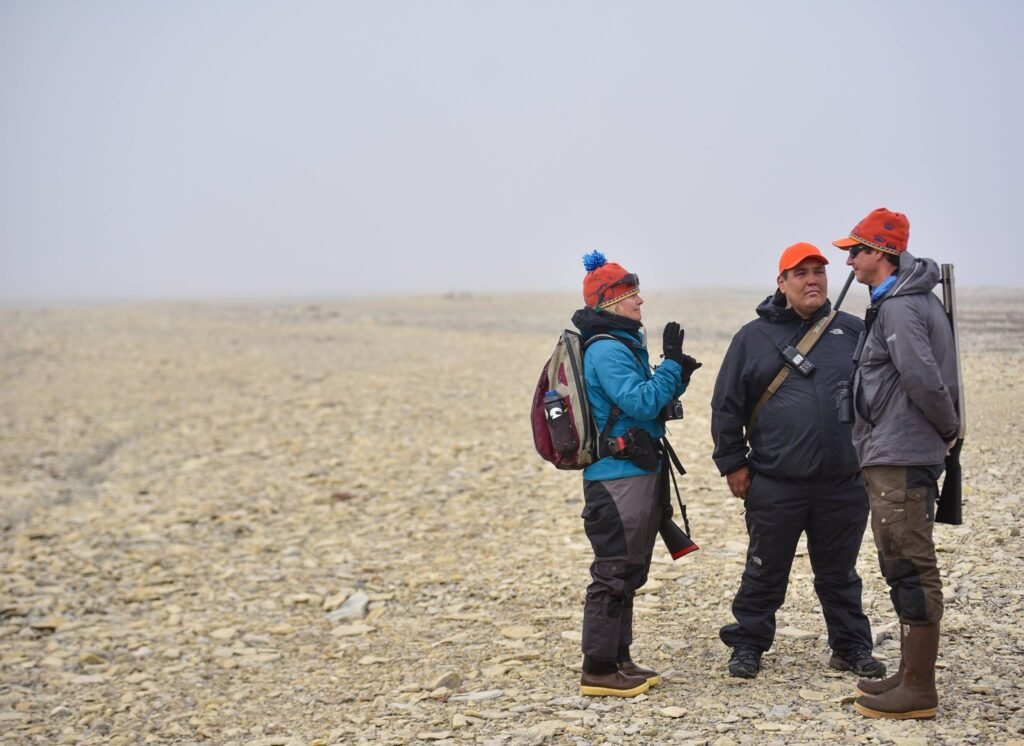
On a well-designed Arctic expedition, encounters with Indigenous communities are a genuine and moving part of the journey: meeting Inuit hunters in the Canadian High Arctic, learning about Greenlandic kayaking traditions that predate the modern sport by centuries, watching a traditional drum dance performed on a ship deck under the midnight sun. If you travel to understand humanity as well as the natural world, the Arctic offers things the frozen south simply cannot.
You’re captivated by exploration history
The Arctic is the theatre of some of the greatest and most dramatic stories in the history of human endeavour. The search for the Northwest Passage consumed the lives of dozens of expeditions across three centuries, most famously the lost Franklin Expedition of 1845, whose two ships — HMS Erebus and HMS Terror — were finally located on the seabed between 2014 and 2016. Shackleton trained here. Amundsen navigated the Passage in 1906. Nansen drifted across the Arctic Ocean in a purpose-built wooden ship.
On a quality Arctic expedition cruise, these stories are not mere background; they are foreground. You sail through the same waters, land on the same shorelines, and stand at the same crossings where these events occurred, guided by historians who have spent careers studying them. For those who find this convergence of landscape and story irresistible, the Arctic is incomparable.
You want a landscape of extraordinary variety and light
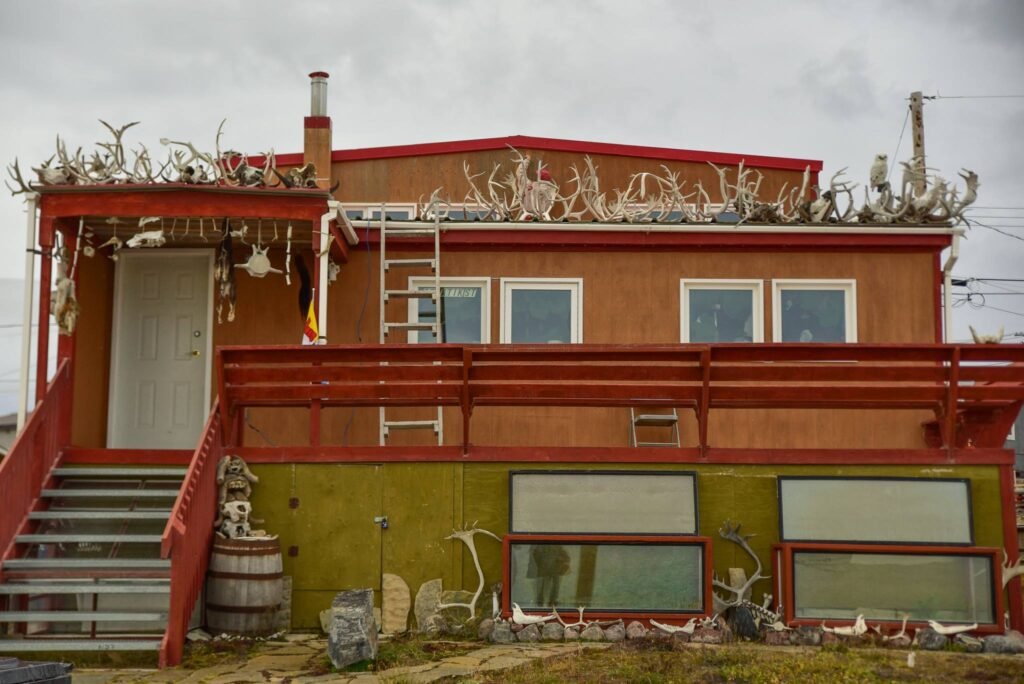
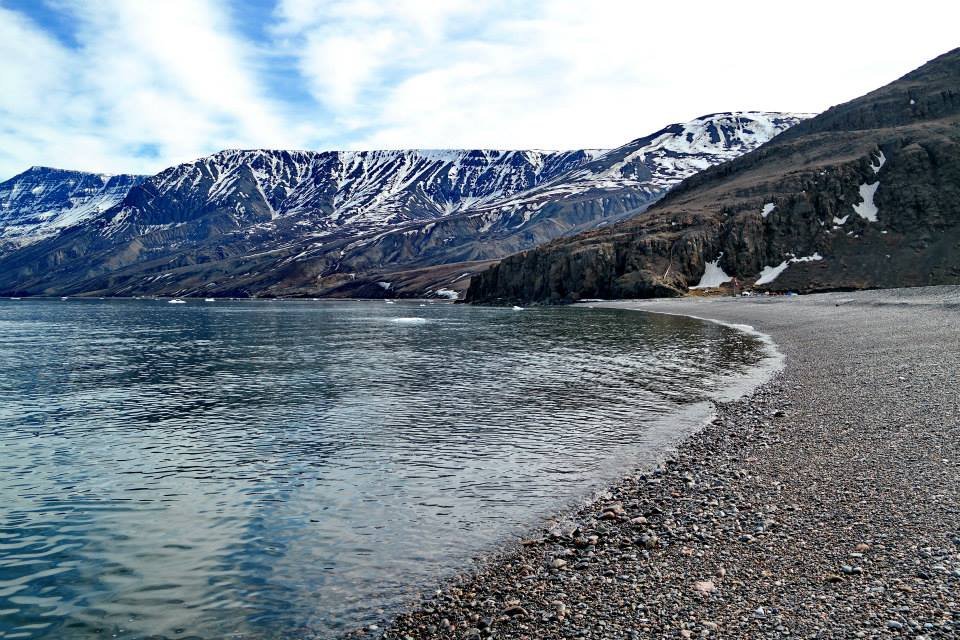
Antarctica is magnificent, but it is essentially monochromatic — an overwhelming, sublime white. The Arctic is a painter’s landscape. Greenland’s fjords are backed by mountains that turn every shade of rose and amber in the low-angle polar light. Svalbard’s coastline is a drama of dark basalt and blue-green glacial ice and the brilliant orange of lichen on ancient rock. The tundra of the Canadian Arctic blazes red and gold in early autumn.
And over all of it, in high summer, the midnight sun performs its extraordinary theatre — a sun that never sets, that circles the sky for weeks, casting a golden horizontal light at two in the morning that photographers describe as a kind of permanent magic hour.
You want to see polar bears
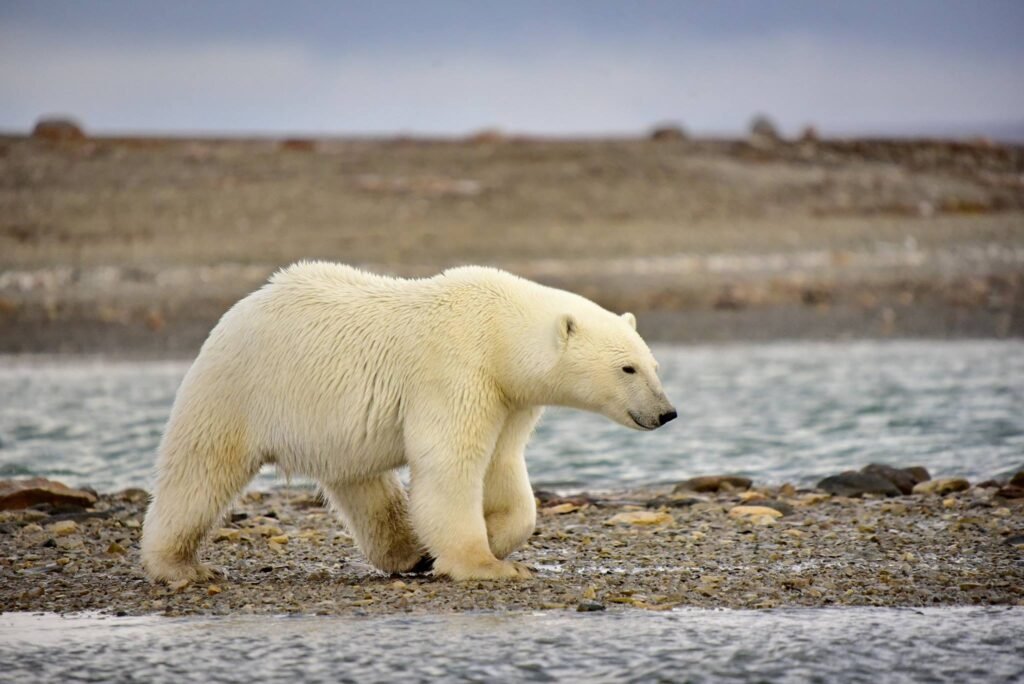
There is no more direct way to say this. The polar bear is the totemic animal of the Arctic, and an encounter with one in the wild — on the ice, on a tundra ridge, swimming between ice floes — is among the most powerful wildlife experiences available anywhere on earth. Svalbard, and specifically the waters around north Spitsbergen, offers the most reliable polar bear sightings of any accessible destination.
Franz Josef Land, in the Russian High Arctic, offers even higher concentrations for those able to reach it. The Canadian Arctic’s Baffin Island and Ellesmere Island are home to polar bears, Arctic wolves, narwhals, musk oxen, and caribou in a landscape of almost extraterrestrial emptiness.
You’re comfortable with wildness that is not absolute
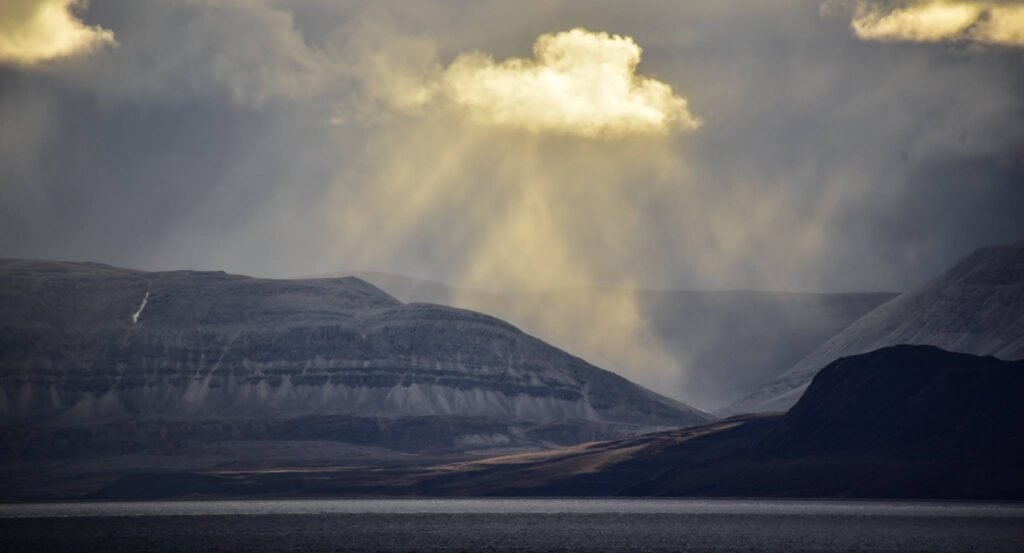
Unlike Antarctica’s near-total absence of human infrastructure, the Arctic contains communities, research stations, historical sites, and — in Svalbard — even a small town in Longyearbyen with restaurants and a museum. This is not a weakness; it is a different kind of richness.
The Arctic offers the wild and the human in conversation, which is a more complex and in some ways more challenging experience than pure wilderness. The right traveller finds this layering deeply interesting rather than disappointingly unresolved.
The Honest Reservations — And How to Think About Them
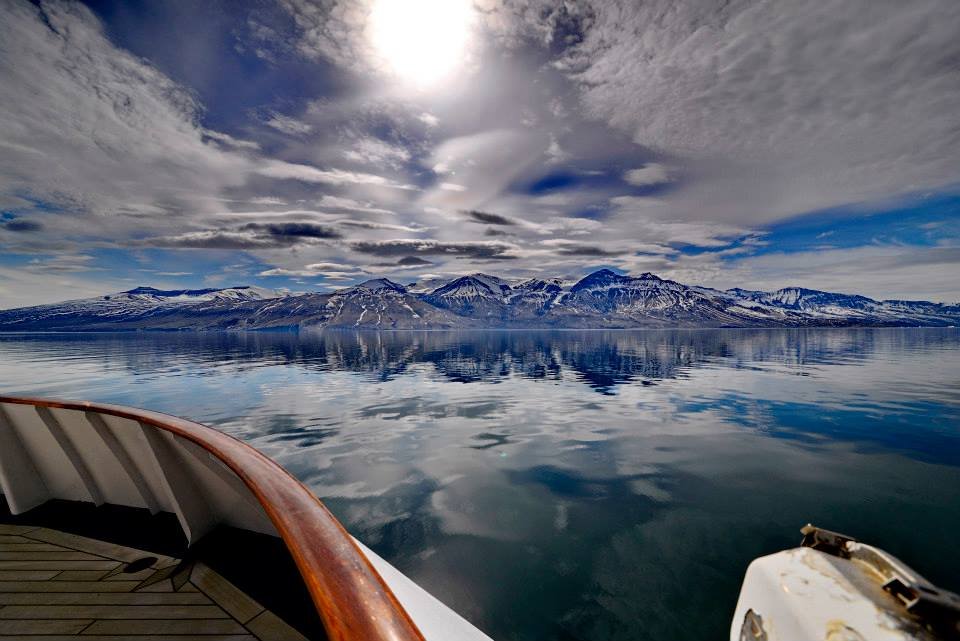
The Arctic is a remote and compelling destination but there are a few considerations before you book your cruise.
How does it compare to Antarctica — should I do one before the other?
This is one of the most common questions asked by prospective polar expedition travellers, and the honest answer is that they are different experiences rather than competing ones. Antarctica is more extreme, more overwhelming, more singular — a landscape of almost supernatural scale and silence, belonging to no one.
The Arctic is more varied, more inhabited, more layered with human history and culture. Antarctica tends to produce a sense of profound humility in the face of geological time; the Arctic tends to produce a sense of connection — to the explorers who came before, to the cultures that have always lived here, and to a landscape that is beautiful in a more immediately comprehensible way.
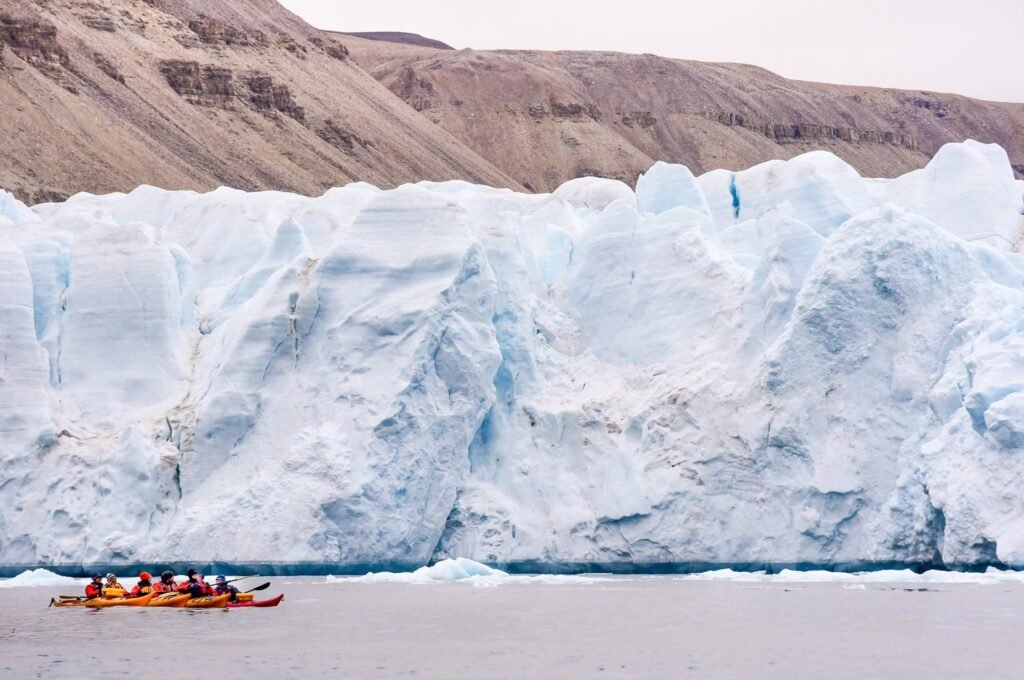
Many travellers who have done both describe Antarctica as the more extraordinary experience and the Arctic as the more interesting one. Neither judgement diminishes either destination.
Will I actually see a polar bear?
No sighting can ever be guaranteed — wildlife is wild, and the expedition team will never stage or bait encounters. But Svalbard, and particularly north Svalbard and the ice edge, offers genuinely high probability of polar bear sightings during the right months. A responsible operator will set honest expectations: in a typical Svalbard expedition, most guests see at least one polar bear, often more. Franz Josef Land offers even higher densities.
The Northwest Passage, by contrast, while extraordinary in every other respect, is not the place to go if polar bear sightings are your primary motivation; bears are present but less reliably encountered. Choose your destination partly on the basis of your wildlife priorities, and discuss this openly with your operator or travel advisor.
Is the midnight sun a positive or a disruptive experience?
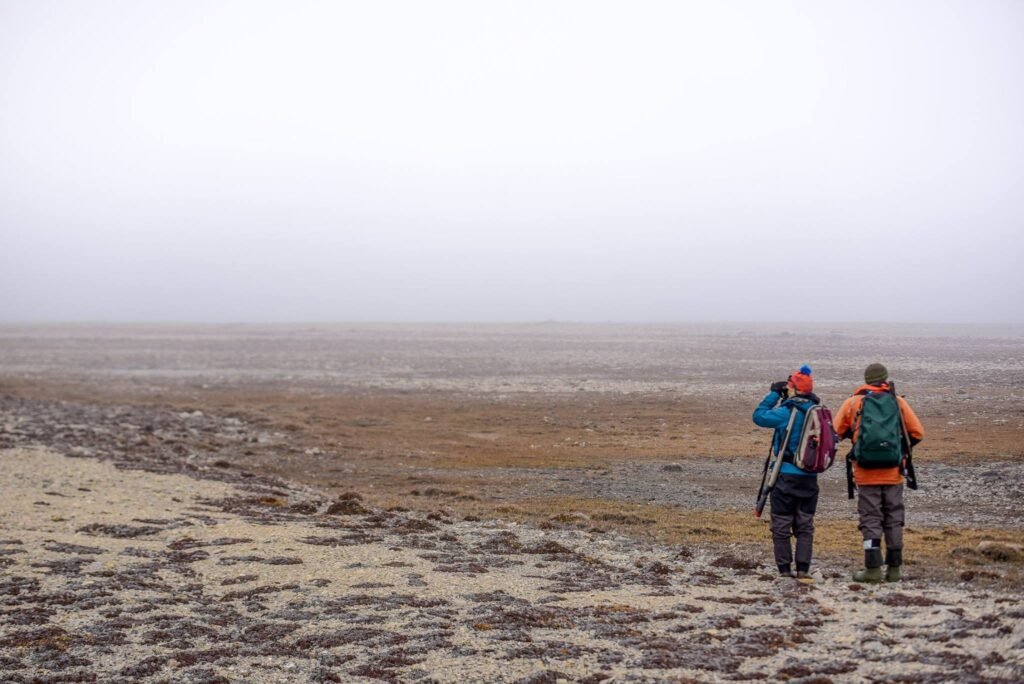
Both, depending on how you approach it. The midnight sun — continuous daylight for weeks during the high Arctic summer — is one of the most psychologically unusual aspects of an Arctic expedition. It disorients the body’s sense of time, makes sleep more difficult for some guests, and creates an eerie, beautiful quality to the landscape at what would normally be the middle of the night.
Most seasoned Arctic travellers consider it one of the defining features of the experience: the ability to be on the observation deck at midnight watching the sun hover above the horizon, casting long golden shadows across a landscape of ice and rock, is genuinely unlike anything available at more temperate latitudes. Cabins on quality expedition vessels are equipped with blackout curtains. Take them seriously.
Is it physically demanding?
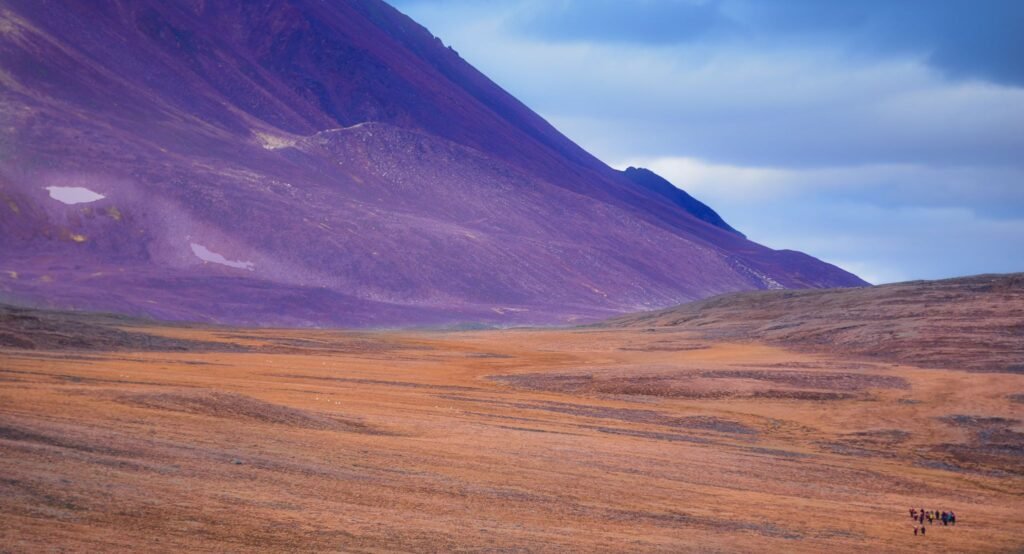
Similar to the Kimberley or Antarctic expedition cruise experience — more so than a conventional cruise, less so than anything that would be labelled adventure travel. Zodiac boarding and landing is a routine part of every day and requires a degree of physical confidence. Shore excursions vary widely in difficulty: some are short walks on relatively even terrain; others involve hiking across tundra or boulder fields. Optional activities — kayaking, snowshoeing, polar plunges — add physical commitment for those who want it.
Most operators are clear about the physical demands of each activity and offer alternatives; honest communication with your operator about your mobility and fitness before booking ensures a comfortable and rewarding experience.
How do I choose between operators and destinations?
The range is genuinely wide, and matching the right operator to the right traveller matters enormously in Arctic cruising. At the ultra-luxury end, Silversea’s Silver Endeavour offers all-suite accommodation, exceptional dining, and some of the deepest High Arctic itineraries available to any passenger vessel. Scenic Eclipse brings its two onboard helicopters and submarine to the Arctic, providing aerial and underwater perspectives unavailable to most expedition ships.
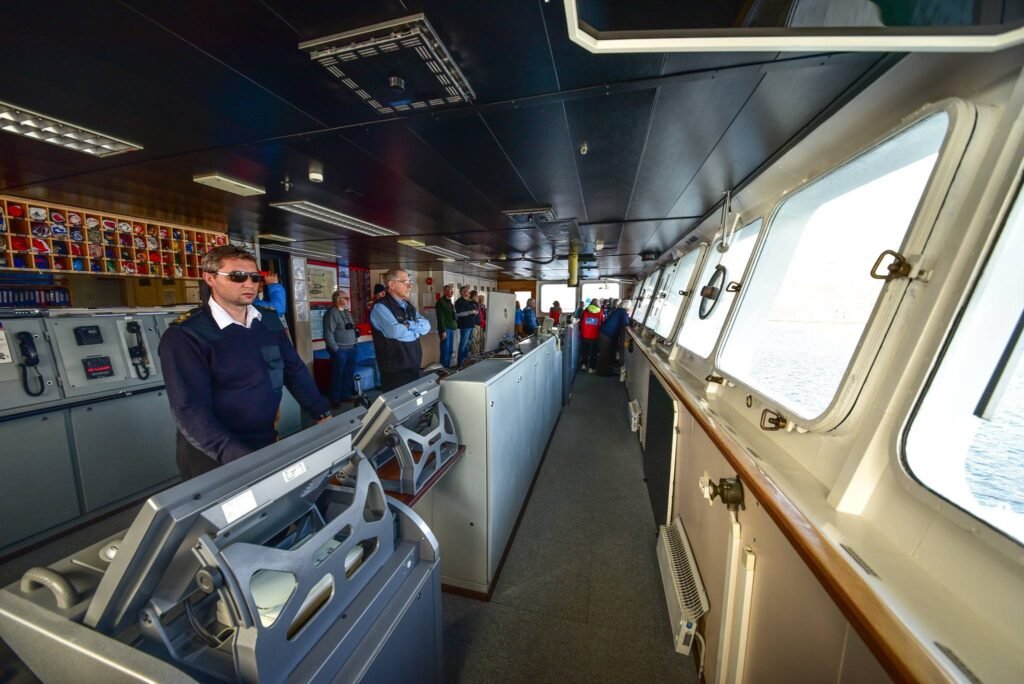
Seabourn Venture and Seabourn Pursuit cover a broad range of Arctic destinations — Svalbard, Greenland, Iceland, and the Northwest Passage — with the line’s signature yacht-like luxury and a strong expedition programme. Ponant‘s Le Commandant Charcot is in a class entirely of its own: the world’s first luxury polar icebreaker, capable of reaching the North Pole and the most inaccessible corners of the High Arctic that no other passenger vessel can approach.
Lindblad Expeditions, in partnership with National Geographic, brings a naturalist programme widely considered among the finest in polar expedition cruising. Swan Hellenic‘s purpose-built ice-class ships offer a more intimate, academically-focused experience with expedition teams of genuine scholarly depth.
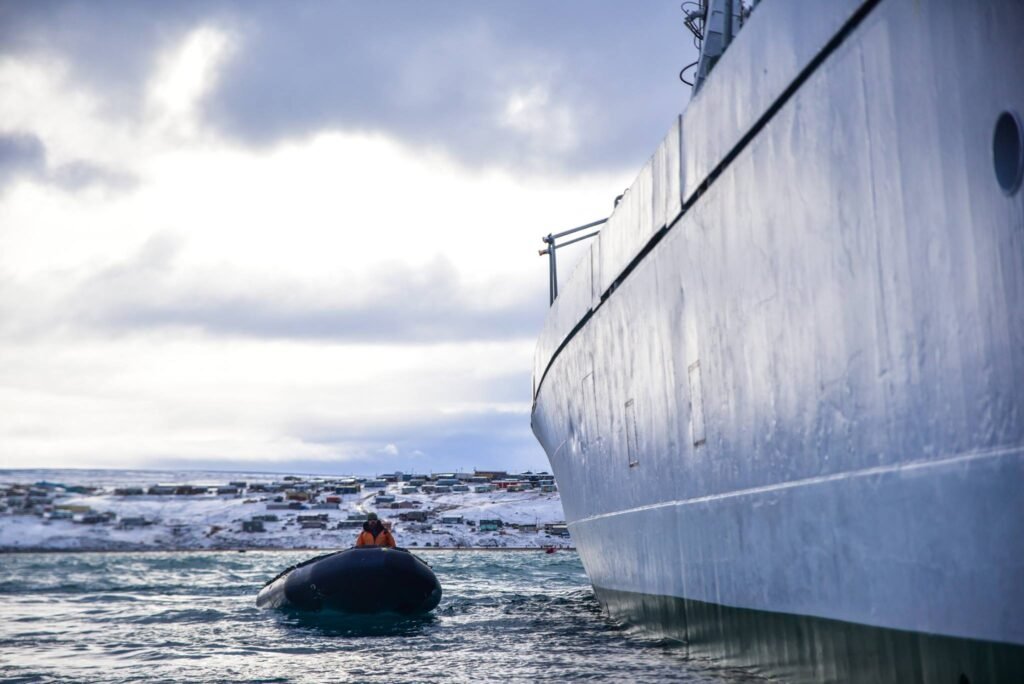
Destination choice matters as much as vessel choice. Svalbard is the accessible, wildlife-rich starting point for first-time Arctic travellers. Greenland rewards those seeking cultural depth and dramatic scenery. The Northwest Passage is for those drawn by exploration history and the extraordinary challenge of the route itself. The North Pole is for the committed few who want to stand at the literal top of the world.
Practical Things Worth Knowing
So you’ve decided an Arctic cruise might be for you. Here’s the information you need to decide when you go and who you’ll go with.
When to Go?
May to early June for sea ice; July to August for midnight sun and peak wildlife; September for Northern Lights and autumn colour. The Arctic season is short — roughly May to September — and each month delivers a fundamentally different experience. Deciding which of these you most want to prioritise is the most important practical question in planning an Arctic expedition.
When to Book?
Book at least a year in advance for the best cabins. Arctic expedition cruises on premium vessels, particularly for Northwest Passage sailings and any voyage with Le Commandant Charcot, sell out far in advance. North Pole voyages are extraordinarily limited in capacity and typically sell out twelve to eighteen months before departure.
How About the Aurora?
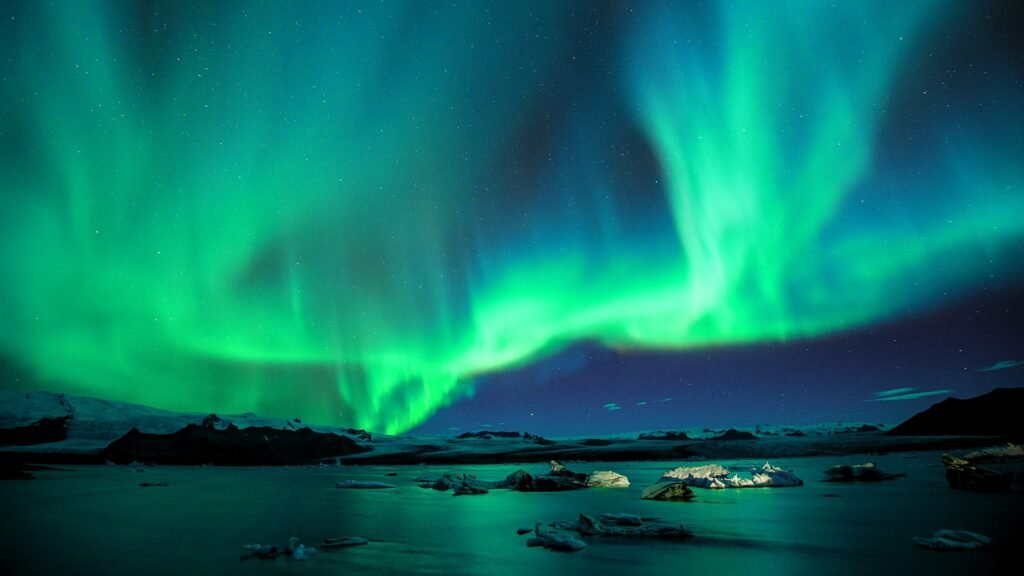
The Northern Lights are a September bonus, not a guarantee. The Aurora Borealis requires darkness, which is why it is only visible in the Arctic during the shoulder season as the midnight sun begins to fade in late August and into September. Sightings depend on solar activity and cloud cover as much as timing. Regard the Northern Lights as a possible and wonderful surprise rather than a guaranteed feature.
What to Pack for an Arctic Cruise?
Dress in layers, always. Arctic weather changes with startling speed. A calm, mild morning can become a biting, windy afternoon within an hour. Every quality operator provides a comprehensive packing list; following it is not optional. The expedition parka provided by most luxury operators is an essential garment, not a marketing gesture. Check out our comprehensive polar cruise packing guide for more insights.
How About a Combo?
Consider combining destinations. Some of the most extraordinary Arctic itineraries combine two or more regions in a single voyage — Svalbard and Greenland, East Greenland and Iceland, Greenland and the Canadian High Arctic. These longer voyages (typically sixteen to twenty-four days) demand more time and investment but deliver a breadth and depth of experience that a single-destination cruise cannot match. For those making this journey once, a combined itinerary is worth serious consideration.
How About the Nature?
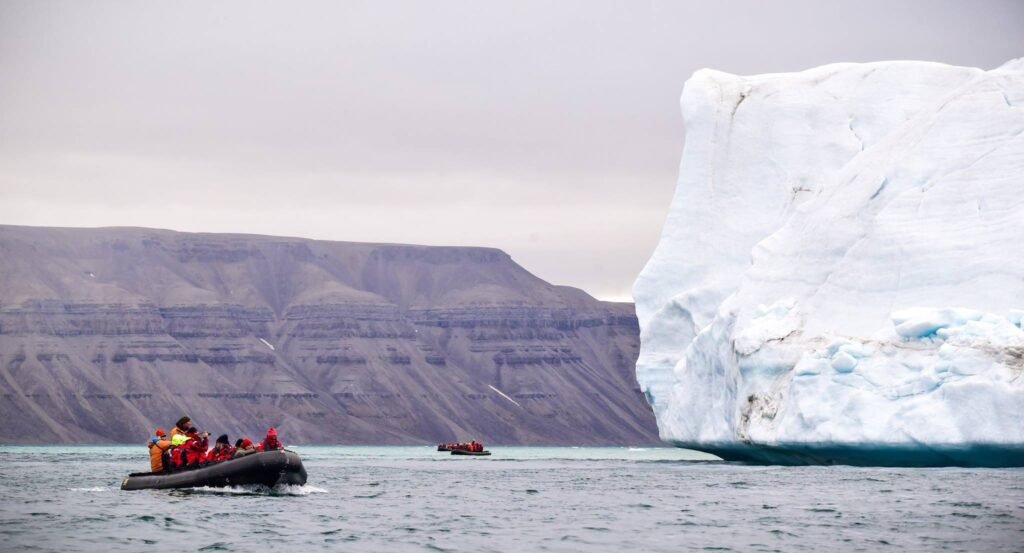
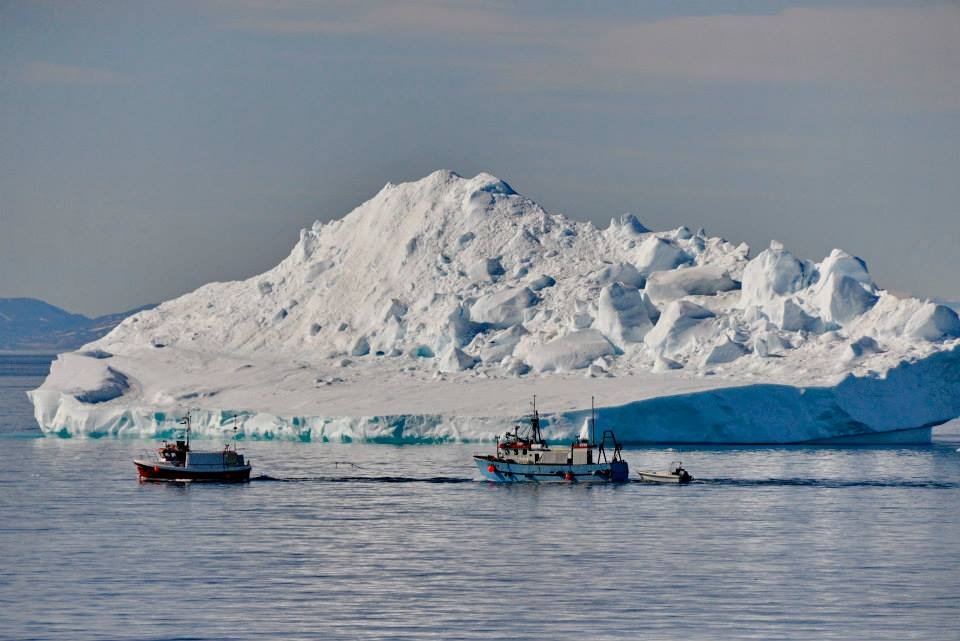
Respect the scale of what you are seeing. The Ilulissat Icefjord in Greenland — a UNESCO World Heritage Site — discharges approximately 46 cubic kilometres of ice per year from the Sermeq Kujalleq glacier, one of the most active in the world. The icebergs drifting past your Zodiac are not decorative; they are evidence of a process — accelerating in living memory — that is reshaping the planet.
The best expedition teams contextualise what they show you within the reality of climate change, which is visible and measurable in the Arctic in ways that dwarf any other destination. Coming to the Arctic is, among other things, a form of bearing witness.
The Question Beneath the Question
There is a quality that the Arctic asks of its visitors that is slightly different from what Antarctica demands, and worth naming directly. Antarctica asks you to be humbled by scale and silence. The Arctic asks something more active: it asks you to pay attention to complexity.
The complexity of a landscape that is simultaneously ancient and rapidly changing — where glaciers that took millennia to form retreat visibly within a human lifetime. The complexity of a region that is both wilderness and home — where polar bears hunt on ice that Indigenous hunters have navigated for thousands of years, and where a warming ocean is altering both. The complexity of stories layered upon stories — exploration and survival, colonialism and resilience, geological time and urgent present. The Arctic holds all of this at once, and does not simplify it for you.
The travellers who find this most rewarding are those who arrive not just with wonder but with genuine curiosity — who want to understand what they are seeing as well as be moved by it. The expedition team on a quality Arctic cruise exists precisely to facilitate this: to transform a landscape of ice and stone and extraordinary animals into something you can carry home as understanding rather than merely as photographs.
Whether this kind of travel is for you is a question only you can answer. But if the idea of standing at the top of the world — in a landscape that is changing faster than any other on earth, guided by some of the finest naturalists and historians in expedition travel, searching for a polar bear on the ice at midnight under a sun that refuses to set — calls to something genuine in you, the Arctic may be the most important journey you ever take.
If you’re contemplating a polar cruise, check out our guides to Arctic expedition cruises, Antarctic expedition cruises, and the best expedition cruise destinations and cruise lines, as well as a few that have strong green creddentials. Also, don’t forget to brush up on your polar photography and polar videography skills, and to pack the polar essentials with our in-depth guides.


