
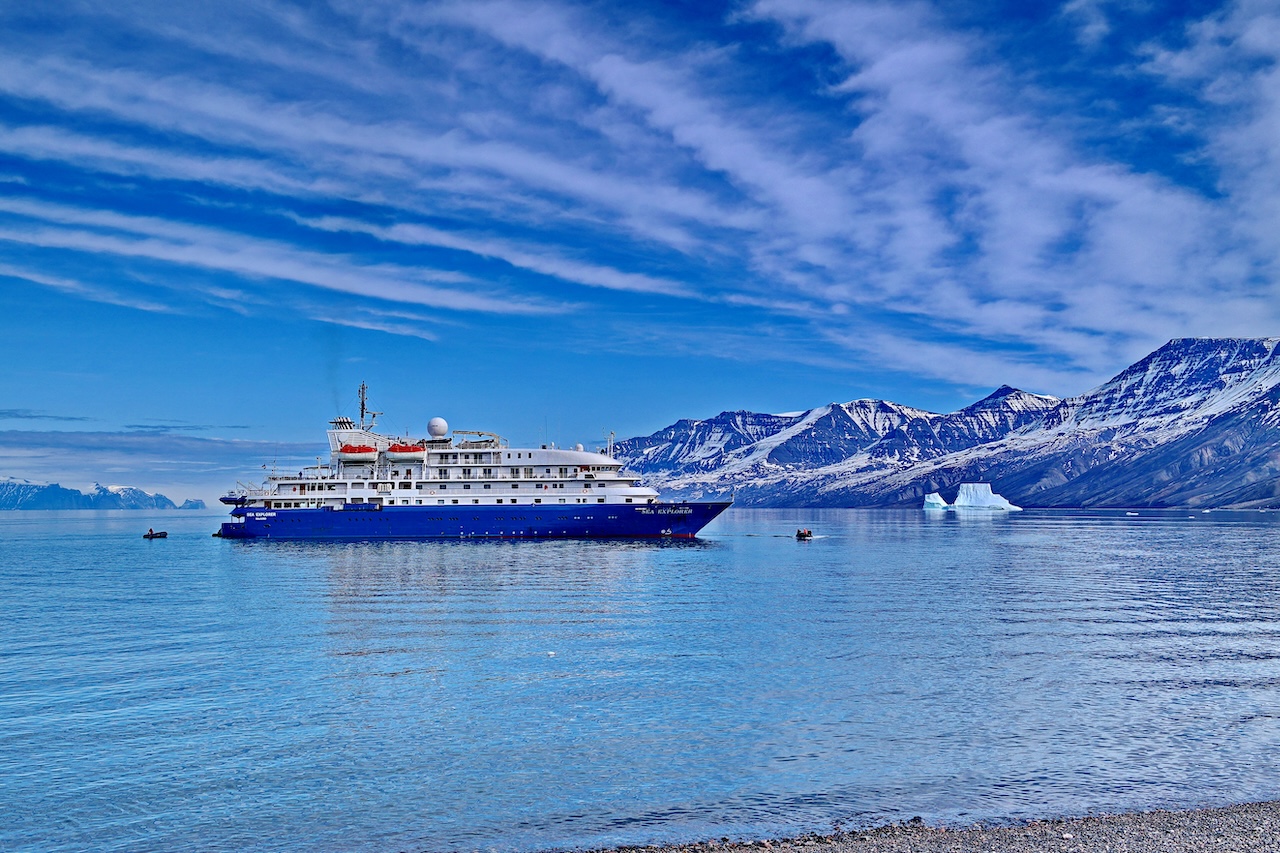

The Arctic is melting from the bucket list into urgency. Here are the expedition cruise destinations redefining polar travel — before the ice rewrites the itinerary.
Anyone that’s been will tell you: there’s something profoundly moving about an Arctic cruise. The midnight sun that never quite sets, the silence broken only by the thunder of calving glaciers, the sudden appearance of a polar bear on a distant ice floe — as someone that’s visited several times, I can promise you that these moments stay with you long after you’ve returned home.
In 2026, expedition cruising in the Arctic has reached new heights of refinement, with smaller ships, more sustainable operations, and itineraries that blend genuine wilderness adventure with high levels of comfort and expert interpretation.
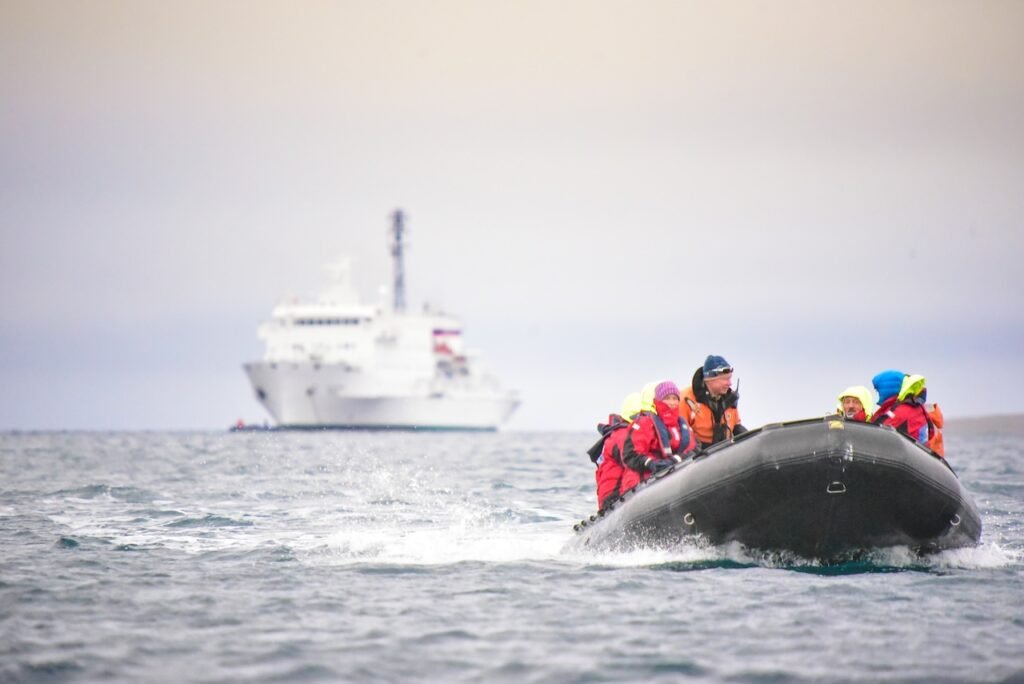
Unlike the crowded ports of the Mediterranean or the Caribbean, Arctic cruise destinations remain remote, pristine, and deeply wild. The leading routes take you into landscapes shaped by ice and time, where wildlife encounters feel intimate and the sense of exploration is real. Whether you’re drawn to the dramatic fjords of Greenland, the polar bear country of Svalbard, or the historic waters of Canada’s Northwest Passage, an Arctic cruise offers a perspective on the planet that few other journeys can match.
This guide explores the best Arctic cruise destinations for 2026, what typical itineraries include, how long they last, how to reach them, and the remarkable wildlife encounters that make each region unforgettable.
Svalbard: The Arctic Wildlife Capital
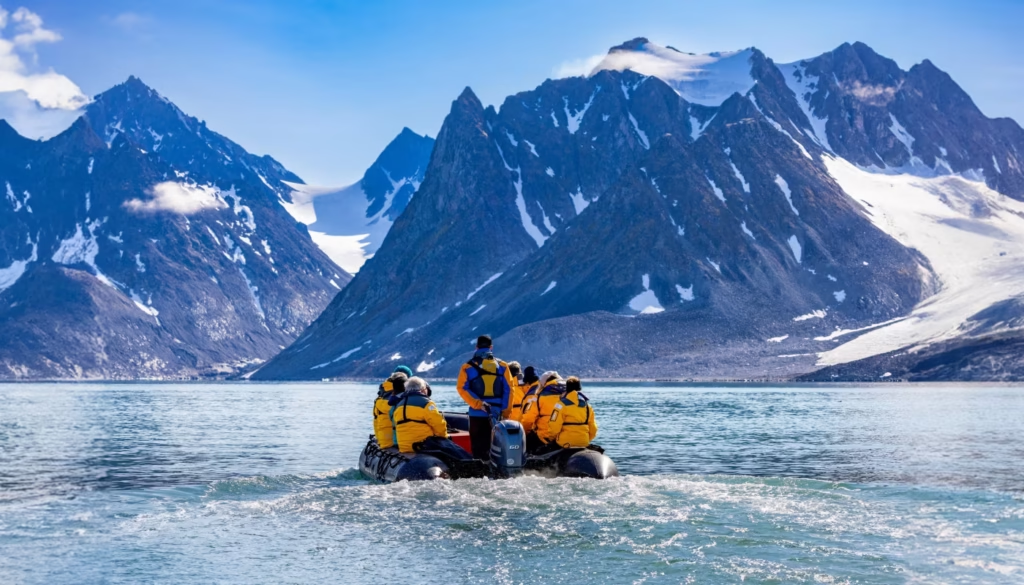
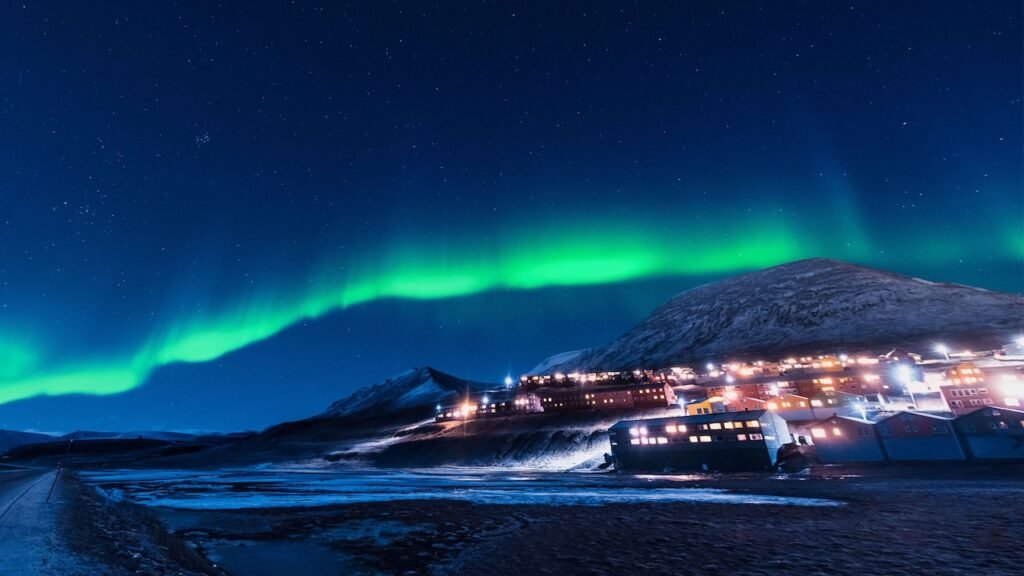
Svalbard, a Norwegian archipelago halfway between mainland Norway and the North Pole, is the most popular and accessible Arctic cruise destination. Its position means you can reach true Arctic wilderness relatively easily, with Longyearbyen serving as the main gateway.
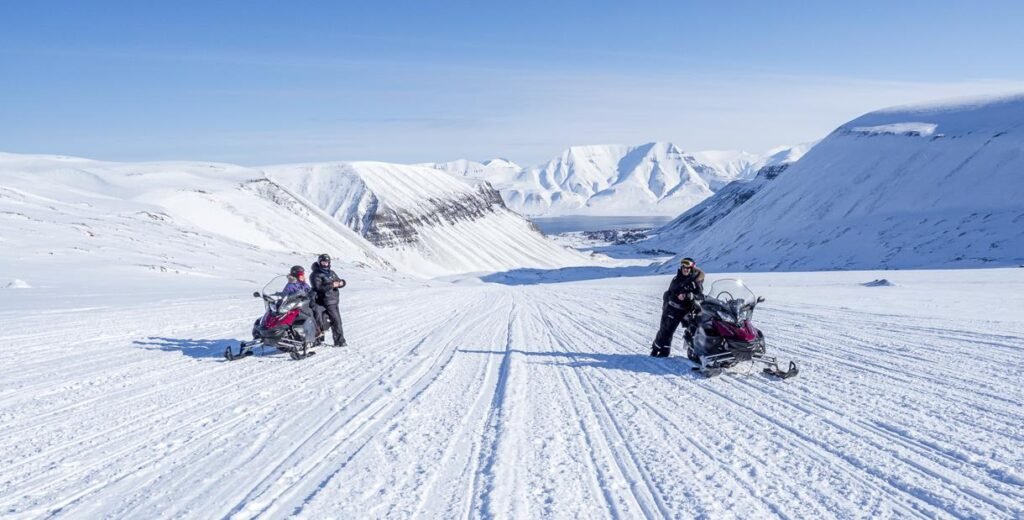
Most Svalbard Arctic cruises last 7 to 12 days and operate between late May and early September, when the midnight sun provides near-constant daylight and the sea ice retreats enough for safe navigation. Itineraries typically begin and end in Longyearbyen, sailing around the main island of Spitsbergen and often venturing further north toward the edge of the permanent pack ice.
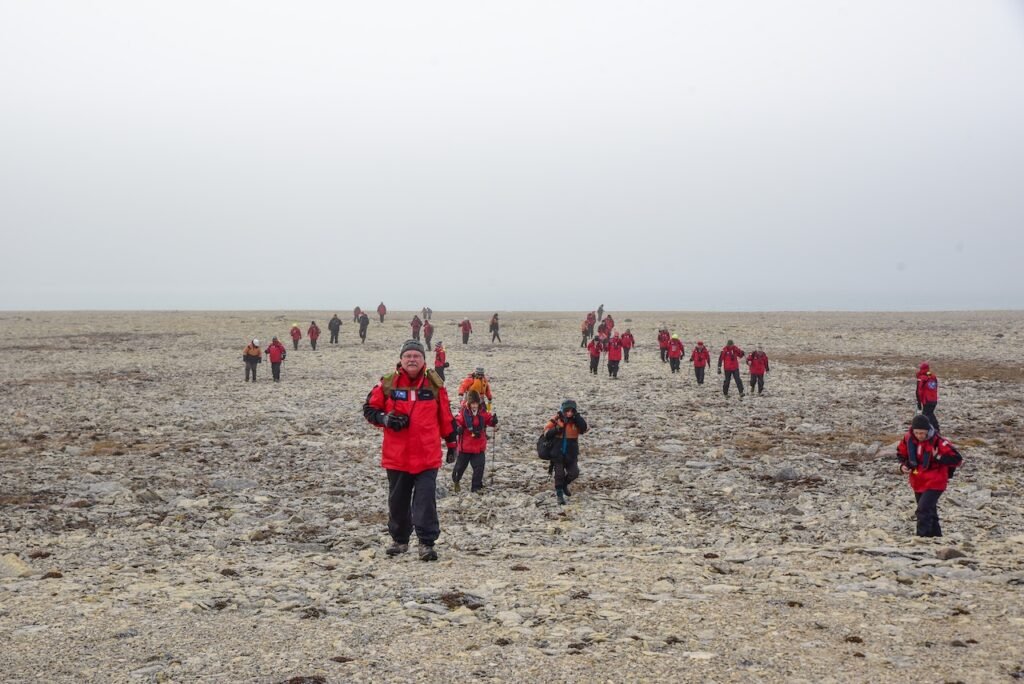
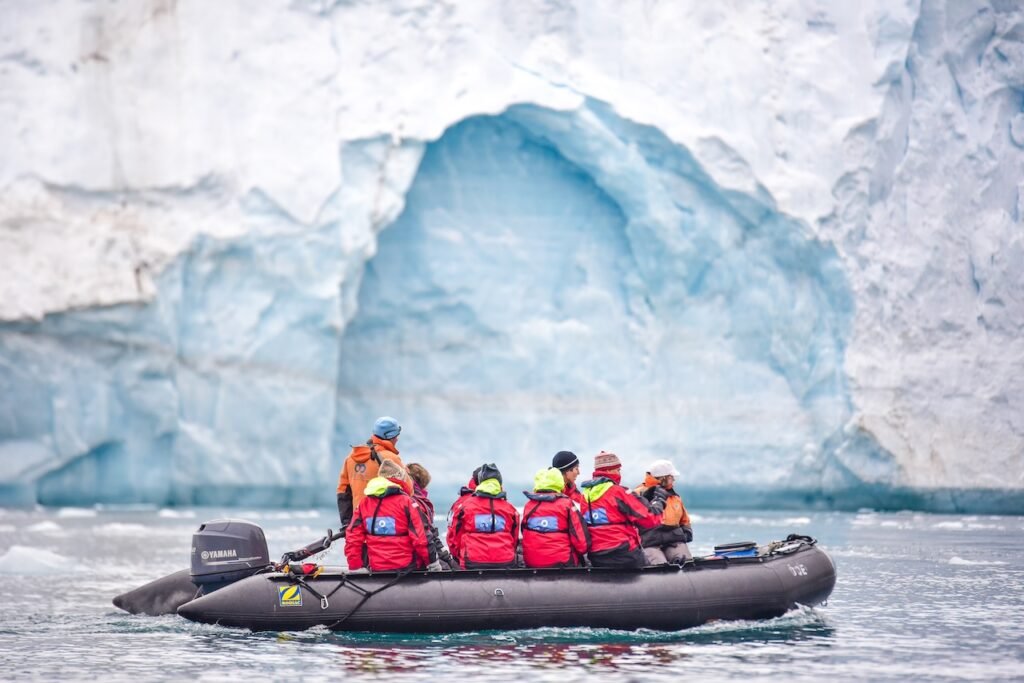
A typical itinerary includes multiple Zodiac landings in places like Hornsund, with its towering glaciers, or the stunning Magdalenefjorden, where you can walk among the remains of 17th-century whaling stations. You’ll cruise past dramatic bird cliffs teeming with thousands of kittiwakes and guillemots, and explore fjords where ringed seals haul out on ice floes.
The wildlife is the star. Svalbard is one of the best places on Earth to see polar bears in their natural habitat, often spotted hunting on sea ice or wandering the tundra. Walrus haul-outs are common, and the summer months bring huge colonies of seabirds. Reindeer, Arctic foxes, and the occasional beluga whale add to the richness of every day.
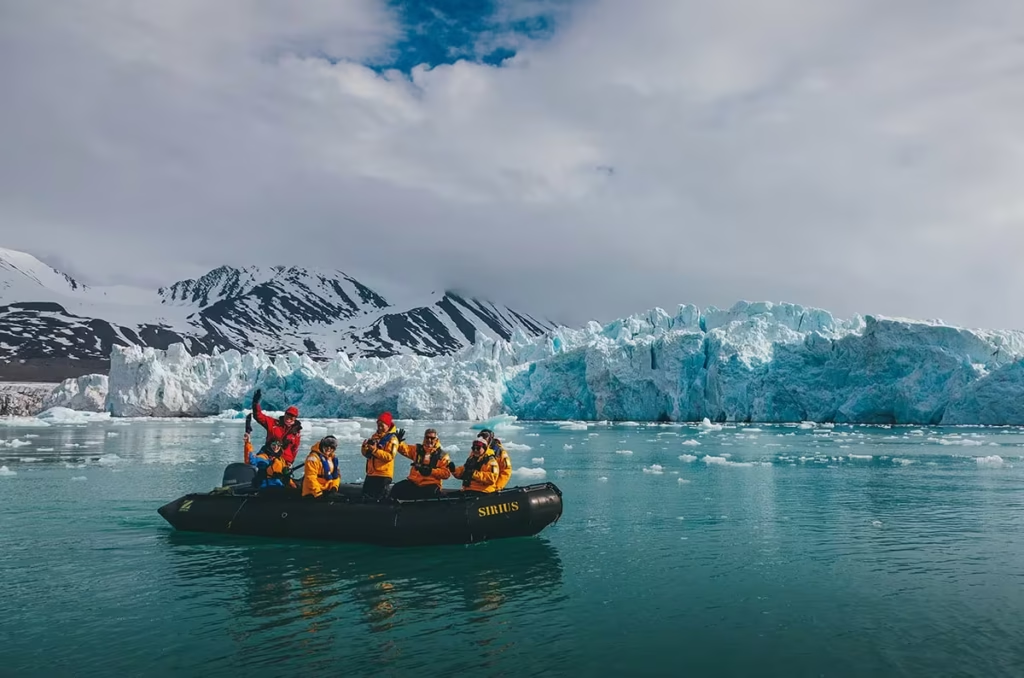
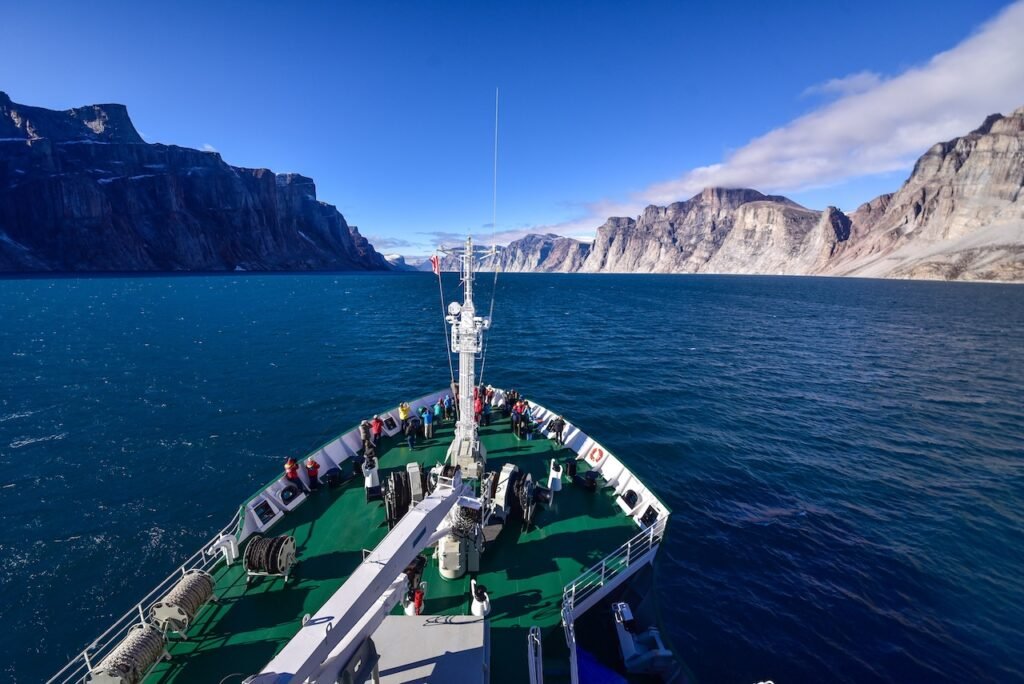
Access is straightforward. Most travellers fly into Longyearbyen from Oslo or Tromsø. Ships are small (usually 50–200 guests), allowing for frequent landings and a genuine expedition feel. Luxury operators like Hurtigruten Expeditions (HX), Ponant, and Lindblad Expeditions offer high-end experiences with excellent guides and comfortable ships.
Svalbard suits travellers who want maximum wildlife encounters and dramatic Arctic scenery without the very long transit times of deeper polar voyages. It’s ideal for first-time Arctic cruisers and those who prefer a more manageable itinerary length.
Greenland: Majestic Fjords, Icebergs and Inuit Culture
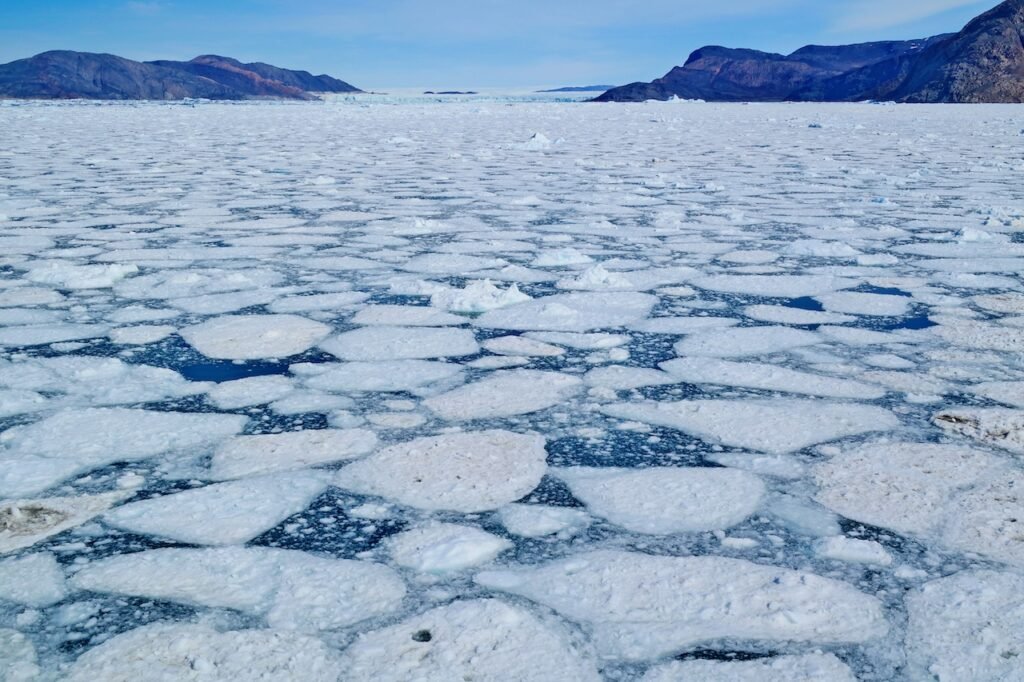
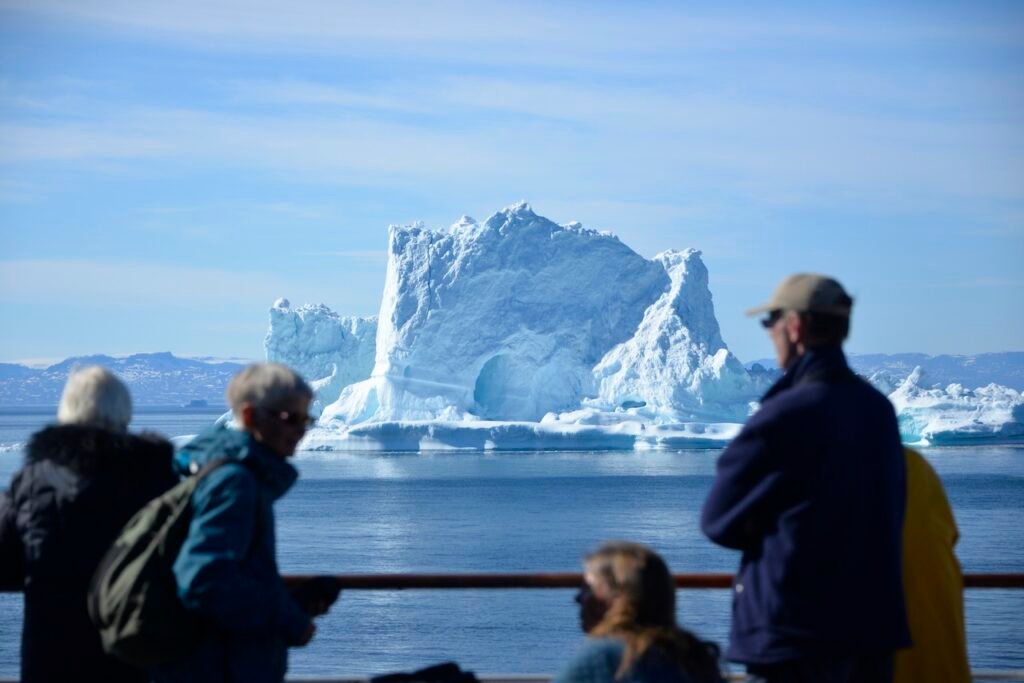
Greenland offers some of the most visually spectacular Arctic cruise experiences, with towering icebergs, deep fjords, and a unique blend of Inuit culture and raw wilderness. The west coast is the most visited area, particularly the Disko Bay region around Ilulissat, home to the UNESCO-listed Ilulissat Icefjord — one of the most active glacier systems in the Northern Hemisphere.
Typical Greenland Arctic cruises last 8 to 15 days and usually depart from Kangerlussuaq or Reykjavik, Iceland. Itineraries focus on the west coast, with stops in Nuuk (the capital), the colourful town of Sisimiut, and the dramatic Ilulissat area. Some longer voyages explore the more remote east coast or combine Greenland with Iceland and the Canadian Arctic.
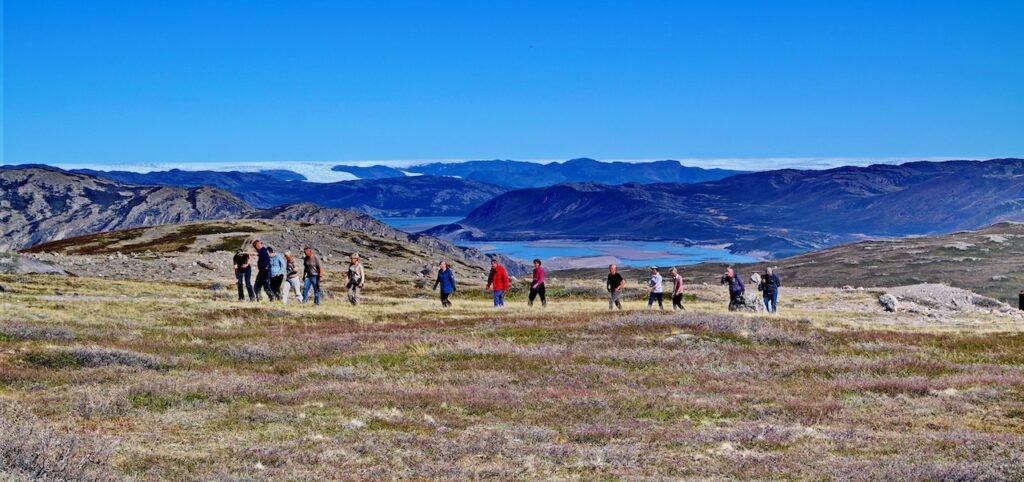
Days are filled with Zodiac cruises among massive icebergs, hikes to viewpoints overlooking calving glaciers, and visits to small Inuit settlements where you can learn about traditional life and contemporary Greenlandic culture. The wildlife is varied: humpback and minke whales are common in the fjords, seals are frequently seen, and bird cliffs host colonies of kittiwakes and fulmars. On land, you may spot Arctic hares, musk oxen, and the occasional polar bear, though sightings are less guaranteed than in Svalbard.
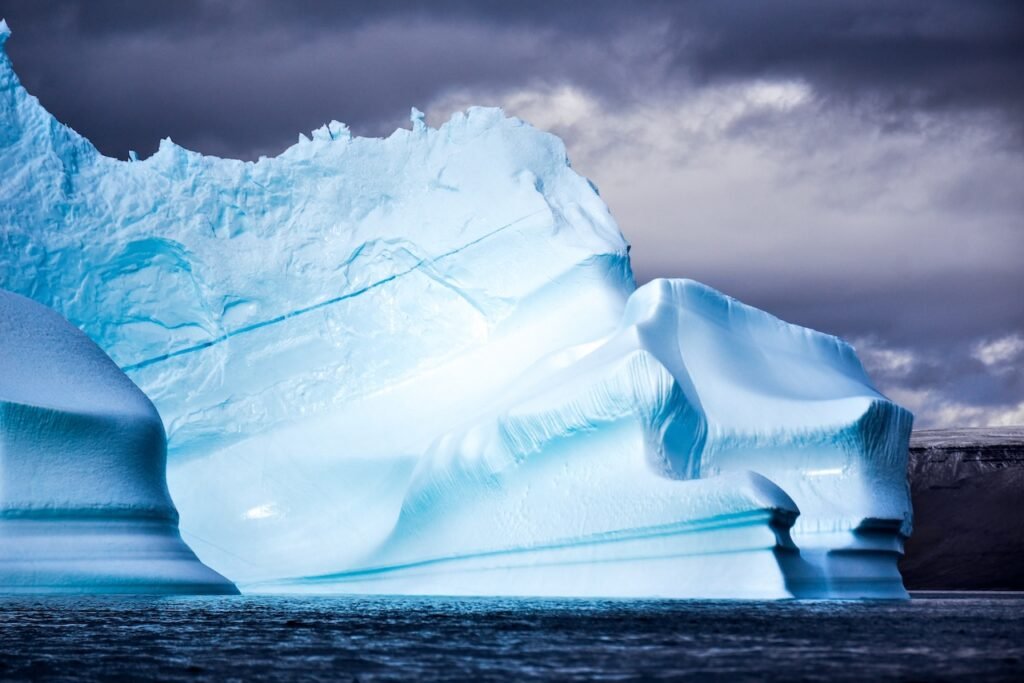
Greenland’s Arctic cruises have a more cultural dimension than pure wildlife expeditions. Many itineraries include visits to local museums, traditional kayak demonstrations, and meetings with Inuit artists and elders. The scenery is on a monumental scale — sheer granite cliffs, turquoise icebergs, and vast ice sheets that stretch to the horizon.
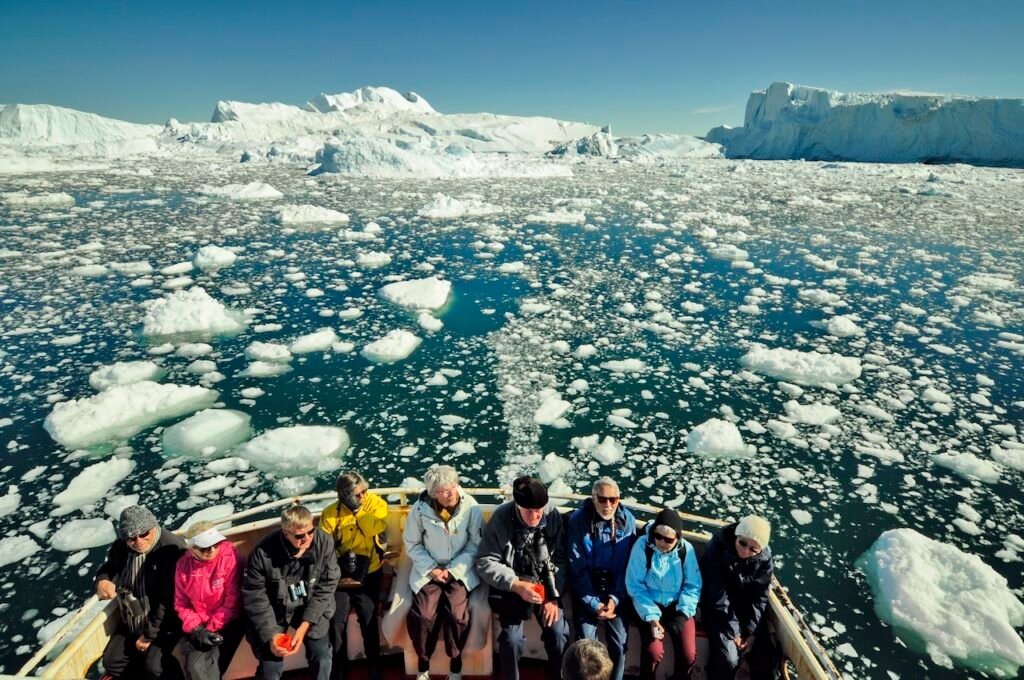
Access usually involves a flight to Kangerlussuaq or Reykjavik, followed by embarkation. Luxury lines like Ponant, HX, and Silversea offer elegant ships with excellent dining and spacious cabins, making Greenland feel like a refined yet adventurous destination.
This route is perfect for travellers who appreciate dramatic natural beauty combined with cultural encounters and are comfortable with slightly longer itineraries.
The Canadian Arctic and Northwest Passage: History, Wildlife and Remote Wilderness
The Canadian Arctic, particularly the legendary Northwest Passage, offers one of the most ambitious and historically significant Arctic cruise experiences. This vast region stretches across Nunavut and the northern territories, encompassing remote islands, fjords, and the historic route once sought by explorers like Franklin and Amundsen.
Typical Northwest Passage Arctic cruises last 14 to 21 days and usually operate from late July to early September, when ice conditions allow safe passage. Itineraries often start in Greenland or the Canadian High Arctic and may include stops at Pond Inlet, Beechey Island (site of Franklin expedition relics), and the remote community of Cambridge Bay.
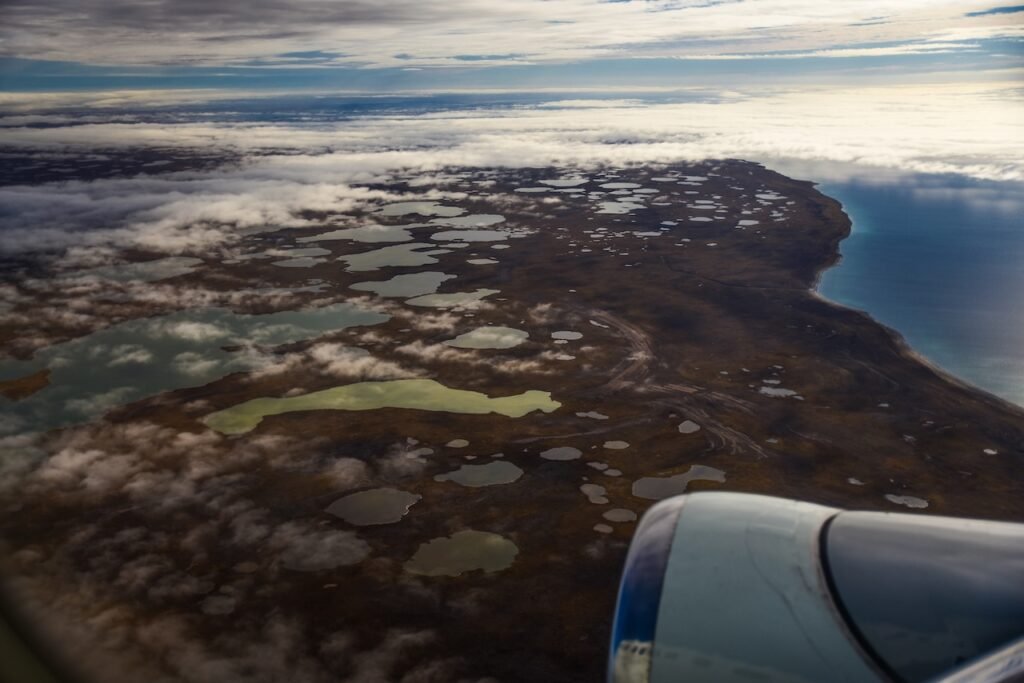
Wildlife encounters are superb. You can expect to see polar bears, narwhals, beluga whales, and large colonies of seabirds. The tundra in summer is carpeted with wildflowers, and there are opportunities to visit Inuit communities and learn about their traditional way of life. The sense of following in the footsteps of historic explorers adds a powerful narrative layer to the voyage.
Ships operating in this region tend to be the most capable ice-class vessels, with experienced crews accustomed to variable ice conditions. Luxury operators like Lindblad, Quark Expeditions, and Ponant run select departures, often with helicopters for accessing remote sites.
The Canadian Arctic suits adventurous travellers who are fascinated by polar exploration history and are prepared for longer voyages in truly remote waters. It’s best for those who have already experienced the more accessible Arctic destinations and are seeking a deeper, more challenging journey.
Other Notable Arctic Cruise Destinations
Iceland is often included as a gateway or extension to Arctic cruises, offering dramatic volcanic landscapes, waterfalls, and excellent whale-watching opportunities. Some itineraries combine Iceland with East Greenland for a powerful contrast between fire and ice.
Franz Josef Land in the Russian Arctic remains a highly exclusive destination, with dramatic basalt cliffs and huge seabird colonies, though access can be more complicated due to geopolitical factors.
How to Choose Your Arctic Cruise Destination in 2026
Your choice largely depends on what excites you most:
- Choose Svalbard for the highest chance of polar bear sightings and relatively easy access.
- Choose Greenland for majestic icebergs, cultural encounters, and dramatic fjord scenery.
- Choose the Canadian Arctic/Northwest Passage for historic exploration and remote wilderness.
All three regions offer superb wildlife encounters, but they deliver them in different ways. Svalbard is often the most reliable for large mammals, Greenland excels in ice and culture, and the Canadian Arctic provides a sense of true expedition history.
Shoulder seasons (late spring and early autumn) can offer better value and fewer crowds, though the core summer months provide the most reliable ice conditions and wildlife activity.
Practical Advice for Your Arctic Cruise
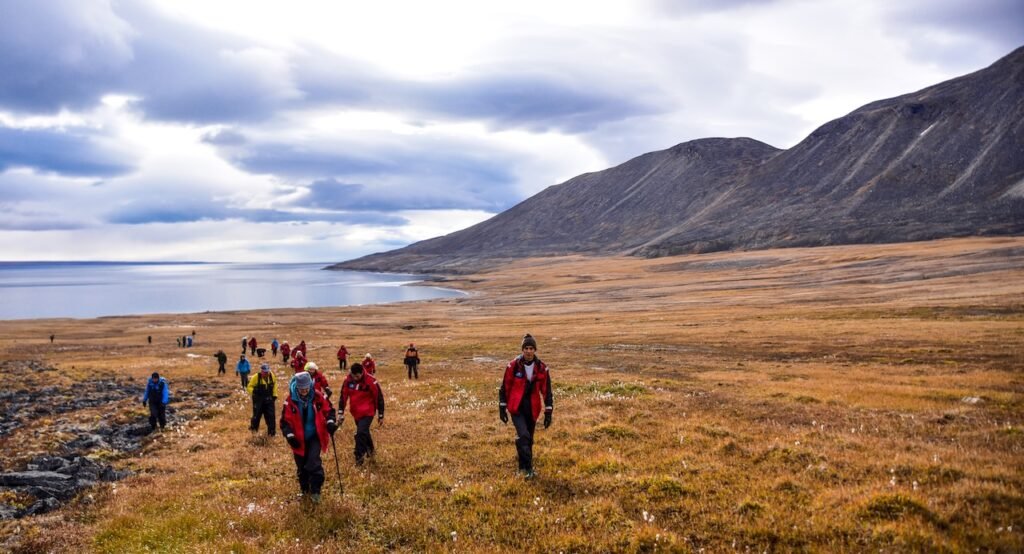
Arctic cruising requires good preparation. Pack layers, high-quality waterproof outerwear, sturdy boots, and binoculars. Most ships provide expedition jackets, but personal gear makes a big difference. Travel insurance with medical evacuation coverage is essential for these remote areas.
The best luxury expedition operators maintain high standards of sustainability, with strict biosecurity protocols and carbon-offset programmes. Choosing a responsible line ensures your voyage has minimal impact on these fragile environments.
An Arctic cruise is not a light decision. It involves long flights, potentially rough seas, and cold temperatures. But for those who embrace the adventure, it delivers experiences that simply cannot be found anywhere else — moments of profound beauty and connection with the natural world that stay with you forever.
In 2026, the Arctic remains one of the last great wildernesses accessible to luxury travellers. Whether you choose the wildlife-rich shores of Svalbard, the ice-filled fjords of Greenland, or the historic waters of the Northwest Passage, an Arctic cruise offers a rare chance to witness the planet in its purest form.
The ice is calling. For the right traveller, at the right moment, an Arctic cruise may well become the journey you remember for the rest of your life.
If you’re contemplating a polar cruise, check out our guides to Arctic expedition cruises, Antarctic expedition cruises, and the best expedition cruise destinations and cruise lines, as well as a few that have strong green creddentials. Also, don’t forget to brush up on your polar photography and polar videography skills, and to pack the polar essentials with our in-depth guides.


