
A road trip through five of the finest South Island luxury lodges in New Zealand reveals a slower, far richer way to taste, sleep and explore Aotearoa.
It’s the silence you notice first at Otahuna Lodge, a beautifully preserved historic mansion on the outskirts of Christchurch, New Zealand’s second-largest city. As our rental car comes to a halt on the manicured gravel driveway, a pervasive stillness, punctuated only by birdsong and an evening breeze through the willows, washes over us. It’s utter bliss, and it’s precisely the kind of experience travellers are chasing when they come to New Zealand, known to the Maori as Aotearoa, the “Land of the Long White Cloud.”
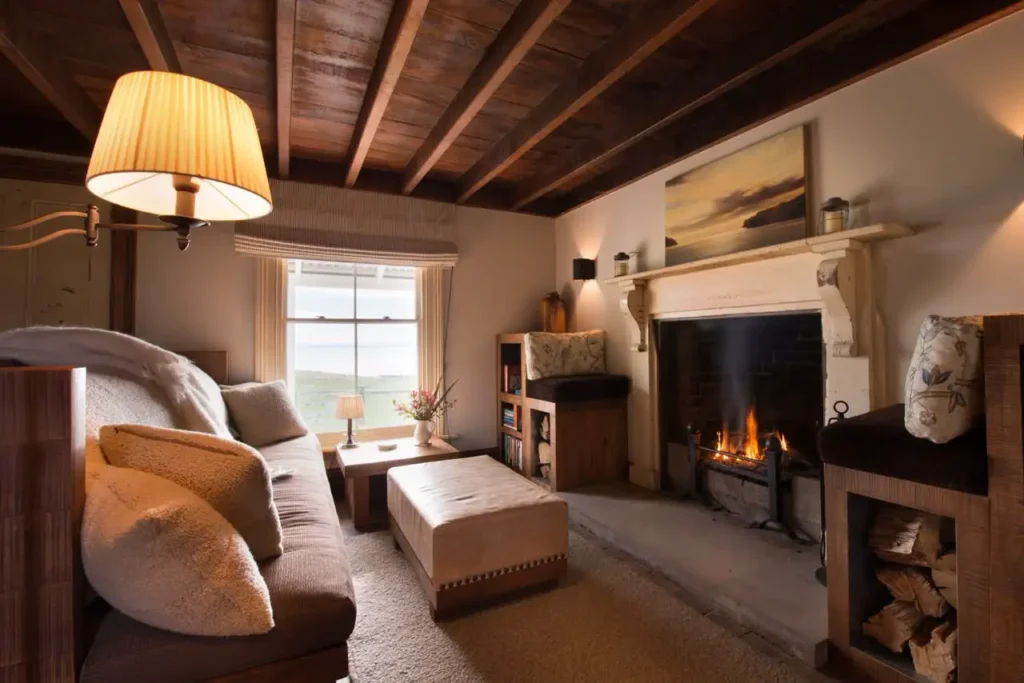
In an age of mass tourism, it can be hard to truly experience a destination, meet its people, and understand their way of life. That’s where New Zealand luxury lodges come in. Travelling this stretch of the country via its lodges, many of which have evolved over generations from humble fishing cabins into some of the world’s most acclaimed houses of slumber, is slow travel at its very best.
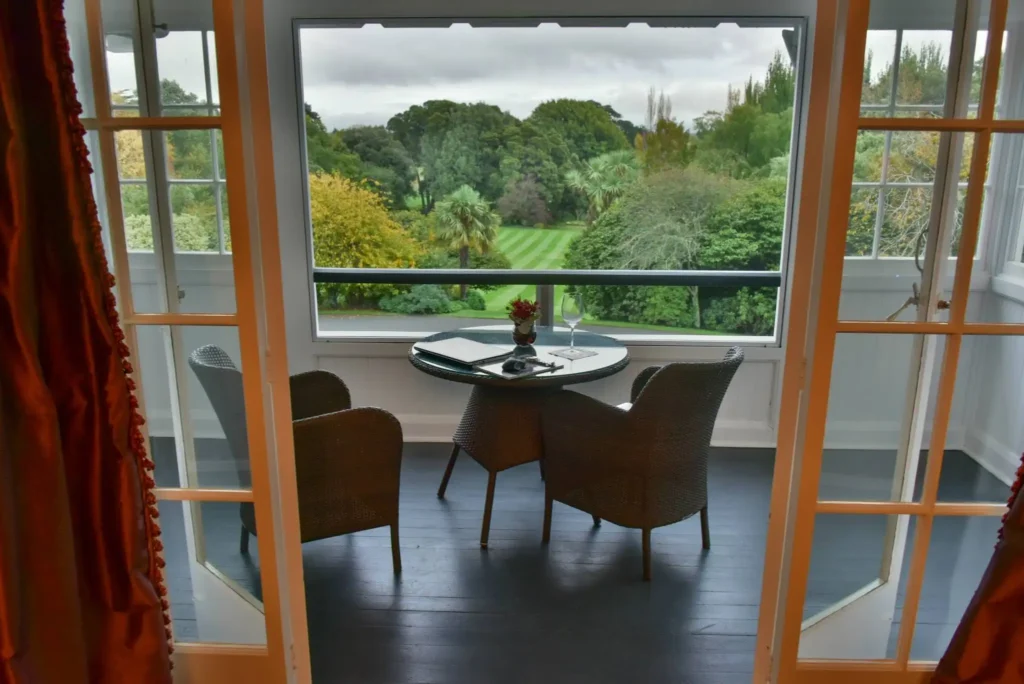
At each remarkable retreat, guests get to know the personalities and histories behind the property, sink into lavish, design-forward accommodation, sample the best of the local larder, and do it all against some of the most dramatic landscapes on earth.
This itinerary traces a single, unforgettable route, from the historic gardens of Canterbury, along the wild coast of Banks Peninsula, through whisky country in Oamaru, and on to the alpine grandeur of Glenorchy and Queenstown.
Otahuna Lodge: Christchurch’s Historic Country Estate
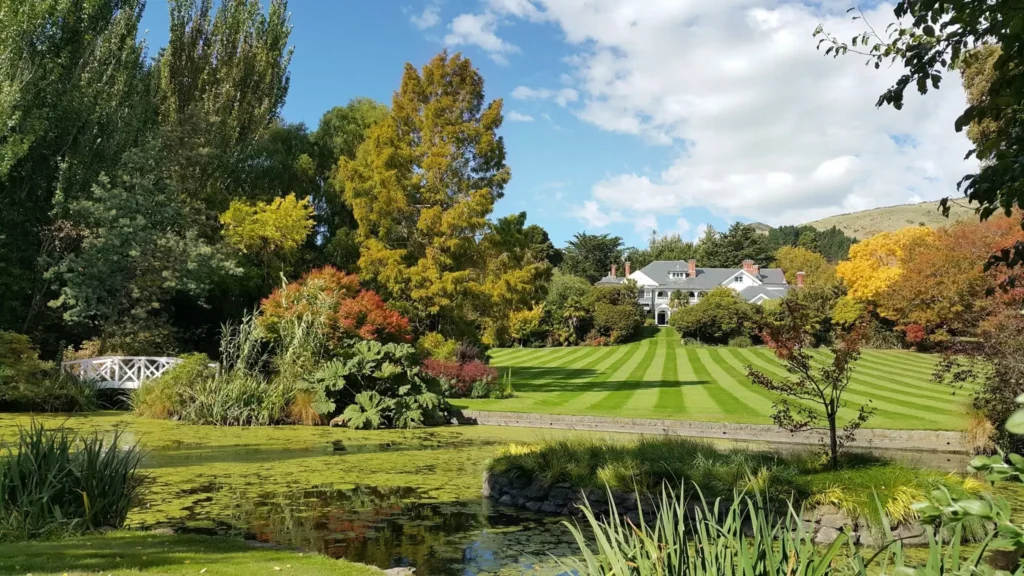
A Queen Anne–style home lovingly restored and wreathed by 12 hectares of gardens, Otahuna Lodge was built in 1895 and bought by Americans Hall Cannon and Miles Refo in 2007. With the help of Kiwi general manager and executive chef Jimmy McIntyre, the pair have created a sublime property that draws guests from across the globe.
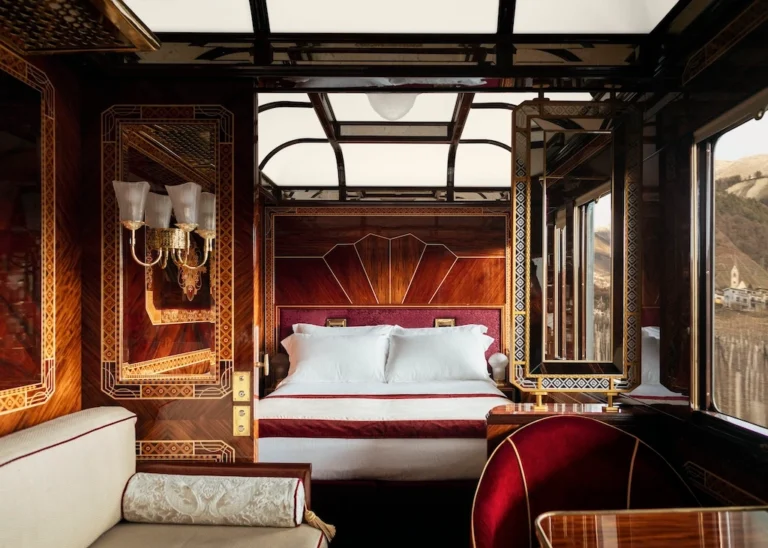
Its five sumptuous guest rooms, including the spacious Rhodes Suite, named for the mansion’s first residents, are dressed in ancient wood, bespoke furnishings and subtle cutting-edge technology, with Victorian fireplaces, balconies overlooking the Southern Alps, and countless little nooks to explore.
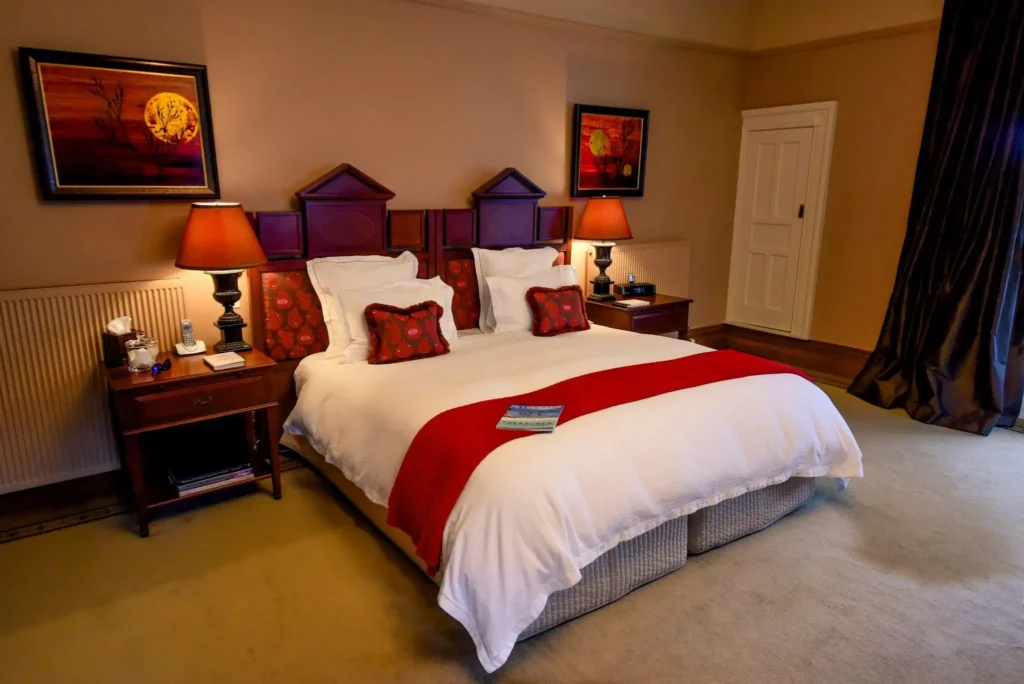
The lavish interiors are complemented by a collection of art from New Zealand artists, including Peter Hackett and Virginia Leonard, along with playful touches, from the wry bedside tome A Short History of Sheep in New Zealand by Richard Wolfe to Royal warrant–holding Penhaligon toiletries.
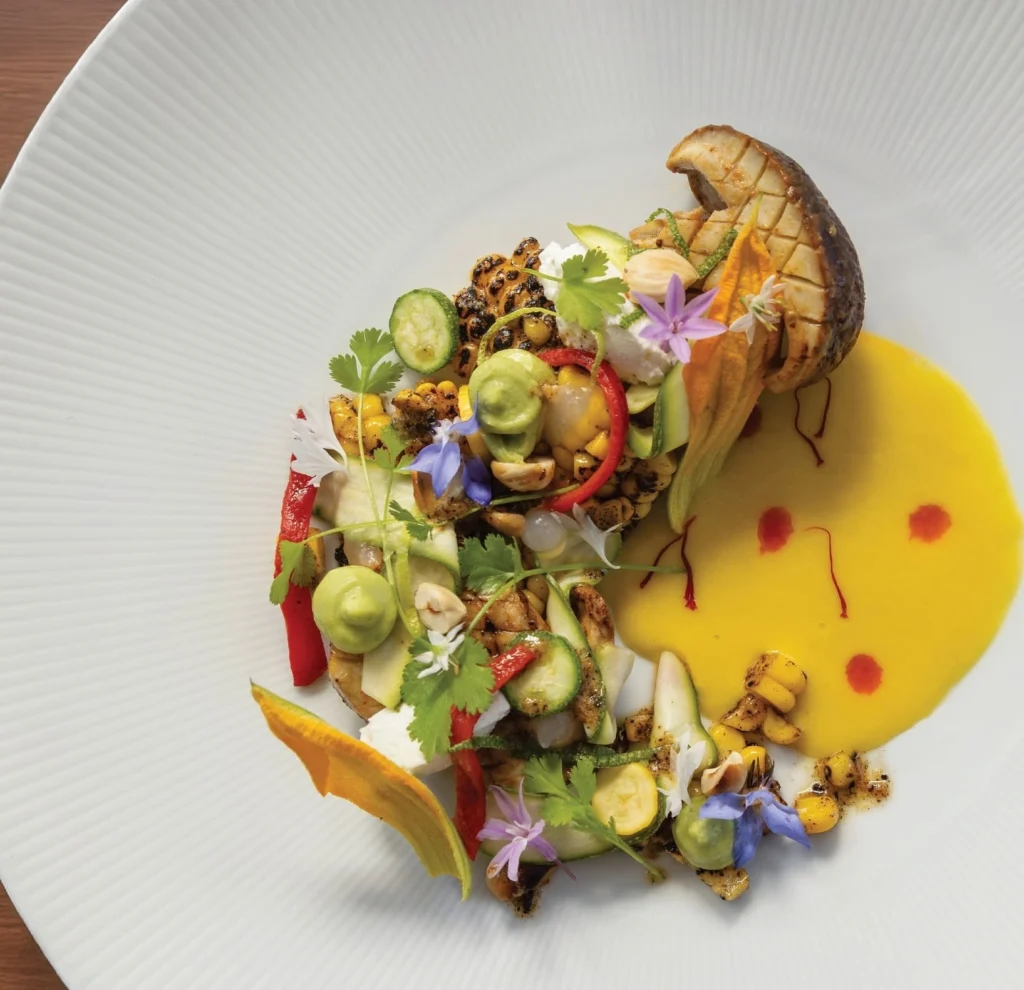
Chef McIntyre is renowned for a simple yet elegant approach to fine dining, one that puts locally sourced ingredients, including some 130 varieties of vegetables, fruit and nuts grown in the lodge’s own gardens, and meats from Otahuna’s own smokehouse, front and centre.
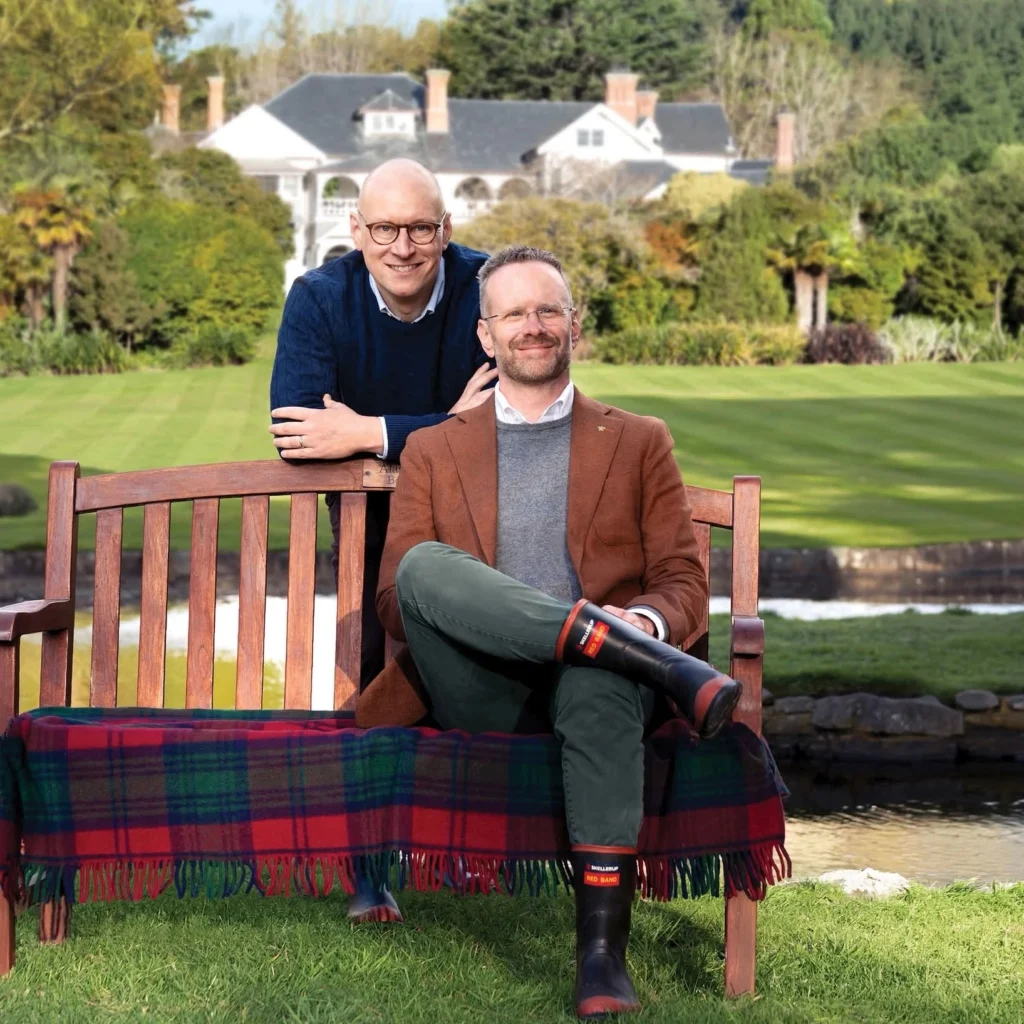
As night decends, McIntyre serves us freshly shucked Bluff oysters with glasses of chilled Central Otago Riesling in the lodge’s leather-clad lounge, followed by a five-course dinner in a fire-warmed dining room dressed in timber the colour of molasses.
Dinner is included in the tariff at Otahuna, and you can expect dishes such as chipotle prawns with tomato and roasted pepper soup; locally caught monkfish with saffron risotto and a lemon and vanilla sauce; and Canterbury duck breast with quince jus and kumara purée, all drawn from the estate’s own gardens.
Across Banks Peninsula: Akaroa to Pigeon Bay
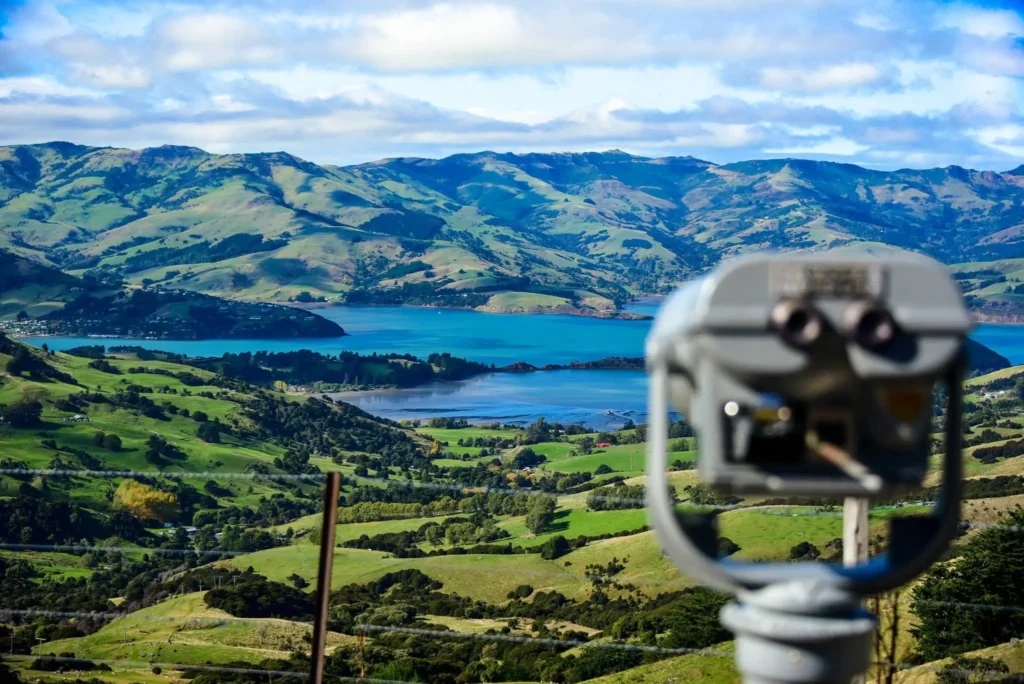
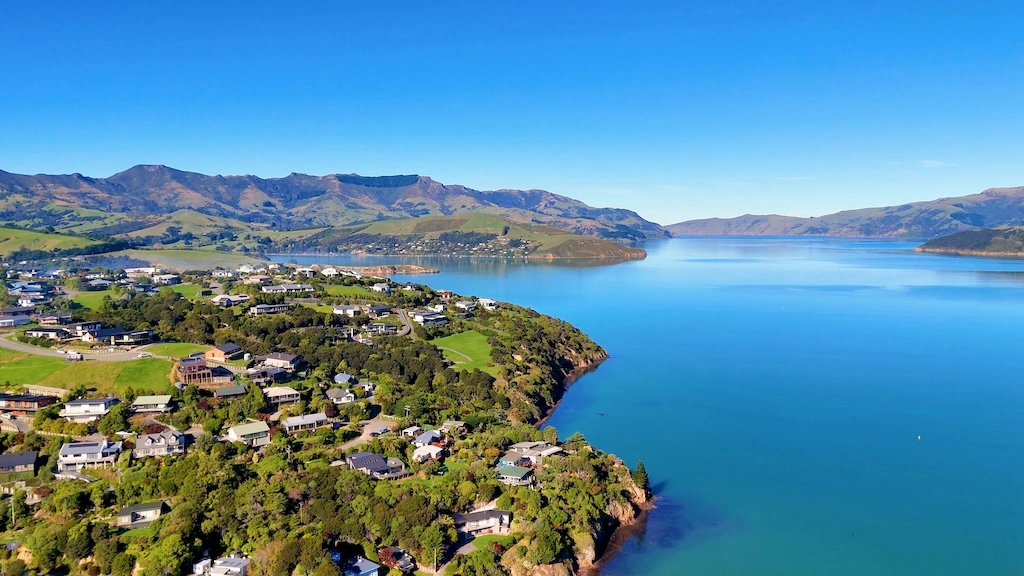
It’s with real reluctance that we leave the next morning, driving east into the deep valleys and hidden bays of the Banks Peninsula. We stop for lunch at The Trading Rooms, a long-standing restaurant and pantry in the charming French-settled harbour town of Akaroa, before climbing the switchbacks to the Hilltop Tavern for a lookout over the peninsula’s folded green hills.
From here, it’s all down hill as we descend into Pigeon Bay, home to one of New Zealand’s most striking lodge properties.
Annandale and Seascape: Total Privacy on Pigeon Bay
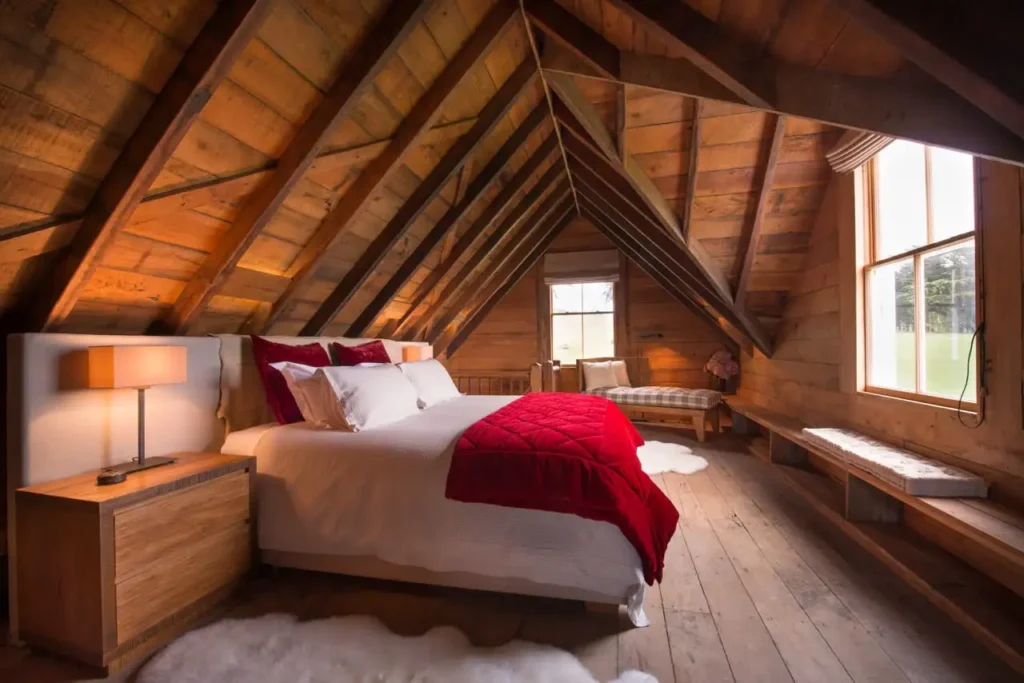
Envisioned by New Zealand–born real estate developer Mark Palmer, Annandale is actually an estate made up of four vastly different accommodations, each seperated a good 30-minute drive apart across a working farm, ensuring the ultimate in privacy. In addition to the modern two-bedroom Wakaroa Point and colonial-styled Shearwater currently under contruction, there’s the historic, beautifully restored Homestead; the rustic elegance of Shepherd’s Cottage (above); the open-plan, family-friendly Scrubby Bay. And then there’s Seascape.
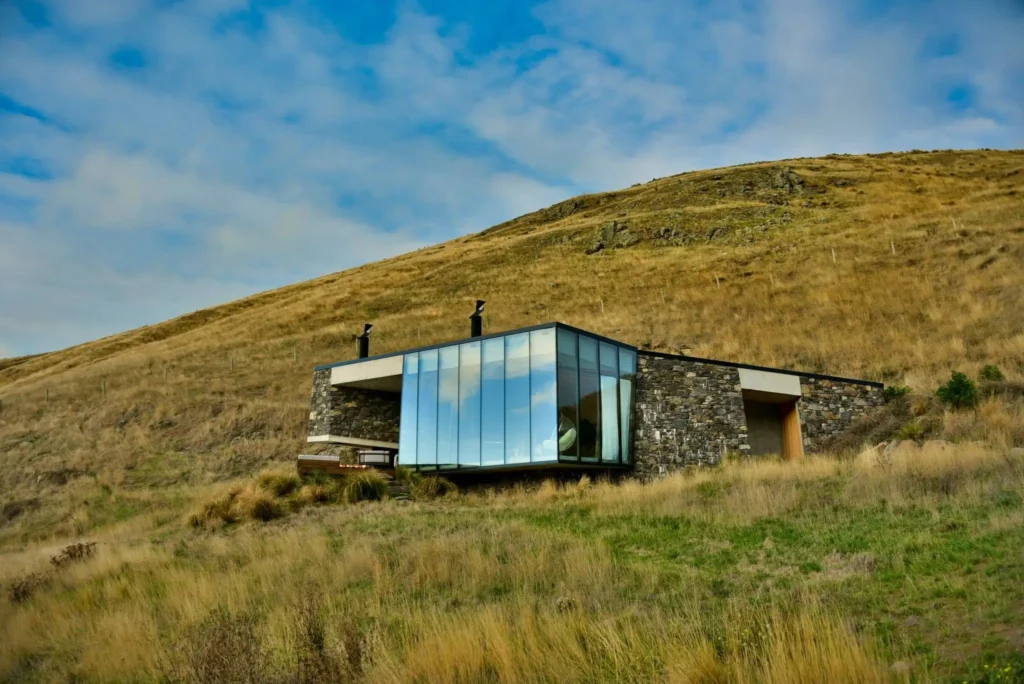
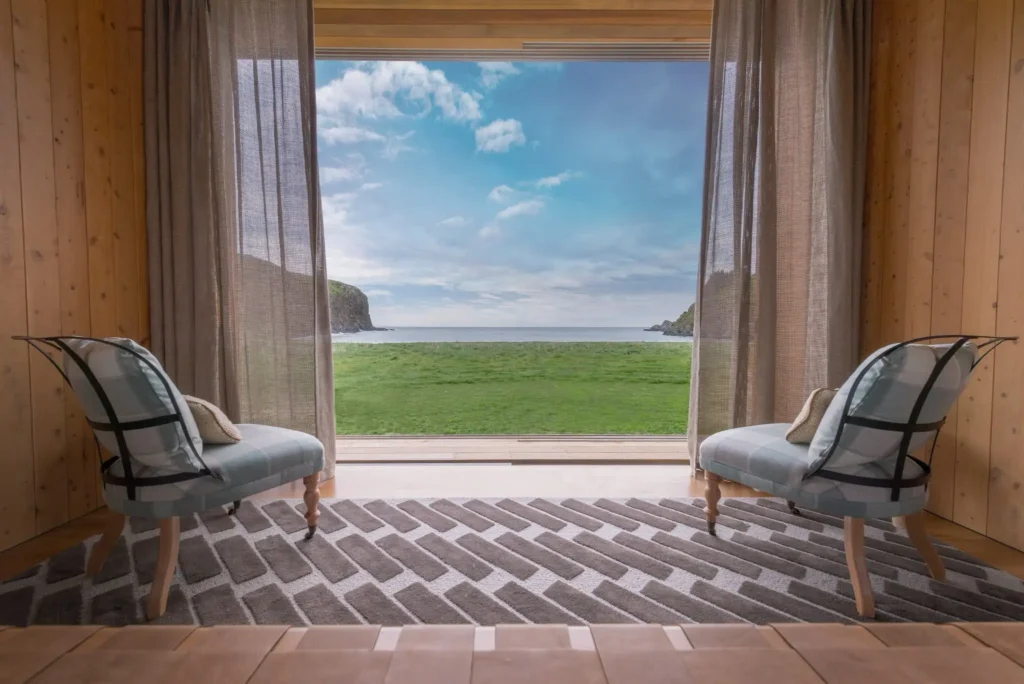
We reach Seascape (above) after a 45-minute drive along clifftops that plummet to the mussel beds of Pigeon Bay far below, the farm’s Black Angus cattle watching our progress. A simple farm track drops steeply into a remote bay ringed by a stony beach and rocky headlands.
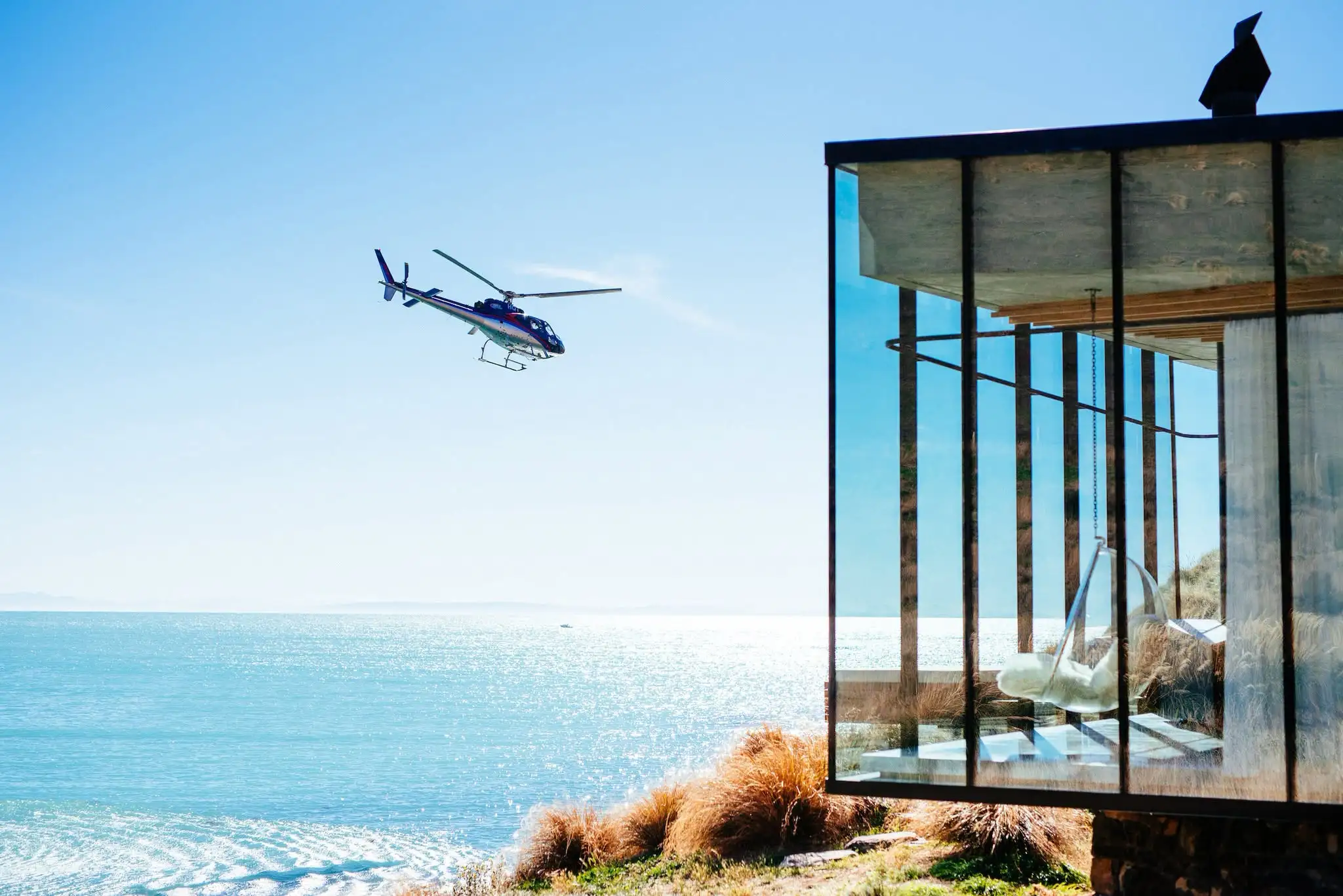
Nestled into the hillside, Seascape is stunning, an unashamedly modern one-bedroom villa with an open-plan living space, gas fireplaces, and, beside an outdoor jacuzzi, a compact Miele-equipped kitchen and a deep soak tub looking out across the secluded bay. There is nothing between the king-size bed and the expanse of the Pacific.
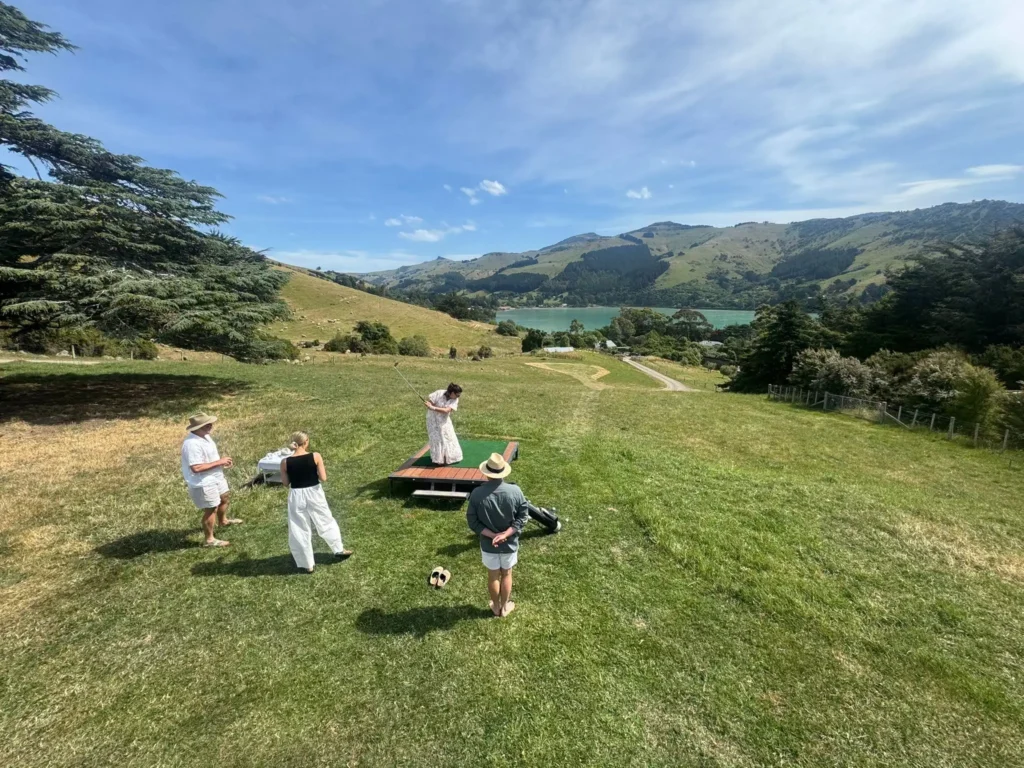
While not a traditional lodge, Seascape offers the same invitation to slow down, sleep in and leave the world behind. Guests can have a private chef cook in the butler’s pantry, order raw ingredients and cook for themselves, or, as we did, opt for the “we create, you serve” approach, in which Annandale’s kitchen, led by co-owner and executive chef Chris Stockdale, prepares a gourmet dish that’s vacuum-packed and needs only minimal finishing.
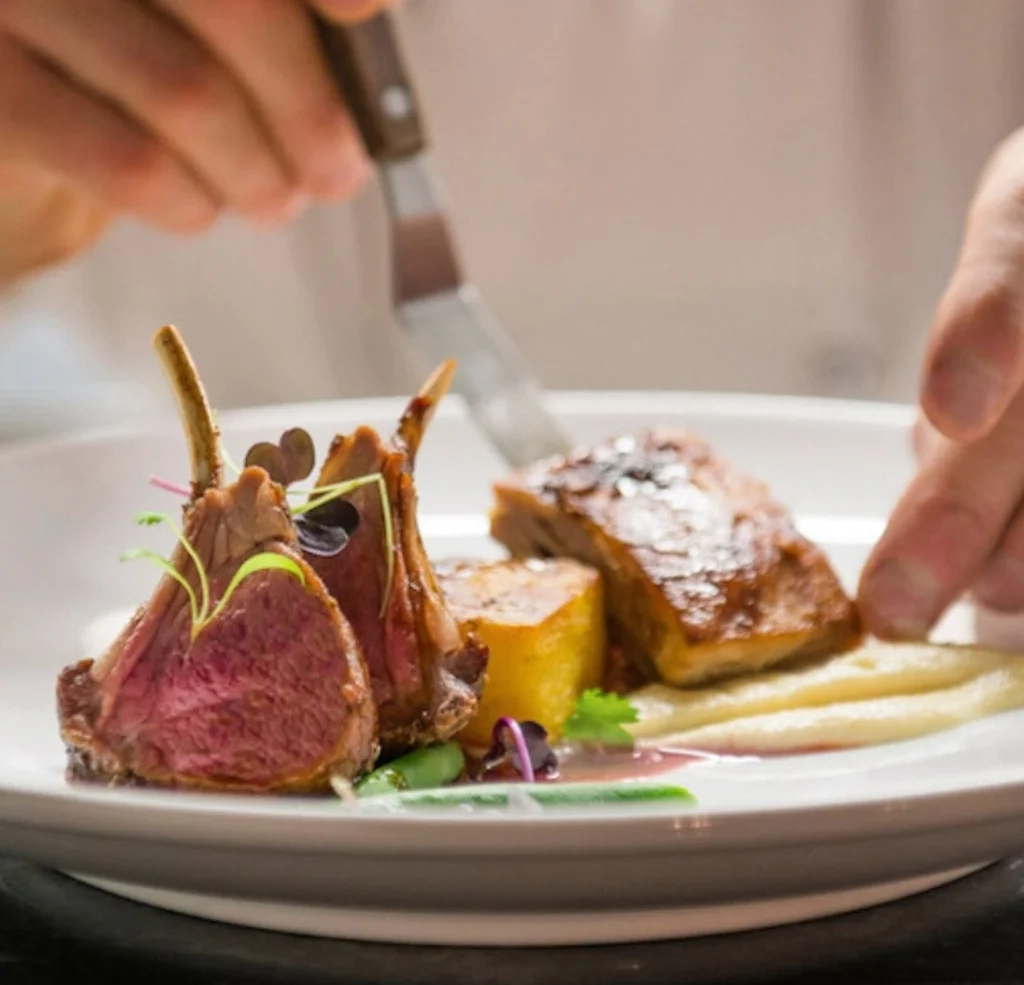
That evening we dine on local green-lip mussels with tamari egg yolk and tomato jelly; Canterbury valley black lacquer duck leg with banana-lychee relish and scallion pancake; and lemon-passionfruit curd with honey-macadamia wafers and the farm’s own raspberries. Every ingredient comes either from Annandale’s farm and gardens or from producers within 50 kilometres of the property.
Afterwards, we curl up on day beds by the outdoor fireplace, the bay before us lit by a startling, unpolluted canopy of stars. It’s nothing short of magical.
Oamaru: Whisky, Heritage and Pen-y-bryn
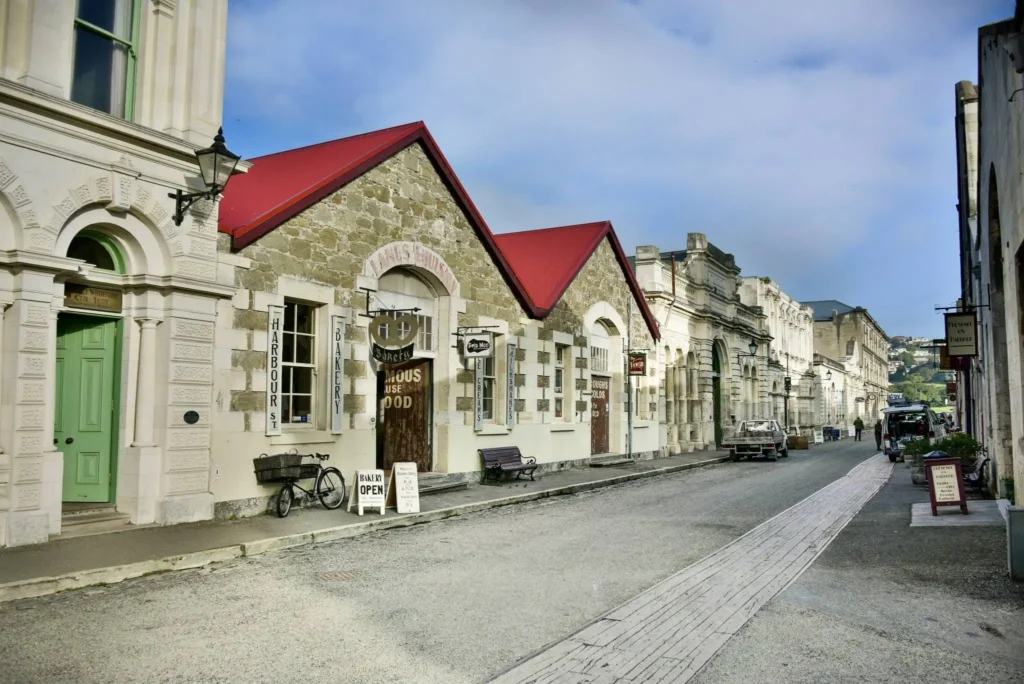
From Annandale, we drive west, back up the winding valley roads of Banks Peninsula, then south towards Tai Tapu, stopping for coffee at The Store, a local institution that’s half art gallery, half café. We reach Oamaru by late afternoon, the shadows of this historic little settlement, once named New Zealand’s Coolest Town, already growing long.
We wander the town’s beautifully revitalised Victorian precinct to sample time-honoured drops at The New Zealand Whisky Collection on Wansbeck Street, whose cellar door holds the last surviving stocks of the long-closed Willowbank distillery, once the country’s only whisky maker, alongside newer releases from the Collection’s own Dunedin distillery, which has been quietly distilling again since 2021 after more than two decades without a single working still in the country.
From there it’s a short climb to Pen-y-bryn, a Category One heritage-listed home set in dazzling gardens overlooking the township. Built in 1889, Pen-y-bryn was bought by former World Bank economist James Glucksman and dentist James Boussy in 2010 and they continue to operate it as a lodge today. Its five cosy guest rooms complement a series of beautifully preserved living rooms, dens and lounges, including one with a full-size billiards table originally commissioned by the New Zealand houses of parliament.
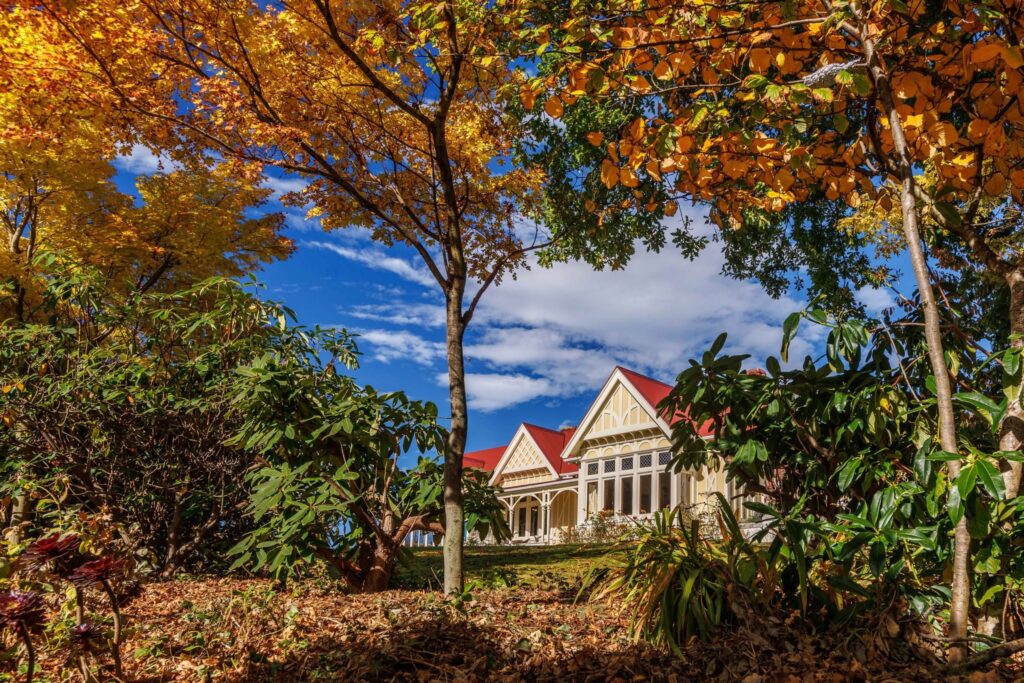
In fact, Pen-y-bryn is a traditional lodge where the line between private home and guest accommodation is blissfully blurred, where old-world hospitality, paired with fantastic local fare, is the major drawcard, and where the convivial atmosphere and warmth of the hosts is second to none.
Evenings begin with cocktails and canapés by the roaring fire, followed by a multi-course dinner that might include South Island salmon and Bluff oysters with greens from the garden, and indulgent roast pork with homemade lemon curd. A committed slow-food advocate and an Officier Maître Hôtelier in the Paris-based gourmet society Confrérie de la Chaîne des Rôtisseurs, Glucksman cooks dishes that are inventive and delicious yet almost entirely sourced from the lodge’s own gardens, homemade in its kitchens, or bought from local suppliers.
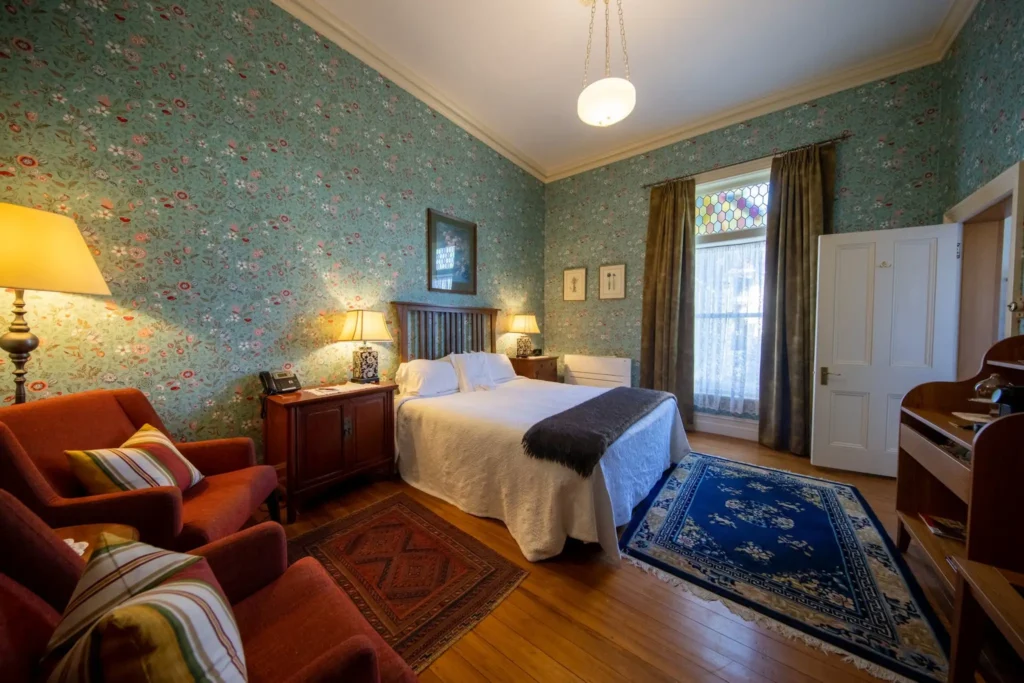
The Jameses’ years of world travel come through in the lodge’s décor and its fascinating objets d’art, making a stay at Pen-y-bryn as much a sensory journey as a night at a homely country inn.
Blanket Bay: The Grande Dame of Glenorchy
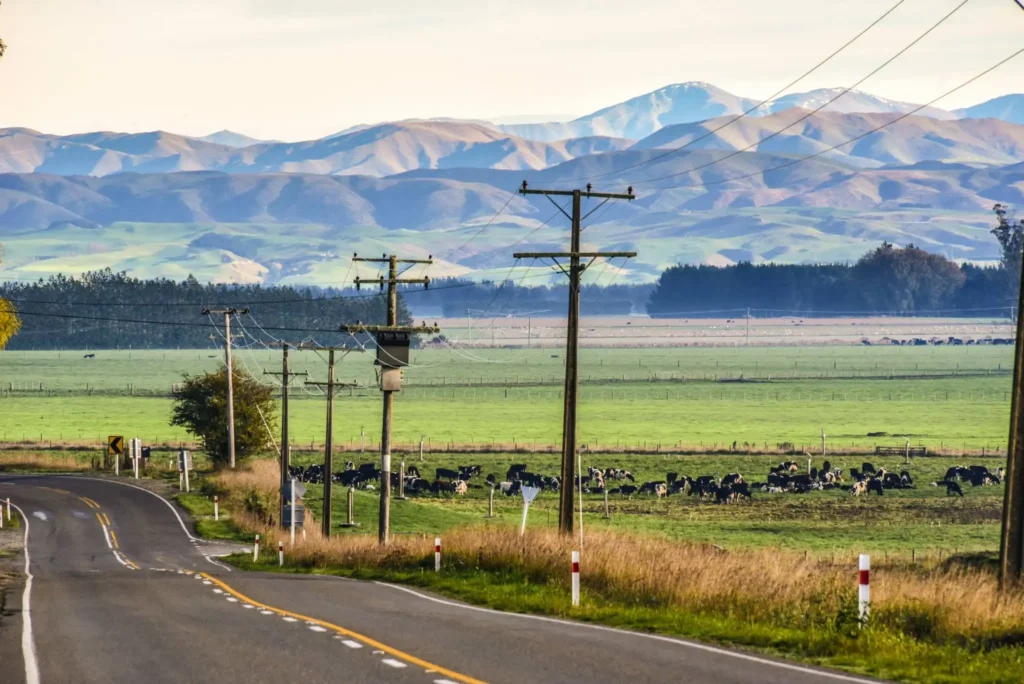
From Oamaru, we drive up the glorious Waitaki Valley, through Central Otago’s wine belt and the alpine playground of Queenstown, towards Glenorchy, along a scenic road regularly ranked among the best drives in the world. At its end sits Blanket Bay, the grande dame of New Zealand’s modern luxury lodges.
Unlike Otahuna or Pen-y-bryn, Blanket Bay was purpose-built as a luxury lodge, designed to draw the well-heeled from the US and Europe, though today you’re just as likely to hear Arabic or Mandarin spoken in its Great Room as English or French. Flanked by Lake Wakatipu on one side and towering peaks on the other, the lodge is a destination in itself.
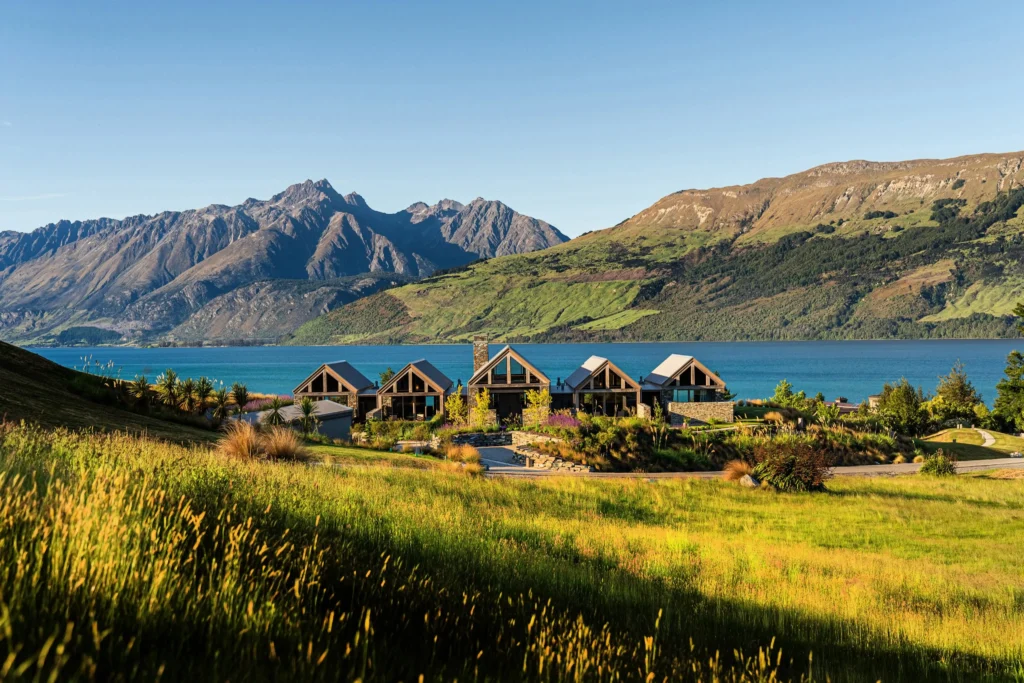
Designed by American architect Jim McLaughlin and built from locally sourced schist rock and recycled timber, Blanket Bay has 12 luxurious guest rooms and suites, including four standalone Chalet Suites, alongside cavernous living rooms with double-height picture windows, intimate bars, a modern games room, wine caves, a spa and fitness centre, a seasonal outdoor pool, and an indoor spa looking out through French windows to the western tip of the lake.
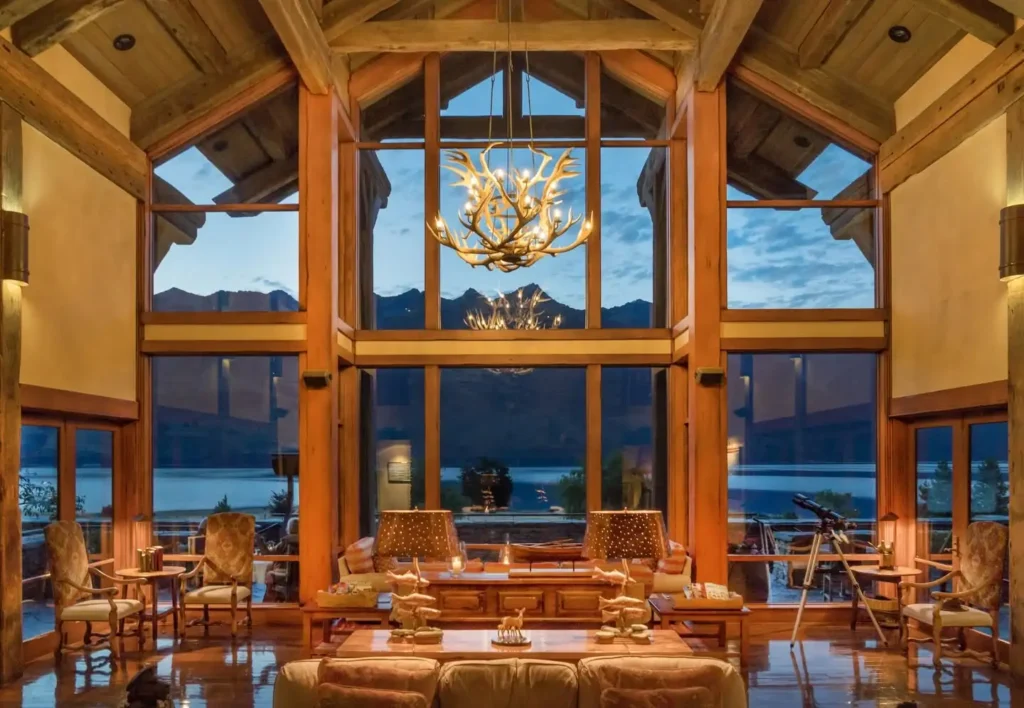
Set at the base of the Southern Alps, Blanket Bay is the perfect jumping-off point for exploring Milford Sound and Fiordland National Park by helicopter, running the Dart River by high-powered jet boat, or hiking the ancient rainforests and towering peaks of Mount Aspiring National Park. The fly-fishing here is phenomenal, the heli-skiing among the best in the Southern Hemisphere, and the horse-riding sensational.
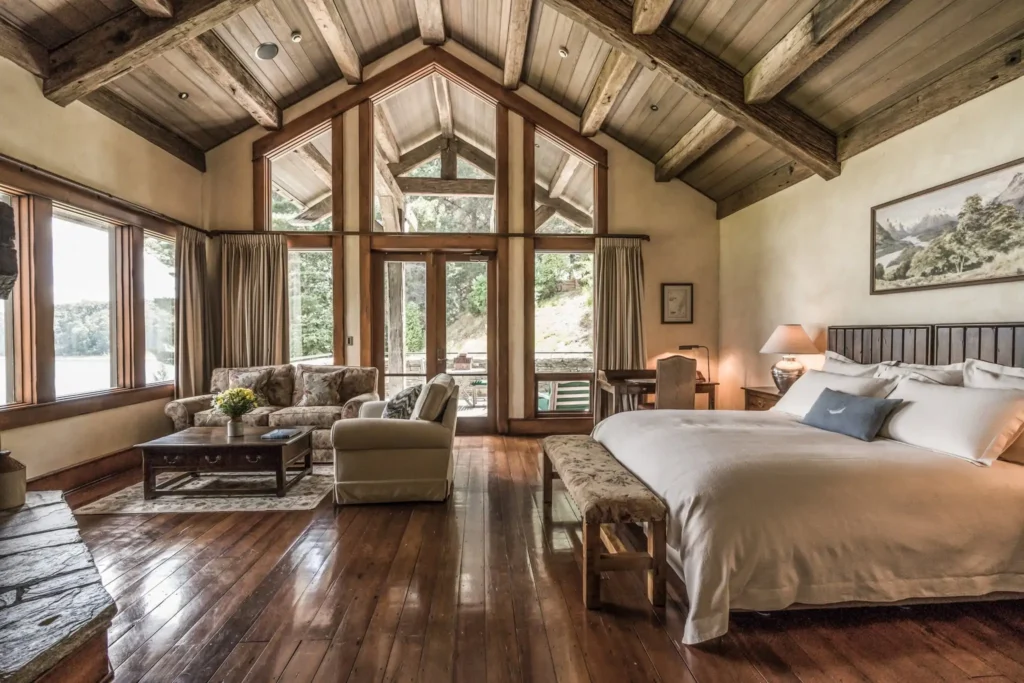
Guests return each evening to dinner from executive chef Paul Kepa served in the cosy Lake View Dining Room, with a menu that draws on Central Otago and Fiordland produce, from Canterbury quail to fresh-caught crayfish and scallops paired with vegetables from the lodge’s own gardens.
Rosewood Matakauri: Contemporary Alpine Luxury
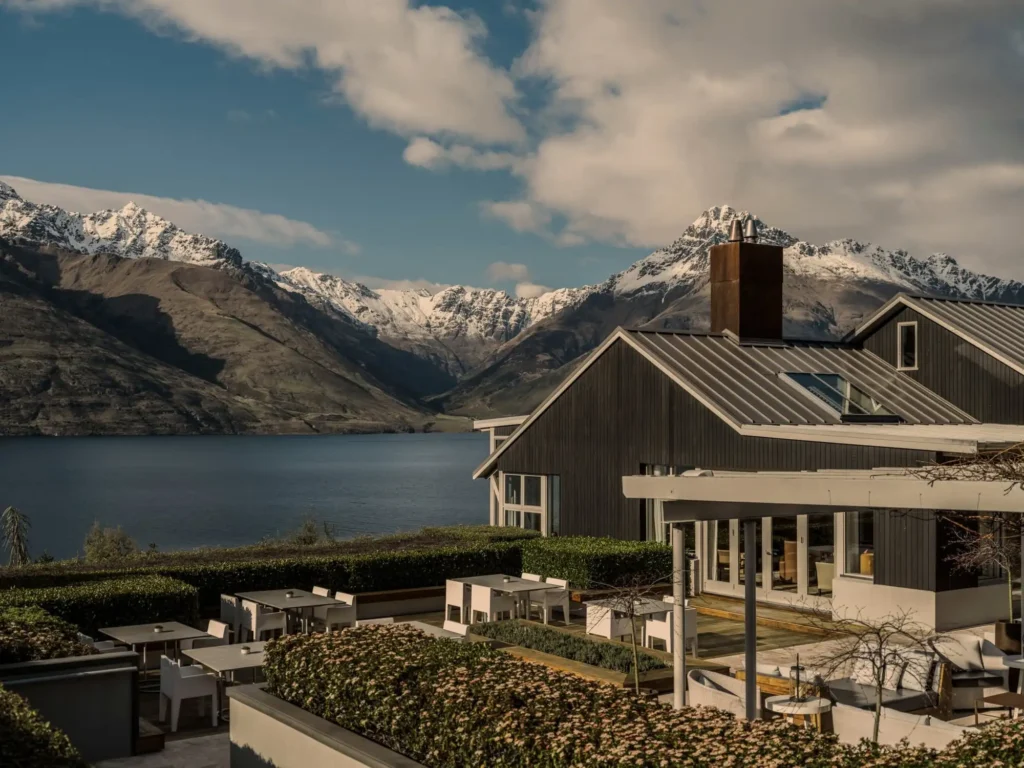
The last stop on our itinerary sits just down the road, closer to Queenstown. Originally launched as the South Island sibling of the acclaimed North Island golf lodges Kauri Cliffs and Cape Kidnappers, the property has since been reimagined under Rosewood Hotels’ management as Rosewood Matakauri, bringing a distinctly contemporary feel to the South Island lodge scene.
Positioned, like Blanket Bay, above Lake Wakatipu with the jagged Walter Peak filling the view towards Southland, Rosewood Matakauri has 12 guest rooms in total, four within the main lodge and the rest standalone suites with sweeping views and clean, modern décor drawing its cues from autumn in Otago. Each retreat has a gas fireplace, a private balcony, a flatscreen TV hidden behind artwork, and quite possibly the best bathtub view in the country. The Owner’s Cottage, the lodge’s penthouse, sleeps up to eight in absolute comfort.
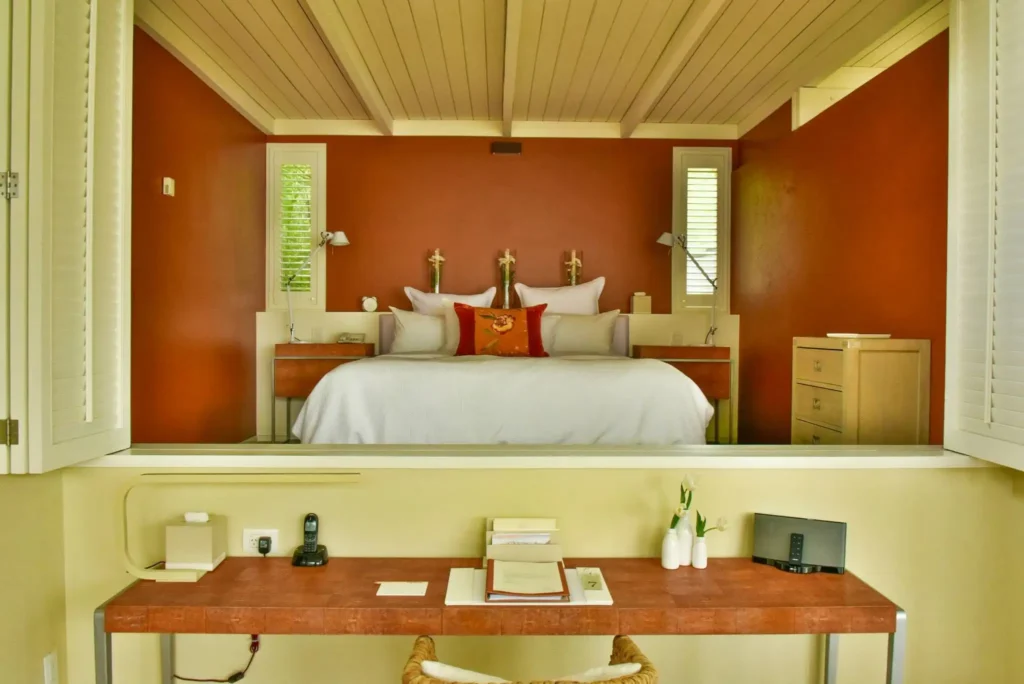
The warm tones of the suites continue through the main lodge, where breakfast and dinner are served in the intimate dining room, on the outdoor terrace, or in the private library. The kitchen is now led by executive chef Corey Hume, who joined Rosewood Matakauri in early 2026, having previously helmed the kitchen at Blanket Bay, and whose menus lean into the produce of the deep south, from fresh seafood to game and garden vegetables grown across Otago’s high country.
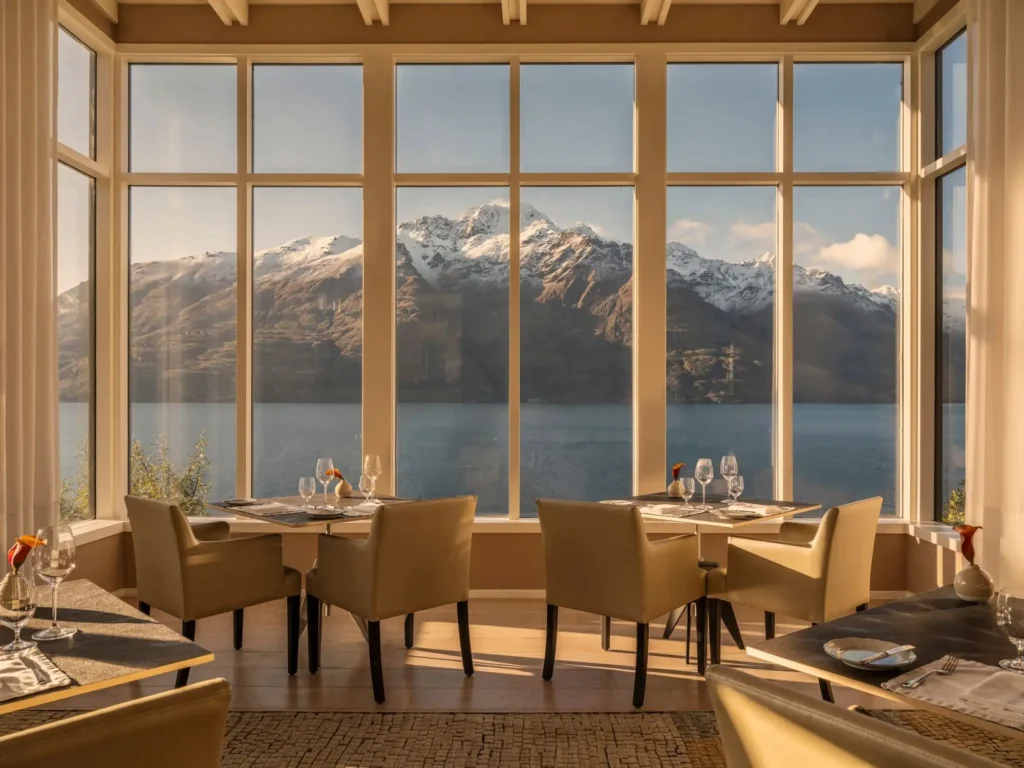
It’s the South Island luxury lodge scene distilled to its essence: world-class cuisine, in a world-class setting, delivered with the easy, unpretentious warmth that makes New Zealand such an endearing place to travel slowly.
Final Thoughts on a South Island Luxury Lodge Road Trip
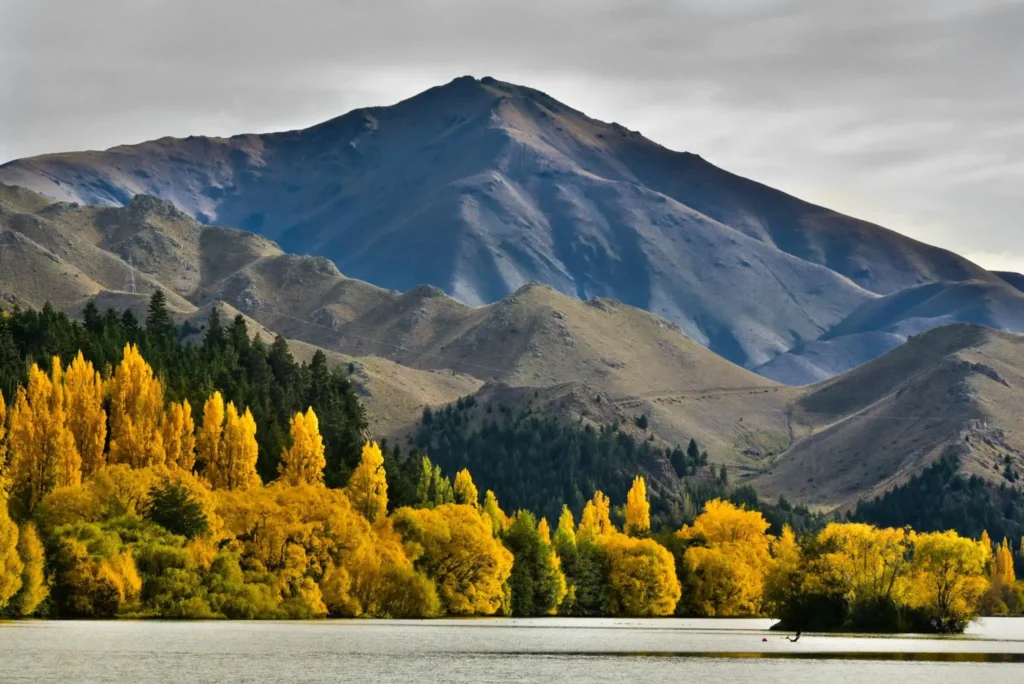
What makes travelling New Zealand’s South Island by luxury lodge so compelling isn’t any single property, but the cumulative effect of moving slowly between them: a night among Victorian antiques at Otahuna, a clifftop hideaway at Seascape, whisky and heritage architecture in Oamaru, and alpine grandeur bookended by Blanket Bay and Rosewood Matakauri.
Each lodge offers its own take on hospitality, cuisine and design, but together they form one of the most complete introductions to Aotearoa a traveller can have, better than any single hotel stay or guided tour could manage alone.
South Island Luxury Lodges: Your Questions Answered
If you’re ready to start planning your luxury lodge road trip through New Zealand’s South Island, there’s a few things you might want to note.
What are the best luxury lodges on New Zealand’s South Island?
While Otahuna Lodge near Christchurch, Annandale’s Seascape villa on Banks Peninsula, Pen-y-bryn in Oamaru, Blanket Bay in Glenorchy, and Rosewood Matakauri near Queenstown offer a fascinating cross section, it’s hard to say which is the best as the South Island is home to many others. You can take a deeper dive with our guide to the best luxury lodges of New Zealand’s South Island.
How many days do you need for a South Island lodge road trip?
A route covering Christchurch, Banks Peninsula, Oamaru and the Queenstown/Glenorchy area comfortably takes five to seven days, although it’s always best to slow down and allow at least two nights at each lodge to make the most of included dining and activities.
What is included in the price at a New Zealand luxury lodge?
Most South Island lodges include a multi-course dinner, breakfast and pre-dinner canapés in their nightly tariff, along with many on-site activities. Spa treatments, helicopter excursions and fine wine are usually charged separately.
Is New Zealand’s South Island suited to a self-drive road trip?
Yes. The South Island’s well-maintained highways, light traffic and clearly signposted scenic routes make it one of the world’s more relaxed self-drive destinations, and a capable SUV is all that’s needed to reach even the more remote lodges.
When is the best time to visit South Island luxury lodges?
New Zealand’s shoulder seasons of October to November and March to April offer mild weather, good produce and fewer crowds, while December to February suit hiking and water-based activities and June to August is prime time for heli-skiing near Glenorchy and Queenstown.
If you’re contemplating a trip to New Zealand, be sure to look out for our guide to the best lodges in the North Island and South Island, the country’s best train journeys, including the remarkable TranzAlpine journey, as well as our 48-hour guide to Auckland City, the best Auckland daytrips and the city’s best luxury hotels, and our adventures on spectacular Waiheke Island.