
From black-sand surf beaches to vineyard-covered islands, Auckland packs remarkable range into 48 hours. Here’s exactly how to see the best of it.
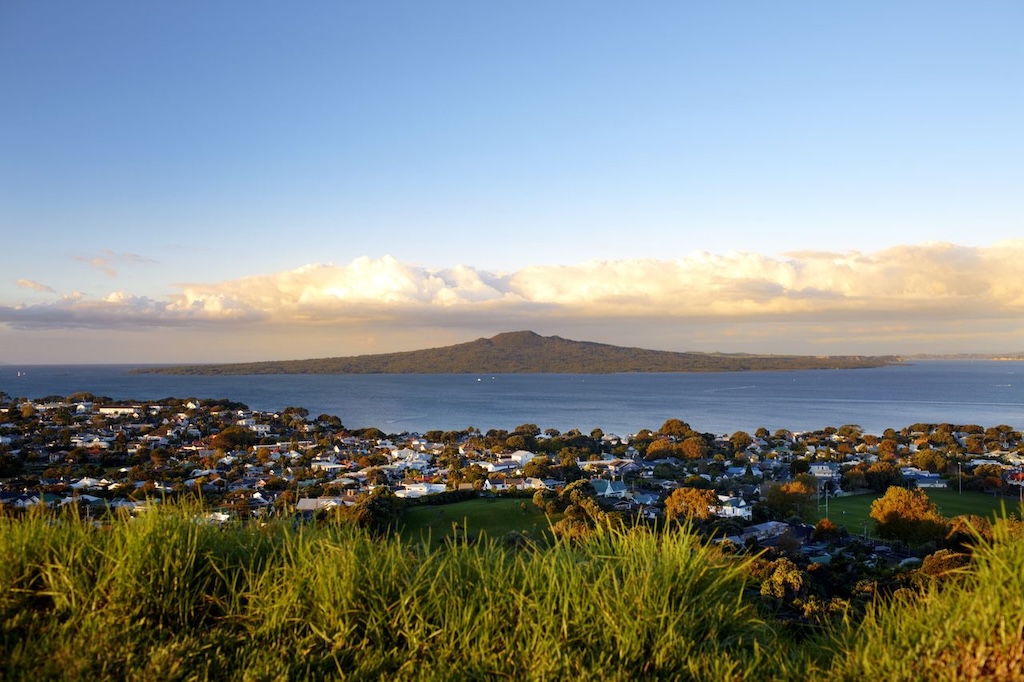
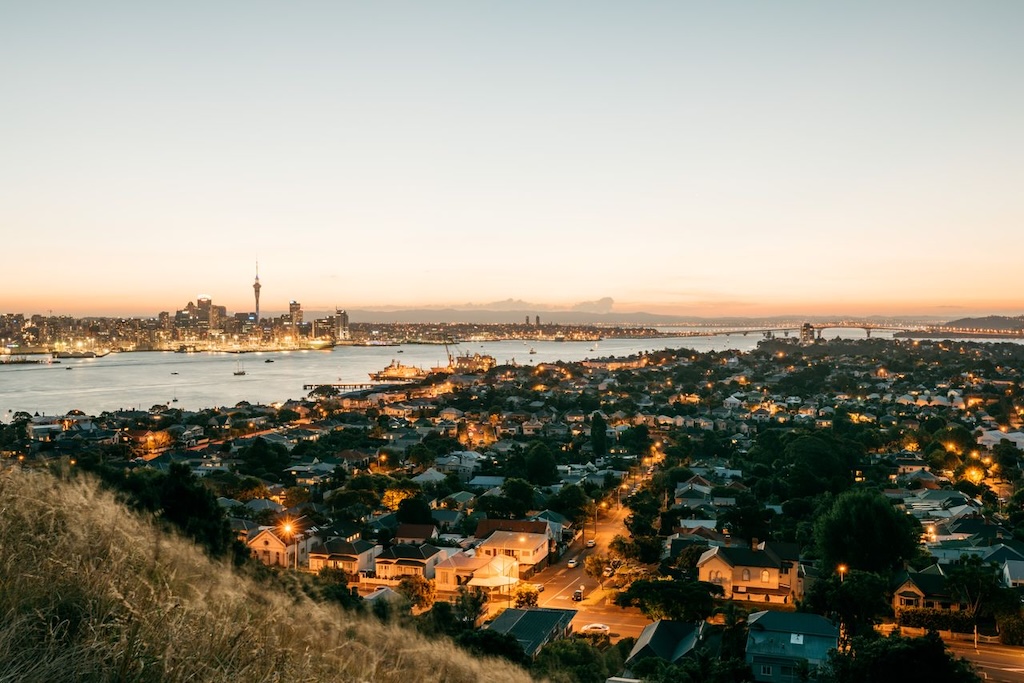
Auckland, known in Māori as Tāmaki Makaurau — “the desired one of many” — is a city defined by water and volcanoes. Built across a narrow isthmus separating the Waitematā Harbour to the north and the Manukau Harbour to the south, the city (my home town) is so slender in places that you can glimpse both harbours from a single hilltop.
Scattered across it are more than 50 dormant volcanic cones, several of which — Mt Eden, One Tree Hill, Mt Victoria — double as public parks with sweeping city views.
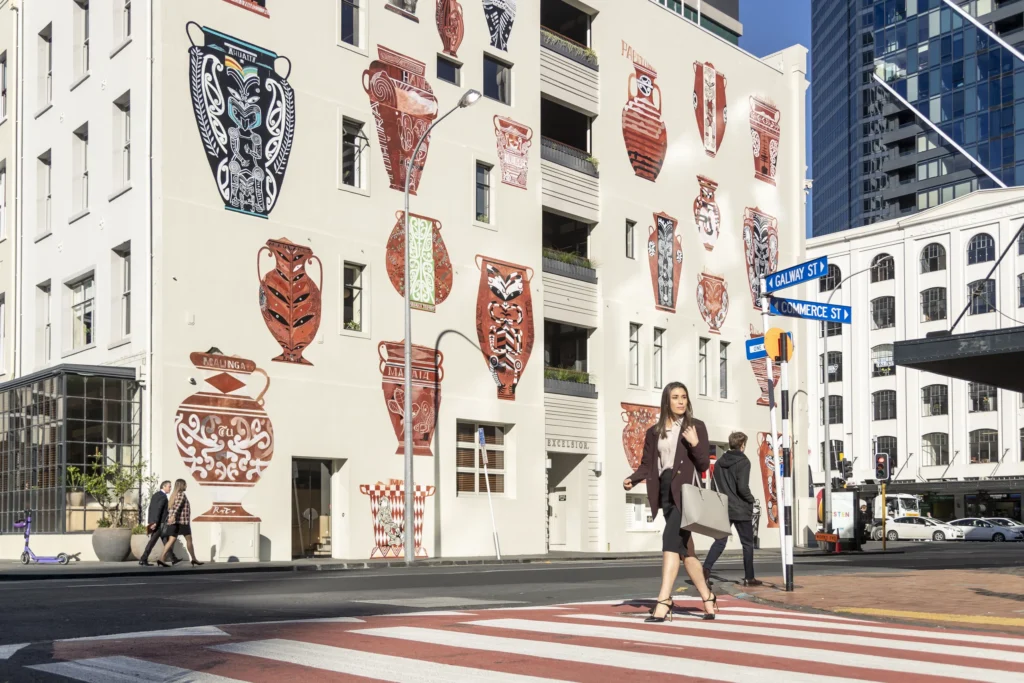
This geography shapes everything about how you move through Auckland. The compact central city and inner-city villages like Ponsonby, Grey Lynn, Parnell and Herne Bay sit on the isthmus itself, and are all walkable or a short drive from one another.
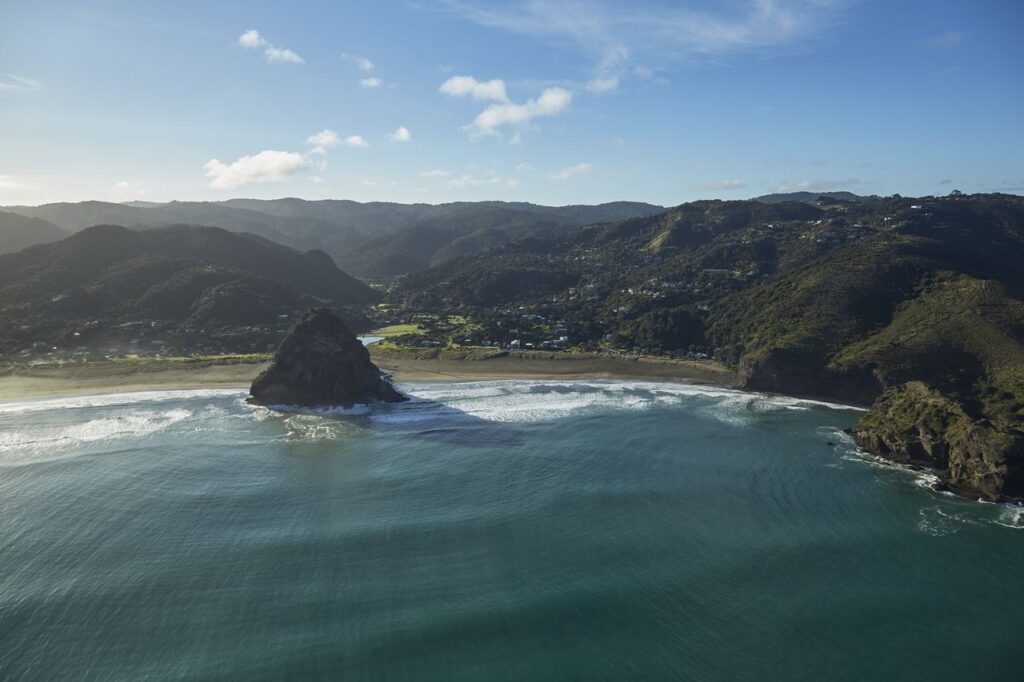
Across the Waitematā, reached by ferry or the Auckland Harbour Bridge, is the North Shore, home to the historic naval village of Devonport and the beachfront suburbs of Browns Bay, Milford and Takapuna. To the west, the spectacular Waitākere Ranges roll down to a coastline of black volcanic sand, including the famous surf beach at Piha. And out in the Hauraki Gulf, a 40-minute ferry ride from downtown, sits Waiheke Island, Auckland’s beloved weekend escape of vineyards and coves.
Forty-eight hours is not long for a city this spread out, but with the right clustering — grouping neighbouring areas together rather than criss-crossing the region — it’s entirely possible to take in the city centre, an inner-city village, a wild west coast beach, a Hauraki Gulf island and the North Shore, all without excessive backtracking.
This Auckland itinerary does exactly that, splitting the two days into a west-facing city loop and an east-facing island-and-shore loop.
Is Auckland Safe?
New Zealand consistently ranks among the safest countries in the world, and Auckland is no exception. Violent crime against visitors is rare, and most official government travel advisories call for nothing more than normal precautions. The central city, Viaduct Harbour, Wynyard Quarter and Ponsonby Road are all well-lit, well-populated and safe to walk in the evening.
Of course, as in any city, it’s sensible to be more alert late at night, especially around parts of Karangahape Road (K’ Road) and Fort Street Downtown and to avoid walking alone through quieter, poorly lit streets after dark.
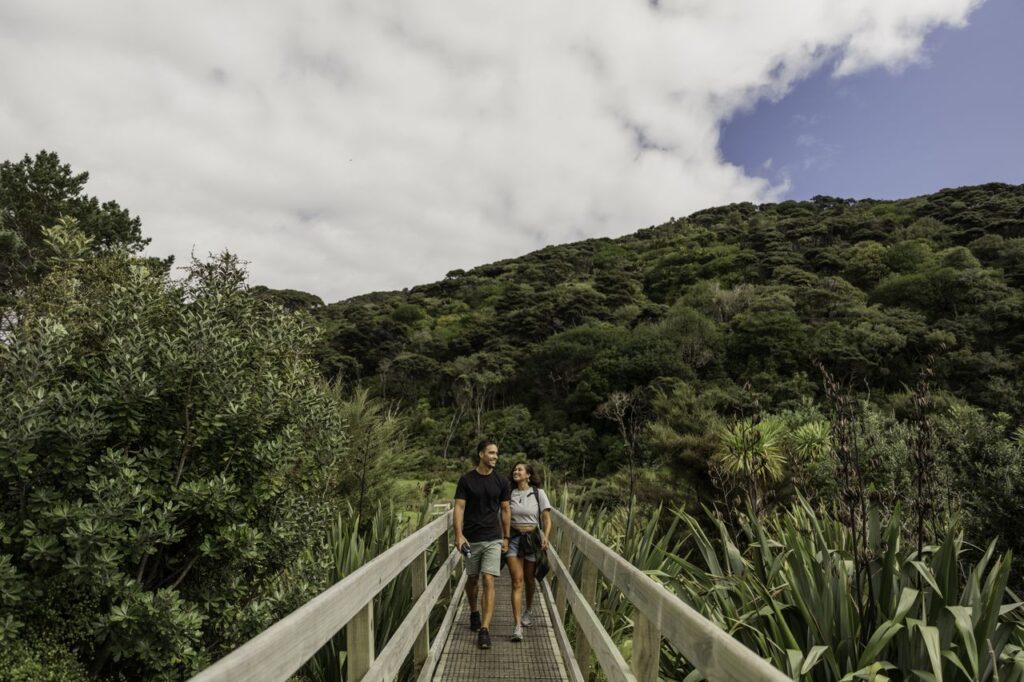
The more practical safety issues in and around Auckland are petty rather than violent: opportunistic theft from parked rental cars is common at beach car parks and bush walk trailheads, including at Piha, so never leave valuables visible inside your vehicle.
From a health perspective, New Zealand’s UV levels are unusually high even on overcast days, so sun protection matters year-round. Also worth noting, at west coast surf beaches like Piha, rip currents can be dangerous (no matter the seemingly laissez-faire attitude of the locals, who know the waters well) so always swim between the red-and-yellow patrol flags when lifeguards are on duty, and treat unpatrolled stretches with real caution.
Getting In and Around
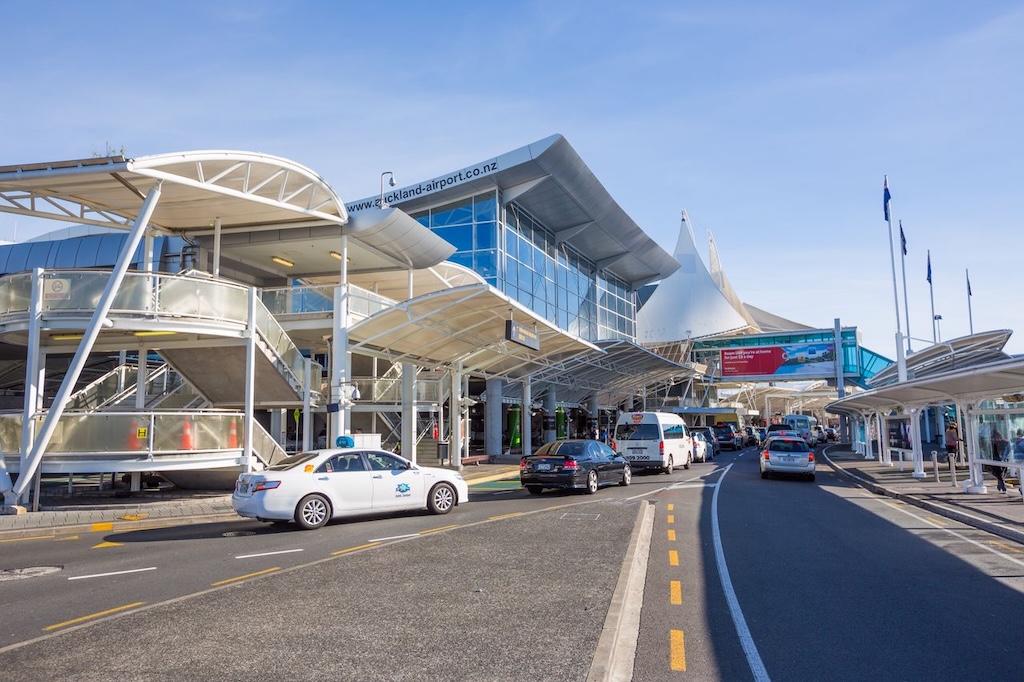
From the airport: Auckland Airport (AKL) sits around 20 kilometres south of the city centre, and the drive takes roughly 30 to 45 minutes outside peak traffic. SkyDrive runs an express shuttle between the airport and SkyCity in the central city, with buses departing every 30 minutes from as early as 5 am and running until the last service from the domestic terminal at 10.30 pm.
Alternatively, book a hotel transfer or jump in an Uber, available from both the domestic and international terminals, for the most convenience.
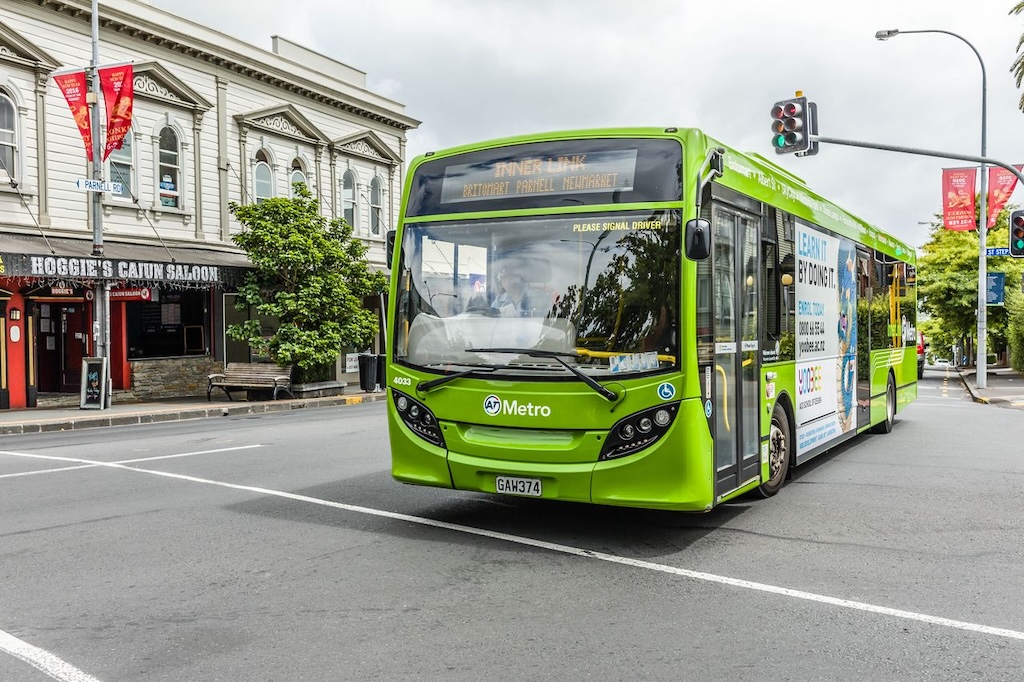
Around the city: Auckland’s public transport runs on the AT HOP card, valid across buses, trains and ferries. Auckland’s rail network has historically been limited, but the long-awaited City Rail Link — a new underground line connecting the western and southern lines through the city centre — has opened this year, vastly improve cross-city rail journeys.
For this itinerary, though, ferries matter more than trains: Fullers360 operates frequent services from the downtown Auckland Ferry Terminal, with boats to Devonport running roughly every 15 to 30 minutes and the Waiheke Island crossing taking around 40 minutes each way.
Given the itinerary below also requires a drive out to Piha, renting a car for at least one of the two days — or booking a rideshare or small-group tour — is the simplest way to reach the west coast, since there’s no direct public transport link.
Where to Stay
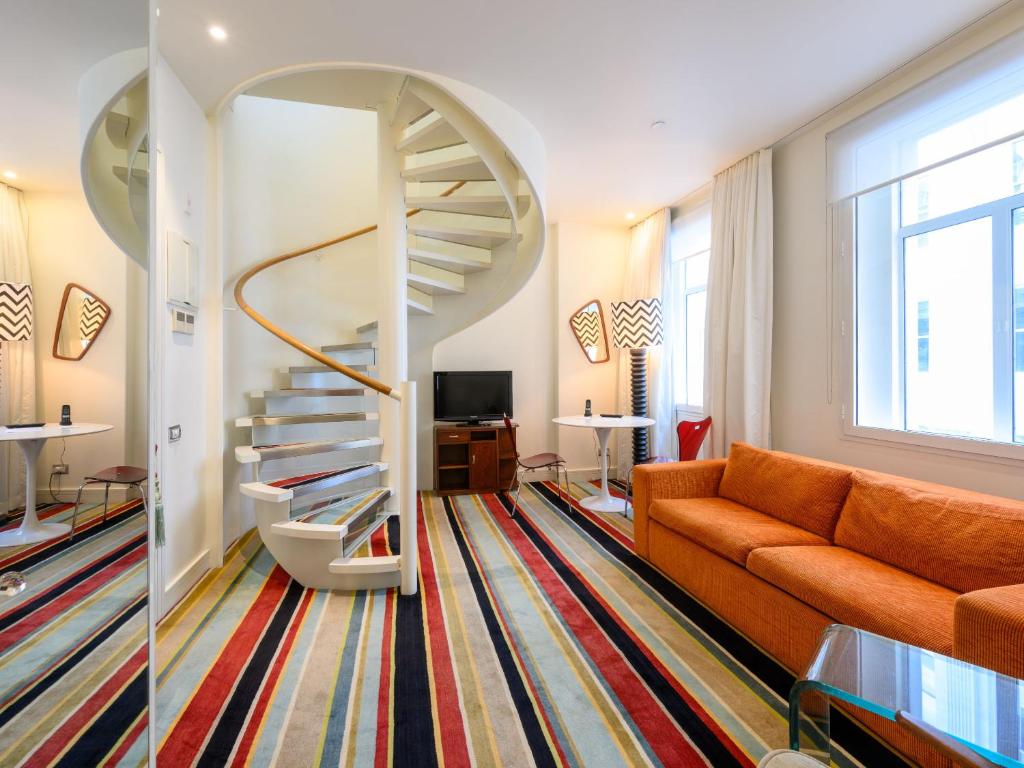
Auckland’s luxury hotel scene has seen a real surge over the past decade, with much of the growth centred around Downtown and its vibrant waterfront preccincts. There’s everything from grand luxury hotels like the Park Hyatt, Hilton and InterContinental, as well as chic boutique hotels like the QT and Hotel Britomart (above), New Zealand’s first 5 Green Star-rated hotel.
The location downtown makes exploring the city much easier as the ferries to Devonport, Great Barrier and Waiheke all leave from there, while trains and buses lace their way through the city centre, opening up much of Auckland to travellers. For more on the city’s leading houses of slumber, check out our guide to Auckland’s best luxury hotels.
Day One: Ponsonby, Piha Beach and the Waterfront
Day one, we visit one of Auckland’s chiest neighbourhoods before heading to the wild coastline.
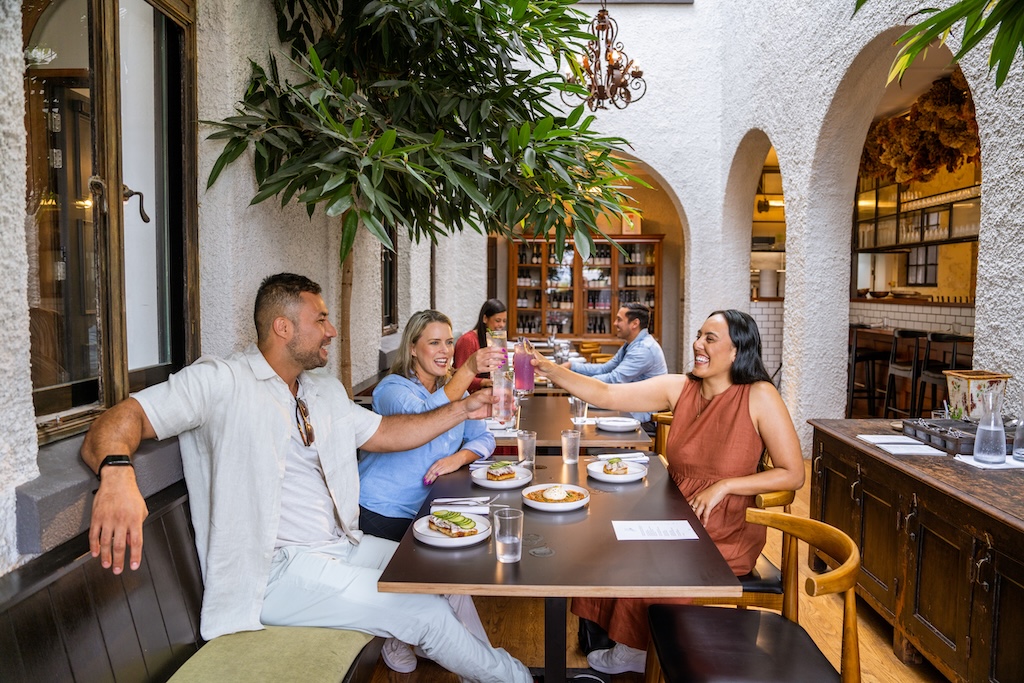
Breakfast on Ponsonby Road
Start in Ponsonby, the inner-city village of Victorian villas, independent boutiques and Auckland’s most concentrated café culture. Grab a table at one of the cafés inside Ponsonby Central, the neighbourhood’s beloved food hall, or a long-standing Ponsonby Road institution like Dizengoff. The area does relaxed, unhurried brunch better than almost anywhere else in the city.
Spend the rest of the morning working along Ponsonby Road itself, browsing the strip’s independent fashion boutiques, homeware stores and galleries, and admiring the wide verandas and ornate gables of the villas on the surrounding side streets; this elegant neighbourhood has one of the best-preserved collections of Victorian residential architecture in the country.
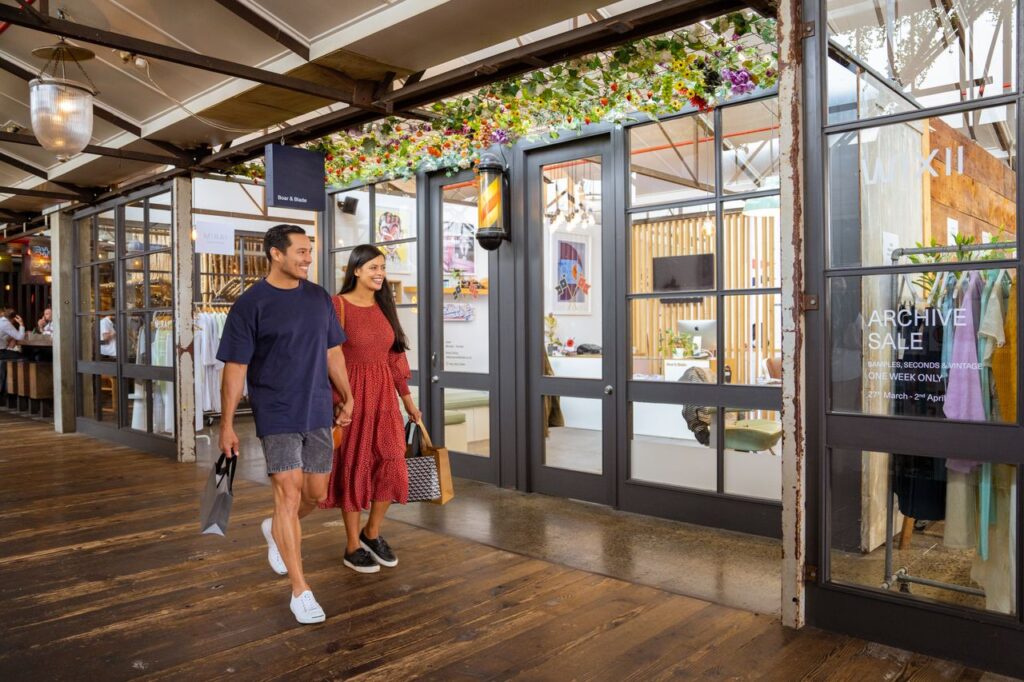
Retail therapy complete, walk (or take a short drive) to Western Park, a quiet, tree-filled reserve on the edge of Ponsonby, or continue further to Herne Bay’s waterfront reserve for a short harbour-side walk before heading west. This is a great way to stretch your legs (and work off that eggs Benny) before the drive to the coast.
Lunch at the Beach
Collect your car and drive out to Piha, which takes around 40 to 45 minutes from central Auckland via a winding route through the endemic bushlands of the Waitākere Ranges. Piha Store, the settlement’s general store and café, is the natural lunch stop, and serves casual food to the surfers, hikers and day-trippers who make up Piha’s small population.
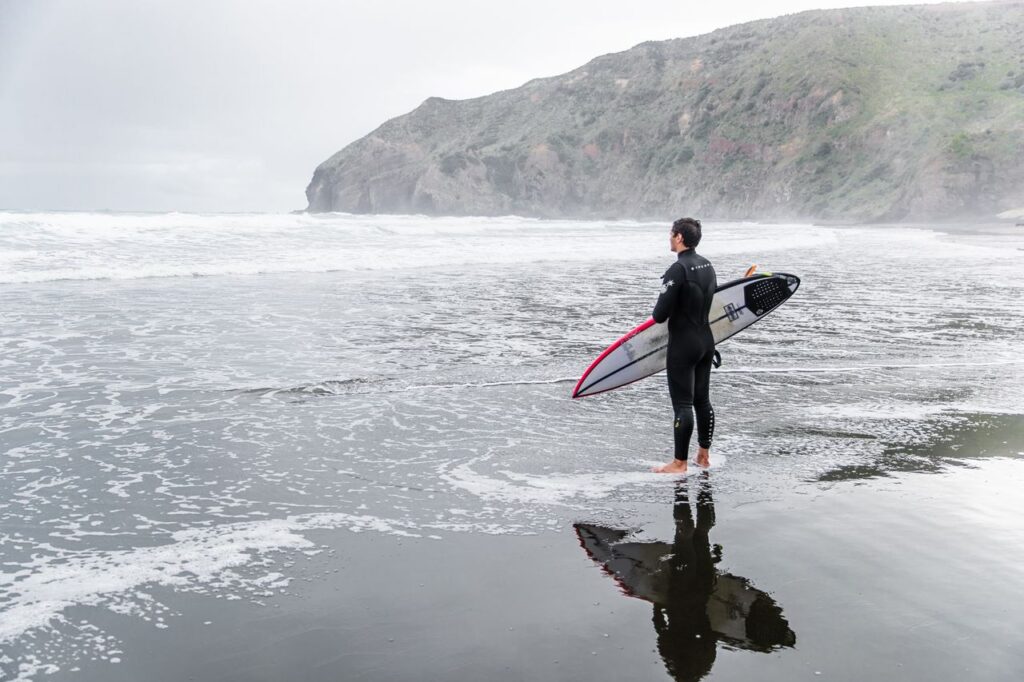
After your lunch (try the fish and chips), walk out onto the black volcanic sand and climb partway up Lion Rock (Te Piha), the dramatic headland that splits the beach in two and gives Piha its name. The lower paths offer excellent views back along the coast, though the very summit is sometimes closed for safety reasons.
A short drive or a longer walk from the beach brings you to the Kitekite Falls track, an easy 40-minute return walk through breath-taking native bush to a wide, multi-tiered waterfall with a swimming hole at its base. Bring your swim trunks (we call them “togs” in New Zealand) for one of the most rewarding short walks in the Waitākere Ranges.
Dinner in the City
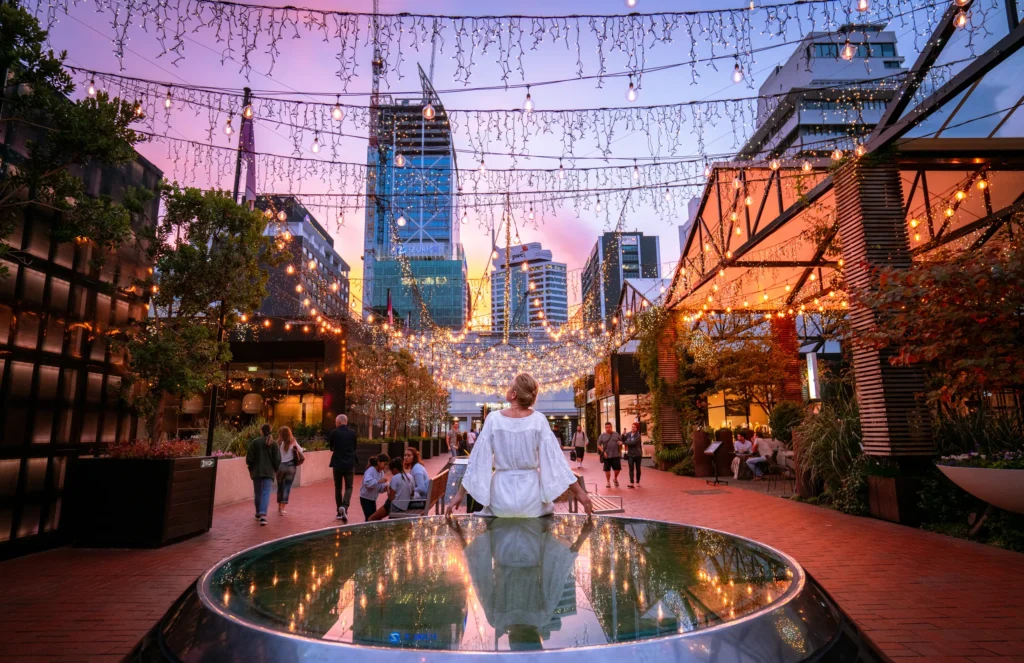
For something completely different, drive back into the city (another 40-45 minutes), slip into something more elegant than shorts and sandy feet, and head to Wynyard Quarter and the neighbouring Viaduct Harbour for dinner on the water.
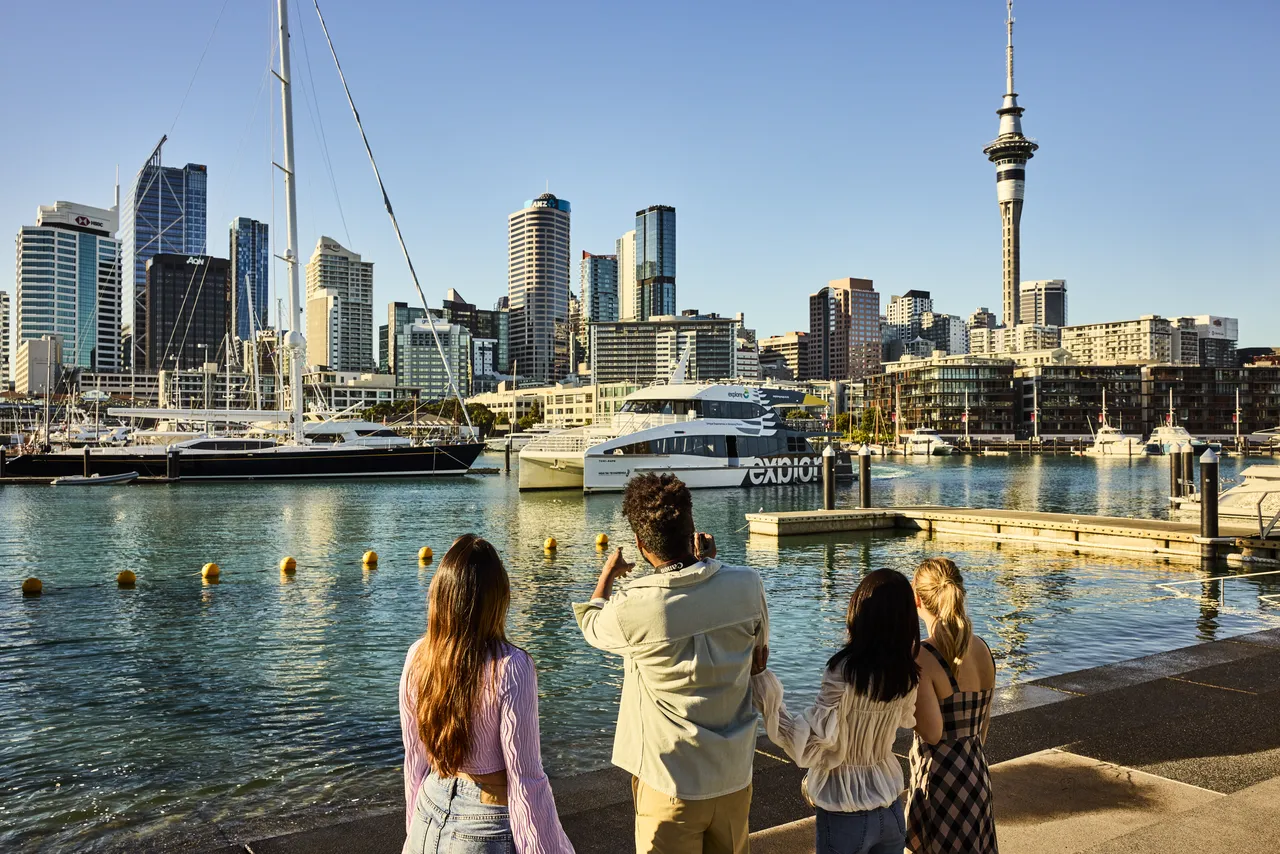
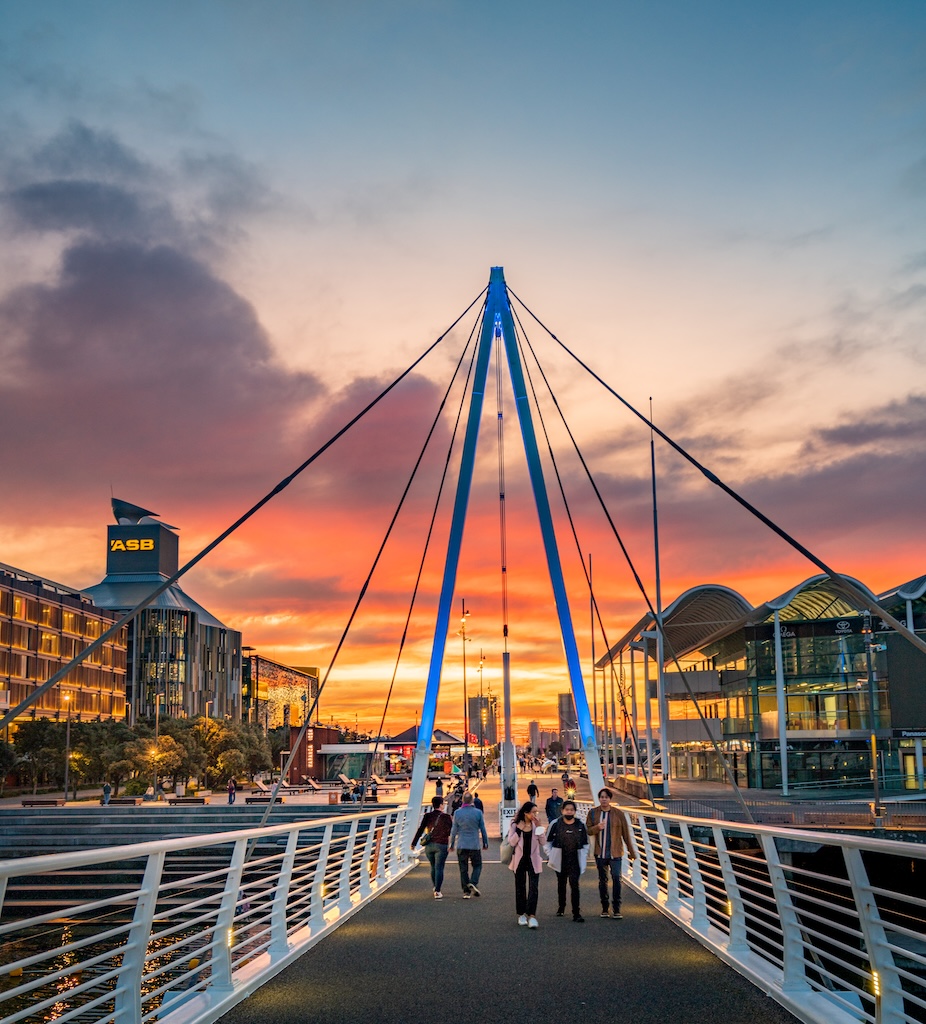
This stretch of reclaimed waterfront, anchored by the bright red container-stacked Silo Park and a long run of restaurants and bars along the marina, is Auckland’s best spot for a sunset meal with the harbour and Sky Tower as a backdrop. Soul Bar & Bistro, a long-running Viaduct institution, is a reliable choice if you haven’t booked ahead.
Day Two: Waiheke Island, Devonport and Takapuna
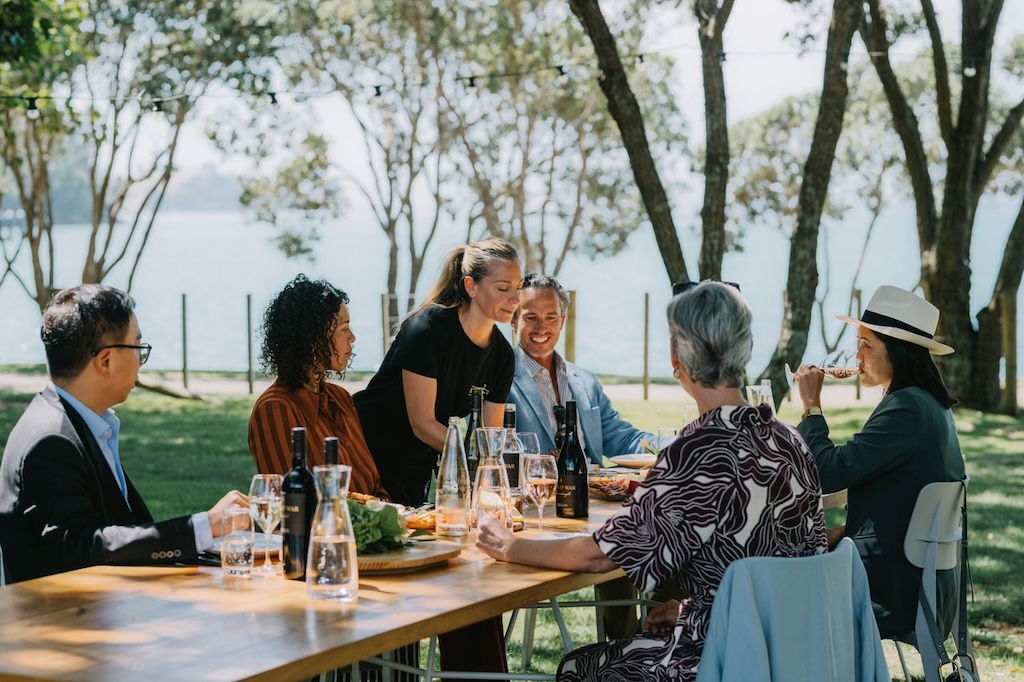
Today we’re headed north, to the winelands of Waiheke Island (a destination should can easily spend a day or two at) and on to some of Auckland’s best swimming beaches.
Breakfast at Oneroa, Waiheke Island.
Catch an early Fullers360 ferry (aim for a 7 am–8 am departure) from the downtown ferry terminal. The crossing, which takes you out past Rangitoto Island and the iconic Bean Rock lighthouse, takes around 40 minutes and delivers you to Matiatia Wharf. From here, it’s a short walk or bus ride to Oneroa, Waiheke’s main village, where you can browse the chic little boutiques before enjoying breakfast at one of Oneroa’s cafés – I’d suggest trying the croissant monsieur at Island Frenchies.
Walk off that indulgence on Oneroa Beach or the quieter Little Oneroa around the headland. Both have calm, sheltered water, making them very popular with families, especially on weekends, and are an easy walk from the village, giving you a proper taste of Waiheke’s laid-back beach culture before the day gets busier.

Now for something a little more grown-up. Waiheke is New Zealand’s most celebrated boutique wine region, and a late-morning tasting is close to compulsory. Mudbrick Vineyard and Cable Bay Vineyards are both a short taxi ride from Oneroa and offer guided tastings with sweeping views over the vines to the Hauraki Gulf.
Alternatively, book one of the insightful wine tasting forays from Ananda Tours, a family-owned and operated icon of the island.
Lunch in the Vines
Stay on at Mudbrick for lunch as the restaurant’s terrace, looking out over rows of vines toward the water, is one of the most scenic lunch settings anywhere near Auckland, and the kitchen’s modern, produce-driven menu matches the setting.
Volcanoes & Naval History
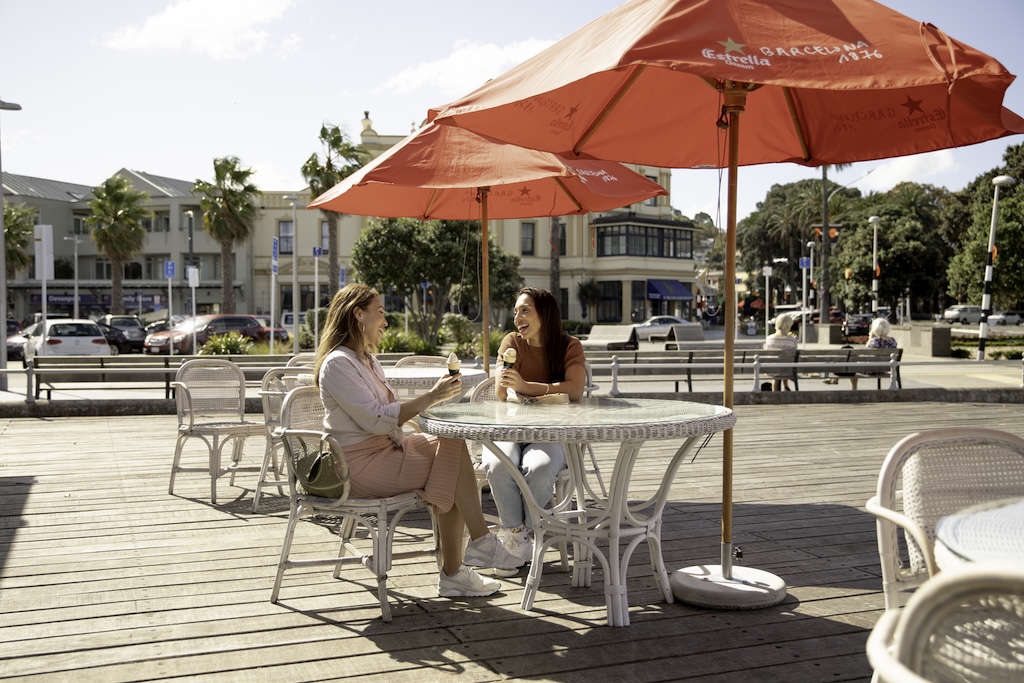
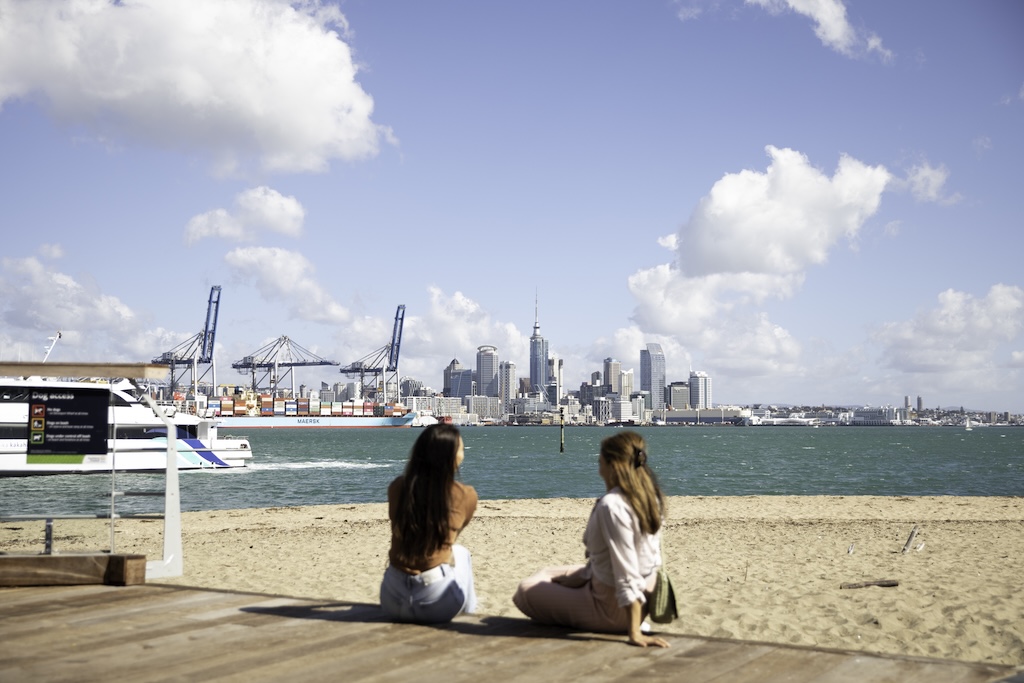
Return to Matiatia for the ferry back to the city — several of the Fullers crossings stop in at Devonport on the way back to the CBD but if yours doesn’t the return sailing from the Auckland Ferry Terminal to Devonport only takes moments (it’s one of the world’s great short harbour crossings). Devonport is a sleepy, elegant harbour village and home to New Zealand’s navy as well as glorious beaches, cafes, parks and a pair of towering volcanic peaks.
From Devonport wharf, it’s a short, steep walk up Mt Victoria (Takarunga), one of the highest volcanic cones on the North Shore. The summit, ringed by old gun emplacements from its wartime defensive role, delivers a genuine 360-degree panorama, with views to the city skyline, the Hauraki Gulf islands and, on a clear day, as far as the Coromandel Peninsula.
Wind back down into Devonport itself and spend an hour wandering Victoria Road, the village’s heritage main street, lined with well-preserved colonial-era shopfronts, independent boutiques and the Navy Museum at nearby Torpedo Bay, which traces New Zealand’s naval history in an attractive waterfront setting.
Dinner By the Sand
From Devonport, it’s a short taxi or bus ride (around 10-15 minutes) further along the North Shore to Takapuna, an upmarket beachfront suburb with one of Auckland’s most attractive urban beaches.
Time your arrival for late afternoon to walk the length of Takapuna Beach as the light softens over Rangitoto, then have dinner at one of the restaurants along the beachfront — Takapuna Beach Cafe, right on the sand, is the local favourite for a reason.
Frequently Asked Questions About Visiting Auckland
Is 48 hours enough time in Auckland?
Two days is enough to get a genuine feel for the city’s range — inner-city villages, a west coast beach, a Hauraki Gulf island and the North Shore — but it’s a fast-paced version. Travellers with more flexibility should consider adding a third day, ideally to slow down the Waiheke leg, which comfortably fills a full day on its own.
Do you need a rental car in Auckland?
Not for the city centre, Ponsonby, Devonport or Takapuna, all of which are well served by walking, ferries and rideshare. You will need a car, or a booked tour, to reach Piha and the wider Waitākere Ranges, since there’s no direct public transport route to the west coast beaches.
Is Waiheke Island a day trip from Auckland?
Yes, it’s a very popular day trip (and one of my favourites), with the Fullers360 ferry taking around 40 minutes each way from downtown Auckland. That said, Waiheke rewards a slower pace, and an overnight stay lets you see more of the island’s wineries, beaches and coastal walks without rushing back for the last ferry.
Is Piha Beach safe for swimming?
Piha is a beautiful destination but it’s also home to powerful surf with strong rip currents, which is why lifeguard patrols daily during the warmer months. Always swim between the red and yellow flagged patrol area when lifeguards are present, and treat the beach with respect as, sadly, plenty of tourists have paid the ultimate price here.
What’s the best time of year to visit Auckland?
I might be a little bias here, but I would avoid Auckland for anything more than a transit visit during winter, when it’s wet and wild and rather miserable. Auckland’s warmest, driest months run from December through March (New Zealand’s summer), which is also the peak season for beach days at Piha and Takapuna and for lifeguard patrols.
The shoulder seasons of October–November and March–April offer milder weather, fewer crowds and lower accommodation prices, with Waiheke’s vineyards especially attractive during autumn harvest. Just do as the locals do and always pack a windbreaker and expect the weather to change throughout the day.
How do I get from Auckland Airport to the city centre?
The SkyDrive express shuttle runs from the airport to SkyCity in the central city roughly every 30 minutes but I’d suggest booking a hotel transfer or taking an Uber for the most convenience, particularly with luggage or after a long flight.
Is Auckland expensive?
Well, it ain’t cheap. Auckland is broadly comparable to other major Australasian cities — noticeably cheaper than Sydney for accommodation, but similar for dining out. Costs rise quickly around peak summer weeks and major events, so booking ferries, vineyard tours and popular restaurants in advance is worth it during the December–February period.
Is Auckland safe for solo travellers?
Yes, Auckland ranks highly for solo and solo female travellers specifically, with safe public transport, helpful locals (who are feriously proud of their home and its international image), and low rates of street harassment. As with any city, it’s sensible to stick to well-lit, populated areas late at night and take normal precautions around personal belongings.
If you’re headed to New Zealand, be sure to ehck out our guide to Auckland’s best luxury hotels and its best day trips, as well as our in-depth dive into Waiheke Island and guides to the best luxury lodges and our favourite New Zealand train journeys.