
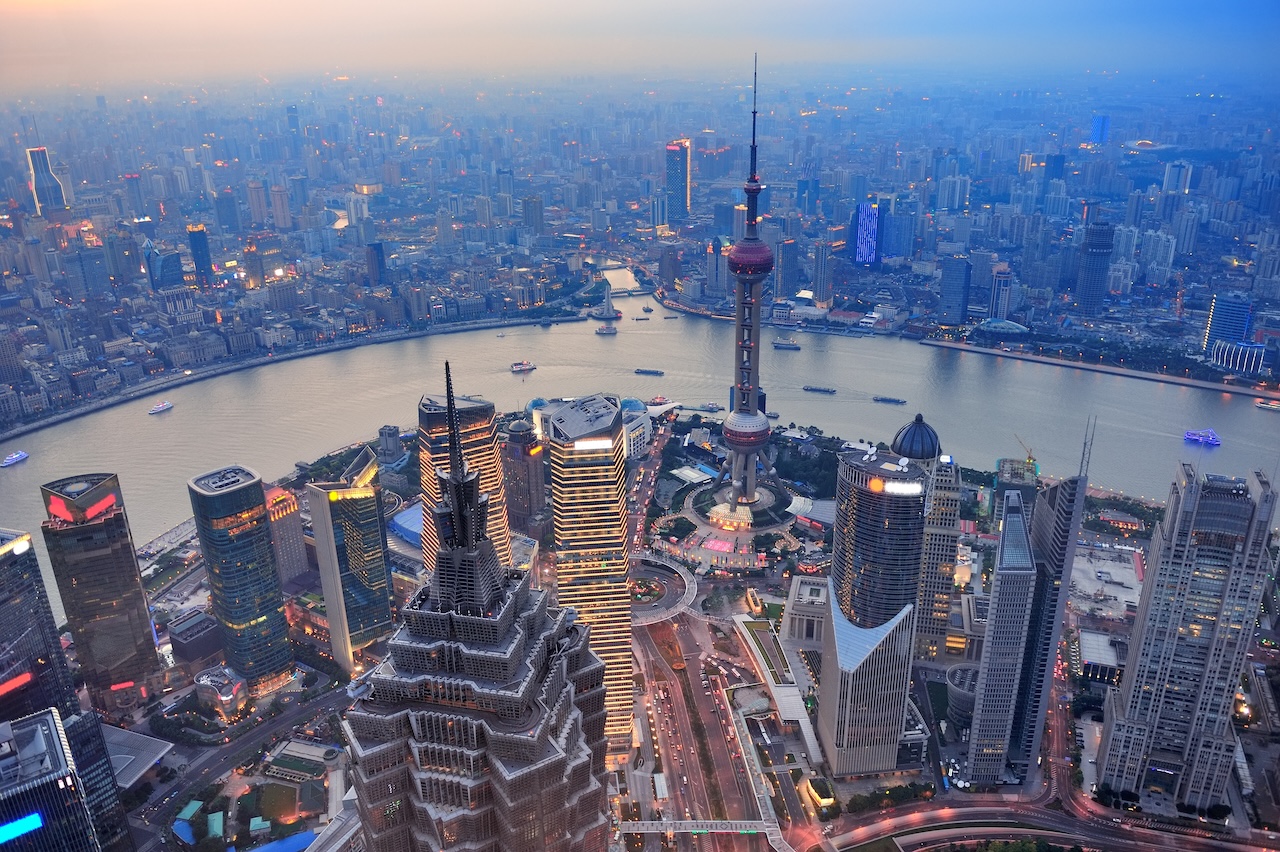

From the French Concession’s plane-tree lanes to the North Bund’s rising skyline, these are the Shanghai neighbourhoods worth building your itinerary around.
Shanghai has long been my favourite city in China. Bold yet elegant, innovative yet respectful to its own heady history, Shanghai is a city that rewards travellers who are willing to explore beyond its iconic skyline and delve into its art-filled lane houses, colonial boulevards, and fast-rising waterfront districts reshaping the city’s river banks.
A City of Distinct Quarters
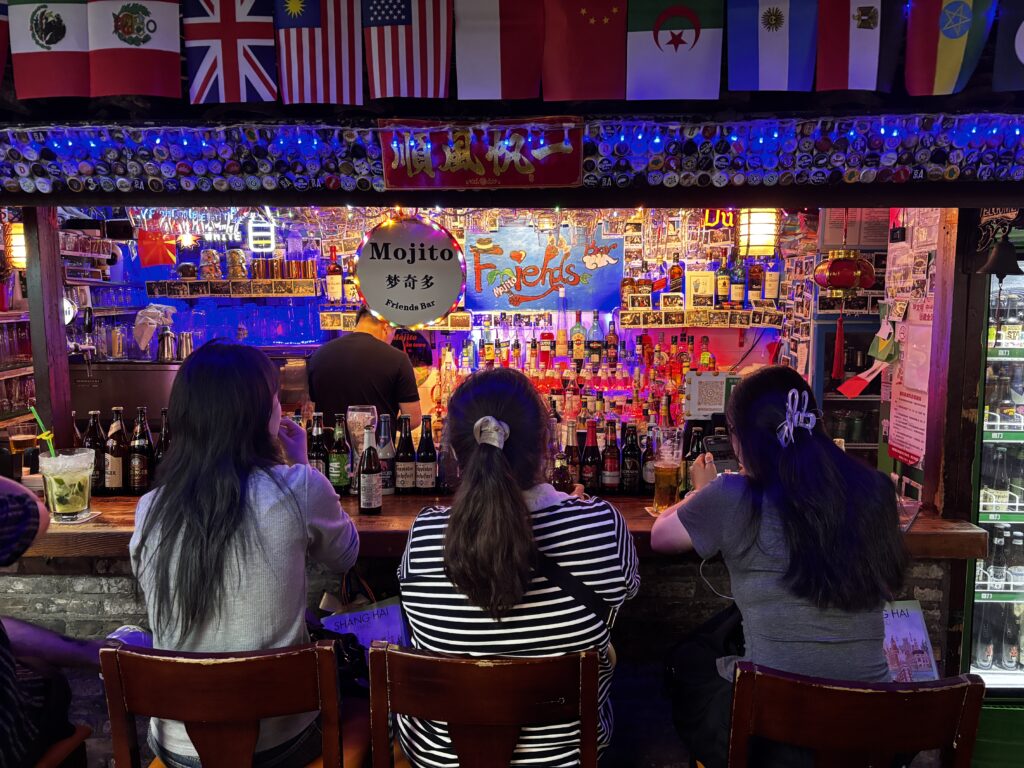
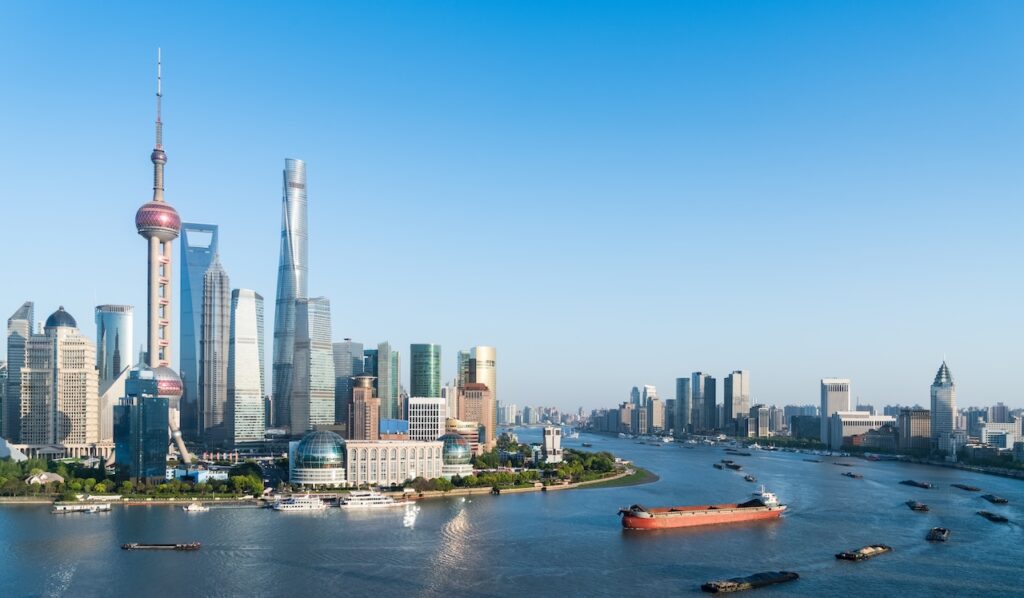
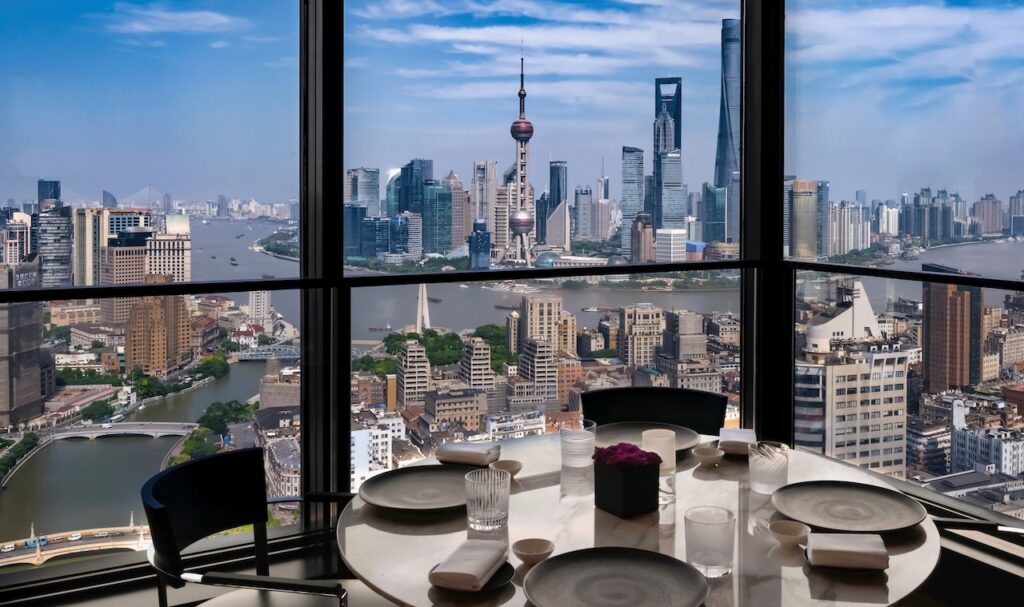
In fact, Shanghai almost resists being seen all at once (and that’s part of its allure). Its skyline — the Bund’s granite facades on one bank, Pudong’s towering skyscrapers on the other — is the postcard image, but Shanghai’s real character lives in its neighbourhoods: the shikumen lane houses of the former French Concession, the artist-run alleyways of Tianzifang, the leafy diplomatic quiet of Wukang Road, and an entire new waterfront district taking shape on the Bund’s northern flank.
Each area has its own architectural DNA, shaped by a specific chapter of the city’s history as an international treaty port, and each rewards a slower pace than the average two-day stopover allows.
What follows is a guide to eight of Shanghai’s most interesting neighbourhoods — where to walk, what to see, where to eat and drink, and who each area suits best. Most sit within the city’s central districts and connect easily by metro or a short taxi ride, which makes neighbourhood-hopping a genuinely practical way to structure a Shanghai stay.
1. The Bund — Shanghai’s Historic Face
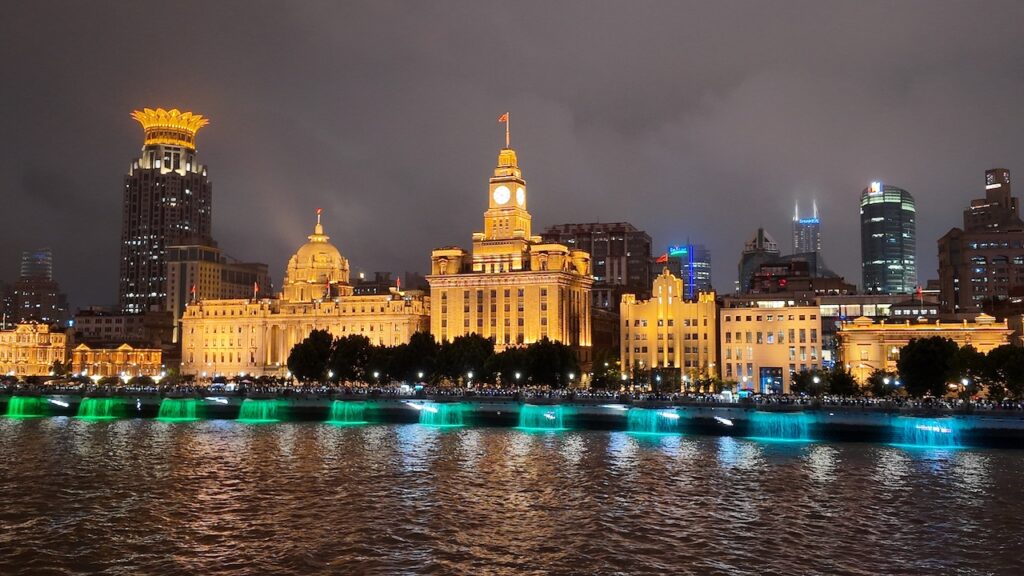
No Shanghai neighbourhood carries more symbolic weight than the Bund, the mile-long curve of the Huangpu River waterfront lined with the granite and limestone banking houses built by European and American trading firms in the early 20th century. Walking its promenade at dusk, with the colonial-era skyline lit gold on one side and Pudong’s futuristic towers glittering on the other, remains one of the most striking urban experiences in Asia.
The buildings themselves — the former HSBC building, the Peace Hotel, the Customs House with its Big Ching clock tower — are worth studying up close as well as from across the river; several now house museums, luxury boutiques and rooftop bars with direct river views.
Where to Eat & Drink
A culinary icon of the district, Mr&Mrs Bund, located within a former bank building at Bund 18 dating back to 1922, is where chef Paul Pairet serves timeless French cuisine set against stunning river views. Here you’ll feast on classic French fare, from chilled seafood to decadent desserts (try the lemon & lemon tart), paired with an enviable wine list.
For something with a more local touch, try Sheng Yong Xing, long revered for its Peking Duck, which is considered one of the best in the city.
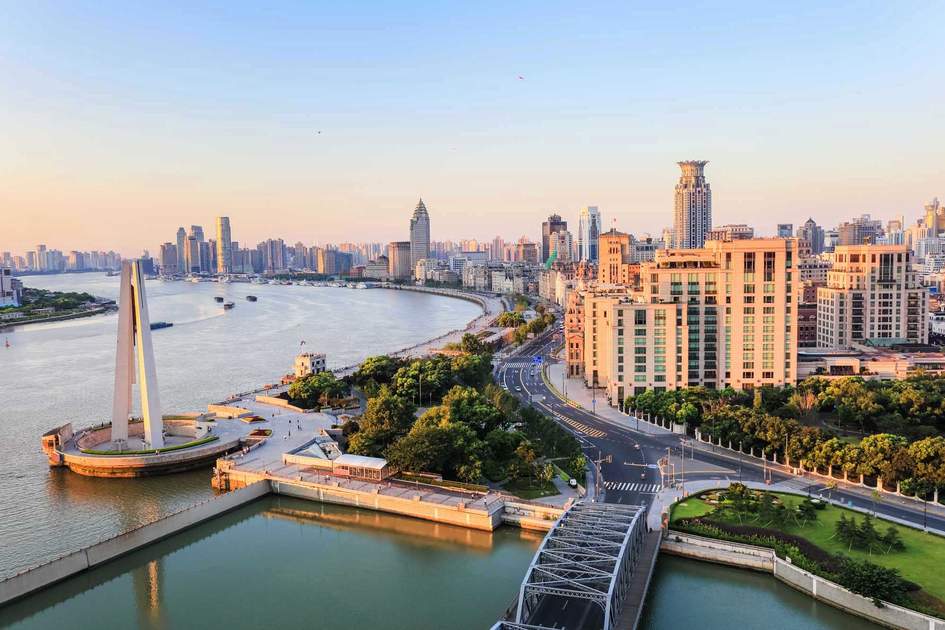
Afterwards, slip into the elegant Jazz Bar at the Fairmont Peace Hotel, home to live music and classic concoctions (try the Puss Month, with gin, rum, Cointreau, and lemon) or soak in the Pudong skyline at another long-standing favourite (and one I’ve spent many a night at), KEV (formerly Bar Rouge). Alternatively, take a walk along the elevated riverside promenade to rub shoulders with travellers from all over China (and more than a few social media stars). It’s also a popular spot for pre-wedding photography at night.
Who It’s For
The Bund is perfect for first-time visitors, architecture and history lovers, and anyone who wants their first Shanghai evening to deliver the view they came for.
2. The Former French Concession — Leafy and Undefinable
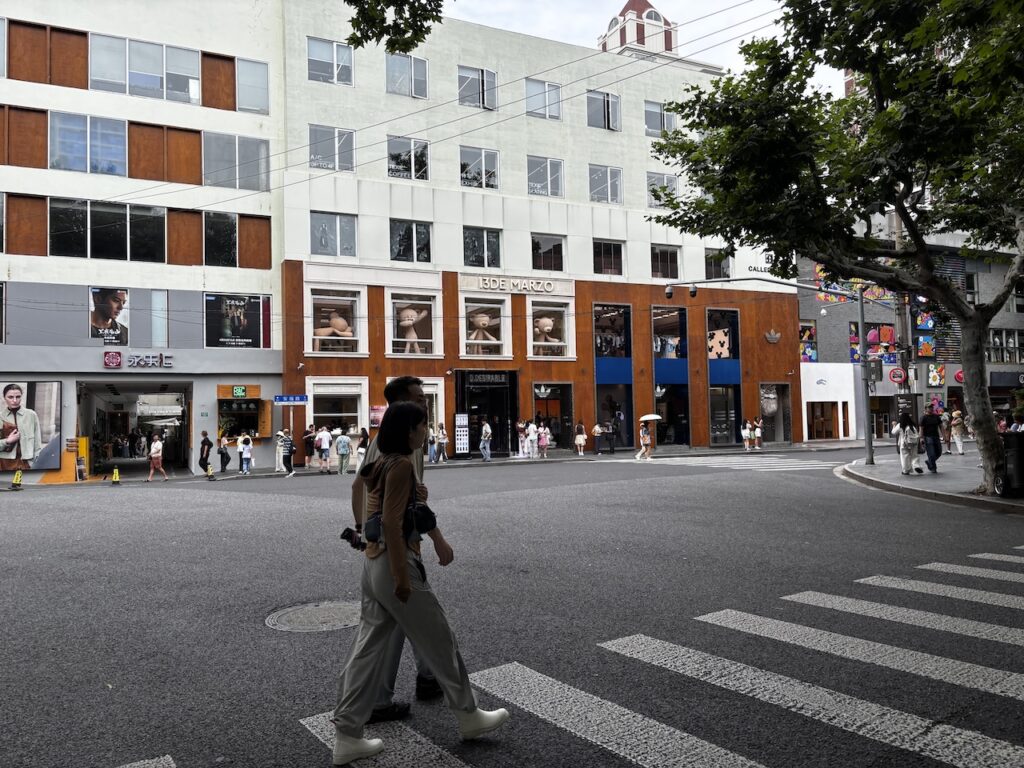
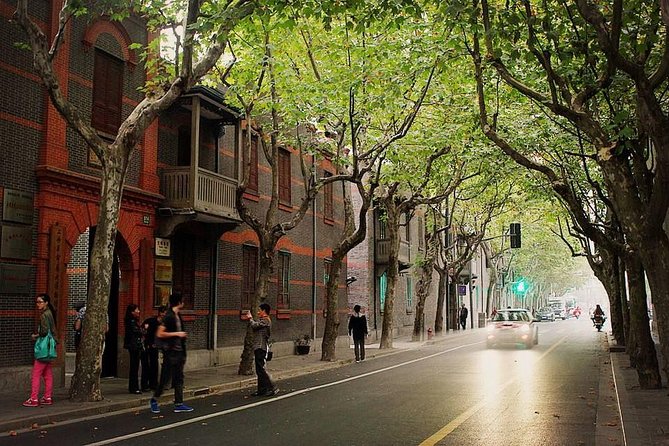
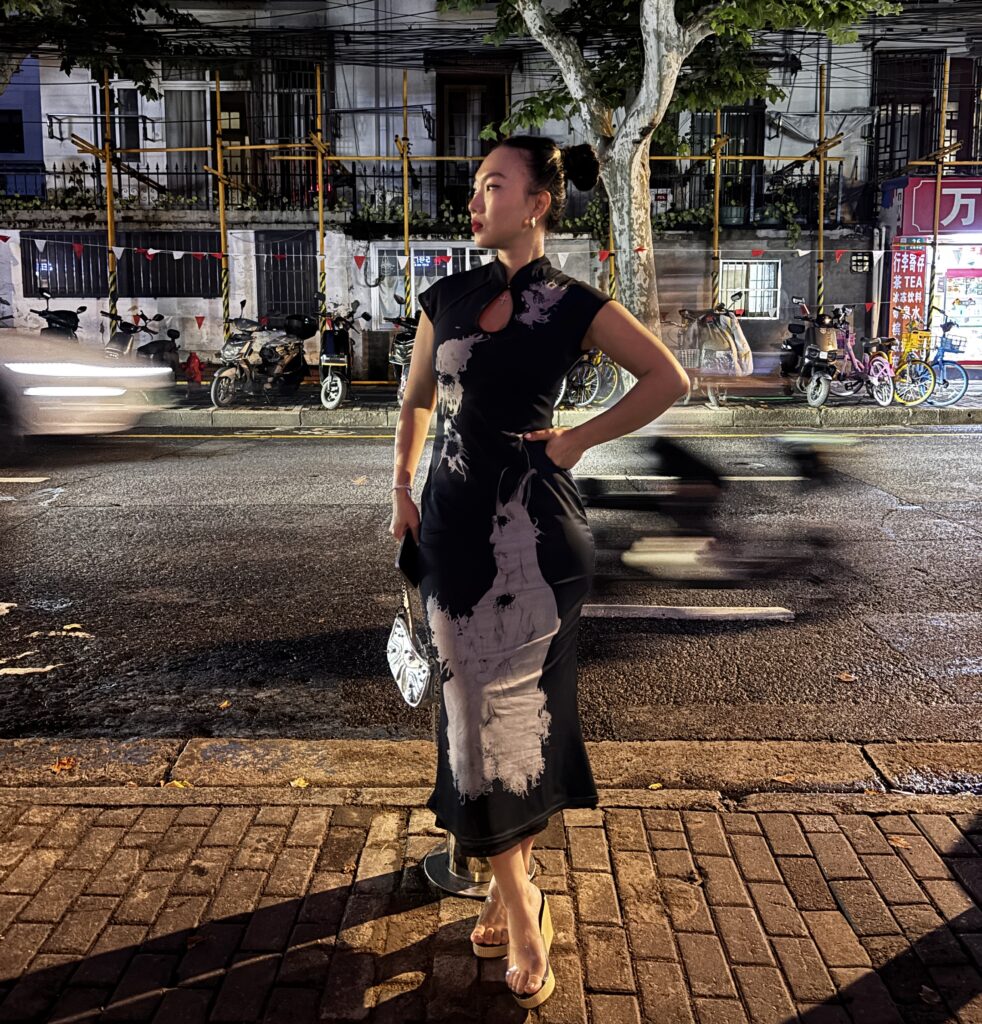
Another of my favourite spots, the former French Concession is less a single neighbourhood than an entire quarter of the city, one made up of plane-tree-lined streets, low-rise European-style villas, and a texture unlike anywhere else in China. Wukang Road, home to 37 protected historic buildings including the distinctive flatiron-shaped Wukang Mansion, is the area’s most photographed stretch and one of Shanghai’s best slow walks. This is also a great shopping district, especially for Chinese luxury brands like Songmont that are making a real impact on local and international markets alike.
Anfu Road, a few blocks east, has become the city’s most concentrated strip of independent boutiques and youth-driven fashion, while Julu Road mixes casual noodle and dumpling stalls with some of the city’s most fashionable restaurants and the Found 158 nightlife complex.
Where to Eat & Drink
Caffie fuels any large metropolis, and the area’s independent coffee culture rivals any city in Asia, but expect queues outside the best-known roasters on Anfu Road, especially on weekend mornings. Try Cafe on Air for something a little less congested. For dinner, Julu Road’s restaurant density means everything from Shanghainese soup dumplings to destination fine dining sits within a five-minute walk. I love Lost Heaven, which specialises in the rather unique combination of Yunnanese and Burmese cuisines, often with a spicy kick.
Who It’s For
The former French Concession is ideally suited for repeat visitors, design and fashion enthusiasts, and anyone who wants to feel like a Shanghai resident rather than a tourist, ideally on foot with no fixed itinerary.
3. Tianzifang — The Artists’ Maze
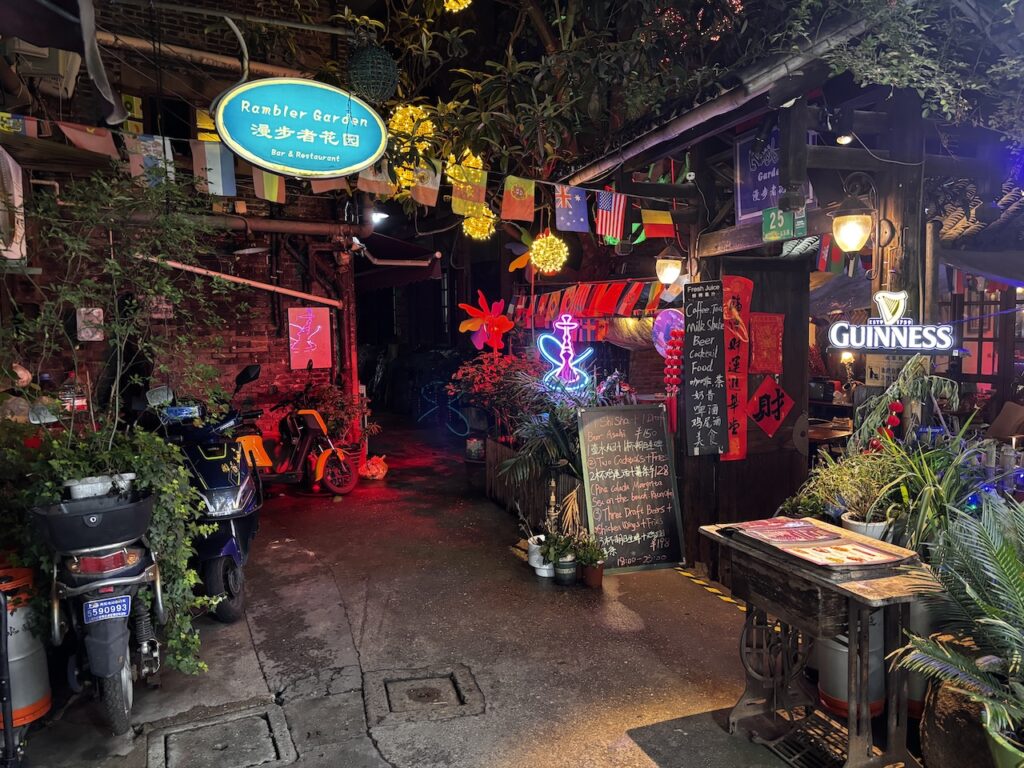
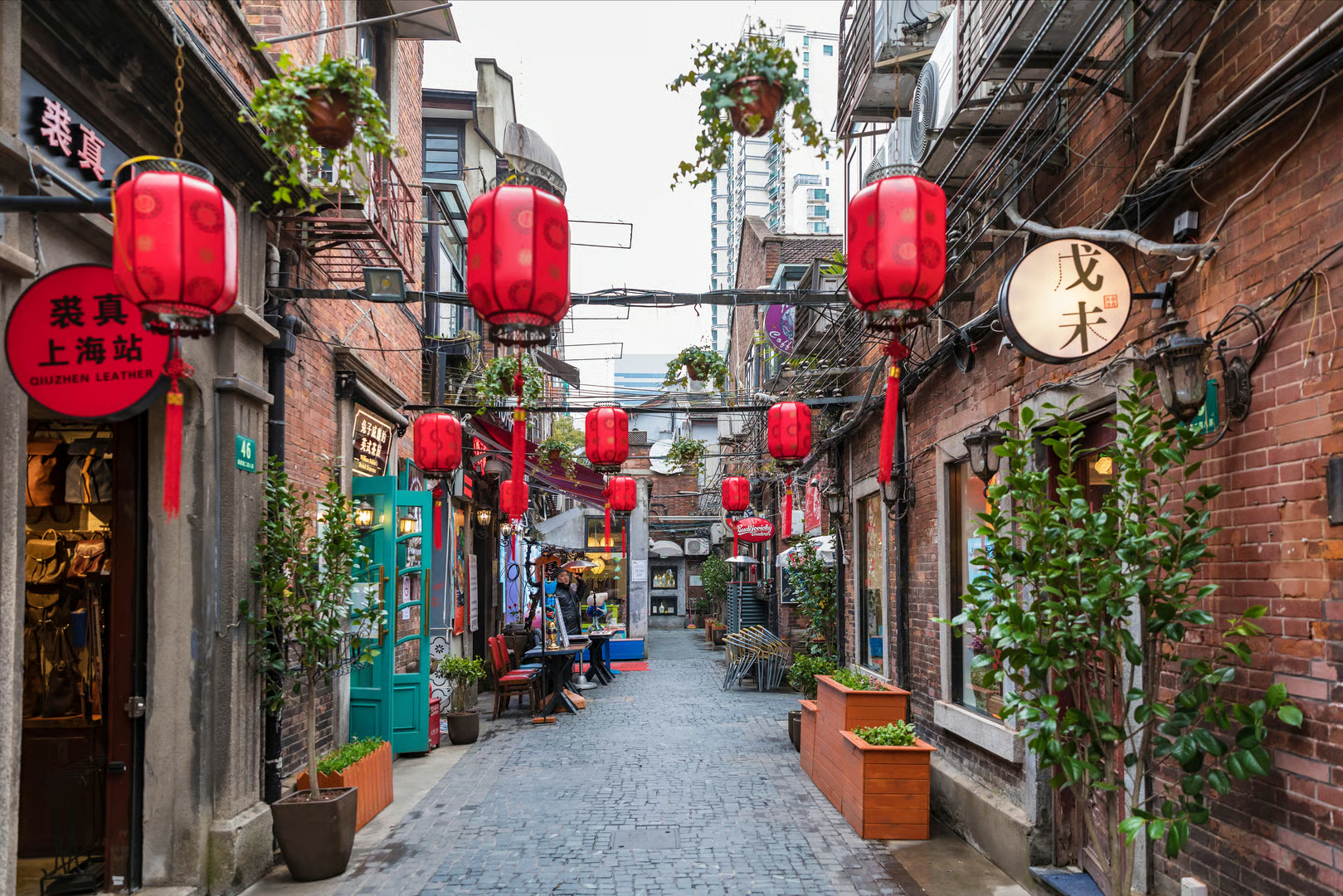
Tucked into a warren of lanes off Taikang Road, Tianzifang began as an informal artists’ colony in the 1990s (it was actually one of the first stories I wrote from China) and has since become one of Shanghai’s most atmospheric — and most crowded — creative quarters.
The 1930s shikumen lane-house structure survives almost entirely intact, but its ground floors now hold a dense concentration of independent design studios, galleries, cashmere and tea shops, and the former studio of painter Chen Yifei, preserved much as he left it. Lane 274, at the district’s heart, has the highest concentration of bars, cafés and outdoor seating.
Where to Eat & Drink
The alleys light up after dark with small bars and cafés spilling onto the cobblestones; arrive on a weekday around 10:30 am if you want the shops without the crowds, or return after 7 pm for the evening atmosphere. Kommune is an Aussie cafe that’s been at the heart of the precinct for the better part of two decades, and it’s great for alfresco dining and people-watching.
Who It’s For
First-time visitors after an authentic lane-house experience will love Tianzifang, as will souvenir and design shoppers, and anyone happy to get pleasantly lost for an afternoon.
4. Xintiandi — Shikumen, Polished
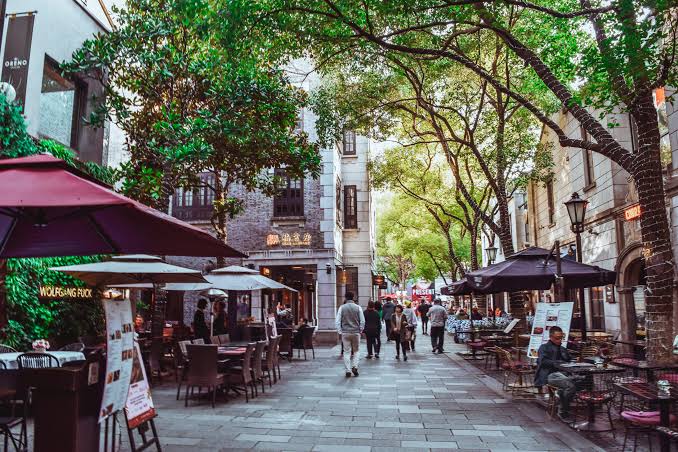
Where Tianzifang kept its lane houses rough around the edges, Xintiandi — meaning “New Heaven and Earth” — restored its shikumen blocks into one of China’s first true lifestyle destinations when it opened in the early 2000s, redesigned by American architect Benjamin Wood alongside Nikken Sekkei.
The North Block preserves the grey-brick walls and stone gateways of the original 19th-century housing, now filled with boutique cafés, premium restaurants and lifestyle brands, while the South Block (still my wife’s favourite destination) leans further into contemporary retail and nightlife. The Site of the First National Congress of the Communist Party of China sits at the district’s edge, a significant historical landmark inside an otherwise thoroughly commercial precinct.
Where to Eat & Drink
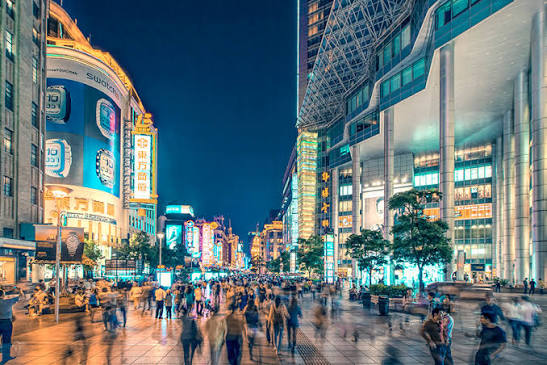
Highline offers great alfresco dining and a menu of quality comfort food, while Michelin-starred Ye Shanghai serves up classic Shanghainese dishes ranging from xiao long bao (soup dumplings) and braised pork belly (hong shao rou), to seasonal hairy crab specialties. After dark, I’d suggest sampling from Sober Company‘s inventive cocktail menu.
Who It’s For
Travellers who want the shikumen aesthetic without the crowds of Tianzifang, and anyone planning a polished evening of dinner, cocktails and people-watching.
5. Jing’an — Temple Meets Luxury Mile
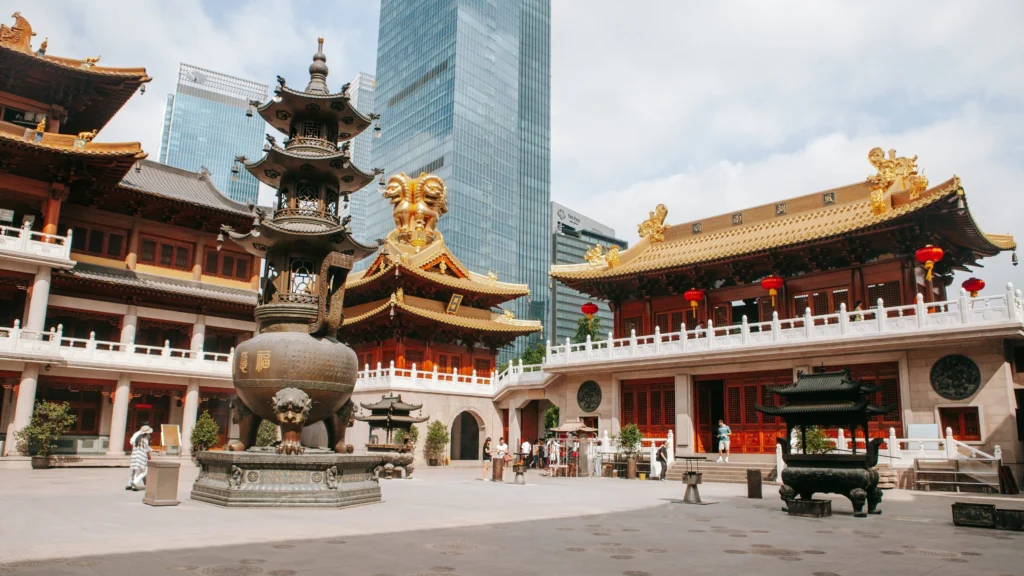
Jing’an compresses one of Shanghai’s more startling visual contrasts into a single city block: an 1,800-year-old Buddhist temple, its gold-leafed roofline framed by Tiffany & Co., LVMH and the Plaza 66 tower rising directly behind it.
Jing’an Temple itself, rebuilt in its current Song-dynasty style in the 1990s, houses China’s largest pure jade Buddha statue and remains an active site of worship despite its position at the centre of Shanghai’s most concentrated luxury shopping strip along Nanjing West Road. A short walk away, the free-entry Jing’an Sculpture Park offers a genuine green pause between rounds of shopping.
Where to Eat & Drink
Plaza 66 and the neighbouring Jing’an Kerry Centre, home to the Shangri-La Jing’an and across from the acclaimed Puli Shanghai, are home to some of the city’s most acclaimed hotel restaurants and international dining rooms — be sure to check out Wakyo, an eight-seat omakase restaurant at The PuLi Shanghai. For something more spiritually grounded, the temple’s own second-floor vegetarian restaurant, open for lunch only, is a quieter and unexpectedly good alternative.
Who It’s For
Perfect for luxury shoppers, travellers based in one of Jing’an’s five-star hotels, and anyone who wants a striking photograph of old and new Shanghai in a single frame.
6. The North Bund — Shanghai’s Next Skyline
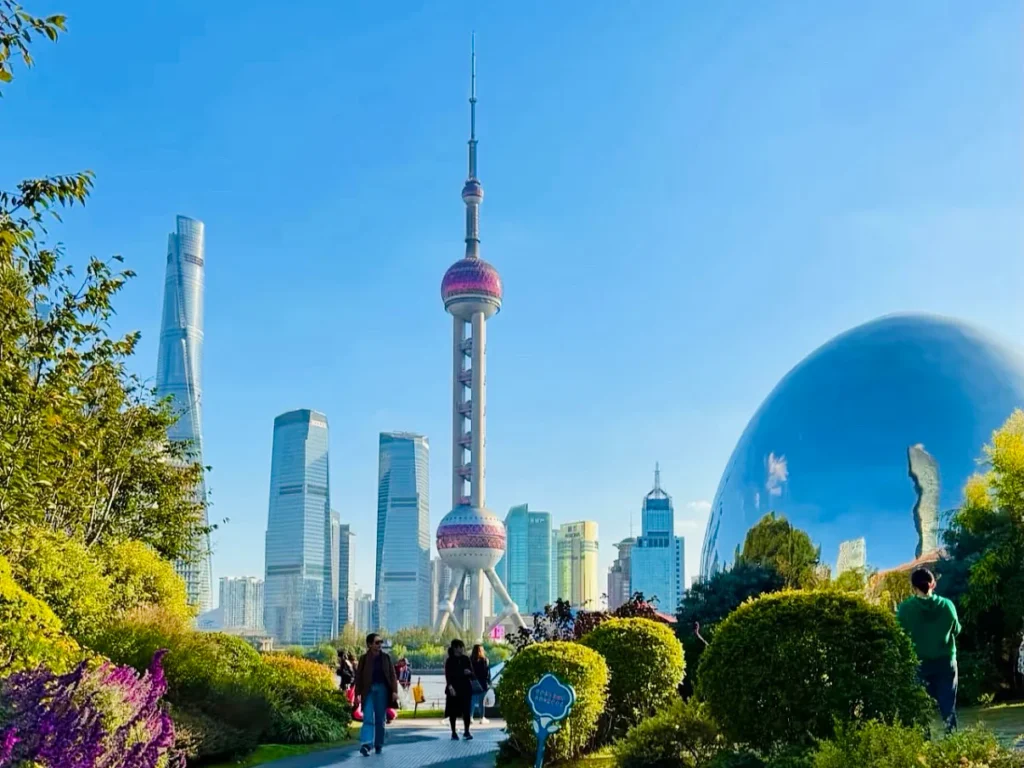
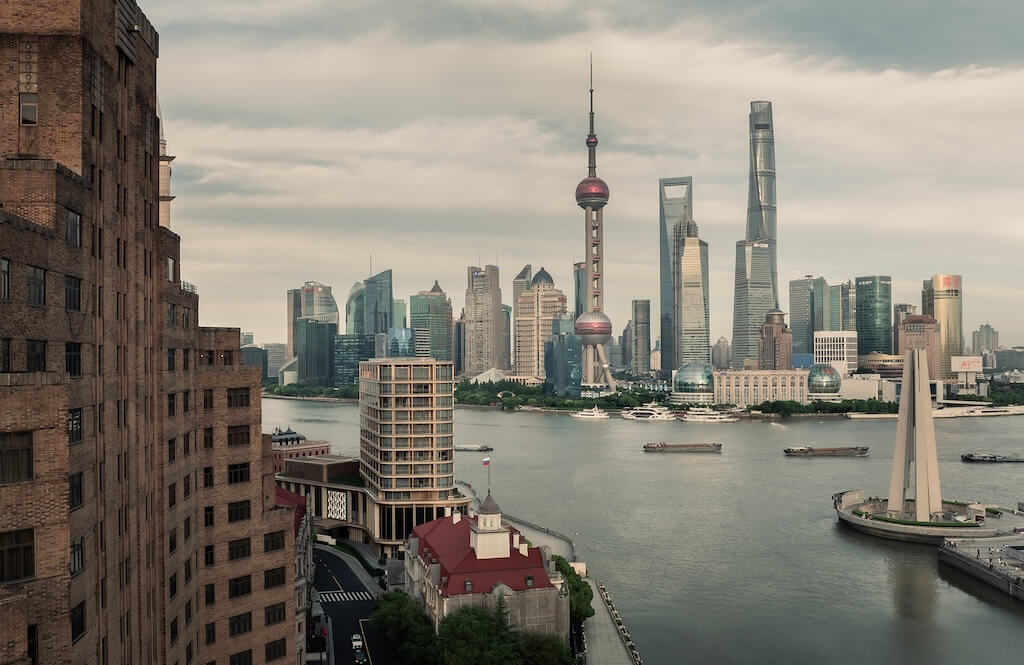
Directly across the Suzhou Creek from the historic Bund, the North Bund is Hongkou district‘s answer to Lujiazui — a still-emerging waterfront of new supertalls, restored maritime heritage buildings and a 2.5-kilometre riverside promenade that includes The Stage, a new observation deck atop White Magnolia Plaza (also known as Sinar Mas Centre) with 360-degree views back across to the Bund’s colonial rooftops and Lujiazui’s towers beyond.
The area’s redevelopment has deliberately preserved rather than erased its history: the former Shanghai Jewish Refugees Museum and the Henry Lester Institute, now reborn as the Design Innovation Institute Shanghai, sit alongside the new towers and the international cruise terminal.
Where to Eat & Drink
The area is still filling in its dining scene, but the promenade itself — quieter and less touristed than the Bund opposite — is one of the best places in the city for an early-evening walk, with several new waterfront cafés and bars opening as the district matures. The Paulaner Restaurant serves comfort food, German beer and views to kill for, while Manner Coffee‘s North Bund outpost is a chic little spot for riverfront reflection.
Who It’s For
The North Bund is for travellers who’ve already done the Bund and want to see where Shanghai’s waterfront is headed next, and anyone chasing an uncrowded skyline photograph.
7. West Bund (Xuhui Riverside) — The Art Museum Mile
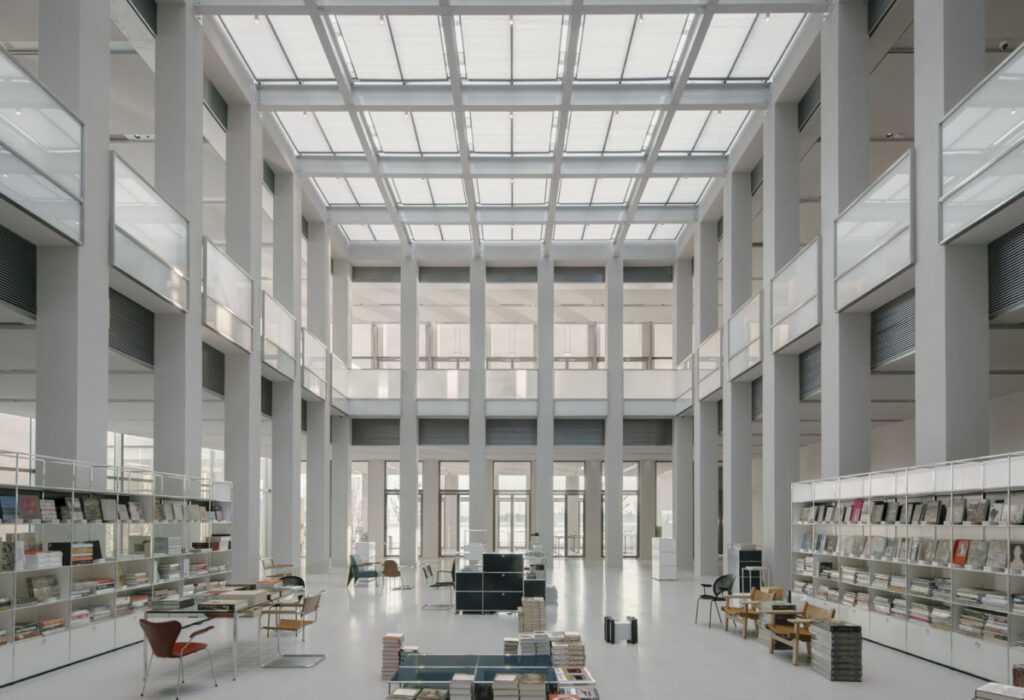
Further south along the Huangpu’s western bank, the West Bund has transformed a stretch of former industrial riverfront and the disused runway of Longhua Airport into China’s most ambitious concentration of contemporary art institutions.
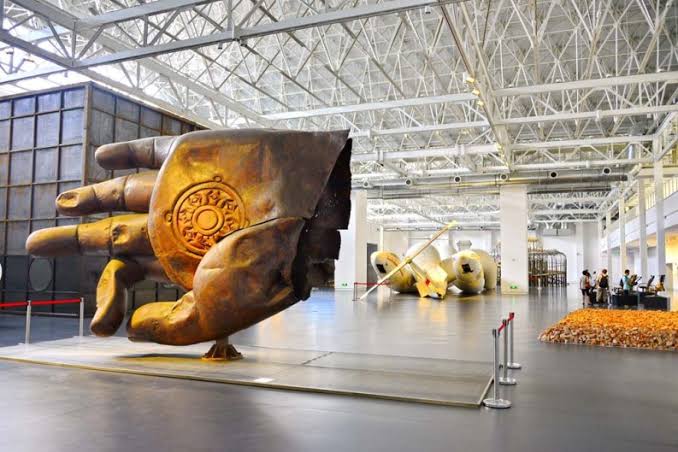
The Centre Pompidou x West Bund Museum, designed by David Chipperfield and hosting major exhibitions drawn from the Pompidou’s Paris collection since 2019, anchors a cultural corridor that also includes the Long Museum‘s collection of Chinese contemporary and revolutionary art and the Yuz Museum, housed in a cavernous former aircraft hangar. Reported investment in the district’s museum cluster runs into the billions of dollars, and the riverside park connecting the sites makes for one of Shanghai’s most pleasant long walks.
Where to Eat & Drink
Museum cafés here are genuinely worth visiting in their own right, and the riverside promenade has a growing cluster of design-led restaurants and coffee spots aimed at the gallery-going crowd rather than tour groups. However, I’d suggest popping over to Isola Bella Italian Cuisine & Bar, with its waterfront views and modern approach to classic Mediterranean cuisine.
Who It’s For
The corner of Shanghai is for art and architecture enthusiasts, and anyone wanting a full day away from the city’s more crowded historic districts.
8. The Old City & Yu Garden — Traditional Shanghai
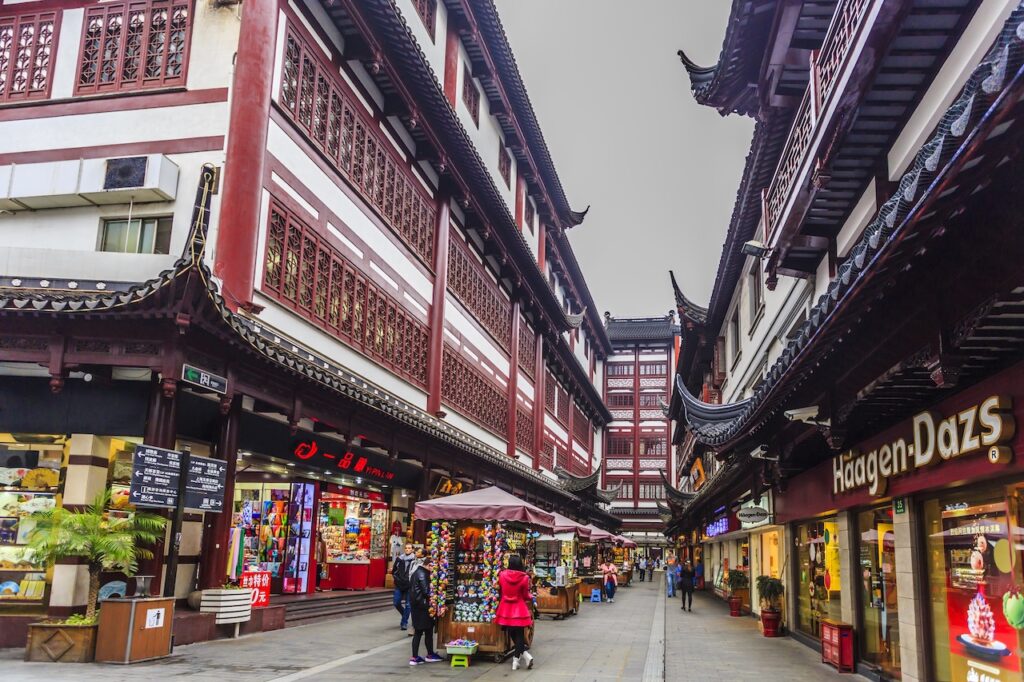
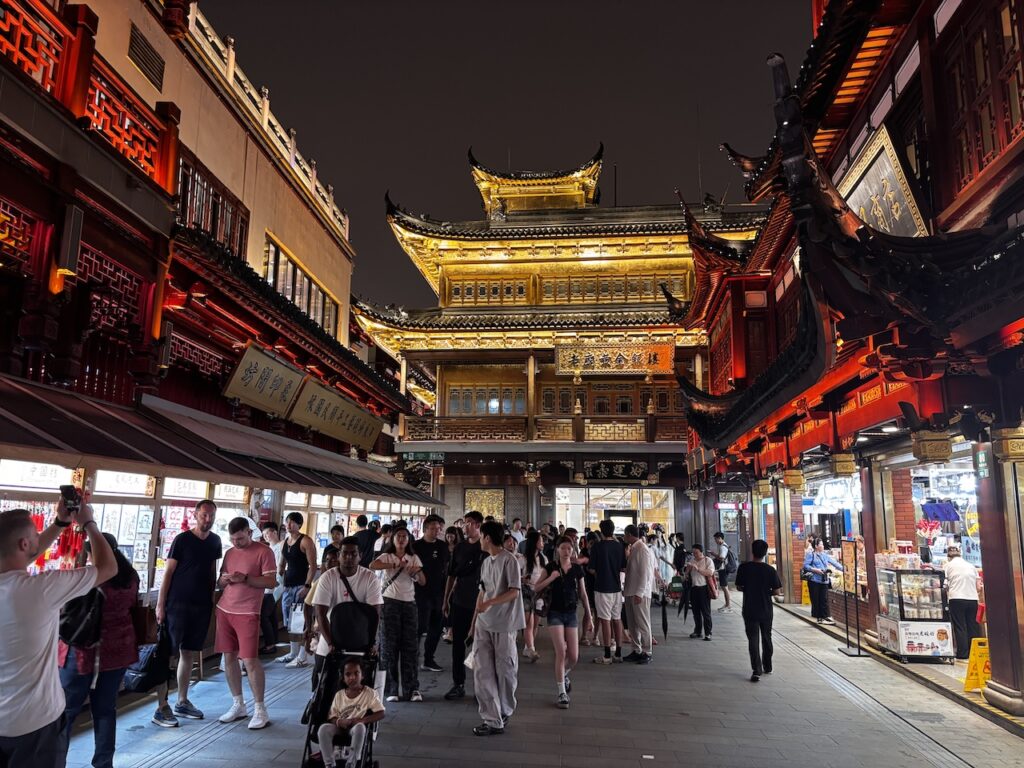
Where every other neighbourhood on this list reflects Shanghai’s treaty-port and international history, the Old City preserves what came before it. Yu Garden, a 400-year-old Ming-dynasty classical garden with more than forty scenic spots of pavilions, rockeries and koi ponds, sits beside the 600-year-old City God Temple, still an active site of local worship.
The surrounding Yuyuan Bazaar, a dense grid of traditional-style buildings now given over to shops selling local snacks, souvenirs, jewellery and antiques, is one of the most crowded but also most essential pockets of old Shanghai. It’s not for the faint-hearted, but it’s a fun spot and popular for period-style photography.
Where to Eat & Drink
Nanxiang Steamed Bun Restaurant, beside the garden’s ornamental Nine-Turn Bridge, claims to serve the city’s best xiao long bao and the queues generally bear that out; Lv Bo Lang, overlooking the garden’s central lake, is the area’s more formal dining option.
Who It’s For
First-time visitors wanting classical Chinese architecture and street-food culture in one visit will love this historic (looking) corner though it’s best tackled on a weekday morning to avoid the heaviest crowds.
How to Choose Your Shanghai Base
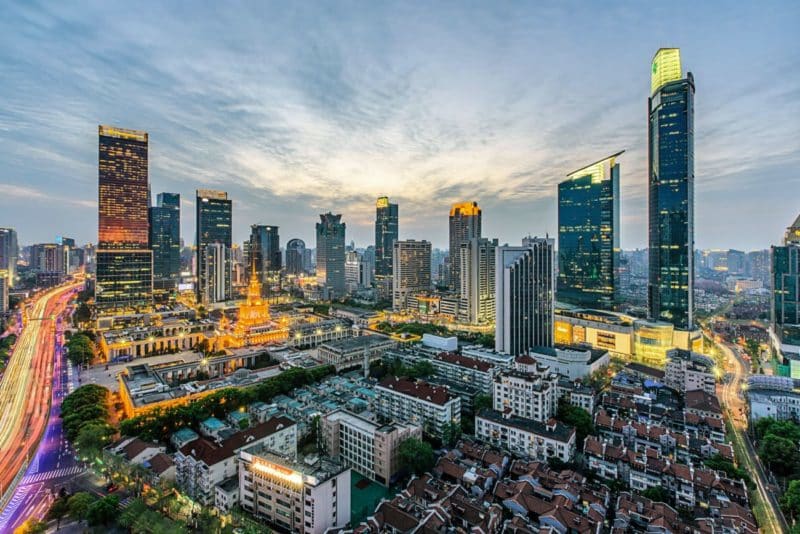
Most visitors will move between several of these neighbourhoods over the course of a stay, and the city’s metro network makes that easy. For a first visit, a base on or near the Bund or in Jing’an puts you within easy reach of the historic waterfront, Nanjing Road shopping and the former French Concession.
For a longer or return stay, basing yourself in the French Concession or near Xintiandi trades postcard views for neighbourhood atmosphere and a genuinely walkable, café-dense daily life. The North Bund and West Bund both reward a dedicated half-day or full day rather than a passing visit, and are best treated as destinations in themselves rather than a base. Tianzifang and the Old City are best visited on weekday mornings, when the lanes and bazaar are at their most navigable, especially with the right China travel apps.
Frequently Asked Questions
Shanghai is a thrilling destination to visit, but it’s also a massive, crowded and often chaotic city, so here are a few answers you might be looking for.
What is the best neighbourhood to stay in Shanghai?
The Bund, Jing’an and the North Bund all put you within easy reach of the city’s major sights and its best hotels. For a more residential, walkable experience, the former French Concession or the area around Xintiandi are the strongest alternatives.
Is Tianzifang worth visiting?
Yes, particularly on a weekday morning before the crowds build. It remains one of the most atmospheric surviving examples of Shanghai’s original shikumen lane-house architecture, even as its ground floors have filled with shops and cafés.
What’s the difference between Tianzifang and Xintiandi?
Both are built around restored or preserved shikumen lane houses, but Tianzifang retains a rougher, artist-colony feel with narrow, maze-like alleys, while Xintiandi is a fully redeveloped, polished lifestyle precinct with international restaurants, boutiques and a more curated nightlife scene.
Is the former French Concession walkable?
Very. It’s the most rewarding part of Shanghai to explore entirely on foot, particularly the Wukang Road–Anfu Road–Julu Road triangle, which can be covered in a three-to-four-hour walking route of around 2.5 kilometres.
What is the North Bund known for?
A fast-growing cluster of new supertalls, a restored international cruise terminal, and a quieter riverside promenade directly across the water from the historic Bund, with a major new observation deck that opened in 2025.
Which Shanghai neighbourhood is best for art lovers?
The West Bund (Xuhui Riverside), home to the Centre Pompidou x West Bund Museum, the Long Museum and the Yuz Museum, is the clear choice, alongside the smaller gallery clusters found around the former French Concession and M50.
How many days do you need to explore Shanghai’s neighbourhoods?
A minimum of four to five days allows one full day each for the Bund and Old City, the former French Concession and Tianzifang, Jing’an and Xintiandi, and either the North Bund or West Bund, with room to return to a favourite area.
If you’re contemplating a visit to Shanghai, be sure to check out our guides to the best Shanghai luxury hotels (including our recent review of the Hyatt on the Bund), and the best Shanghai boutique hotels, as well as our take on the best China travel apps, the China luxury brands you should be seeking out, and this easy-to-follow 48 Hour Shanghai itinerary.


