
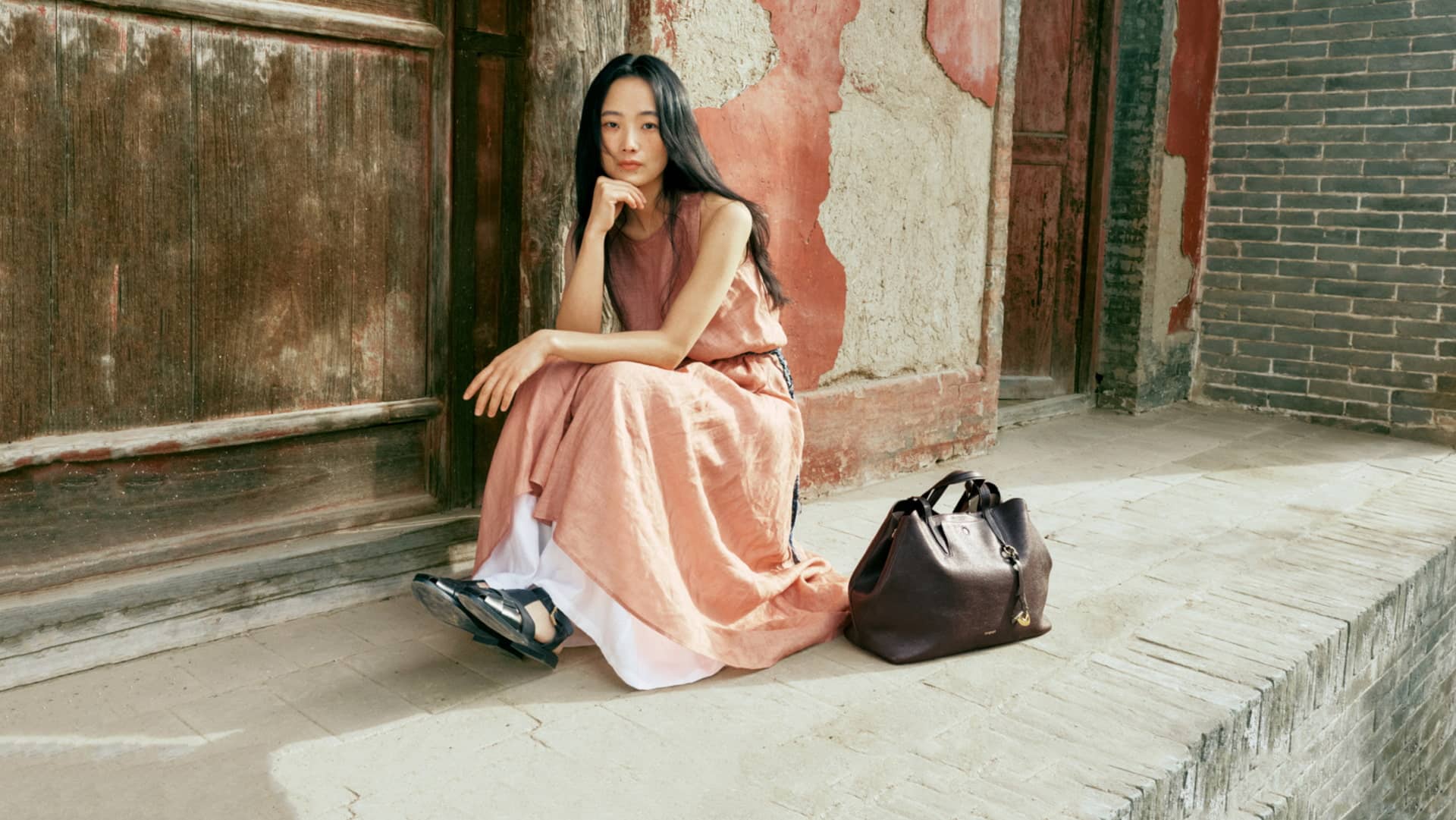

Chinese consumers are quietly turning away from Western logos in favour of homegrown labels. Here’s how the shift happened, and six fashion brands worth shopping at their Shanghai flagship stores.
For two decades, the story of luxury in China was largely a story about European houses selling to Chinese consumers. That story has changed. A new generation of homegrown brands — in fashion, jewellery, beauty and, most strikingly, the car industry — has moved from niche curiosity to genuine competitor, and in some categories, outright market leader.
Understanding why matters for anyone travelling through Shanghai today, where the most interesting shopping increasingly happens not in the international flagship stores of Nanjing Road, but in the design-forward boutiques of the former French Concession and Xintiandi.
From Guochao to Genuine Competition
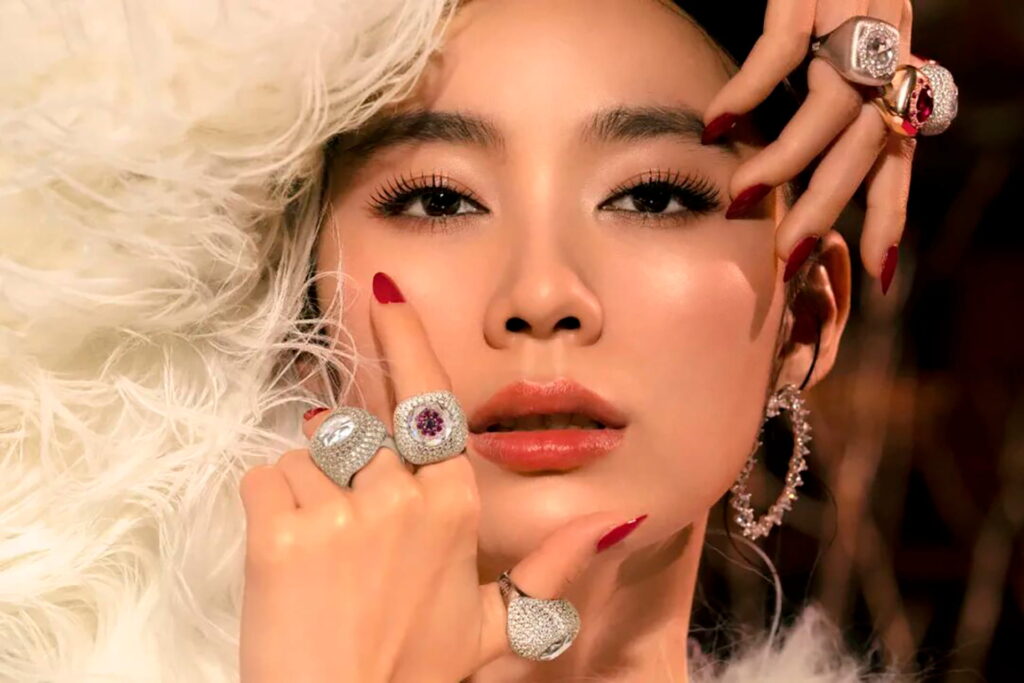
This shift actually has a name. Guochao, translating literally as “national trend”, is a movement that began around a decade ago as a wave of nationalist-inflected streetwear and has since matured into something far more consequential. What started as brands slapping Chinese characters and heritage motifs onto sneakers and T-shirts has evolved into genuinely sophisticated design married to real cultural depth. This means intangible heritage crafts, classical aesthetics and materials reinterpreted for a contemporary, design-literate audience.
Industry research suggests that around 80% of China’s Gen Z consumers now actively engage with guochao-aligned brands and products, a figure that would have seemed implausible a decade ago.
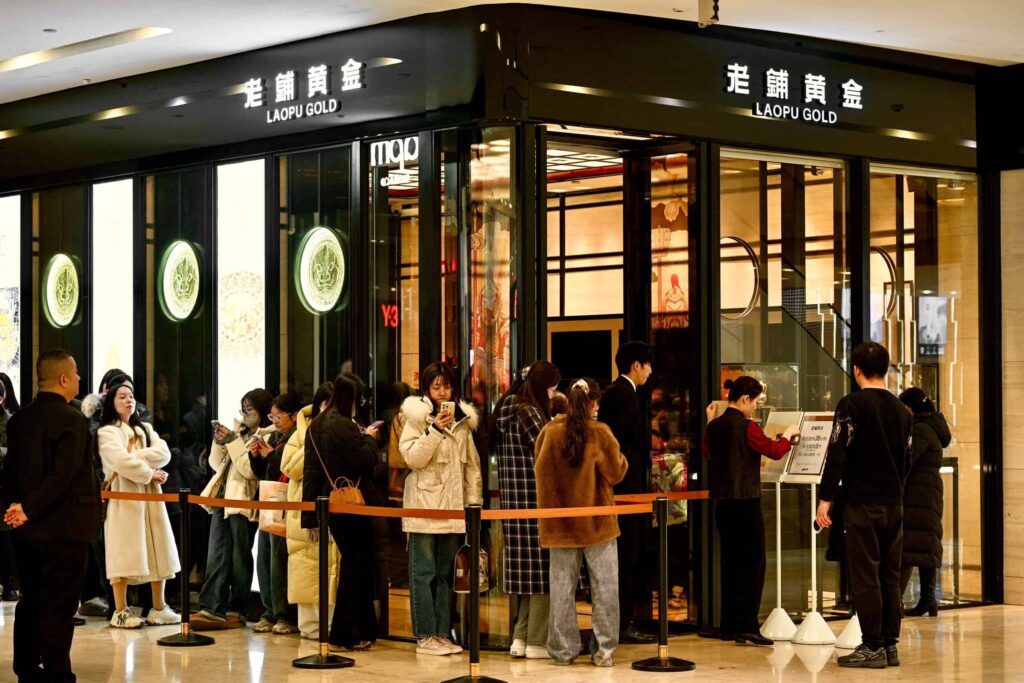
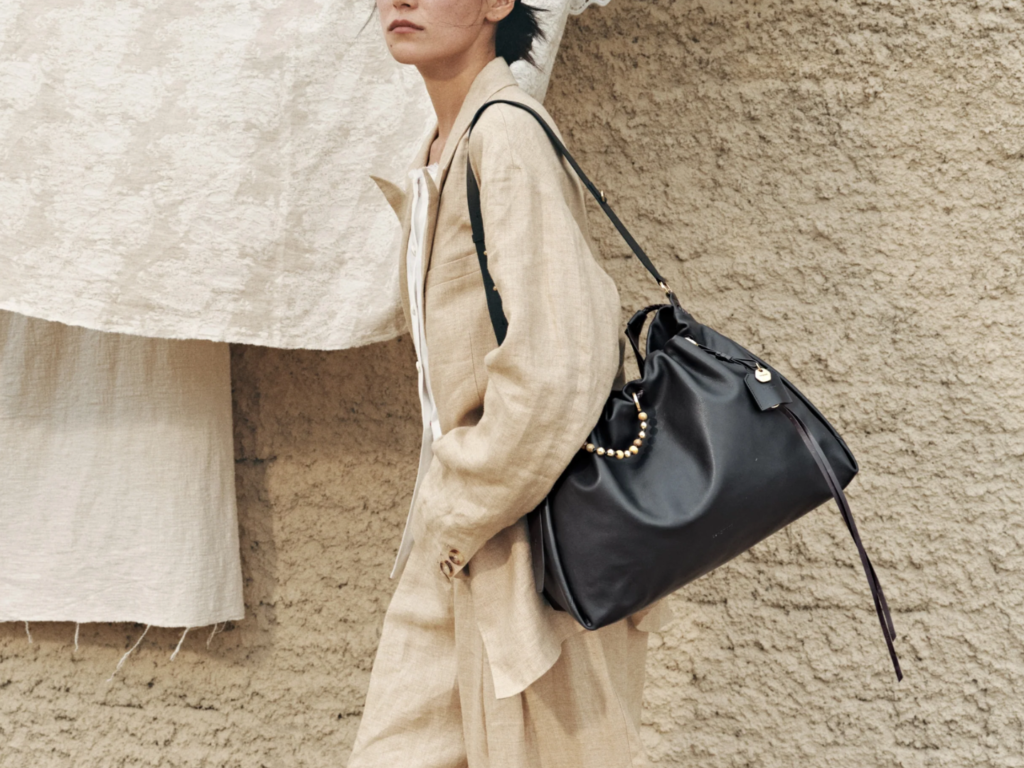
The numbers behind individual brands are striking. Songmont, the handbag label at the centre of this movement, posted online sales growth of more than 90% through the first three quarters of 2025, a growth rate most Western luxury houses can only envy in the current climate. Meanwhile, Laopu Gold, the jewellery brand that has become one of the most talked-about Chinese luxury success stories, multiplied its revenue roughly sevenfold between 2022 and 2024 and beauty label Maogeping doubled its business in three years.
These are not fringe results; they’re happening while the broader luxury market in mainland China has been contracting, down an estimated 18 to 20% in 2024 before stabilising into a milder decline through 2025, meaning homegrown brands are not simply riding a rising tide, but are taking share directly from established international houses.
The reasoning consumers give for the shift is telling. Surveys and industry analysts increasingly report that Chinese shoppers are not buying domestic brands out of nationalist sentiment alone, or even primarily — they’re buying them because, category by category, the product itself now competes on genuine merit: design, craftsmanship, innovation and price-to-quality, not simply flag-waving.
That distinction is what separates the current wave from the guochao of a decade ago, and it’s why international luxury groups are treating the trend as a structural challenge rather than a passing fashion cycle.
Beyond Fashion: The Car Industry’s Parallel Story
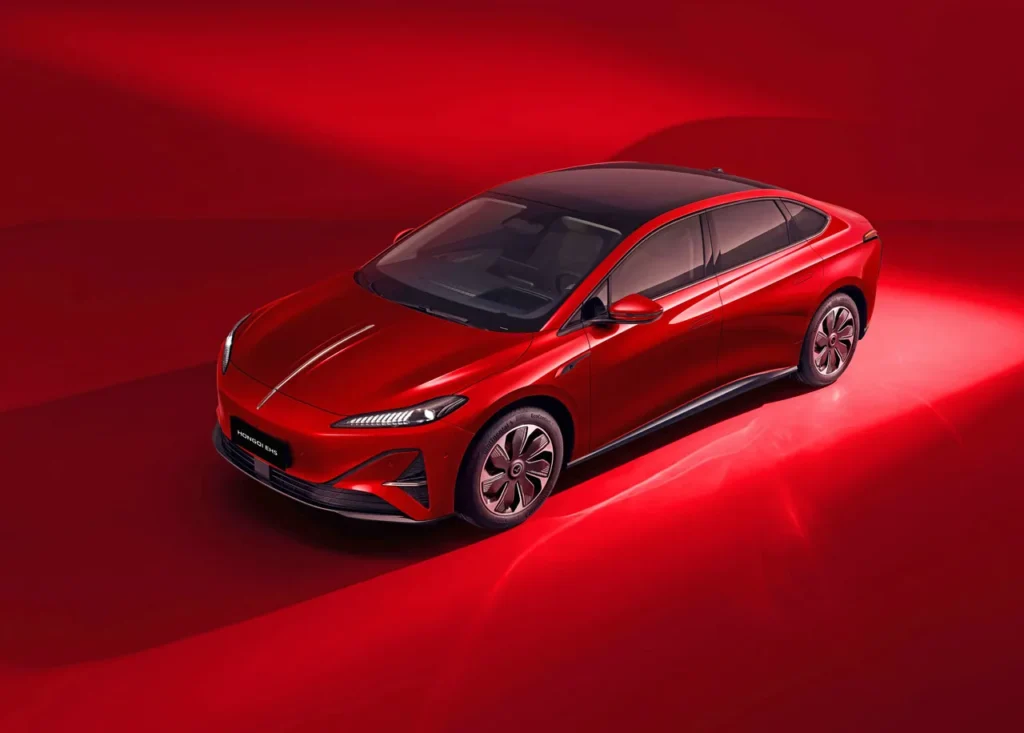
Nowhere is the shift more visible than in the automotive sector, where Chinese marques have gone from budget also-rans to genuine luxury contenders within a single decade. Hongqi — literally “Red Flag,” historically the state limousine marque used for Chinese heads of state — has repositioned itself at the ultra-premium end of the market, its L- and E-series models built around artisan-grade materials and craftsmanship intended to rival established European flagships.
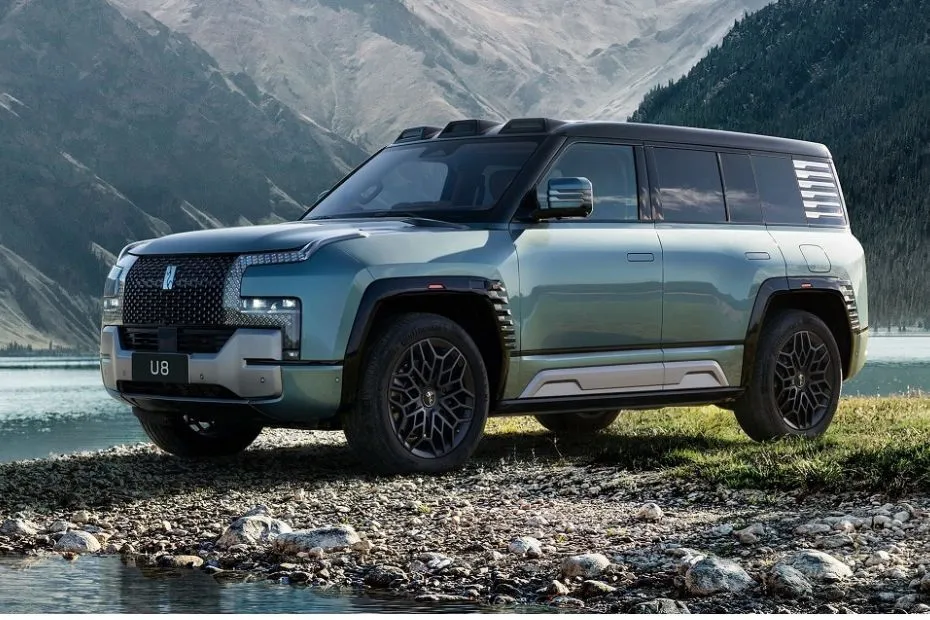
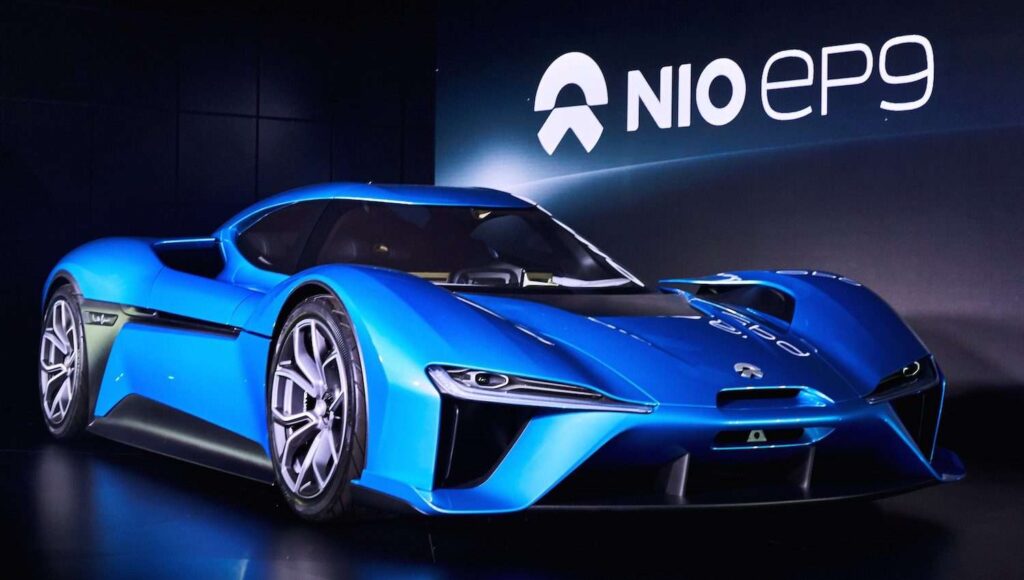
Meanwhile, NIO, the EV maker best known internationally for battery-swap technology, has pushed upmarket with the ET9 executive sedan, explicitly positioned to compete with cars like the Mercedes-Maybach, and BYD‘s Yangwang sub-brand has gone further still with its U8 off-roader capable of a 360-degree tank turn and able to float in emergencies (it’s the only Chinese model to break into China’s top tier of million-yuan-plus ultra-luxury vehicles).
Geely’s Zeekr and a wave of newer premium EV marques have followed a similar trajectory, applying European-inspired design language and genuinely advanced technology to cars built and, increasingly, bought entirely at home.
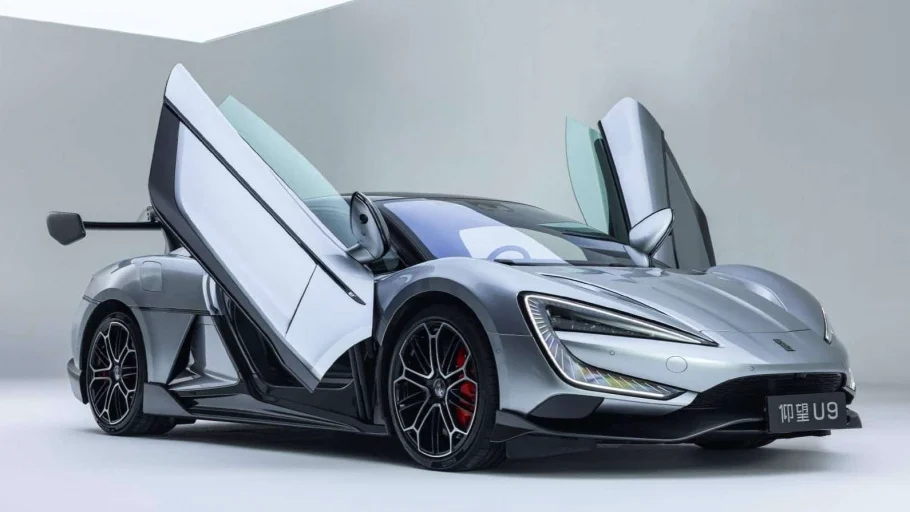
The common thread across cars, handbags and jewellery is the same: Chinese brands are no longer positioning themselves as affordable alternatives to Western luxury. They’re positioning themselves as the more interesting, more culturally resonant, and in a growing number of cases, better-made option, and enough consumers now agree that the country’s own luxury sector has become impossible for international observers, or for travellers, to ignore.
Six Chinese Fashion Brands to Shop in Shanghai
For visitors who want to see this shift firsthand rather than simply read about it, Shanghai remains the best city in China to shop in. Below are six of the most significant homegrown fashion labels, each with a flagship or standout store in the city.
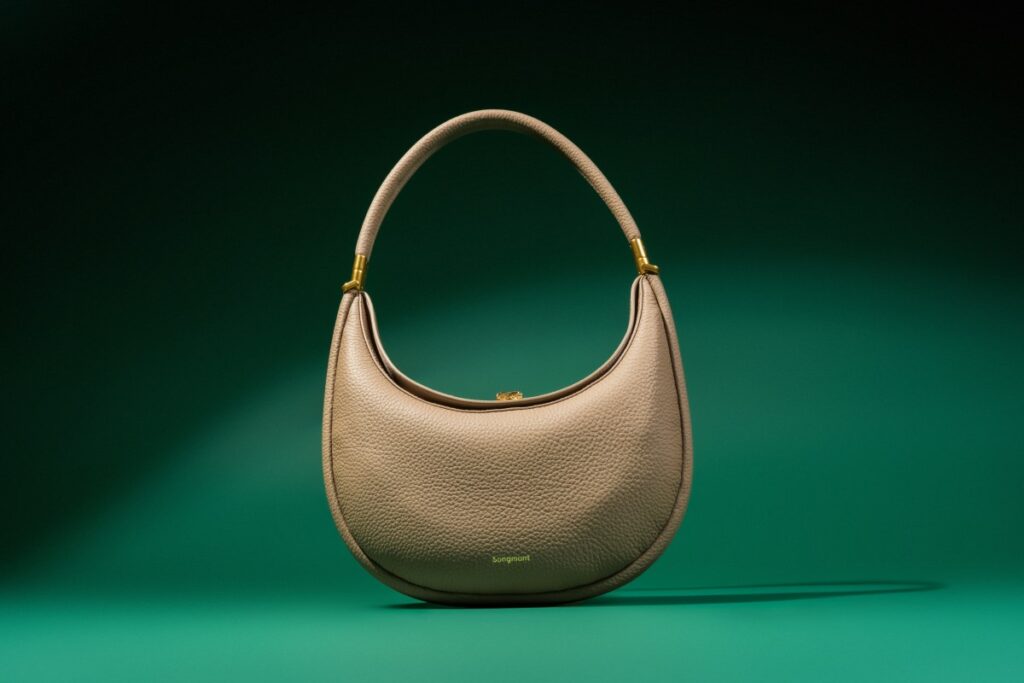
Songmont
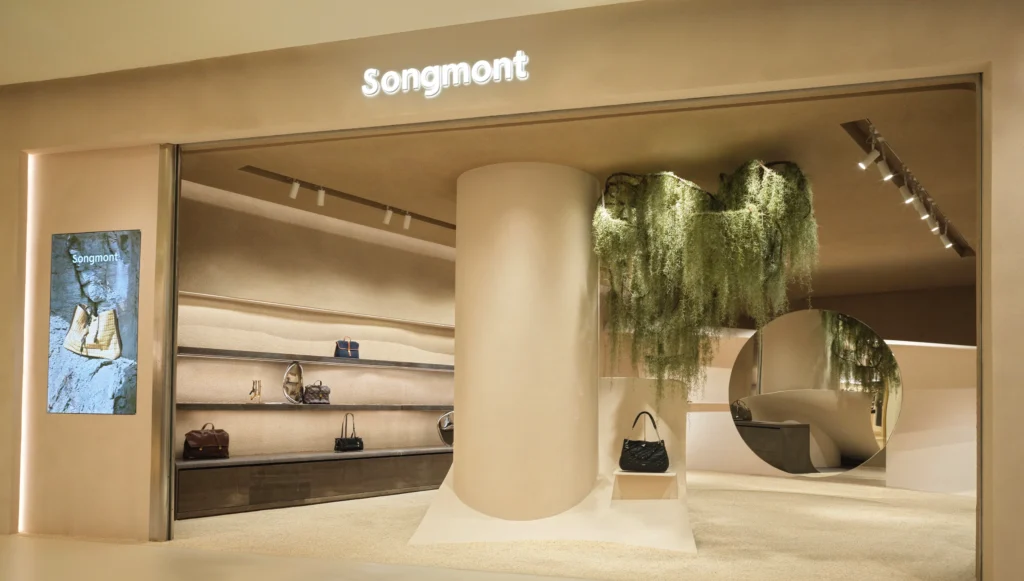
The brand most closely associated with guochao’s shift into genuine luxury territory, Songmont (my wife’s favourite) built its reputation on structured, minimalist leather handbags — most famously its bucket-style “Cloud” bags — that reference traditional Chinese craft techniques without leaning on overt heritage motifs.
Its refreshed flagship, a striking solid-pine-wood-clad store on Huaihai Middle Road, sits in the heart of the former French Concession’s retail strip, a short walk from Xintiandi.
Flagship: 817–819 Huaihai Middle Road, Huangpu District.
Shang Xia
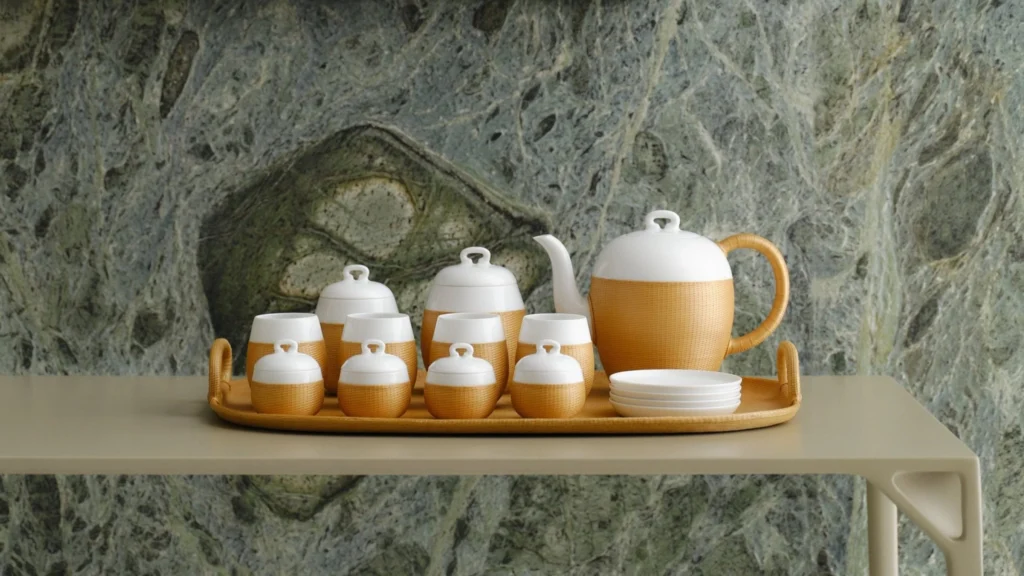
Founded in 2010 by designer Jiang Qiong Er with Hermès as majority backer, Shang Xia was one of the earliest and most credible attempts to build a genuinely luxury Chinese lifestyle brand — one drawing on Ming-dynasty aesthetics, traditional materials like Tibetan yak wool and zitan wood, and museum-grade craftsmanship applied to fashion, jewellery and homeware.
Its Shanghai maison occupies a red-brick, French colonial-era building dating to 1912, reworked with an all-white interior and translucent faceted fabric detailing.
Flagship: 233 Huaihai Middle Road, Xintiandi.
Ms MIN
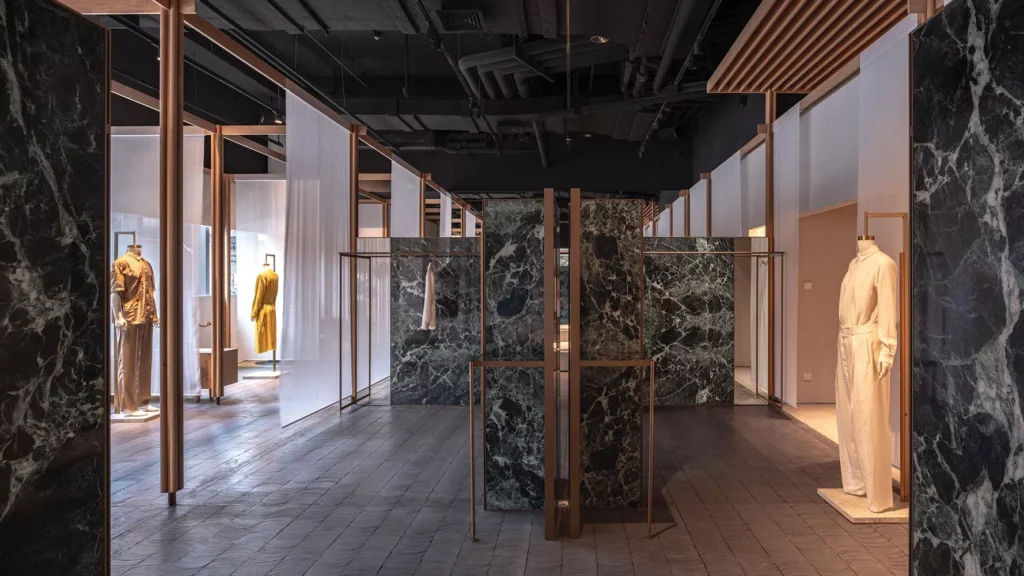
Designer Min Liu’s eponymous label is one of the more internationally recognised names in Chinese contemporary fashion, known for architectural tailoring and a muted, sophisticated colour palette that has drawn comparisons to Jil Sander and The Row.
Her first China boutique occupies a prime, dimly-lit, gold-accented space inside the Shanghai Centre on Nanjing West Road, directly beside Christian Louboutin, a telling piece of retail positioning.
Flagship:Shop 127, Shanghai Centre, 1376 Nanjing West Road, Jing’an District.
Uma Wang
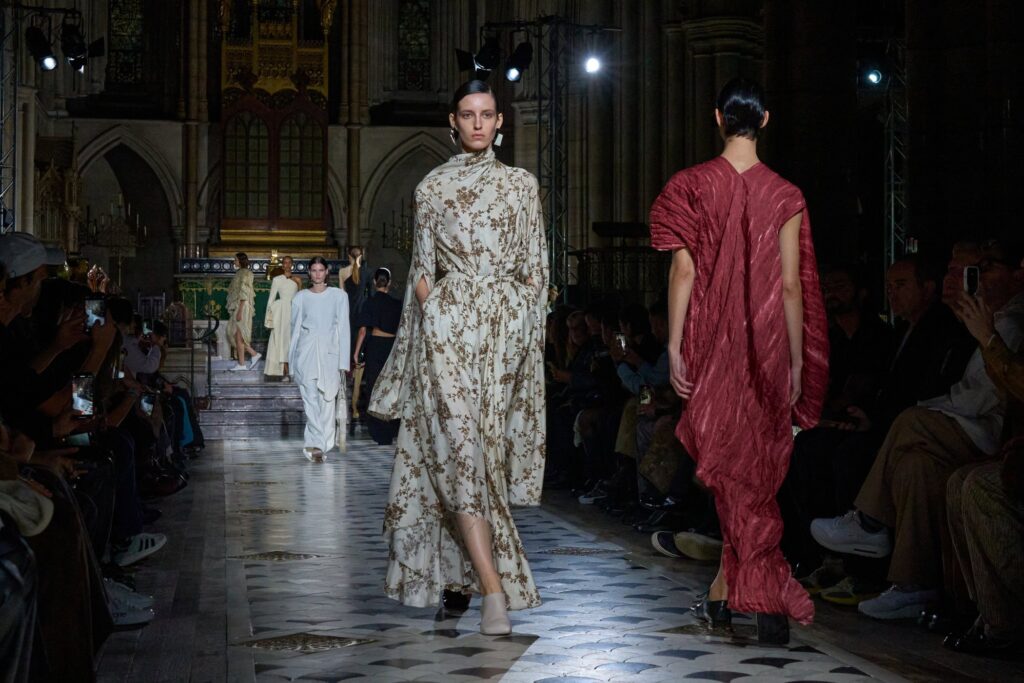
One of the most critically respected names to emerge from China’s avant-garde fashion scene, Uma Wang is known internationally for textured, texturally rich fabrics and a moody, painterly aesthetic that has shown on schedule at both Milan and London Fashion Weeks.
Her first Maison store brings the full brand universe together, stocking her main collections alongside curated homeware and objects from labels like Astier de Villatte.
Flagship: 299 Fuxing West Road, Xuhui District.
Comme Moi
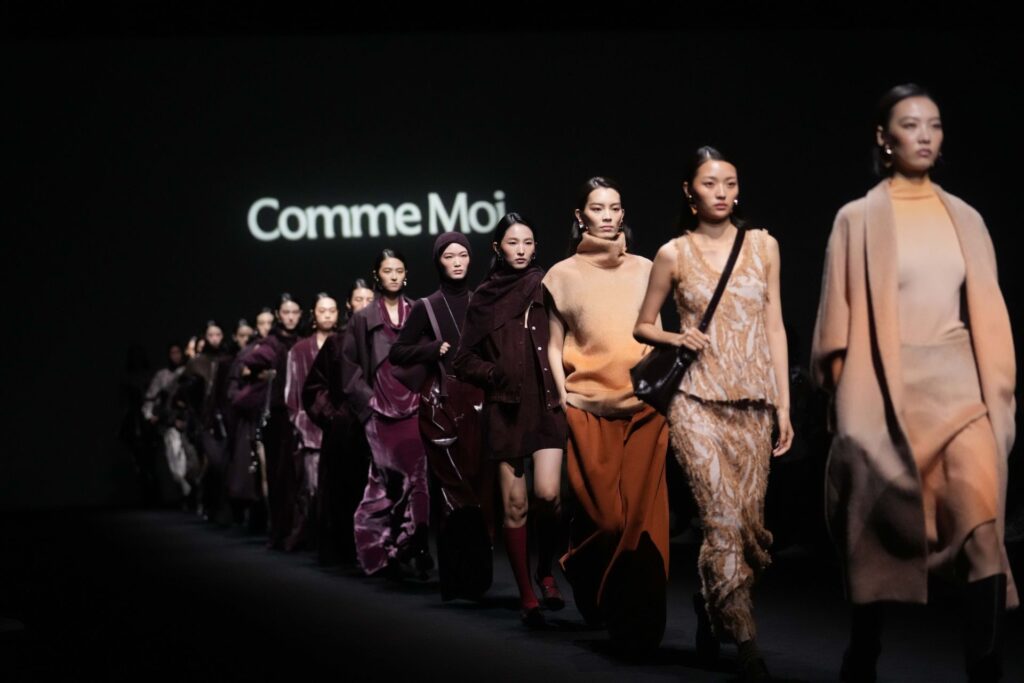
Founded by former Chinese supermodel Lu Yan, Comme Moi built its identity on relaxed, logo-free luxury aimed squarely at Shanghai’s fashion-literate, non-ostentatious buyer.
Its flagship, designed by celebrated local studio Neri&Hu, is set inside the 1925 Art Deco Donghu Hotel, its interior built around a continuous clothing rail threading through four sequential heritage rooms, making it one of the more architecturally significant retail spaces in the city.
Flagship: Donghu Hotel, 70 Donghu Road, Xuhui District.
Icicle
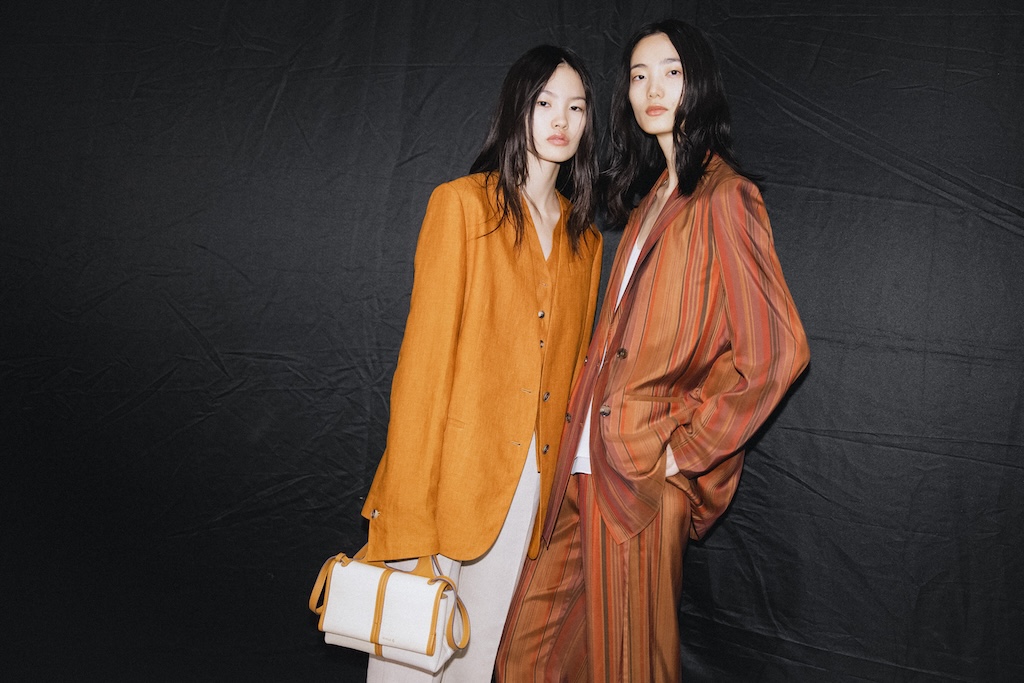
Founded in Shanghai in 1997 and now one of China’s most commercially successful “conscious luxury” labels, Icicle forged its identity around sustainable materials and a quiet, natural aesthetic well before sustainability became a mainstream selling point in Chinese fashion.
Its two-storey, 800-square-metre flagship inside Shimao Plaza on Nanjing East Road houses womenswear, menswear and its lifestyle-focused Icicle Space concept, complete with a café and bookshop stocking Italian furniture and Japanese ceramics.
Flagship: Shimao Plaza, 819 Nanjing East Road, Huangpu District.
Shopping the Shift
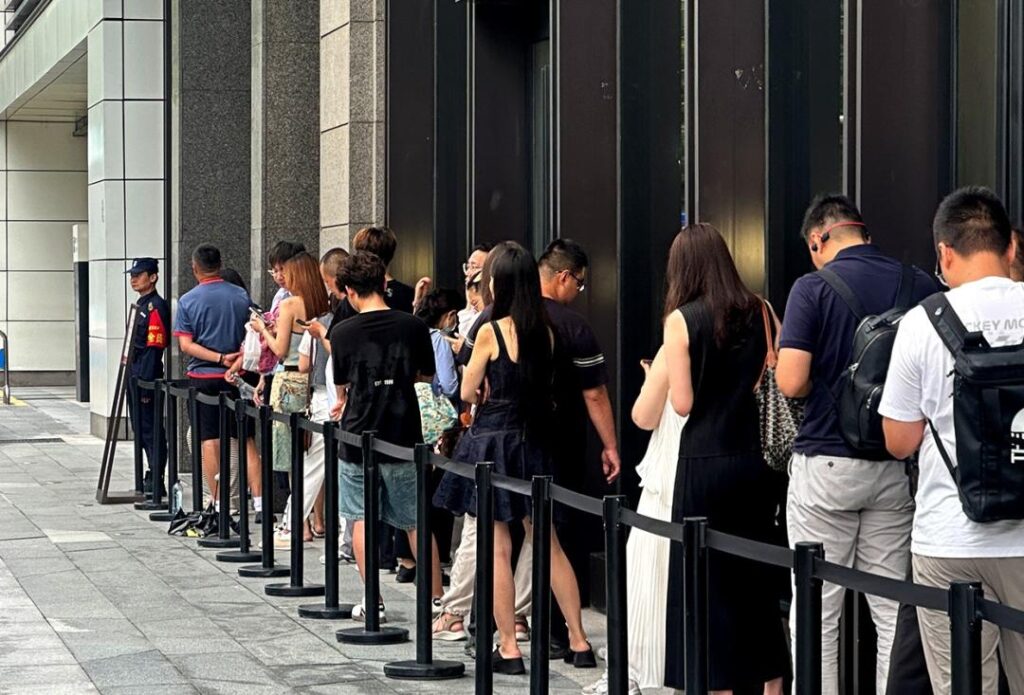
Most of these flagships sit within a compact loop connecting the former French Concession, Xintiandi and Jing’an — the same neighbourhoods covered in our Shanghai districts guide — which makes an afternoon of homegrown-brand shopping easy to combine with lunch on Julu Road or a coffee stop on Anfu Road.
For visitors used to the international flagships of Nanjing Road and Plaza 66, the experience is deliberately different: smaller footprints, architect-designed interiors, and a sense that each brand is making a specific cultural argument rather than simply selling product. That, more than any single number, is the real story behind China’s luxury shift.
Frequently Asked Questions

Shanghai has become China’s showcase for homegrown luxury. Here’s what shoppers most want to know before seeking out the country’s leading Chinese luxury brands.
What does guochao mean?
Guochao describes the rise of Chinese brands and products that combine contemporary design with domestic cultural identity. It began roughly a decade ago as a streetwear-driven movement and has since evolved into a broader shift across fashion, beauty, jewellery and even automotive design, now commonly described by industry analysts as its third distinct phase.
Why are Chinese consumers choosing domestic brands over international luxury houses?
Increasingly, not out of nationalist sentiment alone. Analysts point to genuine improvements in design, craftsmanship and cultural storytelling as the primary drivers — Chinese brands are competing and winning on product merit in specific categories, at a moment when the broader Chinese luxury market for international houses has been contracting.
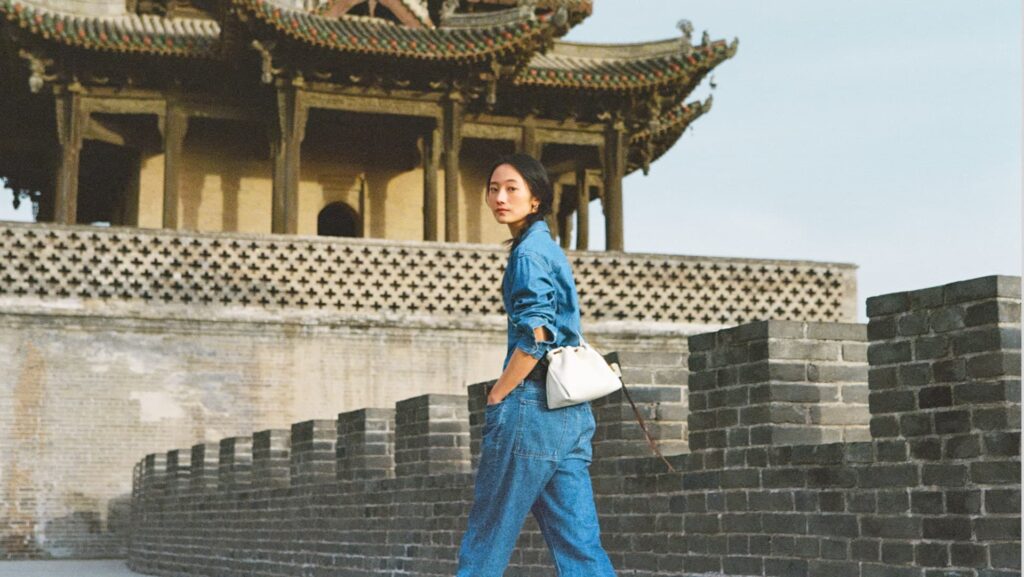
Is Songmont considered the “Chinese Hermès”?
It’s a comparison that comes up often given Songmont’s structured leather bags and rapid growth, though the brand’s positioning, price point and design language are distinct from Hermès. It’s more accurately understood as the breakout example of a broader wave of Chinese leather-goods labels competing credibly at the accessible-luxury tier.
Are Chinese luxury cars actually considered luxury internationally?
Increasingly, yes, particularly Hongqi at the heritage end and BYD’s Yangwang sub-brand at the ultra-premium end, both of which have been benchmarked directly against established European marques in independent reviews. NIO’s ET9 has been explicitly positioned against the Mercedes-Maybach. International brand recognition still lags behind domestic sales success, but the technical and design credibility gap has narrowed sharply since 2020.
Where is the best place in Shanghai to shop Chinese luxury fashion brands?
The former French Concession, Xintiandi and the Nanjing West Road stretch of Jing’an collectively hold most of the flagships covered here, making a single afternoon loop through those three areas the most efficient way to see the brands in person.
Can you buy these Chinese luxury brands outside China?
Some, increasingly. Uma Wang and Comme Moi both show internationally and have limited stockist distribution in Europe and North America; Icicle has expanded into select overseas markets. Songmont and Shang Xia remain more concentrated in mainland China and Hong Kong, though online international shipping is generally available.
If you’re contemplating a visit to Shanghai, be sure to check out our guides to the best Shanghai luxury hotels (including our recent review of the Hyatt on the Bund), and the best Shanghai boutique hotels, as well as our take on the best China travel apps, our guide to the city’s best neighbourhoods, and this easy-to-follow 48 Hour Shanghai itinerary.


