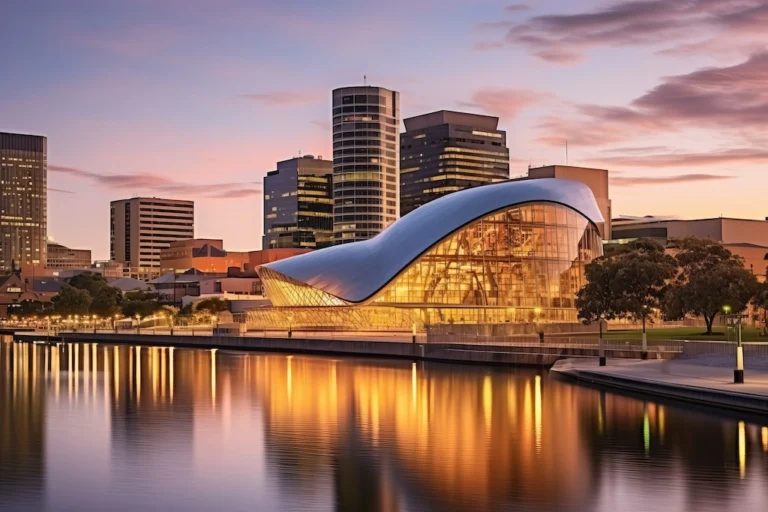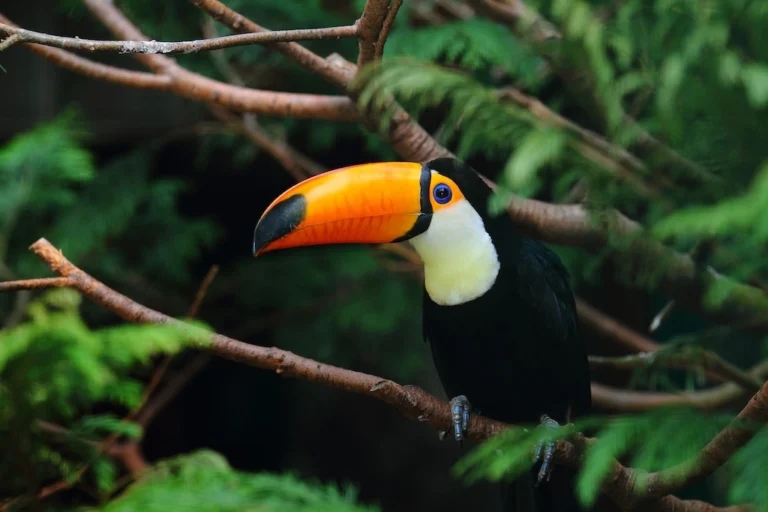


With global conflict at a post-World War Two high, these are the countries where travellers can still explore freely, safely, and with complete peace of mind.
The numbers are not reassuring. The 2026 Global Peace Index, released by the Institute for Economics & Peace, confirms what anxious travellers have been quietly sensing for years: the world is less peaceful than at any point in living memory. Global peacefulness has now deteriorated for twelve consecutive years.

There are currently 61 active state-based conflicts — the most recorded since the end of World War Two. Deaths from conflict exceeded 181,000 in 2025 alone, a six-fold increase since 2008. And the number of countries engaged in some form of external conflict has nearly doubled in under two decades, from 59 in 2008 to 103 today.
For the first time in the index’s history, Russia has been ranked the world’s least peaceful country. It is followed by Sudan, the Democratic Republic of Congo, Ukraine, and Israel. The Institute for Economics & Peace has characterised the moment as the beginning of a “Great Fragmentation” — a global geopolitical shift marked by the rising influence of middle powers, the erosion of traditional diplomatic frameworks, and a technological revolution in warfare that international law has entirely failed to keep pace with.

None of which means you should cancel your plans.
The same index that maps the world’s conflict zones also charts the countries where life remains not just stable but genuinely, measurably peaceful. These are places where crime is low, where institutions function, where the streets feel safe at night, and the only decisions you need to make are about what to order for dinner. These destinations exist, and in several cases, the contrast between their deep civic calm and the volatility visible elsewhere on the map is part of what makes them so worth visiting right now.
Here are the world’s safest countries to travel to in 2026, drawn from the latest Global Peace Index and cross-referenced with the US Level 1 travel advisory list.
Iceland — The World’s Safest Country, for the 17th Consecutive Year
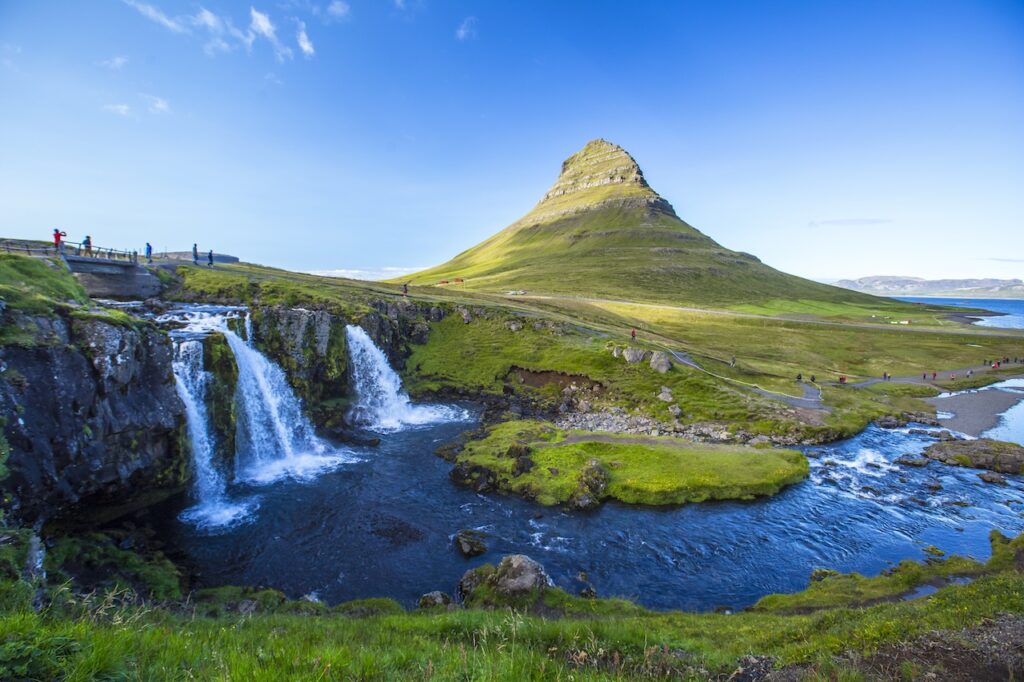
It bears repeating, because the consistency is almost implausible: Iceland has topped the Global Peace Index every single year since the index began. Its 2026 score of approximately 1.1 (where lower is more peaceful) places it in a category of safety that most countries cannot approach. There is no standing army. Violent crime is virtually non-existent and police officers are unarmed. The population of around 370,000 produces a social cohesion that larger nations can only theorise about, meaning Iceland is a country where most people know someone in government, trust the institutions that govern them, and feel genuinely safe walking home alone at night.
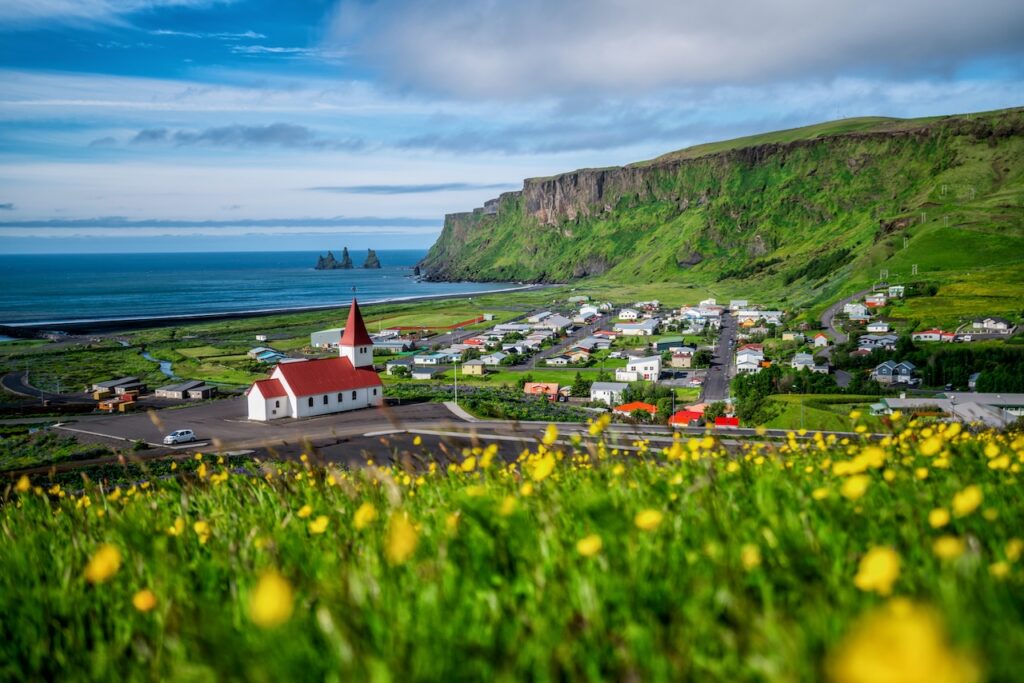
For travellers, the payoff extends well beyond security. Iceland’s landscape remains among the most dramatic on earth, from black sand beaches at Reynisfjara and the fractured lava fields of the Reykjanes Peninsula to the moss-draped silence of the Þórsmörk valley and the dramatic Northern Lights above the Snæfellsnes glacier between September and March.

The tiny capital, Reykjavík, punches wildly above its size for restaurants, contemporary art, and nightlife. It’s a city of 130,000 that behaves like one three times larger. And travellers are noticing. The Blue Lagoon geothermal spa has a waiting list, but the less visited Secret Lagoon at Flúðir offers the same steam-and-sulphur experience without the crowds. Iceland’s summer brings the midnight sun and near-constant daylight, while its winters offer an entirely different kind of spectacle. Both are worth experiencing.
Best time to visit: June to August for the midnight sun and hiking; September to March for the Northern Lights.
Ireland — Second in the World, and Chronically Underestimated

Ireland holds the second position on the 2026 index and has featured consistently in the global top three for over a decade. It’s a country of remarkable civic warmth, with low crime, functional public services, and a deeply embedded culture of hospitality that feels less like a tourism strategy and more like a timeless national characteristic.
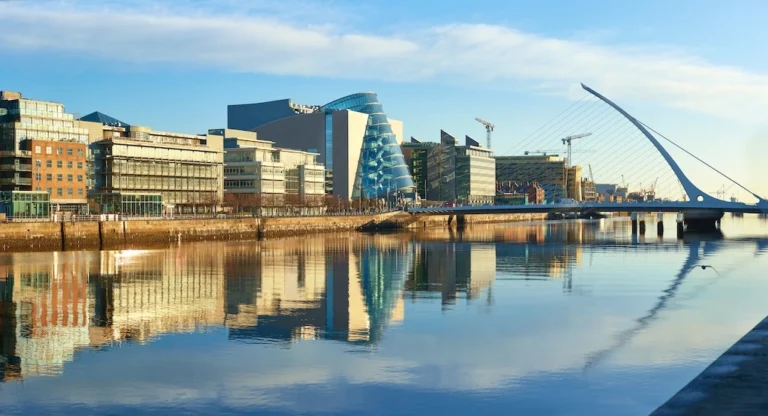
Dublin, for all its transformation into a European tech and financial hub, retains the pub culture and literary heritage that defined it, while Cork, Galway, and Kilkenny each offer distinct identities well worth a few days’ attention.

Beyond the cities, Ireland’s landscape rewards those who venture slowly. The Wild Atlantic Way — 2,500 kilometres of coastal road from Donegal in the north to Cork in the south — passes through some of the most dramatic and unspoiled scenery in Europe. Meanwhile, the Cliffs of Moher, Connemara’s bogland, the Dingle Peninsula, and the Aran Islands each carry a particular quality of light and silence that photographs never quite capture.
Ireland’s food scene has also undergone a quiet revolution over the past decade, and the country’s growing reputation for farm-to-table cooking — particularly along the west coast — gives any travel itinerary a compelling culinary thread.
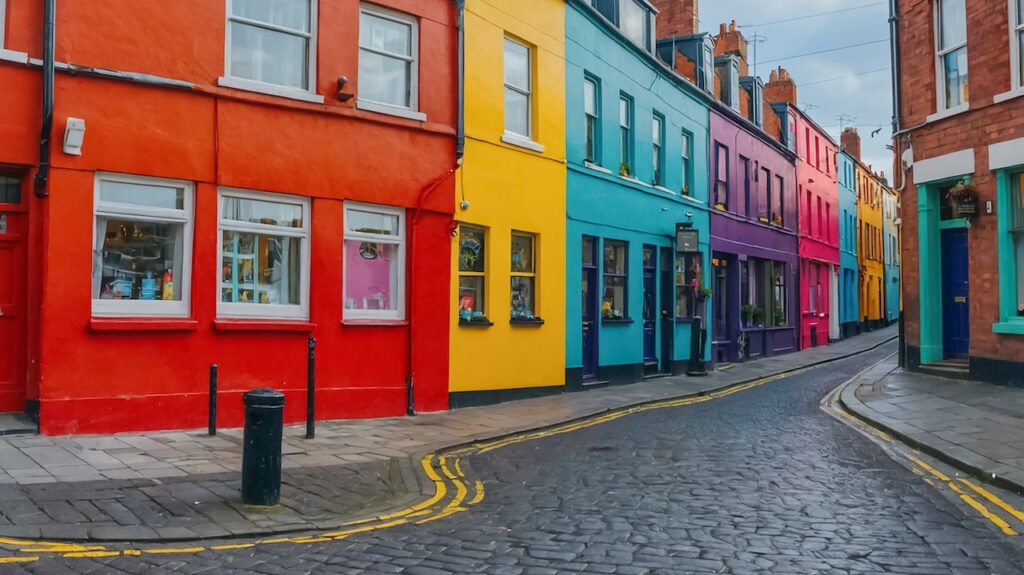
A note worth making: the index ranks Ireland nationally, but Dublin (above) does have the pickpocket activity common to any major European capital. Rural Ireland, by contrast, is about as safe as anywhere on earth.
Best time to visit: May to September for the most reliable weather, though Ireland’s westerly light in October is extraordinary and the crowds are gone.
New Zealand — As Far from Conflict as It’s Possible to Get

Third on the 2026 index, New Zealand‘s position in the global safety rankings is partly geographical — its location at the edge of the Pacific places it at a natural remove from the world’s conflict zones — and partly structural. The country combines low corruption, strong democratic institutions, a high-trust society, and a level of individual personal safety that consistently surprises first-time visitors.

What New Zealand offers as a travel proposition has always been extraordinary: the fiordlands of Milford Sound and Doubtful Sound in the south; the volcanic plateau of the Central North Island; the vineyards of Marlborough and Hawke’s Bay; the geothermal landscape of Rotorua; the Maori cultural heritage that gives the country a depth of identity distinguishable from anywhere else in the world.

The recent growth in ultra-luxury lodges — Whare Kea on Lake Wanaka, The Farm at Cape Kidnappers, Matakauri Lodge above Lake Wakatipu — has given high-end travellers a level of accommodation to match the landscape. In addition, private helicopter access to remote valleys and fiord systems, an image built around pristine environments and freedom, and plenty of friendly locals who love to showcase their country to visitors, makes New Zealand arguably the world’s finest destination for private wilderness travel.

The country carries its own environmental risks — volcanic terrain, alpine weather, strong ocean currents — but these are managed by a well-equipped national infrastructure and the good judgement of its guides and lodge operators.
Best time to visit: November to April (southern hemisphere summer) for hiking, wine harvest, and long days. June to August for skiing at Queenstown and Wanaka.
Austria — Imperial Culture, Alpine Safety, and World-Class Winter

Austria ranks fourth on the 2026 Global Peace Index and third in the Berkshire Hathaway Travel Protection rankings for overall traveller safety, a consistency across multiple methodologies that speaks to genuine structural security rather than statistical quirk.
Infinately elegant Vienna remains the Economist Intelligence Unit’s second most liveable city in the world, and its crime rate is significantly lower than comparable European capitals. The city’s imperial architecture, coffeehouse culture, concert halls, and museums represent one of the densest concentrations of civilisational achievement on earth, and doing it properly requires at least a week.
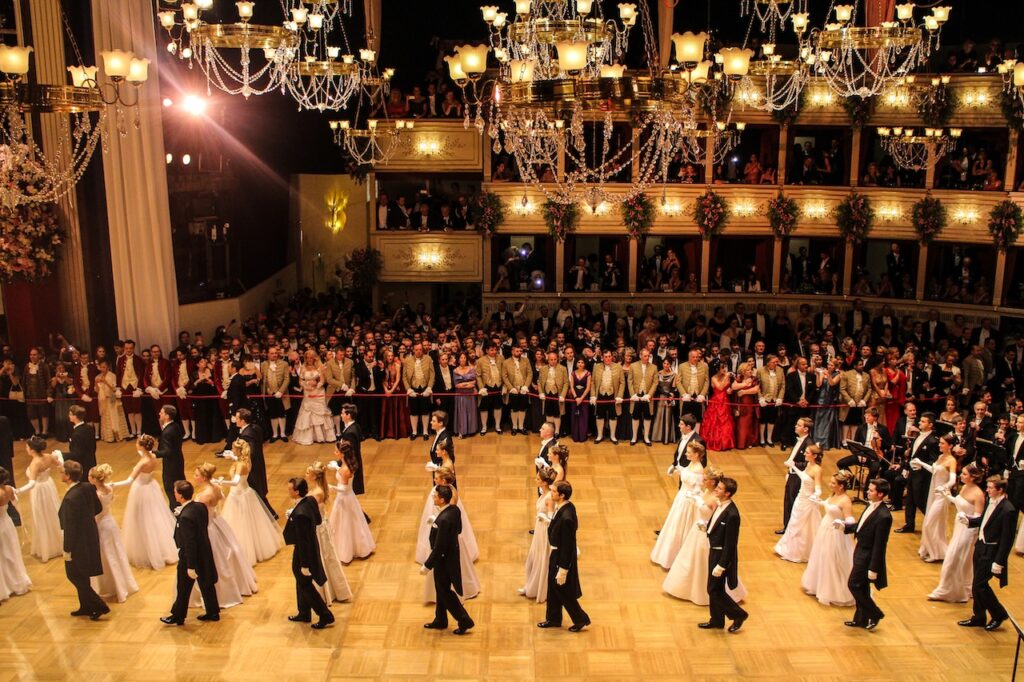
Beyond Vienna (above), Salzburg — Mozart’s birthplace and the setting of The Sound of Music, yes, but also a genuinely beautiful baroque city of considerable independent merit — anchors the west of the country.
The Tyrolean Alps provide Austria’s other defining offer: ski infrastructure of a standard unmatched outside Switzerland, with St. Anton, Lech, Kitzbühel, and Ischgl among the most celebrated resorts in Europe. Meanwhile, summer brings an entirely different proposition, with chances to explore Salzkammergut’s glacier lakes, Alpine hiking trails, and the extraordinary landscape of the Hohe Tauern National Park. Austria works in every season, which is rare.
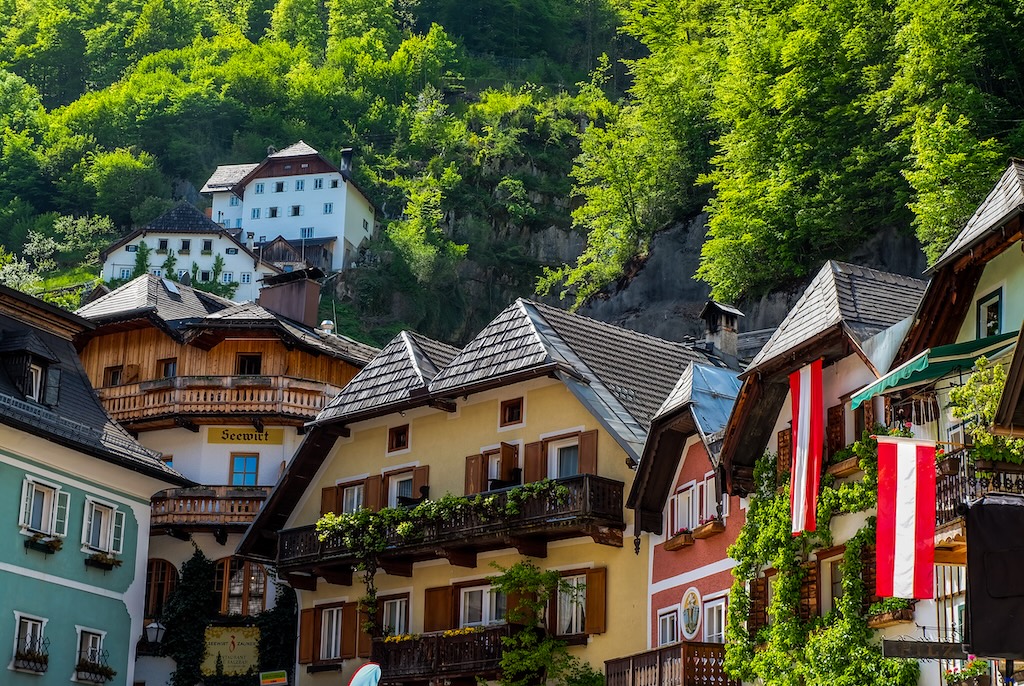
Best time to visit: December to March for skiing; June to August for hiking and lakes; September to October for the Vienna cultural season.
Switzerland — Neutral, Precise, and Profoundly Peaceful

Switzerland’s political neutrality — maintained through two World Wars and upheld as a matter of national principle for over two centuries — is the foundation of its global peace credentials. Combined with one of the world’s most effective law enforcement systems, near-zero levels of violent crime, and a social contract that functions with the reliability of its famously accurate trains, it consistently ranks among the world’s five most peaceful nations.
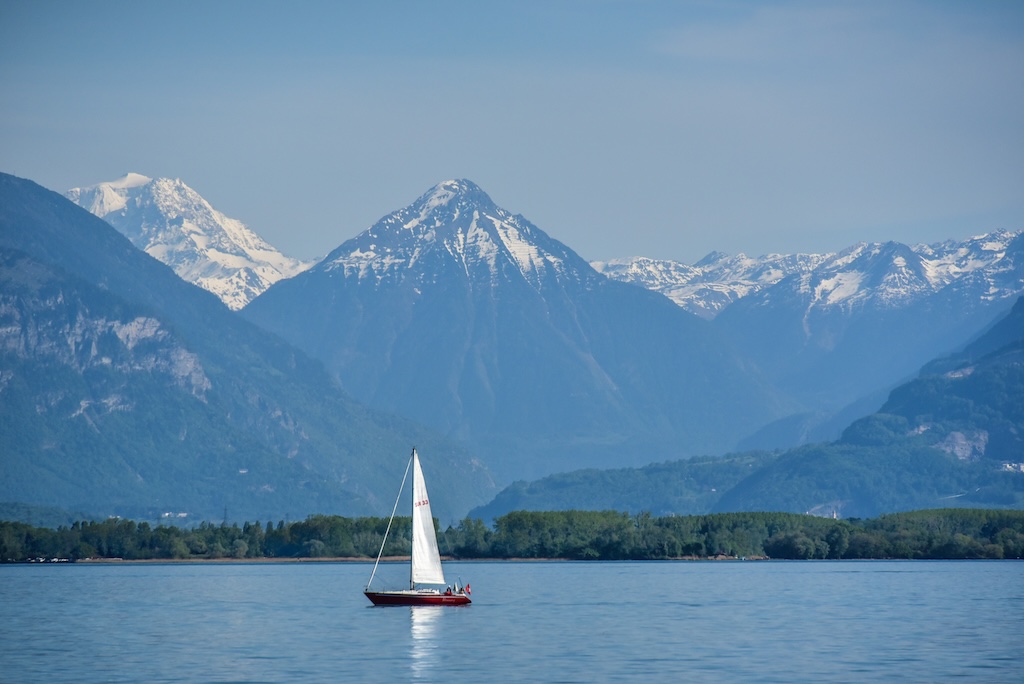
For travellers, Switzerland’s proposition is as much about precision as scenery. The Alpine landscapes are breathtaking — from the Matterhorn above Zermatt and the Bernese Oberland above Interlaken to the mesmerising Engadin valley around St. Moritz — but what distinguishes a Swiss trip from a merely scenic one is the calibre of its infrastructure. There’s helicopter access to remote valleys, private mountain trains with glassed dome ceilings, Michelin-starred restaurants in villages of just 400 people, and a hotel industry that has been setting the global standard for hospitality since the 19th century.
Vibrant Zürich and serene Geneva anchor the urban experience, while Lucerne and Bern are among the most beautifully preserved medieval city centres in Europe.

The costs are real — Switzerland consistently registers among the world’s most expensive travel destinations — but the quality of the experience justifies the investment in a way that few other countries can claim.
Best time to visit: December to March for skiing; June to September for Alpine hiking and lake swimming. Avoid August in popular resorts when European holiday crowds peak.
Singapore — Urban Safety at Its Most Refined
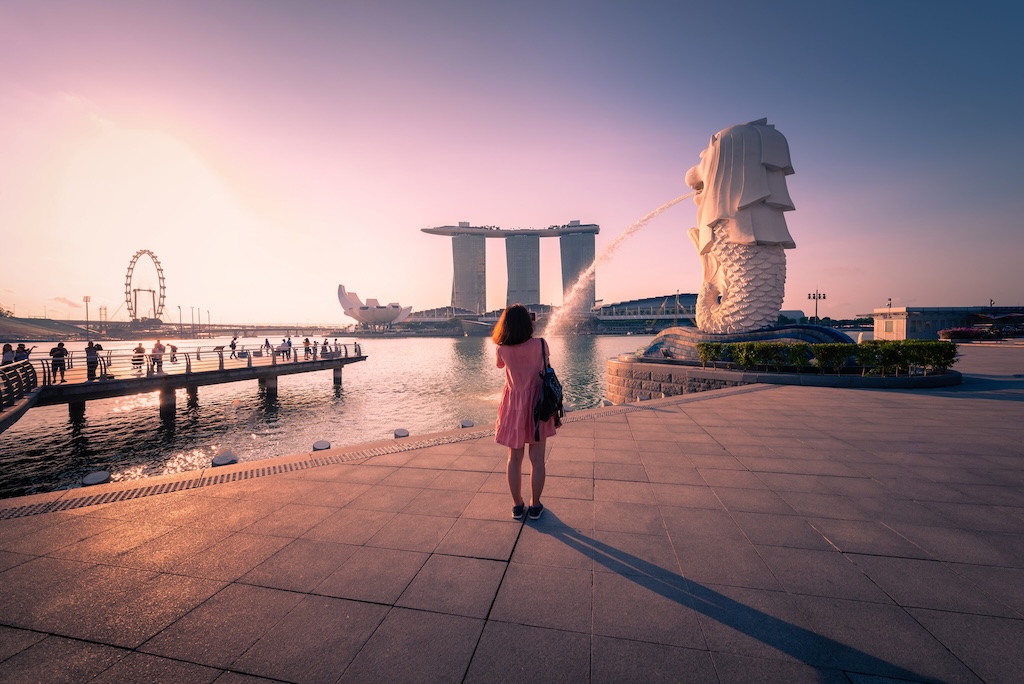
Singapore’s position on the Global Peace Index reflects something specific: the extraordinary efficiency of a city-state whose government treats safety, infrastructure, and public order as foundational national commitments rather than aspirational policies.
Singapore is proudly among the most secure urban environments on earth — a fact that US State Department Level 1 travel advisories and the Economist Intelligence Unit’s Safe Cities Index both confirm consistently. Crime rates are extraordinarily low, the transport system is impeccable, healthcare is world-class, and the city’s multicultural composition has produced a food culture that is without parallel in Southeast Asia.
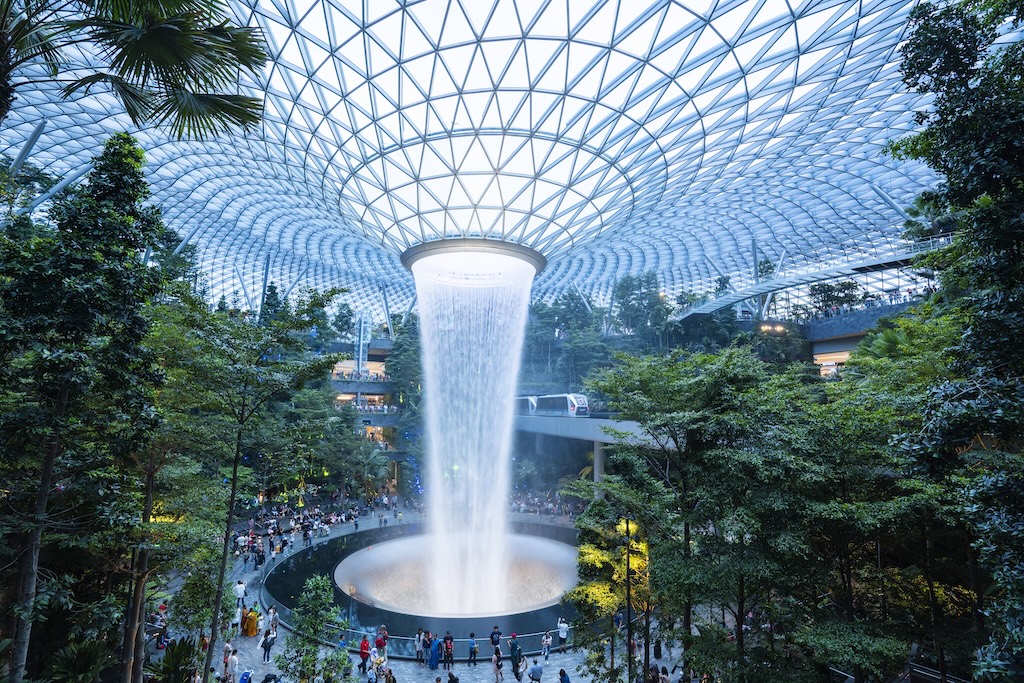
Singapore’s reputation as a transit hub has sometimes caused travellers to shortchange it as a destination in its own right. This is a mistake. The Gardens by the Bay, the museums of the Civic District, the hawker centres of Chinatown and Newton, the restored shophouses of Tiong Bahru, the rooftop bars of Marina Bay — two to three days in Singapore, done properly, is a genuinely rewarding urban experience.

As a gateway to the wider region, its combination of safety, connectivity, and world-class hotels makes it the natural anchor for any Southeast Asian itinerary built around comfort and ease of movement.
Best time to visit: February to April, avoiding the heaviest monsoon rains. Singapore’s equatorial climate means year-round warmth with few truly problematic periods.
Portugal — The Approachable Safe Haven
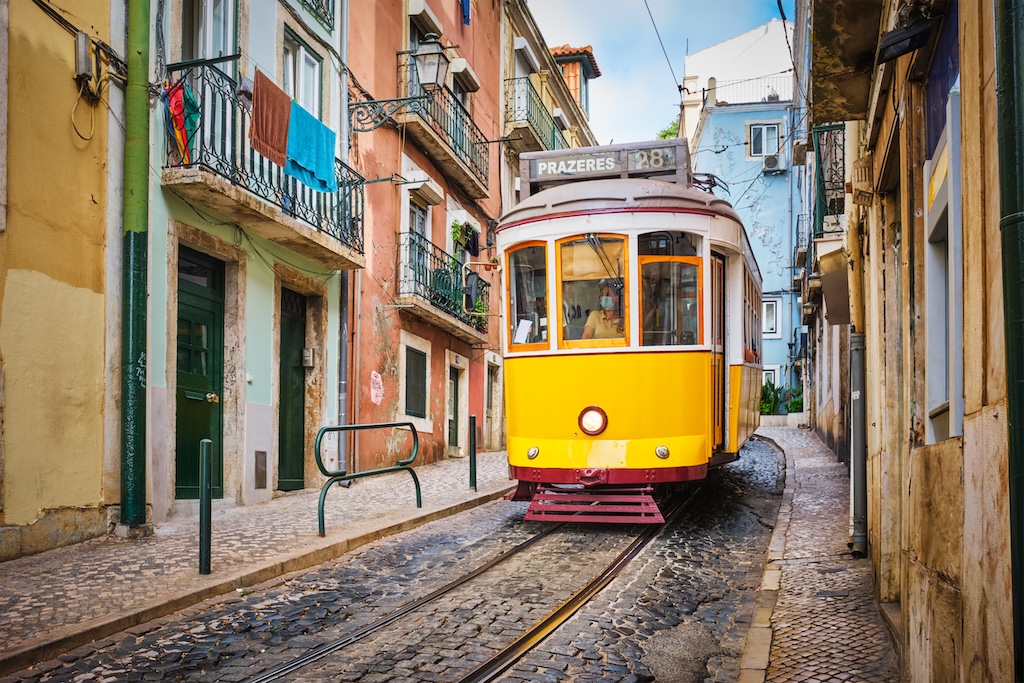
Portugal’s rise up the Global Peace Index — an improvement of eleven places over the past decade — reflects genuine long-term structural progress in safety, governance, and civic stability. It now ranks seventh globally, and its US Level 1 travel advisory status confirms what independent travellers have been quietly discovering for years, that Portugal is among the easiest, most welcoming, and most rewarding destinations in the world.

Vibrant and intoxicating, Lisbon has transformed into one of Europe’s most compelling cities, with its tiled facades, miradouros, and fado bars existing alongside a world-class contemporary dining scene and an arts culture that has attracted creatives from across the continent.
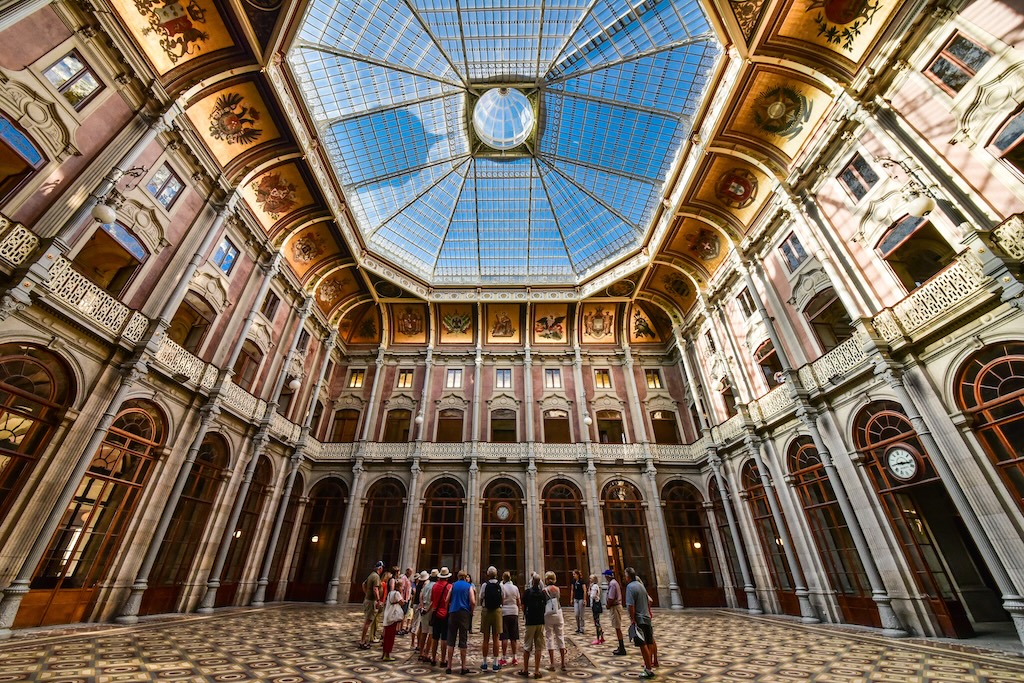
Porto to the north is a more compact, vertigo-inducing city of wine cellars, granite churches, and the Douro River curving below, while the Algarve‘s coastline, with its sea stacks, hidden grottos, and beaches consistently voted among Europe’s best, anchors the south. Beyond, the archipelagos of Madeira and the Azores extend the country’s offer into genuinely extraordinary volcanic landscapes mid-Atlantic.
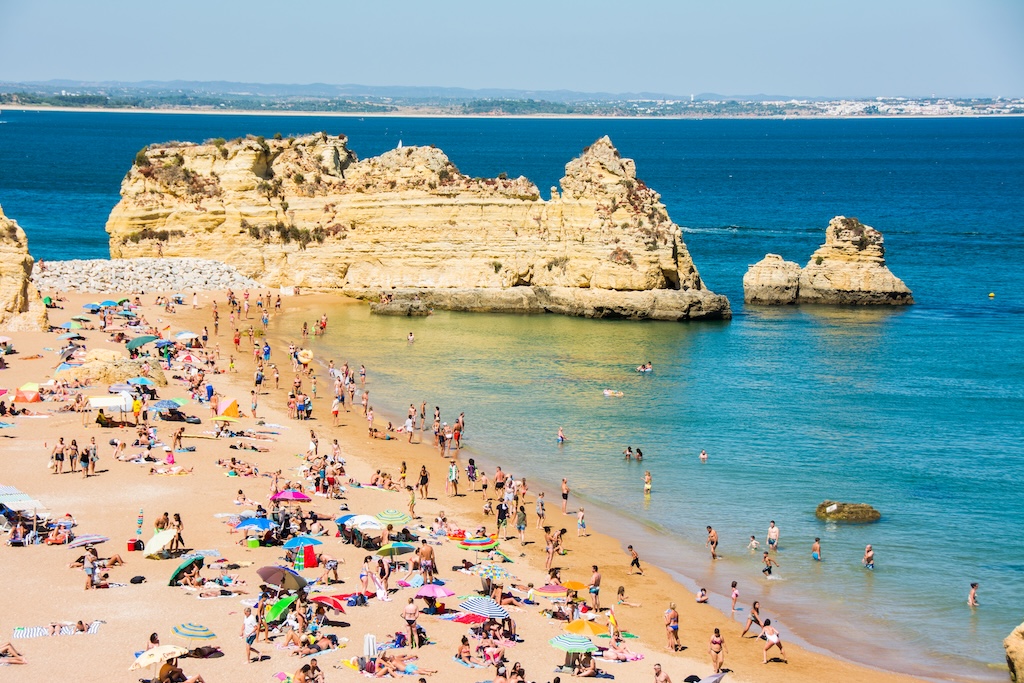
Portugal is also, by the standards of Western Europe, still relatively affordable, a combination that makes it the most accessible entry point on this list for travellers who want safety, culture, and beauty without the price tag of Switzerland or Norway.
Best time to visit: April to June or September to October — comfortable temperatures, manageable crowds, and the golden light that defines the Iberian Peninsula at its best.
Japan — Order, Safety, and Deep Cultural Reward
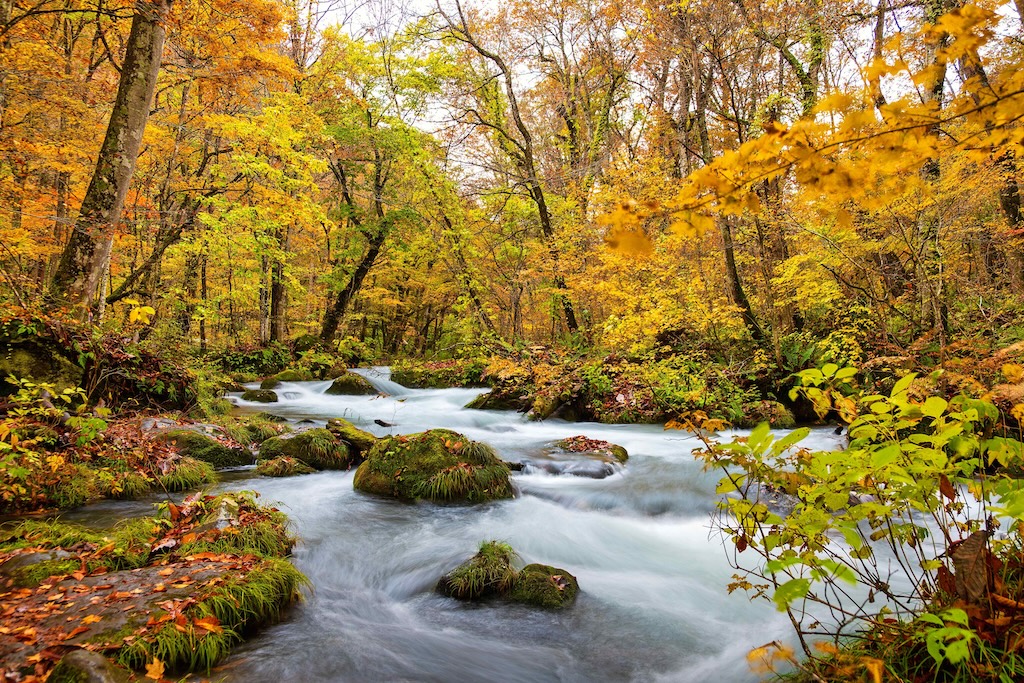
Japan does not top the Global Peace Index — it ranks ninth — but for many travellers, particularly those prioritising personal safety and the quality of daily life on the ground, it functions as the world’s most reassuring destination.
The combination of extraordinarily low crime (violent crime against tourists is almost unheard of), meticulous infrastructure, an embedded culture of social consideration, and a level of hospitality — omotenashi — that treats every guest’s experience as a matter of personal and professional honour, makes Japan the safest feeling country in the world for most visitors, regardless of what the data formally records.

The cultural reward is as extraordinary as it is varied. You can explore Kyoto‘s temple districts and geisha quarters and Tokyo‘s Shibuya crossing, Tsukiji outer market, and Michelin-starred restaurant density, and then venture Hakone’s onsen culture and Fuji views or Hiroshima’s profoundly moving Peace Memorial.
Meanwhile, the ancient capital of Nara and its free-roaming deer always appeals to families, while the ryokan tradition of inn-keeping, found throughout the country, offers one of the world’s most complete hospitality experiences. At the end of the day, Japan provides a depth of engagement that rewards multiple visits without repetition.

Japan’s tourism infrastructure has responded robustly to the surge in post-pandemic international arrivals, managing crowds at key sites with the efficiency one expects of the country.
Best time to visit: March to May for cherry blossom season (book well in advance); October to November for autumn foliage. Avoid the Golden Week holiday period in late April to early May when domestic travel peaks.
Slovenia — The Overlooked Gem of Central Europe

Slovenia is perhaps the most underappreciated country on this list. Ninth on the 2026 index, consistently growing its peace ranking year on year, and virtually unknown to travellers who haven’t been steered there by a well-informed friend, it offers what larger, better-known European destinations have largely lost: a genuine sense of discovery.
Ljubljana (below), its compact and walkable capital, is a city of outdoor cafés along a willow-lined river, a hilltop castle, and a cultural life disproportionate to its size of 280,000. Lake Bled (above) — impossibly picturesque, with its island church and Baroque castle above turquoise water — has justifiably become one of Central Europe’s most photographed destinations, though Bohinj Lake nearby remains quieter and more beautiful in a subtler way.

The Soča Valley in the northwest, with its extraordinary emerald river and the Julian Alps above, is also one of the most scenically dramatic regions in Europe. Triglav National Park encompasses all of it.
In addition, Slovenia’s food scene — rooted in Central European heartiness but inflected with Mediterranean and Balkan ingredients — is a underrecognised pleasure. What’s even better, the country is small enough to cover thoroughly in ten days. Slovenia is safe, welcoming, and — for now — not yet overwhelmed.
Best time to visit: May to September for outdoor activities and lake swimming. December to February for skiing at Kranjska Gora.
The Bigger Picture

The 2026 Global Peace Index is, at its core, a document of extraordinary concern. The economic cost of global violence now stands at US$21.81 trillion — equivalent to 10.5 per cent of world GDP, or roughly US$2,657 for every person on earth. Drone attacks have increased 11,500 per cent since 2018 while military expenditure reached a record US$2.9 trillion in 2025 and it’s only increasing. The gap between the world’s most and least peaceful countries continues to widen.

Within that context, the countries at the top of the index are not merely good travel destinations. They are, in a meaningful sense, models of what it looks like when societies invest in the foundations of civic peace — in education, in healthcare, in functional institutions, in the kind of social trust that makes a place genuinely worth living in. That is worth recognising, and worth spending time in.
Travel has always been an act of quiet optimism. In 2026, it remains one.
All travel advisories and safety rankings should be verified through your national government’s official travel advisory service before booking. Conditions can change; always check current guidance close to departure.