

Grand Hyatt Singapore marks its 55th anniversary with a curated walking tour tracing Orchard Road’s journey from colonial nutmeg plantations to one of Asia’s most celebrated urban corridors.
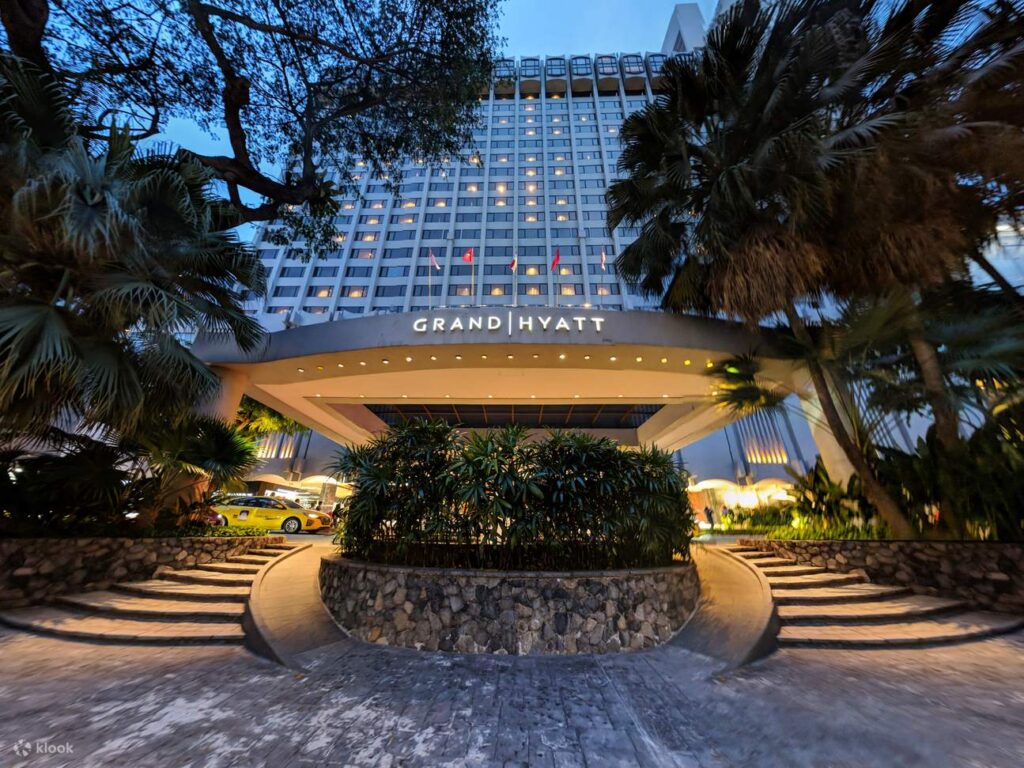
Few hotels can claim to have witnessed a city grow up around them. Grand Hyatt Singapore is one of them. When it first opened in October 1971 as the Singapore Hyatt Hotel on Scotts Road — then the largest hotel in Southeast Asia and one of Asia’s earliest major convention hotels outside Japan — Orchard Road was still finding its identity.
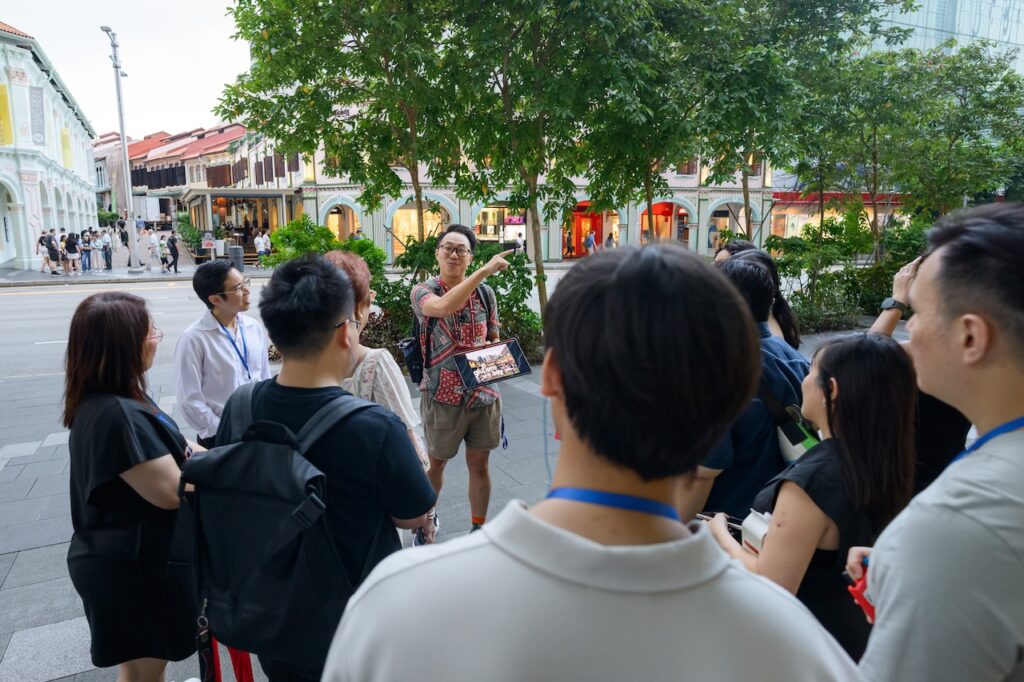
Fifty-five years on, both the hotel and the street have transformed beyond recognition. To mark the occasion, Grand Hyatt Singapore has launched Stories of Orchard, a heritage walking tour curated in partnership with urban heritage specialist Yong Min Ho, better known as The Urbanist Singapore.
A Walking Tour With Genuine Depth
Let’s be clear, Stories of Orchard is not a sightseeing stroll. It’s a carefully layered encounter with place, conceived for guests who want more than the polished surface of Singapore’s most famous shopping thoroughfare. Beginning at the hotel (naturally), the tour opens with the Grand Hyatt’s own lesser-known chapters: a former bowling alley that once hosted major competitions, and an early exhibition space — one of the largest in the area at the time — that now lies beneath the current car park. These unknown details set the tone for everything that follows.
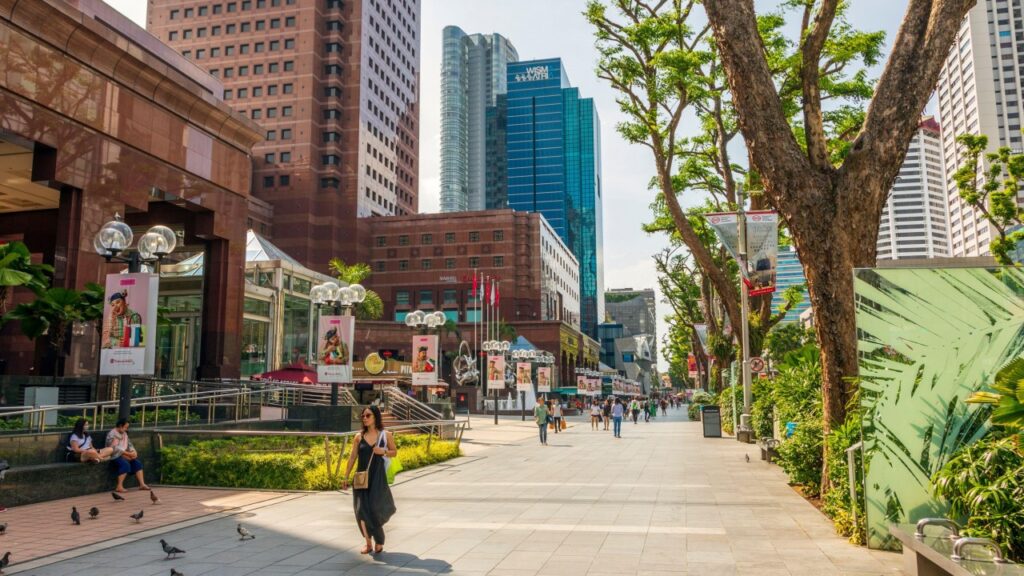
From the hotel, guests are led along Orchard Road, where the tour traces the street’s name to its 19th-century origins as a landscape of nutmeg, pepper, and fruit plantations. That agricultural heritage is distilled into a striking landmark: Nutmeg & Mace, a two-tonne bronze sculpture by Singaporean contemporary artist Kumari Nahappan, installed at ION Orchard. It’s the kind of detail most visitors walk past without a second glance. Here, it becomes a cornerstone of the narrative.
From Somerset to Emerald Hill
The tour then makes inspired use of Singapore’s Mass Rapid Transit network, boarding the MRT to Somerset station — a deliberate move that grounds the experience in the living city rather than a curated bubble. At Somerset, guests discover how a once-quiet canal was reimagined through urban planning into the vibrant restaurant and bar ecosystem that now connects a series of malls to the station. It’s an instructive example of Singapore’s purposeful approach to urban reinvention and a model emulated around the world.
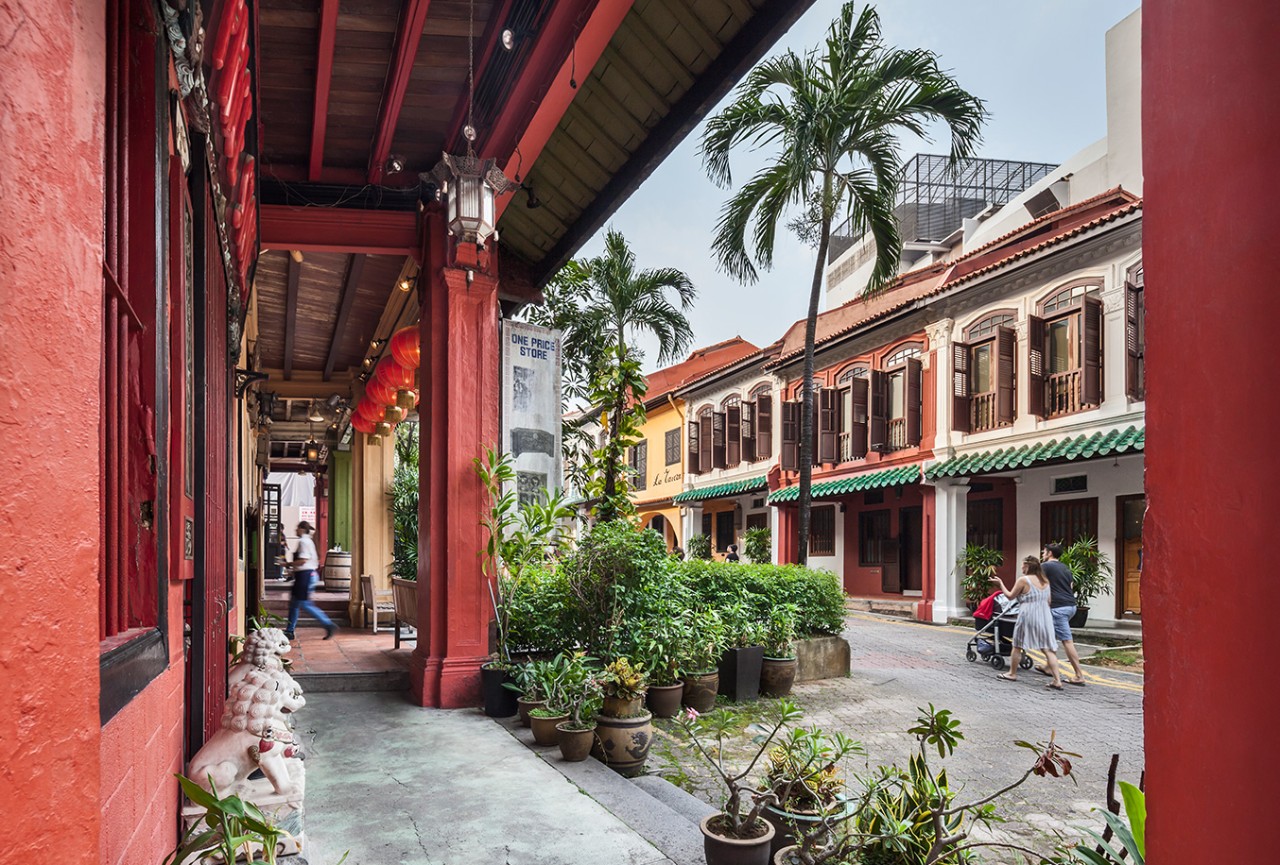
A short walk leads to Emerald Hill, one of the most quietly arresting streets in Singapore. Tucked immediately behind Orchard Road’s commercial frontage, this conservation enclave of Chinese Baroque shophouses represents an entirely different register — slower, shadier, and steeped in Peranakan history. The contrast with the main boulevard, reachable in a single turn, is the point. The tour draws out the neighbourhood’s layered cultural past, including its connection to the former campus of the Singapore Chinese Girls’ School, offering guests a lens through which Orchard Road’s complexity becomes legible.
Returning to the Present
The walk closes on present-day Orchard Road, where the contemporary towers and retail landmarks that now define the district exist in deliberate conversation with what came before. The arc — from plantation land to colonial-era street to modern urban corridor — returns once again to the steps of Grand Hyatt Singapore, a dynamic, modern impression of the precinct.
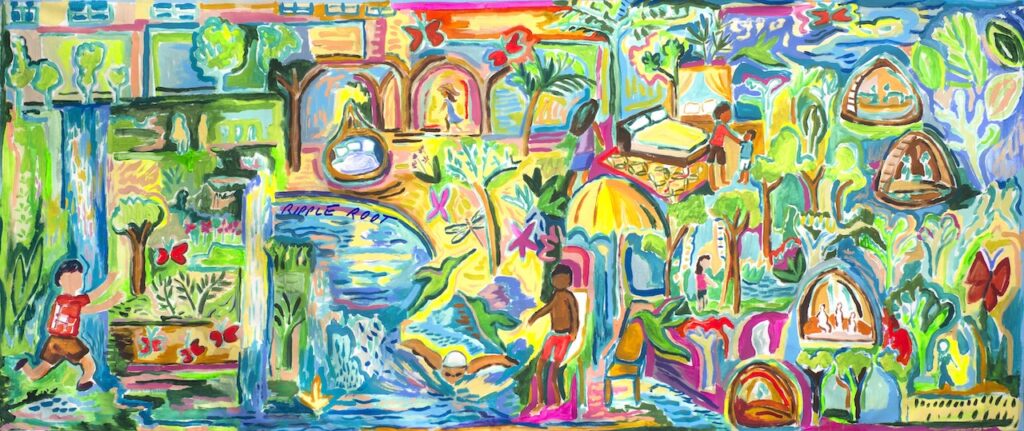
As a keepsake, guests receive a NETS FlashPay card featuring commissioned artwork by creative studio Ripple Root, depicting Grand Hyatt Singapore in the studio’s distinctive visual language. Practical as well as beautiful, the card is valid across Singapore’s public transport network and functions as a souvenir that is also an invitation to keep exploring — an apt emblem for a tour that reframes the familiar as something worth looking at again.


