
The world’s largest arts festival returns to Scotland’s capital this August — bigger, bolder, and more unmissable than ever. Here is your complete guide to the Edinburgh Festival Fringe 2026.
There is nowhere quite like Edinburgh in August. The city, already one of Europe’s most beautiful, transforms completely: every spare room becomes a venue, every cobbled close a stage, every café terrace a place of animated post-show debate. For 25 days, the Scottish capital plays host to the Edinburgh Festival Fringe — the largest arts festival in the world — and the result is one of those experiences that, once had, becomes a permanent fixture in your cultural calendar.
In 2026, the Fringe is larger than ever. More than 3,500 shows across every conceivable genre will take place across the city’s 300-plus venues, from the grand Assembly and Pleasance complexes to repurposed church halls, pub backrooms, and spaces that stretch the very definition of the word. Whether your taste runs to groundbreaking theatre, boundary-pushing comedy, circus, dance, spoken word, or something entirely new, Edinburgh in August will have it — and then some.
When Is the Edinburgh Festival Fringe 2026?
The Edinburgh Festival Fringe 2026 runs from 7 to 31 August 2026, though in practice the festival begins warming up a day or two earlier, with preview performances from 5 August and a number of shows opening ahead of the official start date. The city reaches its peak intensity in the second and third weeks of August, when every venue is operating at full capacity and the Royal Mile is barely navigable by mid-afternoon.
If you have flexibility in your dates, the first few days of the festival offer a slightly less frenetic introduction — prices tend to be lower for preview performances, and you will find it easier to secure last-minute tickets. The final weekend, by contrast, has an energy all its own: a collective sense of culmination that makes it worth experiencing at least once.
What’s On at Edinburgh Fringe 2026
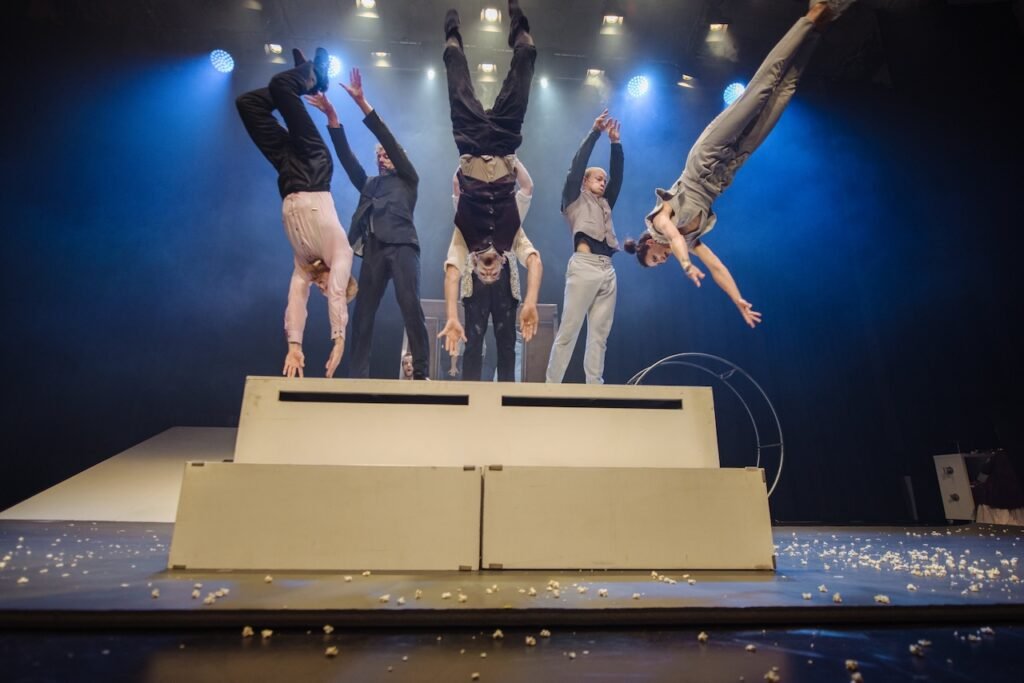
The 2026 programme spans theatre, comedy, circus, cabaret, dance, physical theatre, music, musicals, children’s shows and spoken word — a breadth that makes the Fringe less a single festival than an entire cultural universe condensed into one city for one month. With more than 3,500 shows to choose from, the art of attending the Fringe is as much about how you navigate the programme as what you choose to see.
Comedy
Comedy is the Fringe’s most popular genre and the one that draws the largest international following. The 2026 edition brings an exceptional roster of established names alongside the breakthrough acts that the Fringe consistently discovers before anyone else.
Frank Skinner brings a work-in-progress show to Assembly George Square (5–16 August) — always a highlight, given Skinner’s reputation for sharp, literary stand-up that rewards an audience willing to be surprised. Ania Magliano, one of British comedy’s most exciting emerging voices and a standout from Taskmaster and SNL UK, plays her biggest Fringe venue to date. Icelandic comedian Ari Eldjárn, already the holder of a Netflix special, makes a rare three-night appearance (28–30 August) with a show examining European identity as seen from the periphery.
For something more anarchic, Stamptown — the fever-dream clown show led by Zach Zucker — returns to tear apart the Spiegeltent in George Square Gardens with its trademark physical comedy and gleeful chaos. And Baby Wants Candy, the American improv troupe who create a brand-new musical from audience suggestions each night, remains one of the Fringe’s most reliable and joyful traditions.
Theatre
The 2026 theatre programme is as ambitious as the Fringe has offered in years. Running alongside the Fringe at the Edinburgh International Festival, Ivo van Hove’s monumental five-hour production of Tony Kushner’s Angels in America makes its long-awaited UK debut at the King’s Theatre — a landmark event for anyone serious about contemporary theatre.
Brazilian director Christiane Jatahy joins forces with actor Wagner Moura for The Trial, a radical reimagining of Ibsen’s An Enemy of the People relocated to present-day Brazil, in which members of the audience serve as the jury. It is precisely the kind of work that the Fringe exists to platform: formally daring, politically urgent, and impossible to see anywhere else.
Singer-songwriter Cheeyang Ng brings the solo ritual musical Legendary to Underbelly — a show blending Chinese mythology, queer identity and electrifying performance that has already generated significant advance attention.
Circus, Cabaret and Beyond
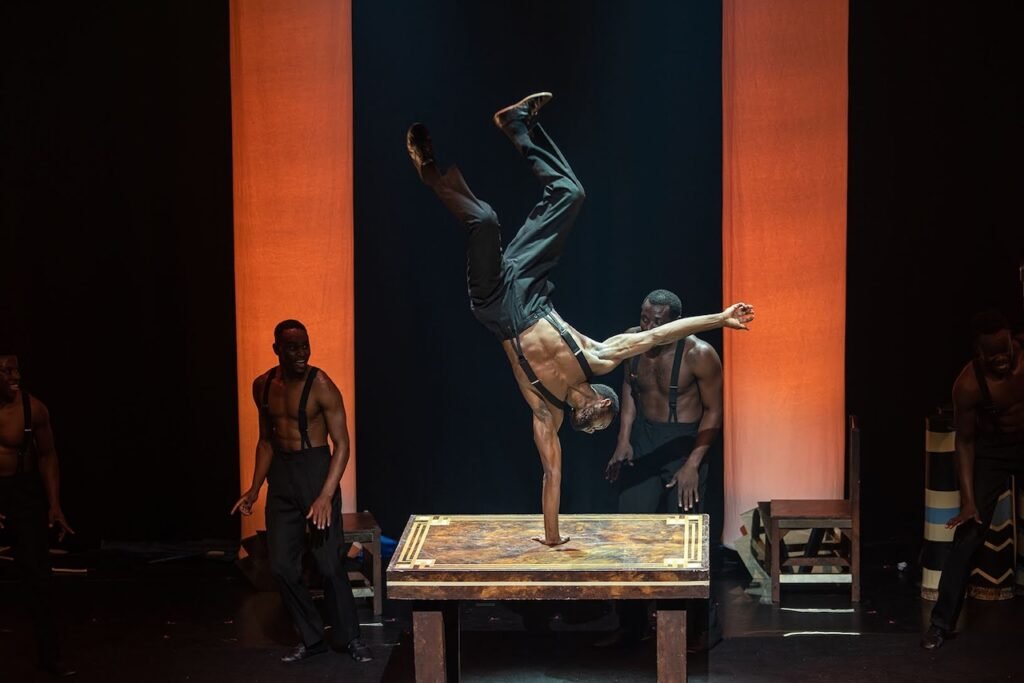
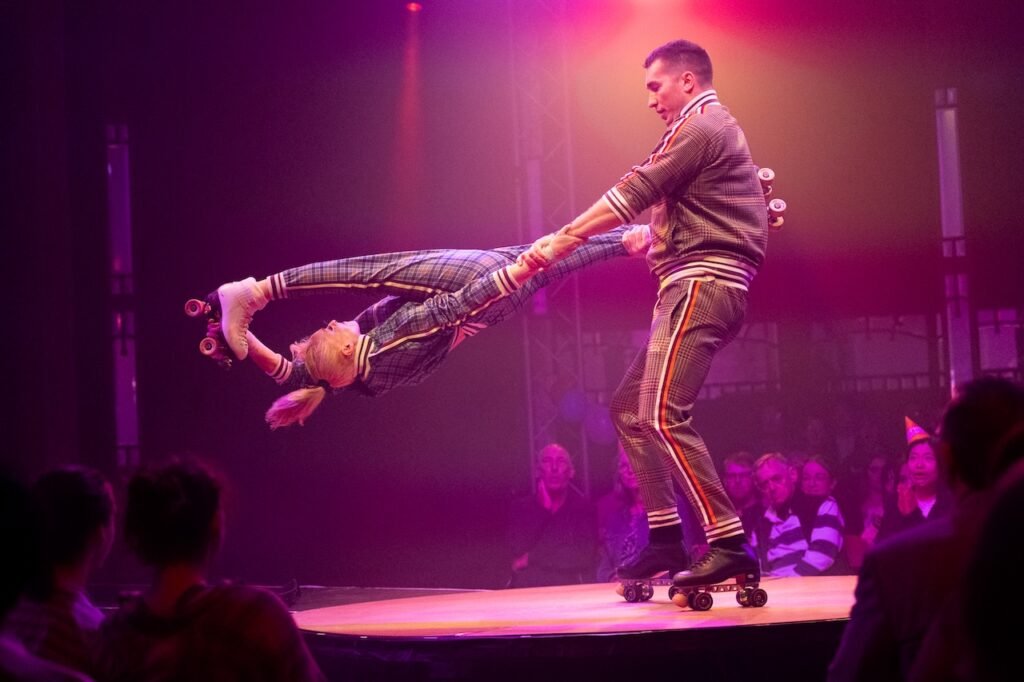
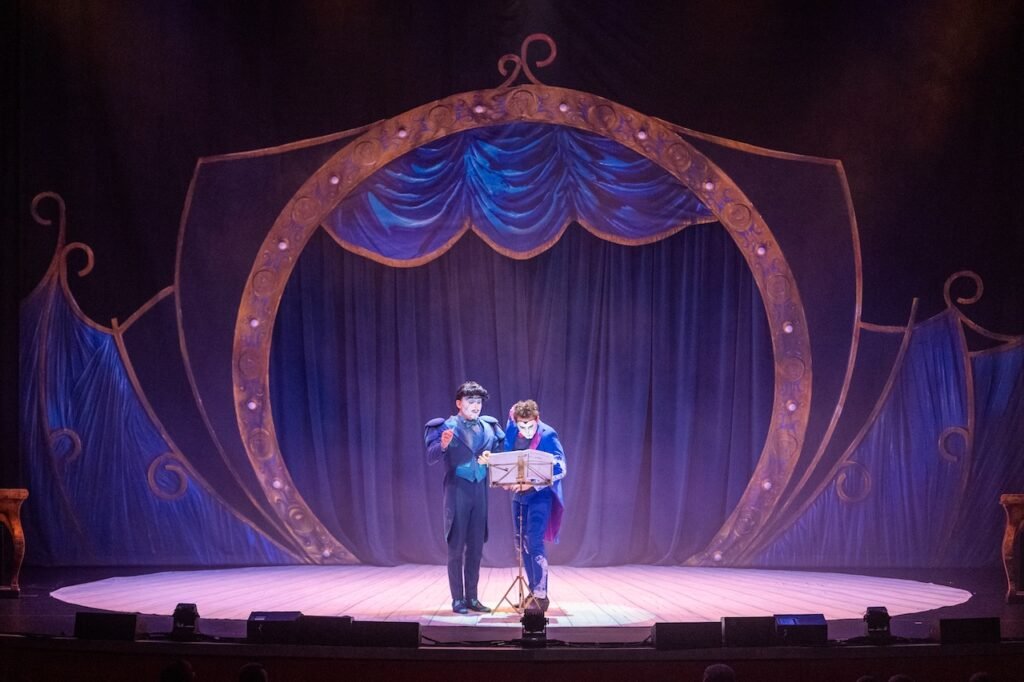
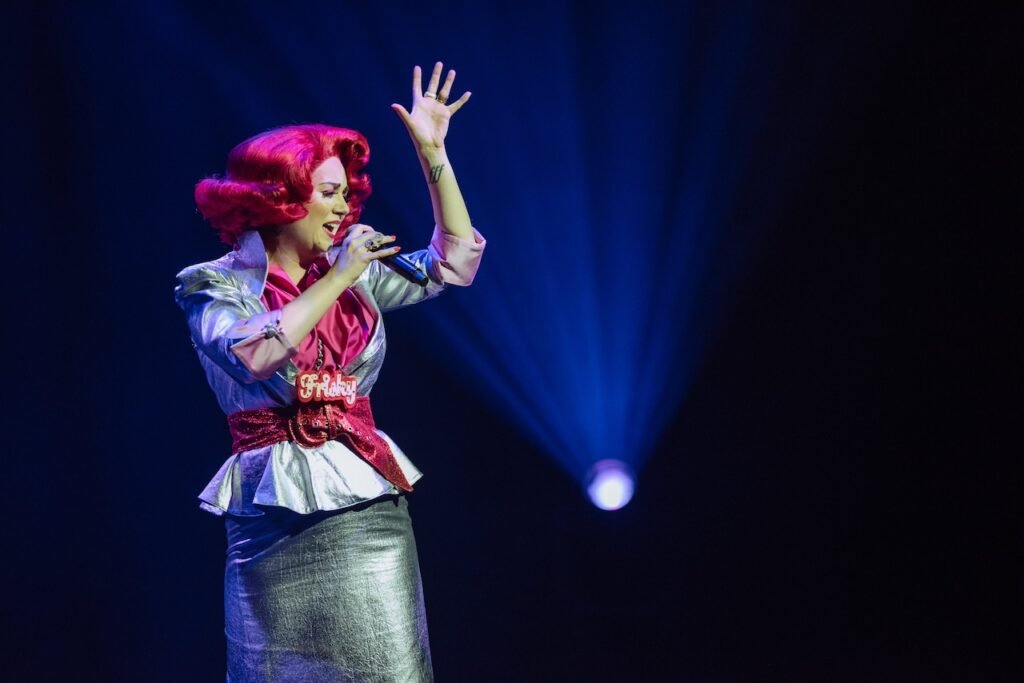
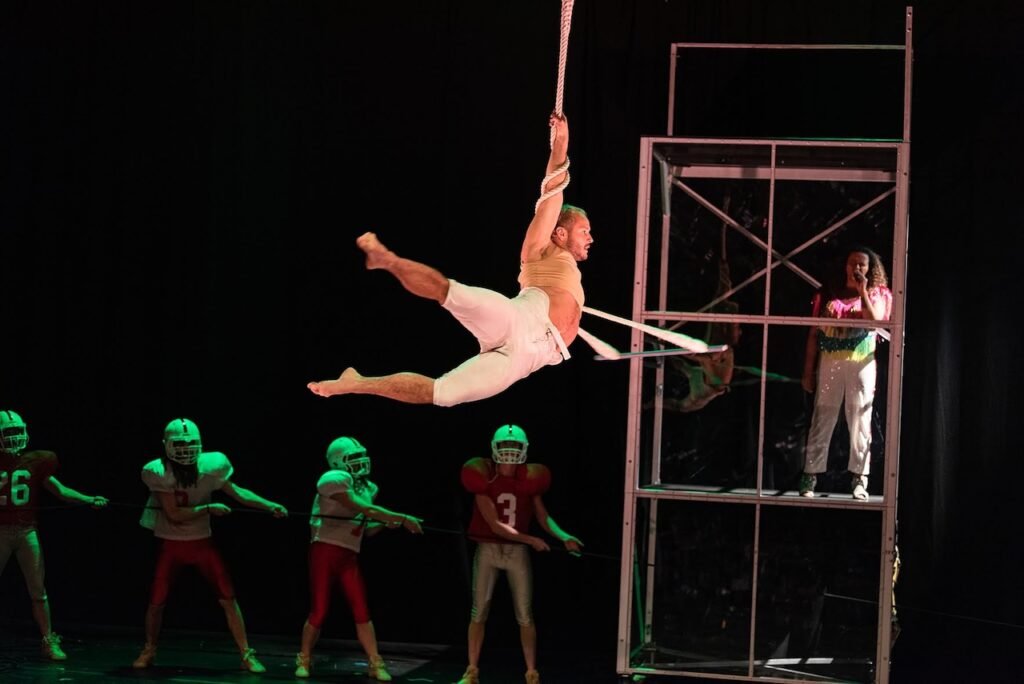
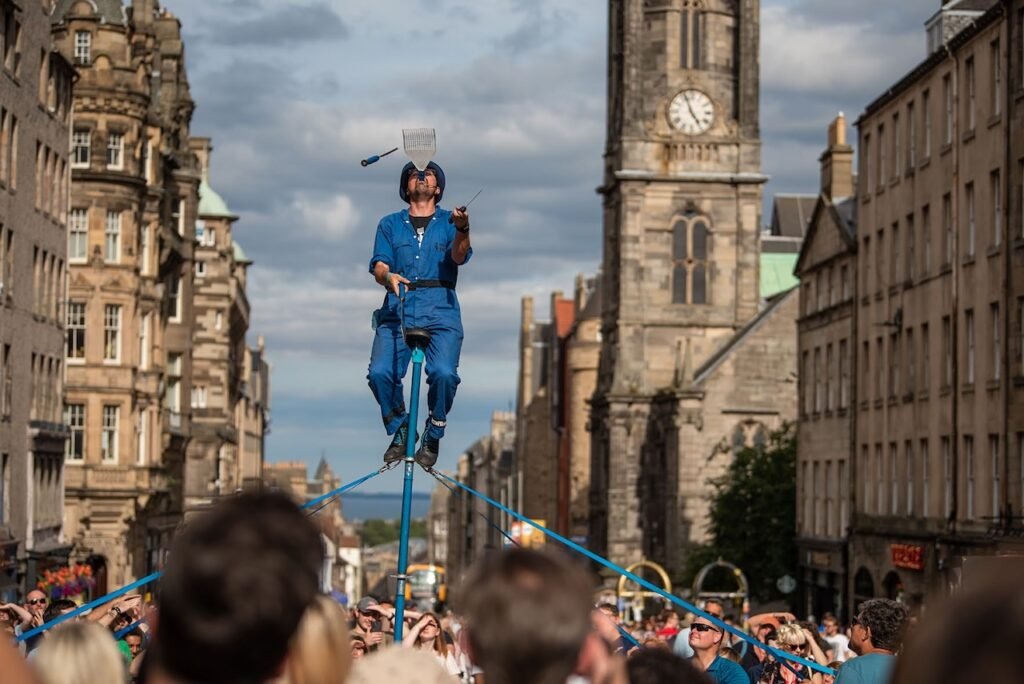
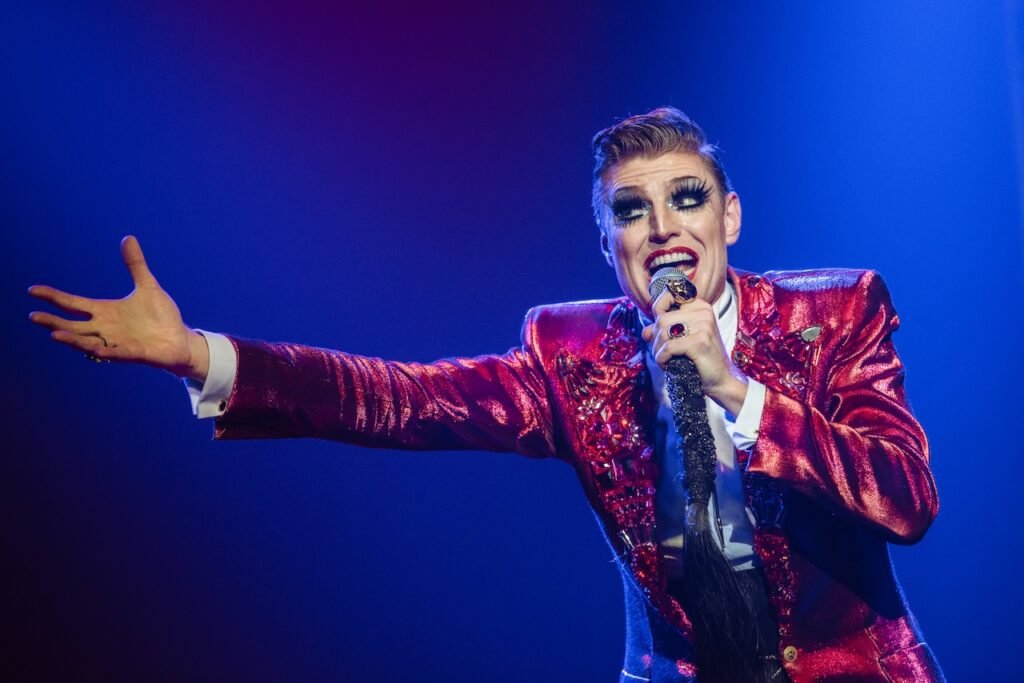
The Fringe’s circus and physical theatre programme continues to grow in ambition and international scope, with companies from across Europe, Latin America and Australasia bringing work that defies easy categorisation. The Assembly, Underbelly and Pleasance venues all programme significant circus content throughout the run, and the Spiegeltent in George Square remains one of the festival’s most atmospheric spaces for late-night cabaret.
What Not to Miss at Edinburgh Fringe 2026
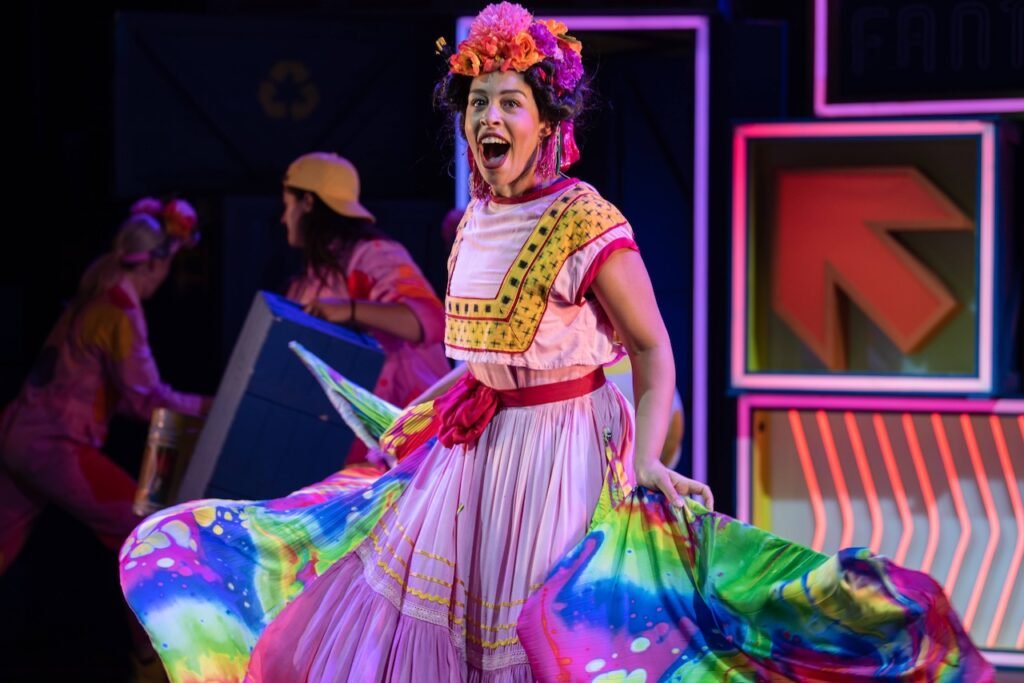
With 3,500 shows to navigate, a little editorial guidance goes a long way. Our essential recommendations for 2026:
For comedy: Frank Skinner’s work-in-progress (Assembly George Square, 5–16 August) and Stamptown (Spiegeltent) are the two shows most likely to be talked about long after August ends.
For theatre: The Trial at the International Festival and Legendary at Underbelly represent two very different but equally compelling approaches to what performance can do in 2026.
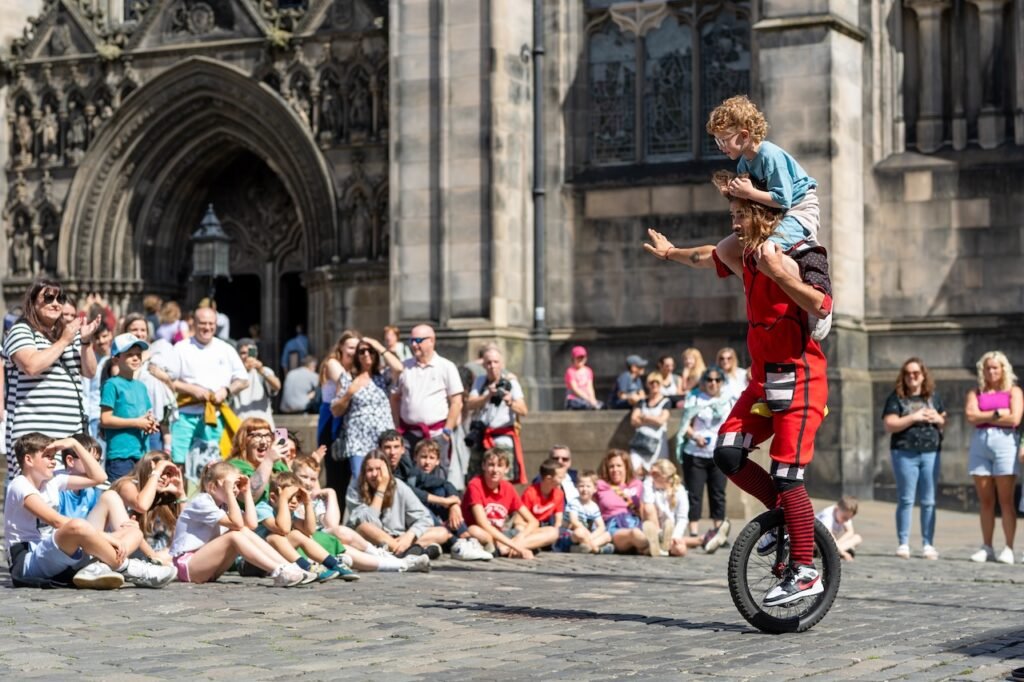
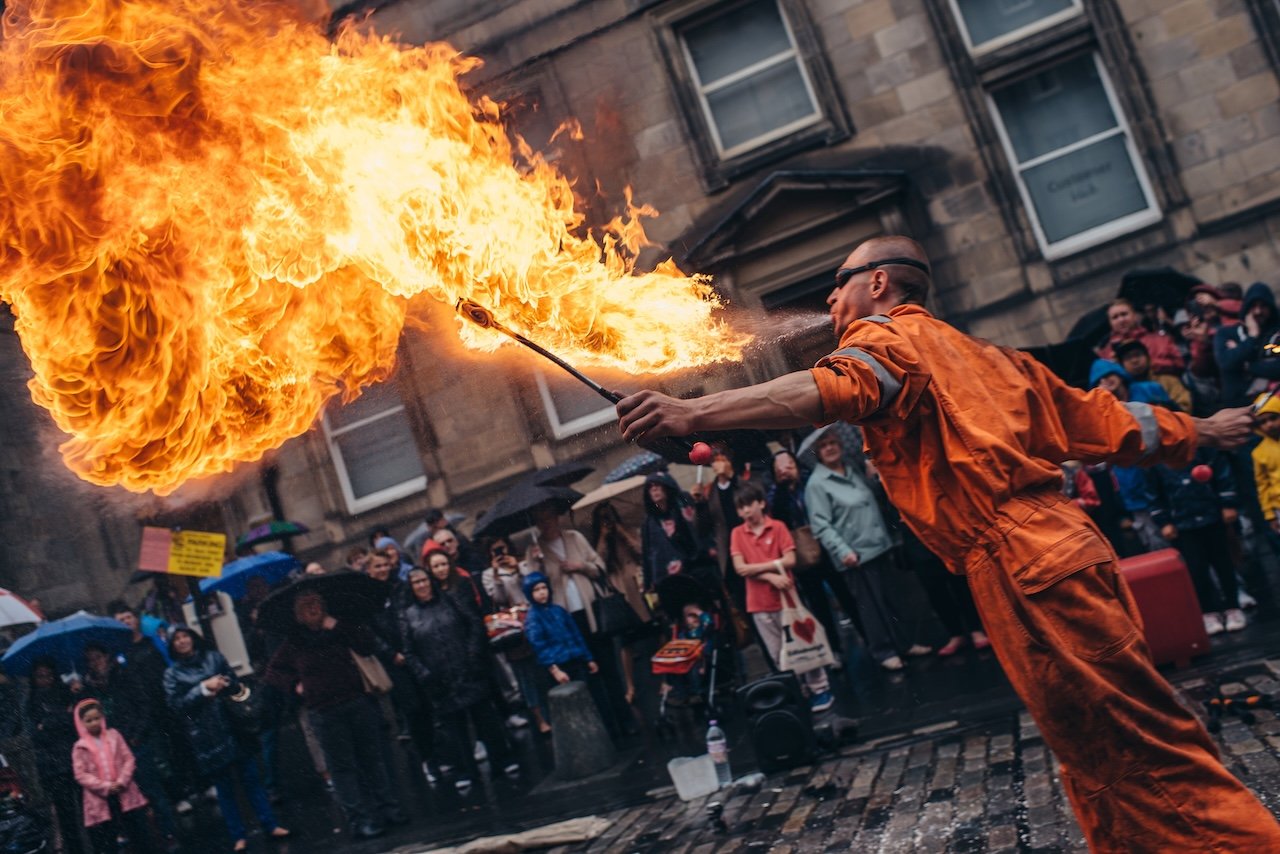
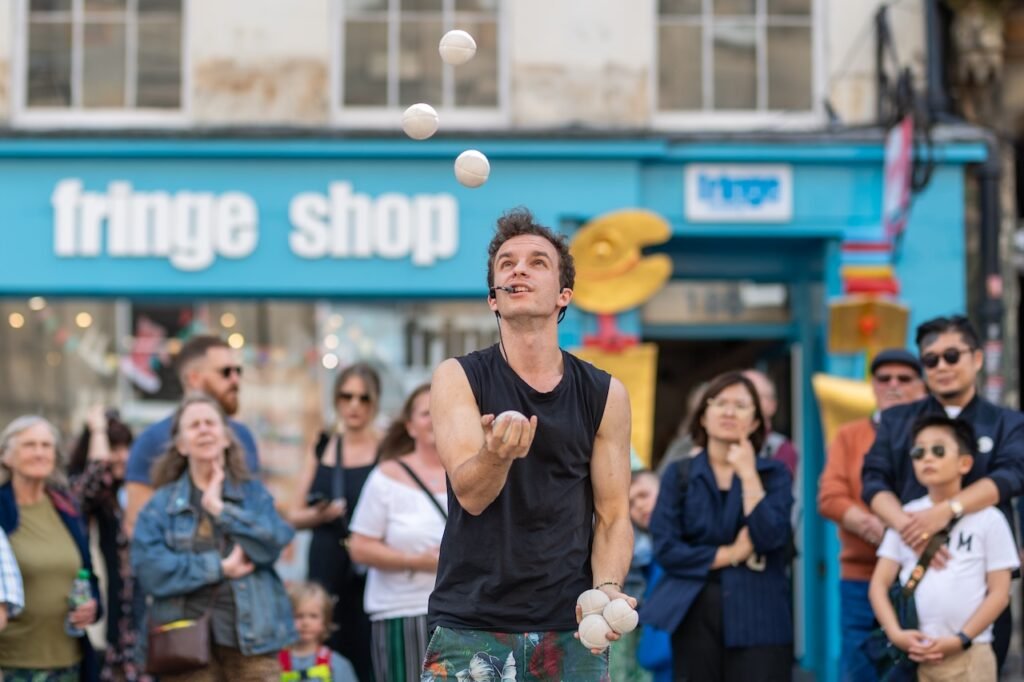
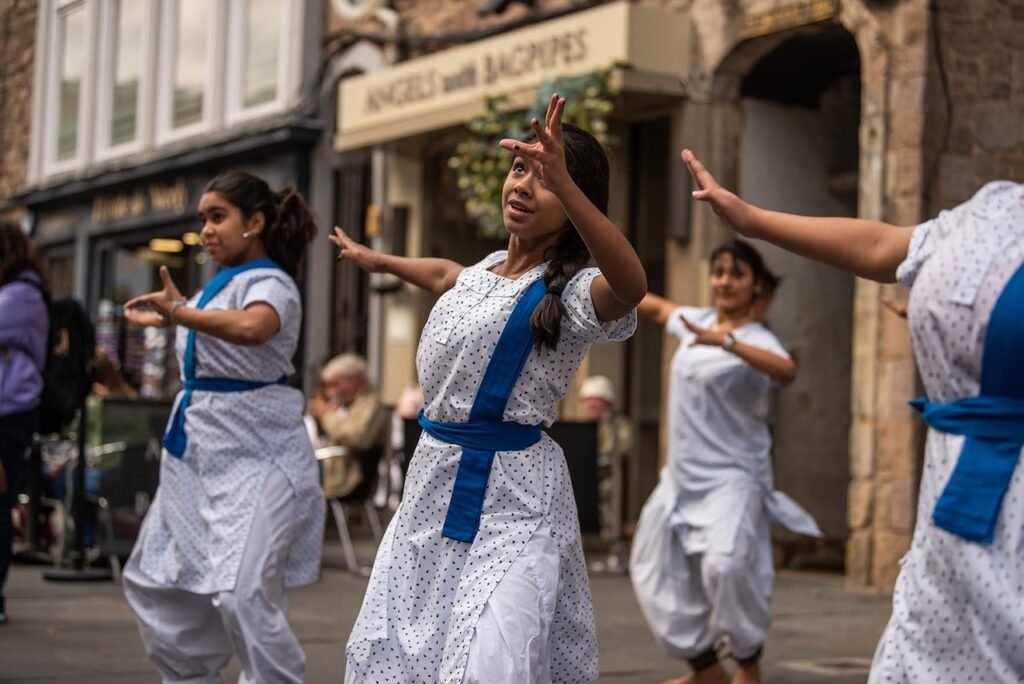
For a classic Fringe experience: Attend a free show on the Royal Mile, take a chance on a £5 preview by a company you’ve never heard of, and stay for the post-show conversation. The Fringe’s most enduring magic lies in the unscheduled moments between the ticketed ones.
For late nights: The Spiegeltent’s cabaret programme and the Assembly Rooms’ late-night comedy offerings are the beating heart of the festival after midnight.
Edinburgh Fringe 2026: Most Asked Questions
When does the Edinburgh Fringe start and end in 2026?
The Edinburgh Festival Fringe 2026 officially runs from 7 to 31 August 2026, with preview performances beginning from 5 August.
How much do Edinburgh Fringe tickets cost?
Fringe ticket prices vary widely, but most shows fall in the US$13-27 range, with the majority hovering around £15–£17. Preview performances are typically discounted, often by £2–£5. Many shows also operate on a Pay What You Want basis, particularly earlier in the run — a genuine opportunity to see high-quality work for whatever you can afford. Big-name comedy acts and major productions may charge US$30-40 or more.
How do I buy Edinburgh Fringe tickets?
Tickets for all Fringe shows can be purchased through the official Edinburgh Fringe website at edfringe.com, or directly through venue box offices. Booking in advance is advisable for popular shows, particularly in the second and third weeks of August, when the most talked-about productions tend to sell out quickly.
Where does the Edinburgh Fringe take place?
The Fringe takes place across more than 300 venues throughout Edinburgh, from purpose-built festival complexes including Assembly, Pleasance, Underbelly and Gilded Balloon, to churches, school halls, pub function rooms, and streets. The highest concentration of venues clusters around the Old Town, the Grassmarket and George Square, though shows are staged across the entire city.
Is the Edinburgh Fringe suitable for families?
Yes — the Fringe has an extensive and well-regarded children’s and family programme, spanning theatre, circus, interactive performance and comedy. The Pleasance and Assembly venues both have dedicated family programming, and the Fringe’s website allows filtering by age suitability.
What is the difference between the Edinburgh Fringe and the Edinburgh International Festival?
The Edinburgh Festival Fringe is an open-access festival — any company can register a show, with no curatorial selection. It is the world’s largest arts festival by number of shows. The Edinburgh International Festival, which runs concurrently, is a curated programme of major international productions in theatre, opera, dance and classical music. Both are worth attending; the two programmes complement each other well, with some of the most significant theatre of the summer appearing at the International Festival.
Where should I stay during the Edinburgh Fringe?
Edinburgh’s accommodation books up fast for August — plan to reserve well in advance, ideally several months ahead. The Old Town and Southside are closest to the highest concentration of venues; the New Town offers a slightly calmer base. Self-catering apartments are a popular option for longer stays, given the irregular hours that Fringe attendance tends to produce.
What should I know before attending the Edinburgh Fringe?
A few essentials: Edinburgh is compact and walkable, but extremely busy in August — allow plenty of time between shows and note that most venues will not admit latecomers. The weather in August is variable; layers and a waterproof are essential regardless of the forecast. Download the Fringe app for programme navigation and last-minute ticket availability. And perhaps most importantly: leave room in your schedule for the unplanned. The Fringe rewards spontaneity.
Photos: Edinburgh Festival Fringe Society


