
A luxury Douro River cruise aboard Scenic Azure reveals Portugal’s port wine heartland, from Porto’s riverside lodges to Lamego, Pinhão and golden Salamanca.
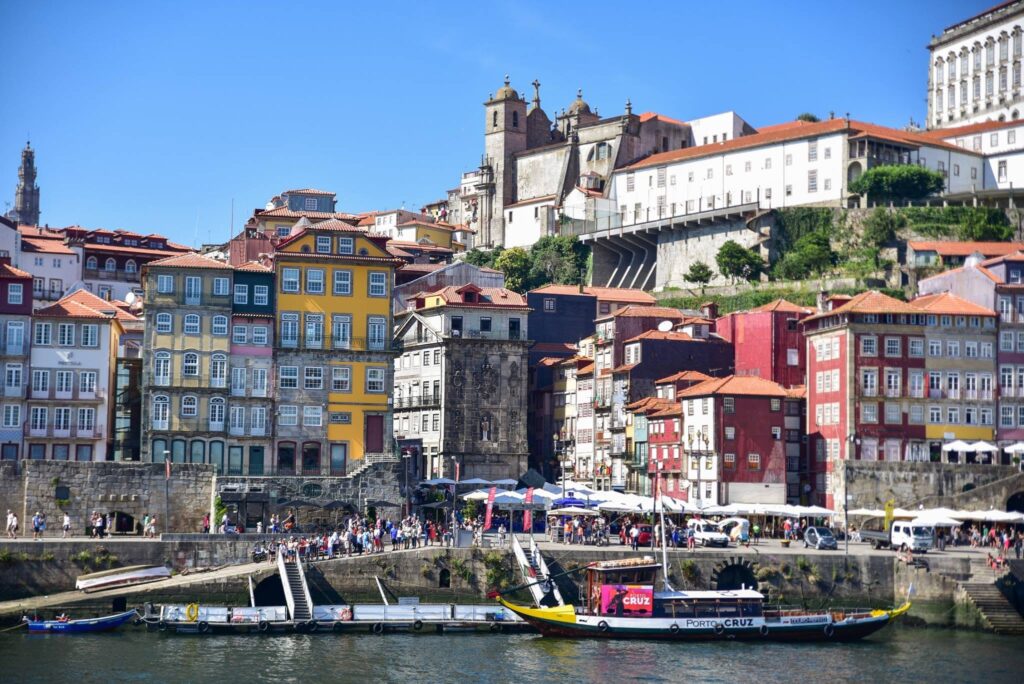
It’s easy to be enchanted in Porto, the starting point for a Douro River cruise. Perched on the edge of the petulant Atlantic, Portugal’s ancient wine-trading hub has always known how to linger in the hearts of visitors. The al fresco seafood restaurants lining both banks – Porto proper to the north, Vila Nova de Gaia to the south – are packed with locals and travellers enjoying the late-summer warmth. On the timeless waters of the river, pleasure boats and ferries criss-cross in our wake.
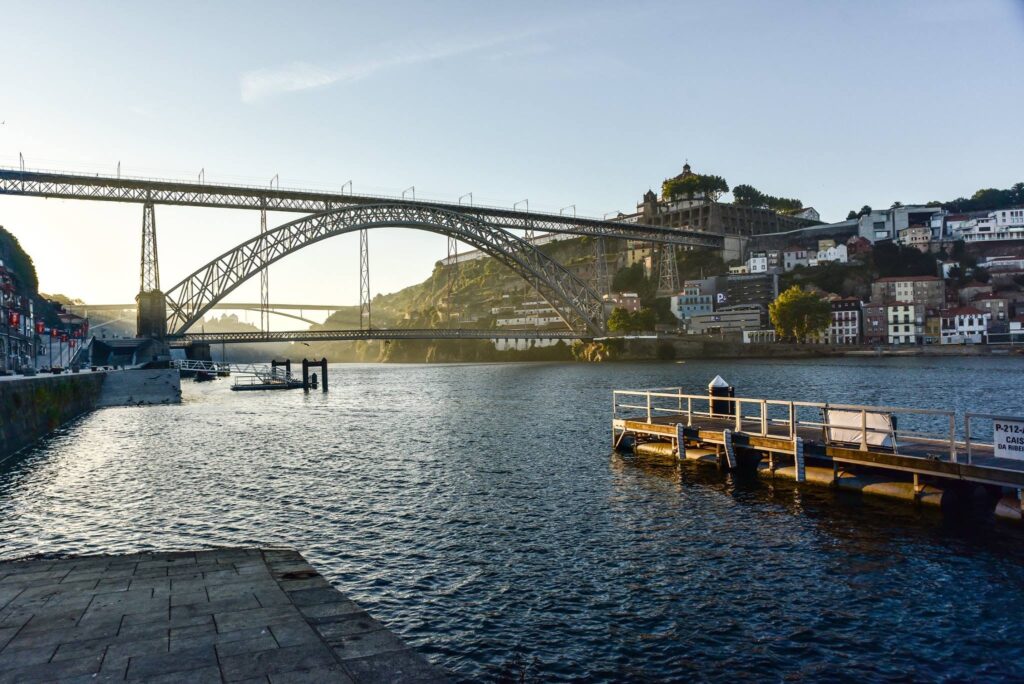
It’s the eve of my own foray up the river, and, seated at a riverside cafe, I sip ruby port as the late-afternoon sun bathes the domed 17th-century church of the Mosteiro da Serra do Pilar in honey-hued light, the shadows of Porto’s riverfront merchant houses lengthen, their pastel facades aglow.
A Douro River Cruise Through Port Wine History
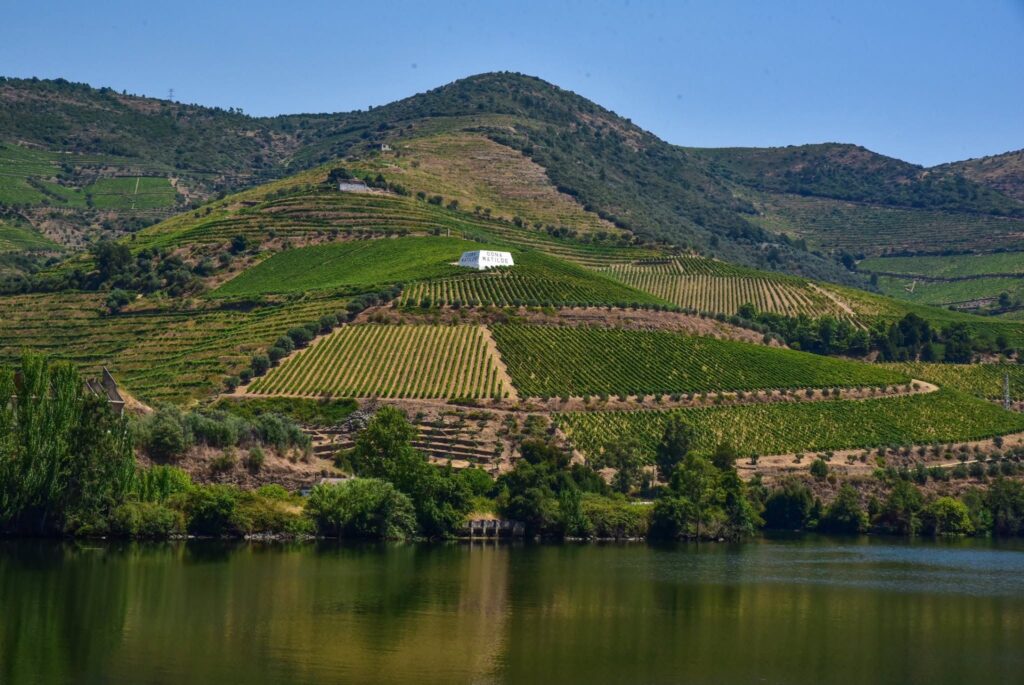
It’s a postcard-perfect beginning to my roughly 400-kilometre journey up and down the Douro Valley, the heart and soul of northern Portugal and the historic trade route of its world-renowned port wine industry. It was down the winding Douro that wine from the valley’s terraced vineyards was carried to Gaia on traditional rabelo sailing boats, bound for cool, north-facing cellars and, so the story goes, lighter taxes than across the river.
Many of the original port houses still have expansive holdings on the south bank, with narrow cobblestone lanes running down the steep slopes between their towering, centuries-old walls. On the riverfront, several rabelos, complete with prop casks, ply the Douro, now carrying camera-toting tourists rather than tawny or Tinta Roriz.
Port helped put Porto on the map, and the Douro made it happen. Vines have grown on the valley’s schist-strewn hills for at least 2,000 years, and by the late 17th century English and Scottish merchants were shipping the robust, full-bodied wines of the Upper Douro downriver to the Atlantic and on to Britain. It’s fitting that the river has played a vital role in the region’s next boom, as travellers from around the world arrive to cruise its gentle waters, sip the valley’s distinctive wines and delve into the traditions of the Portuguese heartland.
On Board Scenic Azure
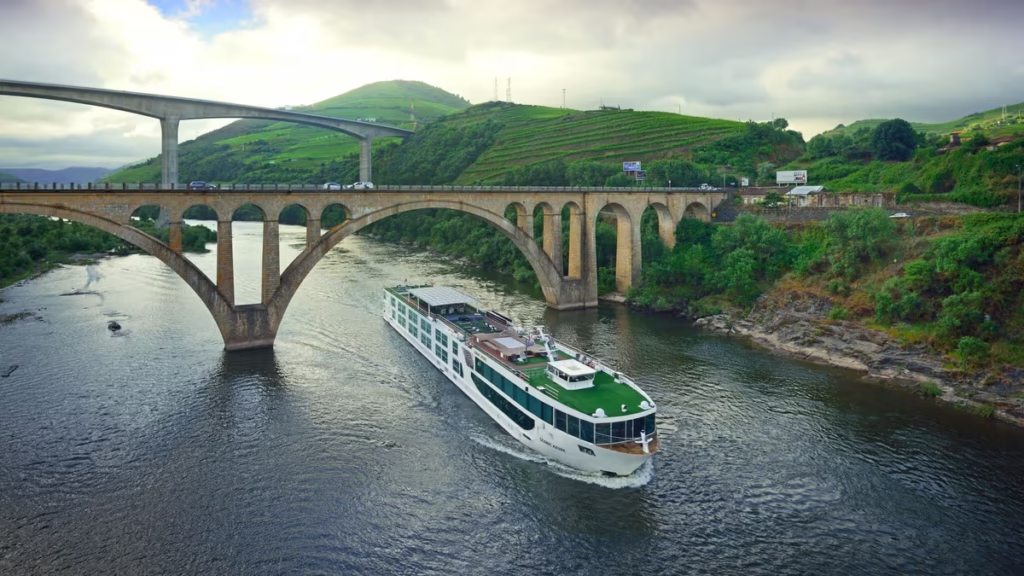
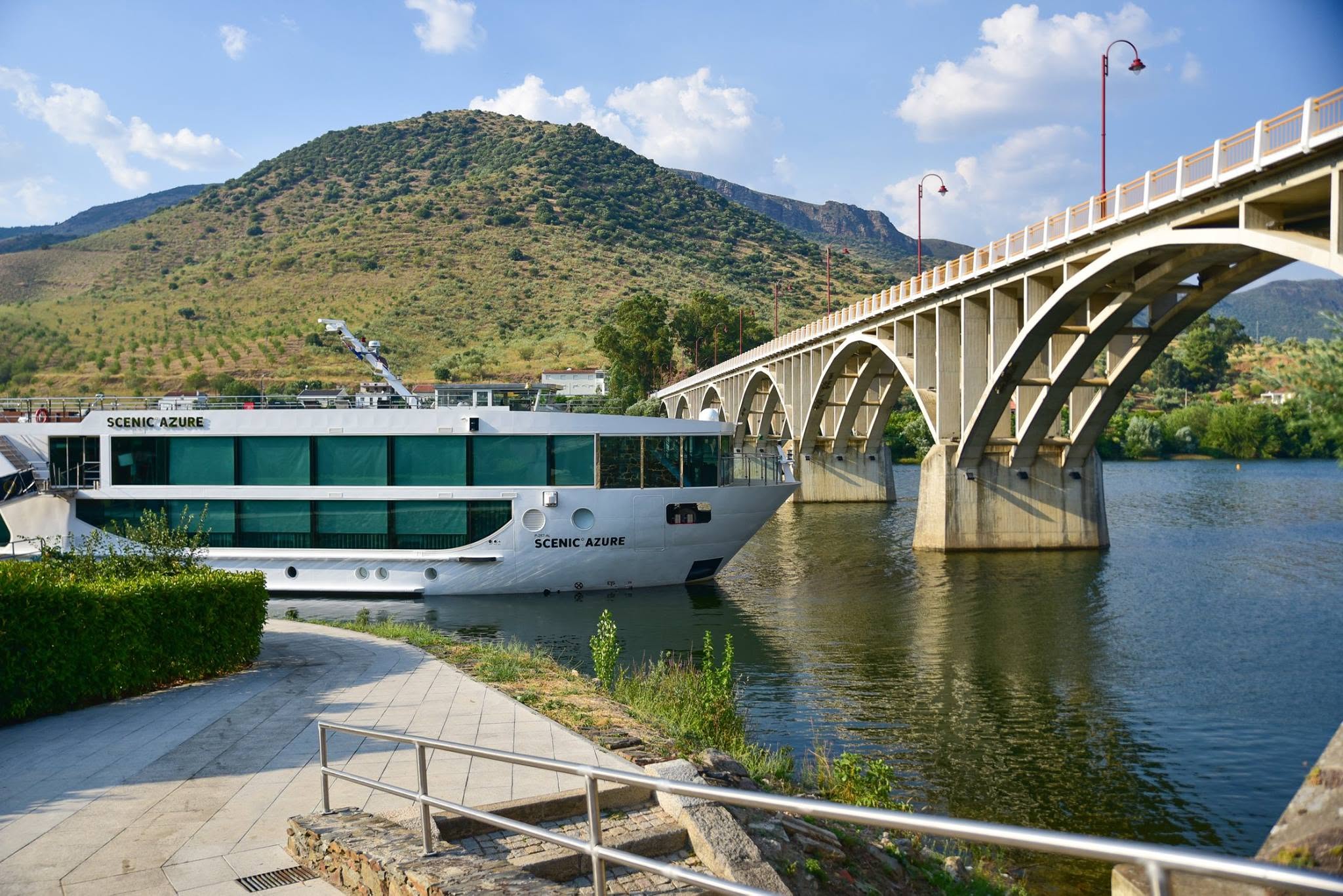
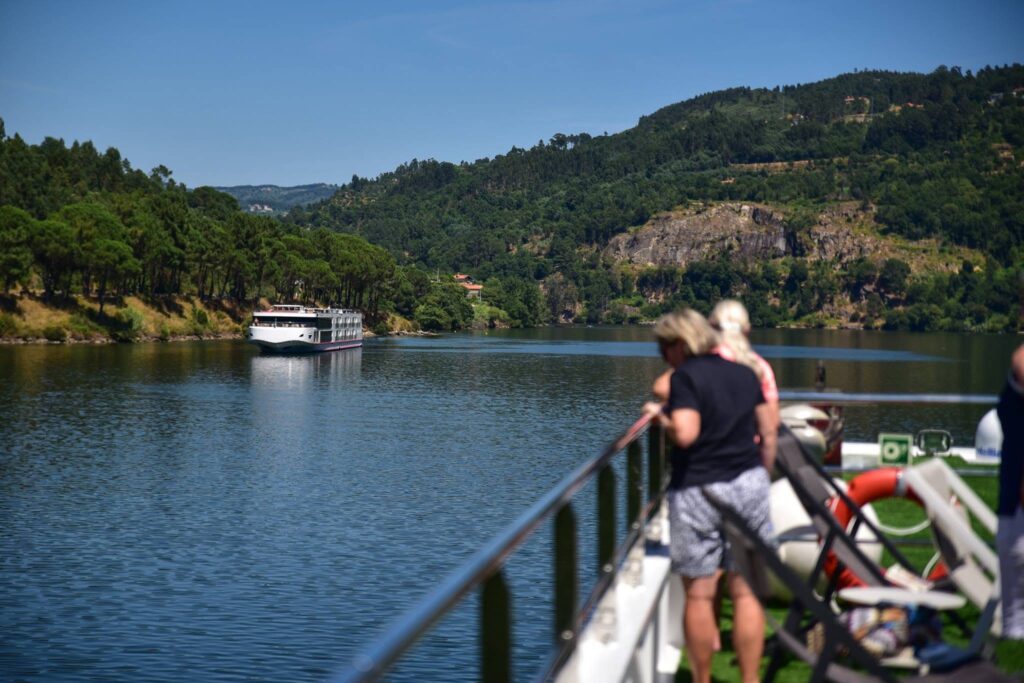
Scenic, the Australian luxury cruise company, is no stranger to the Douro. Its Scenic Azure, one of the brand’s custom-built “Space-Ships”, joined the river in 2016 and brought new levels of luxury, service and exploration to the waterway. Sleek and unashamedly modern, the 96-guest ship is all-inclusive, from elegant suites – many with an electronically controlled Scenic Sun Lounge – to complimentary minibars, spacious bathrooms and butler service, through to chef-driven dining and a range of insightful shore excursions.
By day, as the ship cruises, guests gather on the expansive sun deck to watch the terraced vineyards drift by. As dusk settles, they dress for dinner and make for the chic Panorama Lounge, the heart of the ship, where Maria, our cruise director, hosts nightly port briefings. These cocktail-laced talks set out the excursion options for the day ahead, all fascinating and all included in the fare.
Porto Highlights Before You Sail
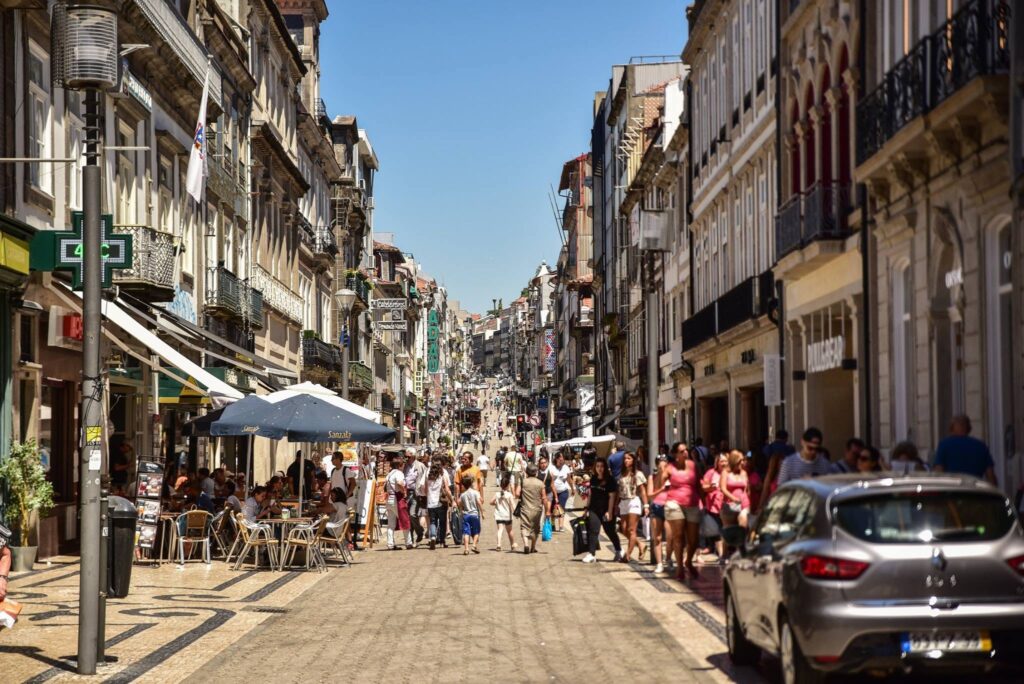
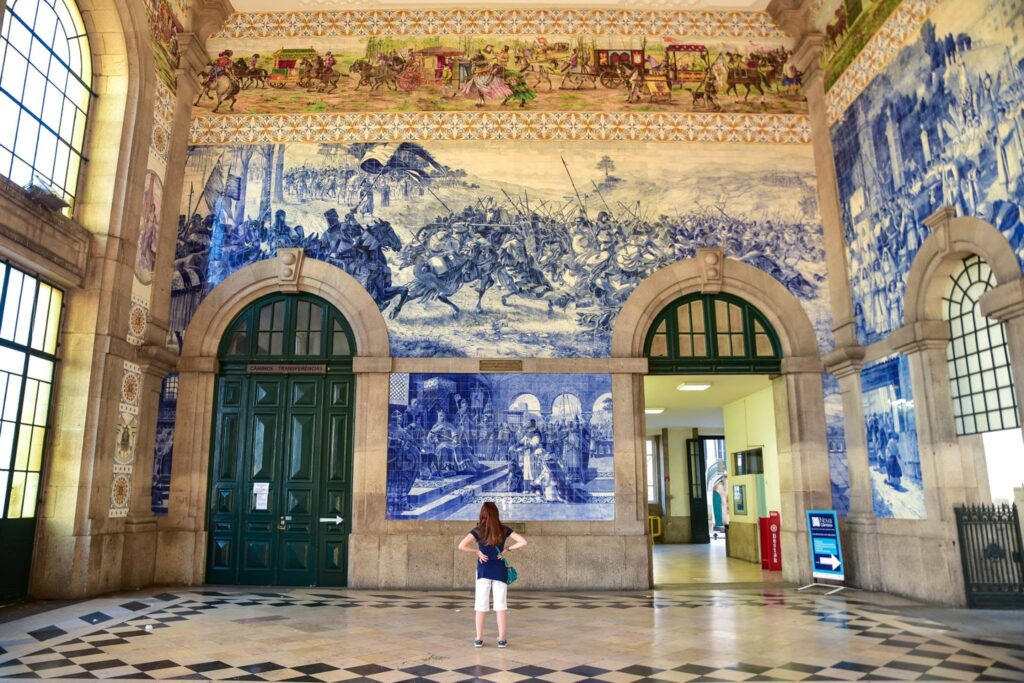
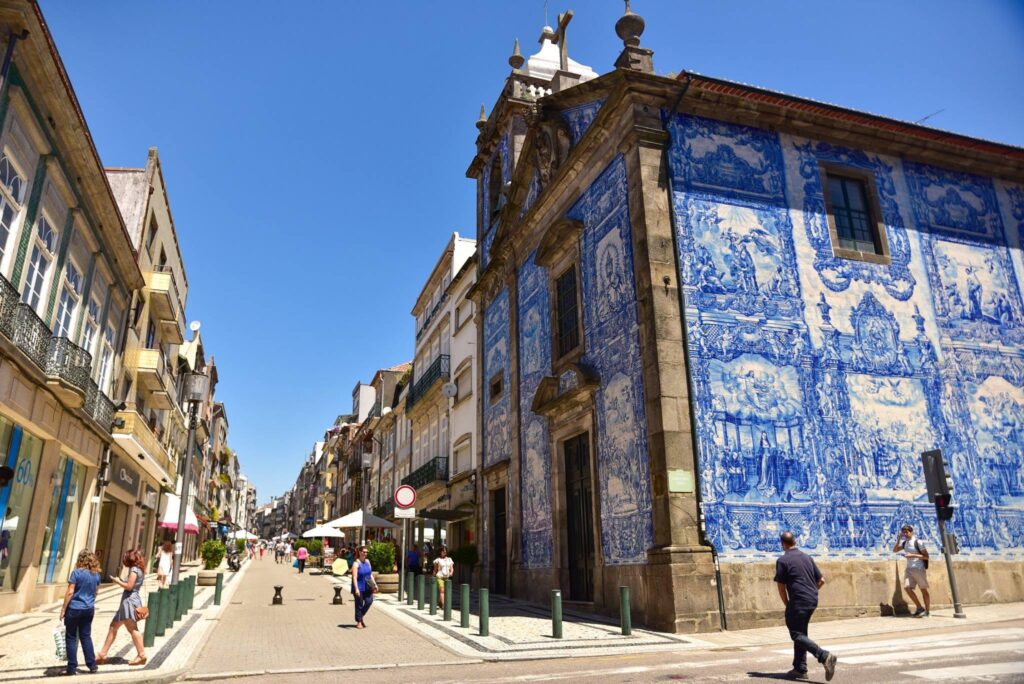
Our first FreeChoice excursion takes us through the regal halls of Porto’s neoclassical Palácio da Bolsa and along the bustling Rua de Santa Catarina shopping street. We curl past the merchants’ mansions lining the Atlantic coast and gaze up at Jorge Colaço’s blue-and-white azulejo panels lining the cavernous atrium of São Bento railway station.
By late afternoon we’re saying goodbye to Porto, cruising east under the gaze of the imposing Episcopal Palace and slipping beneath the bridges that leap the deep river valley: the Ponte do Infante, Gustave Eiffel’s Ponte Maria Pia and the Ponte de São João railway bridge. Sun-worshipping tripeiros (as Porto’s locals call themselves) wave from the river beaches as the UNESCO-listed city centre gives way to bucolic riverscapes punctuated by weathered family estates. Our journey has begun.
Guimarães, Lamego and Peso da Régua
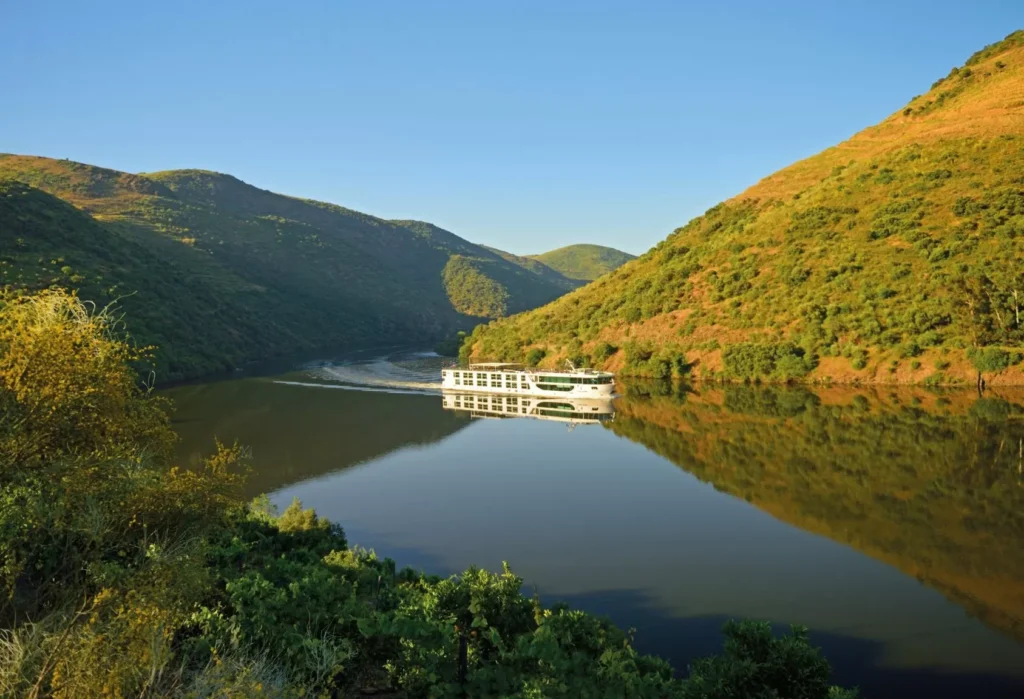
Each day on the river is different. At times we cruise, passing through towering locks and between vertiginous, honeycombed cliffs. At others we leave the ship to explore the region’s complex history.
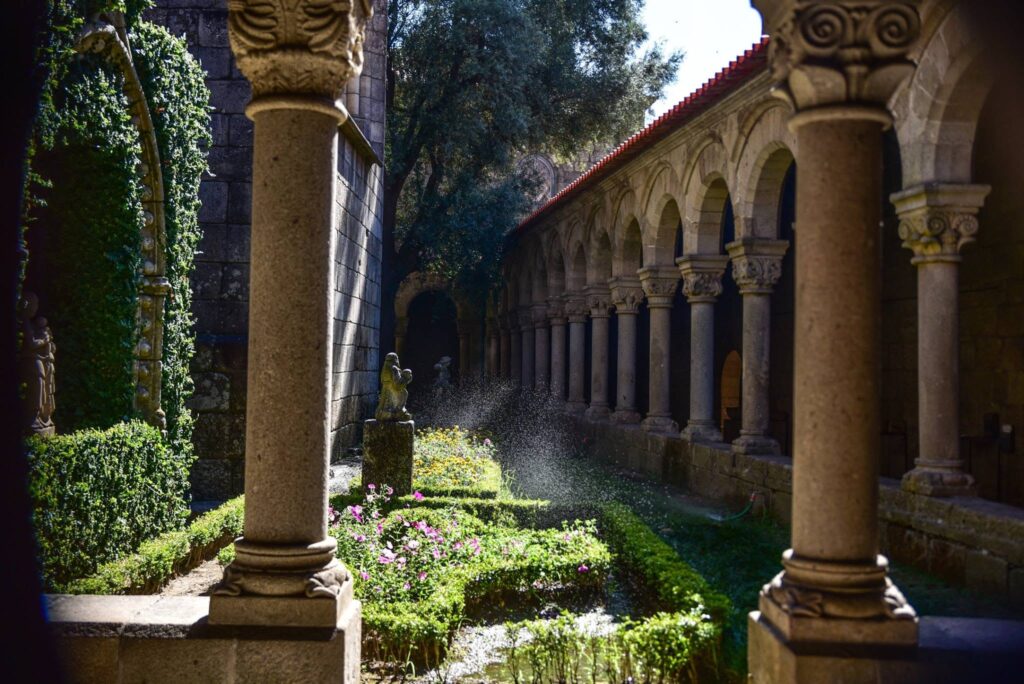
In Guimarães, we wander cobblestone streets to the beautifully restored halls of the 600-year-old Palace of the Dukes of Braganza, built for the first Duke. In Lamego, we visit the hilltop sanctuary of Nossa Senhora dos Remédios, a twin-towered 18th-century church famed for its azulejo-lined interior, before walking its 686 ornamental steps down to the town’s lively main square.
After berthing in Peso da Régua late one afternoon, we learn about local wine production at the riverside Museu do Douro, then sip tawny port cocktails on the terrace to the sound of the Portuguese guitar and fado, Portugal’s haunting traditional singing. With the sun dipping behind hills of endless vines and the music drifting down to the riverfront, it’s an enchanting way to end a day on this extraordinary waterway.
From Cistercian Monks to Salamanca’s Markets
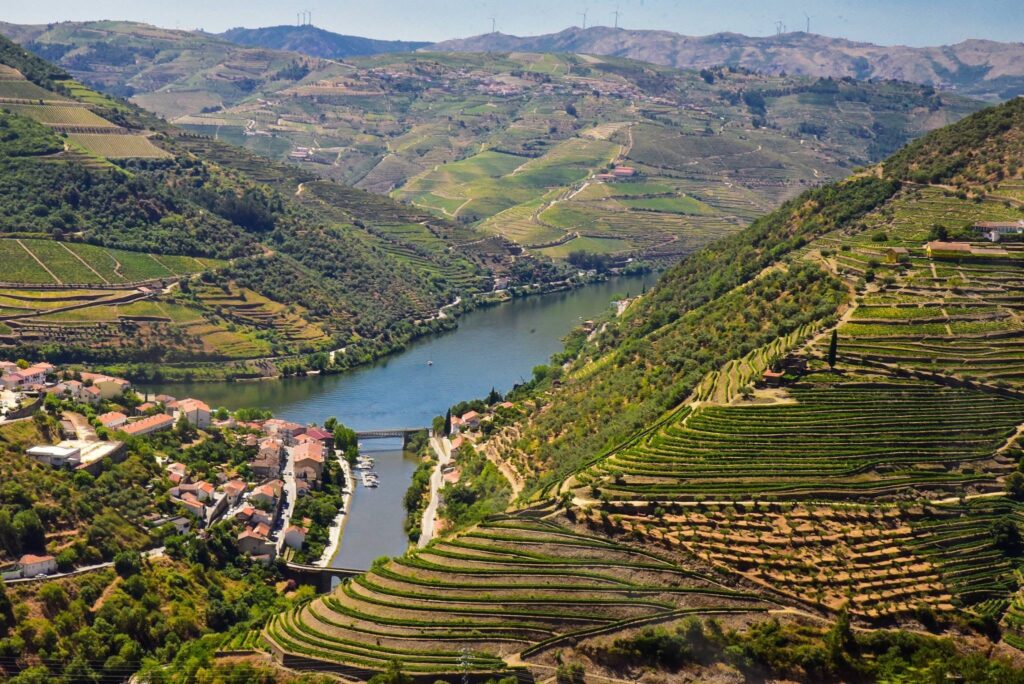
Scenic’s varied excursions map not only the Douro Valley’s past but also its future. We learn how Cistercian monks lived in the 12th century at the Mosteiro de São João de Tarouca, Portugal’s first Cistercian monastery, buying handcrafted elderflower liqueur from local artisans and visiting a museum dedicated to preserving its ruins.
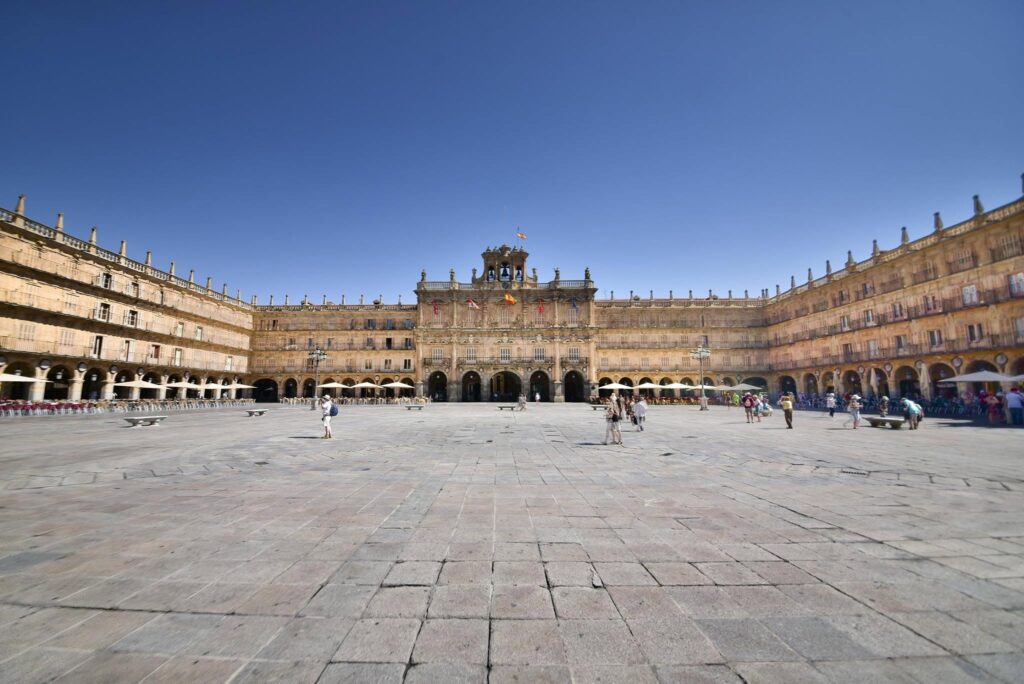
In Salamanca, across the border in Spain and at the halfway point of our journey, we sample Ibérico ham and local cheeses at the cathedral-like Mercado Central de Abastos, before exploring the captivating Museo de Art Nouveau y Art Déco in the Casa Lis. In the Côa Valley, there are options to visit UNESCO-listed prehistoric rock art, learn to roast locally harvested almonds or paddle up a tributary by canoe.
Port Tastings in Provesende and Pinhão
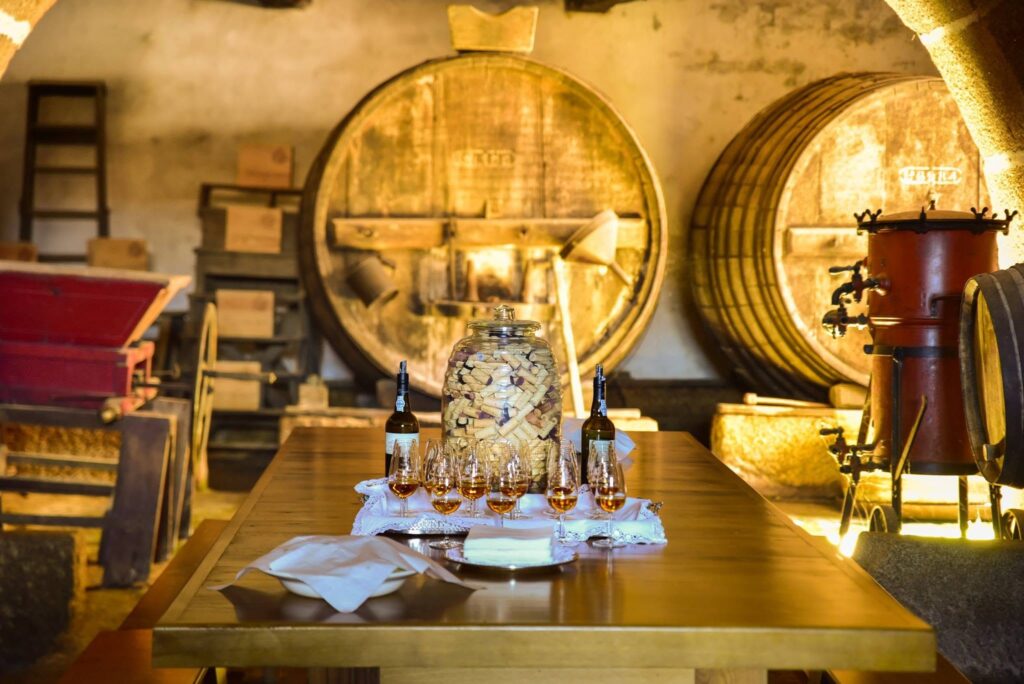
In Provesende, we taste the ports of Morgadio da Calçada in the estate’s 17th-century manor house, now a boutique hotel and cellar door. In Pinhão, we learn how port is made at a private tasting at Quinta do Bonfim, the Symington family’s estate and home of Dow’s Port.
The learning continues on board, with lectures and lessons covering everything from Portuguese language and cooking to traditional tile painting. Yet the beauty of a Scenic cruise is that you can be as active or idle as you like, and I often find myself soaking up the riverscapes from the solitude of my suite’s Sun Lounge.

In fact, the great advantage of a river cruise over an ocean cruise is that you never leave the destination. The towering rock walls of the ancient gorges, the red-roofed manors of the quintas, the mountain villages perched high above the valley and the terraced vineyards plunging to the water are our constant companions. There’s a true sense of becoming part of the place, rather than collecting fleeting moments as a visitor.
Dining on Board: From Crystal Dining to Table La Rive
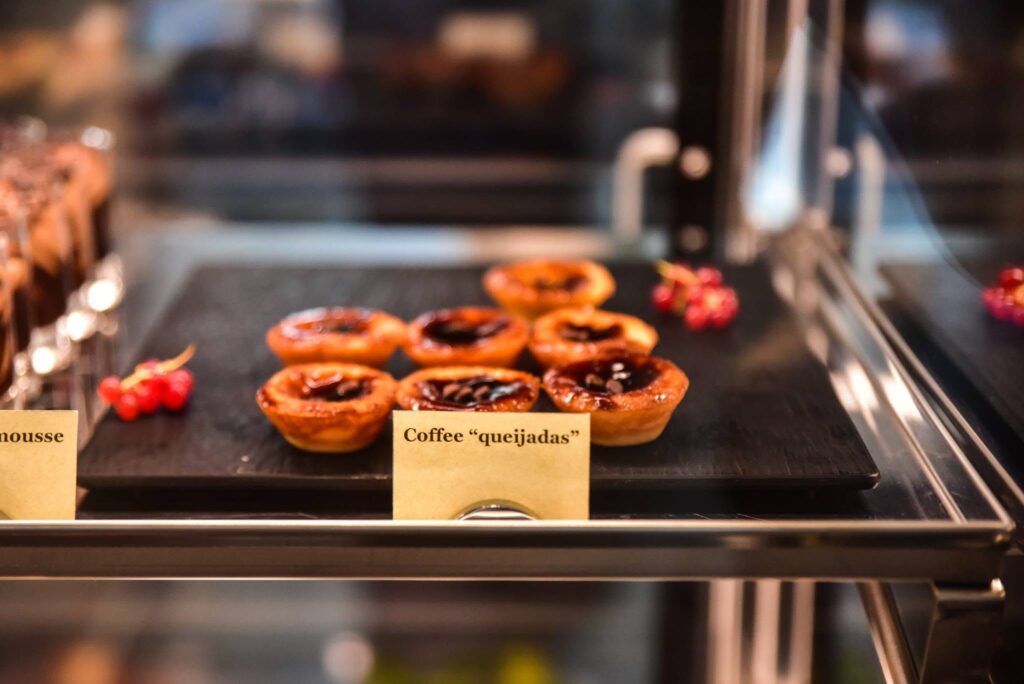
That immersion continues at the table. The elegant Crystal Dining room serves multi-course à la carte dinners alongside breakfast and lunch buffets, while the River Café is home to delectable cakes, pastries and afternoon tea. Portobellos, an Italian fine-dining concept matched with Tuscan wines, sits at the bow.
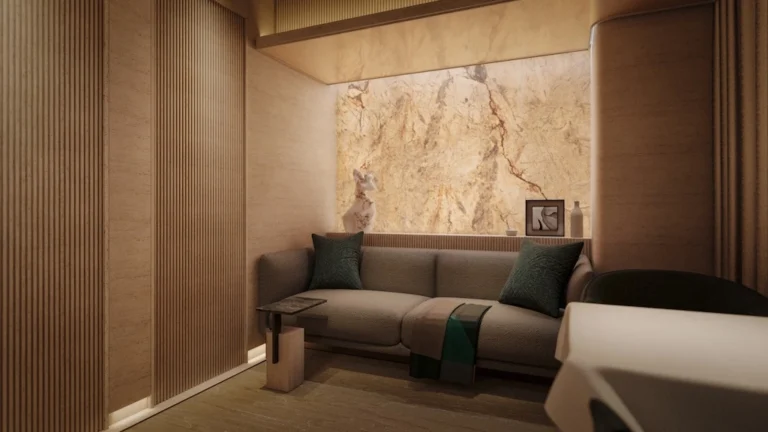
Most intimate of all is Table La Rive, reserved for Royal and Junior Suite guests, with a six-course, locally inspired dégustation and sommelier-paired wines – in this case, the very best of the Douro.
A Farewell to Porto
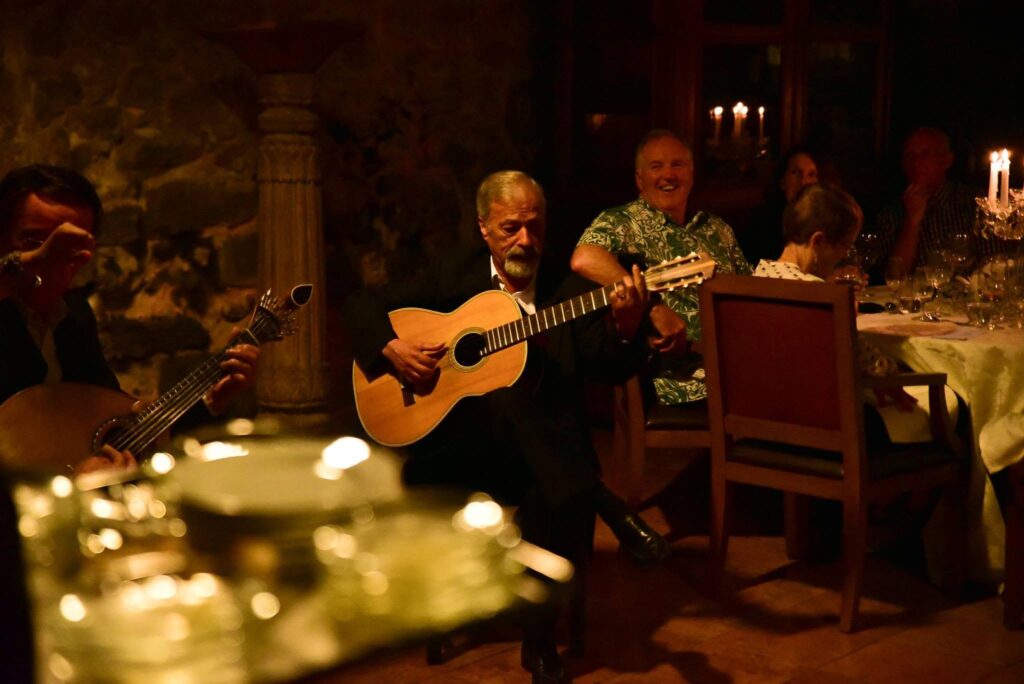
We arrive back in Porto to the cooler air of the Atlantic coast, bronzed after lazy afternoons around the sun deck pool, al fresco barbecues and wanders through time-weathered valley villages. Our last evening is a farewell dinner among the barrels of the Burmester cellars in Gaia, a port house founded in 1750 by Henry Burmester and John Nash. To the haunting tones of fado, we toast our new discoveries, the rich heritage of this soulful corner of Europe and the bright future it’s set to enjoy.
Planning Your Douro River Cruise
| Planning point | What to know |
|---|---|
| Getting there | No non-stop flights from Singapore or Hong Kong. Fly one-stop via Dubai (Emirates flies Dubai–Porto) or via Lisbon or a major European hub. |
| Cruise length | Scenic’s Delightful Douro is 8 days round-trip from Porto; add 2–3 nights in Porto before or after. |
| Best months | April–June and September–October; harvest runs mid-September to early October. July–August is hot inland. |
| Entry | Singapore and Hong Kong SAR passports enter Schengen visa-free for up to 90 days; see the Q&A on ETIAS. |
| Pace | Excursions involve cobblestones and steep stairs; easier “gentle walker” options are usually offered. |
Douro River Cruise Q&A
Dreaming of a Douro River cruise? Here are clear, current answers to the questions travellers google most before booking Portugal.
Do I need a visa or ETIAS to visit Portugal?
Citizens of Japan, South Korea, Singapore, Malaysia, Brunei, the United Arab Emirates, Israel, Timor-Leste, and holders of Hong Kong SAR, Macao SAR, and qualifying Taiwan passports can enjoy visa-free access. Everyone else—including citizens of China, India, Indonesia, the Philippines, Thailand, Vietnam, Pakistan, Bangladesh and most other Asian countries—must apply for a Schengen short-stay visa in advance.
Visa-exempt visitors will eventually need an ETIAS online travel authorisation , while those who require a visa should apply through the Portuguese consulate or an authorised centre such as VFS Global. The standard adult fee is €90 (US$100), processing usually takes around 15 days, and applicants must provide a valid passport, travel insurance, proof of funds, accommodation and return travel. Always double-check the latest requirements with the Portuguese Ministry of Foreign Affairs or the relevant embassy before booking.
Can you fly direct to Portugal from Asia?
No. The easiest routing is one stop via Dubai, as Emirates flies to both Porto and Lisbon. You can also connect through Lisbon or major European hubs like London and Madrid, and many Douro cruises include Porto airport transfers.
When is the best time for a Douro River cruise?
April to June brings green terraces and mild touring weather, while September and October bring the grape harvest and autumn colour. The harvest usually runs from mid-September to early October. July and August are the hottest months inland, often reaching the high 20s (Celsius) or more.
How many days do you need in the Douro Valley?
Most luxury river cruises, including Scenic’s Delightful Douro, run seven nights round-trip from Porto. Travelling by land, two or three nights at a quinta is enough to taste at several estates and see Pinhão and Régua. Add two nights in Porto either side.
How do you get from Porto to the Douro Valley?
The scenic Douro line runs from Porto’s São Bento station to Peso da Régua in about two hours and on to Pinhão. By car or private transfer, Régua is roughly 90 minutes from Porto. Day tours and cruises are the easiest option if you plan to taste.
What is the difference between tawny and ruby port?
Ruby port is aged briefly in large vats or bottles, keeping its deep colour and fresh red-berry fruit. Tawny is aged for years in small oak casks, where gentle oxidation brings an amber hue and flavours of nuts, caramel and dried fruit. Vintage port, made only in declared years, ages mostly in bottle.
If you’re contemplating a river cruise, check out our guides to the best cruise companies plying the Douro, Danube, Rhine, Nile, Mekong and Amazon as well as our guide to river cruising for first timers.