
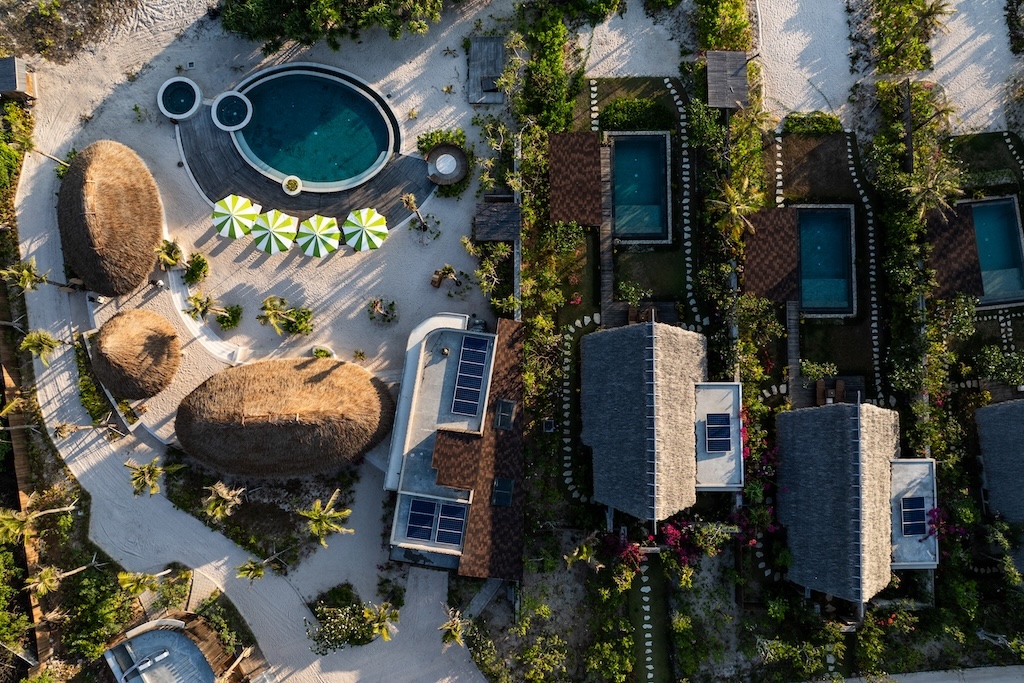

On Indonesia’s remote Rote Island, NIHI’s newest resort officially opens in October, pairing 21 handcrafted villas with a groundbreaking hospitality academy for local students year-round.
Southeast of Bali, past the crowds and the villa-lined beach clubs, Rote Island has spent decades as a rumor among surfers, a place where the waves were legendary and the roads were not. This October, that secrecy meets its most consequential test yet.
NIHI Rote & Hospitality Academy, the long-anticipated sister property to the cult-favorite NIHI Sumba, is completing its phased debut with a full, official opening this October with 21 handcrafted villas, a beach club built for surfers, and something no five-star resort in Indonesia has quite attempted before: a working hospitality school embedded in its front desk.
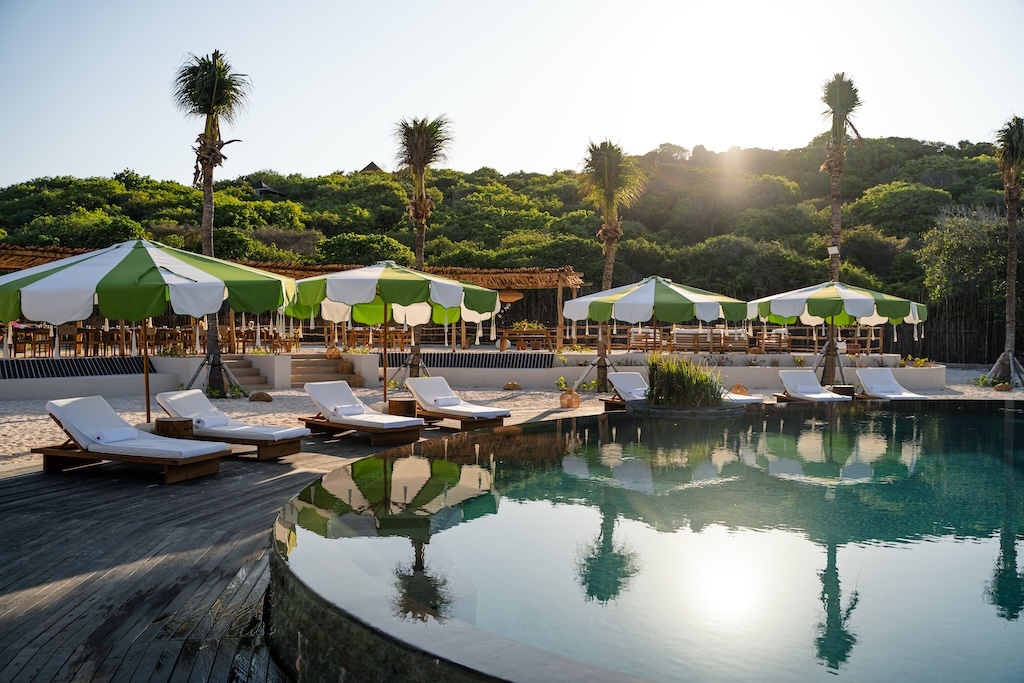
The resort started slipping its first guests between the sheets in April, offering villas, surf access, and dining at Nammo Beach Club while construction continued around them. September delivered the main pool, spa, and Ombak Restaurant & Bar. Now, as the final pieces settle into place, NIHI Rote enters its complete form, a resort on Bo’a Beach in Nusa Tenggara Timur, Indonesia’s southeastern frontier, built from coconut-leaf roofs and hand-carved wood using traditional Rotenese techniques.
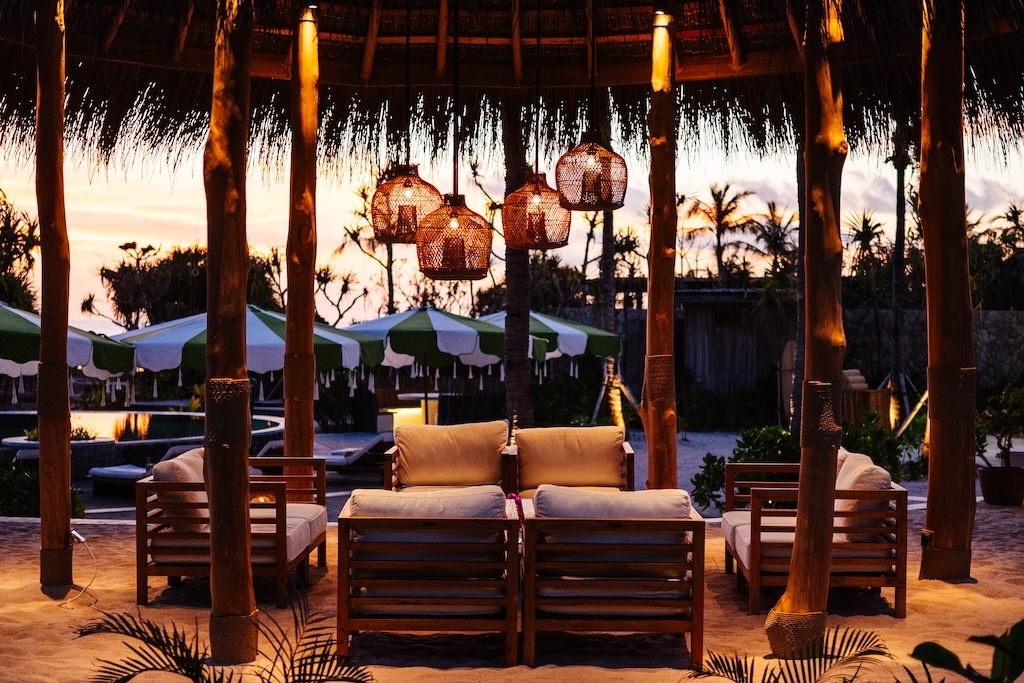
The 21 one- and two-bedroom villas, ranging from 1,400 to 2,900 square feet, each come with a private plunge pool and a zero-plastic ethos that runs through the entire property. It is, by design, the kind of place NIHI has always specialised in: remote enough to feel discovered, comfortable enough to feel indulgent. Rates begin at US$800 a night, all-inclusive, with increases expected as the resort settles into full operation.
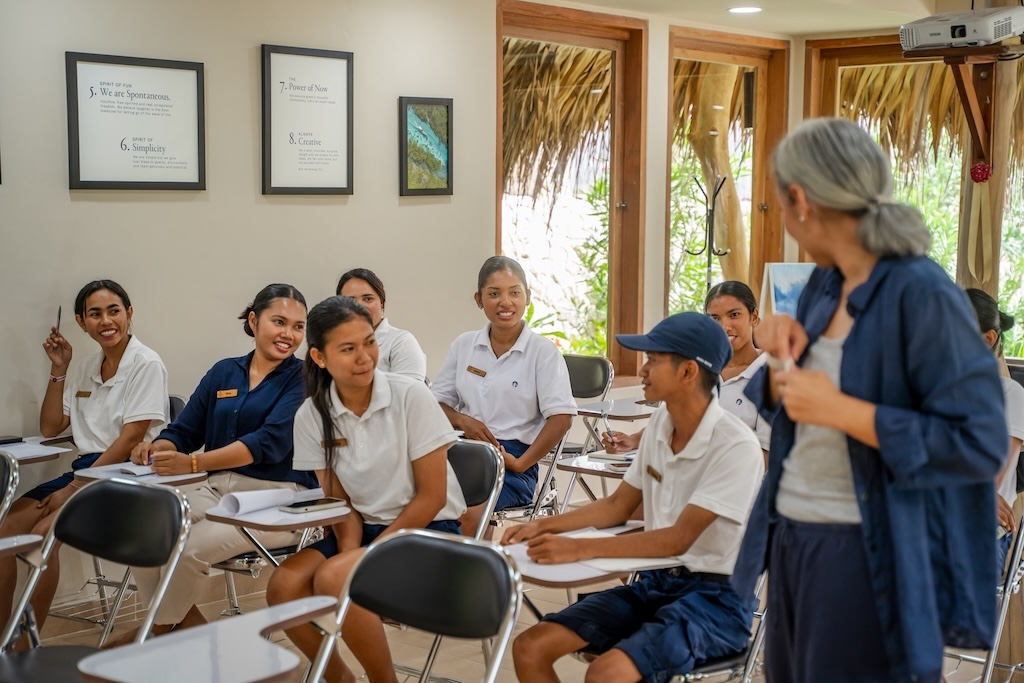
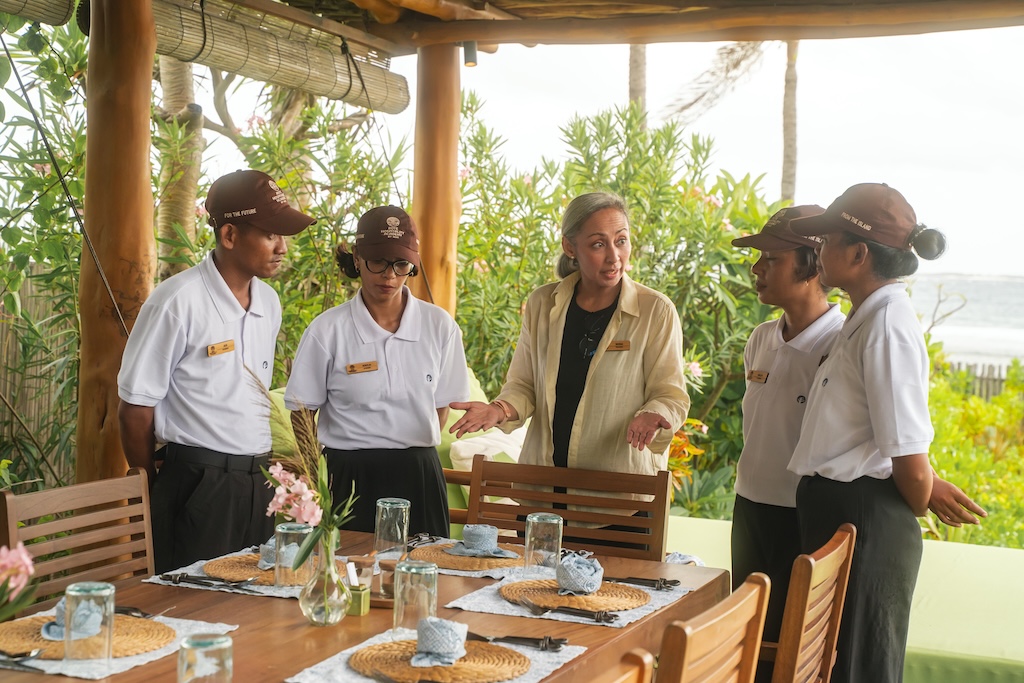
But the villas are not really the headline. At NIHI Rote, guests check in through the Rote Hospitality Academy itself, a non-profit school where students from Rote Island and neighboring Timor-Leste train in culinary arts, hospitality, and sustainability while helping run the resort around them. The program, developed with investor and surfer Michael Schwab and endorsed by Nobel Peace Prize laureate and Timor-Leste President José Ramos-Horta, threads directly through the guest experience, from English lessons over breakfast to swim sessions with students, forming itineraries shaped as much by exchange as by leisure.
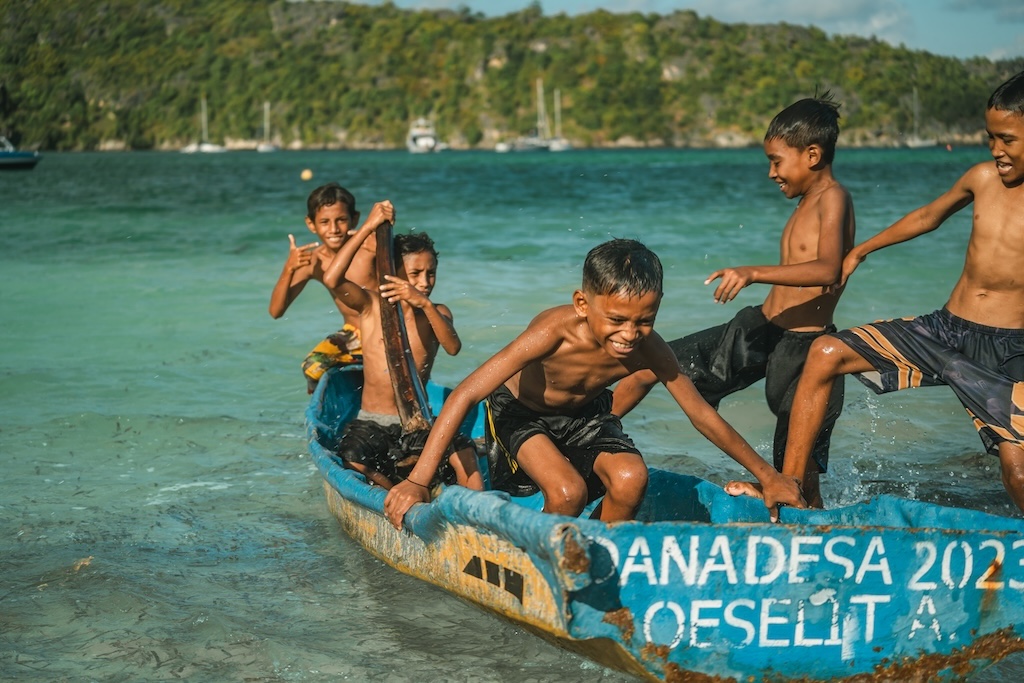
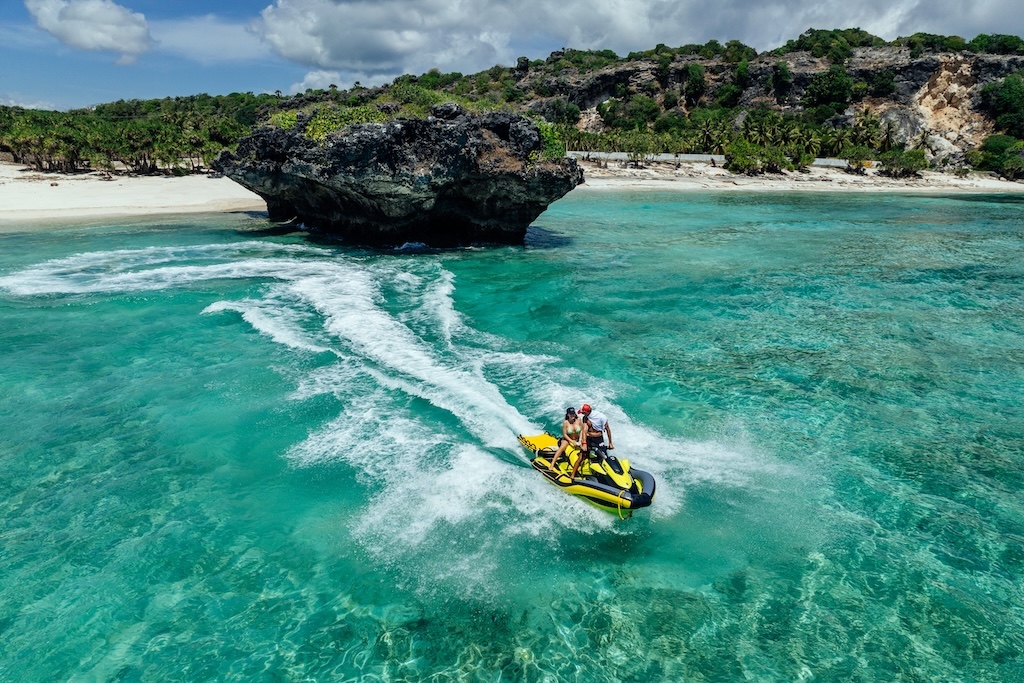
For travellers, the draw is still, unmistakably, the water. Bo’a Beach delivers a fast, hollow break just steps from the villas, while daily “surfari” boats and complimentary shuttles reach Nemberala Beach and the storied left-hand reef break known as T-Land, a wave surfers have chased quietly for years, long before Rote had anywhere resembling a five-star bed to sleep in afterward.
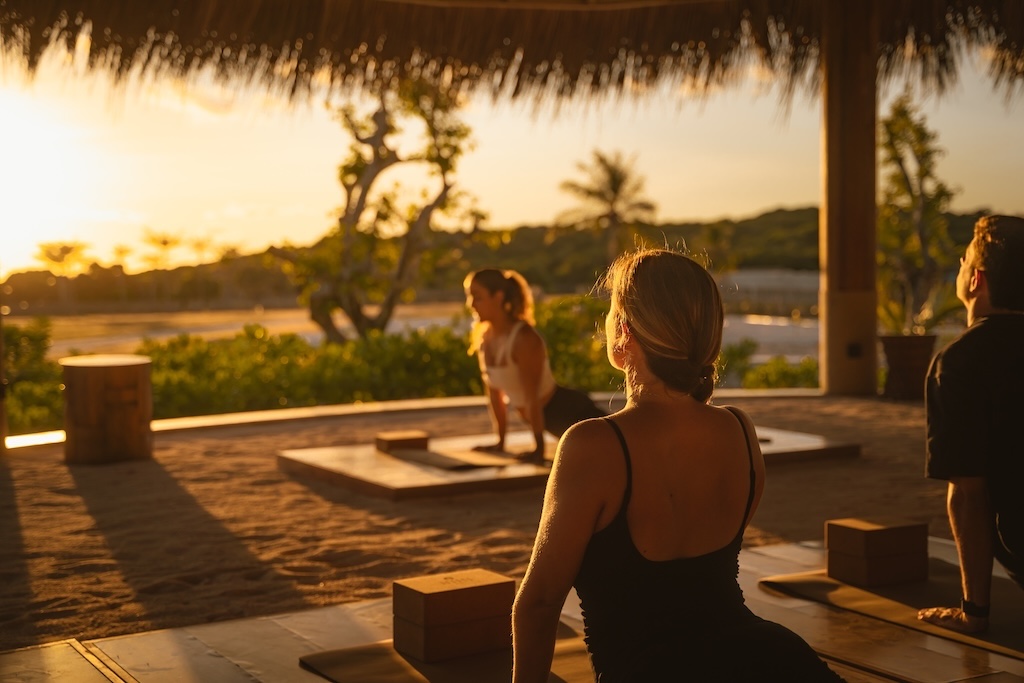
Beyond the swell, expect diving trips to nearby islands, guided hikes through Rote’s dry, sculptural interior, and wellness programming built around movement classes and a partnership with Bali’s Nirvana Life.
Reaching it requires some commitment: flights connect through Bali, Sumba, Jakarta, or Kupang into Rote’s small airport, followed by a 90-minute coastal drive. That friction is, in its own way, the point. NIHI has built its identity on destinations that resist easy access, and Rote — with its untouched beaches, its Rotenese craftsmanship, and now its unusual promise that hospitality can double as opportunity — is shaping up as the brand’s boldest experiment yet.
As NIHI Rote settles into its complete form this October, it poses a question the luxury travel industry has largely sidestepped: what happens when a resort’s education mission isn’t a side project, but the reason it exists at all?


