
After a Michelin-starred Seoul restaurant was fined for illegal ants, here are five fine-dining kitchens across the world serving insects legally, deliberately and deliciously done.
I still remember the first time I (knowingly) ate insects as part of a fine-dining experience. I was at the spectacular Grand Velas Los Cabos in Mexico, and on a sultry night, on a terrace overlooking the Sea of Cortez, I was presented with a gold-dusted grasshopper, a modern homage to a traditional pre-Hispanic delicacy. I’d dabbled with insects in market stalls across Asia, but this was the first time I’d seen it seamlessly sewn into a delectable, contemporary dish. It wouldn’t be the last.
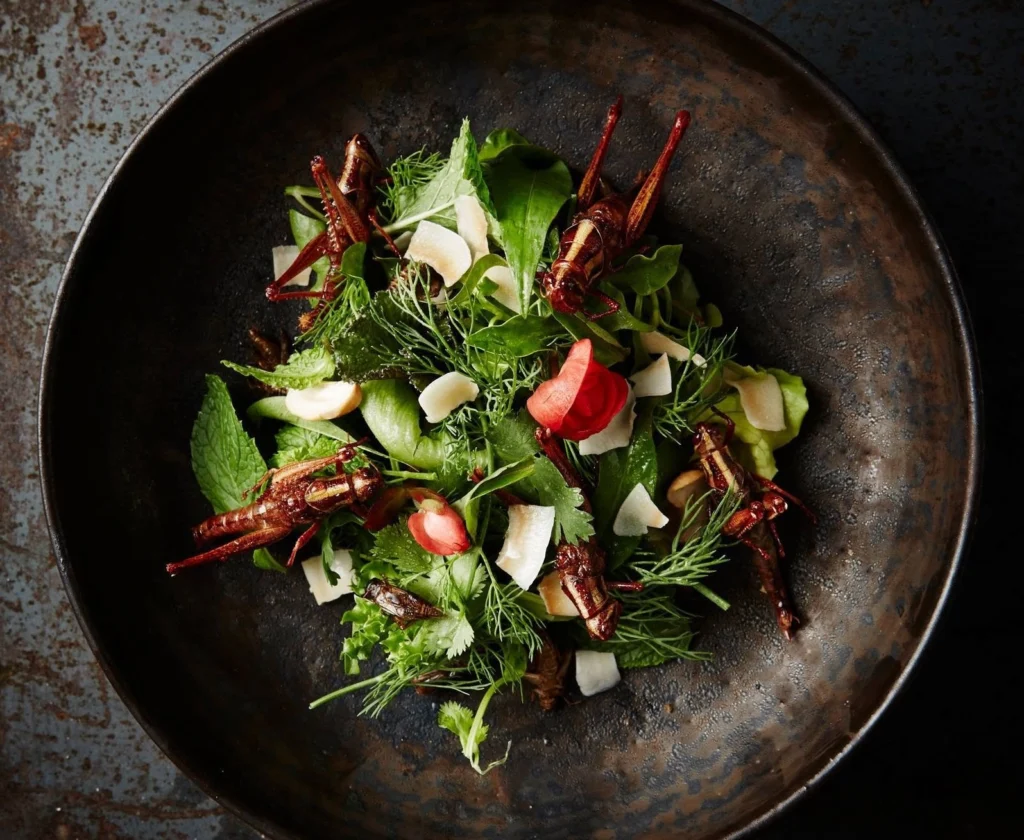
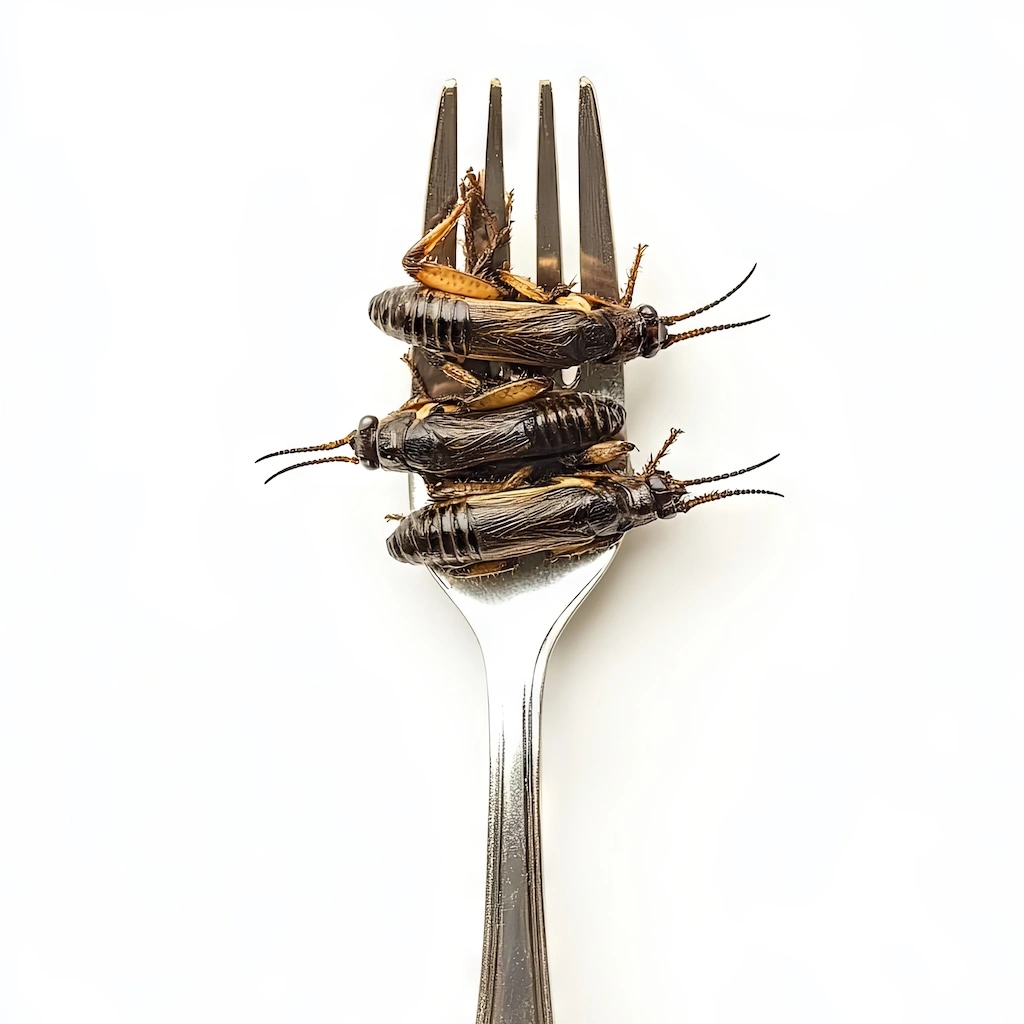
Insects have quietly become one of fine dining’s most intriguing but also contested ingredients, as one Michelin-starred Seoul restaurant just found out. The owner of Evett, a two-Michelin-starred restaurant in the South Korean capital, was recently fined 15 million won (roughly $10,965), with the company operating the restaurant fined a further US$7,200, after prosecutors found the kitchen had sprinkled three to five ants onto certain sorbets over nearly four years (some 49,000 ants in total), to give the dishes a “sour taste.”
The problem wasn’t the concept, it was the species: ants are not among the 10 insects currently approved for human consumption in South Korea, a list that includes grasshoppers, locusts and some silkworms, and testing on the imported ants, sourced mostly from the US with some from Thailand, found heavy metals exceeding safety standards.
The case is a reminder that fine dining restaurants serving insects operate in a genuine regulatory grey zone that varies enormously by country. However, the world’s best insect-driven kitchens work hard, and legally, to get it right, sourcing from licensed farms, using approved species, and treating entomophagy as a serious culinary practice rather than a shock-value garnish.
Ants, grubs, beetles and crickets have been eaten as delicacies across Asia, Africa and Latin America for centuries, and a small but serious tier of the world’s most decorated restaurants has spent the last decade building fine-dining cases for all of them. If this has piqued your curiosity, here are five restaurants taking insects to the next level.
AKKEE
Nonthaburi, Thailand
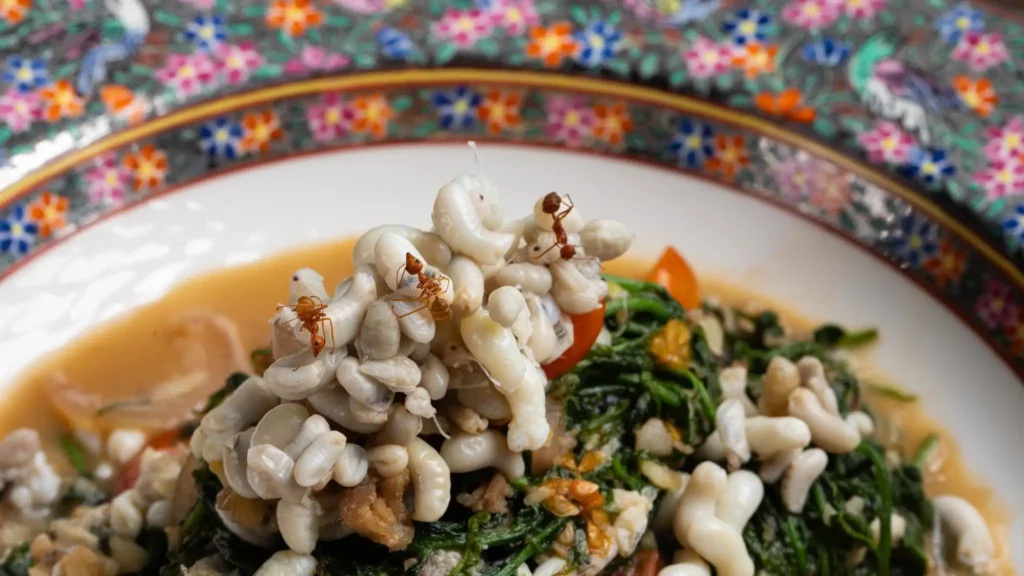
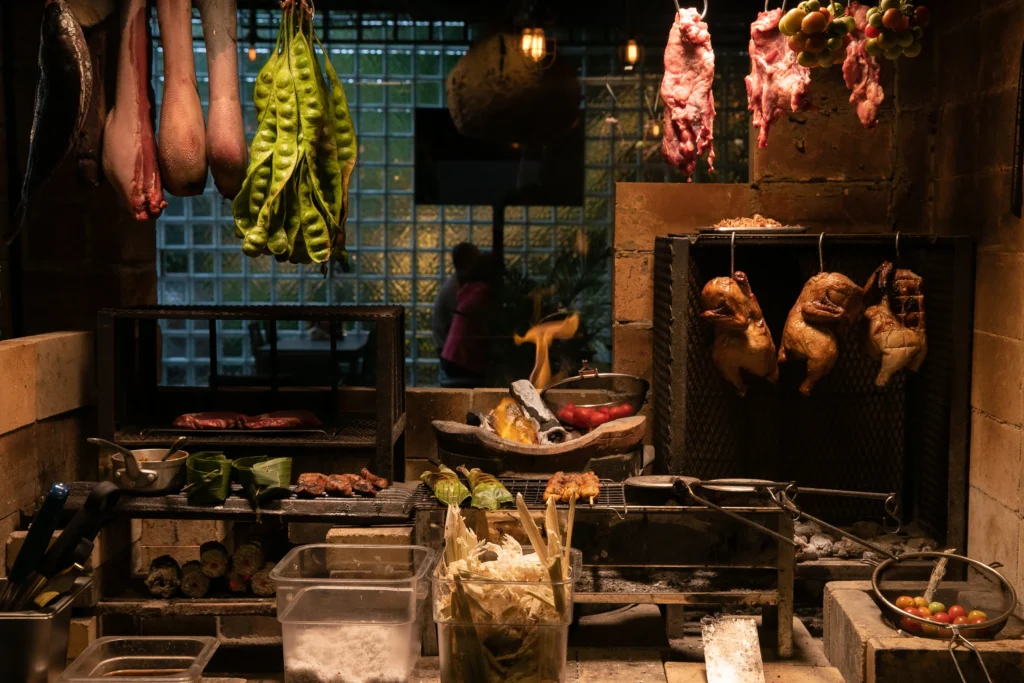
AKKEE, just outside Bangkok in Nonthaburi, is arguably the most insect-committed restaurant in fine dining today. Awarded one Michelin star in the Michelin Guide Thailand 2026, it’s run by chef Sittikorn “Au” Chantop, winner of the Michelin Guide’s Young Chef Award for 2025, who cooks almost exclusively over wood and fire using recipes drawn from old regional manuscripts.
The restaurant maintains its own on-site insect-breeding lab, raising queen ants, sago beetle larvae, cicadas and crickets to order.
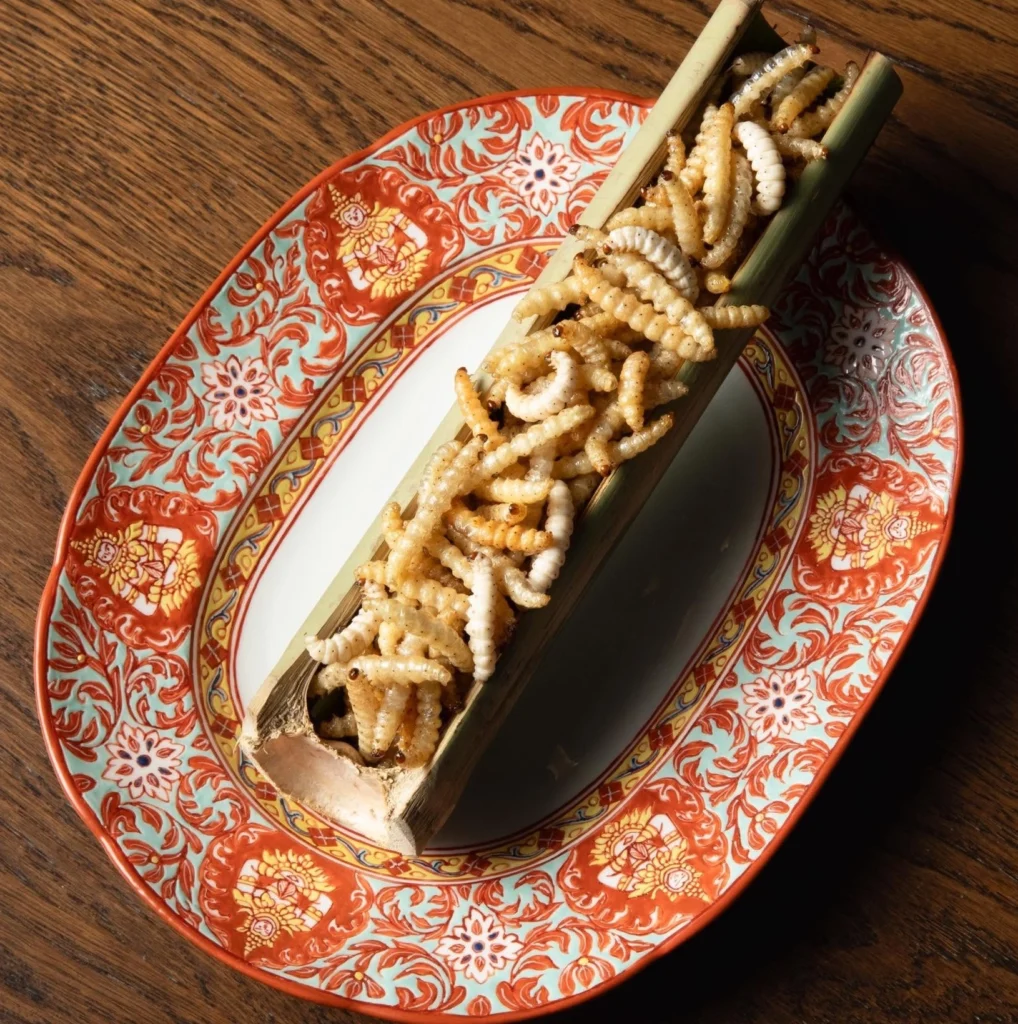
The tasting menu reads like a genuine survey of Thai entomophagy, with twice-fried sago beetle larvae salted and cooked in pork fat; dry-roasted queen ants (maeng man); cicadas served across all five stages of their life cycle; field crickets with and without their eggs; and ground beetles, longhorn beetles, and dung beetles paired with bamboo shoots and red ant eggs.
It’s less a novelty than a genuine act of culinary preservation, treating insects most Western diners have never considered as a serious regional cuisine in their own right.
Pujol
Mexico City, Mexico
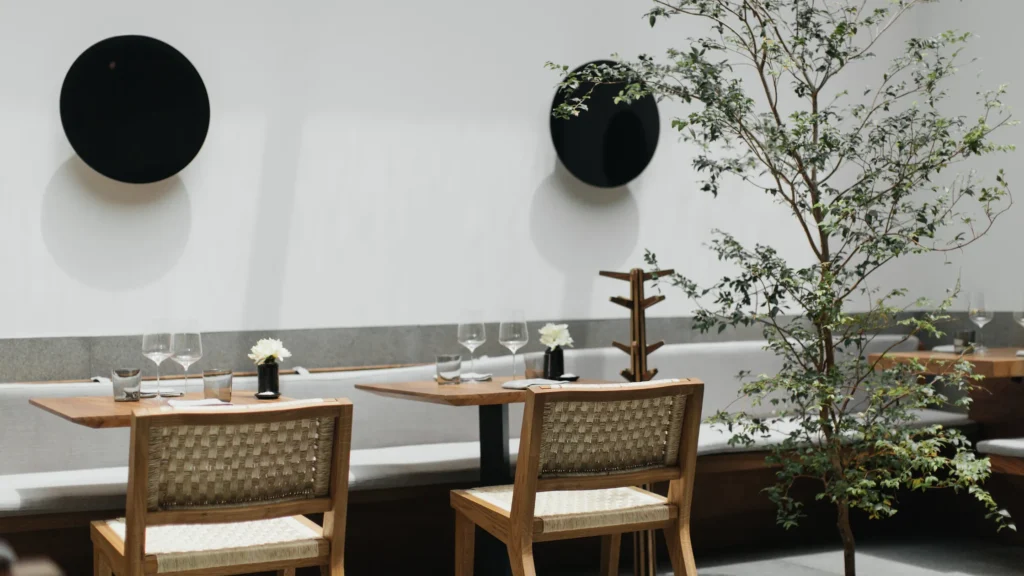
Pujol, chef Enrique Olvera‘s two-Michelin-starred flagship in Mexico City, built one of modern fine dining’s most famous insect dishes almost by accident. Baby Corn with Chicatana Ant Mayonnaise features baby heritage corn, coated in a costeño chile mayonnaise, and dusted with ground chicatana ants and a touch of coffee. Chicatanas are large, seasonal flying ants, harvested each year across southern Mexico and prized for a smoky, almost nutty flavour that Olvera leans into.
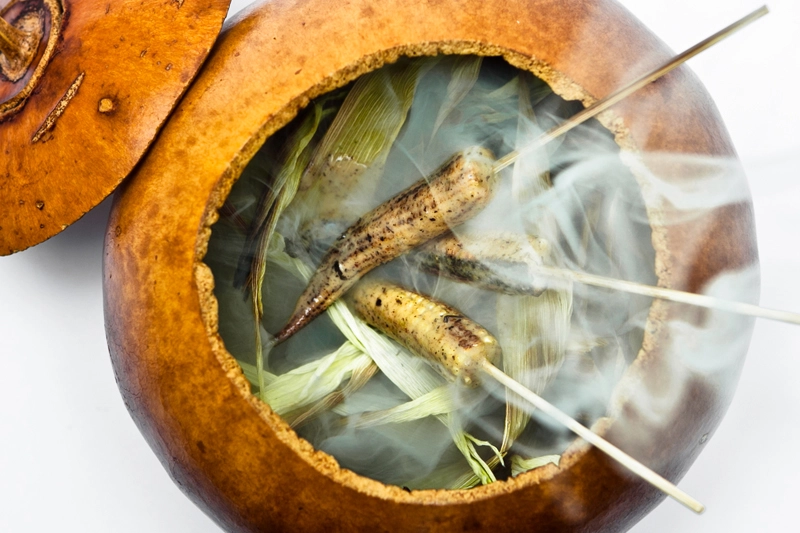
The dish has become one of Pujol’s signature courses precisely because it doesn’t try to hide what it is; the ants are the point, a dominant and intriguing flavour note that reads as sophistication rather than novelty. It’s a template that much of the rest of this list has followed since: treat the insect as a genuine flavour ingredient, not a dare.
Alchemist
Copenhagen, Denmark
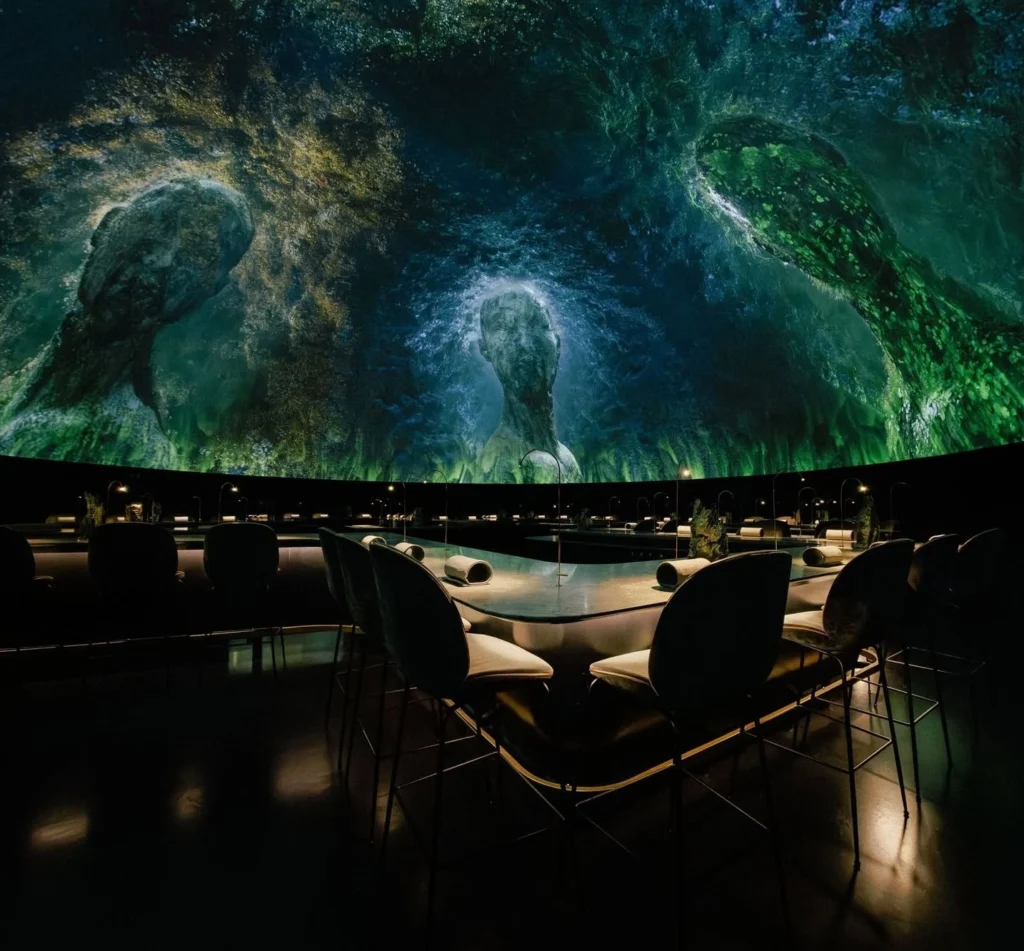
Alchemist, chef Rasmus Munk‘s two-Michelin-starred “impact restaurant” in Copenhagen, uses insects as part of a much larger, deliberately confrontational menu built around sustainability and provocation in equal measure.
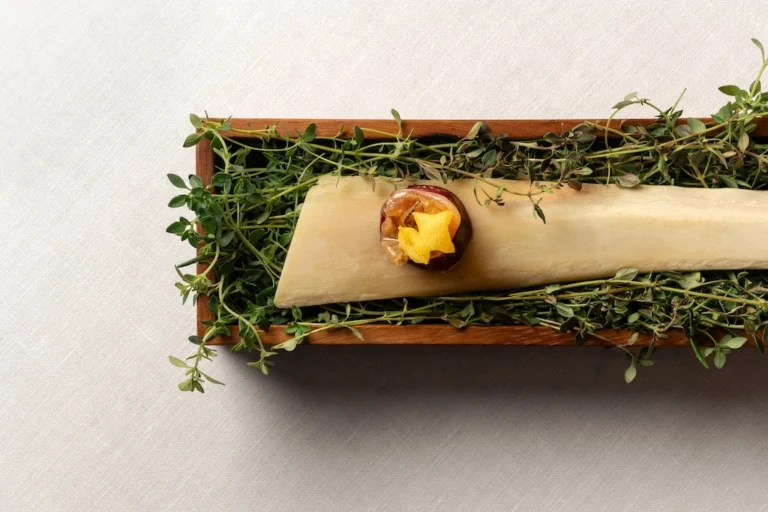
Diners are regularly served farmed, edible butterflies, presented specifically to make the case for insects as a viable, lower-impact protein source, alongside a cheese course topped with live insects, part of a tasting menu that also includes a cod-eye jelly filled with caviar and a coffin-shaped chocolate bar.
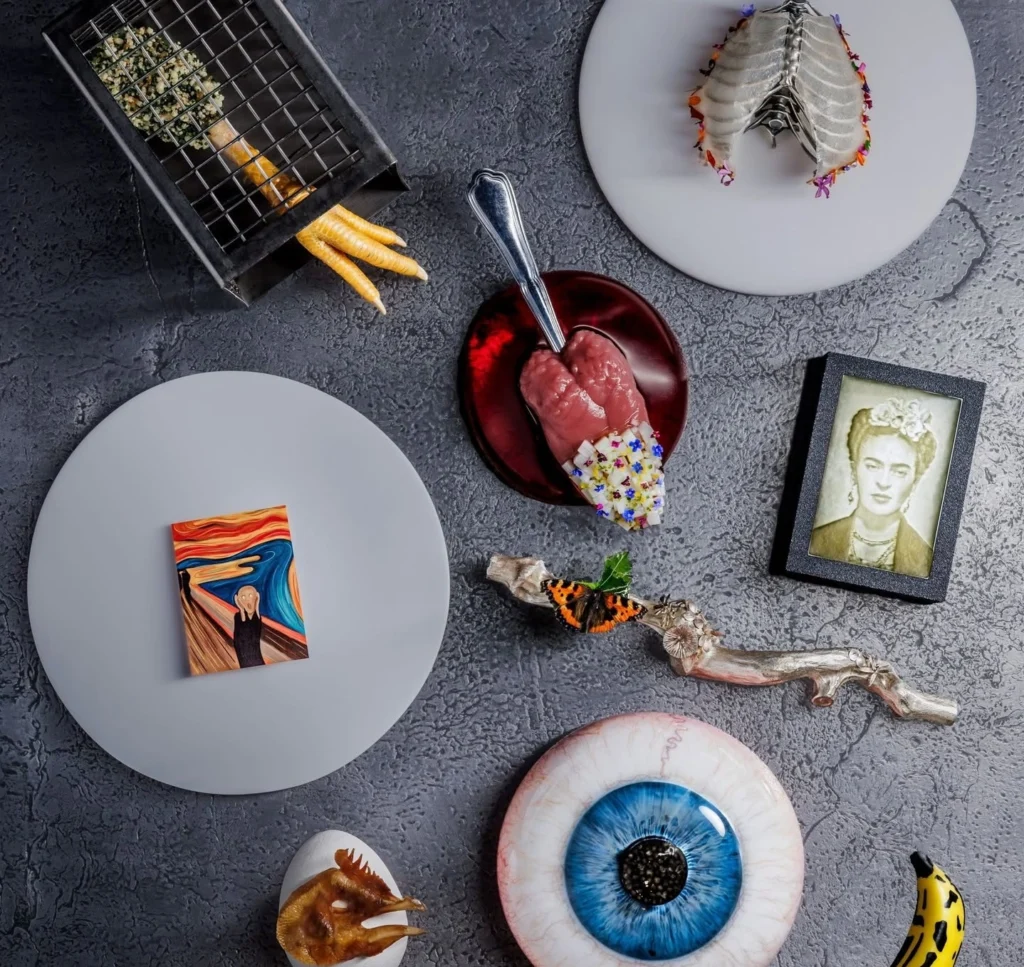
Munk’s insect courses are less about flavour alone than argument: at a restaurant that has staged discussions about ocean plastic and food waste between courses, serving a butterfly is as much a talking point as a dish, aimed at making entomophagy feel inevitable rather than exotic.
El Chato
Bogotá, Colombia
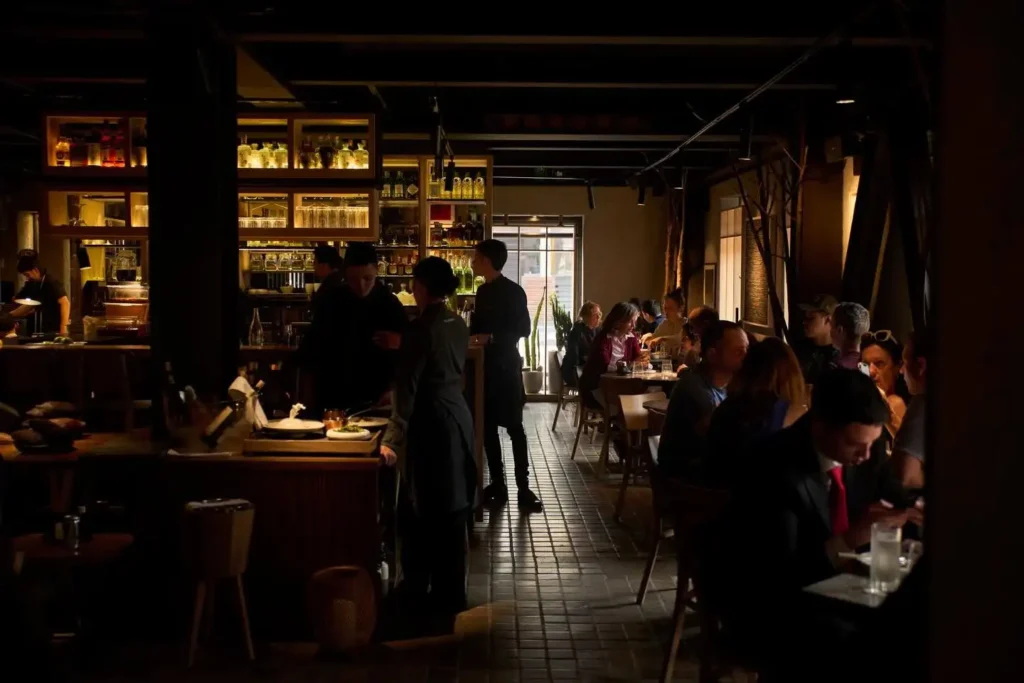
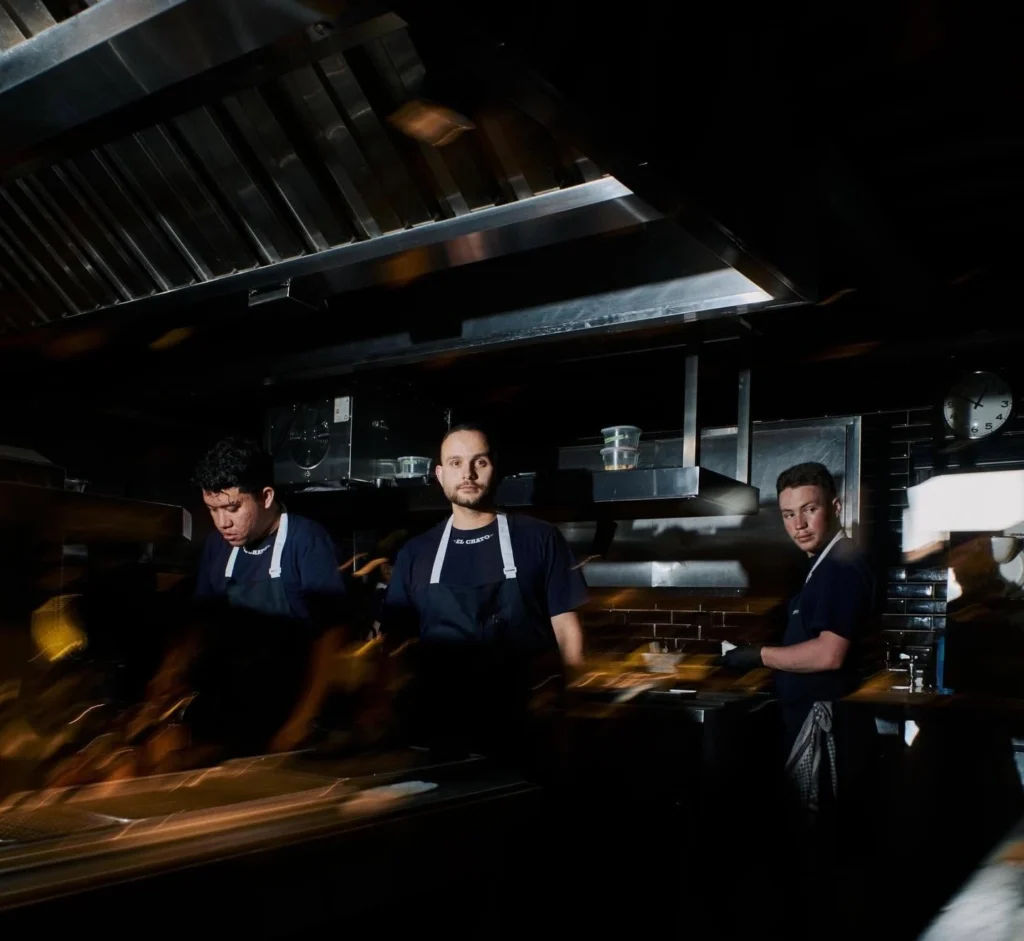
Chef Álvaro Clavijo’s nine-course tasting counter El Chato, in Bogotá, was named Latin America’s Best Restaurant for 2025 by The World’s 50 Best Restaurants, and its menu leans hard into Colombia’s own insect traditions.
Alongside dishes built around tucupí, jícama and heart of palm, Clavijo serves mojojoy, the fat larvae of the palm weevil, and hormigas culonas, the “big-bottomed ants” long harvested and eaten as a delicacy in Colombia’s Santander region, giving both ingredients the kind of tasting-menu spotlight rarely offered outside their home communities.
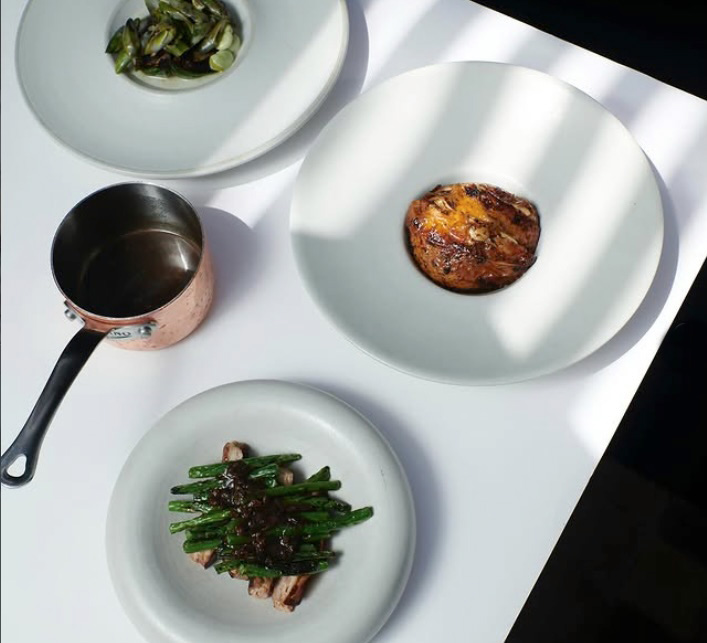
It’s a case study in insects as regional pride rather than imported novelty, arriving at the same conclusion as AKKEE from the opposite side of the world: the most convincing insect dishes are usually the ones already loved at home.
Cocina de Autor
Los Cabos, Mexico
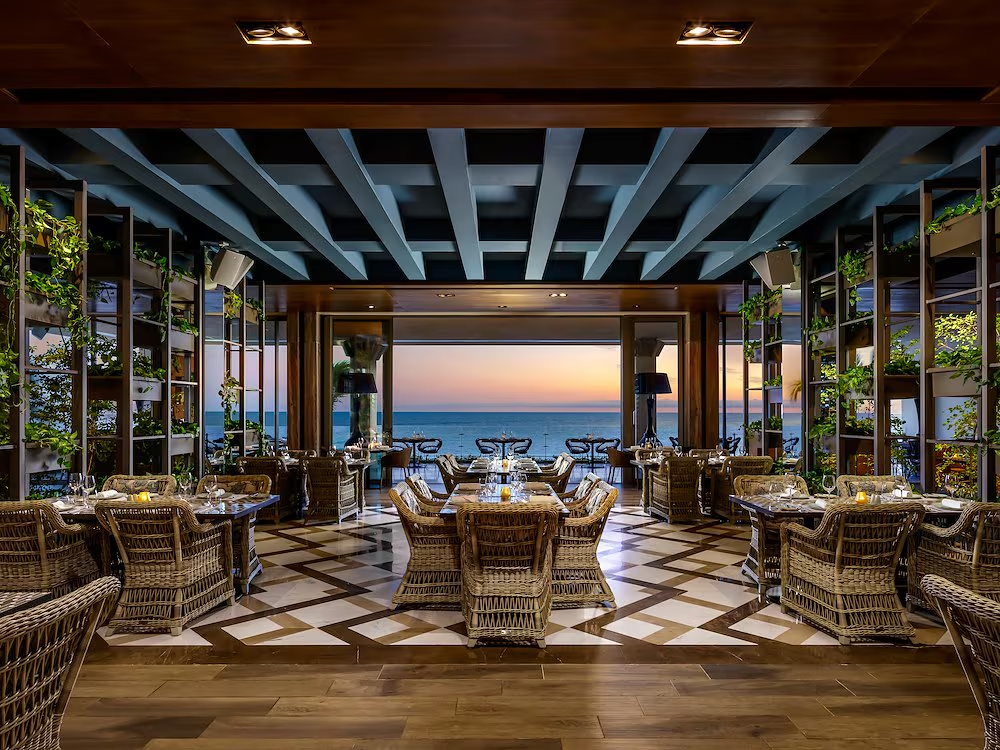
One-Michelin-starred Cocina de Autor, the flagship tasting-menu restaurant at the Grand Velas Los Cabos resort in Baja California Sur, closes out this list with one of Mexico’s oldest insect ingredients: escamoles, the larvae and eggs of ground-dwelling agave ants, long prized across central Mexico as “insect caviar” for their delicate, buttery texture.
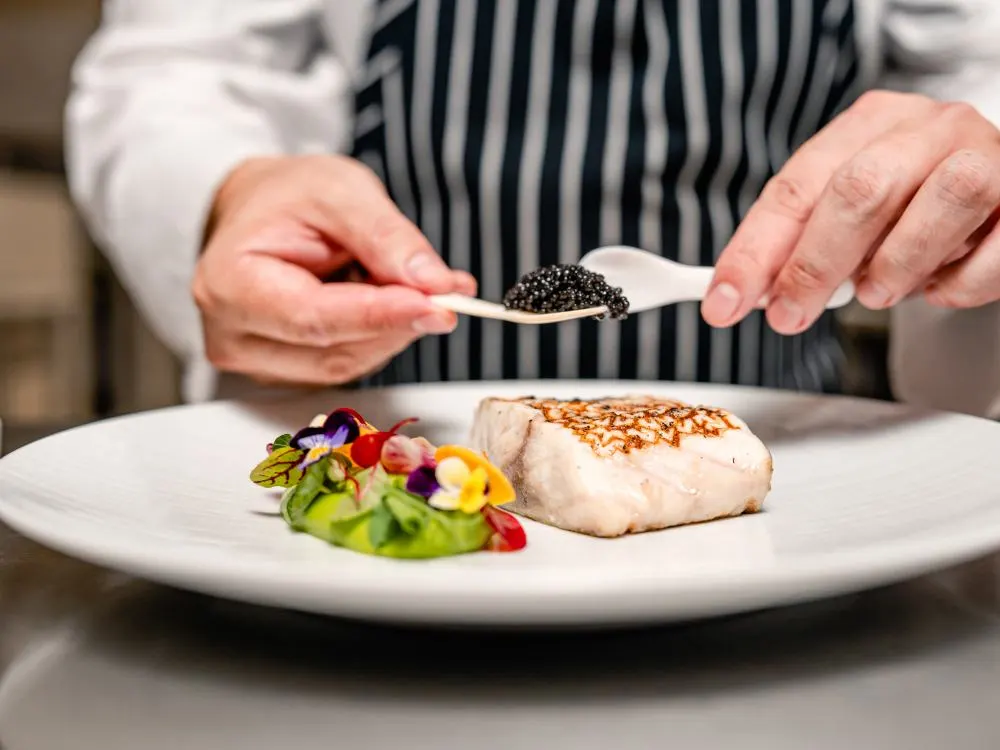
Under executive chef Francisco Sixtos, the current tasting menu serves escamoles with avocado, corn dough and guajillo chile, a course that treats the ingredient with the same reverence Pujol gives its chicatanas rather than hiding it inside a sauce.
It’s a fitting bookend to this list, a large resort’s dining room rather than an intimate chef’s table concept, proof that serious insect cookery has moved well beyond the handful of kitchens that first made the case for it and may, one day, become mainstream.
Insects, Done Legally
The Evett case in Seoul isn’t really an argument against insects in fine dining; it’s an argument for doing the paperwork. Every restaurant on this list works within its own country’s food safety framework, sourcing insects from licensed suppliers or breeding them on-site, and treats the ingredient as central to the dish rather than a garnish slipped in under the radar.
As more countries formalise which species can legally reach a plate, expect the gap between novelty insect stunts and serious insect cuisine to keep widening, with restaurants like those above blazing the way.