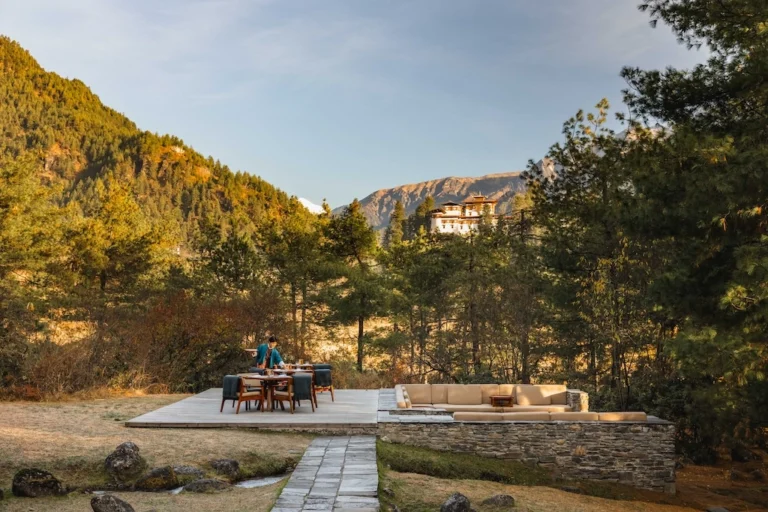
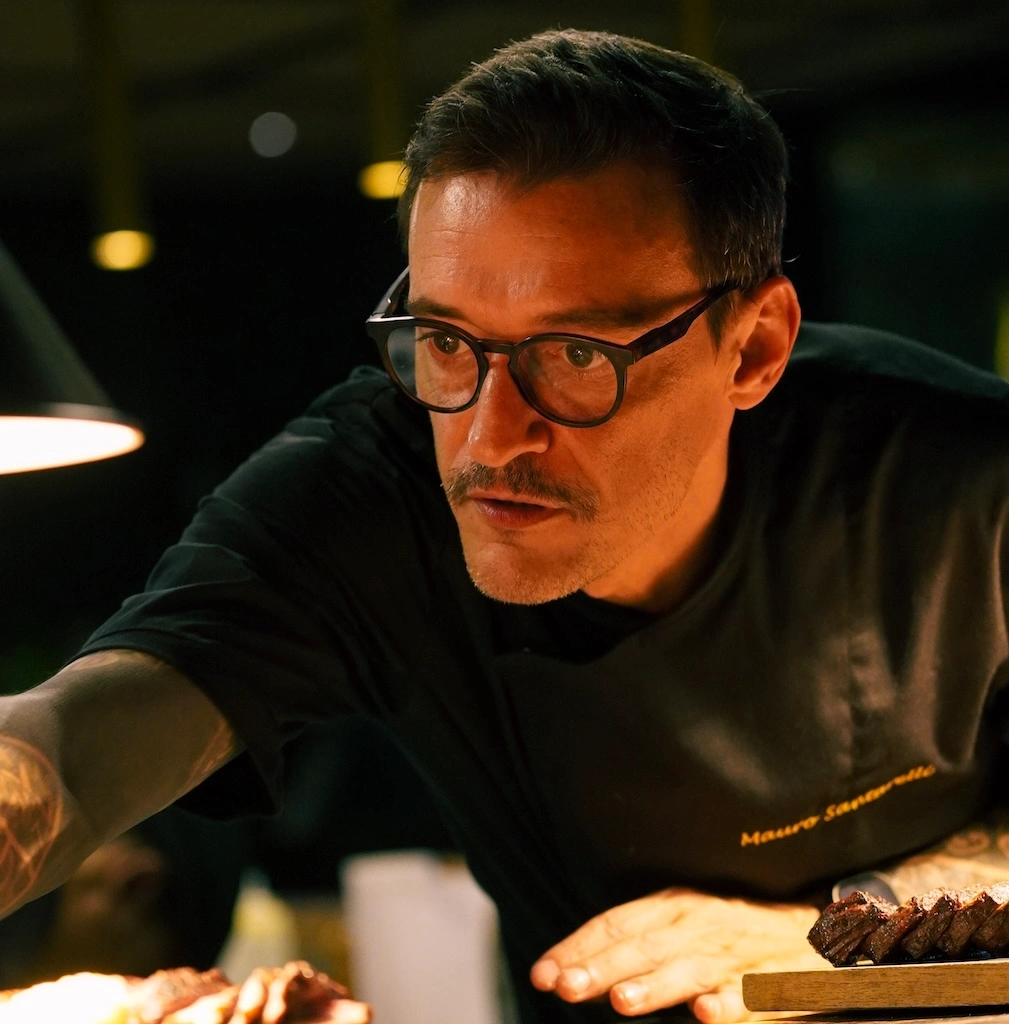

Argentinian chef Mauro Santarelli on taming a wood-fire grill in Ubud’s humidity, his grandmother’s empanadas, and why Bali is now a genuinely serious food destination.
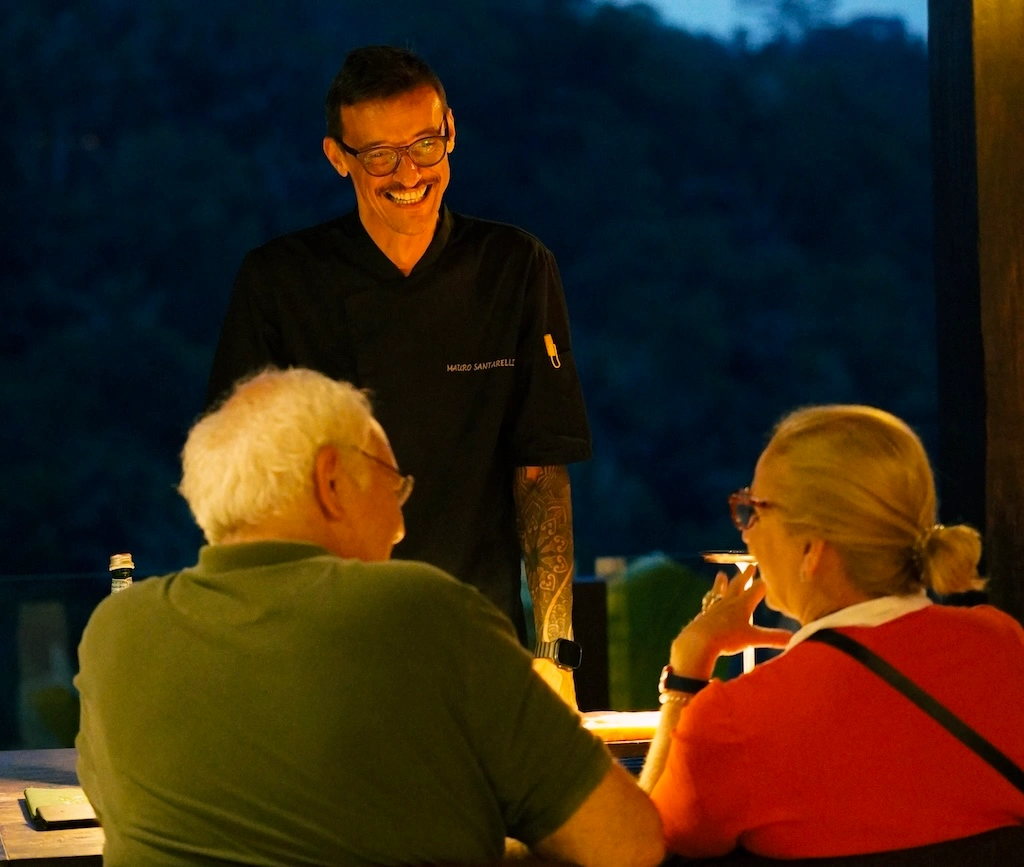
Mauro Santarelli never planned on Ubud. As he tells it, Ubud chose him. Ten years after he first came to Bali, the Argentinian chef runs Chupacabras, a South American steakhouse in the hills of Kedewatan, built around a two-metre wood-fire grill.
Santarelli’s career has run from Barcelona to Jakarta but his inspiration reaches back even further, to a childhood stepping between cultures and traditions — pasta at his Italian grandmother’s house, meat at his Argentinian parents home, and empanadas whenever he got lucky. He talks about cooking over fire in the tropics, the toughest boss he’s ever had, and the one dish you mustn’t leave Chupacabras without trying.
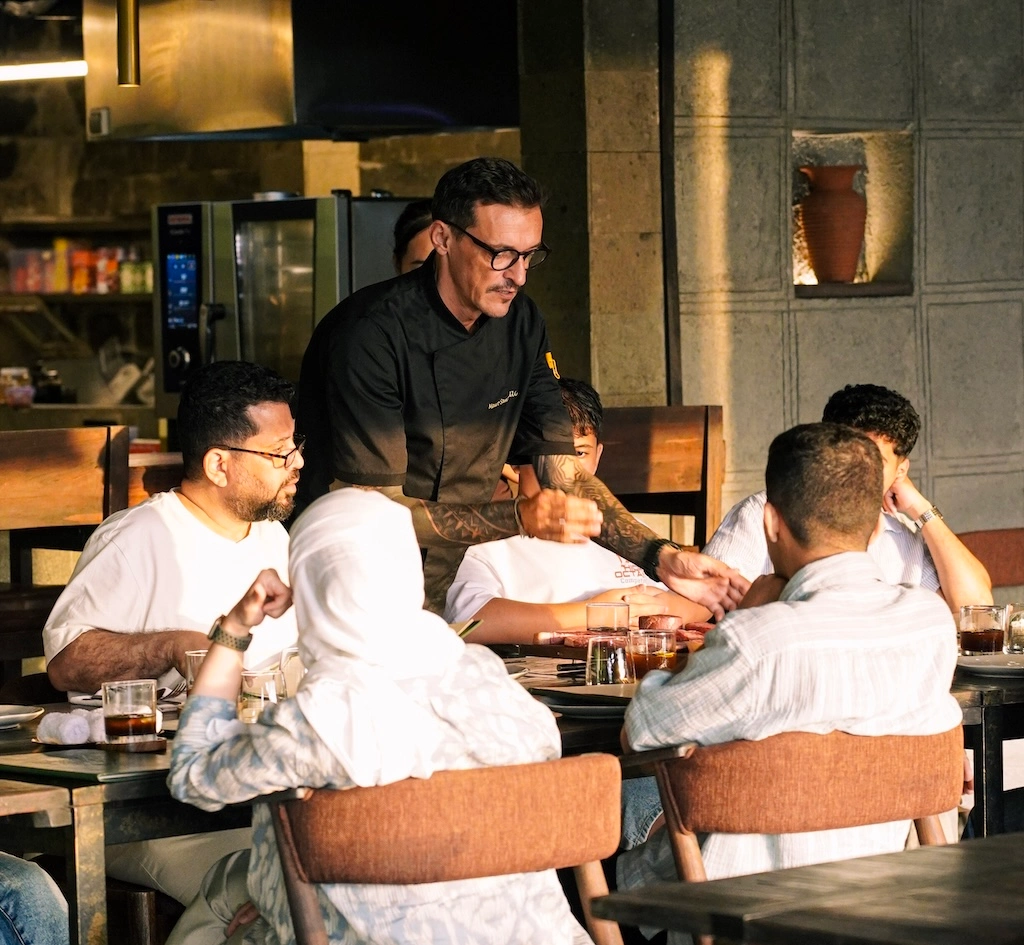
You’ve cooked in South America, Europe and Asia. Which kitchen shaped you most, and what did it teach you that you still use every service?
Europe I would say; I spend lot of years when I started there, so it shape me the most, but where I grew the most was in Asia. I would said the confidence that my boss gave me in that moment to take important decisions is something that I try to apply with my staff, to make them take decisions and be responsible for what happens. I think that’s the best way to grow.
Who was the toughest chef you ever worked under, and was the experience worth it?
Adam Tomasz Szczechura at Grand Hyatt Jakarta and of course it was worth it! We’re good friends now and I learned a lot from him.
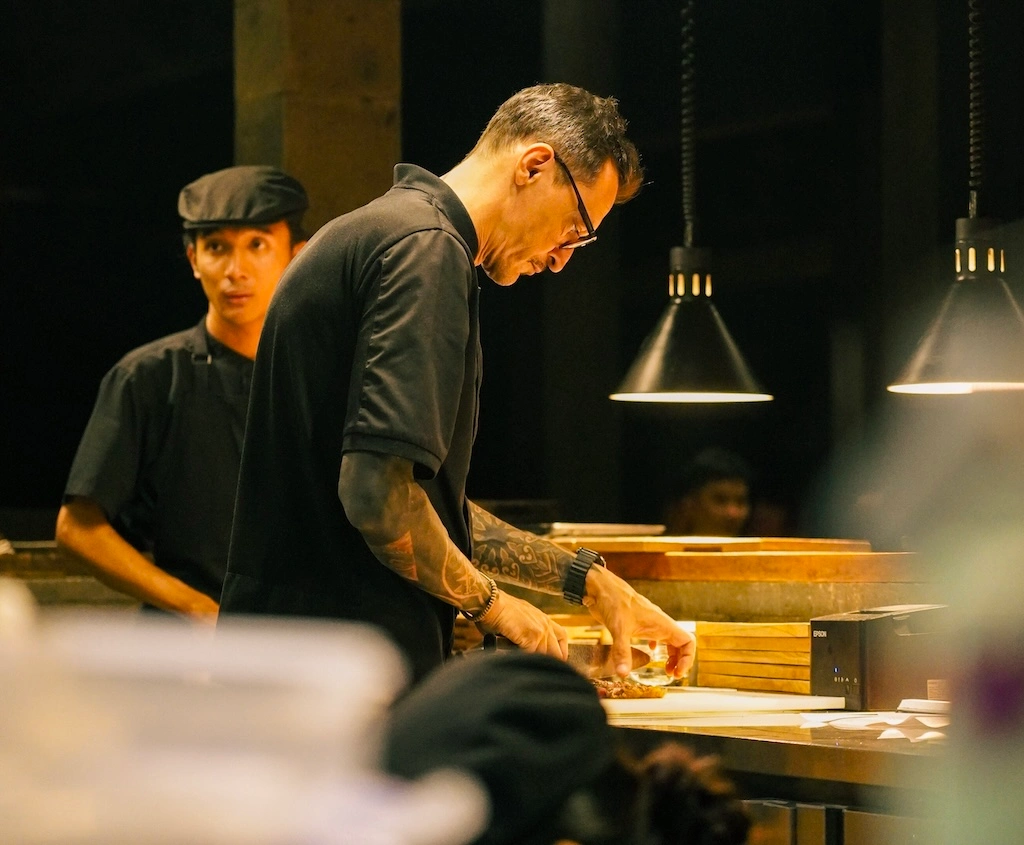
Why Bali, and why Ubud in particular, instead of Seminyak or Canggu, where steakhouses are more expected?
Well that’s a good question, I would say Ubud choose me and I’ve never looked back.
With both Argentinian and Italian roots, which family dish from your childhood can you trace directly to something on the Chupacabras menu?
Empanadas for sure. It was such a happy feeling everytime we asked what is for lunch at grandma’s home and the answer was empanadas!!
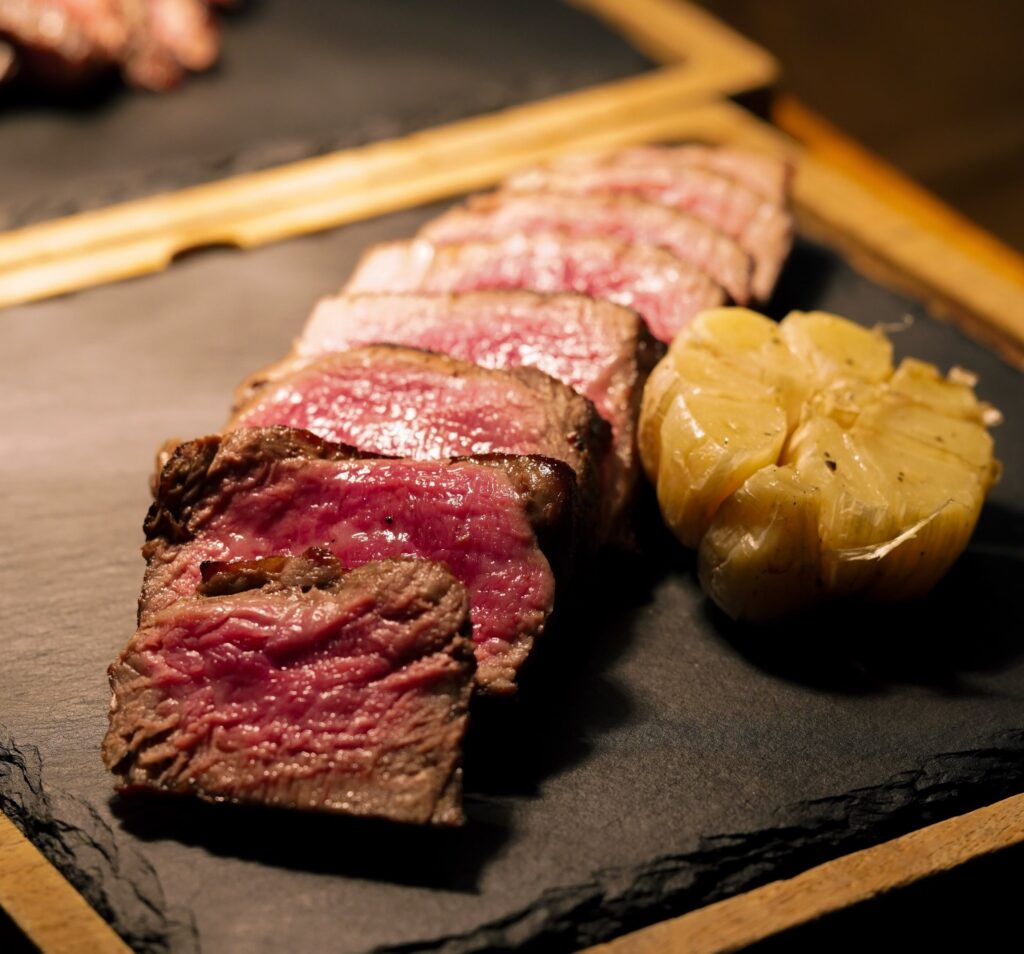
How do you source your beef? What’s imported, what’s local, and has Indonesian produce surprised you?
It’s mostly from Australia; they’re doing a great job and I can say I find many similarities to Argentinian beef. Indonesia has surprised me with some of its wagyu producers, but still needs to ramp up production.
The menu at Chupacabras reaches well beyond Argentina, from Peruvian huancaína to Brazilian cupuaçu. Was a pan–South American menu always the plan?
Yes, it was always my idea to pick what I like from different south American countries and apply it to our menu in Ubud.
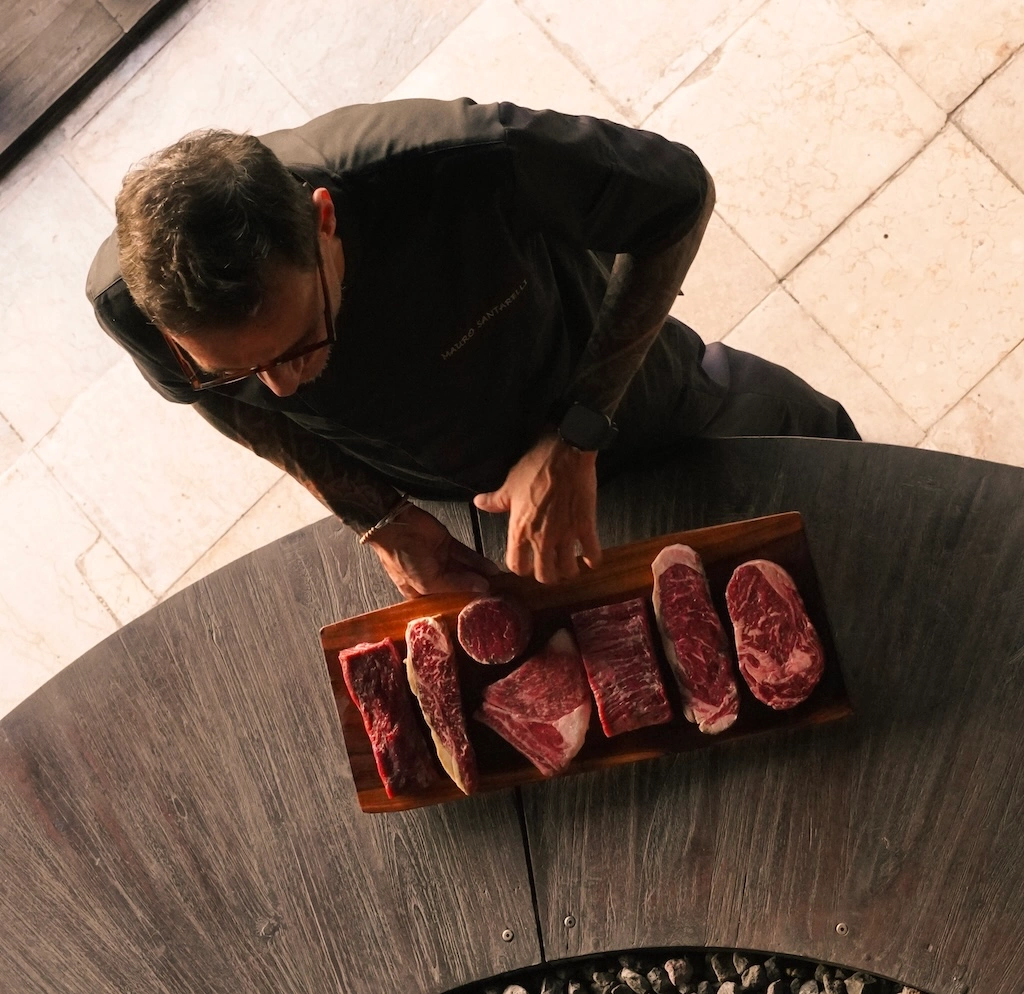
What was the hardest part of opening, and what have guests taught you since?
Well, when we were cooking the menu and doing trials, I had a couple of really bad days, when I was reaching home after 12 hours cooking and nothing was working as I wanted. From different products to different weather, all the recipes where not working, and that was a great challenge. Guest have taught me that if you do everything with love, intention and lot of care, you’ll be rewarded with the most beautiful words from them.
How has Bali’s dining scene changed since you first arrived, and where do you think it’s heading?
If we’re talking about when I first came to Bali, that was ten years ago and the change has been significant, with much more attention to detail, and a lot of focus on the experience rather than only the food. I think that’s the most important. All these amazing chefs are coming to Bali and it’s giving the island international recognition. I don’t think it’s so much a shift as a rapid evolution.
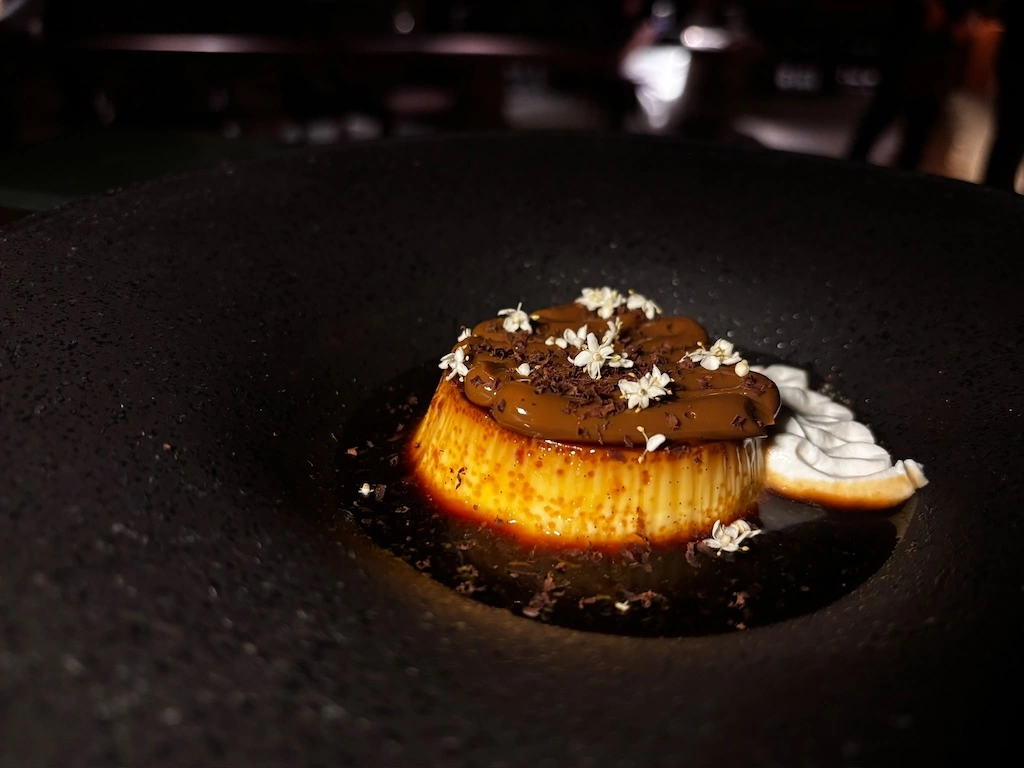
Are local Balinese and Indonesian ingredients or techniques starting to influence your kitchen?
Yes of course, I always try to find some similarities in South American and Indonesian cuisines to try to match them somehow.
Which young chefs or restaurants on the island should our readers keep an eye on?
Oh that’s a tough one; I’m a pretty big fan of the Locavore Group as they’ve done incredible things in Bali. Syrco Bakker is also someone to admire and learn from.
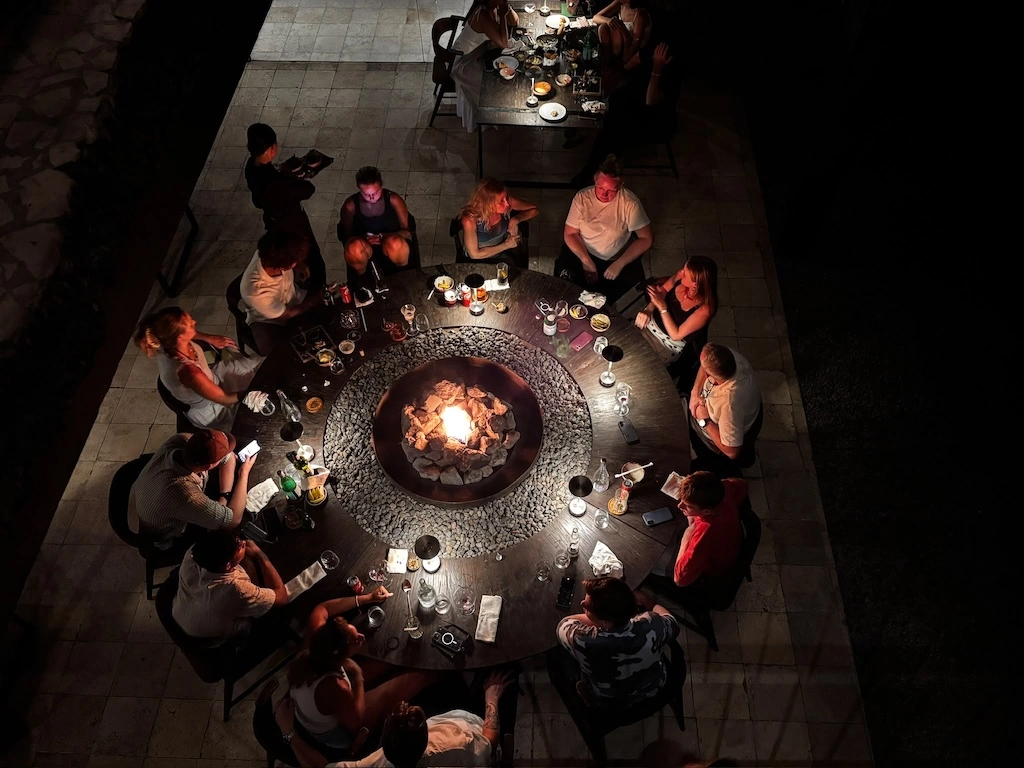
On your night off, where do you go to eat in Ubud, and what do you order?
Hahah, I may just stay at home and gather friends for a bbq. However, I do really love Nusantara by Locavore and it’s where I take anyone visiting me in Bali.
Cupuaçu (a tropical rainforest tree related to cacao) is still fairly unknown in Asia. How did you discover it, and what’s next from the Amazon pantry?
To be honest, it was one of my head chefs’ idea to use it. I’d never worked with it before and thanks to him I got to know it. Working with Amazonian ingredients is very difficult due to supply issues, which is why I’m more focused on using local ingredients right now.
If a reader visits Chupacabras only once, what is the one dish they can’t leave without trying, and why?
My favourite from the menu is the Humita & Huancaina, is a mix of Argentine-style humita with our style huancaina sauce, topped with black olives, slow cooked egg yolk and micro coriander.