
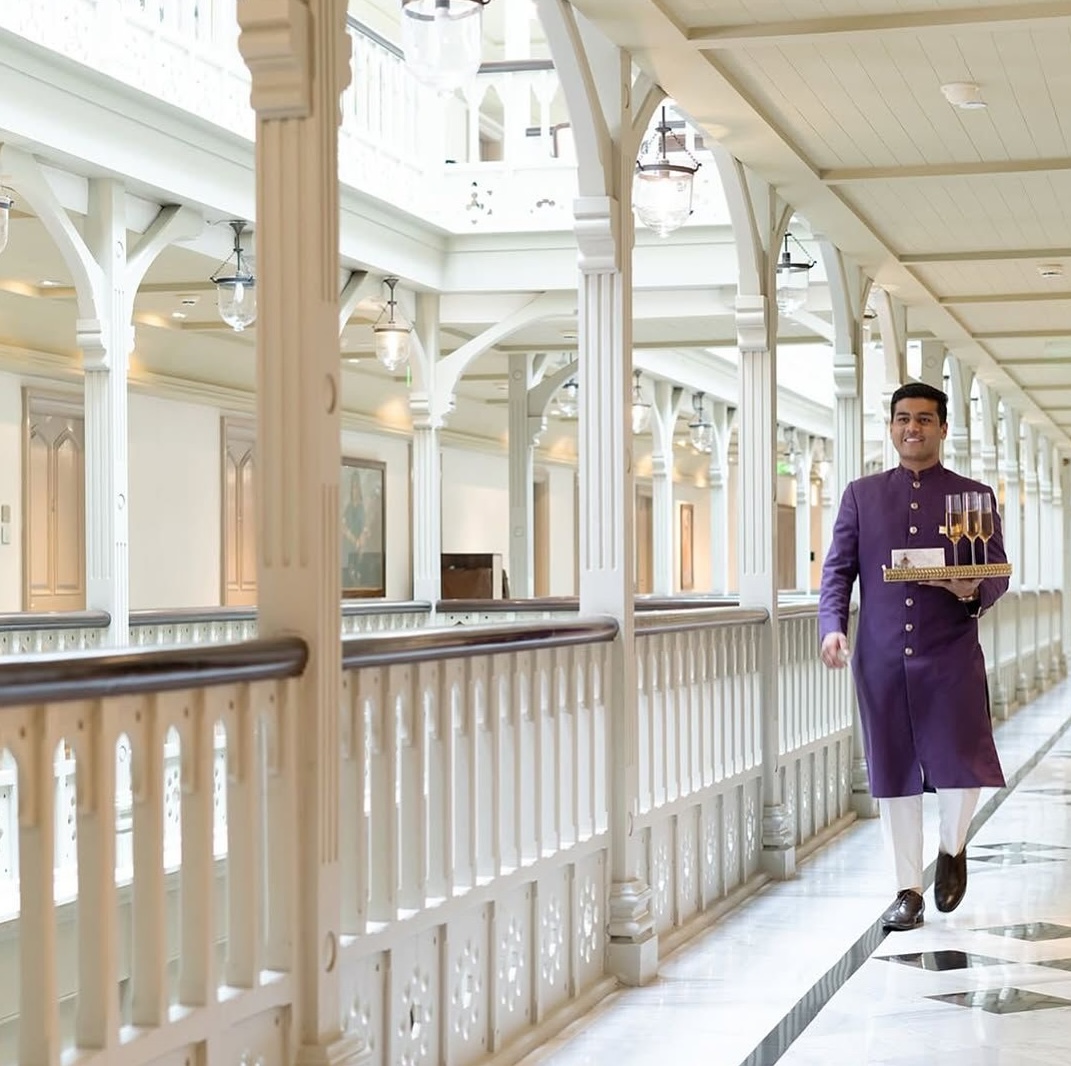

From iconic landmarks to contemporary houses of slumber, these are the best luxury hotels in Mumbai, India’s city on the bay.
Mumbai is not a city that does anything quietly. India’s financial capital, cultural powerhouse, and most populous metropolis moves at a pace that exhilarates and overwhelms in equal measure. Yet step through the doors of any of its finest hotels, and something remarkable happens: the cacophony of the city softens into a low hum, replaced by the cool whisper of marble corridors, the scent of jasmine, and the unhurried courtesy of staff who seem to know exactly what you need before you do.
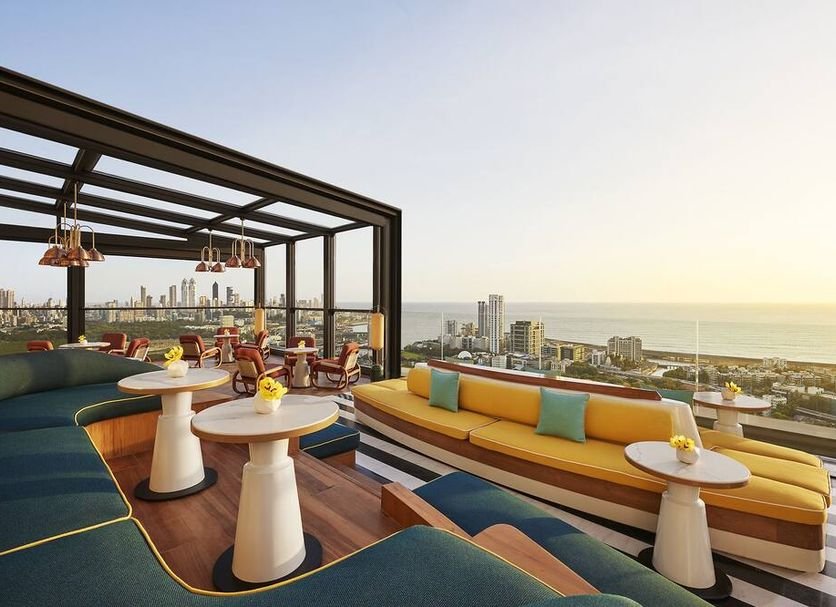
I’ve been fortunate enough to have stayed at some of the city’s best retreats and for travellers seeking the best luxury hotels in Mumbai, the choices are genuinely extraordinary. From century-old palaces that have hosted maharajas, presidents, and rock legends to gleaming towers where floor-to-ceiling glass frames uninterrupted views of the Arabian Sea, this city offers a calibre of hospitality that rivals any metropolis on earth.
This guide covers the properties that define luxury in Mumbai in 2026 — and why each one earns its place on the list.
What Makes a Luxury Hotel in Mumbai?
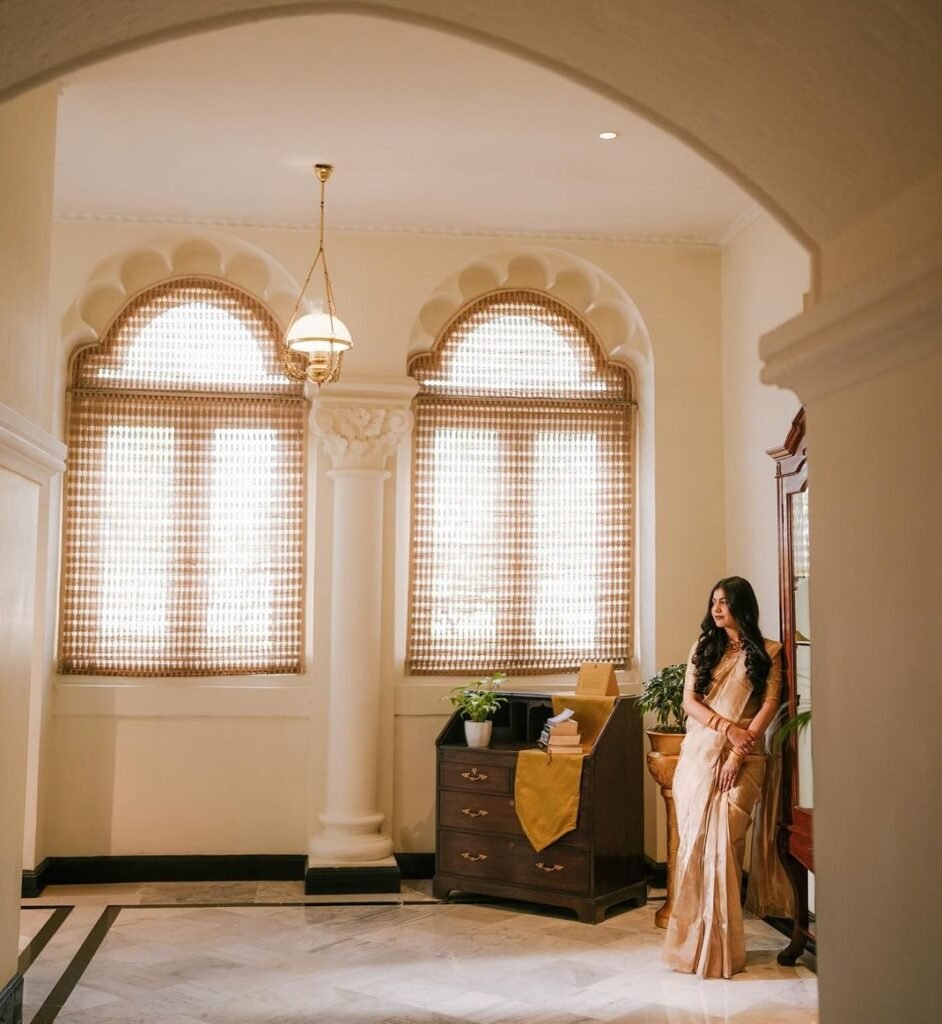
Before diving in, it’s worth understanding what sets Mumbai’s top hotels apart from merely expensive ones. The city’s finest properties share several qualities: a mastery of personal service that feels genuinely intuitive rather than scripted, world-class dining that reflects both global sophistication and deeply rooted Indian culinary tradition, and a sense of place — a feeling that you could only be in Mumbai, and nowhere else. The best luxury hotels in Mumbai don’t just provide beds and bathrooms. They provide an entire universe.
Location also matters enormously. South Mumbai — the historical peninsula that encompasses Colaba, Nariman Point, and Marine Drive — remains the prestige address for heritage hotels, with easy access to the Gateway of India, the Chhatrapati Shivaji Maharaj Vastu Sangrahalaya (Prince of Wales Museum), and the Colaba Causeway’s eclectic bazaars. Further north, Worli and the Bandra-Kurla Complex cater to business travellers, with modern towers offering views of the city’s dramatic skyline. Each neighbourhood offers a different lens through which to experience Mumbai.
The Taj Mahal Palace, Mumbai — The Grand Dame of Indian Hospitality
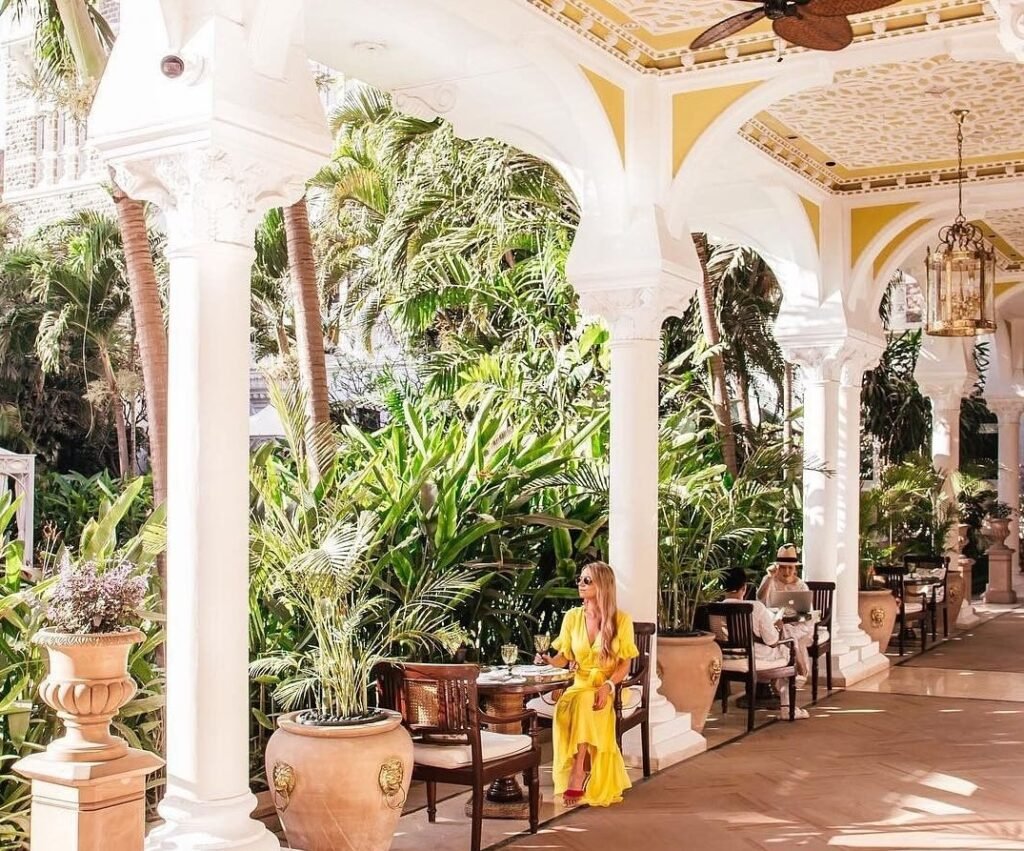
If there is one hotel in the world that functions as a national symbol, it is the Taj Mahal Palace. Rising above the seafront in Colaba and gazing directly across at the Gateway of India, this is a building that carries an entire civilisation’s worth of stories within its walls.
This elegant hotel opened in 1903, making it India’s first harbour landmark, and it has hosted royalty, heads of state, and cultural luminaries ever since. The architecture is an extraordinary layering of Moorish, Oriental, Florentine, and Renaissance influences — intricate latticework, onyx columns, marble-floored lobbies, grand staircases with wrought-iron balustrades, and long archival corridors that double as informal museums of the hotel’s own history. To walk through the Palace Wing is to understand why the Taj Mahal Palace was named among The World’s 50 Best Hotels.
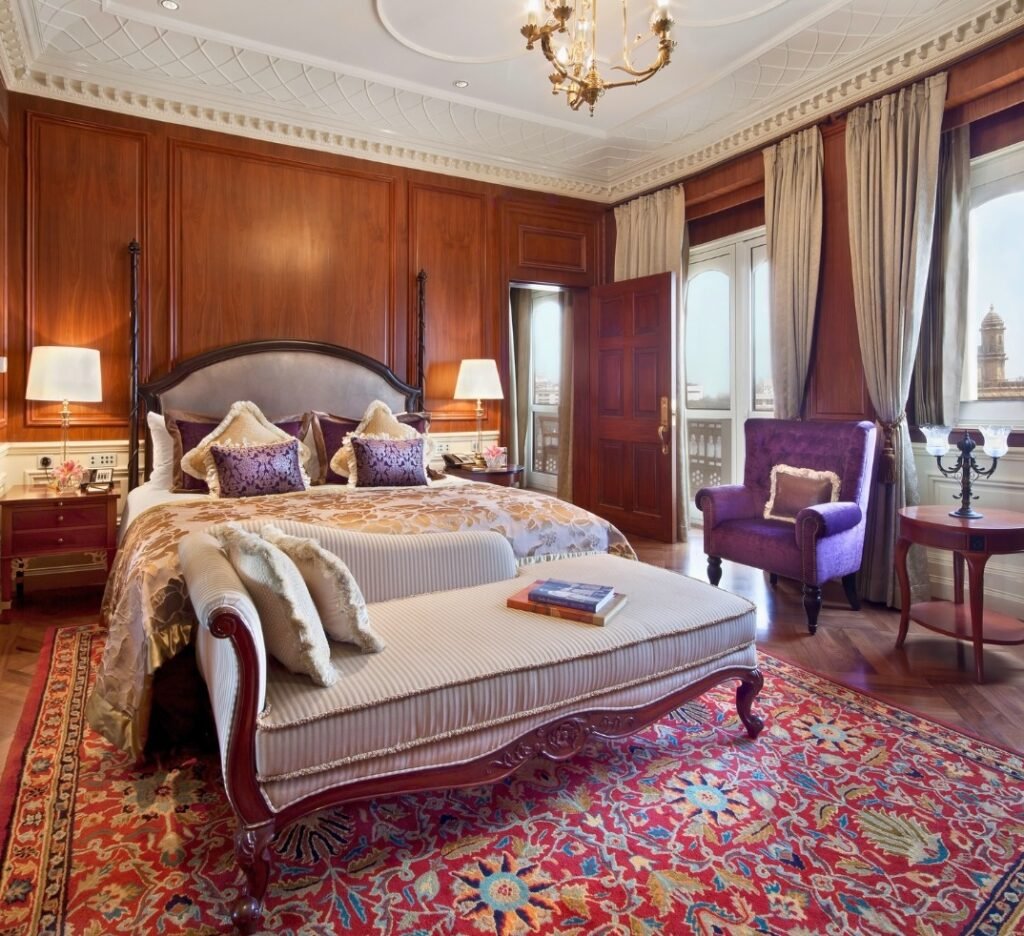
The hotel’s 285 rooms and suites divide between the historic Palace Wing and the more contemporary Tower Wing. In the Palace, individually decorated suites follow distinct themes: the Rajput Suite pays homage to the princely states of Rajasthan through antiques and original artwork, while the Tata Suite — named after the hotel’s founder, Jamsetji Tata — comes with its own private spa, gym, steam room, and sauna. Tower Wing rooms are decidedly modern, with muted tones, sleek furniture, and floor-to-ceiling windows framed by Indo-Saracenic arches; balconies open onto uninterrupted views of the Arabian Sea.
Dining at the Taj Mahal Palace deserves its own dedicated visit. The hotel houses nine of the city’s most acclaimed restaurants and bars, including Wasabi by Morimoto — where ingredients are flown in directly from Japan — the Golden Dragon for Sichuan and Cantonese cuisine, Masala Kraft for contemporary Indian cooking, and the Sea Lounge, where live music accompanies afternoon tea against a backdrop of the Arabian Sea. Be sure to leave time to browse the hotel’s contemporary art gallery, or tap into traditional wellness at the Ayurveda Sanctuary by J Wellness Circle.
Best for: First-time visitors to Mumbai, honeymoons, once-in-a-lifetime stays, history enthusiasts.
The Oberoi, Mumbai — Contemporary Luxury on Marine Drive
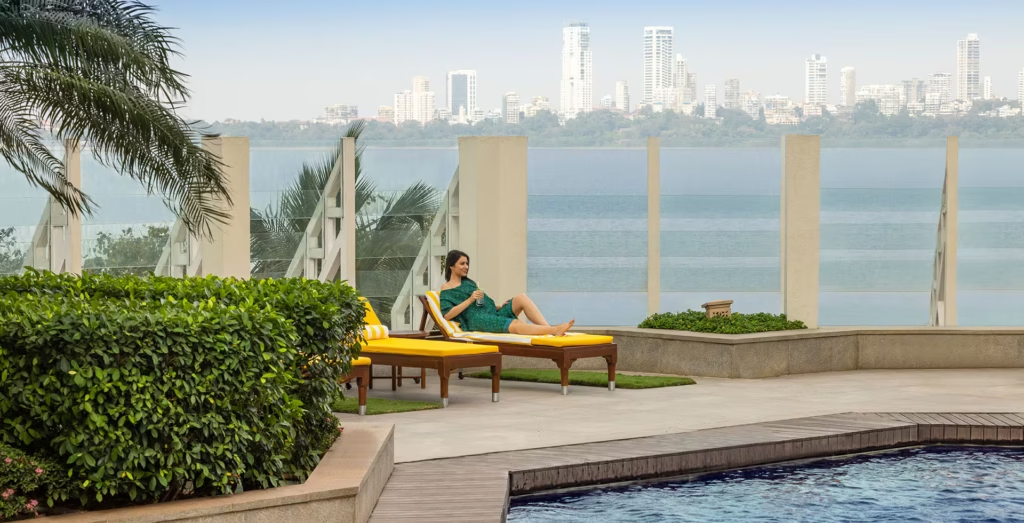
Where the Taj Mahal Palace deals in history and grandeur, The Oberoi, Mumbai deals in quiet, contemporary perfection. Positioned at Nariman Point at the southern tip of Marine Drive — that glittering arc of seafront road known romantically as the Queen’s Necklace — The Oberoi offers arguably the finest ocean views of any hotel in the city.
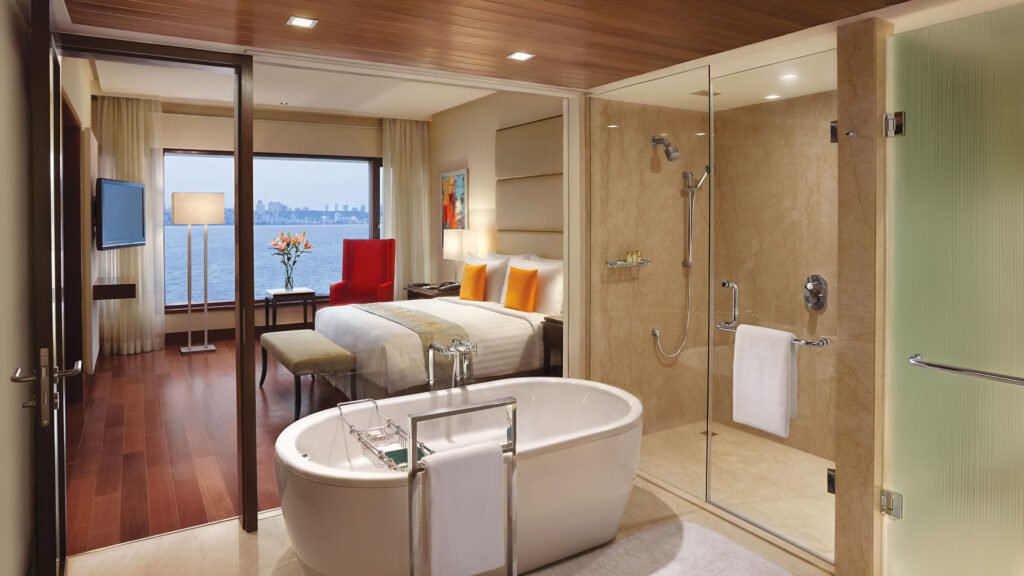
The interior aesthetic is rigorous modern luxury: all 287 rooms are designed to maximise light and air, featuring sophisticated decor and state-of-the-art amenities. The Premier Ocean View Rooms feature standalone bathtubs positioned to capture sea views, while the Ocean View Suites offer glass-panelled bathroom walls and king-size bedrooms opening onto the water. The Bay View Suites add a spectacular glass-walled bathroom to the equation. Every detail — from the pillow menus to the 24-hour room service — is calibrated to deliver ease without ostentation.
The Oberoi Spa runs 24 hours and blends ancient holistic treatments with modern therapeutic science across six dedicated treatment rooms, while complimentary morning yoga sessions have become something of a signature.
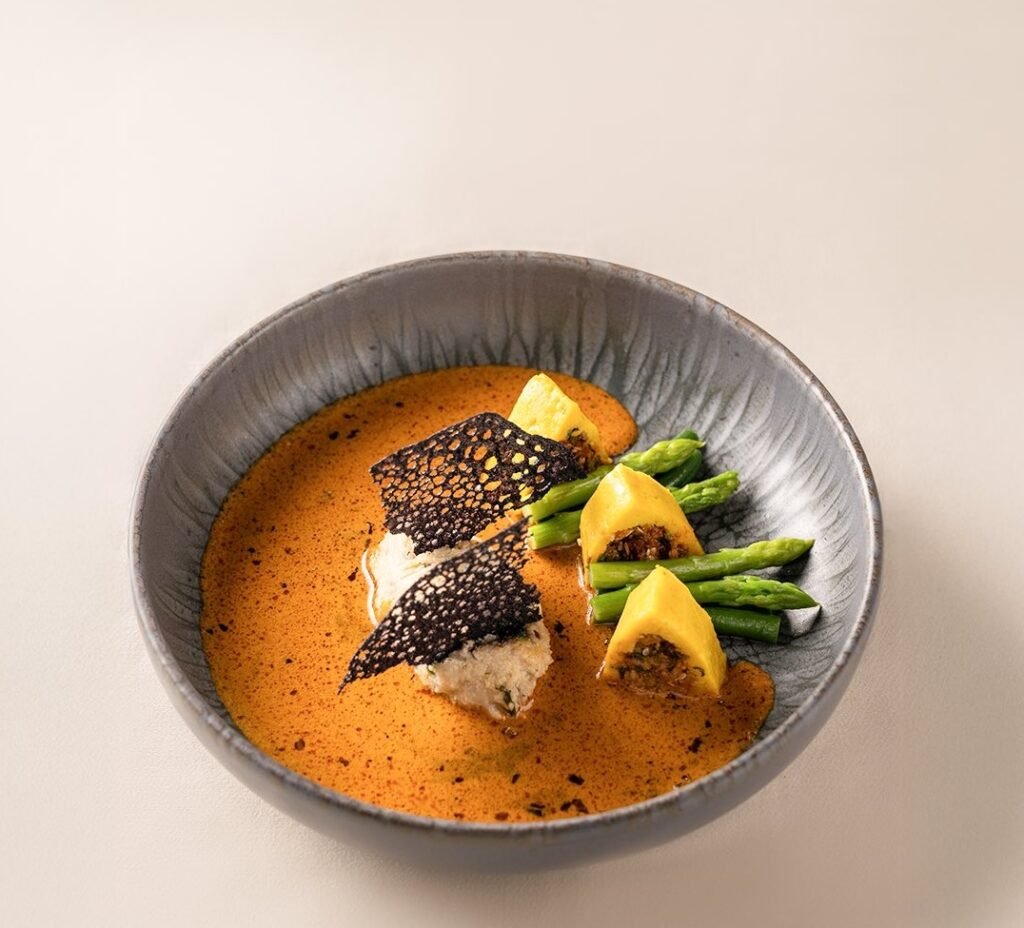
Meanwhile, the dining programme is equally strong: Ziya offers Indian gourmet cuisine under the creative direction of Michelin-starred chef Vineet Bhatia, Fenix presents European, Asian, and Indian specialities alongside Japanese delicacies, and Vetro serves Italian dishes in a space that feels genuinely transportive. The Eau Bar overlooks the Arabian Sea and features a live jazz band; the Champagne Lounge offers an extensive selection of champagnes and fine teas.
The hotel’s location puts Mumbai’s Stock Exchange, government offices, and the National Centre for the Performing Arts within easy walking distance — making it as practical as it is pleasurable.
Best for: Business travellers, couples seeking understated luxury, guests who prize ocean views and serenity.
The St. Regis Mumbai — Lower Parel’s Towering Statement
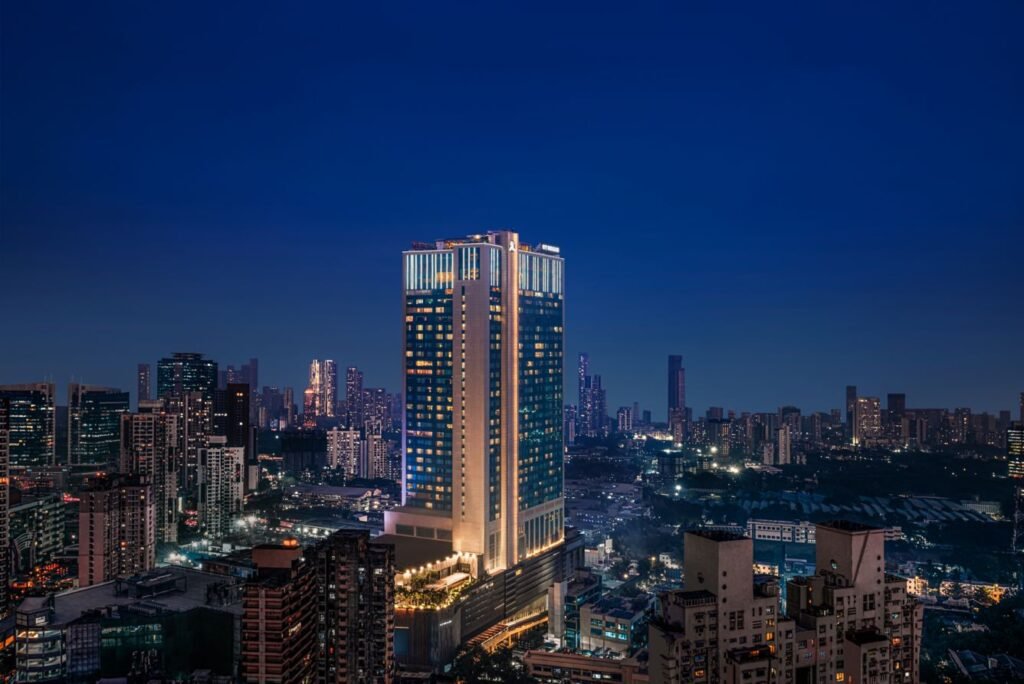
The St. Regis Mumbai, one of my favourite of the city’s five-star properties, occupies the top floors of a gleaming tower in Lower Parel, the financial and entertainment hub that has transformed Mumbai’s mid-city skyline over the past decade, this is a hotel that understands spectacle.
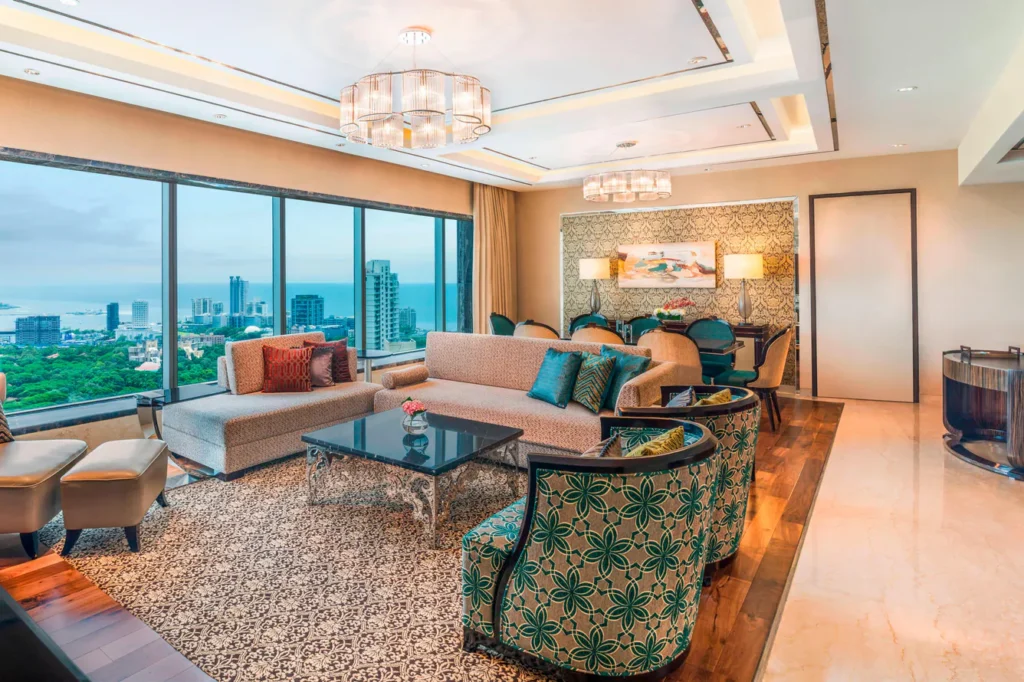
The rooms — all of which start at a considerable altitude above street level — deliver panoramic views of either the Arabian Sea or the city’s dramatic skyline. Interiors follow the St. Regis brand’s commitment to refined elegance: rich materials, bespoke furnishings, and marble bathrooms with deep soaking tubs. The hotel’s signature Butler Service, a St. Regis hallmark, means that every guest has a dedicated point of contact for anything from evening turn-down to restaurant reservations across the city.
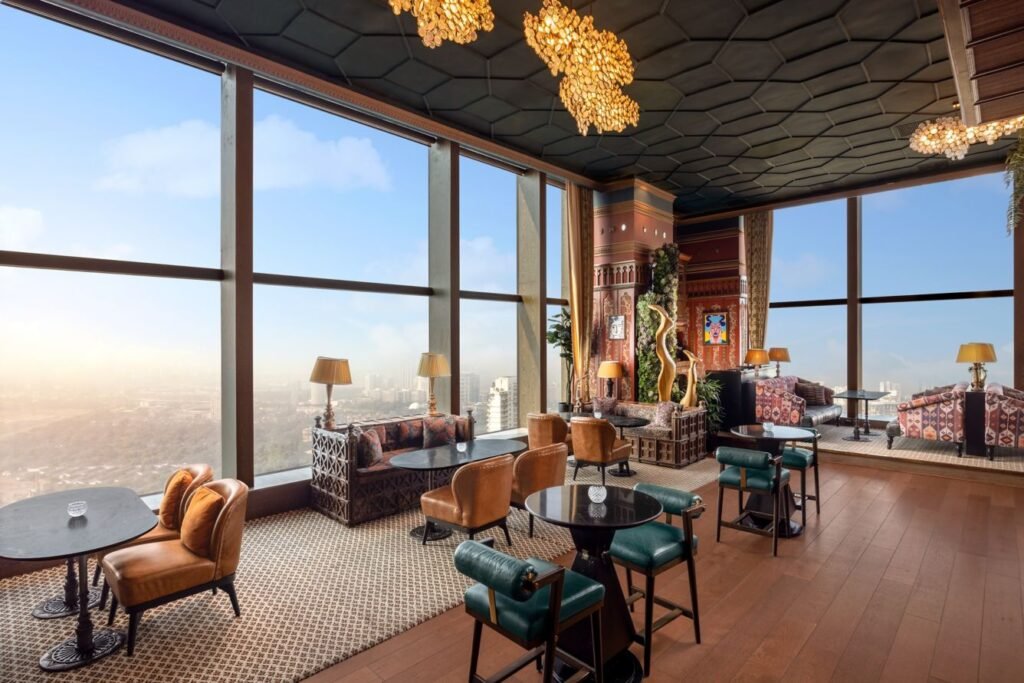
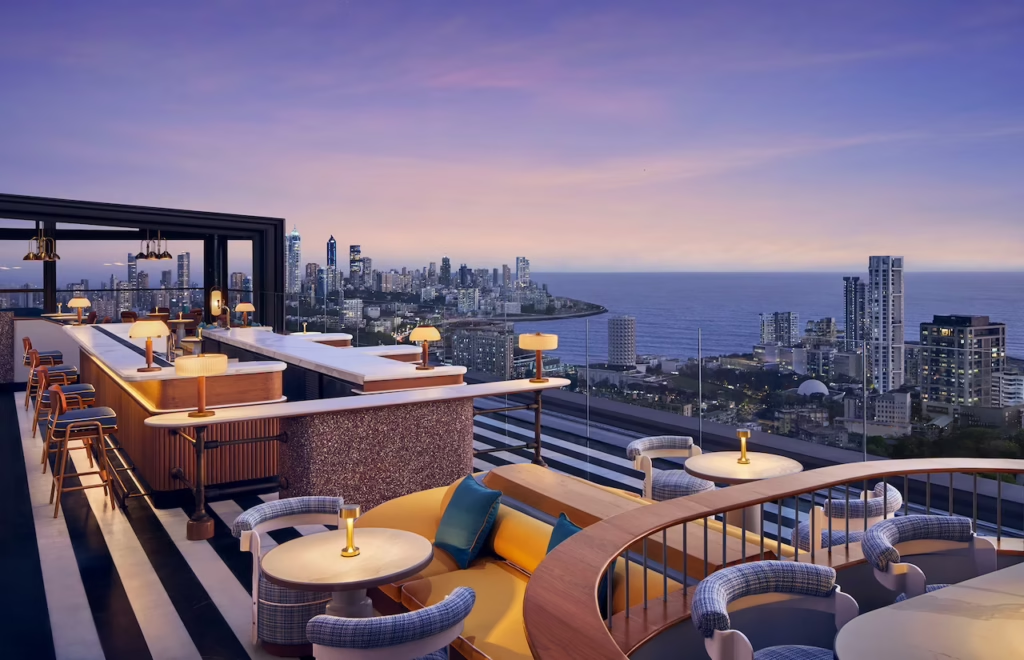
Dining leans into the hotel’s vertical drama: the Asilo rooftop bar and restaurant, perched 38 floors above the city, offers one of Mumbai’s most celebrated views alongside a menu of contemporary Mediterranean cuisine and expertly crafted cocktails. It has become a destination in its own right — the kind of place Mumbai’s most well-connected residents bring visiting friends to make an impression. The hotel’s spa and wellness facilities, fitness centre, and temperature-controlled pool complete a picture of well-rounded urban luxury.
With its location in Lower Parel, the St. Regis places guests close to the Phoenix Mills shopping and dining complex, the city’s major corporate headquarters, and the vibrant restaurant scene that has made this neighbourhood one of Mumbai’s most sought-after after-dark destinations.
Best for: Those seeking sky-high glamour, business travellers, design-conscious guests, nightlife enthusiasts.
Four Seasons Hotel Mumbai — The Modernist in Worli
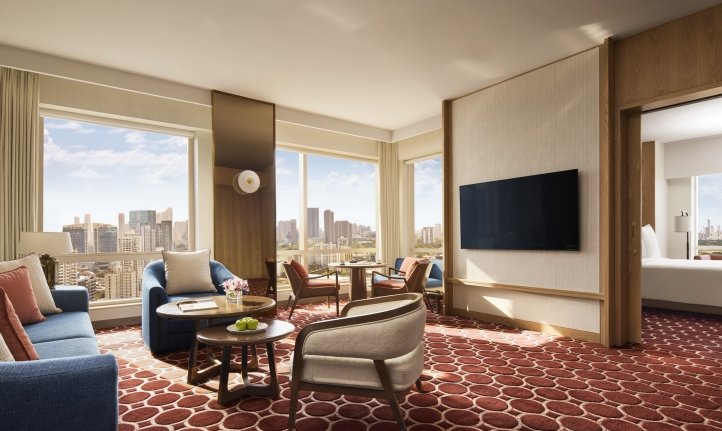
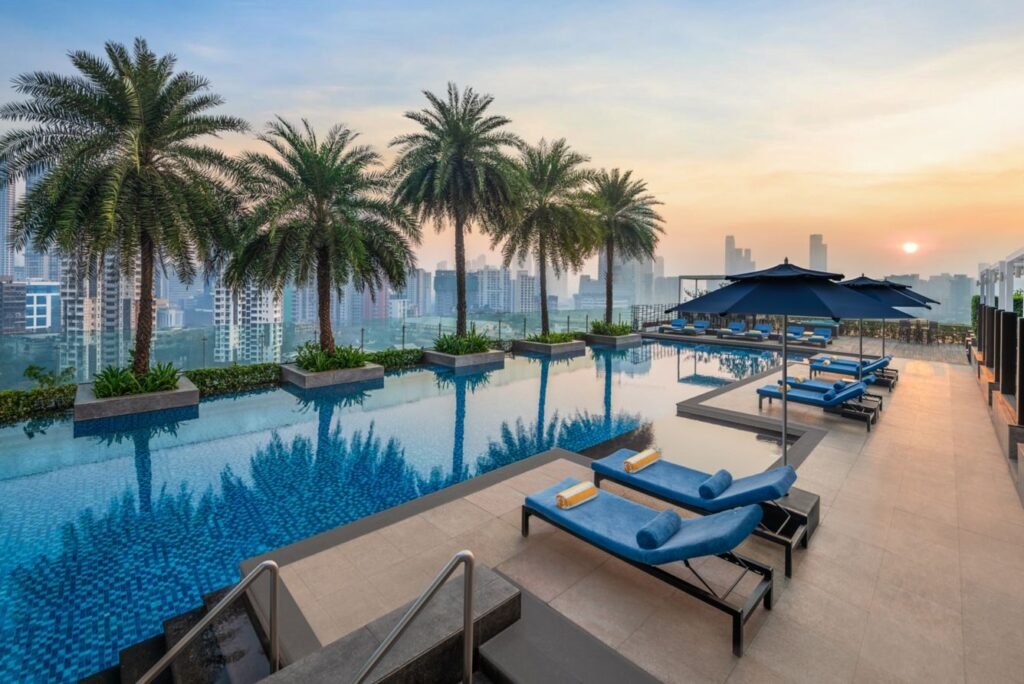
In the business district of Worli, the Four Seasons Hotel Mumbai offers something slightly different: a tranquil, glass-fronted haven that feels genuinely removed from the urban pressure outside. The hotel’s rooftop infinity pool with sea views has become something of a symbol for modern Mumbai luxury — a place to float above the city, watching the sun drop behind the Arabian Sea while the skyline turns gold and pink.
The spacious, air-conditioned rooms feature modern amenities, large marble bathrooms with separate bathtubs and walk-in showers, and 42-inch LCD televisions. Floor-to-ceiling windows throughout ensure that light floods every space and that the ever-changing face of the city is always present, like a living painting. The hotel’s dining centrepiece is San Qi, which presents Asian cuisine and a well-curated wine bar within an interior that feels genuinely luxurious.
The Four Seasons’ spa and fitness centre maintain the brand’s global standard of wellness, and the hotel’s sincere Indian hospitality — frequently cited by guests as a distinguishing quality — gives the property a warmth that prevents it from feeling corporate despite its thoroughly modern design. The general vibe, as frequent guests often note, is chic without being cold.
Best for: Design-oriented travellers, pool enthusiasts, guests visiting business contacts in Worli or BKC.
The Leela Mumbai — A Green Oasis in the Business Quarter
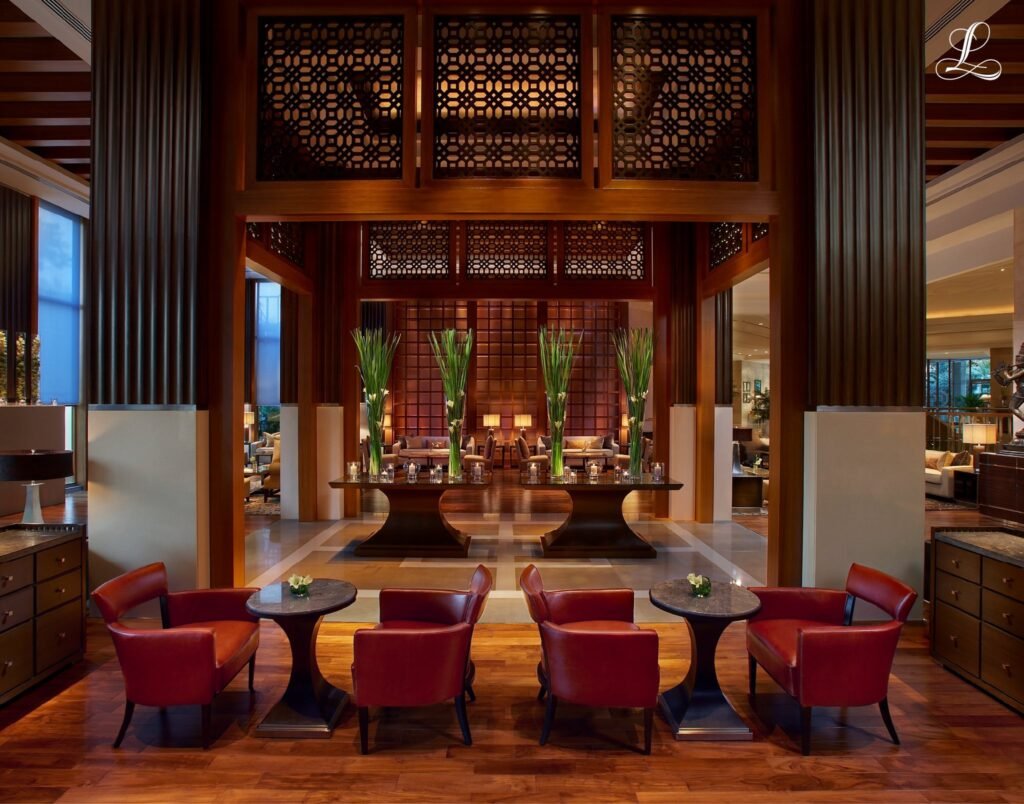
The Leela Mumbai occupies a different psychological space from its South Mumbai counterparts. Situated near Sahar, close to Chhatrapati Shivaji Maharaj International Airport, this refined hotel (I’m a self-confessed Leelaophile, especially their property in Delhi) functions as an island of lush greenery in what is otherwise a dense urban landscape — and that contrast is precisely its appeal.
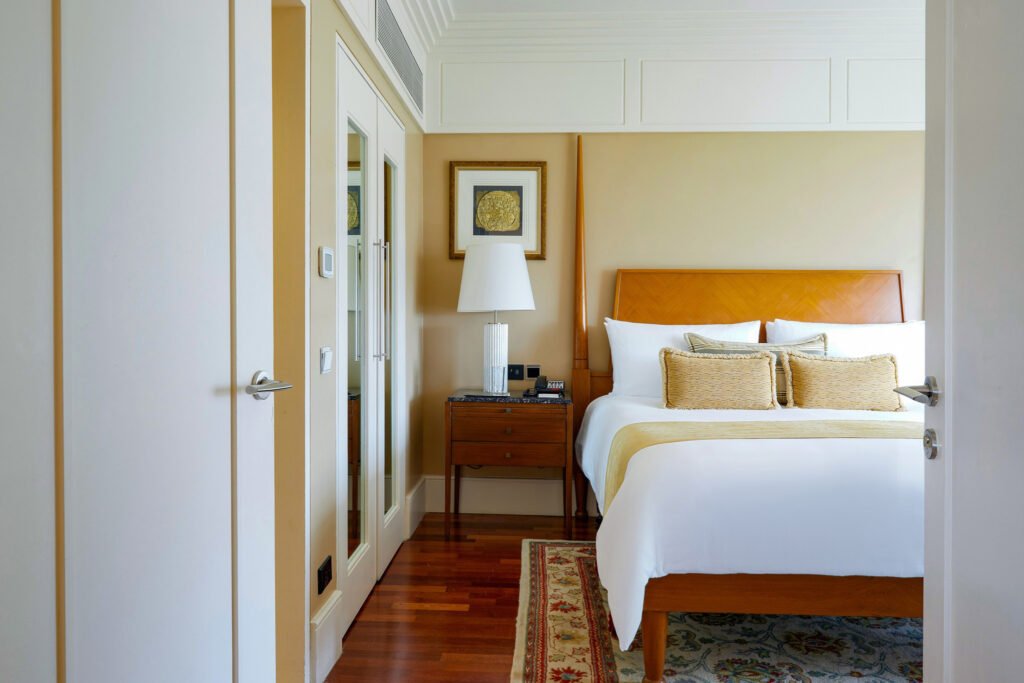
For 2026, it stands among the city’s most highly rated luxury properties, recognised for the exceptional quality of its accommodation and service. The hotel’s guest rooms are designed to blend contemporary style with an awareness of local heritage; the grounds are notably verdant by Mumbai standards, offering a sense of resort-like escape that the city’s more urban properties cannot match.
Dining at The Leela ranges across multiple cuisines and settings, reflecting the hotel’s desire to offer a complete luxury world within its gates. The wellness and spa facilities are extensive, and the hotel’s proximity to the airport makes it a natural choice for long-haul travellers arriving into or departing from Mumbai who require absolute comfort at the beginning or end of a journey.
Best for: Long-haul travellers, airport convenience, those seeking resort-style greenery within the city.
Practical Guide: When to Visit and What to Expect
With so much variety — from iconic regal retreats to modern business hotels – here’s a few things to consider before you book your Mumbai hotel.
When to Visit
The best time to visit Mumbai for a luxury hotel stay is between October and February. The monsoon retreats in September, temperatures settle into a pleasantly warm range of around 24 to 32 degrees Celsius, and the city’s outdoor dining, festival calendar, and street life come alive. The monsoon itself (June through September) brings dramatic scenes at Marine Drive and a different, rain-soaked beauty to the city — but also humidity, occasional flooding, and reduced visibility. March through May is hot and muggy. If flexibility allows, aim for November or December.
What to Budget
Mumbai’s luxury hotels span a wide price range. The Taj Mahal Palace and The Oberoi command premium rates that reflect their iconic status and impeccable service. The St. Regis and Four Seasons typically offer strong value relative to the experience. All properties can be significantly more expensive during peak festival seasons such as Diwali so be sure to book well in advance.
What to Do Nearby
The best luxury hotels in Mumbai are concentrated in areas of remarkable cultural density. From Colaba and Marine Drive, guests can walk to the Gateway of India, the Colaba Causeway’s art galleries and boutiques, the Chhatrapati Shivaji Maharaj Terminus (a UNESCO World Heritage Site), and the Hanging Gardens of Malabar Hill. Mumbai’s dining scene — from the legendary street food at Khau Galli to fine-dining restaurants helmed by internationally acclaimed chefs — is one of the world’s great culinary adventures.
The Verdict: Which Luxury Hotel in Mumbai Is Right for You?
Mumbai’s luxury hotel landscape is one of the most varied and rewarding of any major city in the world. For first-time visitors, the Taj Mahal Palace remains the defining experience — a building that is simultaneously a hotel, a museum, and a piece of living history, set against one of the most recognisable waterfront views on earth. For those who prize contemporary elegance and ocean tranquillity, The Oberoi on Marine Drive is nearly peerless. For urban glamour at altitude, the St. Regis delivers spectacle with service. For a modernist retreat with a rooftop pool, the Four Seasons in Worli is hard to beat. And for those arriving or departing by air who want resort-style luxury without compromise, The Leela offers lush sanctuary.
What unites them all is a commitment to service that goes beyond professionalism into something that feels, at its best, like genuine warmth. India’s tradition of hospitality — atithi devo bhava, the guest is as God — runs deep in Mumbai’s finest hotels. Whichever property you choose, you will leave better rested, better fed, and better cared for than almost anywhere else on earth.


