
Christopher Nolan’s The Odyssey spans five countries on screen, but almost none of them match Homer’s original map. Here’s where myth meets movie set.
Christopher Nolan’s IMAX epic sends Odysseus across a mythical Mediterranean of cyclops caves, wind-god islands, and vengeful seas. But the map he actually travels on screen is a patchwork of five countries and three continents, and almost none of it lines up with where Homer’s hero was supposedly headed. If you left the cinema wanting to follow in his footsteps, here’s the difference between where The Odyssey is set and where it was really filmed, and how to visit both.
A Homeric Map vs. a Hollywood One
Homer’s poem is loosely anchored to a real Mediterranean geography: Troy on the northwest coast of modern Turkey, the island kingdom of Ithaca off Greece’s western coast, and a scattering of half-mythical stops — the land of the Lotus-Eaters, the cave of the Cyclops Polyphemus, the floating island of Aeolia, the witch Circe’s Aeaea — that scholars have spent centuries trying to pin to actual coordinates, with varying degrees of success.
Nolan’s production, shot over 91 days in 2025, didn’t chase textbook accuracy so much as visual truth. The film was shot on location across Italy, Iceland, Greece, Morocco, and Scotland, with additional scenes filmed at the Universal Studios lot in California.
The result is a version of the ancient Mediterranean assembled from places thousands of miles apart, from a Troy built in the Moroccan desert, and an Ithaca recreated off Sicily, to a Cyclops cave in the Greek Peloponnese that’s one of the few locations actually true to its mythological source.
Here’s how the story’s key settings map onto the real world, and where the cameras actually rolled.
Troy: Turkey (In Legend) vs. Morocco (On Screen)
The story begins at Troy, traditionally located near the Dardanelles in northwest Turkey, where the archaeological site of Hisarlik has been excavated since the 19th century as the probable setting for Homer’s war.
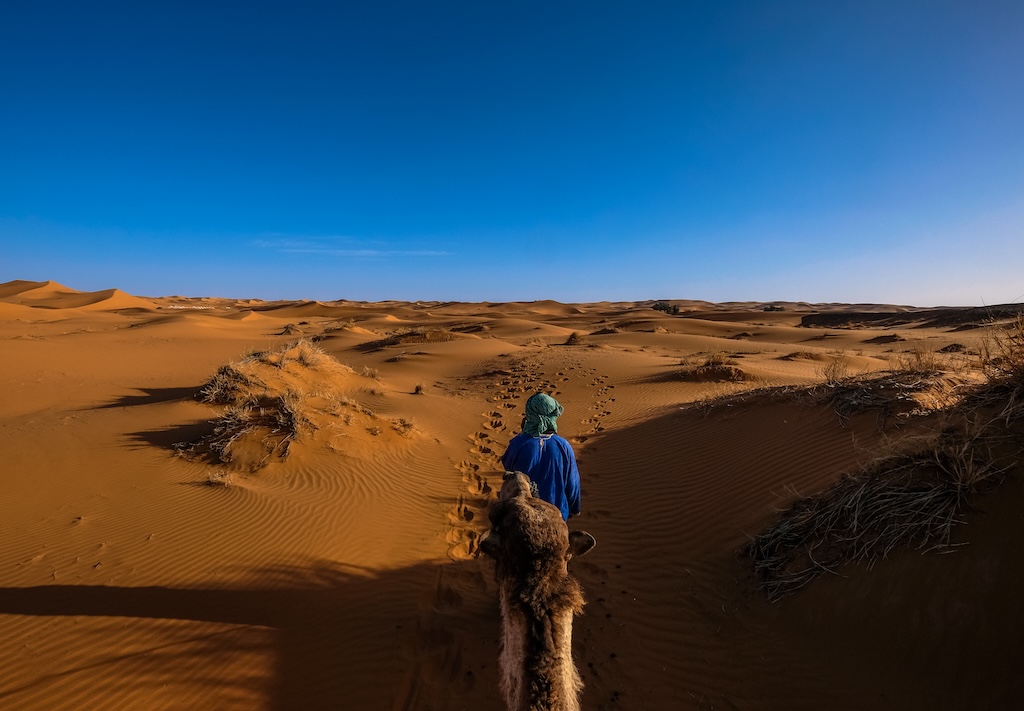
Nolan’s Troy, however, rises out of the Moroccan desert. For the city of Troy, the production filmed at Aït Benhaddou, near the Atlas Mountains, a fortified ksar of stacked earthen towers on the old caravan route between the Sahara and Marrakesh, and a location familiar to anyone who’s seen Gladiator or Game of Thrones. It’s a striking substitution: swapping the Anatolian coastline for North African desert architecture, but one that gives the film’s opening siege a texture no CGI backlot could match.
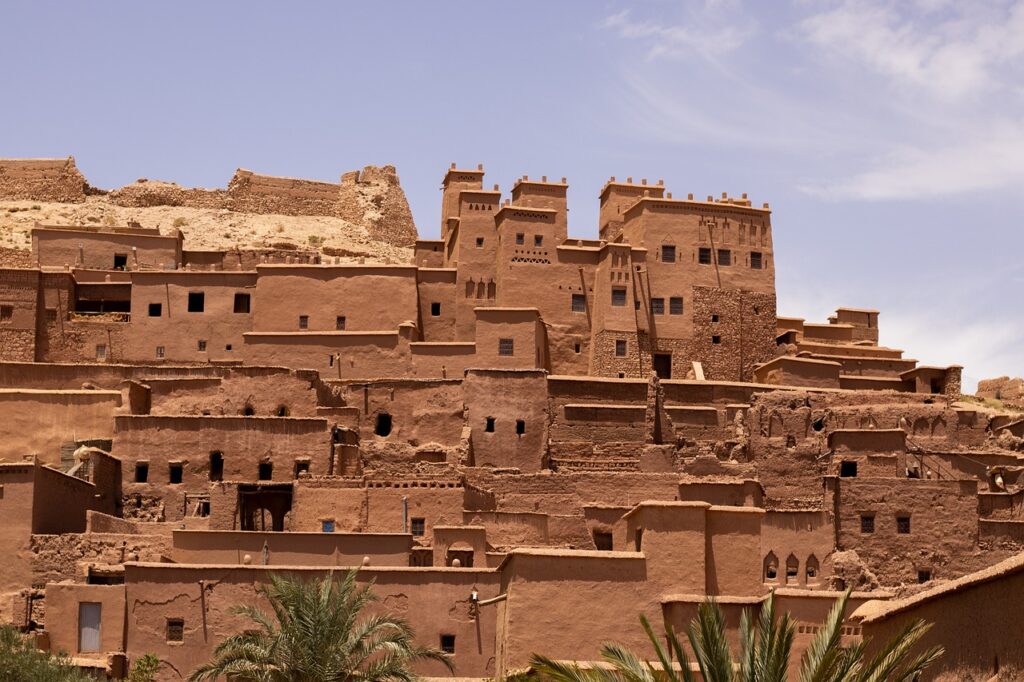
Visit it: Aït Benhaddou (above) is a UNESCO World Heritage Site a few hours’ drive from Marrakesh, and one of Morocco’s most-visited film locations. Nearby Ouarzazate — sometimes nicknamed “Ouallywood” for its concentration of studio backlots — is worth a stop for film fans.
The Trojan Horse and the Journey Home: Essaouira, Morocco
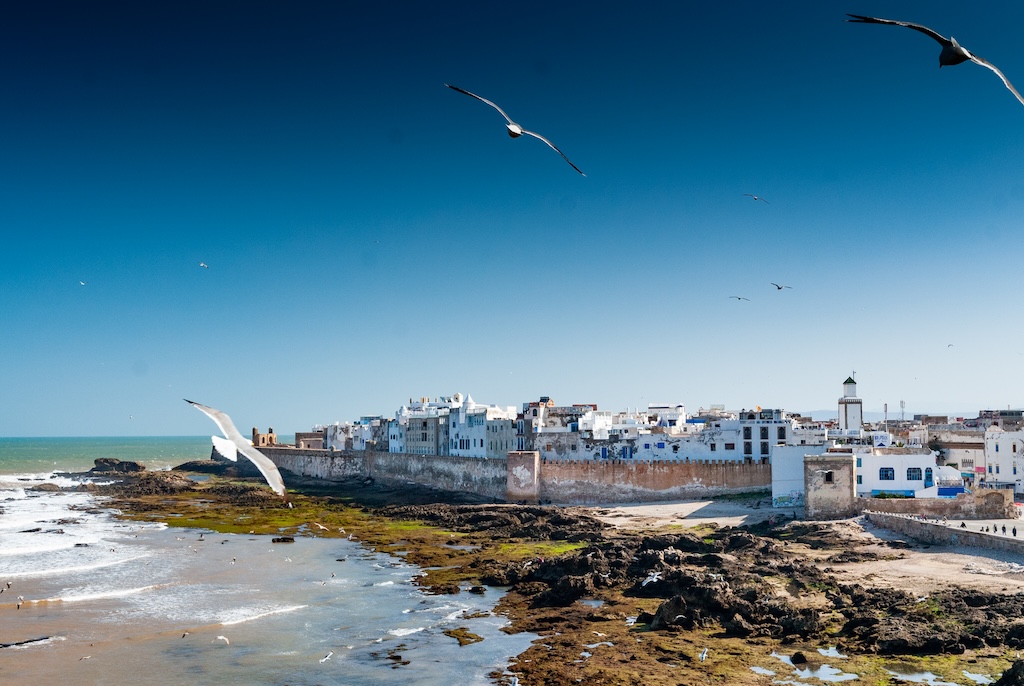
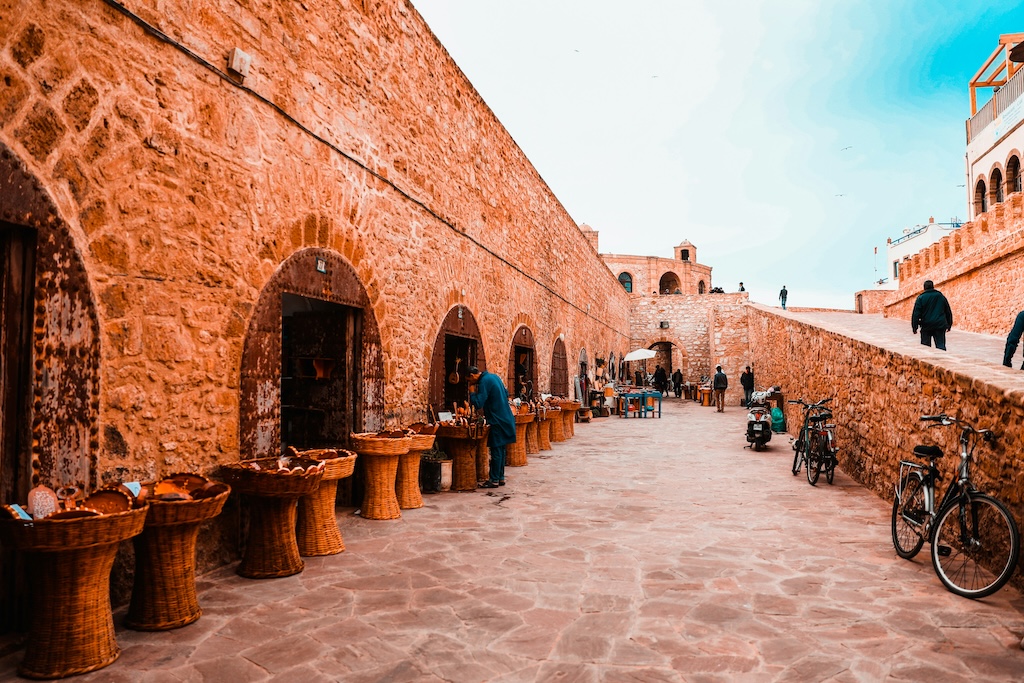
The beaches of Essaouira on Morocco’s Atlantic coast provided the discovery site of the Trojan Horse and the launch point for Odysseus’s voyage home. Essaouira’s wind-battered ramparts and blue fishing boats have doubled for ancient coastlines before — including in Game of Thrones — and its Atlantic swell gave Nolan’s production the kind of raw, unpredictable water he’s known for insisting on using practically rather than digitally.
Visit it: Essaouira is roughly a three-hour drive from Marrakesh and is a working fishing port in its own right, with a walkable medina and long, wind-swept beaches.
Polyphemus’s Cave: The One Place That’s (Almost) Authentic
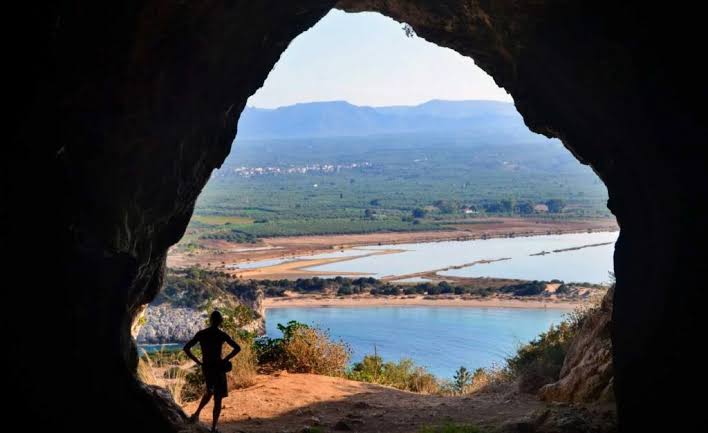
Most of the film’s mythical geography is invented from scratch. This one isn’t. For the Cyclops Polyphemus’s cave, the production travelled to Nestor’s Cave in the foothills of Greece’s Peloponnese region, a real cavern with a vaulted ceiling reaching around 30 metres, used by humans since the Neolithic period and already tied to Greek mythology long before Nolan arrived.
It’s a rare case of a film location and a mythological one nearly overlapping, and it makes Nestor’s Cave arguably the single most atmospheric real-world stop for anyone retracing the film’s journey.
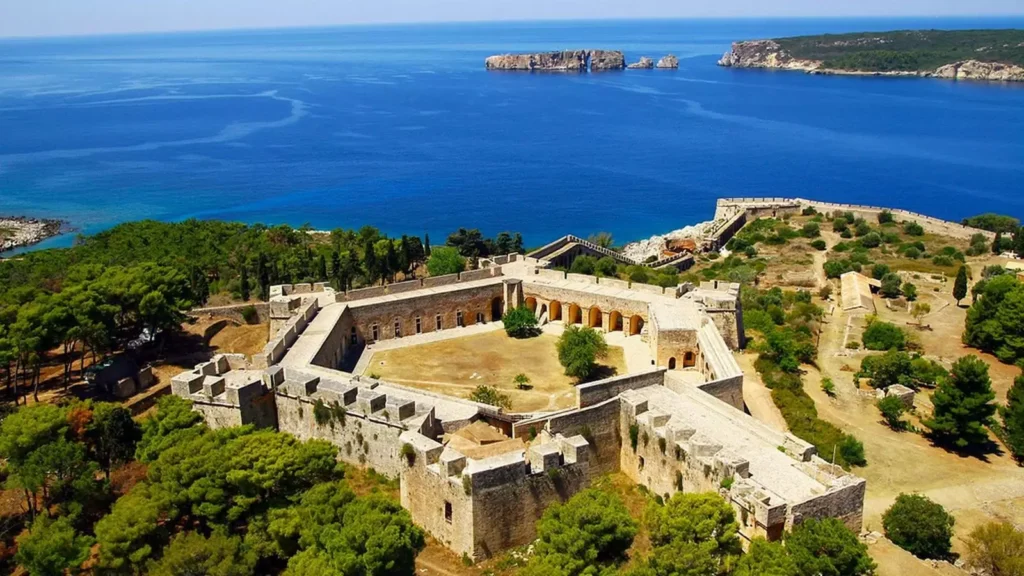
Visit it: The cave sits near Pylos in the southwestern Peloponnese, close to the real Bronze Age palace ruins often associated with Homer’s King Nestor, making this corner of Greece a genuine double pilgrimage for both film and myth fans.
Aeolia, Land of the Winds: The Aeolian Islands, Sicily
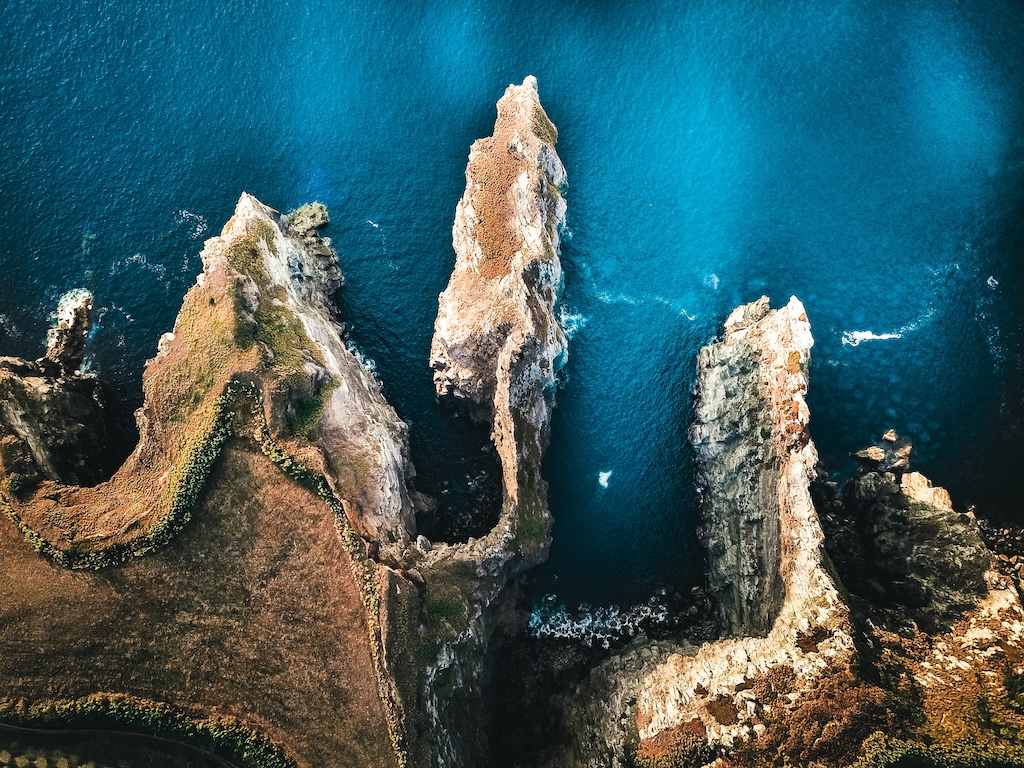
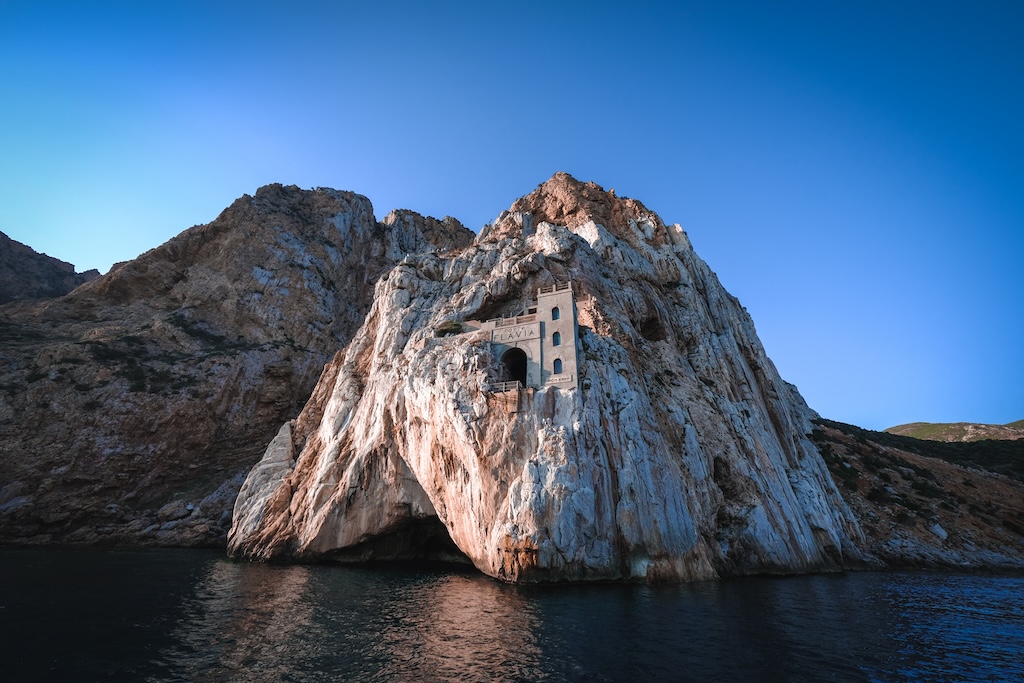
For the floating island kingdom of Aeolus, keeper of the winds, the production used Sicily‘s volcanic Aeolian Islands — Lipari, Vulcano, and Basiluzzo — whose black cliffs and sulphurous coastlines already carry the name of the myth. It’s the kind of location where geography and legend were clearly working in the film’s favour before a single camera was set up.
Visit it: Ferries run to the Aeolian Islands from Milazzo in northeastern Sicily. Vulcano’s still-active fumaroles and Lipari’s obsidian beaches make the islands worth visiting on their own merits.
Ithaca: Off the Coast of Sicily
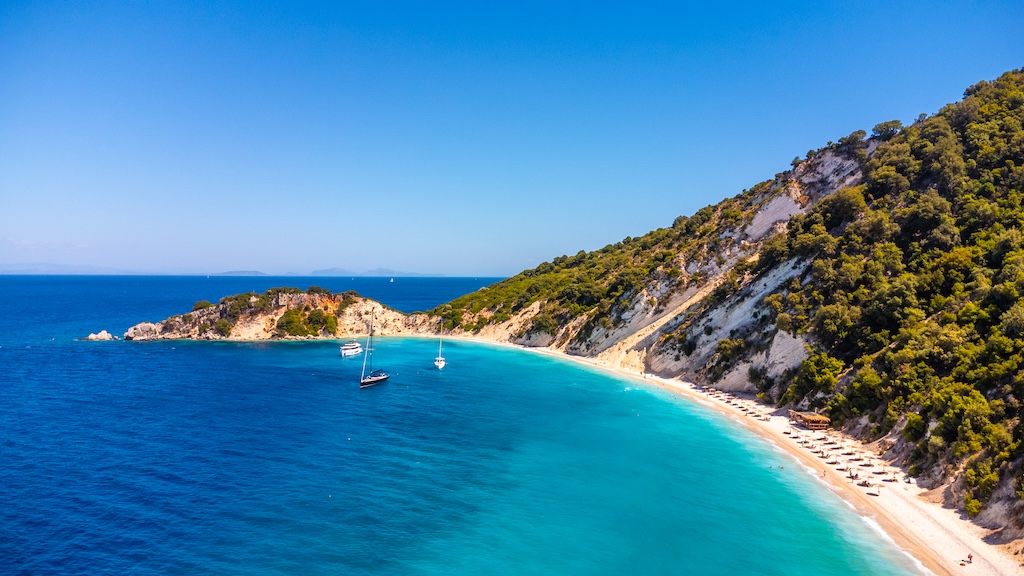
Odysseus’s home island, Ithaca, is traditionally identified with the modern Greek island of the same name (above) in the Ionian Sea, though archaeologists have long debated whether ancient descriptions actually match its geography.
Nolan sidestepped the debate entirely. Ithaca was recreated off the coast of Sicily, with Favignana in the Egadi Islands serving as the principal filming location, including the Castle of Santa Caterina (below), which stood in for the exterior of Penelope’s palace. The palace’s cavernous weaving-room interior, where Anne Hathaway’s Penelope holds off her suitors, was built entirely on a soundstage at Universal Studios Hollywood.
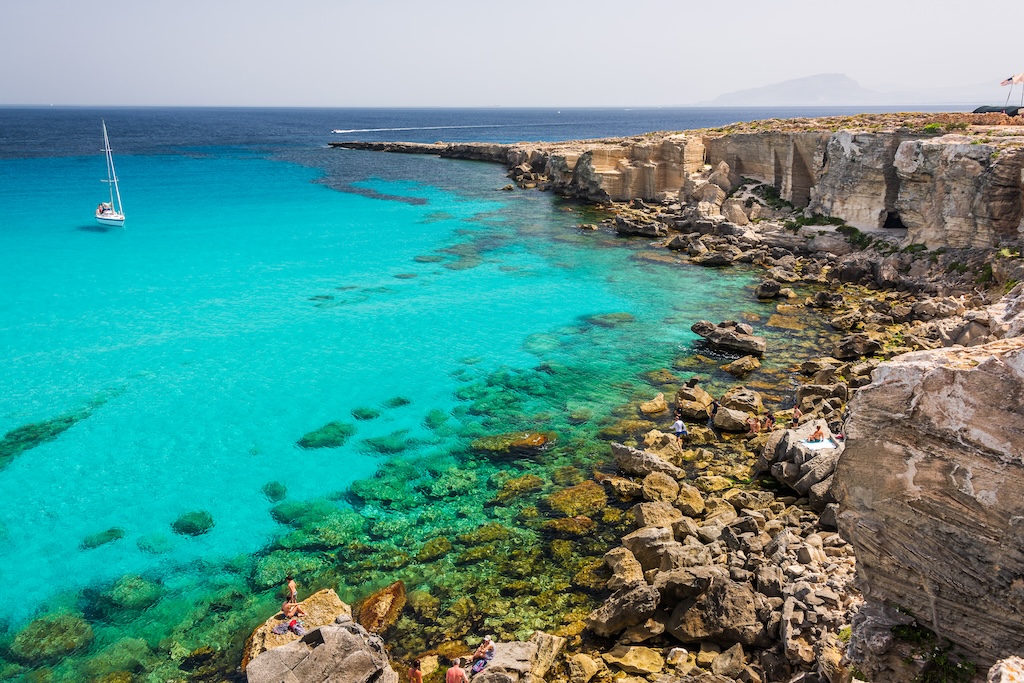
Visit it: Favignana is a short ferry ride from Trapani in western Sicily, known for its flat, bike-friendly terrain, former tuna-fishing quarries, and turquoise coves, a gentler contrast to the mythic weight the island carries in the film.
Circe’s Island and the Land of the Laestrygonians: Scotland
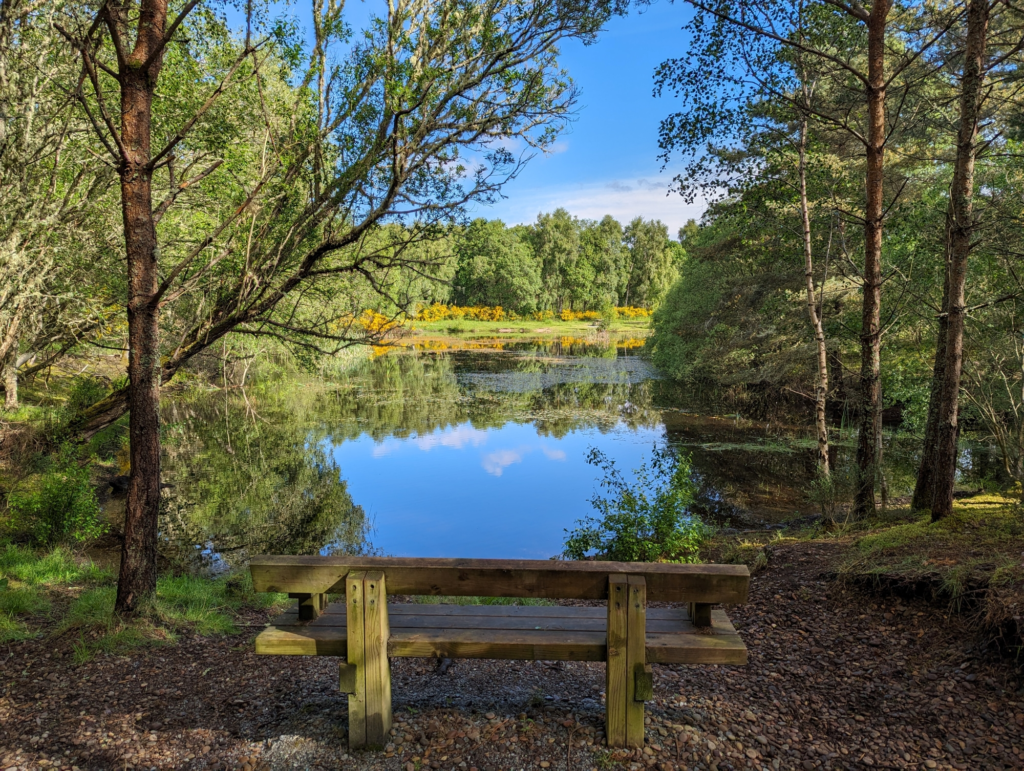
Two of the film’s most unsettling detours take place thousands of miles from the Mediterranean, in the pine forests and cliffs of northeastern Scotland. The giant Laestrygonians, who destroy most of Odysseus’s fleet, were filmed in the Culbin Forest (above) on the Moray Firth coast (below), brought to life largely through old-fashioned forced-perspective camera tricks rather than digital effects.
Circe’s home was built roughly 60 kilometres further along the coast at Findlater Castle, a ruined clifftop fortress overlooking the North Sea.
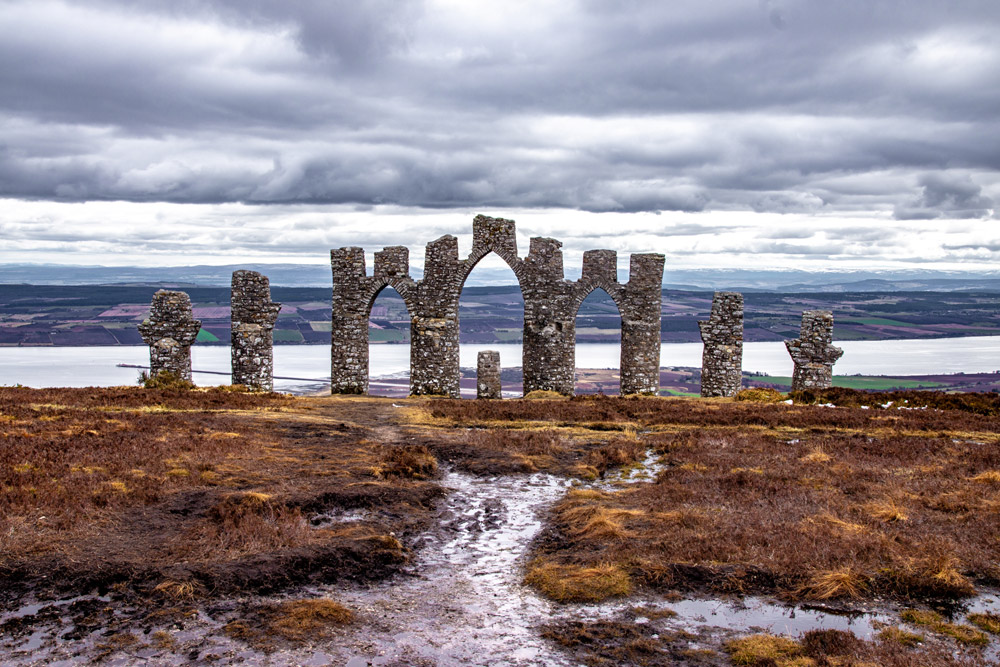
Visit it: Both locations sit within reach of Inverness. Culbin Forest has public parking and walking trails, while Findlater Castle’s ruins are accessible via a coastal footpath near the village of Sandend.
Lotus-Eaters and Black Sand: Iceland
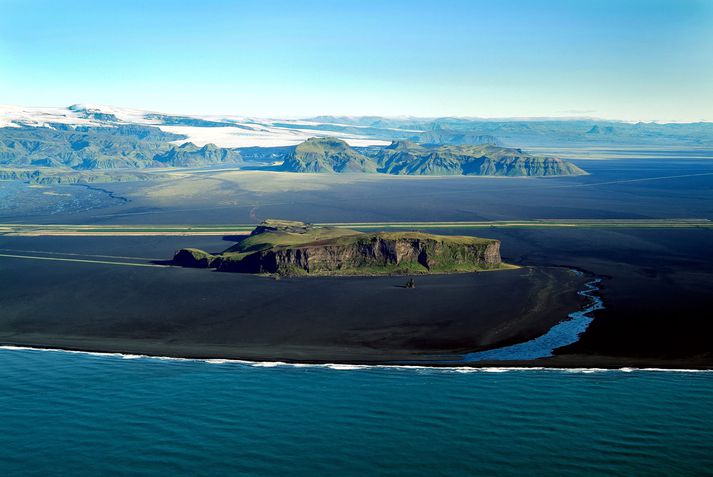
For the eerie, sun-bleached stretch where Odysseus’s men eat the memory-erasing lotus fruit, the production headed to Iceland’s south coast, filming around the black volcanic sands near Hjörleifshöfði, close to the village of Vík. It’s about as far from the Mediterranean as the film’s geography strays, but Iceland’s otherworldly, almost lunar coastline gives the sequence a disorienting quality no Greek beach could replicate.
Visit it: Vík í Mýrdal is roughly a two-and-a-half-hour drive from Reykjavik and sits along Iceland’s popular Ring Road, making it an easy add-on to a South Coast itinerary.
Western Sahara: Al-Dakhla
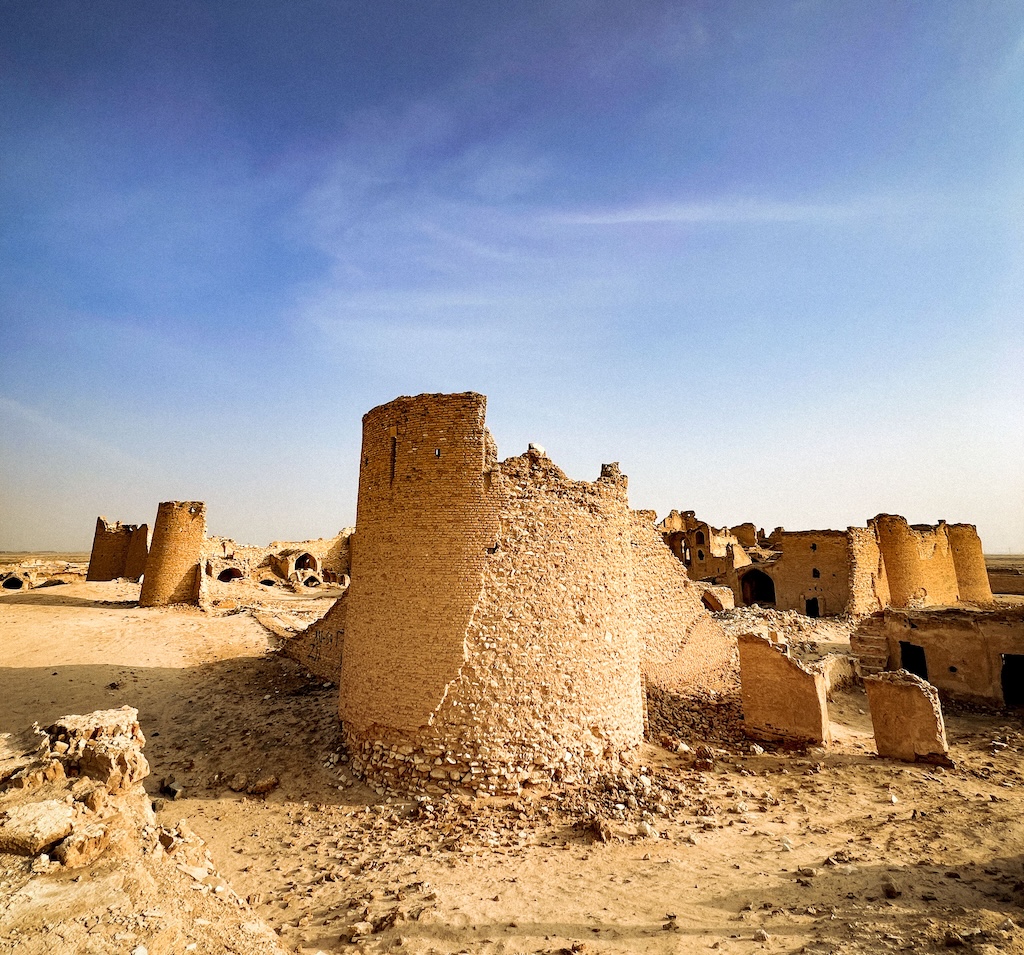
Rounding out the film’s desert sequences, production also shot around Al-Dakhla in the Río de Oro region of Western Sahara, adding another layer of stark, sun-scorched landscape to the film’s visual range. However, this region sees far less tourism (save for a few intrepid kite-boarders) than Morocco’s better-known circuits, and travellers should research current entry requirements and travel advisories carefully before planning a trip.
Planning Your Own Odyssey
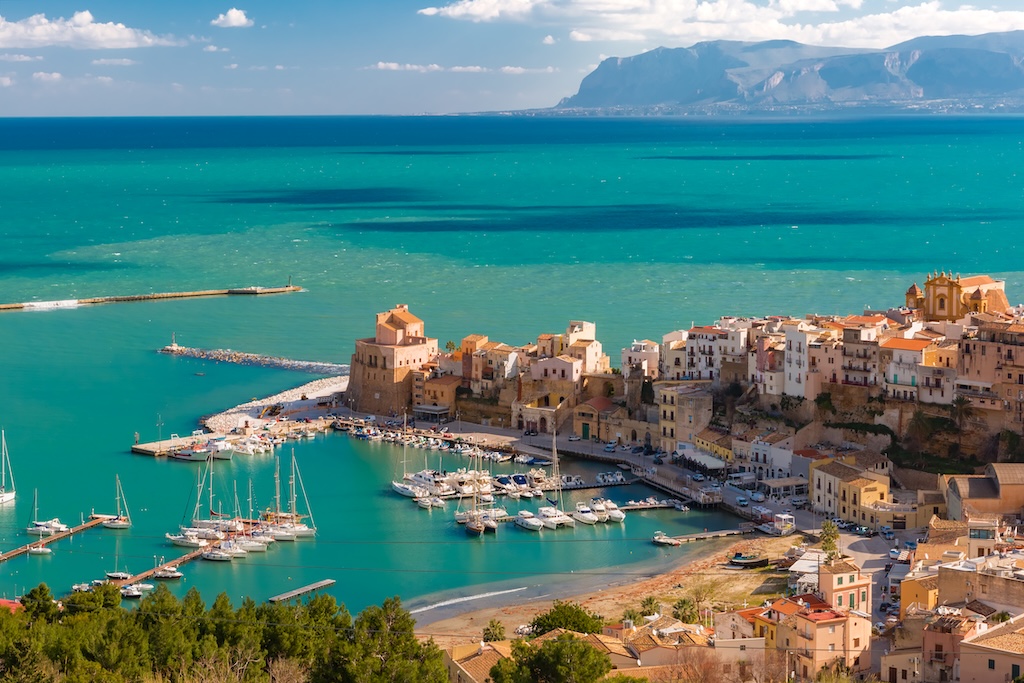
If you’re building a trip around the film rather than the myth, the most efficient route threads through Sicily and Morocco, both of which offer multiple filming locations within a few hours of each other:
- Sicily loop: Trapani (flights via Palermo) → Favignana (Ithaca) → Aeolian Islands via Milazzo (Aeolia)
- Morocco loop: Marrakesh → Aït Benhaddou (Troy) → Essaouira (Trojan Horse beach)
- Greece add-on: Fly into Kalamata for the Peloponnese, combining Nestor’s Cave with the real archaeological sites long linked to Homer’s geography
- Scotland detour: Inverness makes a natural base for both Culbin Forest and Findlater Castle
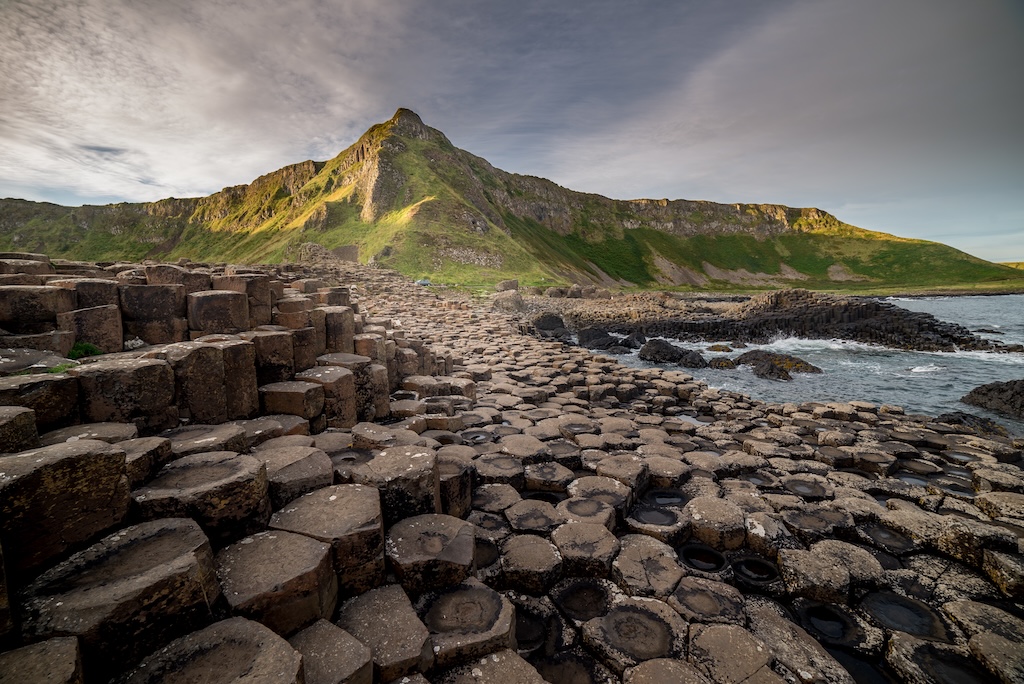
For film purists, the Universal Studios Hollywood tour also passes through soundstages used for the film’s palace interiors, a reminder that even Nolan’s location-obsessed, practical-effects-driven epic still needed a backlot for its most intimate scenes.
Whether you’re chasing Homer’s Bronze Age geography or Nolan’s 21st-century film set, the honest answer is that The Odyssey was never really filmed in one place — because, in a sense, neither was the myth.