

From rose gardens and royal mausoleums to riad dining, discover the wonders of Rabat over 24 hours
Rabat rarely tops the wishlist alongside Marrakech or Fez, and that is precisely its allure. Morocco’s capital is a city of quiet grandeur, home to imperial gardens, ochre ramparts, and a laid-back Atlantic rhythm that feels closer to Lisbon than to the souks of the south.
If you find yourself with a day to spare, Rabat is perfect for a slow, considered itinerary rather than the usual checklist of sights. Here is how to spend a luxurious 24 hours in the city where Morocco’s kings, ambassadors and artists actually live.
Morning: Wake Among the Roses
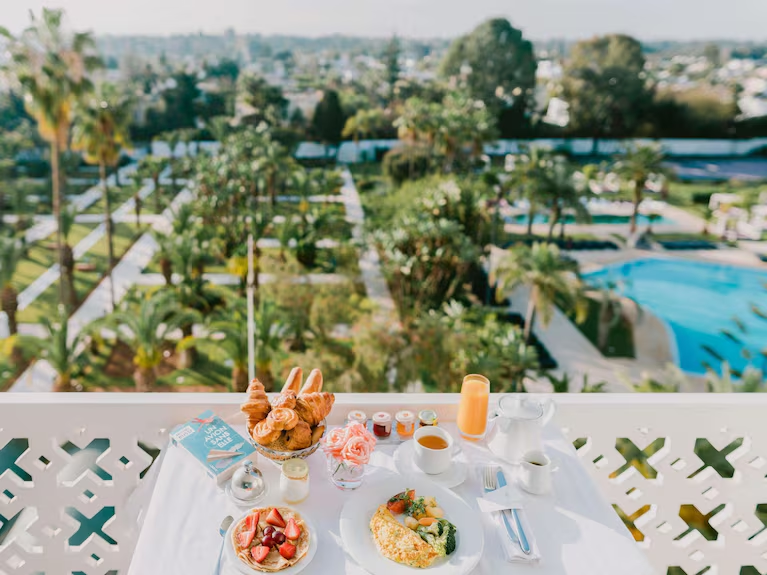
Begin at the Sofitel Rabat Jardin des Roses, a five-star retreat set within eight hectares of manicured gardens on the edge of the city centre, a few minutes from the Royal Palace. Rise early and take breakfast on the terrace overlooking the rose beds in a ritual of orange blossom pastries, msemen and mint tea that eases you into Moroccan time.
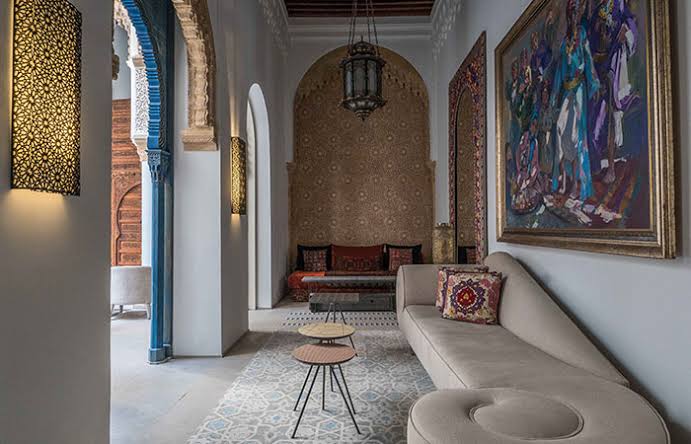
For something a little more intimate, I’d suggest Rabat’s standout boutique luxury hideaway, Euphoriad, a small medina gem with individually styled rooms filled with contemporary art, a rooftop pool overlooking the old city, and a hammam.
By mid-morning, head into the old city for the Kasbah of the Udayas, the whitewashed and cobalt-blue fortress quarter perched above the mouth of the Bouregreg River. Wander its narrow lanes before descending into the Andalusian Gardens, planted by the French during the protectorate era and still one of the most serene green spaces in North Africa.
From here, the eleventh-century kasbah walls give way to sweeping Atlantic views — a photograph-worthy moment best enjoyed without the crowds that arrive by noon.
Midday: History Without the Hurry
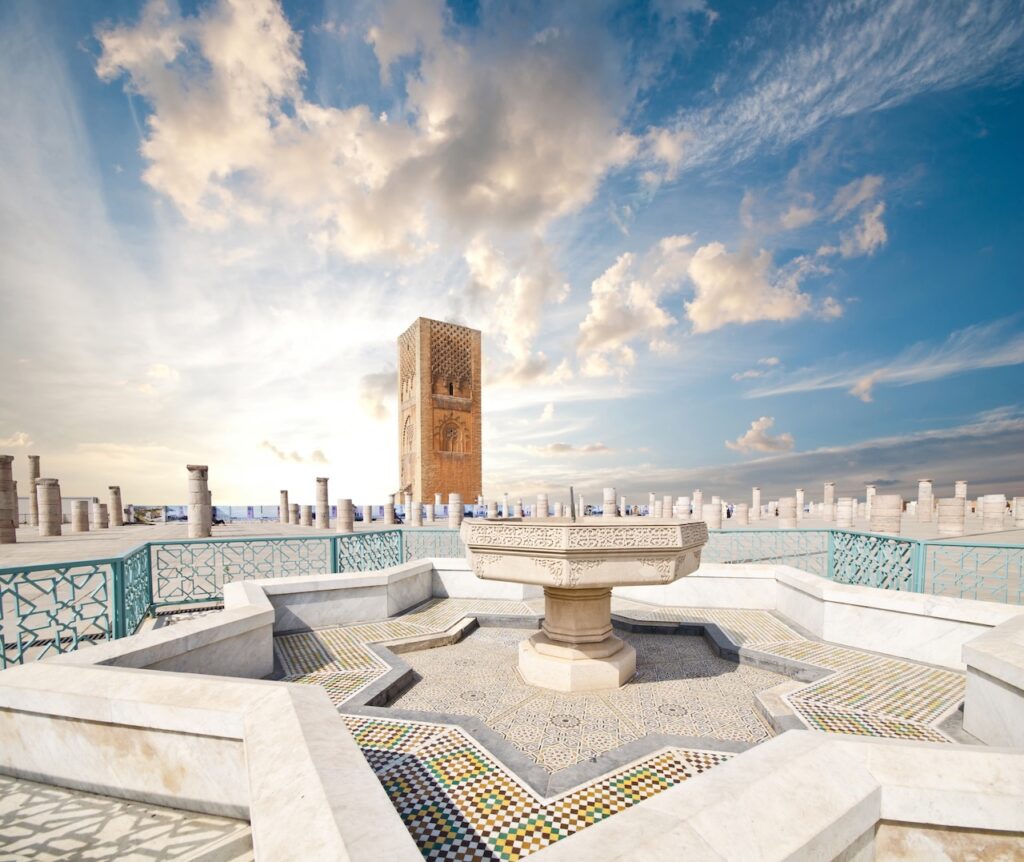
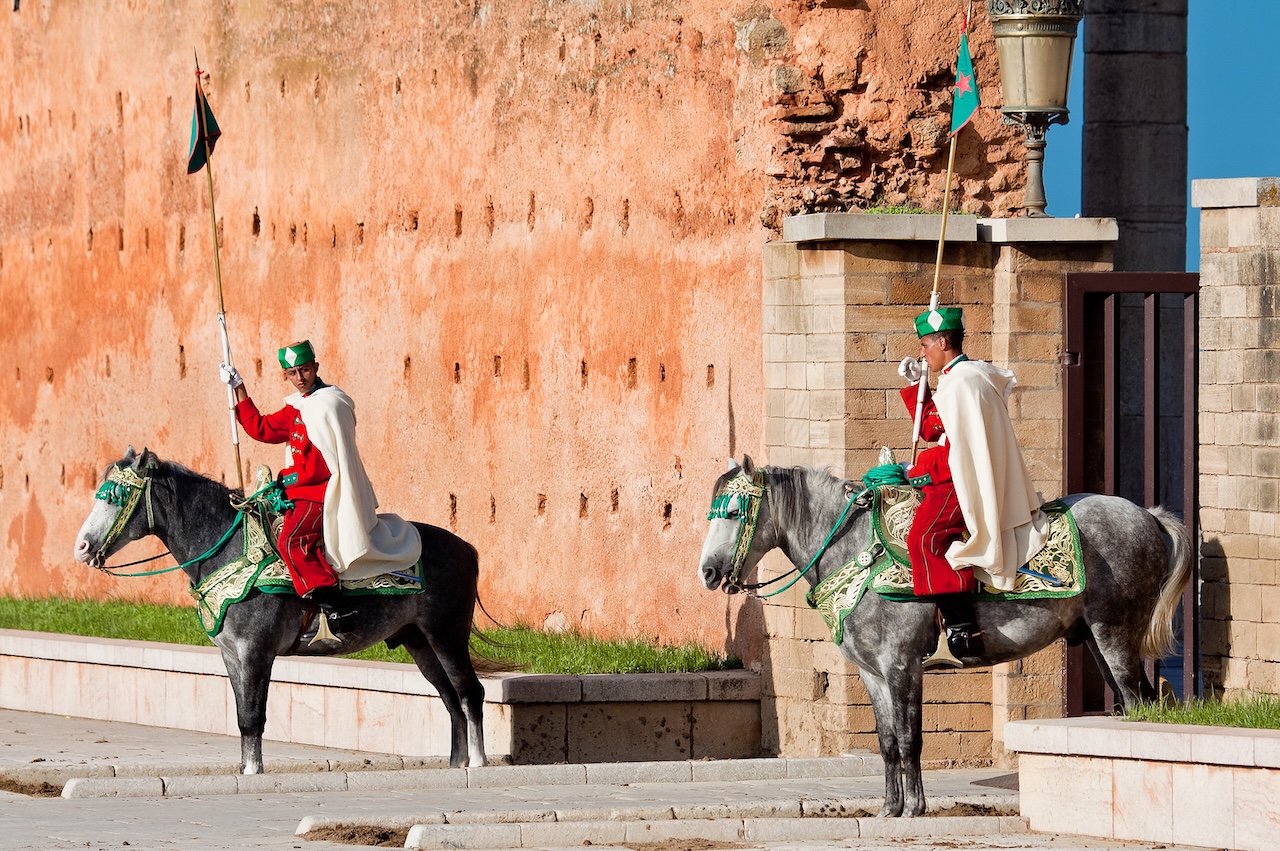
No visit to Rabat is complete without pausing at the Hassan Tower and the adjacent Mausoleum of Mohammed V, the unfinished twelfth-century minaret and the ornate marble tomb of Morocco’s modern monarchy standing in striking juxtaposition. The mausoleum’s carved cedar ceilings and mosaic tilework are the work of master craftsmen and remain free to enter, guarded by mounted royal cavalry in ceremonial dress.
For lunch, take a taxi to the Chellah (below), a fortified Roman and Merinid necropolis a short drive from the centre, where storks nest atop crumbling minarets and the ruins of an ancient city lie half-swallowed by fig trees and bougainvillea. The site’s tranquillity — and its resident colony of storks — make it one of the most atmospheric lunch-adjacent detours in the country.
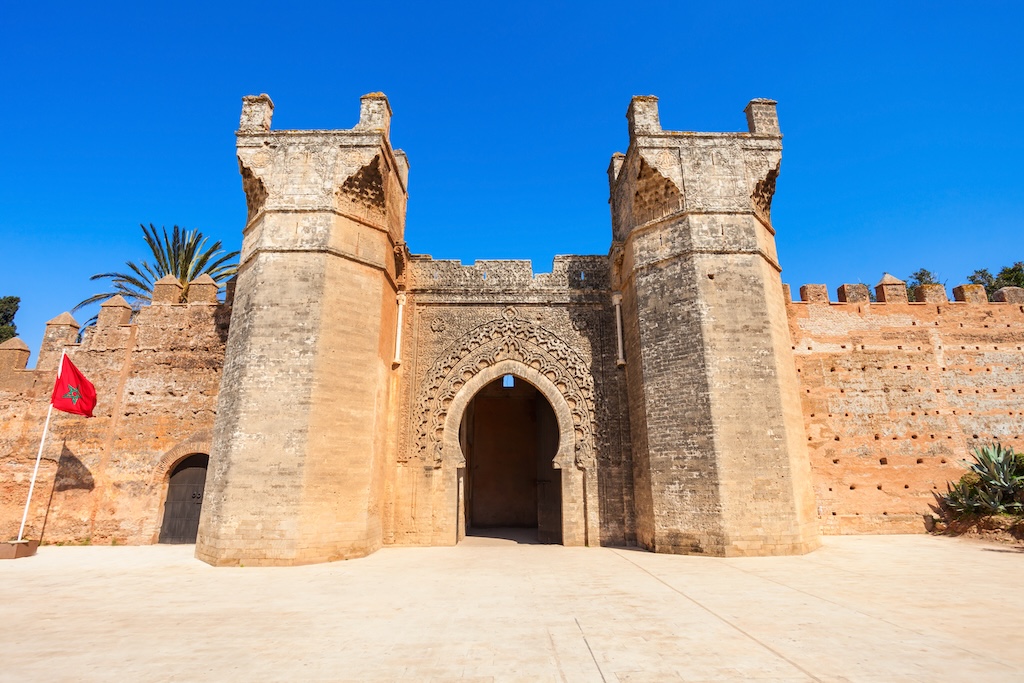
Afterwards, return towards the medina for a light lunch of grilled sardines and Beldi salad at one of the terrace cafés overlooking Rue des Consuls, Rabat’s historic street of artisans and antique dealers.
Afternoon: The Medina and the Sea
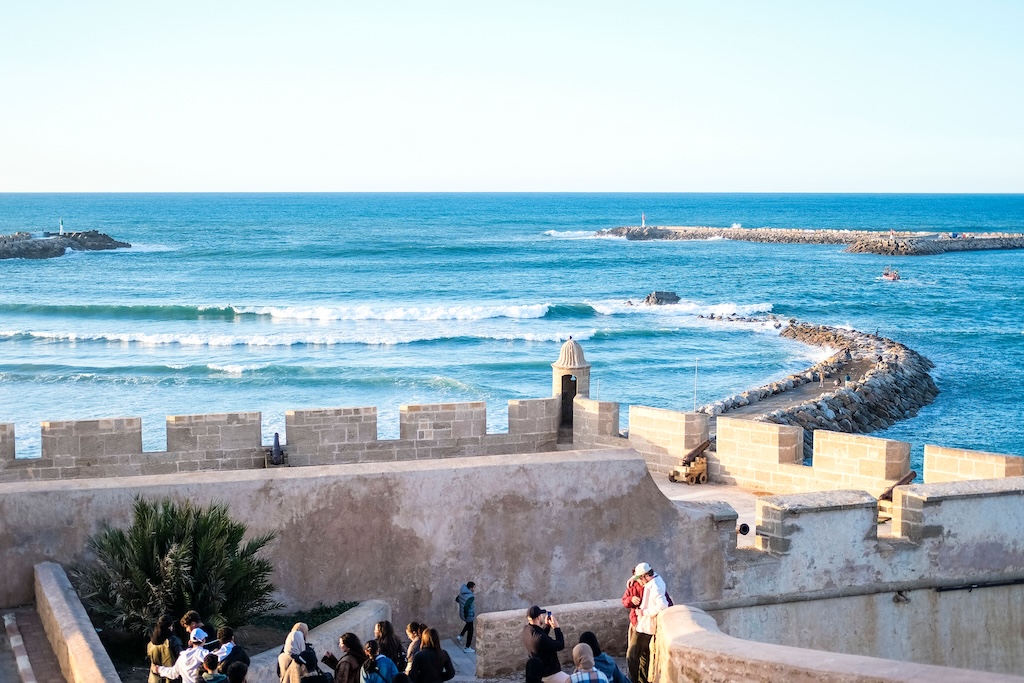
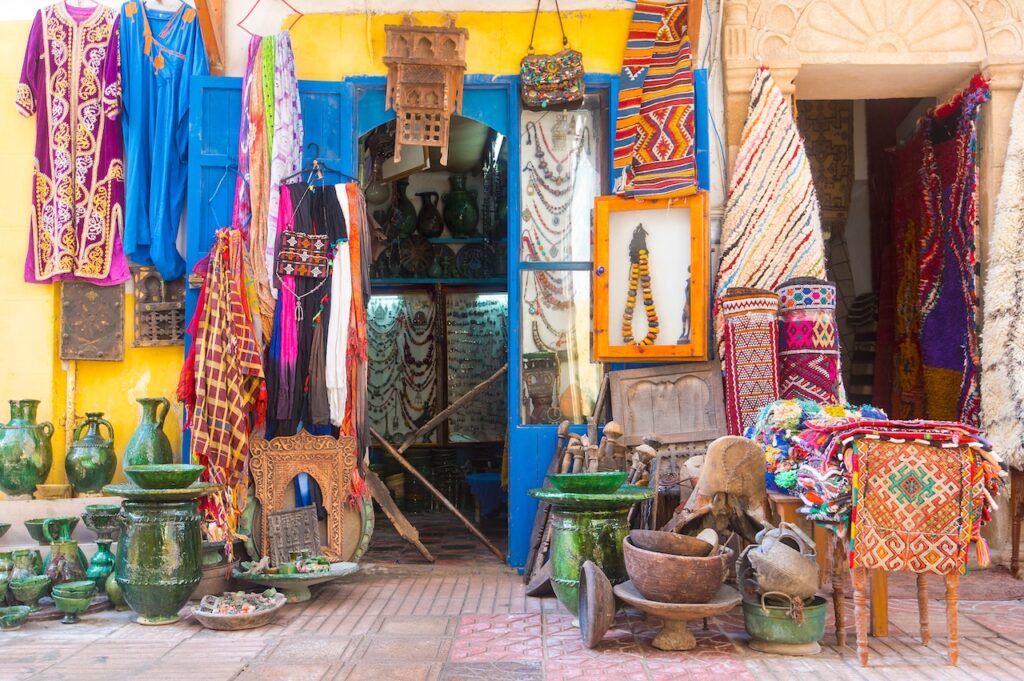
Spend the early afternoon browsing the Rabat Medina, considerably calmer and more navigable than its counterparts in Marrakech or Fez, yet no less rich in craftsmanship. Rue des Consuls remains the place to source Rabat’s celebrated hand-knotted carpets, fine leatherwork and silver Berber jewellery, with prices generally more transparent than elsewhere in the country. Those with an eye for design should also seek out concept boutiques nearby stocking contemporary Moroccan homeware and fashion.
As the light softens, make for the Café des Oudayas, the recently restored Moorish café set within the kasbah gardens overlooking the river mouth. Its terraced benches, shaded by fig trees, are the definitive spot for mint tea and almond ghriba biscuits while watching the fishing boats and the Atlantic swell roll in beneath the ramparts of Salé across the water. It is arguably Rabat’s single most romantic vantage point, and a ritual observed by Rabatis and visitors alike for generations.
Evening: An Ambassadors’ Dinner
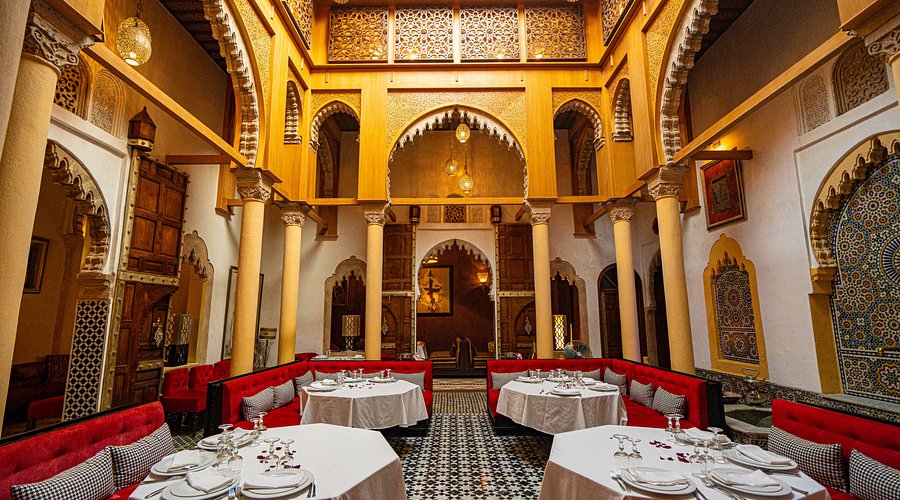
As dusk falls, cross back into the medina for dinner at Dinarjat (above), a restaurant secreted within a seventeenth-century Andalusian riad accessible only by lantern-lit alleyway. Don’t worry, a member of staff will guide you in from the entrance, phone torch in hand, in the most theatrical of Rabat’s dining traditions.
Inside, expect vaulted stucco ceilings, live oud music and a menu built around pigeon pastilla, slow-braised lamb mechoui and seafood tagines, the kind of formal Moroccan gastronomy that rewards a leisurely three-hour sitting.
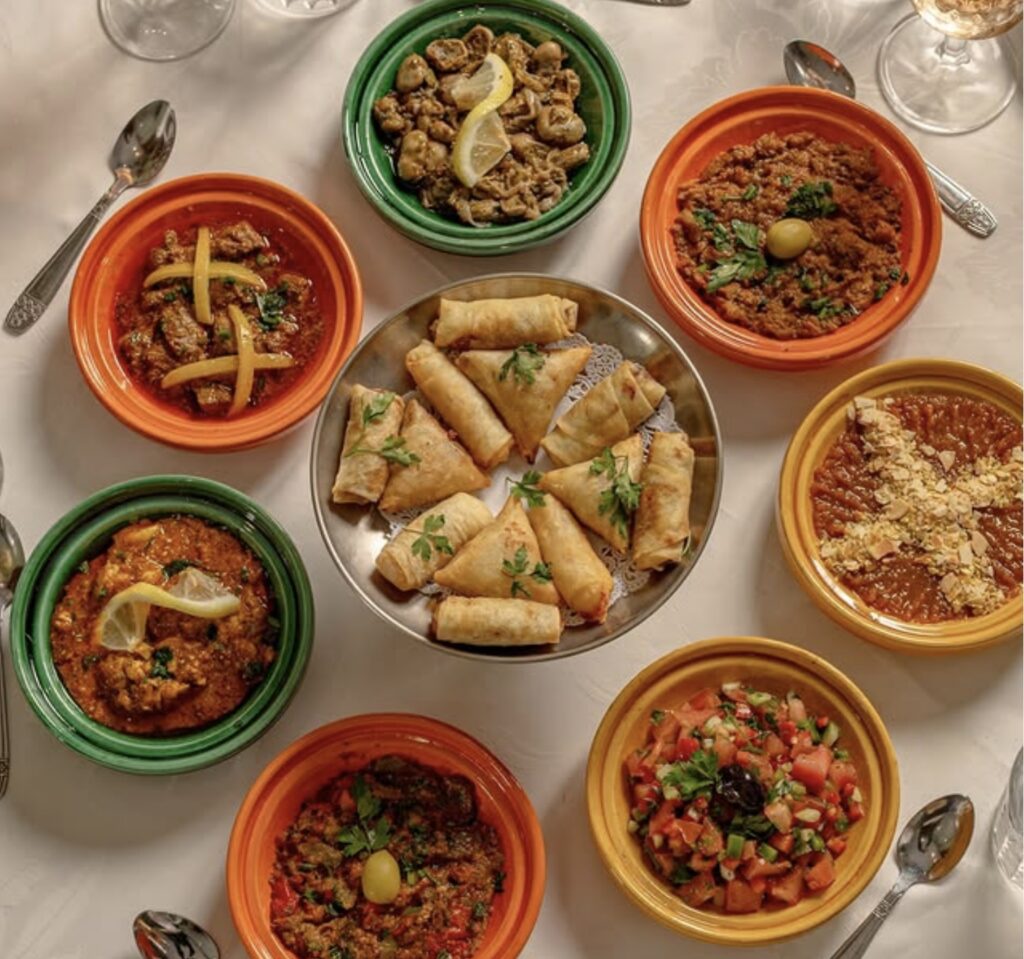
Alternatively, for a livelier evening, Le Ziryab (above), tucked into the craftsmen’s quarter near Rue des Consuls, serves an equally accomplished menu of seafood pastilla and caramelised tagines beneath carved cedar and brass lanterns, with live music accompanying dinner into the small hours.
Night: A Nightcap by the River
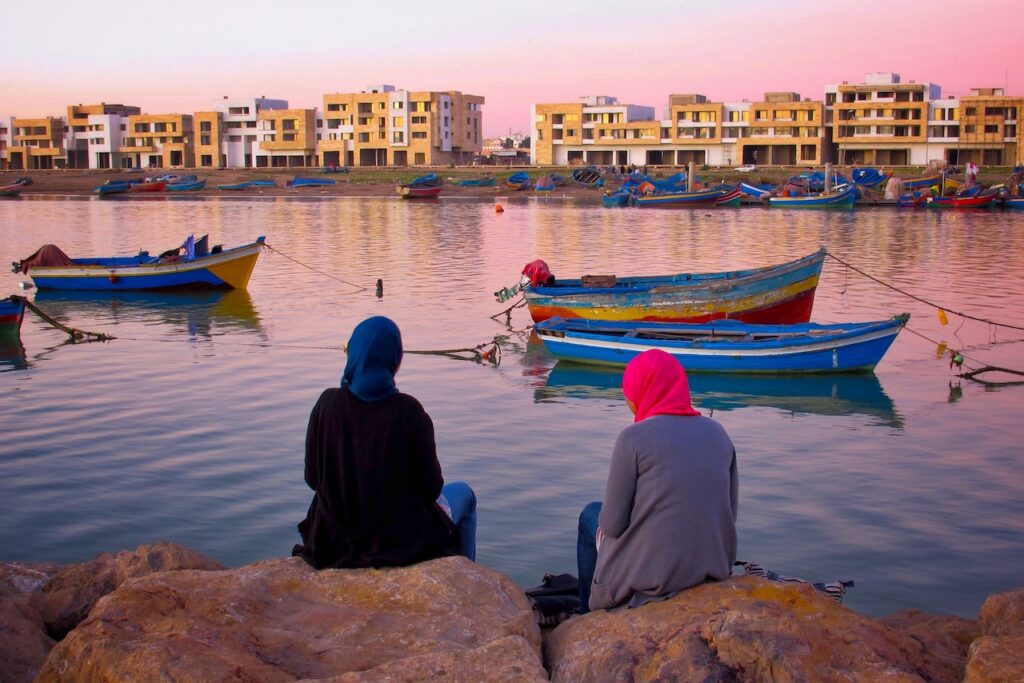
Close the day where Rabat’s new energy is most visible: the Bouregreg Marina, the sleek waterfront development linking Rabat to Salé, designed in part by Zaha Hadid’s studio. Its promenade bars and lounges, strung with lights along the river, make for an elegant final nightcap with the illuminated Hassan Tower reflected on the water — a fitting close to a day that has moved, without hurry, between empire, artistry and the Atlantic.
Rabat does not perform for its visitors the way Marrakech does. It simply lives, elegantly and at its own pace, and asks that you keep up. Twenty-four hours is enough to fall for it; most travellers find themselves already planning the return.


