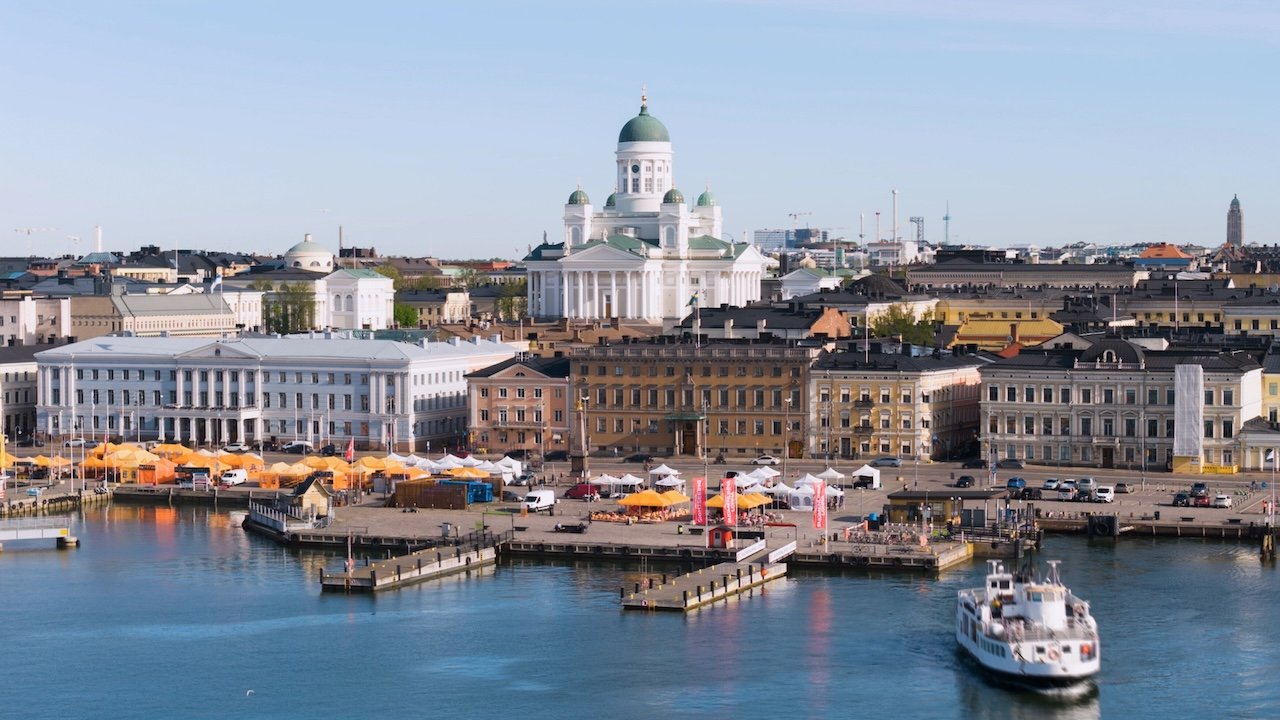

Long days, island-hopping by waterbus, UNESCO-listed sea fortresses, and a cultural calendar that runs from circus arts to Sámi orchestral concerts — Helsinki’s summer 2026 is a masterclass in Nordic possibility.
There is a particular quality to a Nordic summer that those who have experienced it struggle to adequately describe to those who haven’t. The light, for a start: long, luminous evenings that stretch well past midnight in June, casting everything in a warmth that feels both surreal and utterly addictive.
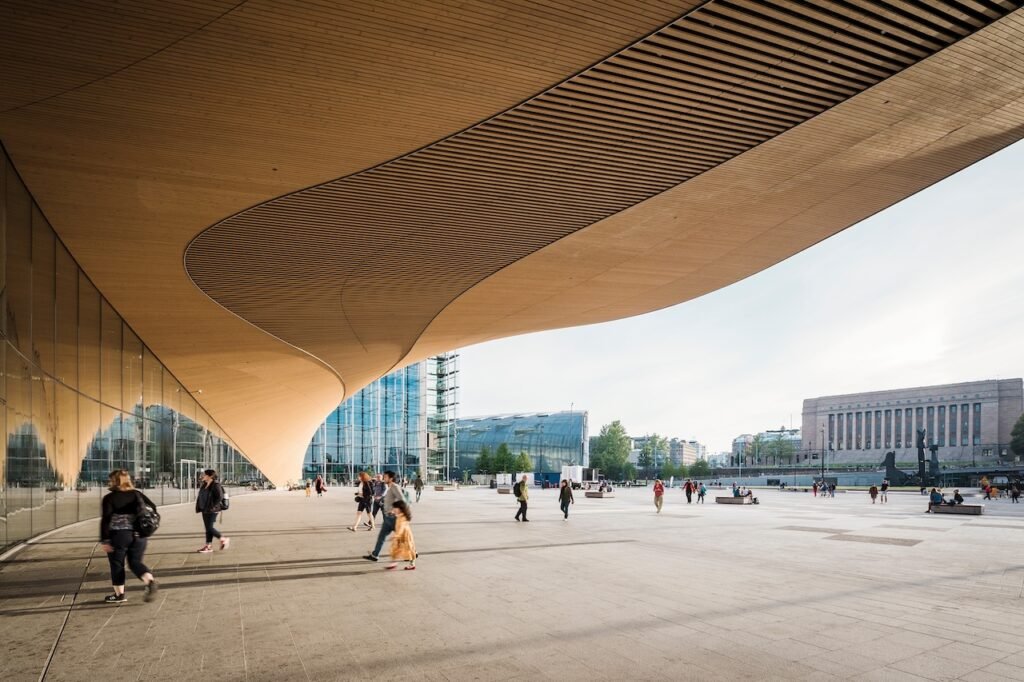
Then there is the transformation of the city itself — the way a northern capital that has spent half the year in darkness and cold seems, over the course of a few weeks, to exhale completely, opening its parks and waterfronts and terraces to a kind of collective, unhurried joy.
Helsinki does this better than almost anywhere. The Finnish capital — compact, confident, and perpetually underrated by travellers who overlook it in favour of its Scandinavian neighbours — becomes something close to magical between June and September. And in 2026, with a richer cultural programme than ever and new ways to explore its extraordinary archipelago, there has never been a better summer to discover it.
An Island City, Finally Fully Connected
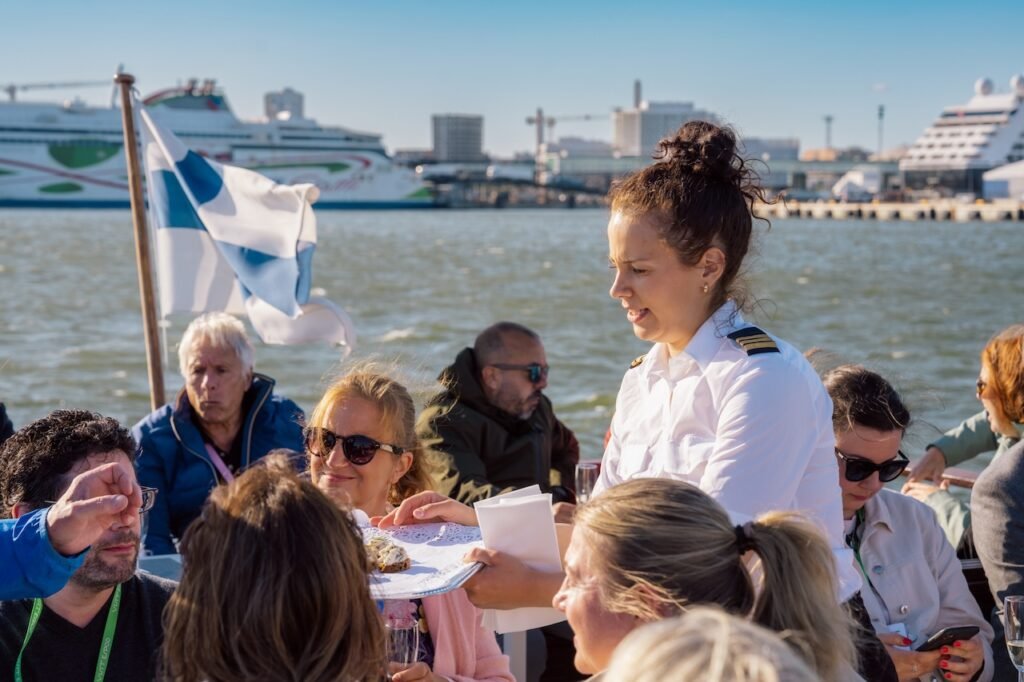
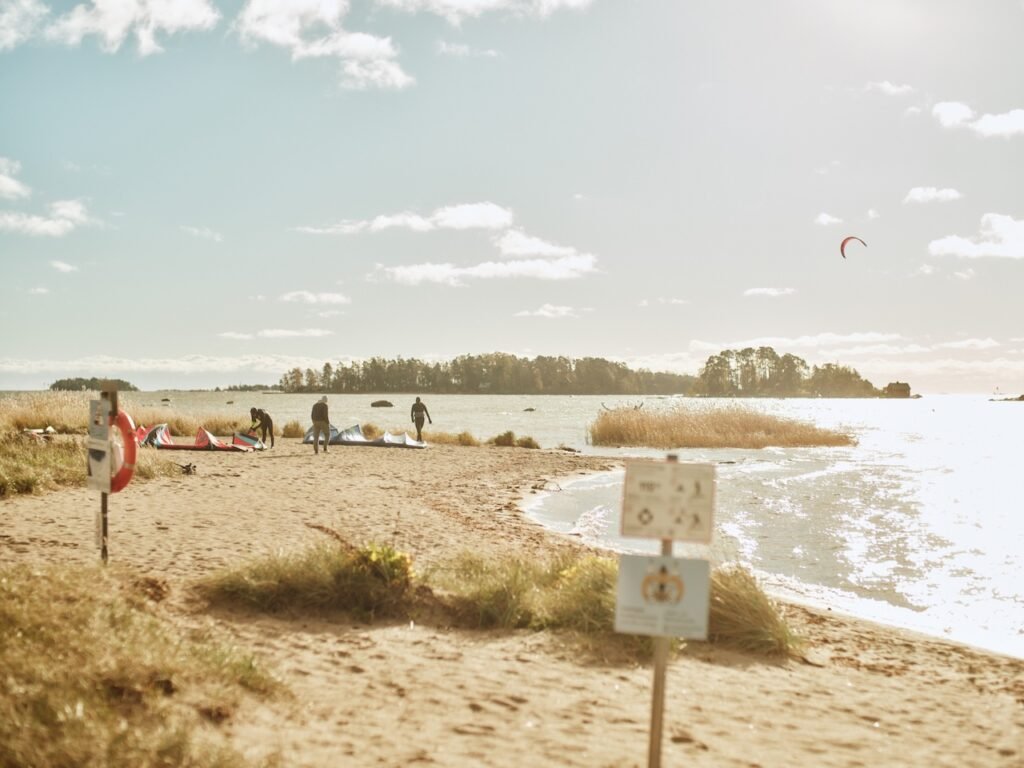
Helsinki’s relationship with the sea is fundamental to its identity. The city is flanked by water on three sides and surrounded by more than 300 islands, ranging from densely inhabited residential districts to uninhabited skerries. In summer, this maritime character becomes the city’s defining feature — and in 2026, it becomes more accessible than ever.
A new stop in Lauttasaari on the western archipelago waterbus route opens up one of Helsinki’s largest island districts to visitors arriving by public water transport. With beaches, waterfront walking paths, and sweeping sea views, Lauttasaari offers a genuinely local experience — less visited than the city centre, more residential in character, and all the more rewarding for it.
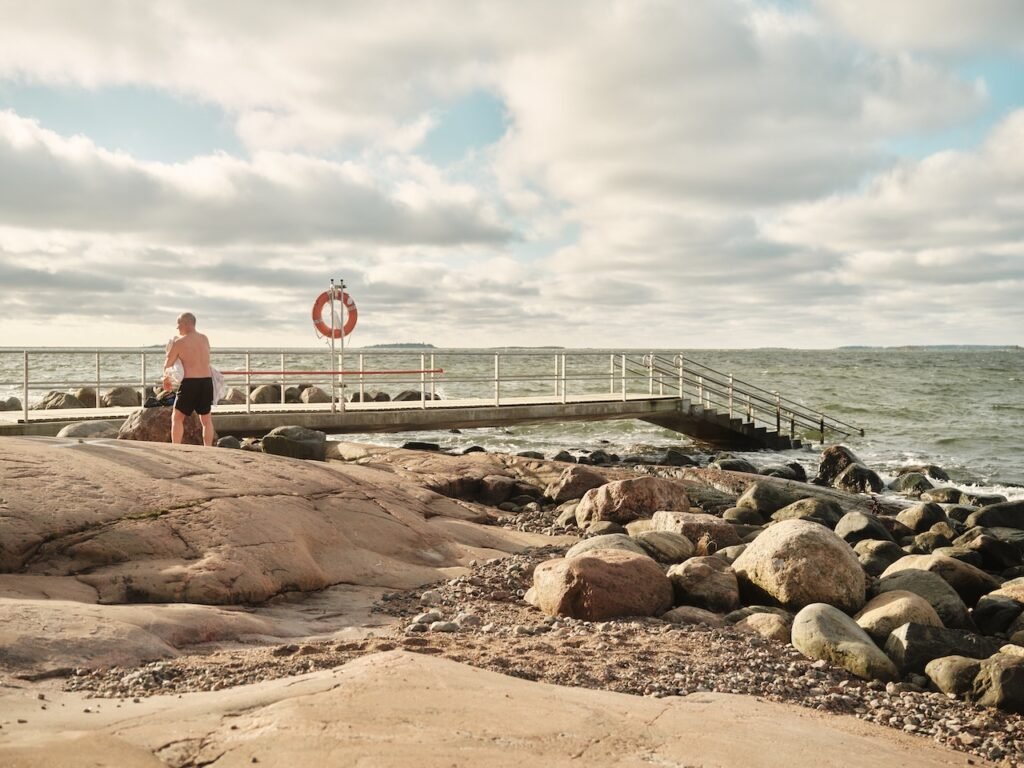
The expanded route now connects central Helsinki, the neighbouring city of Espoo, and the UNESCO World Heritage Site of Suomenlinna, creating a single, scenic waterborne corridor through the region’s most compelling coastal landscapes.
The opening of the Crown Bridges (Kruunusillat) network has also reshaped the city’s navigable geography on land. One of Helsinki’s most significant infrastructure projects in recent years, the new bridge connections have created cycling and walking routes between the city centre and Helsinki’s eastern seaside districts that simply didn’t exist before. A new tram line along the same corridor is scheduled to open in 2027 — but the bridges themselves are already changing the way people move through and experience the city.
Suomenlinna: The Sea Fortress That Demands More Than an Afternoon
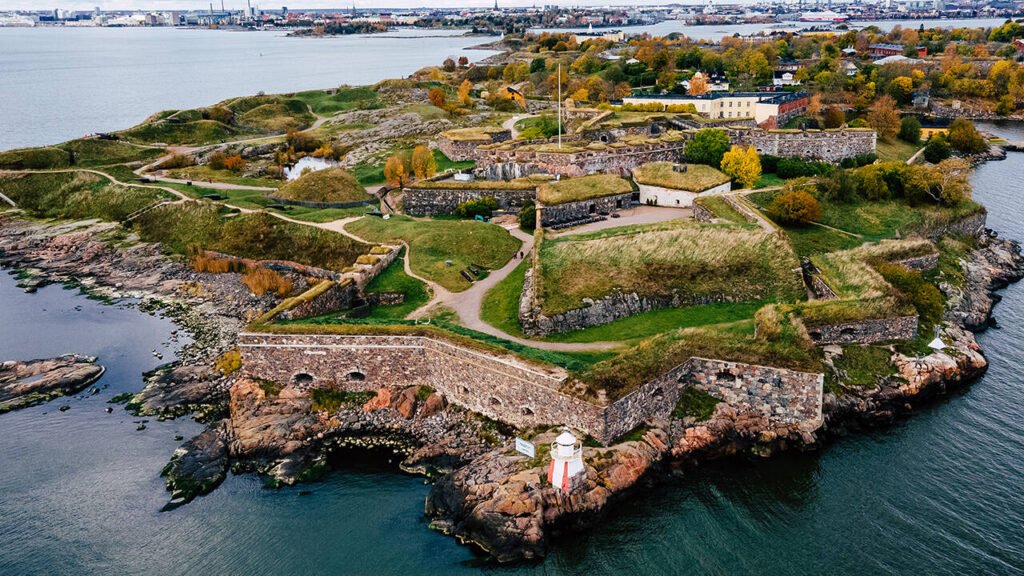
No summer visit to Helsinki is complete without time on Suomenlinna, the extraordinary 18th-century sea fortress built across a cluster of islands at the entrance to Helsinki’s harbour. A UNESCO World Heritage Site since 1991, Suomenlinna is inhabited year-round by around 800 people and receives hundreds of thousands of visitors each summer — yet retains an atmosphere quite unlike anything on the mainland. The ramparts, the cannons, the sweeping views across the Gulf of Finland, the wildflowers growing through the stonework: it is a place that rewards slow exploration.
In summer 2026, the programme of events and exhibitions on the island is the richest it has been in years. The open-air theatre production Where We Once Walked runs from 6 June to 22 August, based on Kjell Westö’s award-winning novel and performed in Finnish with English subtitles on Wednesdays and Fridays — a rare opportunity to engage with Finnish literary culture in one of its most atmospheric settings. The Magic of Handmade Glass Exhibition continues until 1 January 2027, celebrating the artisanship of Finnish glassmakers, while Viapori Jazz brings five days of live music to the fortress from 25 to 29 August.
The island’s culinary life has also been enhanced by the recent renovation of Restaurant Walhalla, one of Suomenlinna’s most storied dining venues, while the waterfront terrace of Café Piper remains one of the finest places in the Helsinki archipelago to spend a summer afternoon. For those wishing to go further, the nearby Lonna Island offers a traditional wood-heated sauna and seasonal Nordic dining — the kind of experience that feels definitively, irreducibly Finnish.
Summer Like a Local
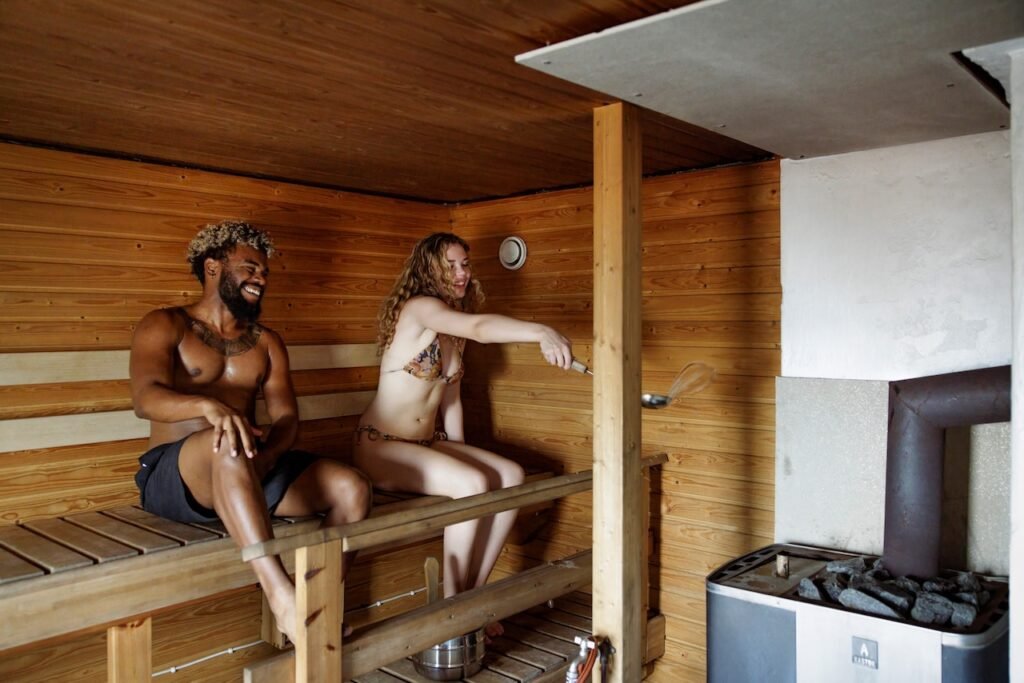
The true art of Helsinki in summer is not in the museums or the monuments — though both reward a visit — but in the unhurried outdoor rituals that define Finnish summer life. Chief among them is the sauna, which in Helsinki can be enjoyed in settings ranging from historic public bathhouses to floating pontoons on the harbour.
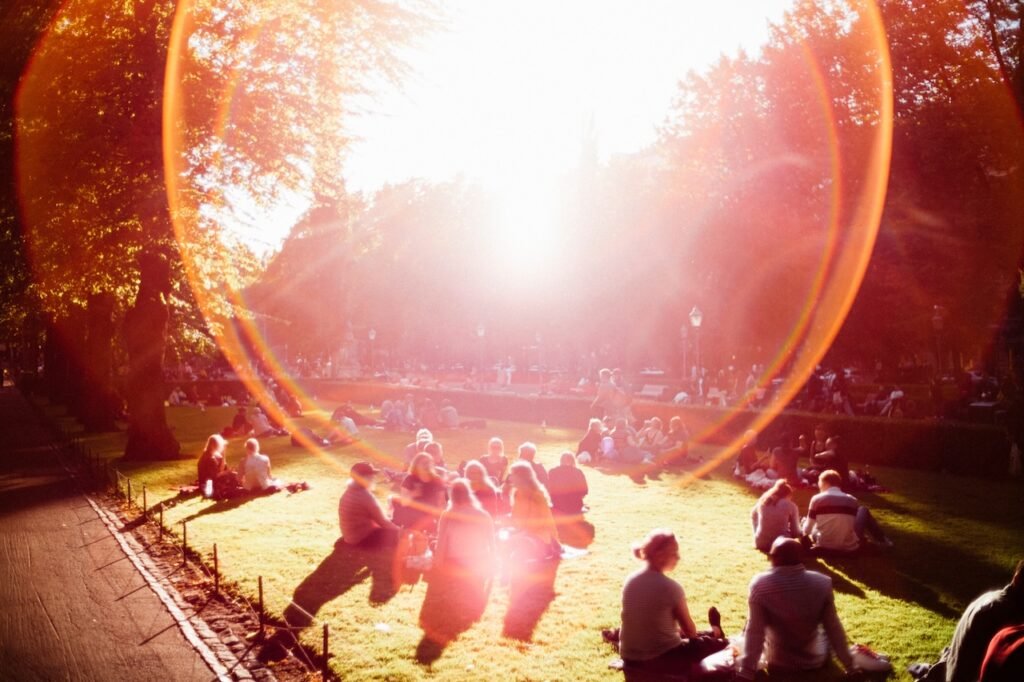
Superterassi, Helsinki’s largest open-air summer terrace and event venue, returns to Kasarmitori Square from 12 June to 13 August 2026, bringing together restaurants, bars, free concerts and daily programming in the kind of easy-going, communal atmosphere that the Finns do particularly well. Kyrö Sauna Bar operates on-site throughout the season, and from the 12 June opening until Midsummer, the sauna is free for all — a generous gesture that speaks to the city’s instinct for inclusion.
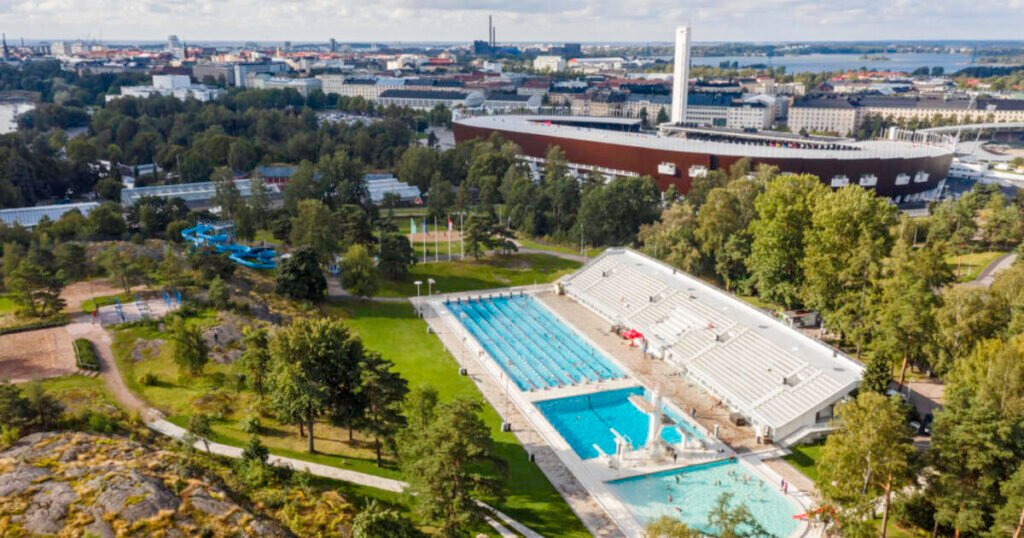
For swimming and sun-worshipping, Helsinki Swimming Stadium — an Art Deco landmark from 1952 — remains the local favourite, with outdoor pools, diving towers, and generous sunbathing terraces that fill with Helsinkians on any day above 20 degrees. By the waterfront, Allas Pool combines public saunas, heated pools, restaurants and live music in a setting that manages to feel both polished and accessible.
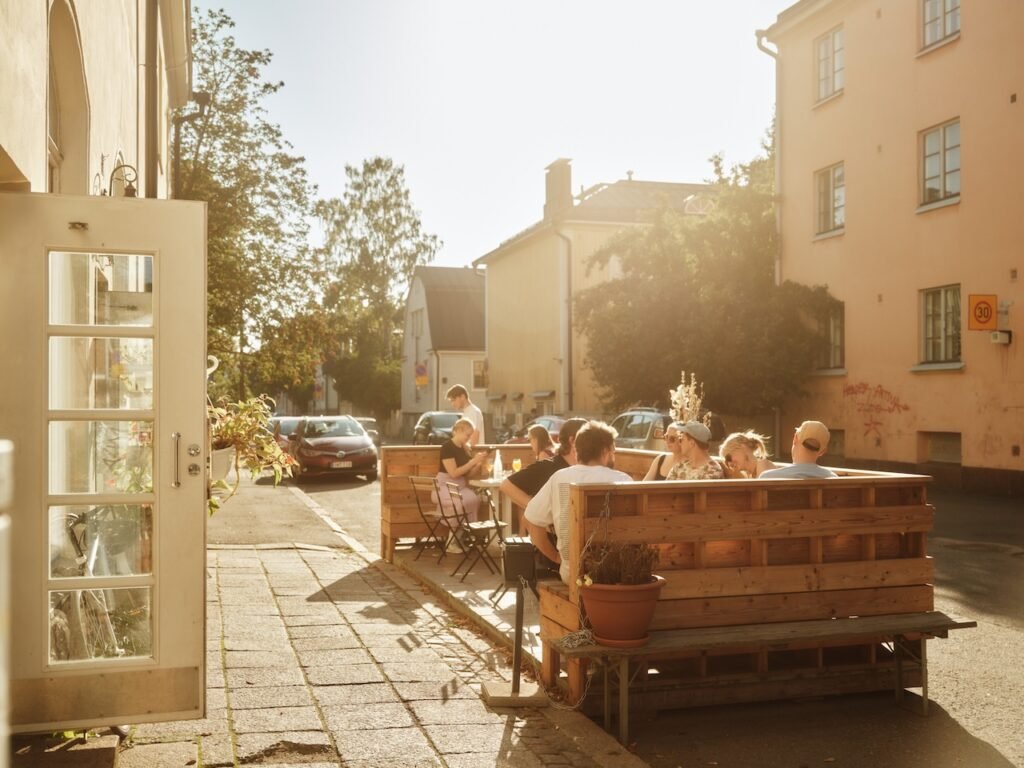
Perhaps the most charming of all Helsinki’s summer rituals is the network of lippakioskit — the small historic kiosk cafés found in parks, squares and waterfronts across the city. These local institutions, serving coffee, cinnamon buns, and light meals to a clientele that ranges from office workers to retirees to families with young children, offer something that no amount of design-hotel brunches can replicate: a genuine sense of a city at leisure, entirely on its own terms.
A Cultural Calendar of Real Ambition
Helsinki’s summer 2026 programme is extraordinary in its breadth and quality — a reminder that this is a city that takes culture seriously without taking itself too seriously.
The season opens with the brand-new Breakfestival (1–7 June), which animates Helsinki’s early summer mornings through music, movement and shared experiences around the Market Square and historic waterfront districts. It is a concept that makes immediate sense in a city where the June mornings are already impossibly beautiful — the kind of event that could only have been conceived somewhere with this quality of light.
August is the festival epicentre. Flow Festival (14–16 August) has long established itself as one of Northern Europe’s most respected urban music festivals, drawing internationally acclaimed artists to the repurposed Suvilahti power plant district for a programme that sits at the intersection of music, art, food and design.
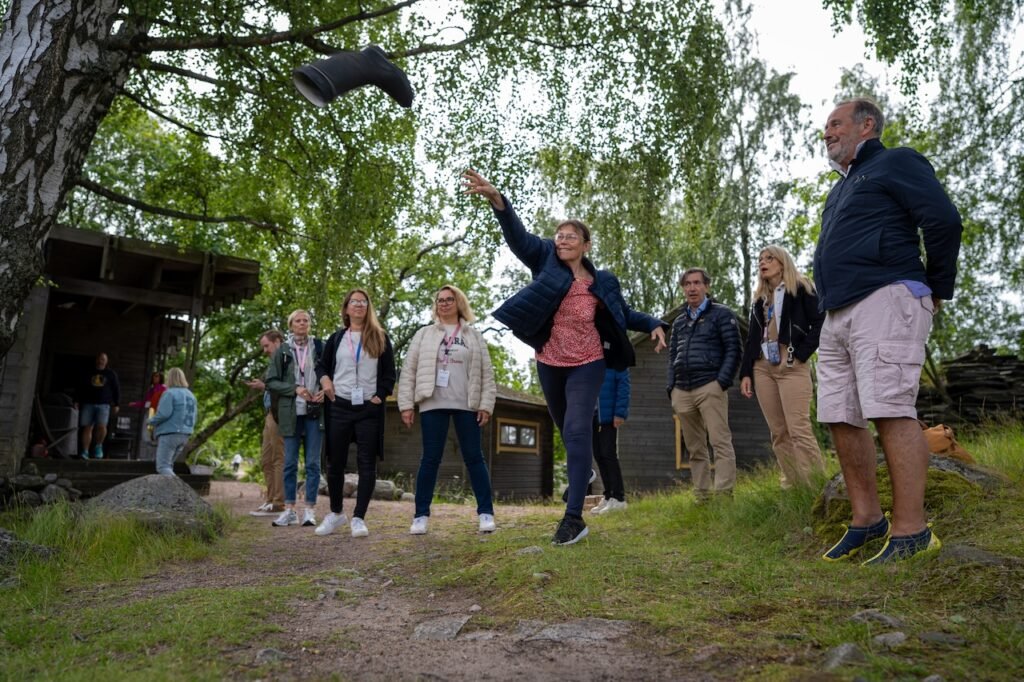
The same weekend sees the arrival of the Mölkky World Championships (14–16 August), in which teams from across the world compete in Finland’s beloved outdoor skittles game — the strongest international contingents arriving from Japan and France, in a quirk of global sporting geography that says much about Mölkky’s improbable international appeal.
Tuska Festival (26–28 August) brings world-class heavy metal to the city’s Suvilahti district, having built a loyal international following over more than two decades as one of the genre’s premier European events.
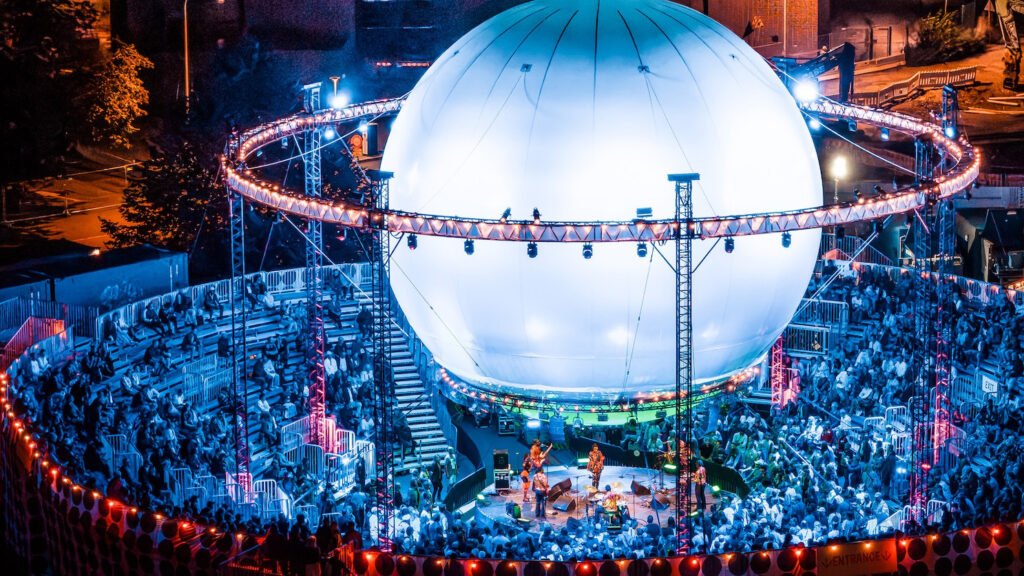
The summer’s cultural peak arrives with the Helsinki Festival (18 August – 5 September), the largest multi-arts festival in the Nordic countries, which opens on 20 August with the Night of the Arts — hundreds of free events across the city on a single evening that transforms Helsinki’s streets, courtyards and public spaces into one vast, open-access cultural venue.
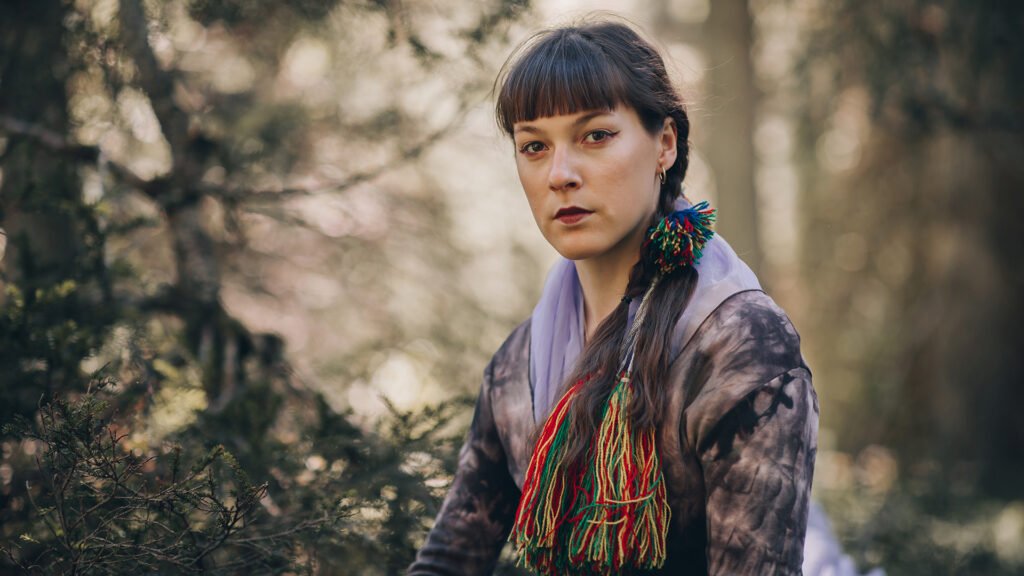
A particular highlight of this year’s programme is Legends of the North (31 August), a unique concert celebrating Sámi culture through the combination of yoik, spoken word and orchestral music — an event of genuine significance that goes well beyond the usual festival fare.
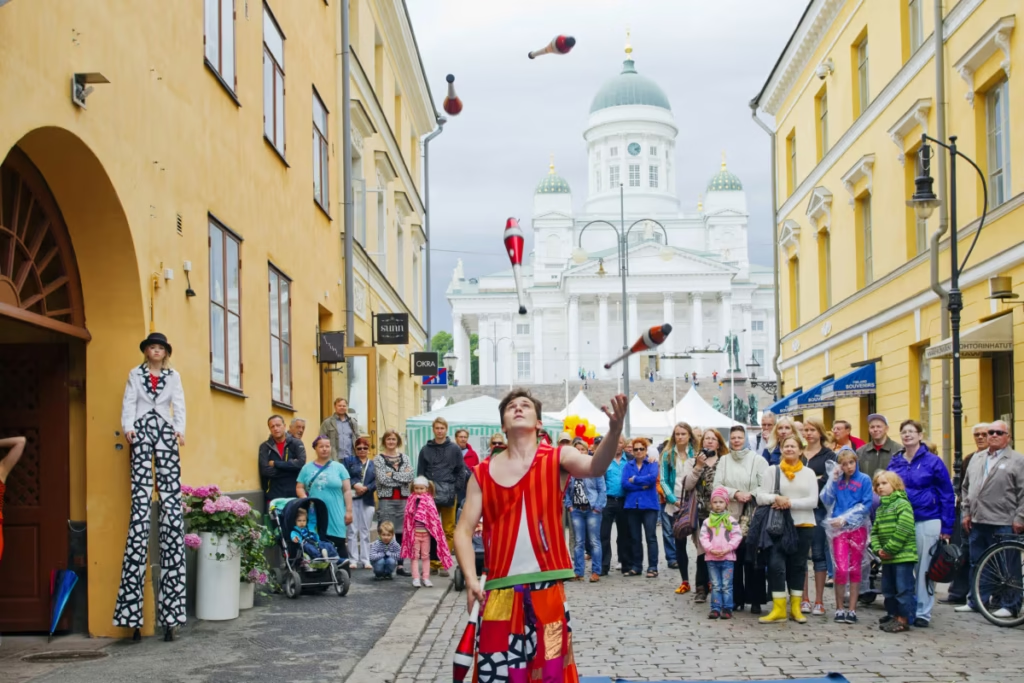
The season rounds out with the inaugural Helsinki Circus Festival (10–13 September), which brings four days of contemporary circus performances and international productions to the city — a fitting close to a summer that has consistently blurred the boundary between the spectacular and the everyday.
Planning Your Helsinki Summer
Getting There
Helsinki is well connected from across Europe and beyond, with direct flights operating from many Asian hubs, including Singapore and Hong Kong. The city is also reachable by ferry from Stockholm, Tallinn and Rostock — a crossing that constitutes something of a Nordic experience in its own right.
Getting Around
Helsinki’s public transport network is excellent and the city is highly navigable on foot and by bicycle. The archipelago waterbus routes are the most scenic way to reach Suomenlinna and Lauttasaari; ferries depart regularly from the Market Square harbour.
When to Go
June through August offers the longest days and warmest temperatures, with the Midsummer period (around 21 June) representing the emotional peak of the Finnish summer. The Helsinki Festival in late August into September extends the cultural season beautifully, and the city is significantly quieter in early September than in high summer.
Where to Stay
Helsinki’s accommodation offer ranges from landmark design hotels overlooking the harbour to characterful boutique properties in the city’s residential neighbourhoods. Book early for the Flow Festival weekend, when the city fills quickly.


