
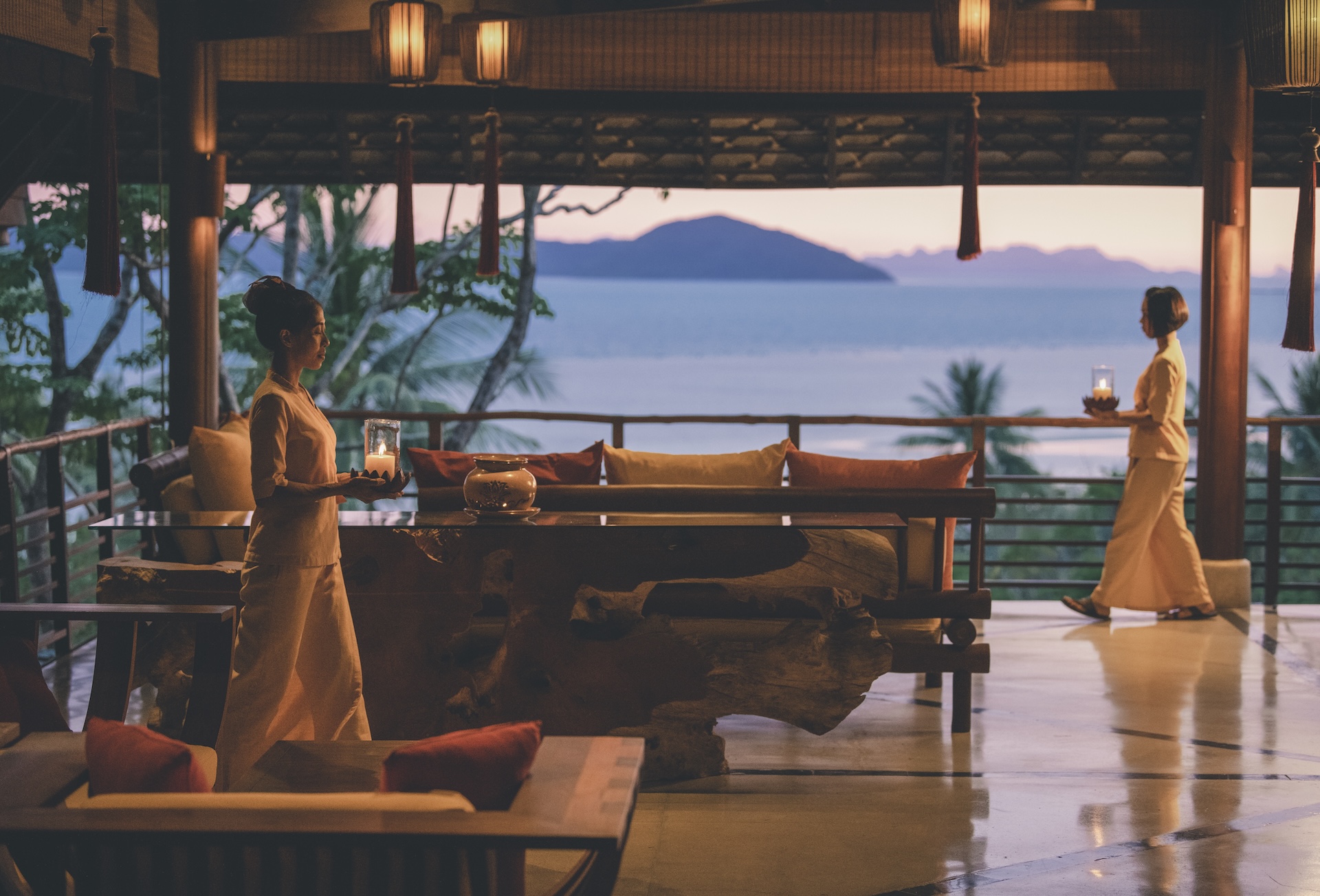

Wellness has never been more important to luxury travellers and in Asia, world waunderers are rewarded with spectacular wellness destinations that combine stunning natural settings with rich holistic heritage.
Wellness travel in Asia has, in recent years, evolved far beyond the occasional spa day or the obligatory beach-yoga class. In 2026, the discerning traveller is looking for something considerably deeper: a destination where ancient healing traditions meet modern medical science, where the natural environment itself contributes to the restorative process, and where the focus is on sustainable long-term wellbeing rather than the cosmetic quick fix.
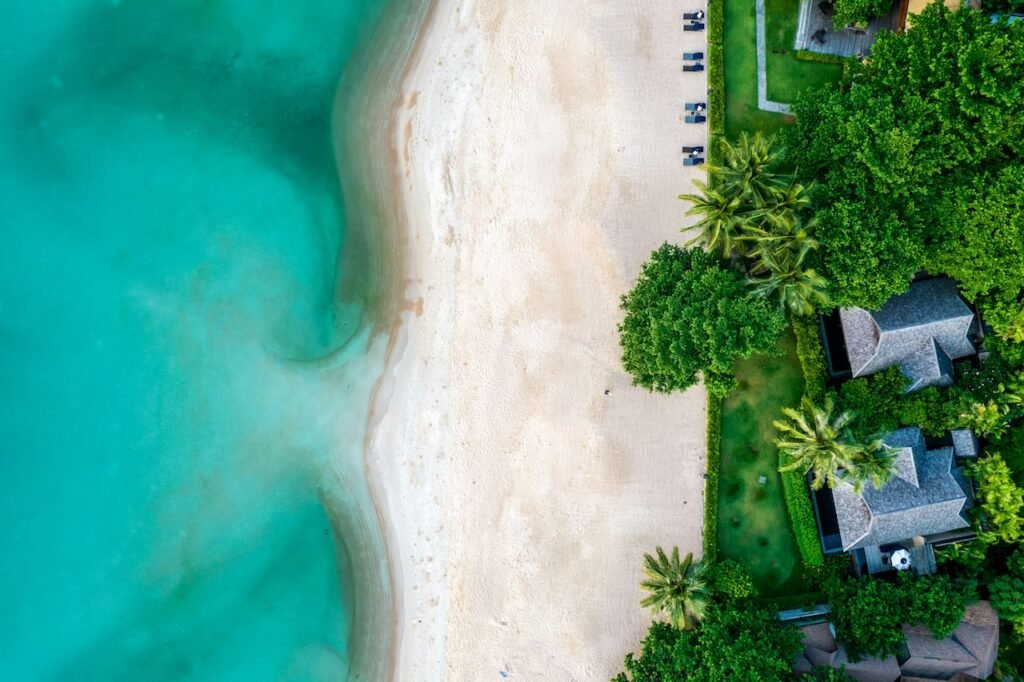
Four destinations stand out as Asia’s top wellness destinations for the year ahead — Koh Samui in Thailand, Bali in Indonesia, Sri Lanka and Chiang Mai in northern Thailand. Each offers something genuinely distinct, but all four share a common thread: a serious, sustained commitment to holistic restoration in settings of extraordinary natural beauty.
Where Wellness Resides
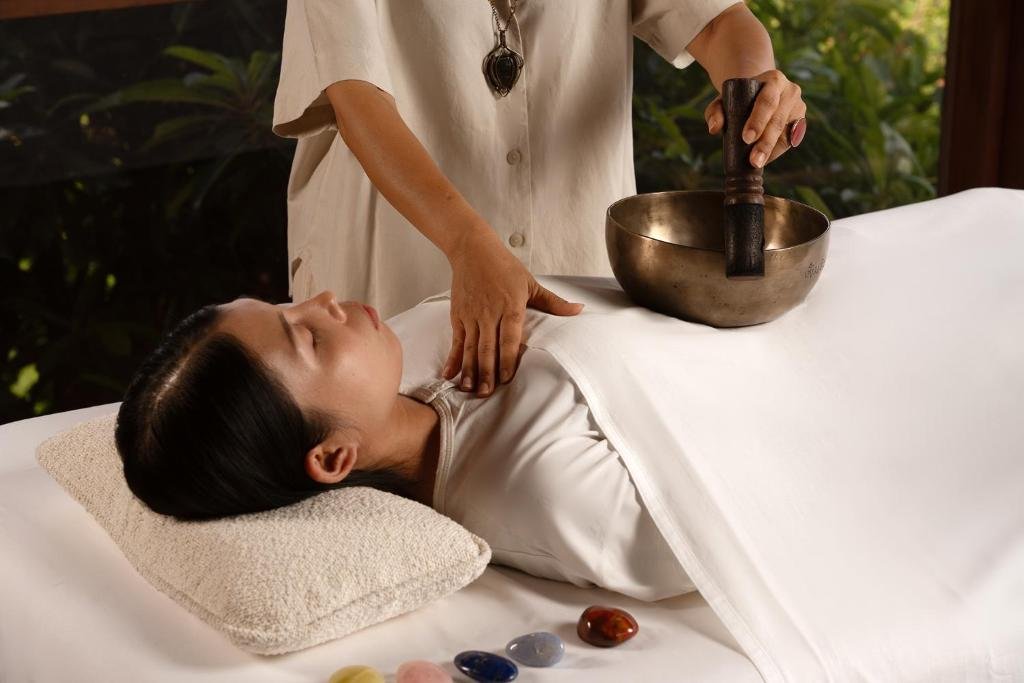
For travellers from Hong Kong, Singapore and the wider fast-paced Asian capitals, these four destinations are particularly compelling. They are all within four hours of a regional hub, offer exceptional value relative to comparable European or American wellness retreats, and deliver precisely the kind of profound reset that high-functioning professionals and affluent couples now actively prioritise.
Whether you are looking for medical-grade detoxification, spiritual reconnection or simply a luxurious pause from the noise of daily life, these are the four landscapes that define the best luxury wellness retreats Asia has to offer in 2026.
This guide explores what makes each destination distinct, the style of wellness experience to expect, the standout retreats setting the benchmark this year, and the practical considerations of seasonal timing, transfer logistics and how to combine serious wellness with light cultural exploration.
Koh Samui, Thailand: Island Luxury Meets Deep Healing
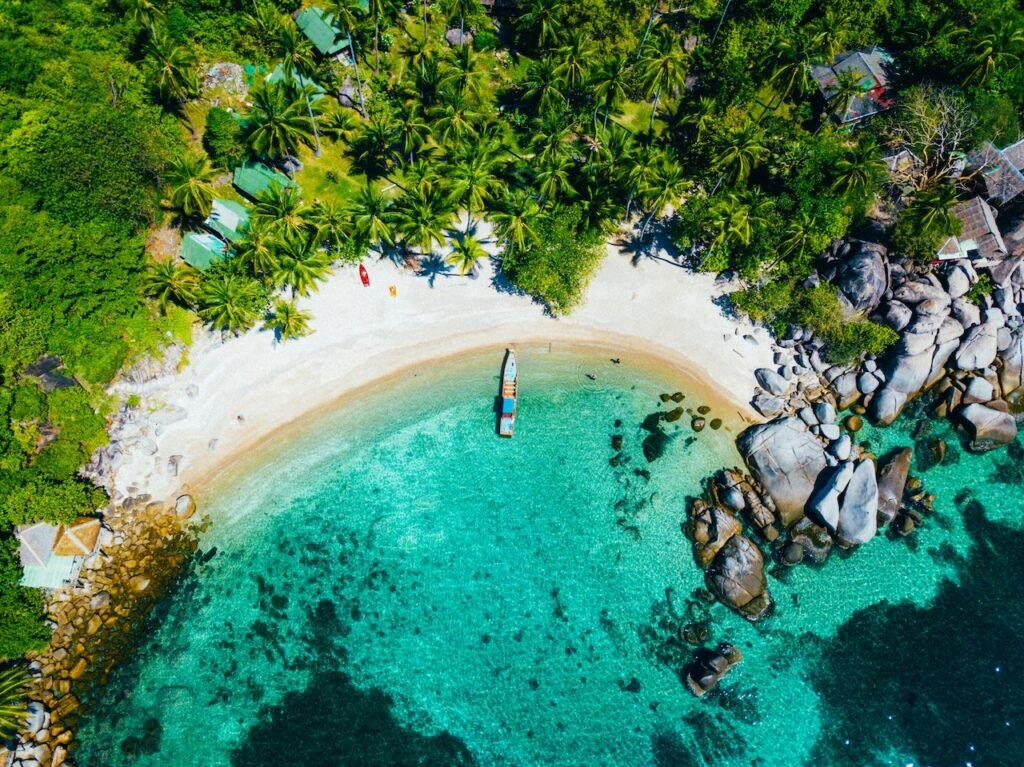
Koh Samui has matured, over the past two decades, from a backpacker favourite into one of Asia’s most quietly sophisticated wellness destinations. The island’s combination of white-sand beaches, jungled interior and laid-back-yet-refined atmosphere makes it the ideal base for travellers who want both deep relaxation and meaningful transformation.
What sets Samui apart is its commitment to integrative wellness — the blending of traditional Thai healing practices with contemporary medical approaches, delivered in settings that feel far more like private sanctuaries than conventional resorts.
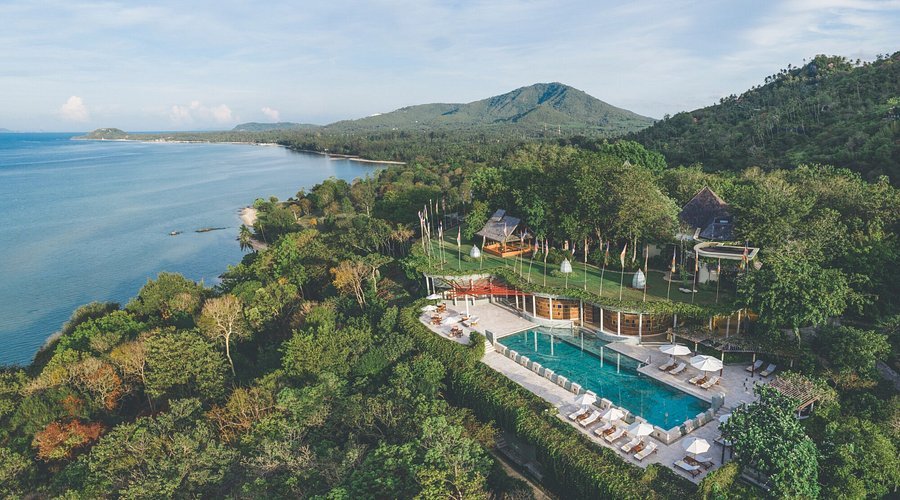
The standout property is Kamalaya Koh Samui, consistently ranked among the world’s best wellness retreats by Condé Nast Traveller and Travel + Leisure. Set on a former coconut plantation overlooking the Gulf of Thailand, Kamalaya offers personalised programmes addressing everything from stress and burnout to digestive health, sleep optimisation and emotional resilience.
Guests choose from structured detox programmes, yoga and meditation retreats, or the more flexible general-wellness stays. Treatments draw heavily on traditional Thai massage, herbal compresses and Ayurvedic principles, delivered by highly trained therapists in open-air beachside pavilions. The food — fresh, predominantly plant-based, exceptionally flavourful — is one of the property’s defining attractions; many guests report feeling lighter and clearer within their first three days.
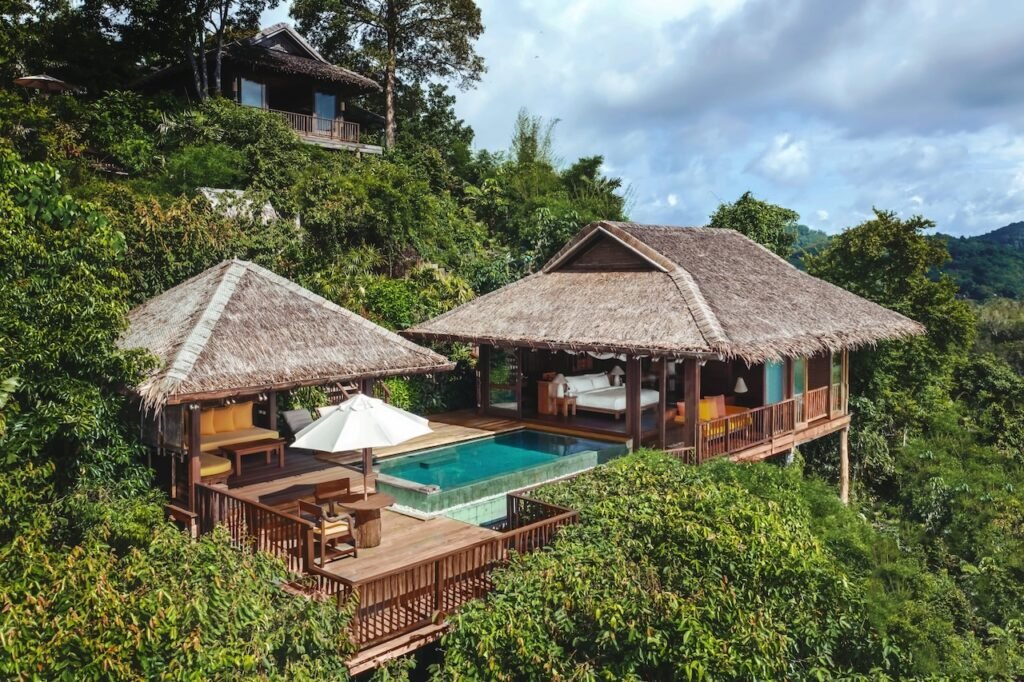
The second smart choice on the island is Six Senses Samui on the northern Choeng Mon coastline, which emphasises sustainability and personalised wellness. The celebrated Earth Lab is one of the most accomplished wellness-education facilities in Asia, with daily workshops on local healing ingredients, gut-microbiome science and forest bathing; the spa offers sound healing and integrative therapies that go well beyond the standard Six Senses portfolio. The 79 villas — many with private plunge pools and Gulf of Thailand views — provide the precise seclusion the restorative process requires.
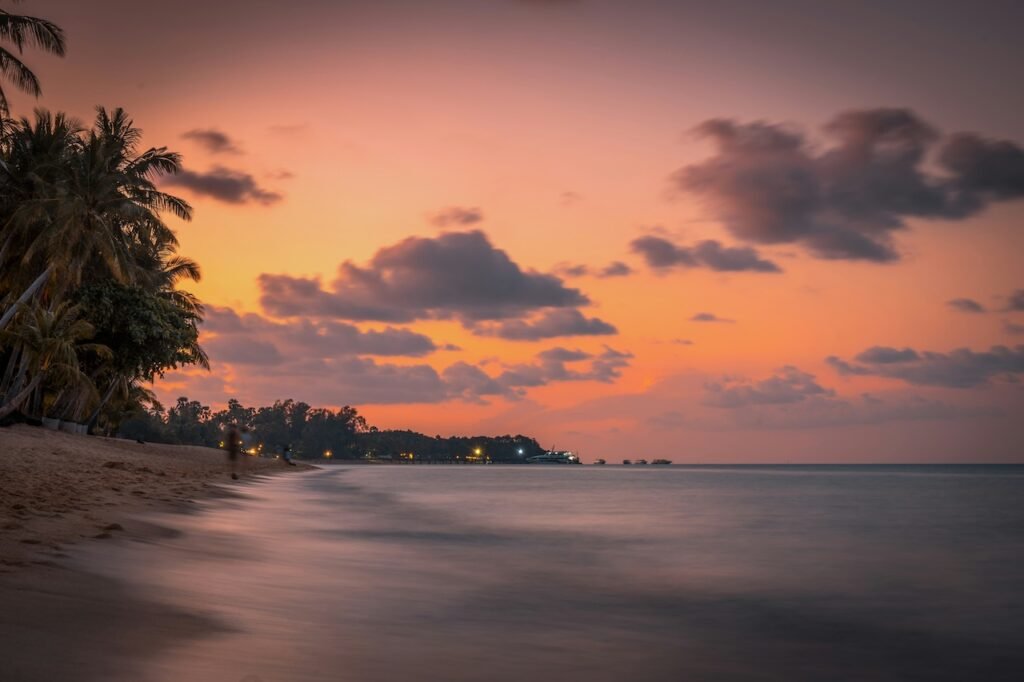
What makes Samui genuinely distinctive among Asia’s wellness destinations is the easy balance it strikes. You can spend the morning in a beachfront yoga class, a Thai herbal steam treatment in the afternoon and still have time for a sunset cocktail and an unhurried beach walk. The island’s relatively compact scale also makes it easy to combine wellness with light cultural exploration — visiting the iconic Big Buddha at Wat Phra Yai, walking the heritage shophouses of Fisherman’s Village, or chartering a private speedboat to neighbouring Koh Phangan or Koh Tao for a complete change of pace.
When to Visit
Aim for December to April for the dry, sunny peak season. The shoulder months of May and October to November offer fewer crowds and notably better rates with still comfortable conditions for outdoor treatments and excursions.
Who Will Love Samui?
I would say Samui most appeaks to affluent professionals and couples in their 40s and 50s wanting a balanced mix of serious wellness work and gentle tropical luxury — particularly those who want to return home physically lighter and mentally clearer without the intensity of a fully medical clinical retreat.
How to Get There
Direct flights from Hong Kong or Singapore take three to three and a half hours. Most luxury properties offer private transfers from Samui Airport, making the arrival entirely seamless.
Bali, Indonesia: Spiritual Energy and Rice Paddy Sanctuaries
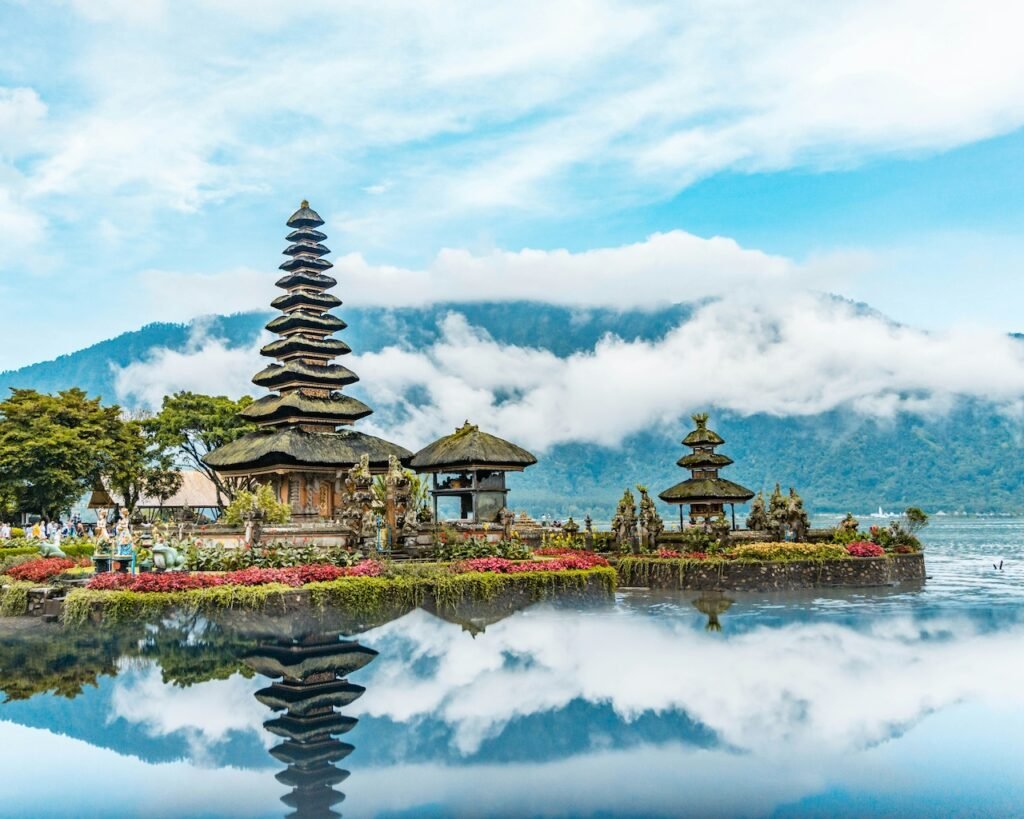
Bali’s wellness scene is genuinely legendary, and for good reason. The island’s distinctive spiritual energy — rooted in centuries of devotional Hindu practice — combined with the dramatic interior landscape of rice terraces, volcanoes and jungle-clad rivers, creates an environment that naturally supports deep healing and self-discovery.
IBali continues to attract travellers seeking not just physical restoration but emotional and spiritual renewal in equal measure.
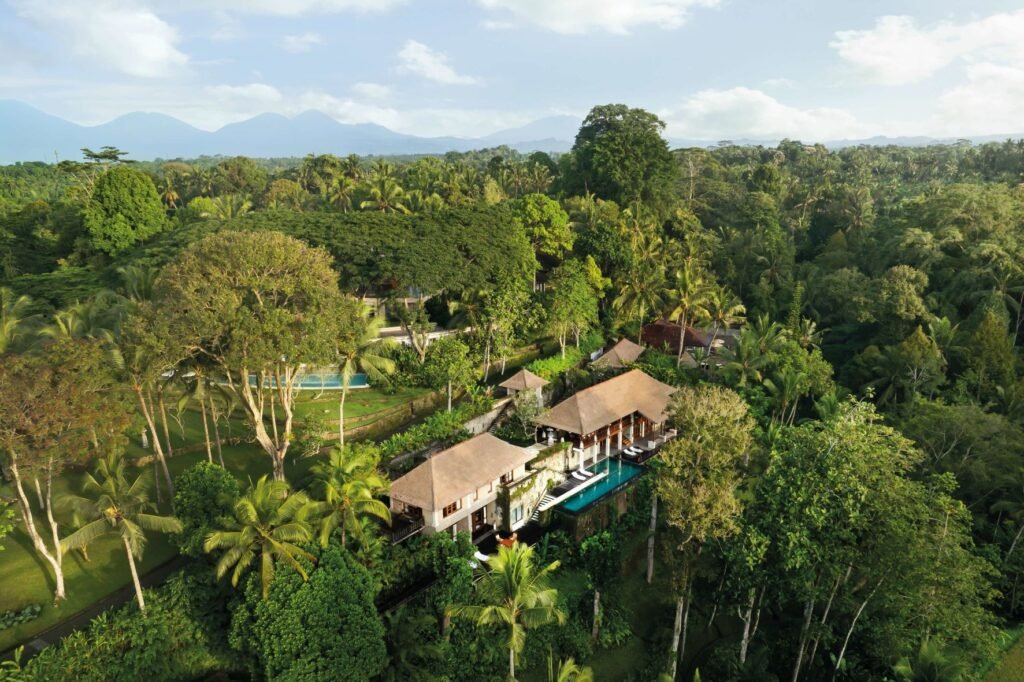
The gold-standard property remains COMO Shambhala Estate in Begawan near Ubud, opened in 2004 and recently refurbished by celebrated hotel designer Bill Bensley. Set amid 23 acres of lush jungle and rice terrace above the Ayung River, the intimate 30-suite retreat feels far more like a private sanctuary than a hotel.
Here, the wellness philosophy draws on Balinese traditional medicine, Ayurveda and contemporary integrative practice; guests can choose from structured multi-night programmes (Cleanse, Ayurvedic Discovery, Bali Cleanse, Be Active) or personalised healing journeys built around an arrival diagnostic with the resident Ayurvedic doctor.
Treatments include traditional Balinese massage, sound-healing sessions and energy work with local jero mangku healers. The food is exceptional — predominantly plant-based, beautifully presented, drawing on local Balinese ingredients and a 600-vine on-site organic garden.
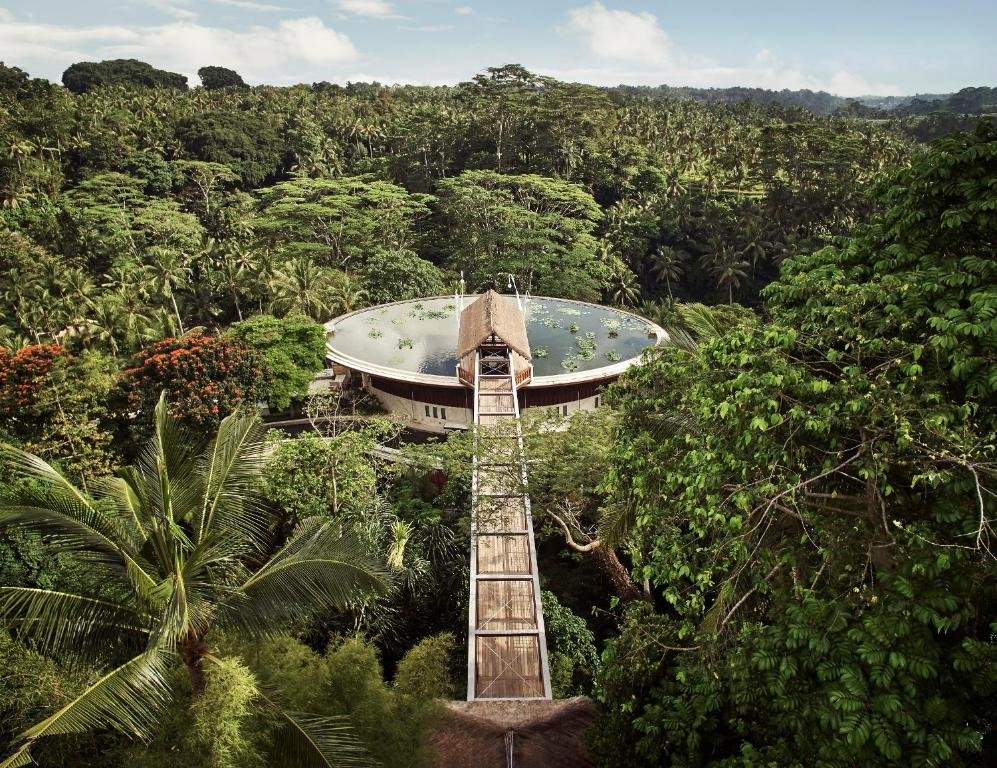
The serious luxury alternative is the Four Seasons Resort Bali at Sayan, in the same Ayung River valley. The spa is built directly into the jungle canopy, with most treatments delivered in open-air pavilions overlooking the river, and the programming is highly customisable — from short yoga and meditation retreats to longer detox and rejuvenation stays. The 60 villas, many with private plunge pools above the river, provide the kind of seclusion that meaningfully enhances the restorative effect.
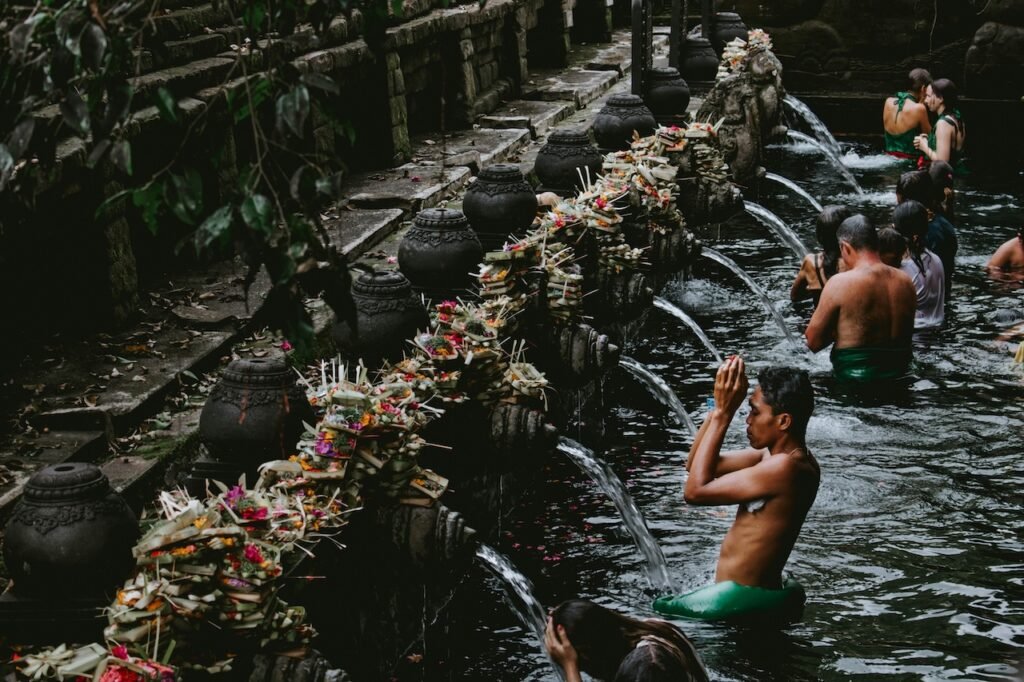
Bali’s distinctive wellness offering lies in its spiritual texture. Many retreats incorporate authentic elements of Balinese Hinduism — daily offerings, private temple visits, water-purification melukat ceremonies with a local priest. The island’s so-called energy, frequently described as “powerful” or “transformative” by returning guests, seems to amplify the benefits of any considered wellness programme.
For many travellers, a stay in Bali feels less like a holiday and more like a gentle homecoming to a more balanced way of living.
When to Visit
The best time to visit Bali is April to October for the dry season. The shoulder months of April–May and September–October offer fewer crowds and better availability at the top properties.
Who Will Love Bali
Bali is perfect for travellers in their 40s and 50s seeking spiritual depth alongside physical wellness — particularly those interested in yoga, meditation, breathwork and personal growth. Couples often find Bali especially romantic and transformative.
How to Get There
Direct flights from Singapore take around two and a half hours; from Hong Kong, around four and a half hours with a single onward connection. Ubud is a 90-minute private transfer from Denpasar Airport, with the drive itself offering beautiful views of the island’s terraced interior.
Sri Lanka: Ancient Ayurveda and Timeless Serenity
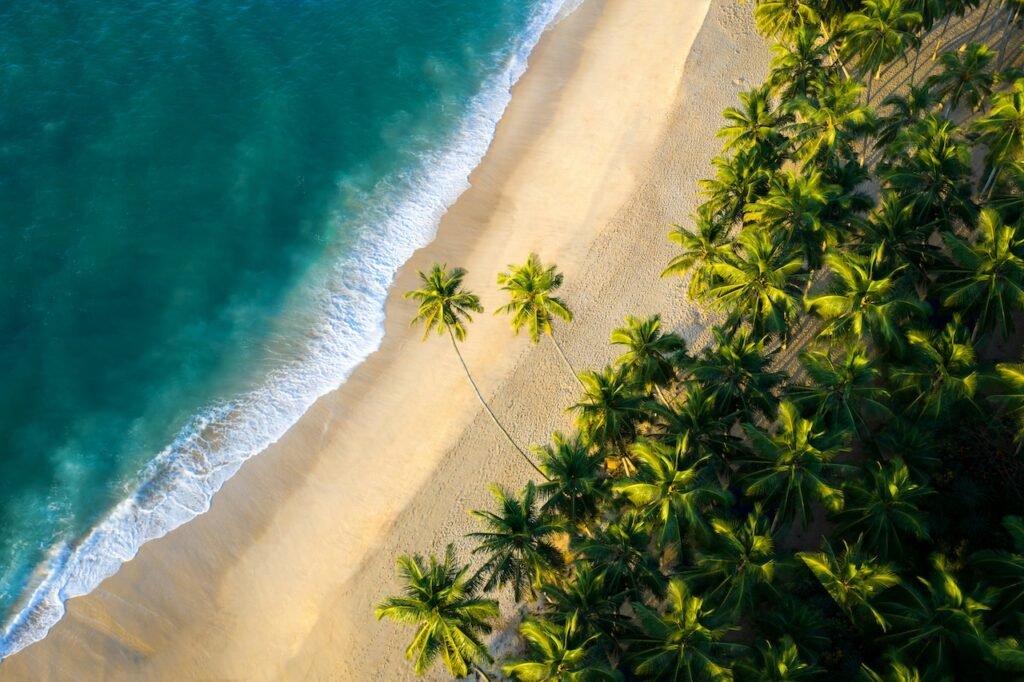
Sri Lanka offers a wellness tradition that is older, more medically grounded and considerably more clinically rigorous than most of Southeast Asia. Ayurveda — the ancient Indian system of medicine — has been practised on the island for more than 2,000 years, and the country’s top wellness retreats are built around properly authentic Ayurvedic principles rather than the looser “spa-Ayurveda” found elsewhere in the region.
The standout property is Santani Wellness Resort & Spa (below) in the hills above Kandy, widely regarded as one of South Asia’s most accomplished wellness retreats. Set on a former tea estate with sweeping views over the Knuckles Mountain Range, the 20-room property offers personalised Ayurvedic programmes including daily consultations with resident Ayurvedic doctors, prescribed herbal treatments, yoga, meditation and a strict programme of dietary regulation.
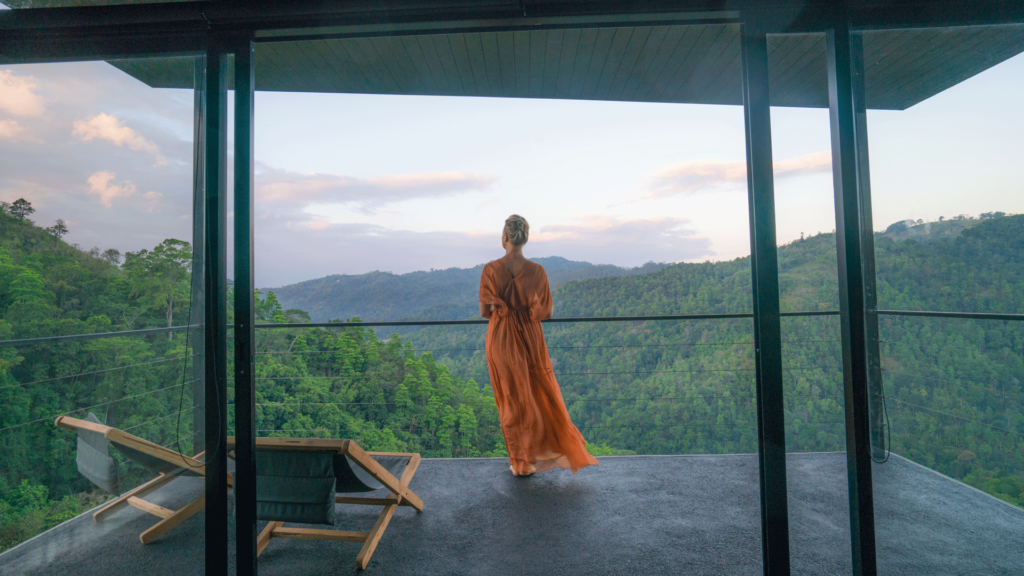
The minimalist contemporary architecture, by Sri Lankan firm MICD Associates, blends seamlessly into the surrounding cloud forest. Guests routinely report profound improvements in digestion, sleep quality and overall vitality after even a five-night stay.
The clinical alternative is Heritance Ayurveda Maha Gedara in Beruwala on the southwest coast — one of the few luxury resorts in Sri Lanka where the entire programme is medically supervised by qualified Ayurvedic physicians. Treatments are tailored to each guest’s dosha (Ayurvedic body-type diagnosis), with the focus firmly on genuine therapeutic healing rather than the pampering-led approach found at most international “wellness” properties. The beachfront location combines serious Ayurveda with gentle seaside walks and the freshest Indian Ocean seafood.
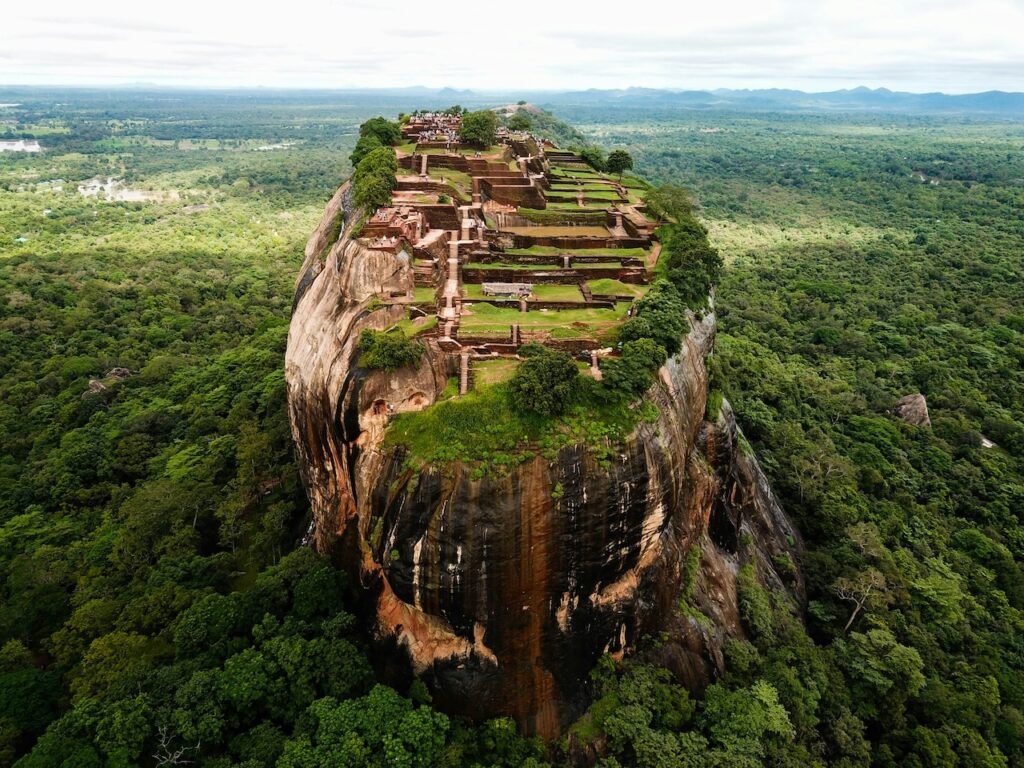
Sri Lanka’s wellness experience is notably more medically oriented than Thailand’s or Bali’s. Programmes commonly include detailed health assessments on arrival, personalised herbal medicines, prescribed dietary regimes and structured therapeutic massage sequences designed to address specific bodily imbalances.
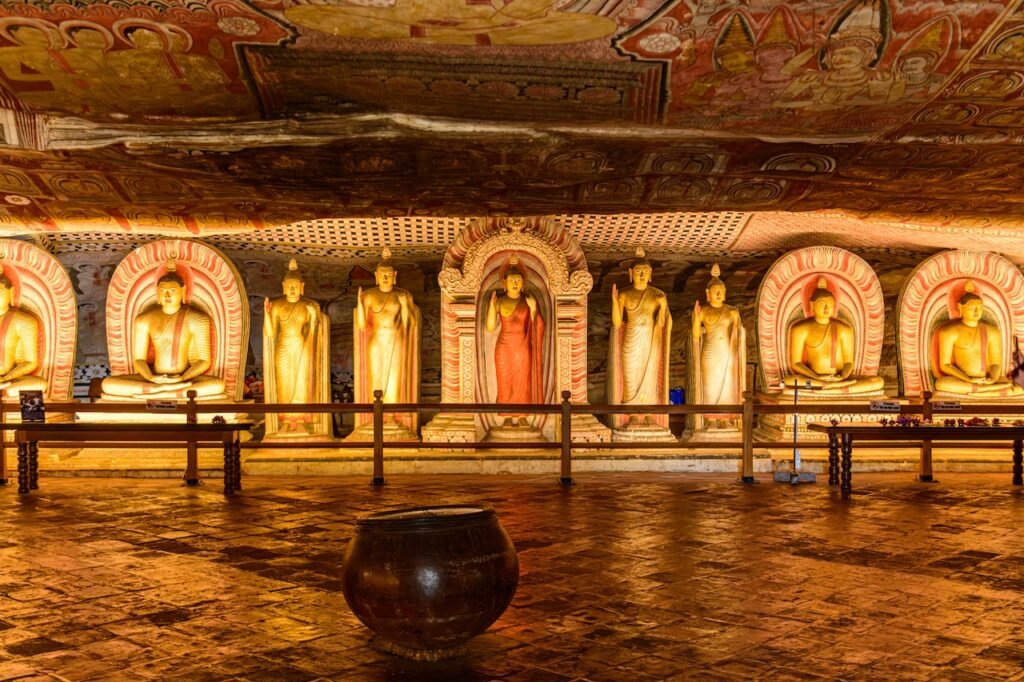
The island’s ancient temples and serene rural landscapes add a quiet spiritual dimension to the healing process — the combination of authentic Ayurveda and the country’s gentle pace creates an experience that feels both traditional and profoundly effective.
When to Visit
That depends on where you’re headed. December to March is best for the southwest coast, while May to September is ideal for the hill country around Kandy. Both periods offer comfortable temperatures and lower rainfall.
Who Will Love Sri Lanka
Sri Lanka is perfect for travellers seeking serious medical wellness and deep detoxification — particularly those over 40 dealing with stress-related conditions, digestive issues or sleep disorders, or anyone wanting a properly structured approach to long-term rejuvenation. The country’s deep cultural and historical richness adds a further layer of meaning to the wellness journey.
How to Get There
The direct flights from Singapore take around three and a half hours. Colombo is the main gateway, with private transfers to Kandy or the southwest coast taking two to three hours. The scenic drive through working tea plantations to the hill country is, for many guests, part of the experience.
Chiang Mai, Thailand: Mountain Wellness and Mindful Living
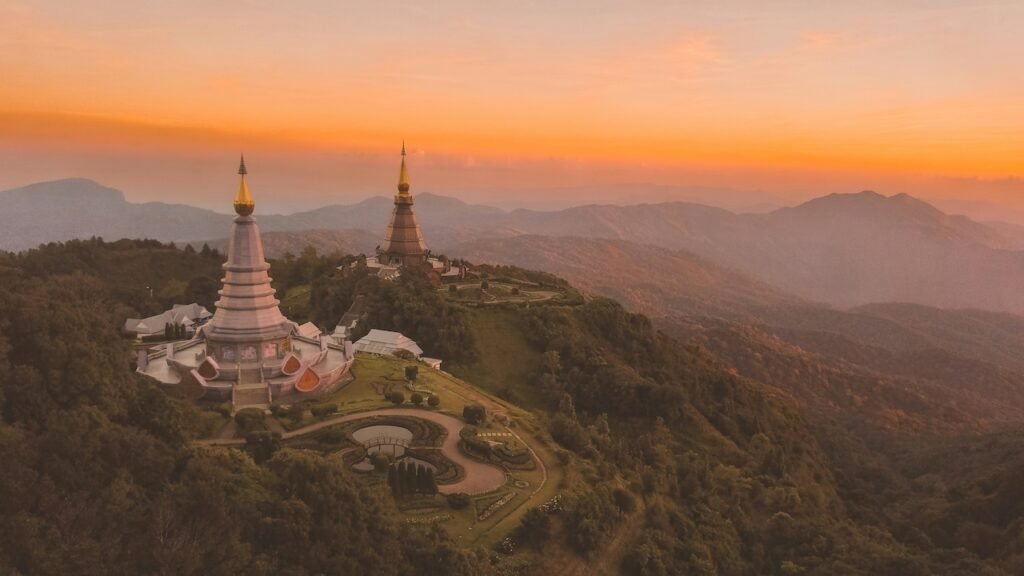
Chiang Mai, in northern Thailand, offers a cooler, more contemplative wellness experience than the country’s southern beach destinations. The surrounding mountains, the deep Buddhist culture and the city’s 700-year-old Lanna heritage create a peaceful contemplative backdrop for retreats focused on mindfulness, yoga, meditation and traditional Thai healing.
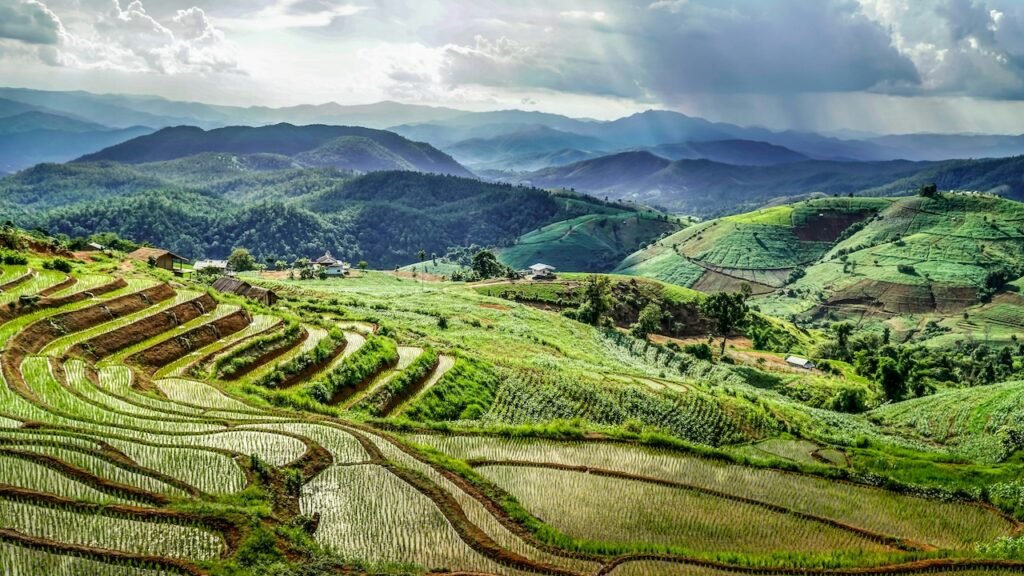
The standout property is the Four Seasons Resort Chiang Mai in the Mae Rim Valley, 30 minutes north of the old city. Set among working rice paddies and surrounded by jungled foothills, the 99-pavilion property offers comprehensive wellness programmes that combine traditional Thai massage, yoga, meditation and authentic Lanna-cultural experiences.
The on-site spa is among the most accomplished in northern Thailand, and the resort’s celebrated cooking school allows guests to learn healthy Thai cuisine as part of the broader wellness journey. The on-property organic rice paddies, where guests can join the morning planting and harvesting with the local farmers, are one of the most quietly accomplished single Asian wellness experiences.
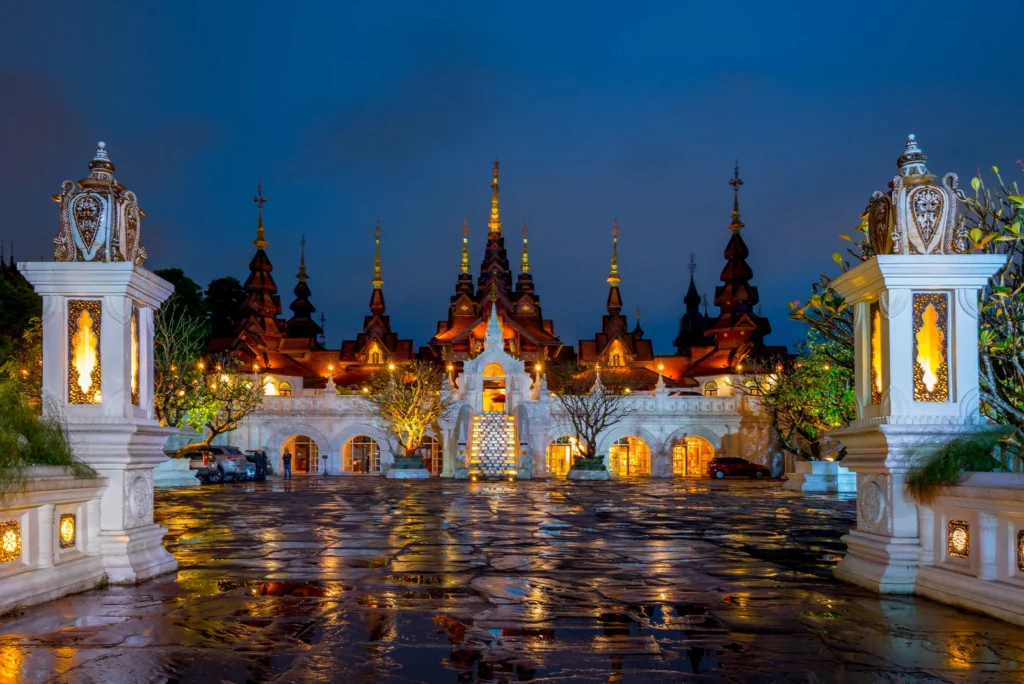
The cultural alternative is Dhara Dhevi Chiang Mai (above), the magnificent 60-acre resort that recreates a traditional Lanna village with hand-built teak buildings and working rice fields. Treatments are performed in elegant wooden pavilions modelled on Lanna royal architecture, and many guests combine their stay with visits to nearby Theravada Buddhist temples and the celebrated Wat Suan Dok meditation centre in central Chiang Mai.
Chiang Mai’s wellness scene is more grounded, more culturally textured and more mindful than the beach-focused retreats further south. The cooler mountain air, the ancient temples and the strong Theravada Buddhist influence create an environment that naturally supports inner reflection. For many visitors, a stay here feels like a considered return to a slower, more intentional way of living.
When to Visit
Head to Chiang Mai from November to February for the cool, dry season. This is also the best window for visiting the surrounding temples and exploring the northern Thai countryside without the heat and humidity of the central plains.
Who Will Love Chiang Mai
Chiang Mai is great for travellers seeking a mindful, culturally rich wellness experience in a cooler, more peaceful setting — particularly those who want to combine wellness with gentle exploration of Thai culture and Buddhist history. The northern Thai setting provides a refreshing contrast to the tropical beach retreats further south.
How to Get There
There are direct flights from Hong Kong or Singapore which take around three hours. The city is compact and easy to navigate, with most luxury wellness retreats located a short scenic drive from the historic centre.
How to Choose Your Asian Wellness Destination in 2026
Each of the four destinations above offers something genuinely distinct, allowing you to tailor your wellness journey to your specific needs and preferences. Koh Samui is best for beachfront luxury and a balanced mix of relaxation and gentle wellness work — particularly suited to those wanting ocean views and tropical atmosphere alongside meaningful self-care, while Bali excels in spiritual energy and rice-paddy serenity, and is the ideal answer for travellers seeking yoga, meditation and a deeper connection with nature and traditional Balinese culture.
Meanwhile, Sri Lanka stands out for authentic medically-supervised Ayurveda and deep cultural texture — particularly suitable for travellers wanting a properly clinical approach with strong emphasis on detoxification and personalised treatment plans, while Chiang Mai provides mindful mountain retreats and Lanna traditions, ideal for travellers wanting a cooler climate, cultural exploration and a focus on mindfulness and inner reflection.
When planning your trip, consider your primary goal carefully. If beach access and relaxation are the priority, Koh Samui or Bali are the right answer. For medical-grade Ayurveda and traditional healing systems, Sri Lanka is unmatched.
For culture, mindfulness and a refreshing change of climate, Chiang Mai is the quietly accomplished alternative. All four destinations are easily reachable from Hong Kong and Singapore, with direct flights ranging from two to four hours.
Frequently Asked Questions About Asia’s Top Wellness Destinations
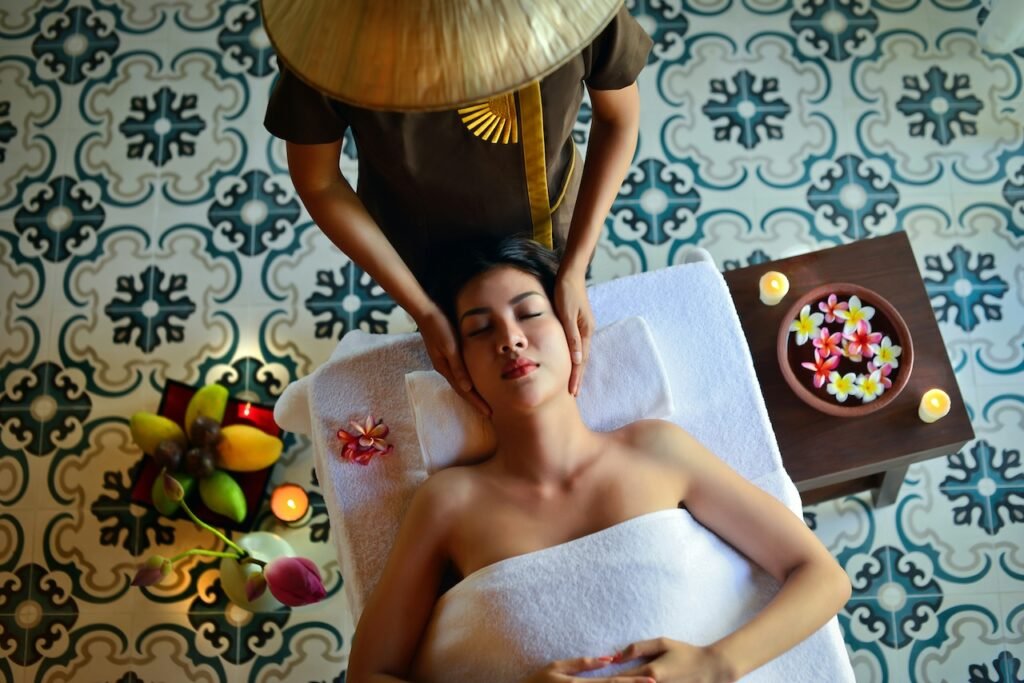
Wellness is a deeply personal experience for travellers so here’s what you need to know before you go.
What is the best wellness retreat in Asia in 2026?
For most luxury travellers, Kamalaya Koh Samui, COMO Shambhala Estate in Bali, Santani Wellness Resort in Sri Lanka and the Four Seasons Resort Chiang Mai are the four most consistently celebrated wellness retreats in Asia in 2026. The best single choice depends on whether your priority is integrative wellness (Kamalaya), spiritual depth (COMO Shambhala), medically supervised Ayurveda (Santani), or mindful mountain culture (Four Seasons Chiang Mai).
How long should an Asian wellness retreat last?
Most wellness specialists recommend a minimum of five nights for genuine benefit, with seven to ten nights as the ideal window for a meaningful reset. Properly clinical Ayurvedic programmes in Sri Lanka often run for two to three weeks for full therapeutic effect.
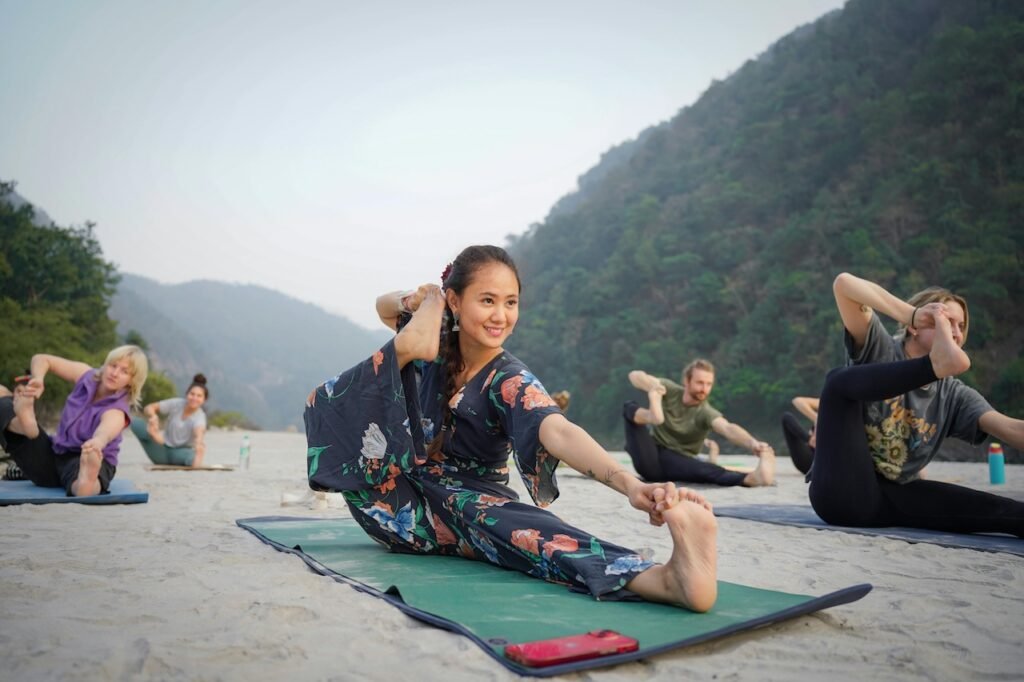
Are Asian wellness retreats suitable for solo travellers?
Yes — most of the leading retreats are designed to accommodate solo travellers comfortably, with shared communal dining, group classes and welcoming social environments. Kamalaya and COMO Shambhala are particularly well established as solo-traveller destinations.
What does an Asian luxury wellness retreat cost?
Expect to budget between USD 600 and USD 1,500 per person per night for an all-inclusive luxury wellness retreat in Asia in 2026, depending on the property, the programme and the season. Sri Lanka’s clinical Ayurvedic retreats tend to offer the best value at the accessible end of the range; Bali and Koh Samui’s premium properties sit at the top.
For many affluent travellers, a luxury wellness retreat in Asia is no longer a discretionary indulgence but a necessary investment in long-term wellbeing. Thailand, Indonesia and Sri Lanka continue to lead the way in 2026, offering experiences that nurture body, mind and spirit in some of the most beautiful settings on Earth.
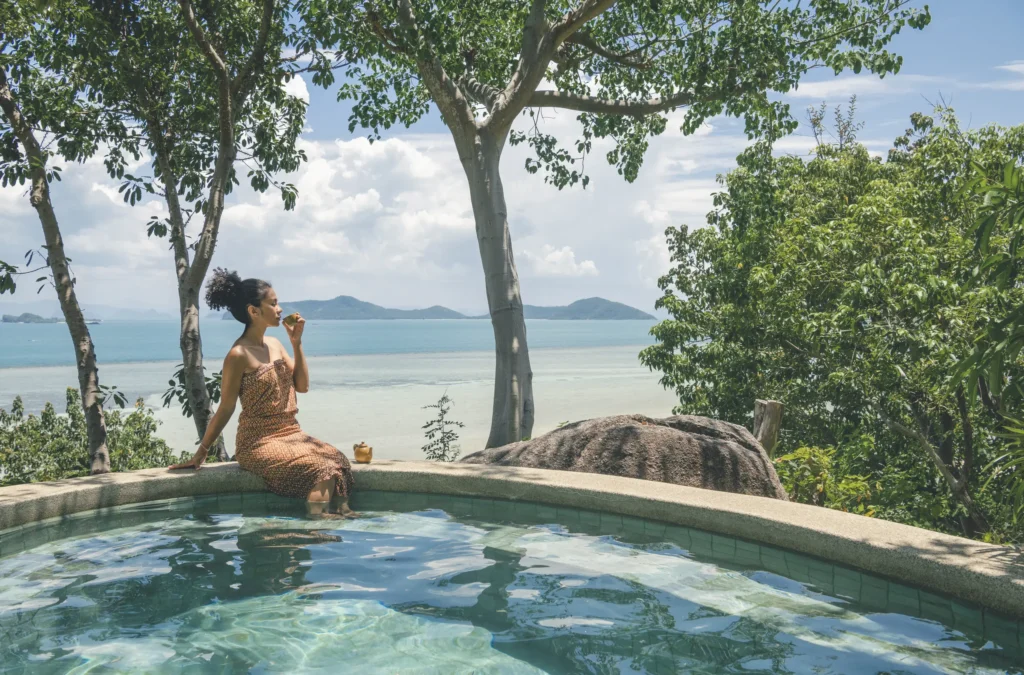
Whichever of Asia’s top wellness destinations you ultimately choose — the tropical elegance of Koh Samui, the spiritual richness of Bali, the Ayurvedic depth of Sri Lanka or the mindful serenity of Chiang Mai — you will return home feeling restored, inspired and meaningfully reconnected.
The journey to better wellbeing may be closer, and considerably more beautiful, than you think.


