
A subversive museum reached by ferry, a 1,271-metre mountain on the city’s doorstep and some of Australia’s most exciting restaurants: this is Hobart in a day.
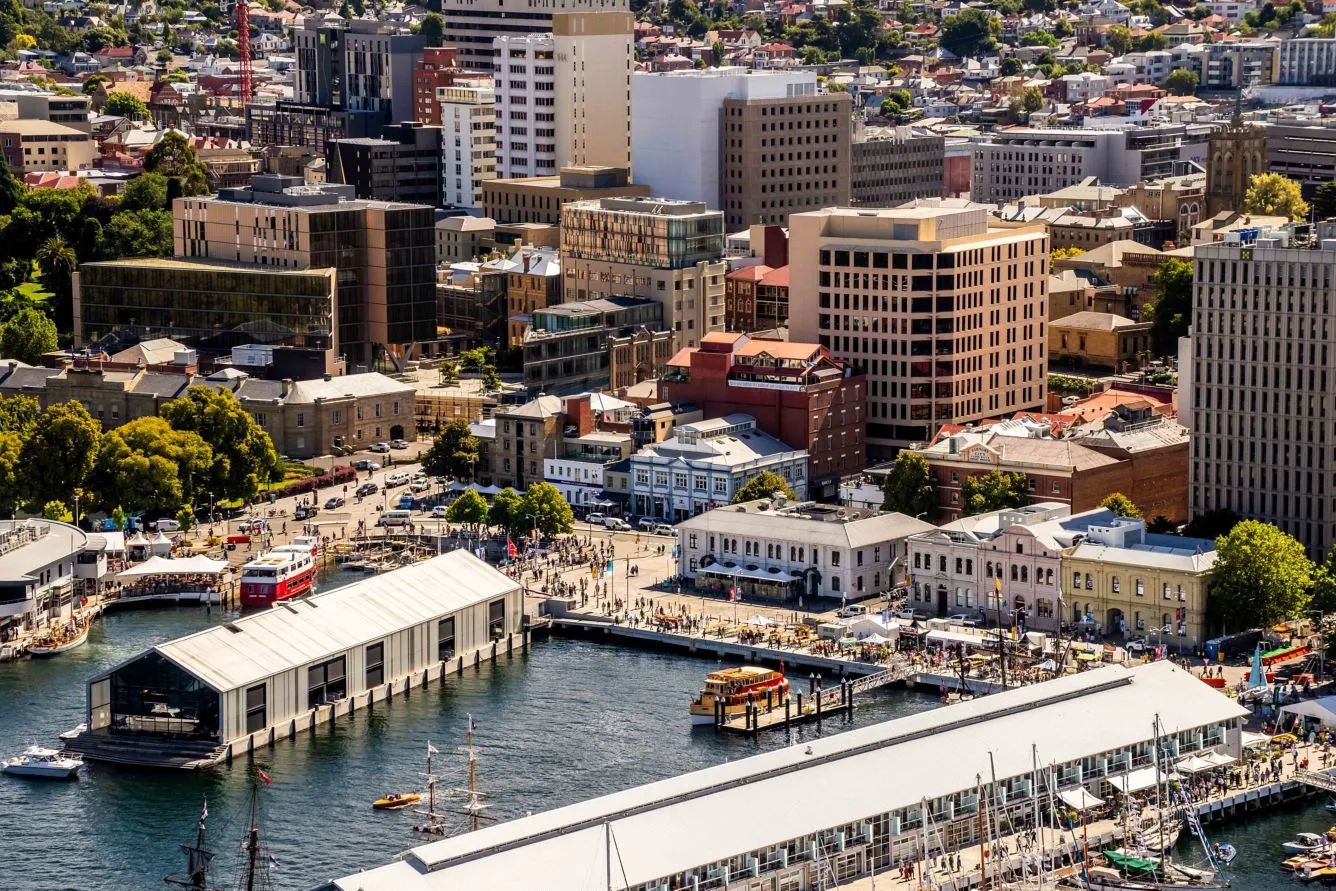
For as long as I can remember, Hobart has always punched above its weight. Australia’s second-oldest capital, which was founded in 1804 on the broad Derwent estuary beneath kunanyi/Mount Wellington, pairs Georgian sandstone warehouses and a working waterfront with one of the world’s most provocative art museums.
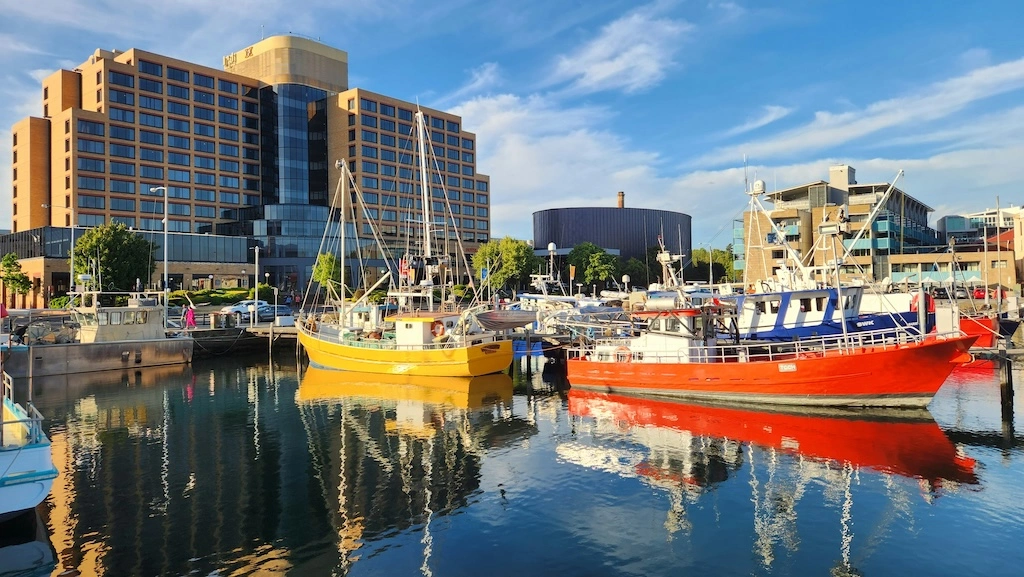
I’ve always loved Hobart during the summer months; it’s during those long, mild days that the harbour is alive with yachts and cruise ships, and the restaurants and cafes are bustling, testament to a dining scene that now rivals cities many times its size. Here’s how to make the most of 24 hours in vibrant little Hobart.
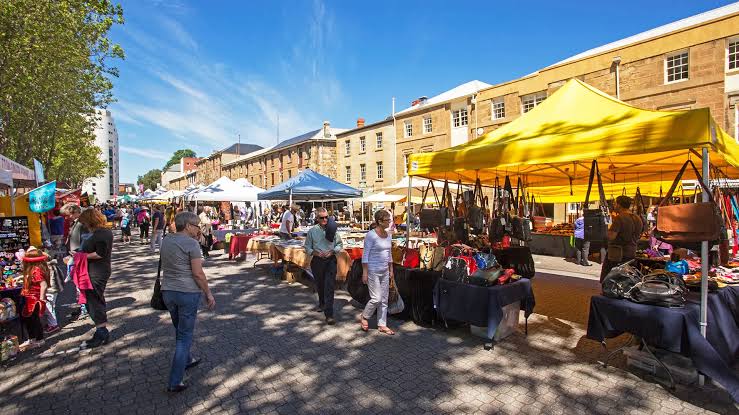
8.30 am — Browse Salamanca Market
If it’s Saturday, start at Salamanca Market, which has filled Salamanca Place every week since 1972. More than 350 stalls stretch the length of the street from 8.30 am to 3 pm, selling Tasmanian produce, woodwork, crafts and street food in front of the Georgian sandstone warehouses that are now home to galleries, cafés and boutiques. Grab a coffee and a scallop pie (a local delicacy), then wander up Kelly’s Steps into the cottage-lined lanes of Battery Point.
10.30 am — Head for the Summit of Kunanyi
Drive 21 kilometres and 30 minutes up Pinnacle Road (or ride the kunanyi/Mount Wellington Explorer Bus) to the 1,271-metre summit, which is some 200 metres taller than Cape Town’s Table Mountain. Boardwalks and lookouts reveal Hobart, the Derwent and, to the west, the Southwest wilderness in all their glory. Walkers can tackle the Organ Pipes track, one of Tasmania’s 60 Great Short Walks, from The Springs, but be sure to bring that shell jacket or jumper as it’s always colder up top.
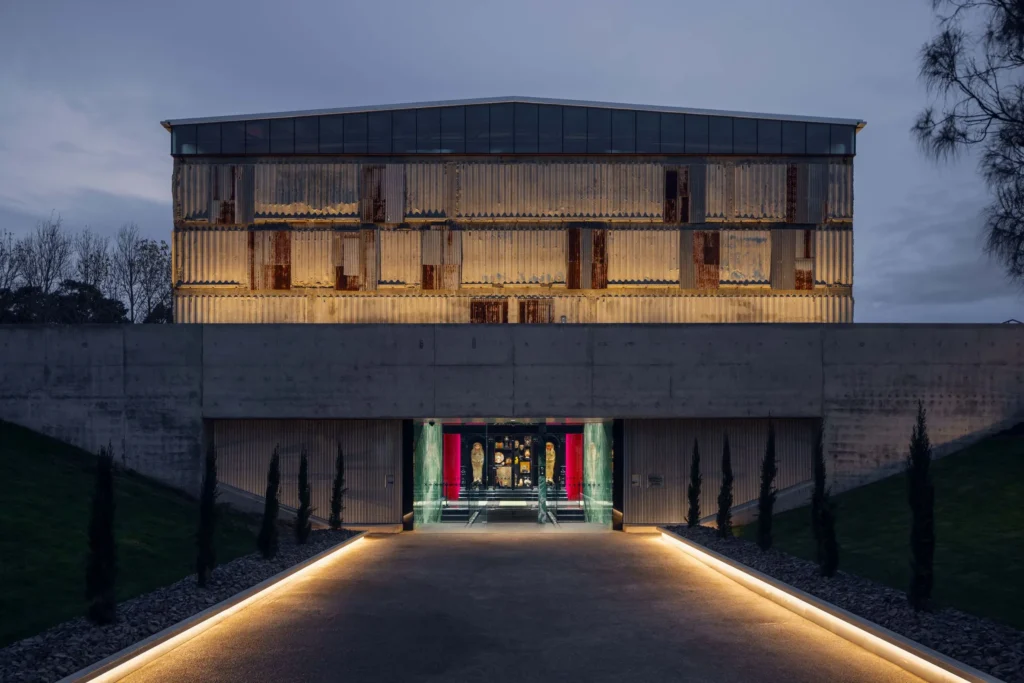
1 pm — Lunch and Art at MONA
Back in town, board the Mona Roma ferry at Brooke Street Pier for a 25-minute cruise up the Derwent to MONA, David Walsh’s gloriously irreverent Museum of Old and New Art (splurge on the Posh Pit for drinks, canapés and access to the private deck). The museum opens Friday to Monday, 10 am to 5 pm, and highlights include James Turrell’s immersive light works in Pharos, Ai Weiwei’s installation in the Siloam tunnel, Charles Ross’s Spectrum Chamber and the mummy room. Leave time for lunch at The Source, then taste Moorilla wines and Moo Brew beer (Walsh’s own brewery) at the cellar door.
5 pm — Waterfront Sundowners
Ferry back to the city and settle in for a drink with harbour views. Mary Mary, the craft cocktail bar and spirit library at The Tasman, is a polished choice, while the IXL Long Bar at The Henry Jones Art Hotel (a favourite with visiting prime ministers) occupies a former jam factory on the wharf.

7 pm — Dinner at One of Hobart’s Best Tables
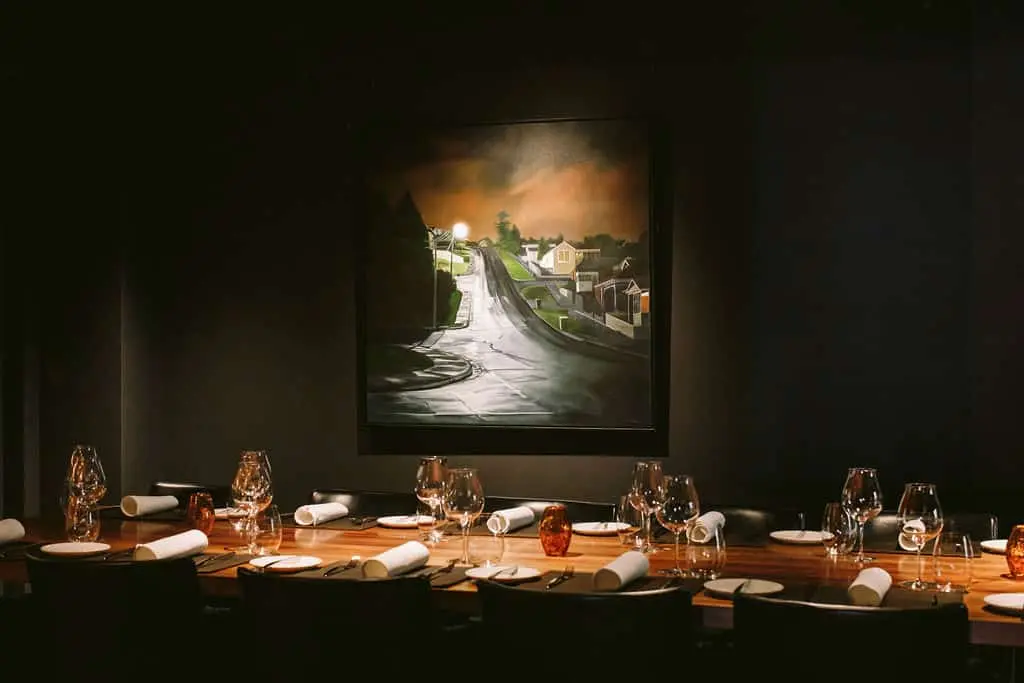
Book well ahead for a table at Aløft, on Pier One, which serves an ever-changing nine-course, Asian-inspired tasting menu of Tasmanian produce from 2026 Chef of the Year Christian Ryan. Alternatively, Scholé, Gourmet Traveller‘s 2026 Tasmanian Restaurant of the Year, seats just ten at a shared table, while Fico offers two set menus in an art-filled dining room and Omotenashi serves a ten-seat Japanese kaiseki hidden behind a luxury car showroom.
10 pm — A Nightcap With a Story
End the night at The Story Bar at MACq 01 on the waterfront, which specialises in Tasmanian gin and whisky as well as innovative cocktails (we love the the bright and citrus-forward Colourful & Quirky, with McHenry Butterfly Gin, Creme de Violette, rosemary syrup, lemon juice and a dab of foam. It’s like Hobart in a glass.
Where to Stay
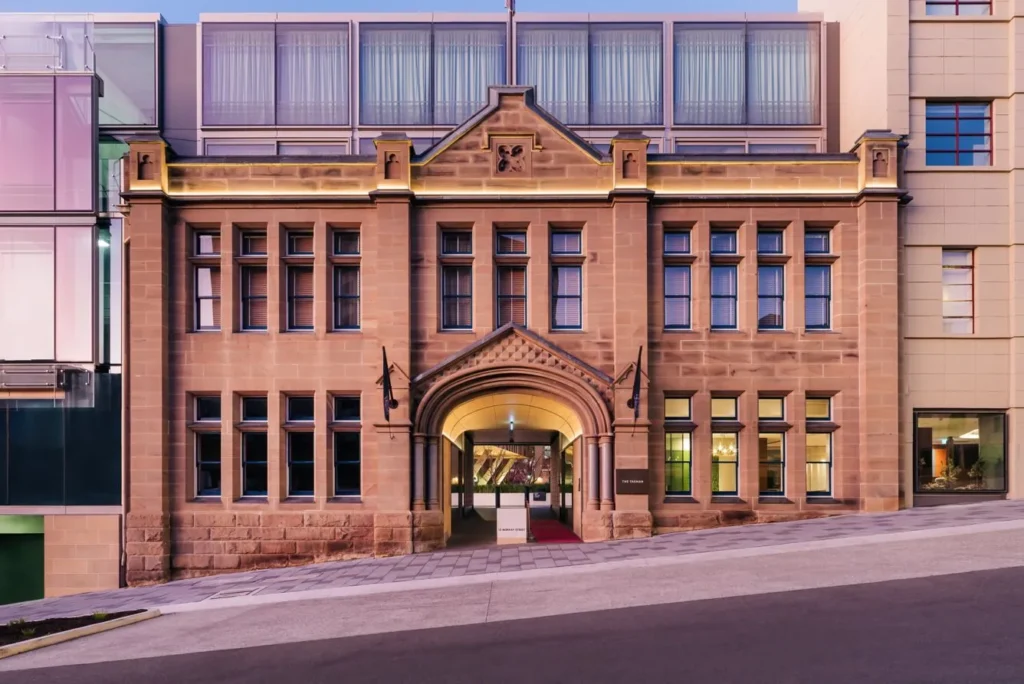
For a relatively tiny city, Hobart has a wide selection of hotels to choose from. Here are some of our favourites.
The Tasman, a Luxury Collection Hotel
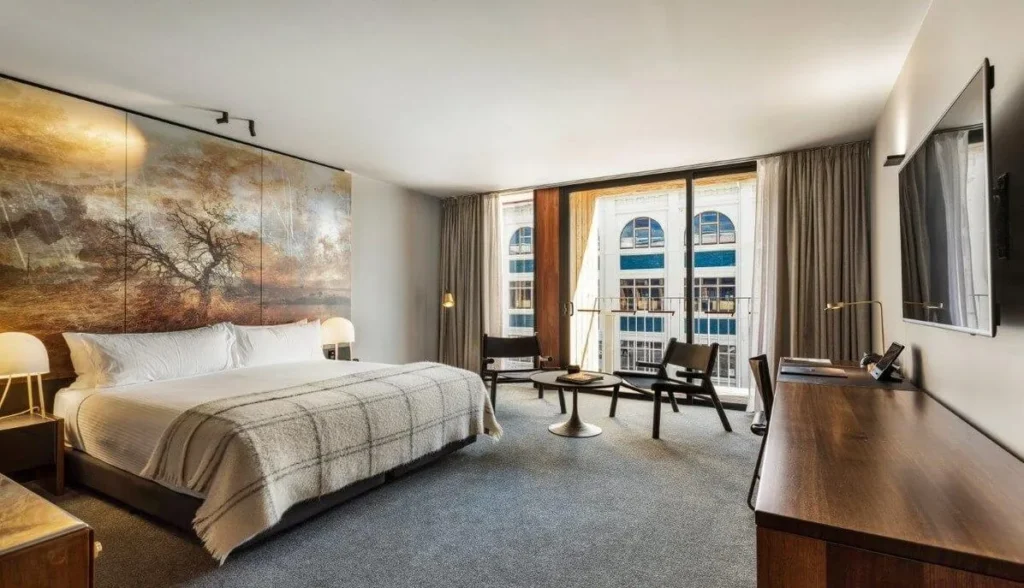
The Luxury Collection’s Australian debut, which opened at the end of 2021, is a masterclass in reinvention. Set on Parliament Square, a stroll from Salamanca Place and Sullivan’s Cove, it weaves together former government buildings spanning some 180 years of Georgian, Art Deco and contemporary architecture, reimagined by Francis-Jones Morehen Thorp and Joseph Pang Design Consultants.
Heritage rooms keep their convict-hewn sandstone, restored fireplaces and marble bathrooms, while the 1937 Art Deco rooms have Tasmanian sassafras-inlaid ceilings, and the Pavilion rooms gaze over the cove. At the top, the 108-square-metre Aurora Suite has an island bath and terrace. Leave time for dinner at Peppina, where chef Massimo Mele gives Tasmanian produce an Italian accent.
Location: Parliament Square, central Hobart
Best for: design lovers, history buffs and couples wanting to walk everywhere
MACq 01
Every room at this waterfront hotel on Macquarie Wharf has a story – literally. Opened in 2017 in a four-storey building whose façade echoes the shipping shed that once stood here, MACq 01 names each of its 114 rooms after a Tasmanian character, Indigenous or European, with their tale and portrait on the door.
Full-time storytellers lead guests through the island’s past, found artefacts line the lobby and corridors, and bedheads are decorated by local artist Troy Ruffels. Rooms are generously sized, with loft-style suites at each end of the building.

Seafood stars at the Old Wharf Restaurant, while The Story Bar pours an impressive line-up of locally produced spirits. Step outside and the Mona Roma ferry, Salamanca and the city’s best restaurants are minutes away.
Location: Hunter Street, Macquarie Wharf, Hobart waterfront
Best for: curious travellers, families and first-time visitors
The Henry Jones Art Hotel
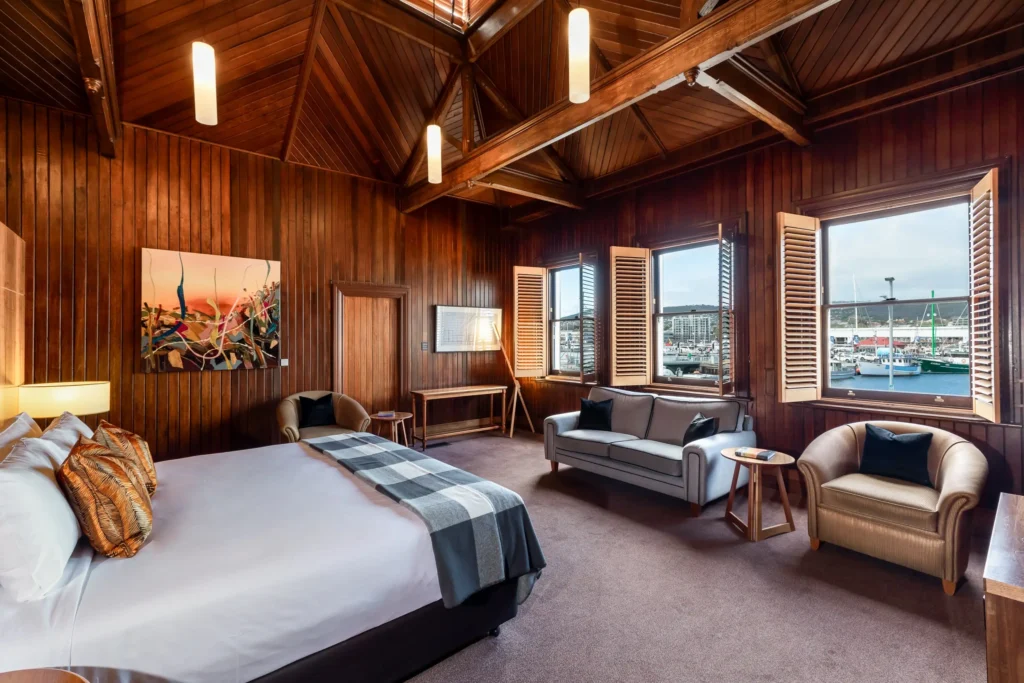
Henry Jones built his IXL jam empire on this Hobart wharf at the end of the 19th century. After decades of dereliction, the former sandstone factory reopened in 2004 as one of Australia’s first art hotel. More than 250 original works by established and emerging Tasmanian artists hang throughout its 50 rooms and public spaces, most of them for sale, and the hotel bills itself as the only dedicated art hotel in the Southern Hemisphere.
Rooms blend the factory’s industrial bones with contemporary comforts. The soaring glass Atrium, the Steam Packet restaurant, the IXL Long Bar and Jam Packed café keep things lively, and you’re next door to MACq 01 and moments from Salamanca.
Location: Hunter Street, Hobart waterfront
Best for: art lovers and couples
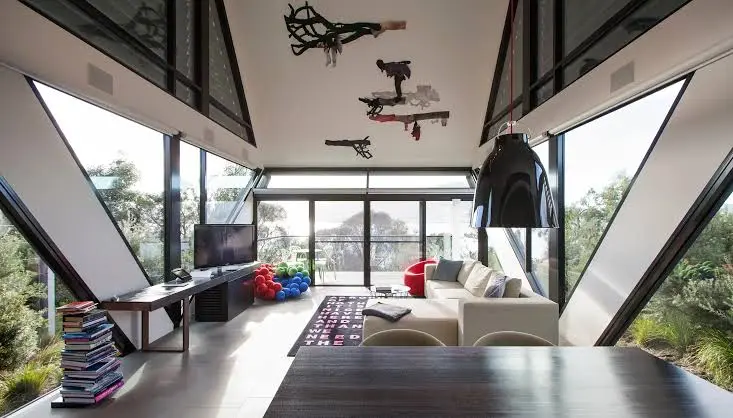
MONA Pavilions
Sleeping beside one of the world’s most talked-about museums is a thrill in itself. Set on the MONA peninsula at Berriedale, overlooking the Derwent and around 20 minutes from the city, these eight pavilions are each named after an Australian artist or architect whose work is shown in the museum next door, and each comes with residential-style comforts, including a kitchen and laundry.
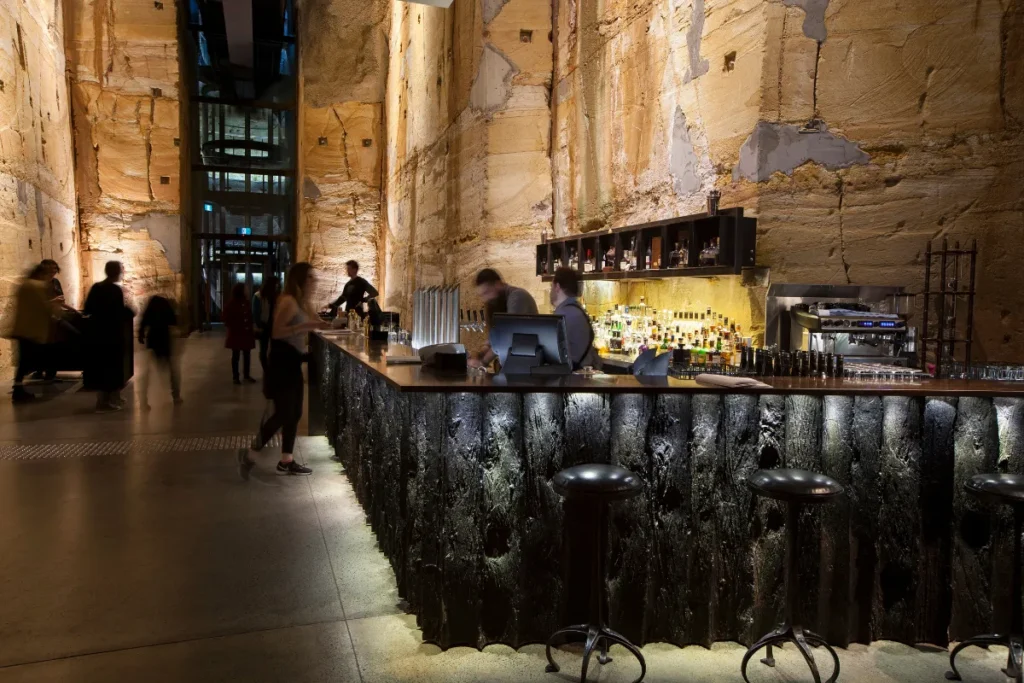
Guests share a gym, sauna and heated infinity pool, and dining is right on site, with The Source restaurant, the Moorilla wine bar and the museum’s café and bar all steps away. Wake up with the vines and the river outside, wander into the galleries before the ferry crowds arrive, then catch the Mona Roma into town for dinner.
Location: Berriedale, MONA peninsula
Best for: art obsessives and couples after something completely different
Hobart Travel Q&A
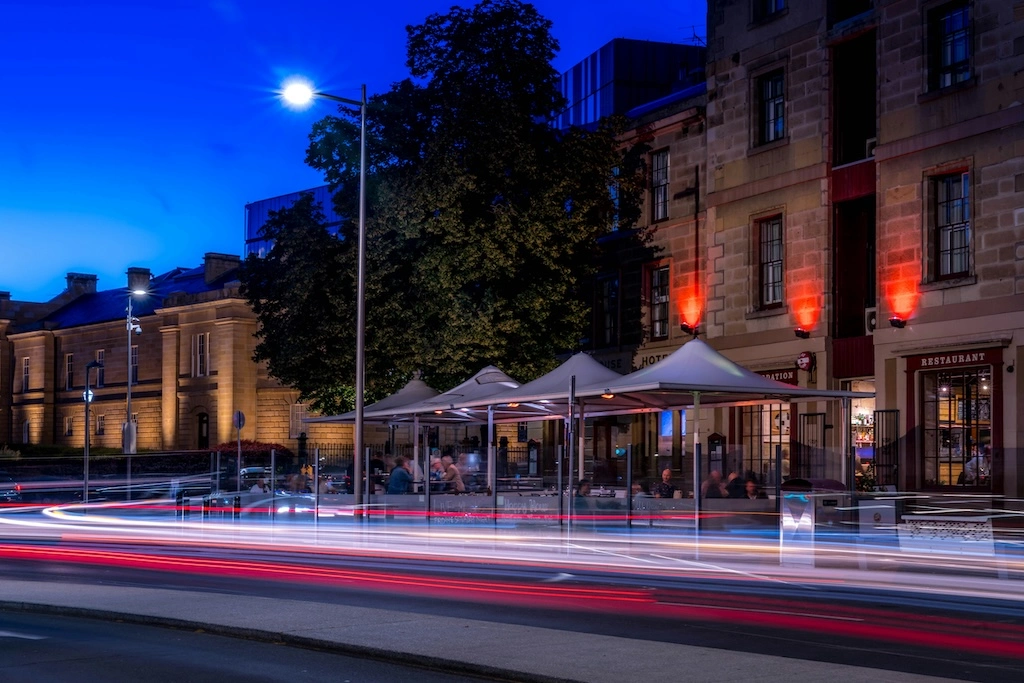
Hobart is an intimate and historic destination that rewards curiosity and exploration. Here’s what you need to know before you go.
Where are the best places to eat in Hobart?
Scholé, a ten-seat shared table on Liverpool Street from chef Luke Burgess, was named Tasmania’s Restaurant of the Year, and Aløft’s Christian Ryan as Chef of the Year for his nine-course, Asian-inspired tasting menu on Pier One. Fico serves two European set menus on Macquarie Street, Ogee in North Hobart is one of the city’s hottest tables for handmade pasta, and Omotenashi offers a ten-seat Japanese kaiseki. Further afield, The Agrarian Kitchen at New Norfolk (about 30 minutes away) is a farm-to-table pilgrimage. Book ahead in summer.
Where can I go wine tasting near Hobart?
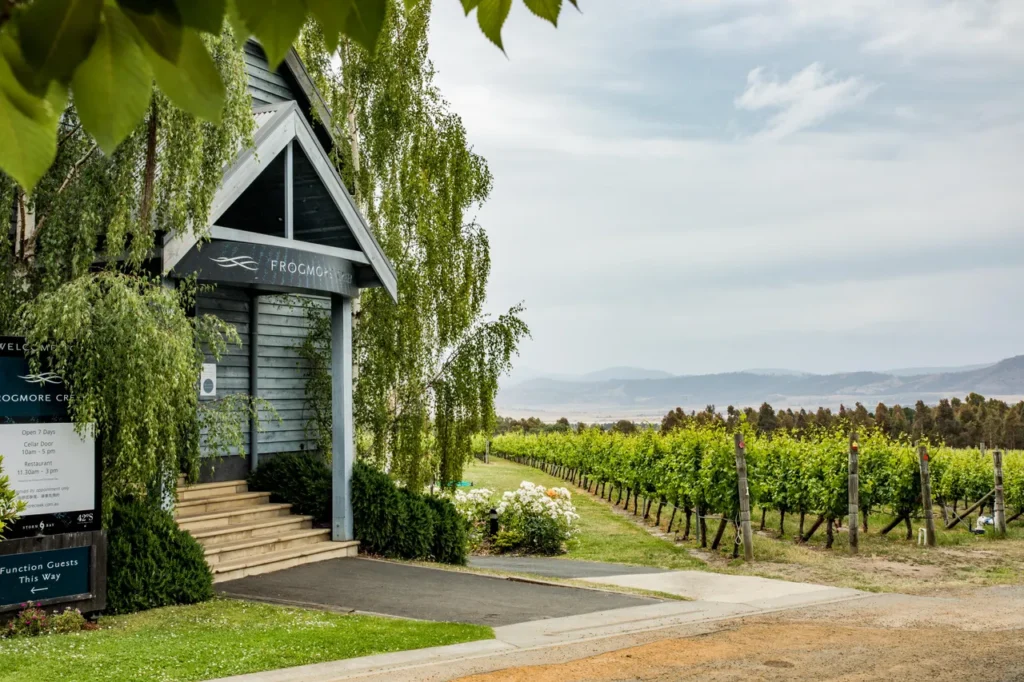
The Coal River Valley, around 15 minutes’ drive from the city centre, is the closest wine region and makes an easy half-day trip, often combined with historic Richmond. Frogmore Creek, which calls itself the largest ultra-premium cool-climate winery in southern Tasmania, has a cellar door and restaurant with valley views. Closer still, MONA’s Moorilla winery sits on the museum’s peninsula, pouring estate wines alongside Moo Brew beer.
Do I need to hire a car in Hobart?
Not for the city itself: the waterfront, Salamanca Place, Battery Point and the CBD are walkable, the Mona Roma ferry runs to MONA, and the Explorer Bus climbs kunanyi. However, a car is the best way to reach the Coal River Valley, Bruny Island and Port Arthur at your own pace, and the major rental companies have desks at Hobart Airport. Australians drive on the left, and Pinnacle Road up Kunanyi can close in snow, ice or heavy traffic, so check its status before you set off.
How do I get from Hobart Airport to the city?
Hobart Airport is around a 20-minute drive east of the city centre. The SkyBus airport transfer departs every 30 minutes, seven days a week, from around AU$24 (US$17) one way for adults, or take a taxi or rideshare. There are direct flights from Melbourne and Sydney (Qantas, Jetstar and Virgin), Brisbane (Qantas and Virgin), Adelaide, Perth, the Gold Coast, Canberra and Newcastle, plus Air New Zealand’s service from Auckland, up to three times a week.
What are the best day trips from Hobart?
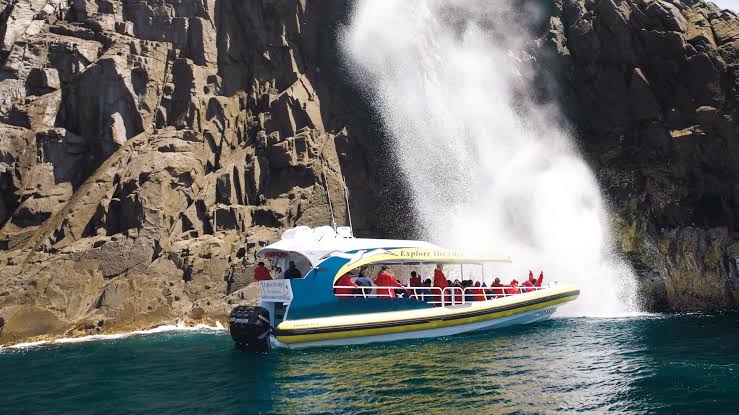
Two stand out. Bruny Island is a 40-minute drive to the ferry terminal at Kettering, then a 20-minute crossing of the D’Entrecasteaux Channel. Once there, stop at The Neck lookout, slurp oysters at Get Shucked, taste Bruny Island Cheese Company‘s wares and join a Pennicott Wilderness Journeys cruise to see sea caves and fur seals. Port Arthur Historic Site, Australia’s most intact convict settlement and part of a UNESCO World Heritage listing, is about 90 minutes away; tickets include a harbour cruise and are valid for two consecutive days, and there’s a lantern-lit ghost tour after dark.
Is there good golf near Hobart?
Yes. The Tasmania Golf Club, just beyond Hobart Airport on headlands overlooking Barilla Bay, is a 6,214-metre, par-72 championship course with panoramic water views and a clubhouse serving local beer and wine. For bucket-list golf, Tasmania’s famous links courses, Barnbougle Dunes and Lost Farm, lie in the island’s north-east, around an hour from Launceston, making them a worthwhile add-on to a longer trip.